If you're thinking about buying a home or refinancing your current mortgage, you'll want to know that today, August 30, 2026, mortgage rates are looking a little higher than they did last week. The popular 30-year fixed mortgage has crept up, and while some other rates have dipped, the overall trend points towards a bit more cost for borrowing money.
Today's Mortgage Rates August 30: 30-Year Climbs to 6.55% as Treasury Yields Hit 4.73%
What Are the Numbers Today?
Let's get straight to the point. According to the latest data from Zillow, here’s where things stand for fixed mortgage rates today, August 30, 2026:
- 30-year fixed: 6.55%
- 20-year fixed: 6.46%
- 15-year fixed: 5.91%
- 5/1 ARM: 6.26%
- 7/1 ARM: 6.11%
- 30-year VA: 6.11%
- 15-year VA: 5.91%
- 5/1 VA: 6.02%
You can see that the 30-year fixed rate has gone up by 18 basis points (0.18%) compared to last week, landing at 6.55%. That might not sound like a lot, but over the life of a mortgage, it adds up. The 15-year fixed rate also saw a small bump of 3 basis points (0.03%), now at 5.91%. On the flip side, the 5/1 ARM rate has actually come down by a noticeable 48 basis points (0.48%), settling at 6.26%.
Why Are Rates Moving Up? Let's Break It Down.
It's easy to just look at the numbers and feel a bit confused or even frustrated. But when I look at these changes, I see a few big forces at play that are keeping mortgage rates pretty steady in the mid-6% range.
Right now, the average 30-year fixed-rate mortgage is hovering between 6.62% and 6.66%, which is a bit higher than the Zillow data I just shared for today, indicating slight variations across different sources and points in the day. But the overall message is the same: borrowing costs are elevated.
Here are the main reasons why, in my opinion, this is happening:
- Sticky Inflation: This is a big one. Inflation, which is basically when prices for things go up, is proving to be tougher to bring down than folks initially hoped. The central bank, the Federal Reserve, has a goal to keep inflation in check, and when it's high, they tend to make borrowing money more expensive to cool down the economy.
- The Fed's Stance: Federal Reserve Chairman Kevin Warsh has been signaling that they're not done trying to control inflation. This means they might raise interest rates again, and that expectation alone can push mortgage rates higher.
- Treasury Yields Are Up: Think of U.S. Treasury bonds like a big loan the government takes out. When the interest rate on those bonds goes up, it generally makes mortgages more expensive too. The 10-year U.S. Treasury yield jumped up significantly recently, closing around 4.73%. This is a strong signal to the mortgage market that borrowing costs are going up.
- Global Worries: Things happening around the world can also impact our wallets at home. The ongoing conflict between the U.S. and Iran, for example, can make oil prices jump. When oil prices go up, it costs more to transport goods, and that can lead to higher prices for everyday items, adding to inflation.
- Government Spending: The U.S. national debt has crossed a huge milestone, reaching over $40 trillion. To pay for everything, the government needs to borrow a lot of money by selling bonds. When there are a lot of bonds out there, it can push their prices down and their yields (interest rates) up, which, you guessed it, means higher mortgage rates for us.
Breaking Down the Numbers: A Closer Look
Let's look at how these different mortgage types are being affected. It's helpful to see them side-by-side.
| Mortgage Type | Today's Rate (August 30, 2026) | Last Week's Rate (Approx.) |
|---|---|---|
| 30-year fixed | 6.55% | 6.37% |
| 15-year fixed | 5.91% | 5.88% |
| 5/1 ARM | 6.26% | 6.74% |
(Note: “Last Week's Rate (Approx.)” is estimated based on the provided information of rates rising or falling by basis points.)
As you can see, the 30-year fixed rate has definitely moved north, which is what most people consider when they're buying a home because it offers stability. The 15-year fixed rate is up just a tiny bit, while the 5/1 ARM has actually seen a nice drop.
An ARM, or Adjustable-Rate Mortgage, usually starts with a lower interest rate for a set period (like 5 or 7 years) and then the rate can change based on market conditions. For someone who plans to move or refinance before the rate starts adjusting, a lower ARM rate can be appealing. But it also comes with more risk if you plan to stay in the home for a long time.
What Does This Mean for You?
If you're in the market for a home, these rates mean that your monthly mortgage payment will be higher today than it would have been if you had locked in a rate last week for a 30-year fixed mortgage. This could impact how much house you can afford. It's always a good idea to talk to a mortgage lender to get pre-approved and understand your buying power with current rates.
For those looking to refinance, the story is a bit mixed. If you have a variable-rate mortgage or an ARM that's about to adjust, seeing the 5/1 ARM rate drop might be good news. However, if you were hoping to refinance your existing fixed-rate mortgage into a much lower rate, today's numbers suggest that might be a tougher goal right now.
My advice? Don't get too discouraged by a few upward ticks. The housing market is always changing, and so are interest rates.
- Shop Around: Different lenders offer different rates. It’s crucial to compare offers from several mortgage companies.
- Consider Your Timeline: If you’re planning to stay in your home for a long time, a fixed-rate mortgage offers predictability. If you think you’ll move in a few years, an ARM might be worth considering, but understand the risks.
- Improve Your Credit Score: A higher credit score can qualify you for better interest rates, no matter what the market is doing.
- Talk to a Professional: A good mortgage broker or loan officer can guide you through the options and help you find the best fit for your financial situation.
Looking Ahead
Tomorrow's rates will likely hinge on the same forces driving today's: sticky inflation, a Fed still not ruling out another hike, and Treasury yields near 4.73%. If you're deciding between loan types, today's numbers make a strong case for ARMs if you don't plan to stay long-term — the 5/1 ARM dropped nearly half a point while fixed rates climbed.
VS
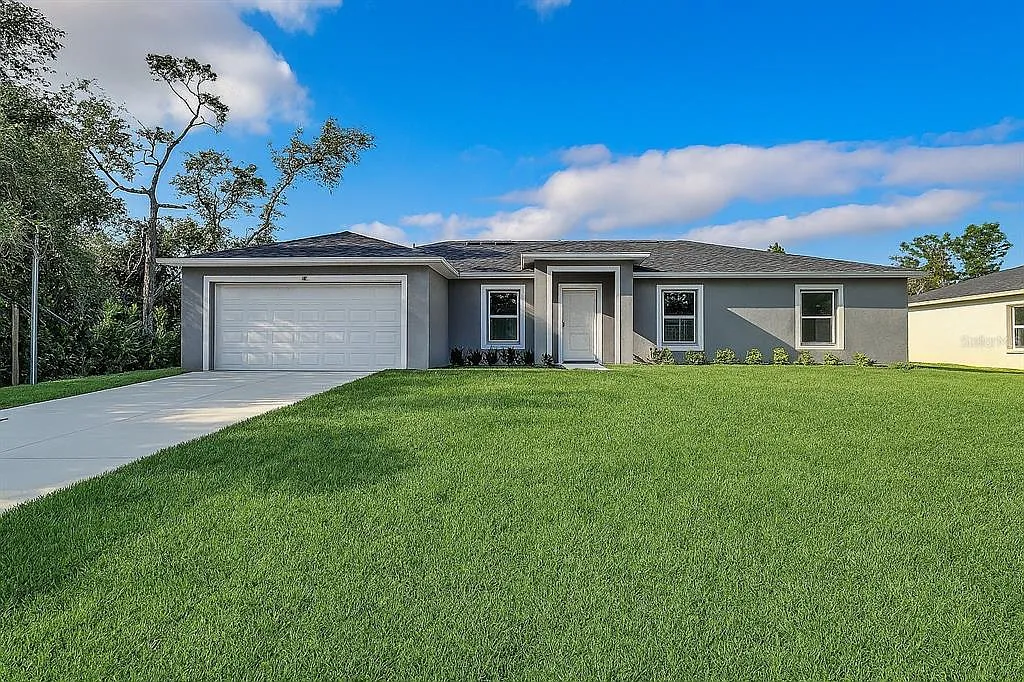
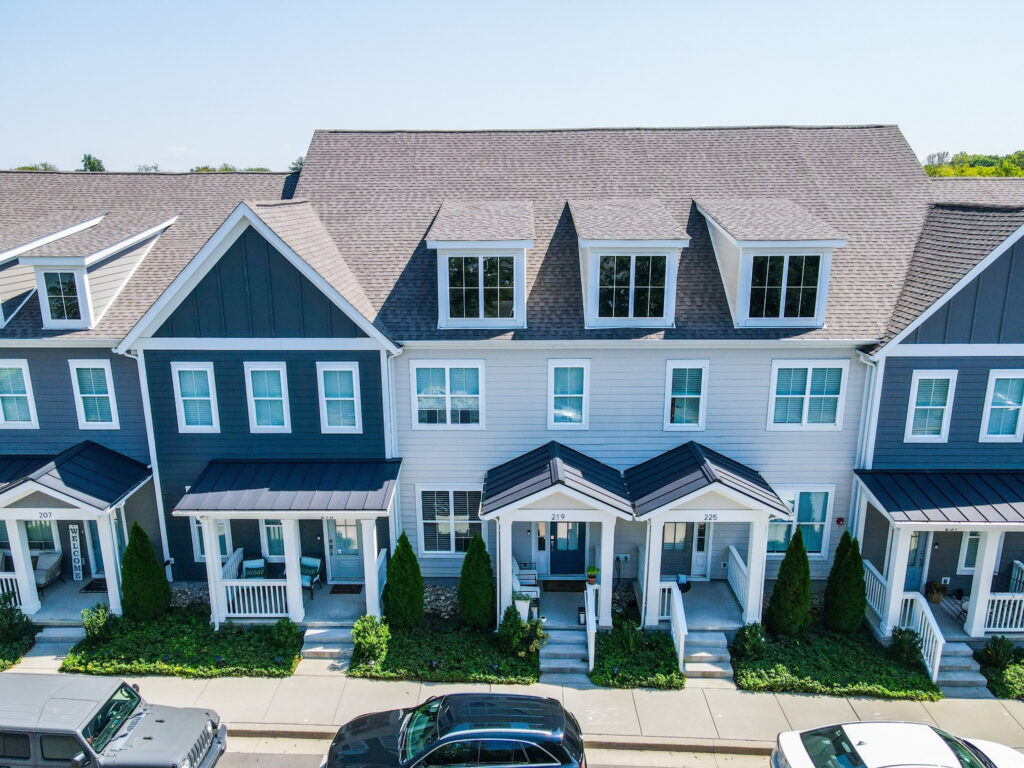
Out‑of‑State investors can compare Tennessee’s newer rental with higher NOI vs Florida’s A+ property with strong yield. Which fits YOUR investment strategy?
We have much more inventory available than what you see on our website – Let us know about your requirement.
📈 Choose Your Winner & Contact Us Today!
Speak to a Norada Investment Counselor (No Obligation):
(800) 611-3060
Mortgage rates remain high in 2026, but rental properties continue to deliver strong cash flow and appreciation. Savvy investors know that turnkey real estate is the path to passive income and long‑term wealth.
Norada Real Estate helps you secure turnkey rental properties designed for immediate cash flow and appreciation—so you can invest smartly regardless of interest rate trends.
Also Read:
- Mortgage Rates Predictions Backed by 7 Leading Experts: 2025–2026
- Mortgage Rate Predictions for the Next 3 Years: 2026, 2027, 2028
- 30-Year Fixed Mortgage Rate Forecast for the Next 5 Years
- 15-Year Fixed Mortgage Rate Predictions for Next 5 Years: 2025-2029
- Will Mortgage Rates Ever Be 3% Again in the Future?
- Mortgage Rates Predictions for Next 2 Years
- Mortgage Rate Predictions for Next 5 Years
- Mortgage Rate Predictions: Why 2% and 3% Rates are Out of Reach
- How Lower Mortgage Rates Can Save You Thousands?
- How to Get a Low Mortgage Interest Rate?
- Will Mortgage Rates Ever Be 4% Again?