If you're thinking about refinancing your home right now, the numbers aren't as sweet as they were just yesterday. On August 28, 2026, the average 30-year fixed refinance rate jumped up to 6.97%. This means that refinancing your mortgage today will cost you a little more than it did a few days ago. Let’s dive into what’s going on and what it means for you.
Mortgage Rates Today, August 28, 2026: 30-Year Refinance Rate Rises by 12 Basis Points
What the Numbers Say Today
According to the latest data from Zillow, the big news is that the national average 30-year fixed refinance rate has climbed. It went from 6.85% to 6.97%, which is an increase of 12 basis points. A basis point is just a fancy word for 1/100th of a percent, so that’s a 0.12% jump.
Here’s a quick look at the rates, according to Zillow:
| Loan Type | Average Rate (August 28, 2026) | Change from Previous Day |
|---|---|---|
| 30-Year Fixed Refinance | 6.97% | +12 basis points |
| 15-Year Fixed Refinance | 5.98% | +5 basis points |
| 5-Year ARM Refinance | 6.25% | No change |
You can also see that the 15-year fixed refinance rate also went up, by 5 basis points, to 5.98%. The 5-year adjustable-rate mortgage (ARM) refinance rate stayed put at 6.25%.
Why Are Rates Going Up? It’s a Mix of Things!
Now, you might be wondering why these rates are creeping up. It’s never just one thing; it’s usually a combination of different events and trends. Think of it like baking a cake – you need flour, sugar, eggs, and a bit of heat to get it just right.
1. The Federal Reserve is Being a Little Cautious
Remember all those hopes we had at the start of 2026 for the Federal Reserve to lower interest rates? Well, those hopes have cooled down a bit. The Fed watches something called “core inflation” very closely, which is basically the cost of things without the super-wobbly prices of food and energy. This core inflation has been a bit stubborn, staying higher than the Fed likes.
The person in charge at the Fed now, Chairman Kevin Warsh, and his team have decided to keep the main interest rates steady for now. What’s more, some people are starting to think that the Fed’s next move might actually be to raise rates later this year, instead of lowering them! This uncertainty makes lenders a little nervous, and they often raise mortgage rates when they’re unsure about what the Fed might do.
2. That Iran Situation and Oil Prices
This is a big one that’s been hanging over us. Tensions in the Middle East, particularly with the ongoing situation involving Iran, are like a big question mark for the world economy. When there’s trouble in that part of the world, it often means oil prices can jump around.
If oil prices go up, it can make everything more expensive, and that includes the general cost of living. This is called inflation. When inflation goes up, it tends to push up the yields on things like the 10-year U.S. Treasury bond. Since mortgage rates follow these Treasury yields pretty closely, higher oil prices can lead to higher mortgage rates.
3. The 10-Year Treasury Yield is Staying High
Because of all these worries – inflation, government spending, and global events – investors want to get paid more for lending their money for longer periods. This means the 10-year U.S. Treasury yield has been staying pretty high, often in the range of 4.6% to 4.7%.
Think of it this way: if the government has to pay more to borrow money (that’s the yield), then the companies and people who lend money for other things, like mortgages, also need to charge more. So, the higher Treasury yields are pulling mortgage rates right up with them.
What Does This Mean for You, the Homeowner?
So, you’re thinking about refinancing. I get it. We all want the best deal we can find. Here are some things to keep in mind as you consider your options:
- The Old “Rule of Thumb” Might Not Apply Anymore: For a long time, people would say, “Only refinance if the new rate is at least 1% or 2% lower than what I have now.” This made sense because refinancing has costs, like closing fees. However, and this is a big “however,” most people who have mortgages right now got them when rates were super low a few years back. We’re talking over 80% of homeowners have rates below 6%! Because of this, there aren't many people who will see a big, clear saving just by swapping their old low rate for a new one that’s only a little bit lower.
- Shopping Around is Super Important! This is something I can't stress enough. National averages are just that – averages. They don't tell the whole story for you. I've seen it so many times where people pay way more than they need to because they only talk to one or two lenders. Data from Bankrate shows that a huge number of borrowers – up to 87% – end up paying more than the best rate available because they don't compare offers. It’s like buying a TV; you wouldn’t just buy the first one you see, right? You’d check a few stores and online to find the best price. You have to do the same with mortgages. You need to talk to multiple banks, credit unions, and online lenders. You might be surprised by how much lower you can get the rate if you do your homework.
- Think About Other Ways to Get Cash Out If your main reason for refinancing is to get some cash out of your home for renovations or to pay off debts, a “cash-out refinance” might not be your best friend right now. When you do a cash-out refi, you're essentially getting a whole new mortgage, and you'll lose that great low rate you might have locked in on your original loan. In this kind of market, it’s often much smarter to leave your main mortgage alone. Instead, you could look into other options like a Home Equity Line of Credit (HELOC) or a Second Mortgage. These can let you borrow money against your home's value without touching your primary mortgage, and often come with different terms that might be better for you right now.
My Two Cents as Someone Who's Been Around the Block
Looking at these numbers today, it feels a bit like a treadmill. Rates went up, then maybe they'll go down, then maybe they'll go up again. It can be frustrating for homeowners who are just trying to make the best financial decisions.
What I've learned over the years is that timing the market perfectly is nearly impossible. Instead of stressing about hitting the exact bottom or top, it’s more about making sure your refinance makes sense for your situation.
If you're someone who’s been paying a higher rate for years and today's 6.97% is significantly lower for you, then yes, it might still be worth exploring. But for most folks who locked in rates below 6%, the math just doesn't add up for a simple rate-and-term refinance right now.
The biggest takeaway for me is this: don't get discouraged by the headlines. The national average is a guide, not a rule. Your personal situation is what matters most. Get quotes from at least 3-5 different lenders. Be patient, do your research, and talk to people who know their stuff. That’s how you’ll find the best path forward, no matter what the rates are doing on any given day.
VS
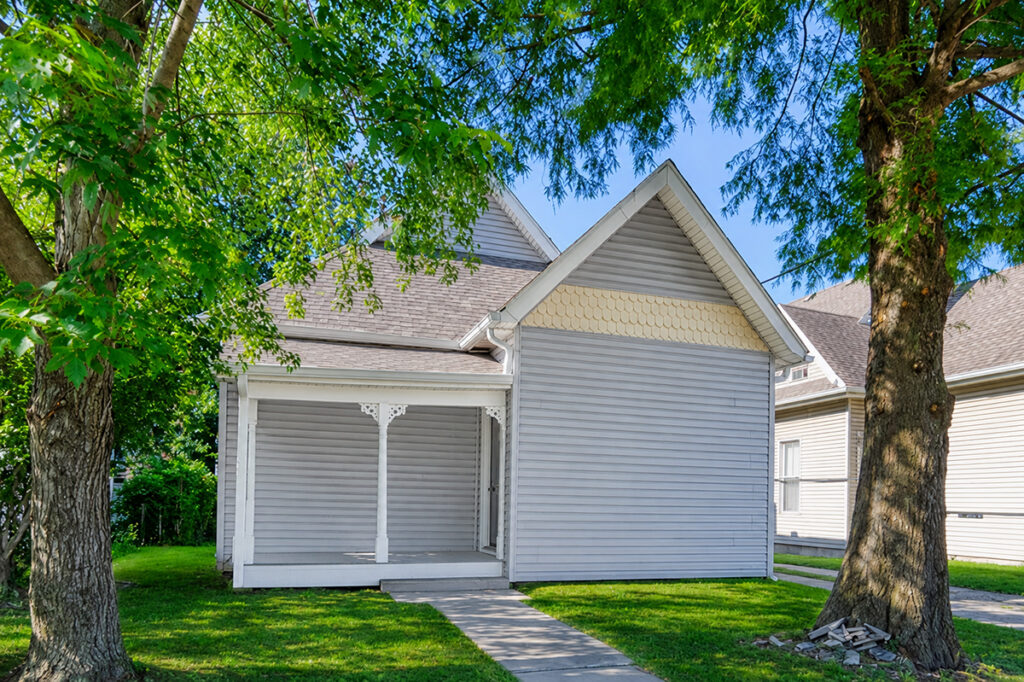
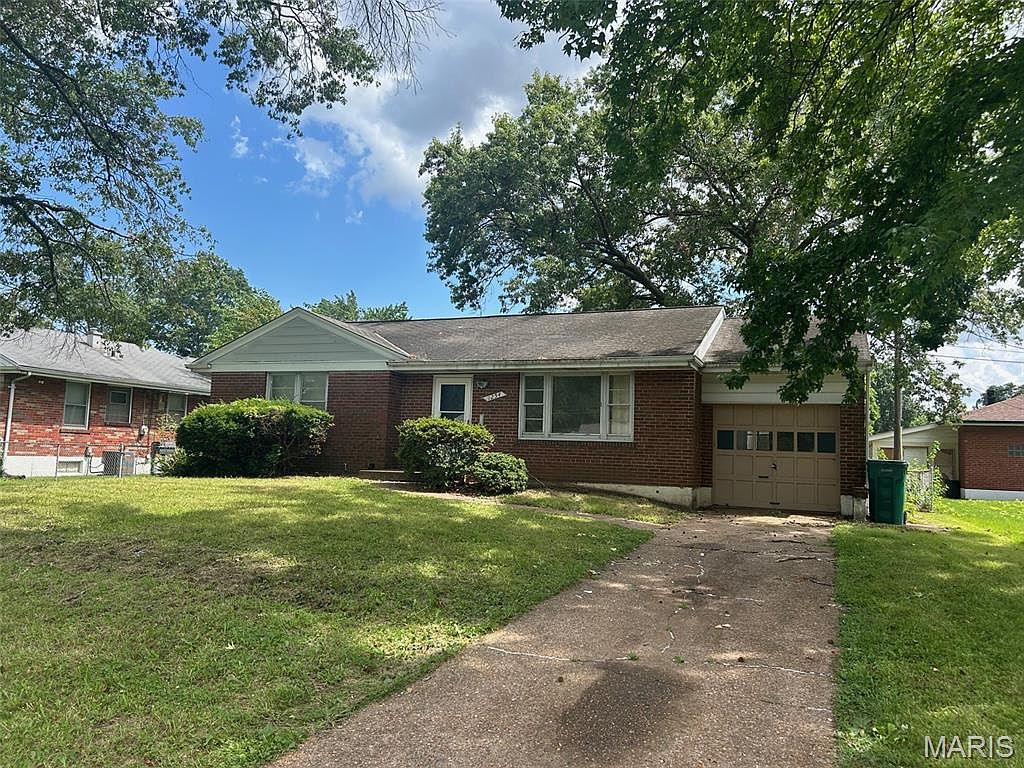
Saint Louis offers a budget‑friendly 4‑bed rental with a high cap rate, while Indianapolis provides a classic 2‑bed property with steady cash flow. Which Midwest market fits YOUR investment strategy?
We have much more inventory available than what you see on our website – Let us know about your requirement.
📈 Choose Your Winner & Contact Us Today!
Speak to a Norada Investment Counselor (No Obligation):
(800) 611-3060
Mortgage rates remain high in 2026, but rental properties continue to deliver strong cash flow and appreciation. Savvy investors know that turnkey real estate is the path to passive income and long‑term wealth.
Norada Real Estate helps you secure turnkey rental properties designed for immediate cash flow and appreciation—so you can invest smartly regardless of interest rate trends.
Also Read:
- Mortgage Rates Predictions Backed by 7 Leading Experts: 2025–2026
- Mortgage Rate Predictions for the Next 3 Years: 2026, 2027, 2028
- 30-Year Fixed Mortgage Rate Forecast for the Next 5 Years
- 15-Year Fixed Mortgage Rate Predictions for Next 5 Years: 2025-2029
- Will Mortgage Rates Ever Be 3% Again in the Future?
- Mortgage Rates Predictions for Next 2 Years
- Mortgage Rate Predictions for Next 5 Years
- Mortgage Rate Predictions: Why 2% and 3% Rates are Out of Reach
- How Lower Mortgage Rates Can Save You Thousands?
- How to Get a Low Mortgage Interest Rate?
- Will Mortgage Rates Ever Be 4% Again?