Well, it looks like mortgage rates are doing a bit of a slow dance today, August 23, 2026. The big news is that the 30-year fixed refinance rate has dipped by a tiny 1 basis point, settling at 7.03%. While it's not a huge leap for your wallet, this small change offers a glimmer of hope for homeowners looking to refinance.
For as long as I've been watching the housing market, I've learned that even the smallest shifts can tell a story. Today's news, according to Zillow, is that the average 30-year fixed refinance rate has edged down from 7.04% to 7.03%. This might not sound like much, but it’s a sign that the market is still trying to find its balance. It’s like watching a tightrope walker; they might sway a little, but they’re trying to stay steady.
Mortgage Rates Today, August 23, 2026: 30-Year Refinance Rate Drops by 1 Basis Point
What's Making Rates Move (or Not Move Much)
It’s easy to just look at the number and say, “Okay, it went down.” But as someone who’s spent a lot of time digging into these numbers, I know there are bigger forces at play. Think of it like a tug-of-war. On one side, we have the worry about prices going up (inflation), and on the other, the government is trying to help by buying up bonds.
Here's a quick look at the numbers for today, August 23, 2026, from Zillow:
| Loan Type | Current Average Rate | Change from Previous Day |
|---|---|---|
| 30-Year Fixed Refinance | 7.03% | Down 1 basis point |
| 15-Year Fixed Refinance | 6.00% | Down 4 basis points |
| 5-Year ARM Refinance | 6.50% | Unchanged |
As you can see, the 15-year fixed refinance rate saw a slightly bigger drop, which is good news for those who might want to pay off their homes faster. The 5-year adjustable-rate mortgage (ARM) is staying put for now.
The Big Picture: Why the Small Wobble?
You might be wondering why rates aren't jumping down or shooting up. It’s a mix of things:
- Stubborn Inflation: Prices for everyday things are still a bit high, which makes lenders nervous. They worry that if they lend money too cheaply, they won’t be able to keep up with rising costs themselves.
- Government Bond Buying: The U.S. Treasury is doing something called “bond buybacks.” Basically, they are buying a lot of government bonds. This is like adding extra money into the system, which can help push down the cost of borrowing money in the long run. It’s like a gentle push downwards on rates.
- The Fed's Stance: The Federal Reserve, which is like the main bank for the country, has decided to keep its main interest rate pretty high. They think this will help slow down inflation. When the Fed keeps rates high, it usually makes longer-term borrowing, like mortgages, more expensive. So, even though the Treasury is buying bonds, the Fed's high rates are keeping mortgage rates from falling too much.
Market Forces in Play
Let's break down what's really going on. This slow movement in refinance rates isn't just random.
- Treasury Bond Buybacks: Remember how I mentioned the Treasury buying bonds? Secretary Scott Bessent said they would “at least double” the amount of long-term bonds they buy. This is a big deal! When the government buys lots of bonds, it makes those bonds more valuable, which means their interest rates go down. Because mortgage rates often follow what happens with these long-term bonds, this buying program is acting like a brake, stopping rates from climbing too high.
- Geopolitical Worries: There’s some unrest in the Middle East, especially involving Iran. This has made oil prices go up. When oil is more expensive, it makes many things more expensive, and that’s called inflation. Inflation makes people nervous, and when people are nervous about prices, they tend to want higher interest rates. So, this is like a little bump upwards for rates, fighting against the bond buying.
- The Fed's Internal Discussions: The Federal Reserve has meetings where they decide what to do with interest rates. It seems like not everyone at the Fed agrees! Most of them voted to keep rates the same, but some thought they should raise them even higher. This disagreement makes the market a bit jumpy. Investors are wondering if the Fed might raise rates again if inflation doesn't calm down. This uncertainty keeps mortgage rates from making big, confident moves.
- Lenders Fighting for Business: Honestly, not many people are refinancing right now. A lot of homeowners locked in really low rates a few years ago, and they’re not going to refinance if the new rates are higher. This is called the “lock-in effect.” Because there are fewer people looking to refinance, the companies that give out mortgages are really fighting for the few customers they can get. To win them over, they’re making their profit margins smaller, which helps bring down the rates they offer, but only a little bit.
Should You Refinance Today?
This is the million-dollar question, right? For me, it always comes down to your personal situation.
- Is your current rate much higher than 7.03%? If you have a mortgage from a year or two ago with a rate above, say, 7.5% or 8%, then refinancing now, even with a small drop, could save you money over time.
- How long do you plan to stay in your home? Refinancing usually involves fees. You need to make sure that the money you save each month is more than the cost of refinancing before you move out.
- What’s your financial goal? Are you looking to lower your monthly payment, or do you want to pay off your mortgage faster? The 15-year fixed rate looking better for the second option.
I always tell people to talk to a few different lenders. They can look at your specific loan and your financial picture and tell you if refinancing makes sense for you. Don't just go by the national average.
What to Watch For Next
The market is still pretty unpredictable. We’ll need to keep an eye on inflation numbers and what the Federal Reserve says next. The situation in the Middle East could also change things quickly.
For now, it seems like mortgage rates are in a holding pattern, with small ups and downs. The 1-basis-point drop on the 30-year fixed refinance rate is a small step, but it’s a step in a direction that could benefit some homeowners. I’ll be watching closely to see if this trend continues!
VS

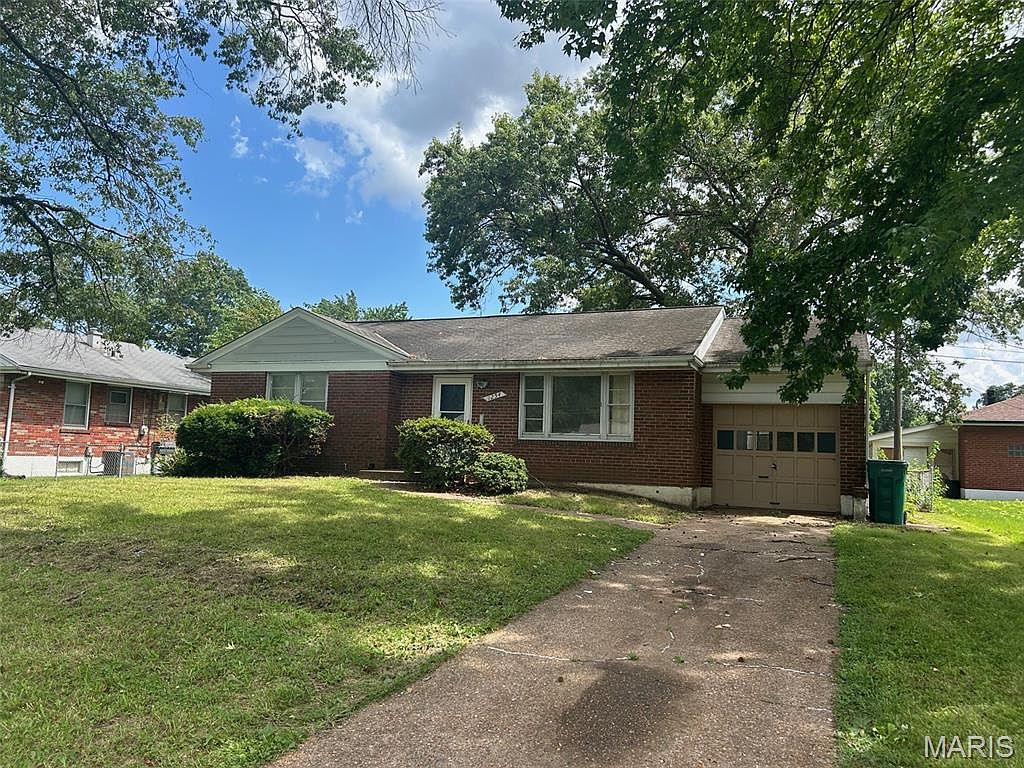
Saint Louis offers a budget‑friendly 4‑bed rental with a high cap rate, while Indianapolis provides a classic 2‑bed property with steady cash flow. Which Midwest market fits YOUR investment strategy?
We have much more inventory available than what you see on our website – Let us know about your requirement.
📈 Choose Your Winner & Contact Us Today!
Speak to a Norada Investment Counselor (No Obligation):
(800) 611-3060
Mortgage rates remain high in 2026, but rental properties continue to deliver strong cash flow and appreciation. Savvy investors know that turnkey real estate is the path to passive income and long‑term wealth.
Norada Real Estate helps you secure turnkey rental properties designed for immediate cash flow and appreciation—so you can invest smartly regardless of interest rate trends.
Also Read:
- Mortgage Rates Predictions Backed by 7 Leading Experts: 2025–2026
- Mortgage Rate Predictions for the Next 3 Years: 2026, 2027, 2028
- 30-Year Fixed Mortgage Rate Forecast for the Next 5 Years
- 15-Year Fixed Mortgage Rate Predictions for Next 5 Years: 2025-2029
- Will Mortgage Rates Ever Be 3% Again in the Future?
- Mortgage Rates Predictions for Next 2 Years
- Mortgage Rate Predictions for Next 5 Years
- Mortgage Rate Predictions: Why 2% and 3% Rates are Out of Reach
- How Lower Mortgage Rates Can Save You Thousands?
- How to Get a Low Mortgage Interest Rate?
- Will Mortgage Rates Ever Be 4% Again?