It looks like borrowing money for your home just got a little bit more expensive today, August 19, 2026. The average rate for a 30-year fixed refinance has nudged up by 10 basis points, hitting 7.04%. This means if you've been thinking about refinancing your mortgage to potentially save money, you'll want to pay close attention to these numbers. It also means that those who were on the fence about refinancing might feel a little pressure to lock in a rate sooner rather than later, before it potentially climbs even higher.
Mortgage Rates Today, August 19, 2026: 30-Year Refinance Rate Rises by 10 Basis Points
A Look at Today's Refinance Rates
Let's break down what Zillow is telling us about the rates today, August 19, 2026.
| Loan Type | Current Average Rate | Change from Previous Day | Change from Previous Week |
|---|---|---|---|
| 30-Year Fixed Refi | 7.04% | +10 basis points | +2 basis points |
| 15-Year Fixed Refi | 6.00% | -1 basis point | N/A |
| 5-Year ARM Refi | 6.50% | N/A | N/A |
(Data provided by Zillow)
You can see that while the 30-year fixed refinance is up, the 15-year fixed refinance has actually seen a tiny dip. This is common – different loan types can react a bit differently to what's happening in the market. The 5-year ARM (Adjustable-Rate Mortgage) is holding steady for now.
What's Pushing Rates Up Today?
So, what's causing this little bump in the road for refinancers? It's a mix of things, really. Remember all those global worries we’ve been hearing about, especially with conflicts involving the U.S. and places like Iran? Well, those tensions have been putting a strain on energy costs, and that, in turn, makes people a bit worried about prices going up for a longer time. This kind of uncertainty often makes lenders think twice and adjust their rates.
Another big player in all of this is the 10-year U.S. Treasury note. Think of it as a closely watched older sibling to mortgage rates. When its yield goes up, mortgage rates usually follow. Right now, the yield has been hanging out in the neighborhood of 4.68% to 4.73%. This is what's helping to keep mortgage rates from falling too far down.
And, of course, we can't forget the Federal Reserve. They've been keeping their main interest rate steady, which is good news for people who want to borrow money. But, even though things seem steady, there are some different opinions inside the Fed, and inflation hasn't completely calmed down yet. This means there's still a chance they might raise that key rate a little bit more before the year is out. That possibility can also make lenders a bit cautious and adjust their rates accordingly.
My Take on the Current Rate Situation
From my experience, this period feels like a time of cautious stability mixed with a bit of a guessing game. After a run of increases earlier this summer, driven by those global events, rates have pulled back just a little. They’re not bouncing around wildly day-to-day, which is good. The bond market seems to be trying to figure out its next move.
Forecasters from places like Fannie Mae and the Mortgage Bankers Association are predicting that 30-year fixed rates will likely stay pretty close to the 6.40% to 6.50% range for the rest of 2026. This isn't a guarantee, of course, but it’s what the experts are seeing right now. For anyone looking to refinance, this suggests that while rates aren't at historic lows, they might not be heading for the roof either. It’s a tricky balance for homeowners.
What You Need to Think About Before Refinancing
If you’re considering refinancing, it's not just about looking at the national average. There are a few really important things I always advise people to consider:
- Your “Break-Even” Point: Refinancing usually comes with costs – think lender fees, appraisal fees, and more. These can add up to thousands of dollars. You need to figure out how long it will take for the money you save each month on your payments to cover those upfront costs. If you think you'll sell your house or move before you reach that “break-even” point, refinancing might actually cost you money in the long run. It’s about doing the math for your situation.
- Your Credit Score and Debt: Those national average rates are usually for people with excellent credit scores (think 740 or higher) and very little debt. If your credit score has dipped since you got your original mortgage, or if you have more debt now (a higher Debt-to-Income ratio), the rate you'll actually be offered could be quite a bit higher than the average you see advertised.
- The “Spread Rule” Today: Years ago, folks used to say you should only refinance if rates dropped by a full 1% or 2%. But the market has changed. Nowadays, with rates being a bit tighter, a drop of 0.50% to 0.75% might be enough to make sense, especially if you have a really large loan balance. Even a smaller percentage drop can lead to pretty significant savings when you’re talking about hundreds of thousands of dollars.
- Shop Around! This is probably the most crucial piece of advice I can give. Every lender is different, and the rates they offer can vary a lot. I've seen data showing that homeowners who get at least three different quotes can save an average of $78,000 over the life of their loan compared to just going with the first company they talk to. It takes a little extra effort, but the savings can be enormous. Don't just pick the first offer you get!
In Conclusion
So, as of August 19, 2026, the 30-year fixed refinance rate has ticked up to 7.04%. While this might seem like a small change, it's a signal to pay attention. The market is still a bit unpredictable, influenced by global events and economic indicators. If you're thinking about refinancing, do your homework, understand your own financial picture, and always, always compare offers from multiple lenders. Making an informed decision today can have a big impact on your finances for years to come.
VS
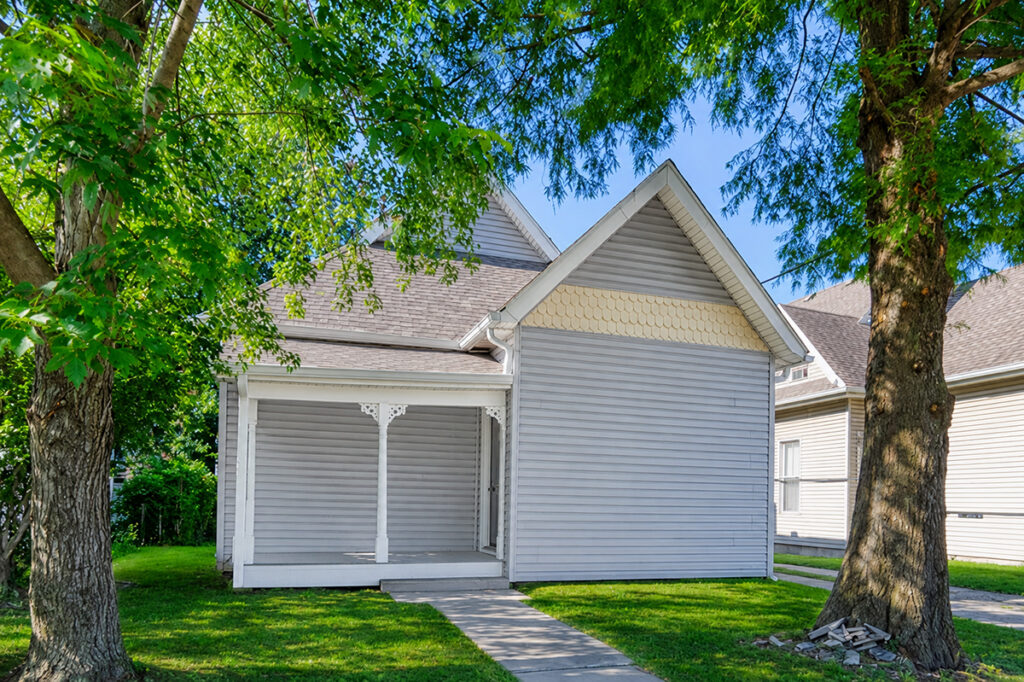
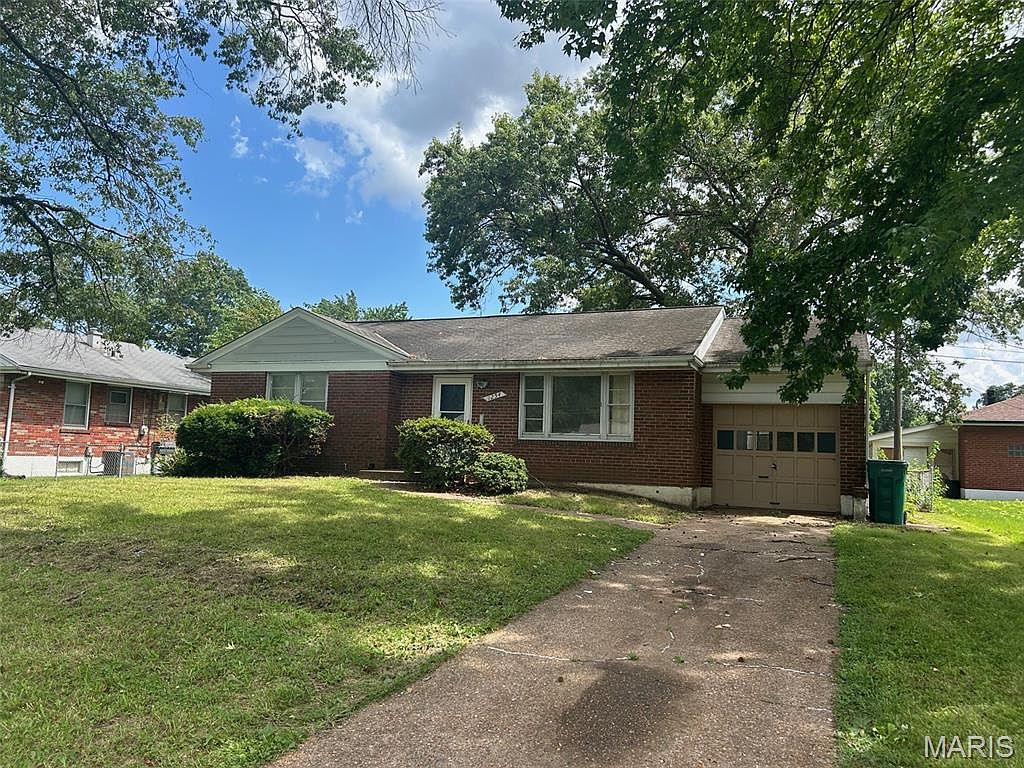
Saint Louis offers a budget‑friendly 4‑bed rental with a high cap rate, while Indianapolis provides a classic 2‑bed property with steady cash flow. Which Midwest market fits YOUR investment strategy?
We have much more inventory available than what you see on our website – Let us know about your requirement.
📈 Choose Your Winner & Contact Us Today!
Speak to a Norada Investment Counselor (No Obligation):
(800) 611-3060
Mortgage rates remain high in 2026, but rental properties continue to deliver strong cash flow and appreciation. Savvy investors know that turnkey real estate is the path to passive income and long‑term wealth.
Norada Real Estate helps you secure turnkey rental properties designed for immediate cash flow and appreciation—so you can invest smartly regardless of interest rate trends.
Also Read:
- Mortgage Rates Predictions Backed by 7 Leading Experts: 2025–2026
- Mortgage Rate Predictions for the Next 3 Years: 2026, 2027, 2028
- 30-Year Fixed Mortgage Rate Forecast for the Next 5 Years
- 15-Year Fixed Mortgage Rate Predictions for Next 5 Years: 2025-2029
- Will Mortgage Rates Ever Be 3% Again in the Future?
- Mortgage Rates Predictions for Next 2 Years
- Mortgage Rate Predictions for Next 5 Years
- Mortgage Rate Predictions: Why 2% and 3% Rates are Out of Reach
- How Lower Mortgage Rates Can Save You Thousands?
- How to Get a Low Mortgage Interest Rate?
- Will Mortgage Rates Ever Be 4% Again?