If you're thinking about changing your mortgage, you're in for some good news. Today, August 29, 2026, is a day where homeowners looking to refinance can find a bit more breathing room, as the popular 30-year fixed refinance rate has dipped by 15 basis points, settling at 6.85%. This little drop might seem small, but it can mean real savings for you.
This rate of 6.85% is a welcome change from the 7.00% we saw recently. And compared to last week, it’s down 11 basis points from the average of 6.96%. It’s not a wild freefall, but it's a clear sign that lenders are adjusting.
Mortgage Rates Today, August 29, 2026: 30-Year Refinance Rate Drops by 15 Basis Points
Today's Refinance Rate Overview
With rates hovering where they are, it’s super important to look at what makes sense for you. It’s not a one-size-fits-all situation anymore. Here’s a quick look at some average rate ranges, according to data from places like Bankrate Refinance Marketplace and Zillow Lender Marketplace. Remember, these are averages, and your specific rate will depend on many factors, including your credit score, how much you owe, and the lender you choose.
| Loan Type | Average Rate Range Today |
|---|---|
| 30-Year Fixed Refi | 6.54% – 6.88% |
| 20-Year Fixed Refi | 6.54% – 6.64% |
| 15-Year Fixed Refi | 5.81% – 6.23% |
| 5/1 ARM Refi | 6.19% – 6.45% |
| VA 30-Year Refi | 5.96% – 6.19% |
| FHA 30-Year Refi | 6.09% – 6.29% |
Note: These are general ranges and may vary by lender and borrower.
What’s Driving This Rate Drop?
So, why is this happening now? It’s a mix of things, and it’s not just one big event. Think of it like a recipe; several ingredients are coming together to create this outcome.
First off, we've got some changes happening at the very top of our financial system. The new Federal Reserve Chair, Kevin Warsh, gave a speech recently. He made it pretty clear that even though we're seeing some rates go down, inflation is still a worry. He pointed out that the cost of things people buy (that’s called the Consumer Price Index, or CPI) is still higher than the Fed wants it to be – at 3.4%, which is quite a bit above their goal of 2%.
This hawkish tone from the Fed, meaning they're serious about controlling prices, has made people rethink what’s going to happen with interest rates. Instead of expecting the Fed to lower rates later this year, many people now think there’s a good chance they might even raise them a little in September. This can seem confusing because higher rates usually mean higher mortgage rates, but sometimes, when the Fed signals they’re trying to control inflation, it can lead to a temporary calm in longer-term rates as investors adjust their strategies.
Then there's what's happening in the world. The Middle East is experiencing some difficult times with ongoing conflicts. This kind of instability often shakes up the oil and gas markets. When oil and gas prices go up, it adds to the cost of almost everything, from driving your car to the price of goods in stores. This, in turn, can push up the yields on government bonds, which directly influences those longer-term mortgage rates. So, while the Fed is trying to manage things, global events are also playing a big part.
And let's not forget about our own government's spending. When the government spends a lot of money, especially when it's more than it's bringing in (that’s called a fiscal deficit), it can keep interest rates higher. Investors want to be paid more to hold onto government debt when they see that big spending. This demand for higher yields on government bonds puts a bit of a ceiling on how low mortgage rates can go.
Other Refinance Options on the Move
It's not just the 30-year fixed rate that's seeing some movement.
- The 15-year fixed refinance rate also saw a small decrease, going down by 5 basis points to 5.94%. This is great news for those looking to pay off their homes faster.
- The 5-year Adjustable-Rate Mortgage (ARM) refinance rate is holding steady at 6.25%. ARMs can be attractive if you plan to move or refinance again before the fixed period ends, but they come with the risk of rates going up later.
Critical Points for Borrowers Today
I always tell people to think about their “break-even point” when considering a refinance. This is the number of months it will take for the money you save each month on your new, lower payment to add up to the amount you paid in closing costs. If you bought your home when rates were really high, like in late 2023 or 2024 when they were pushing 8%, then getting a rate in the mid-6% range could be a huge win. You just need to do the math to make sure the savings are worth the upfront fees.
If you’re not planning on moving anytime soon, and you can manage a slightly higher monthly payment, switching to a 15-year fixed loan is a fantastic idea. The interest rates are significantly lower, and you'll pay off your home much faster, saving a ton of money on interest over the long run.
Another strategy that people are using is buying down their rate with discount points. This means you pay an upfront fee to the lender to lower your interest rate. With rates predicted to stay in the 6.4% to 6.8% range for a while, paying for points can make sense if you plan to stay in your home long enough to recoup that cost through your monthly savings.
And don't forget about special government programs! If you have an existing FHA or VA loan, look into their “Streamline Refinance” options. These often require less paperwork and no new appraisals, making the process much smoother and cheaper, even when the general interest rates are a bit high.
My Two Cents on Today’s Market
Looking at these numbers, I’m cautiously optimistic. The drop in the 30-year fixed refinance rate is definitely a positive signal. However, the continued chatter about potential Fed rate hikes and global economic uncertainties means we probably won’t see rates plummeting back to the lows of a few years ago anytime soon.
For me, this current environment is all about being smart and strategic. It’s about doing your homework, understanding your own financial goals, and talking to trusted lenders and advisors. Don't just jump into a refinance because the rate dropped a little. Make sure it truly benefits you in the long run. It's about making your money work harder for you, not just chasing the lowest number you see.
It's a good time to explore your options, crunch the numbers, and see if refinancing makes sense for your unique situation. Happy refinancing!
VS
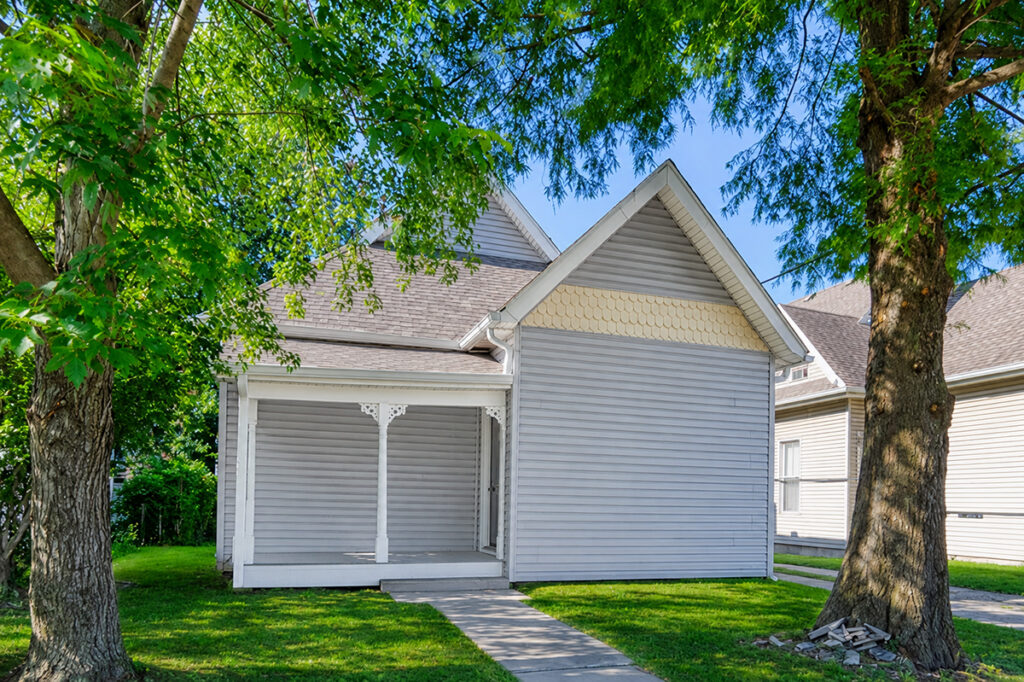
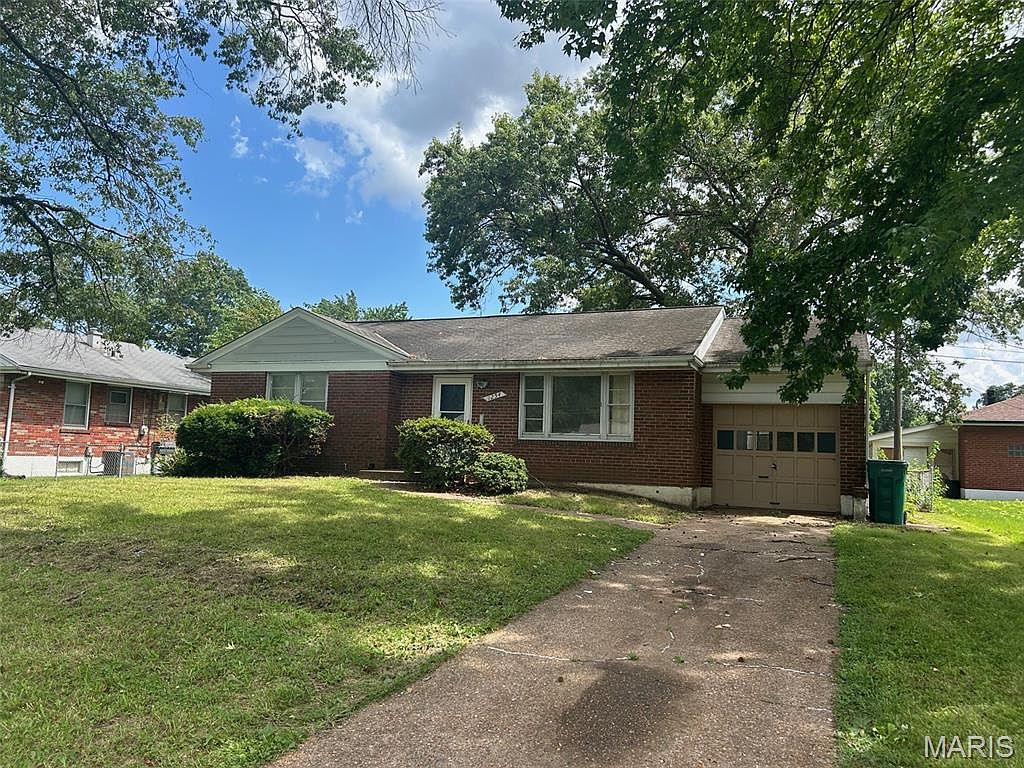
Saint Louis offers a budget‑friendly 4‑bed rental with a high cap rate, while Indianapolis provides a classic 2‑bed property with steady cash flow. Which Midwest market fits YOUR investment strategy?
We have much more inventory available than what you see on our website – Let us know about your requirement.
📈 Choose Your Winner & Contact Us Today!
Speak to a Norada Investment Counselor (No Obligation):
(800) 611-3060
Mortgage rates remain high in 2026, but rental properties continue to deliver strong cash flow and appreciation. Savvy investors know that turnkey real estate is the path to passive income and long‑term wealth.
Norada Real Estate helps you secure turnkey rental properties designed for immediate cash flow and appreciation—so you can invest smartly regardless of interest rate trends.
Also Read:
- Mortgage Rates Predictions Backed by 7 Leading Experts: 2025–2026
- Mortgage Rate Predictions for the Next 3 Years: 2026, 2027, 2028
- 30-Year Fixed Mortgage Rate Forecast for the Next 5 Years
- 15-Year Fixed Mortgage Rate Predictions for Next 5 Years: 2025-2029
- Will Mortgage Rates Ever Be 3% Again in the Future?
- Mortgage Rates Predictions for Next 2 Years
- Mortgage Rate Predictions for Next 5 Years
- Mortgage Rate Predictions: Why 2% and 3% Rates are Out of Reach
- How Lower Mortgage Rates Can Save You Thousands?
- How to Get a Low Mortgage Interest Rate?
- Will Mortgage Rates Ever Be 4% Again?