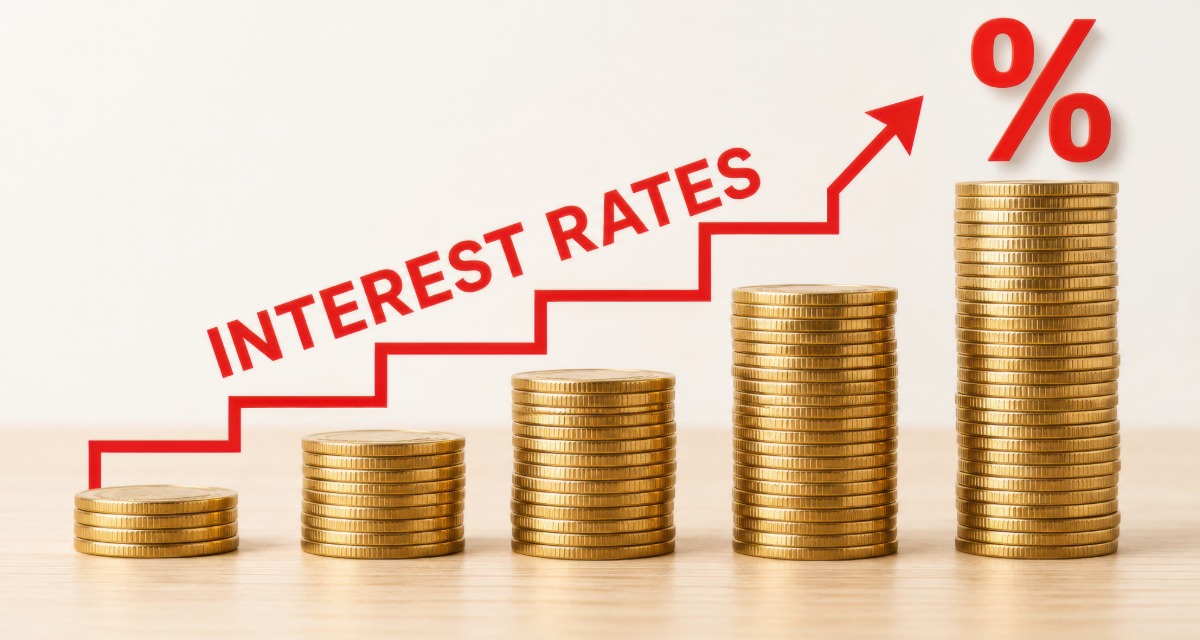
A September 2026 Fed interest rate hike, once considered unlikely, is now looking increasingly possible. Bond market traders are now pricing in a real chance of a hike rather than a cut. Just weeks ago, markets priced the odds of a hike at only about one in three. Fed Chair Kevin Warsh signaled as much in a recent speech, saying that prices are still rising faster than the Fed's 2% target. Markets now put the odds of a quarter-point hike in September at nearly 56% — a sharp jump from just weeks ago.
Fed Rate Hike in September 2026 is Now More Likely Than Not
Why the Sudden Change of Heart?
It really boils down to a few big reasons.
- Inflation is Stubborn: You know how the price of groceries, gas, and pretty much everything else has been creeping up? That's inflation. Mr. Warsh pointed out that the numbers aren't good. The prices we pay are up about 3.4% from last year, and the Fed's favorite way of measuring this is even higher, at 3.7%. He made it crystal clear that the Fed “still has work to do.” That means they're not happy with where things are and feel they need to step in to slow things down.
- No Clear Hints: Usually, the Fed tries to give us a heads-up about what they're planning. But Mr. Warsh made it clear that he's not going to spill the beans about future moves. This leaves everyone else to look at the numbers themselves and try to figure out what the Fed is thinking. It's like a puzzle where they only give you the pieces, not the picture on the box!
- The Economy is Still Strong: Even with interest rates sitting at a certain level, people are still spending money. Businesses are still investing, especially in all the cool new technology like AI. This tells me that the current interest rates might not be high enough to really put the brakes on the economy. If the economy is running too hot, prices tend to go up faster.
What Does This Mean for Your Money?
This news has already started to shake things up a bit in the financial world.
- Shifting Yields: When people think interest rates might go up, the cost of borrowing money for shorter periods tends to go up. This is what we're seeing. The yields on short-term government bonds (which is like lending money to the government for a short time) are climbing. Long-term rates are staying about the same for now. This is a pretty common reaction when folks expect a rate hike.
- Breaking the Stalling Point: For a while now, it looked like interest rates were stuck in place, kind of like a car that's just idling. They’ve been in a range of about 3.50% to 3.75% since late 2025. If they actually raise rates in September 2026, it will be a big change from what many of us were expecting, which was for rates to start going down by then.
From my perspective, having watched these markets for a while, this feels like a real turning point. The Fed has been trying to carefully navigate the economy, battling inflation without crashing everything. The strong economic data, coupled with the Fed Chair's hawkish tone, signals a serious concern about inflation getting out of hand. They might be willing to risk slowing the economy a bit more to get prices under control.
I remember reading about how inflation can be like a stubborn weed. You think you've pulled it all out, but a little bit always seems to spring back up. The Fed is worried about that “springing back” happening, especially when it comes to the prices of everyday goods. This is why they might be leaning towards a hike, even if it means making borrowing a little more expensive for everyone.
It’s a delicate dance. They want to cool down the economy enough to bring inflation to heel, but they don't want to push it so hard that people lose jobs or businesses go under. This September 2026 hike, if it happens, would be a clear signal that they're prioritizing the inflation fight.
So, keep an eye on the news. While nobody has a crystal ball, the signs are definitely pointing towards a more active Federal Reserve in September 2026 than we previously anticipated.
The Fed’s rate decisions can create market volatility, but turnkey rentals continue to deliver reliable cash flow and appreciation. Investors in 2026 are focusing on real estate as a hedge against uncertainty.
Norada Real Estate helps you secure turnkey properties designed for immediate income and long‑term growth—so your portfolio stays strong regardless of Fed policy shifts.
Want to Know More?
Explore these related articles for even more insights:
- Fed Interest Rate Decision July 29, 2026: Rates Steady at 3.50-3.75%
- Interest Rate Predictions for the Next 5 Years: 2026-2030
- J.P. Morgan Predicts No Fed Rate Cuts Before 2027 as Inflation Persists
- No Fed Rate Cut: Interest Rates Remain Unchanged in January 2026
- Fed Interest Rate Predictions for the Next 3 Years: 2026-2028
- The Fed After Jerome Powell: Who Could Drive Rate Cuts in 2026?
- Why Your Loan Payment Isn’t Budging Despite Recent Fed Rate Cut
- How Does the Recent Fed Rate Cut Impact Your Personal Finances
- How Will Today's Fed Rate Cut Impact Mortgage and Refinance Rates
- Fed Interest Rate Decision Today: Latest News and Predictions
- Fed Interest Rate Forecast for the Next 12 Months
- When is Fed's Next Meeting on Interest Rate Decision in 2025?
- Market Reactions: How Investors Should Prepare for Interest Rate Cut
- Impact of Interest Rate Cut on Mortgages, Car Loans, and Your Wallet