
As of August 30, 2026, the average 30-year fixed refinance rate has moved up to 7.08%, a 12 basis point increase from the previous week. This means homeowners considering refinancing may find slightly higher costs for their new mortgage loans. Now, I know “basis points” can sound a little technical, but think of it like this: it's a small, but noticeable, bump in the road for anyone hoping to snag a lower monthly payment by refinancing.
Mortgage Rates Today, August 30, 2026: 30-Year Refinance Rate Rises by 12 Basis Points
Here's a quick look at how things stack up today, according to Zillow:
| Loan Type | Current Average Rate (August 30, 2026) | Change from Previous Week |
|---|---|---|
| 30-Year Fixed Refinance | 7.08% | +12 basis points |
| 15-Year Fixed Refinance | 6.14% | +10 basis points |
| 5-Year ARM Refinance | 6.25% | – |
For those of you who might be thinking about refinancing, it's always smart to stay in the loop. This latest movement is a good reminder that these rates don't just sit still. They wiggle and jiggle based on a whole bunch of things happening in the world and in our economy. I've learned from experience that trying to perfectly time the market is like trying to catch lightning in a bottle, but understanding why rates are moving can help you make a smarter decision for your situation.
What's Happening with Mortgage Rates Today?
Let's break down the numbers a little more for August 30, 2026, as reported by Zillow.
- 30-Year Fixed Refinance Rate: This is the big one for most homeowners. It's now sitting at 7.08%. Just yesterday, it was at 7.04%, so it's a small but definite increase. More importantly, compared to this time last week, when the average was around 6.96%, we're up by 12 basis points.
- 15-Year Fixed Refinance Rate: If you're looking at a shorter loan term, the average 15-year fixed refinance rate has also climbed. It's now at 6.14%, up 10 basis points from yesterday's 6.04%.
- 5-Year Adjustable-Rate Mortgage (ARM) Refinance Rate: For those who prefer a loan that can adjust over time, the 5-year ARM refinance rate is holding steady at 6.25%.
Why the Small Jump Up? It's a Mix of Big and Small Things.
You might be wondering, “Why did it go up today?” Well, mortgage rates are like a sensitive plant; they react to everything. Based on what I'm seeing and hearing from folks in the industry, there are a few main reasons why rates have been a bit jumpy lately and why we're seeing this slight rise:
Geopolitical Wildcards & Inflation Worries
Right now, there's a lot of talk about the ongoing conflict involving the U.S. and Iran. This kind of news can really shake up the global oil prices. When oil gets more expensive, it often means other things cost more too – that's inflation! And when inflation is a concern, it makes lenders a bit more cautious, which can push mortgage rates higher. It's a chain reaction, and it's definitely keeping the financial markets on their toes.
The Federal Reserve's Tough Stance
Our central bank, the Federal Reserve, has been pretty clear about wanting to get inflation under control. Fed Chair Kevin Warsh has been emphasizing a firm approach. This means they're not keen on dropping interest rates anytime soon. In fact, they might even hold them steady or consider raising them if they think it's needed. This kind of talk from the Fed makes everyone in the market super aware and can cause rates to move around a bit. They're trying to be careful, and that carefulness trickles down to mortgage rates.
The Bond Market's Mood
This is a bit of an insider tip, but mortgage rates tend to follow what happens with something called the 10-year Treasury yield. Think of the bond market as a big mood ring for the economy. When people are worried about the economy or inflation, the 10-year Treasury yield often goes up. Today, that yield has been climbing, reaching about 4.73%. Because mortgage rates are closely tied to this, when bond yields get nervous, so do refinance rates.
What Should You Look For When Refinancing Right Now?
So, if you're thinking about refinancing, what's the smart play? It's not just about looking at that one number. I've seen too many people get caught up in the daily rate changes and forget about the bigger picture.
- Your Current Rate vs. What's Offered: The biggest reason to refinance is to get a better rate than you have now. Experts often say you should look to shave off at least 0.75% to 1.0% from your current rate to make it worthwhile. If you took out your mortgage in, say, 2022 or 2023 when rates were higher, you might be in a good spot to save money.
- The Break-Even Point: Refinancing isn't free. There are closing costs, which can add up to 2% to 5% of your loan amount. You need to figure out how long it will take for your monthly savings to cover those costs. If you plan to move in a few years, the savings might not be enough to make up for the upfront expense.
- Your Credit and Debt: The advertised rates are usually for people with excellent credit scores and low debt-to-income (DTI) ratios. If your credit isn't top-notch or your DTI is high, you might not qualify for the very best rates. That's okay, but it's good to know what you're up against.
- Don't Chase the Perfect Moment: With how wild things can be in the market, trying to time the absolute lowest point can be a losing game. If you see a rate that looks good for you and helps you reach your financial goals, it might be worth locking it in rather than waiting for a dip that might never come, or worse, seeing rates go up further.
In My Experience…
From what I've seen over the years, there are cycles to everything, and mortgage rates are no exception. We've definitely seen some much higher rates in the recent past, so the current numbers, even with this small bump, are still a lot better than they were for many people. The key is to look at your own financial situation.
Are you looking to lower your monthly payment? Do you want to pay off your home faster? Are you planning to stay in your home for a long time? Your answers to these questions will help you decide if refinancing today makes sense, even with rates moving up a bit. It's easy to get caught up in the news, but the best decisions are always made with your personal goals and financial health in mind.
VS

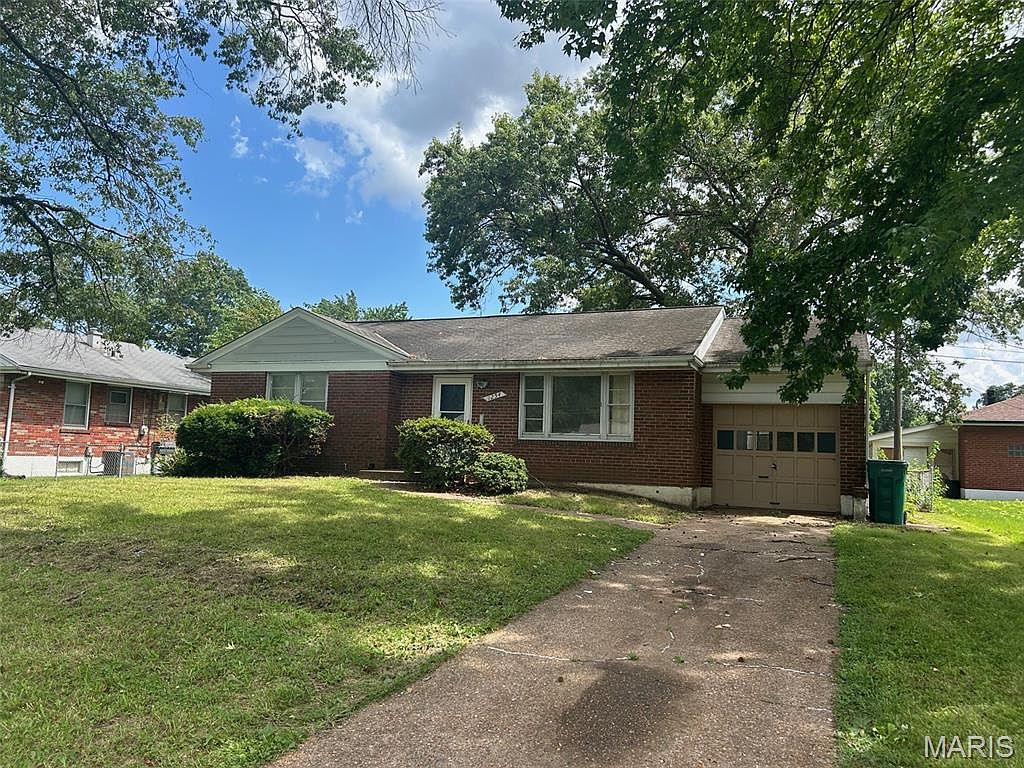
Saint Louis offers a budget‑friendly 4‑bed rental with a high cap rate, while Indianapolis provides a classic 2‑bed property with steady cash flow. Which Midwest market fits YOUR investment strategy?
We have much more inventory available than what you see on our website – Let us know about your requirement.
📈 Choose Your Winner & Contact Us Today!
Speak to a Norada Investment Counselor (No Obligation):
(800) 611-3060
Mortgage rates remain high in 2026, but rental properties continue to deliver strong cash flow and appreciation. Savvy investors know that turnkey real estate is the path to passive income and long‑term wealth.
Norada Real Estate helps you secure turnkey rental properties designed for immediate cash flow and appreciation—so you can invest smartly regardless of interest rate trends.
Also Read:
- Mortgage Rates Predictions Backed by 7 Leading Experts: 2025–2026
- Mortgage Rate Predictions for the Next 3 Years: 2026, 2027, 2028
- 30-Year Fixed Mortgage Rate Forecast for the Next 5 Years
- 15-Year Fixed Mortgage Rate Predictions for Next 5 Years: 2025-2029
- Will Mortgage Rates Ever Be 3% Again in the Future?
- Mortgage Rates Predictions for Next 2 Years
- Mortgage Rate Predictions for Next 5 Years
- Mortgage Rate Predictions: Why 2% and 3% Rates are Out of Reach
- How Lower Mortgage Rates Can Save You Thousands?
- How to Get a Low Mortgage Interest Rate?
- Will Mortgage Rates Ever Be 4% Again?