If you're thinking about refinancing your mortgage, you'll want to know that the average 30-year fixed refinance rate is up 10 basis points this week, hitting 7.07%. This little bump means that locking in a new rate might be a bit more costly than it was last week. But don't let that single number scare you away from understanding the bigger picture. Let's get down to the nitty-gritty. According to Zillow, here's where we stand on August 31, 2026.
Mortgage Rates Today, August 31, 2026: 30-Year Refinance Rate Rises by 10 Basis Points
What's Happening with Refinance Rates Right Now?
| Loan Type | Average Rate |
|---|---|
| 30-Year Fixed Refinance Rate | 7.07% |
| 15-Year Fixed Refinance Rate | 6.08% |
| 5-Year ARM Refinance Rate | 6.25% |
It's important to remember that these are national averages. Your actual rate could be a little higher or lower depending on your personal situation. Zillow also points out that for a 30-year fixed loan, rates are generally floating between 6.58% and 7.36%, and for a 15-year fixed loan, it's more like 5.64% to 6.18%. This tells us there's still some wiggle room, but that average rate is the key figure to keep an eye on.
The slight increase of 10 basis points from last week's 6.97% for the 30-year fixed rate isn't a massive jump, but it's a sign that things are still moving. We're not seeing huge dips or dramatic climbs right now, which is different from some of the wilder times we've experienced in the past.
Why Are Rates Doing What They're Doing?
Understanding why rates move is just as important as knowing what they are. It's like knowing why the sky is blue – it helps you appreciate it more! Several big things are influencing these numbers:
- The 10-Year Treasury Yield: Think of this like a thermometer for the economy. When the yield on these government bonds goes up, mortgage rates often follow. Right now, it's inching towards 4.73%, which is putting a little bit of pressure on mortgage costs to rise.
- What the Federal Reserve is Saying: The “Fed,” as it's often called, is really focused on keeping inflation in check. They've been talking tough about it, and this makes investors a bit nervous. When investors are nervous, they can make mortgage lenders adjust their rates quickly, either up or down.
- World Events: Believe it or not, what's happening in other parts of the world can affect your mortgage rate! If there's a lot of uncertainty, like what we've seen with tensions in the Middle East, people tend to put their money into safer things, like government bonds. This can cause those bond yields to go up, and you guessed it, push mortgage rates higher.
Is It Time for You to Refinance?
This is the million-dollar question, and honestly, there's no single “yes” or “no” answer that fits everyone. My advice, based on years of seeing people refinance, is to look at your own finances very carefully. Don't just look at the headline number.
Here are the things I always tell people to consider:
- The “Break-Even” Point: Refinancing isn't free! There are closing costs, which can be anywhere from 2% to 5% of the amount you're borrowing. To figure out if it's worth it for you, do this: Add up all your closing costs, and then divide that number by how much money you'll save each month on your mortgage payment. That tells you how many months it will take for your savings to pay back the costs. If you plan to stay in your home for longer than that break-even period, refinancing is likely a good idea.
- Old Rules vs. New Realities: People used to say you should only refinance if rates dropped 1% to 2%. That was a good rule of thumb when rates were much lower. But if you bought your home when rates were really high, say above 7.5% or 8%, even dropping to today's high-6% range could save you hundreds of dollars every month. Don't dismiss refinancing just because the rate drop isn't a huge percentage point difference if your monthly payment will go down significantly.
- Your Credit Score and Debt: The best rates you see advertised are usually for people with excellent credit scores (think 740 or higher) and very low debt. If your credit score has gone down since you got your original mortgage, or if you've taken on more debt, your personal rate might be higher than the average. Be honest with yourself about your financial picture.
- How Much Equity You Have: Equity is the difference between what your home is worth and what you owe on the mortgage. If your home's value has dropped, and you now have less than 20% equity, you might have to pay for Private Mortgage Insurance (PMI) on your new loan. PMI can add up and quickly eat away any savings you get from a lower interest rate.
What I'm Seeing and Thinking
From my perspective, the market today feels like a careful balancing act. The slight uptick in the 30-year rate isn't a cause for panic, but it is a signal to be diligent. We're not in a situation where rates are plummeting, so the motivation to refinance is more about smart financial planning rather than jumping on a rapidly falling opportunity.
I’ve spoken with many homeowners recently who are evaluating their options. Some who bought when rates were at their absolute peak are finding that even with today’s slightly higher average rates, they can still shave off a significant amount from their monthly payments. For them, the break-even point is much shorter, and the monthly savings are substantial.
Others are holding off, perhaps because their credit isn't as strong as it once was, or they don't plan to be in their home long enough to recoup the closing costs. This is perfectly sensible. Refinancing is a tool, and like any tool, it's only useful when you use it for the right job.
My advice is always to get personalized quotes from a few different lenders. Don't just rely on the national averages. Talk to your loan officer, ask them to break down all the costs, and run the break-even calculations with you. See how different scenarios play out.
Looking Ahead
What will happen next? That’s the million-dollar question, and anyone who claims to know for sure is probably selling something! However, by understanding the drivers – the economy, the Fed, and global events – we can be better prepared. For now, it seems like we'll continue to see moderate fluctuations. The key is to stay informed and make decisions that are right for your financial well-being.
VS
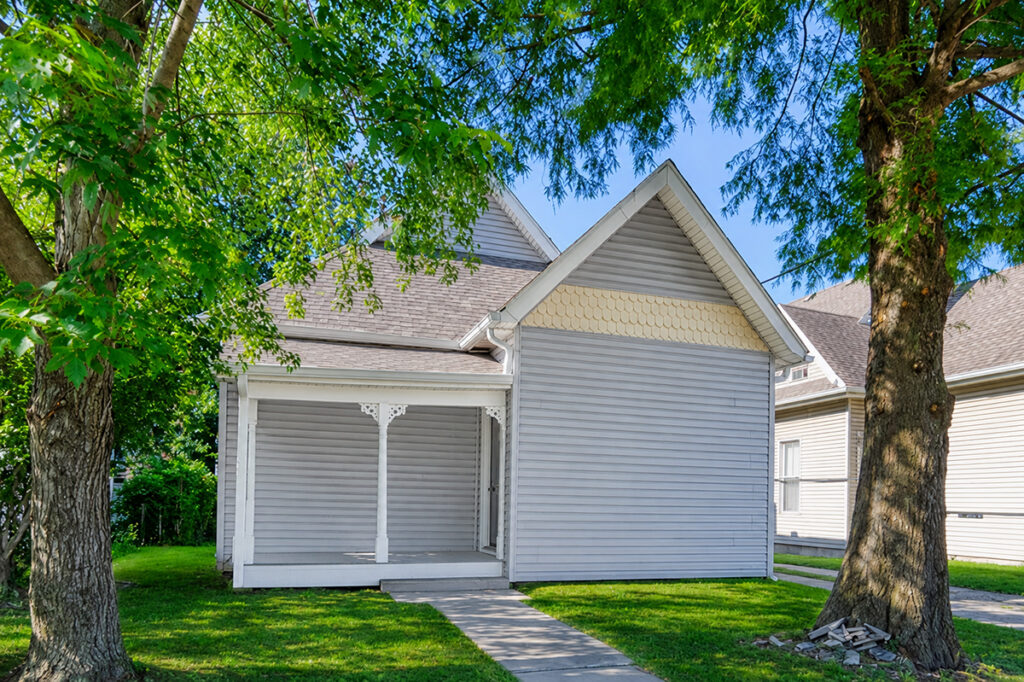
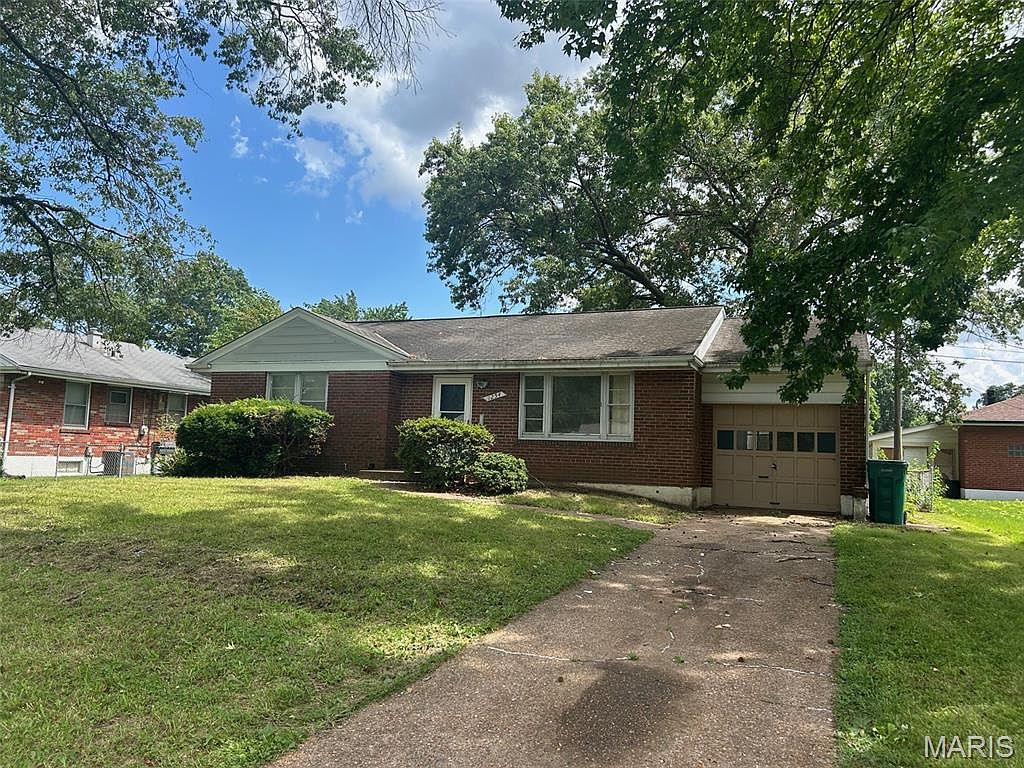
Saint Louis offers a budget‑friendly 4‑bed rental with a high cap rate, while Indianapolis provides a classic 2‑bed property with steady cash flow. Which Midwest market fits YOUR investment strategy?
We have much more inventory available than what you see on our website – Let us know about your requirement.
📈 Choose Your Winner & Contact Us Today!
Speak to a Norada Investment Counselor (No Obligation):
(800) 611-3060
Mortgage rates remain high in 2026, but rental properties continue to deliver strong cash flow and appreciation. Savvy investors know that turnkey real estate is the path to passive income and long‑term wealth.
Norada Real Estate helps you secure turnkey rental properties designed for immediate cash flow and appreciation—so you can invest smartly regardless of interest rate trends.
Also Read:
- Mortgage Rates Predictions Backed by 7 Leading Experts: 2025–2026
- Mortgage Rate Predictions for the Next 3 Years: 2026, 2027, 2028
- 30-Year Fixed Mortgage Rate Forecast for the Next 5 Years
- 15-Year Fixed Mortgage Rate Predictions for Next 5 Years: 2025-2029
- Will Mortgage Rates Ever Be 3% Again in the Future?
- Mortgage Rates Predictions for Next 2 Years
- Mortgage Rate Predictions for Next 5 Years
- Mortgage Rate Predictions: Why 2% and 3% Rates are Out of Reach
- How Lower Mortgage Rates Can Save You Thousands?
- How to Get a Low Mortgage Interest Rate?
- Will Mortgage Rates Ever Be 4% Again?



