Today's mortgage rates, September 1, 2026, ticked up. The 30-year fixed rose to 6.59%, the 15-year fixed came in at 6.00%, and the 5/1 ARM sits at 6.22%. Renewed tensions between the U.S. and Iran over the weekend added further pressure, pushing oil prices — and inflation worries — higher. Here's the full rate breakdown and what it means for your next move.
Today's Mortgage Rates, September 1: Rates Rise Again as U.S.-Iran Tensions Resurface
What are the Mortgage Rates Today?
Let's get straight to the numbers. These figures are based on data from Zillow, and they give us a snapshot of where things stand on Tuesday, September 1, 2026.
Here’s a breakdown of the average rates:
| Loan Type | Average Rate |
|---|---|
| 30-year fixed | 6.59% |
| 20-year fixed | 6.23% |
| 15-year fixed | 6.00% |
| 5/1 ARM | 6.22% |
| 7/1 ARM | 6.08% |
| 30-year VA | 6.14% |
| 15-year VA | 5.91% |
| 5/1 VA | 6.05% |
(Note: A “basis point” is just 1/100th of a percent. So, 4 basis points is 0.04%.)
The big picture for a standard 30-year fixed mortgage is that rates are staying in the mid-to-high 6% range. This means if you're borrowing, say, $300,000, even a small jump in the interest rate can add up over time.
Why Are Rates Moving? It's Not Just Random!
You might be wondering, “Why did they go up today?” It’s a great question, and the answer isn't as simple as just one thing. A few different factors are behind today's move.
1. The “Warsh” Effect and the Fed's Tough Talk:
You might have heard about a big meeting of economic leaders in a place called Jackson Hole. A key speaker, Fed Chair Kevin Warsh, gave a speech that made people think the Federal Reserve (that's the big bank that helps manage our country's money) is going to keep being tough on inflation. Inflation is when prices for things go up faster and faster. When the Fed is tough on inflation, it often means they'll keep interest rates higher to slow things down. This news made investors a little nervous about what might happen to the economy, and that can push mortgage rates up.
2. World Events Stirring Things Up:
Something happened over the weekend involving the U.S. and Iran. When there are big international events like this, especially ones that involve oil, it can make people worry about prices going up. Oil is used for so many things, including making the gas that powers our cars and trucks. If oil prices climb, it can make other prices go up too, which is inflation again. When there’s a fear of inflation, the cost of borrowing money (which is what interest rates are) tends to increase. Mortgage rates are closely tied to something called the 10-year Treasury yield, and when that goes up, so do mortgage rates.
3. What the Experts Predict for the Future:
Big groups that study housing, like the Mortgage Bankers Association and Fannie Mae, are saying that rates are likely to stay put in this higher range for the rest of the year. They don't see them dropping below 6% anytime soon, probably not until after 2026. This gives us a good idea of what to expect in the coming months.
My Take: What This Means for You
As someone who has been helping people with mortgages for a while, I can tell you that these numbers are important, but they shouldn’t be the only thing you focus on. Here’s what I'm thinking:
- Don't Try to Catch the Perfect Bottom: It's super tempting to wait for the absolute lowest rate possible. Trying to perfectly time the market rarely works out. Given that rates are likely to stay in the mid-to-high 6% range for a while, it might be smarter to lock in a good rate now if you find one you’re happy with. You can always look into refinancing later if rates dip significantly.
- Consider Paying for a Lower Rate (Discount Points): Since the average rate for a 30-year fixed loan is just above 6.5%, you might want to look into something called “discount points.” This means you pay some money upfront to the lender, and in return, they lower your interest rate. It costs about 1% of your loan amount for one point. If you plan to stay in your home for a long time, this upfront cost can save you a lot of money on your monthly payments over the years. It’s like buying a membership that gives you a discount every time you use it.
- Use the Extra Homes Available: It’s good news that there are more homes for sale in many areas right now. This means buyers have a bit more power. You might be able to ask the seller to help you out with some costs, like temporary rate buy-downs. A “2-1 buy-down,” for example, means your interest rate is lower for the first year, then a little higher the second year, and then it settles at the agreed-upon rate. This can really help with your monthly payments in those early years.
Mortgage Options to Consider
Beyond the standard 30-year fixed, there are other options, especially if you have served in the military. VA loans, for example, often come with very competitive rates for eligible borrowers.
Here’s a quick look at some of the rates for VA loans from Zillow's data:
- 30-year VA: 6.14%
- 15-year VA: 5.91%
- 5/1 VA: 6.05%
These rates are often lower than conventional loans, which is a huge benefit for our veterans.
What the Experts Say About Where Rates Are Going
It's helpful to see what the really smart folks are saying about the future. For today's mortgage rates, September 1, the general consensus from major housing groups is that they'll stay put for a while.
- Short-Term: Expect rates to stay elevated with a slight chance of going up a bit more.
- Long-Term Forecast (End of 2026): Rates are predicted to stay between 6.50% and 6.80%. A drop below 6.0% is not expected before 2027.
This means that while today's rates are a little higher than yesterday, they're pretty stable in the grand scheme of things right now. It’s not a time for panic, but a time for smart planning.
Final Thoughts
Rates are likely to stay in this mid-to-high 6% range through the rest of the year, with the Mortgage Bankers Association and Fannie Mae both ruling out a drop below 6% before 2027. If you're shopping now, ask about discount points or a seller-funded rate buy-down — either can meaningfully soften your payments in a market that isn't offering much relief on its own.
VS
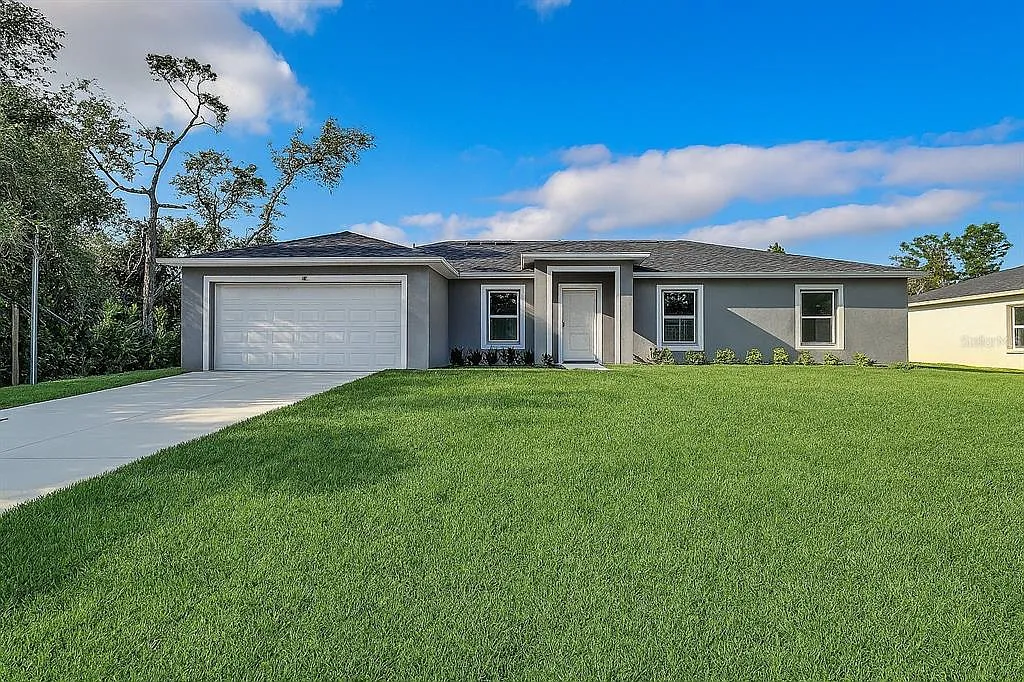
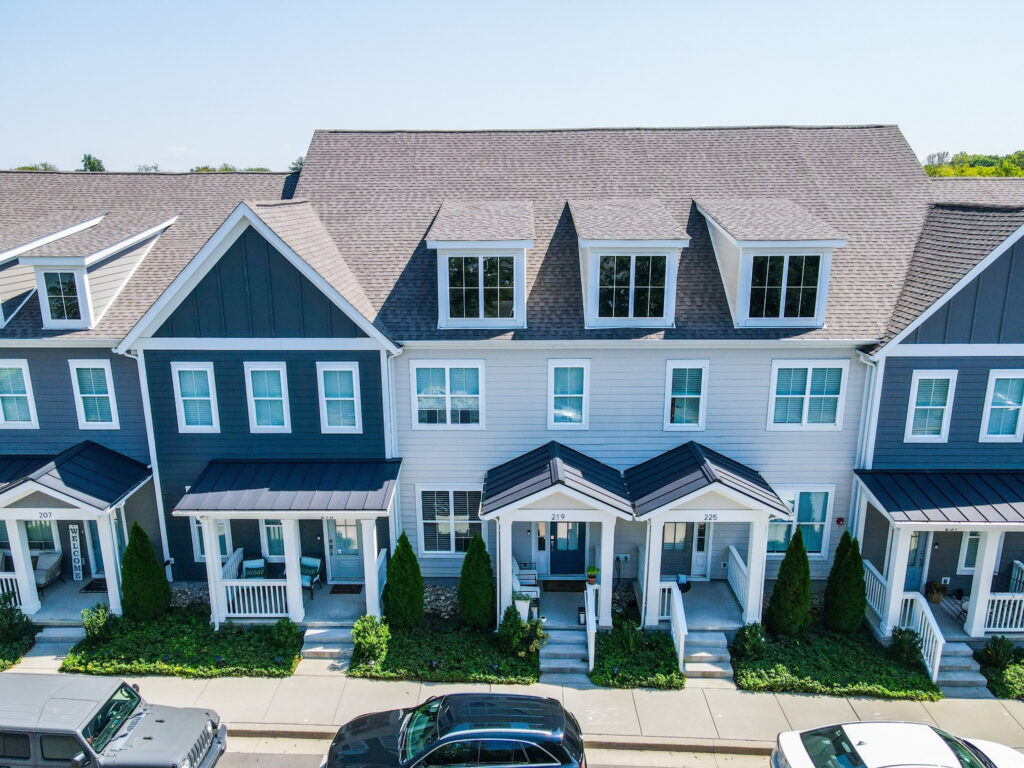
Out‑of‑State investors can compare Tennessee’s newer rental with higher NOI vs Florida’s A+ property with strong yield. Which fits YOUR investment strategy?
We have much more inventory available than what you see on our website – Let us know about your requirement.
📈 Choose Your Winner & Contact Us Today!
Speak to a Norada Investment Counselor (No Obligation):
(800) 611-3060
Mortgage rates remain high in 2026, but rental properties continue to deliver strong cash flow and appreciation. Savvy investors know that turnkey real estate is the path to passive income and long‑term wealth.
Norada Real Estate helps you secure turnkey rental properties designed for immediate cash flow and appreciation—so you can invest smartly regardless of interest rate trends.
Also Read:
- Mortgage Rates Predictions Backed by 7 Leading Experts: 2025–2026
- Mortgage Rate Predictions for the Next 3 Years: 2026, 2027, 2028
- 30-Year Fixed Mortgage Rate Forecast for the Next 5 Years
- 15-Year Fixed Mortgage Rate Predictions for Next 5 Years: 2025-2029
- Will Mortgage Rates Ever Be 3% Again in the Future?
- Mortgage Rates Predictions for Next 2 Years
- Mortgage Rate Predictions for Next 5 Years
- Mortgage Rate Predictions: Why 2% and 3% Rates are Out of Reach
- How Lower Mortgage Rates Can Save You Thousands?
- How to Get a Low Mortgage Interest Rate?
- Will Mortgage Rates Ever Be 4% Again?