On Thursday, September 3, 2026, the average 30-year fixed refinance rate took a welcome dip, settling at 6.95%. This is a significant drop of 16 basis points from yesterday's rate of 7.11%, according to the latest data from Zillow. While this single-day drop is encouraging, it's important to remember that rates can fluctuate, and what's happening today might be different tomorrow. But for now, if you've been on the fence about refinancing, this downward tick might just be the nudge you needed.
Mortgage Rates Today, Sept 3, 2026: 30-Year Refinance Rate Drops by 16 Basis Points
A Closer Look at the Numbers
Here's a breakdown of the refinance rates as of Thursday, September 3, 2026, from Zillow:
| Loan Type | Average Rate |
|---|---|
| 30-Year Fixed Refinance | 6.95% |
| 15-Year Fixed Refinance | 6.17% |
| 5-Year ARM Refinance | 6.25% |
It’s interesting to see how the other rates are holding up. The 15-year fixed refinance rate also saw a slight decrease, dropping by 2 basis points to 6.17%. The 5-year ARM refinance rate is staying steady at 6.25%.
Why This Drop Matters to You
You might be wondering, “Is a 16 basis point drop a big deal?” Well, let me tell you, it absolutely can be! Even a seemingly small change like this can translate into real savings over the life of your loan. Think about it: a lower interest rate means a lower monthly payment. Over 30 years, those savings can really add up.
For example, if you have a $300,000 mortgage, dropping from 7.11% to 6.95% could save you around $40 to $50 per month. That might not sound like a fortune, but that's an extra $480 to $600 in your pocket each year. Over 30 years, that's nearly $15,000 to $18,000! And that's just based on one loan amount; for larger mortgages, the savings are even more substantial.
The Recent Trend: A Little Bit of a Bumpy Road
Now, while today's news is good, it's important to have the full picture. We've actually seen mortgage rates climb over the last few weeks. Back at the start of the year, many experts were hoping for rates to steadily fall into the high 5% range. Instead, they’ve been creeping up, adding about 30 basis points in the past month. This rise has made refinancing less attractive for many, leading to an 18% drop in refinancing activity just last week. People are holding off on changing their loans when the rates aren't as favorable as they once were.
What's Making the Rates Go Up and Down?
So, what’s behind these shifts? It's a complicated mix of things happening both here at home and around the world.
- The Fed's Approach: The Federal Reserve, under Fed Chair Kevin Warsh, has been pretty firm about fighting inflation. This means they’re keeping a close eye on money and aren't in a rush to make things cheaper. When the Fed acts this way, it can make the bond market a bit shaky, which usually pushes mortgage rates higher.
- Global Jitters: Things happening in other parts of the world, especially in the Middle East, can also play a big role. When there's more uncertainty or conflict, investors get nervous. This nervousness often causes mortgage rates to move up as people look for safer places to put their money.
- Bond Market Wiggles: Mortgage rates tend to follow what's happening with 10-year Treasury yields. Lately, those yields have been all over the place. Stubborn inflation numbers and changing ideas about how well businesses will do in the future are making investors unsure, and that uncertainty spills over into mortgage rates.
If You're Thinking About Refinancing: What to Keep in Mind
If you're considering refinancing, I always tell people to look beyond just the advertised rate. You need to do a little homework to see if it truly makes sense for you.
- Break-Even Point: When you refinance, you usually have to pay fees, like closing costs. These can be anywhere from 2% to 5% of how much you're borrowing. You need to figure out how many months it will take for the money you save on your monthly payments to cover those upfront costs. If it takes too long, it might not be worth it.
- The Real Cost (APR vs. Interest Rate): Don't just look at the interest rate! Always compare offers using the Annual Percentage Rate (APR). The APR includes all the fees and costs that the regular interest rate doesn't. It gives you a more accurate picture of what your loan will really cost you each year.
- Shorter Loan, Bigger Payments: Refinancing from a 30-year loan to a 15-year loan will get you a lower interest rate. For example, the 15-year rate is currently around 6.17% compared to the 30-year rate at 6.95%. That sounds great, but your monthly payments will be much higher. Make sure your budget can handle it, and that you have a solid emergency fund before you commit to those bigger payments.
- Your Credit Score and Debt Matter: The lowest rates you see advertised are usually for people with excellent credit scores (think 780 or higher) and who don't have too much debt compared to their income. If your credit or income situation has changed since you got your current mortgage, you might not qualify for the best rates. This could mean your actual quote will be higher than what you see advertised.
My Two Cents
As someone who's been following the mortgage market for a while, I see this drop as a positive sign, but it's not the end of the story. The underlying economic factors are still a bit unpredictable. I believe homeowners should always be prepared for rates to move. If you've been thinking about refinancing and today's lower rate makes your break-even point look much more attractive, it might be a good time to start shopping around. But be smart about it! Get quotes from a few different lenders and always, always compare those APRs. Don't get caught up in just the headline number.
VS
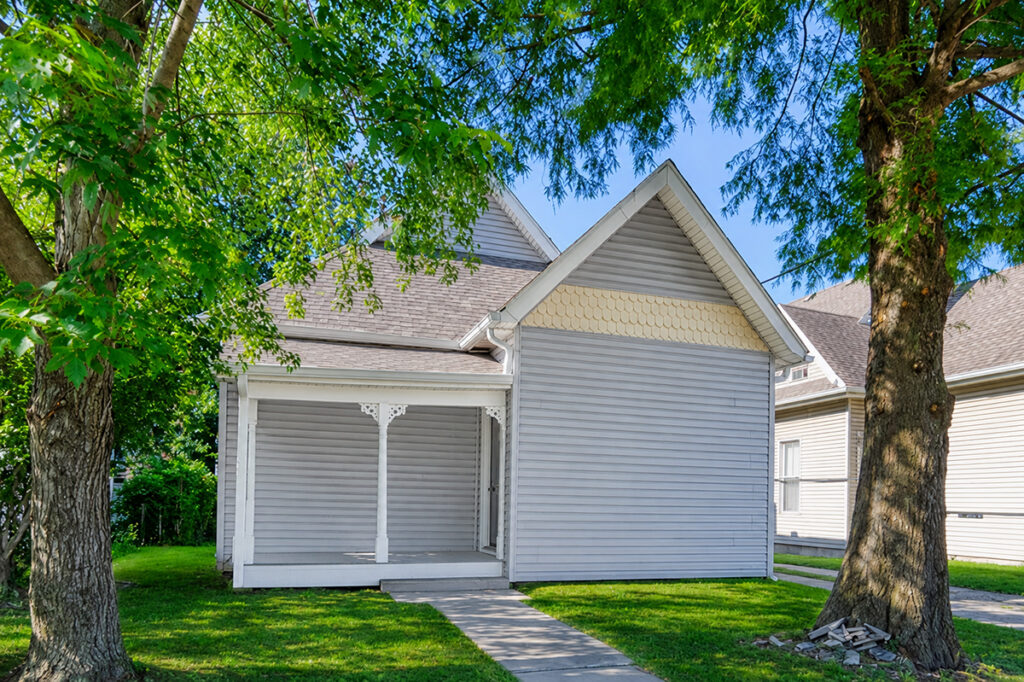
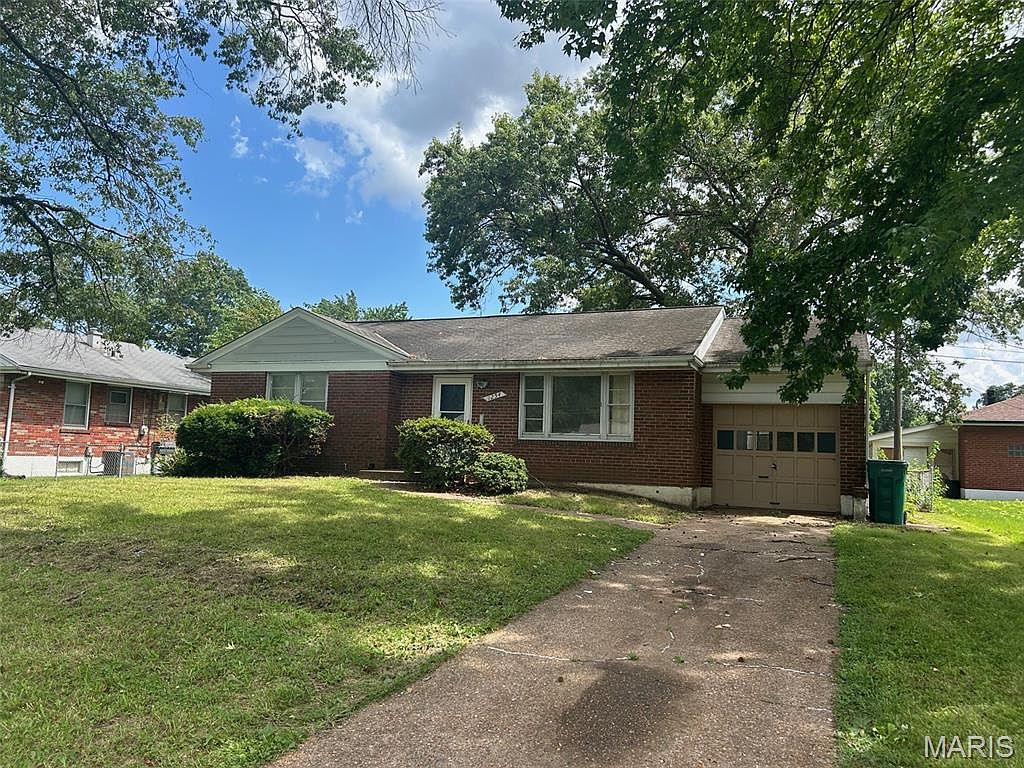
Saint Louis offers a budget‑friendly 4‑bed rental with a high cap rate, while Indianapolis provides a classic 2‑bed property with steady cash flow. Which Midwest market fits YOUR investment strategy?
We have much more inventory available than what you see on our website – Let us know about your requirement.
📈 Choose Your Winner & Contact Us Today!
Speak to a Norada Investment Counselor (No Obligation):
(800) 611-3060
Mortgage rates remain high in 2026, but rental properties continue to deliver strong cash flow and appreciation. Savvy investors know that turnkey real estate is the path to passive income and long‑term wealth.
Norada Real Estate helps you secure turnkey rental properties designed for immediate cash flow and appreciation—so you can invest smartly regardless of interest rate trends.
Also Read:
- Mortgage Rates Predictions Backed by 7 Leading Experts: 2025–2026
- Mortgage Rate Predictions for the Next 3 Years: 2026, 2027, 2028
- 30-Year Fixed Mortgage Rate Forecast for the Next 5 Years
- 15-Year Fixed Mortgage Rate Predictions for Next 5 Years: 2025-2029
- Will Mortgage Rates Ever Be 3% Again in the Future?
- Mortgage Rates Predictions for Next 2 Years
- Mortgage Rate Predictions for Next 5 Years
- Mortgage Rate Predictions: Why 2% and 3% Rates are Out of Reach
- How Lower Mortgage Rates Can Save You Thousands?
- How to Get a Low Mortgage Interest Rate?
- Will Mortgage Rates Ever Be 4% Again?