It’s a bit of a bumpy ride in the mortgage world today, September 9, 2026, as the average 30-year fixed refinance rate has nudged up by 5 basis points to 7.16%. This small uptick might seem insignificant, but it’s part of a bigger story about how global events and economic worries are keeping borrowing costs higher than many of us hoped.
Mortgage Rates Today, Sept 9, 2026: 30-Year Refinance Rate Rises by 5 Basis Points
What's Happening with Refinance Rates Right Now?
On this particular Wednesday, the national average for a 30-year fixed refinance is holding steady at 7.16%, according to Zillow. This is up from last week’s average of 7.11%. It’s not just the 30-year loans that are feeling the pressure. The 15-year fixed refinance rate is also sitting at a steady 6.15%, and the 5-year adjustable-rate mortgage (ARM) refinance rate is at 6.00%.
For those of us who were hoping to snag a lower rate to save some money on our home loans, the dream of rates dipping below 6% this year seems to be fading. Just a few months ago, back in late February, we saw average rates briefly touch a low of 5.98%. Now, many lenders are quoting rates comfortably above 7%.
It feels like just yesterday we were talking about rates going down, and now we’re seeing them creep up. It can be confusing and a little frustrating when you’re trying to plan your finances.
Why the Sudden Jump? It's a Mix of Big Things
You might be wondering what’s causing this change. It’s not just one thing; it’s like a perfect storm of events happening around the world.
My experience tells me that when it comes to mortgage rates, they are very closely tied to what happens in the bond market, especially the 10-year Treasury yield. Right now, that yield has been climbing, going from around 4.08% six months ago to about 4.77%. This jump in the bond market is a big reason why mortgage rates are following suit.
Here are some of the main reasons why rates are on the rise:
- Global Worries: Sadly, there's been increased conflict and military action in the Middle East, particularly with Iran. This kind of instability really shakes up global markets. When there’s uncertainty, people get worried about things like oil prices going up, and that makes them nervous about the economy.
- Inflation Fears: With higher energy costs often linked to global conflicts, worries about inflation are back. Inflation is when prices for everything go up. The government wants inflation to be around 2% each year, but right now it's staying higher than that. When inflation is high, lenders want to earn more money on loans to make up for the fact that the money they get back later might be worth less.
- The Federal Reserve's Stance: The Federal Reserve, which is like the country’s main bank, has been watching these economic changes closely. While they had paused raising interest rates earlier, some of the people on their decision-making team (sometimes called “hawks”) are worried that inflation could get worse. Because of this, the bond market is thinking the Fed might actually raise its main interest rate instead of lowering it. This expectation also pushes borrowing costs higher.
It’s a lot to keep track of, and honestly, it makes my head spin sometimes trying to figure out what’s going to happen next.
Current Refinance Rates (as of September 9, 2026)
Here’s a quick look at what the national average rates are, according to Zillow:
| Loan Type | Average Interest Rate |
|---|---|
| 30-Year Fixed Refinance | 7.16% |
| 15-Year Fixed Refinance | 6.15% |
| 5-Year ARM Refinance | 6.00% |
Note: These are national averages. Your actual rate will depend on your credit score, loan amount, and other factors.
What This Means for You: Important Things to Know
If you're thinking about refinancing your home loan right now, the rules of the game have definitely changed. It’s not as straightforward as it was a few months ago.
Here’s what I think is really important to consider:
- The Refinance Window is Smaller: For most homeowners who have a traditional mortgage, refinancing to save money right now might not make as much sense as it used to. If your current mortgage rate is already below 6.5%, trying to refinance to a slightly higher rate likely won't save you enough money to make it worthwhile. It's like trying to save money by buying a slightly more expensive item – it just doesn't add up.
- Don't Believe the “One-Size-Fits-All” Idea: Remember that the national average rate is just a starting point. The rate you get will be different. It depends a lot on your personal financial situation, like your credit score, how much you owe on your home compared to its value (your loan-to-value ratio), and the type of loan you choose. For instance, the 15-year fixed refinance rates are still at a more manageable 6.15%, which might be a better option for some.
- Shop Around, Seriously! In a market where rates are going up and down, different lenders will offer different prices. I’ve seen it myself – the difference between lenders can be huge. A study showed that if you don’t compare offers from several lenders, you could end up paying an extra $78,000 over the life of your loan! My advice? Talk to at least three different lenders to see who can give you the best deal.
- Talk About Credits and Deals: If you have to refinance – maybe because of a divorce, an old loan that’s about to be due, or you really need to take out cash from your home – don't be afraid to talk to your lender. See if you can work out a better deal or if you can pay a little extra upfront (called discount points) to lower your interest rate. Sometimes, just asking can make a difference.
My Take on the Current Market
As someone who watches these trends closely, I can tell you that the current market feels a bit like navigating through fog. The global events are making things unpredictable. While the 30-year fixed refinance rate at 7.16% isn't ideal, it's important to remember that rates can change.
My personal opinion is that homeowners who have rates well below 6.5% are probably best off holding tight for now. For those who need to refinance, the key is to be diligent. Get multiple quotes, understand all the fees, and don't be afraid to negotiate. It’s about finding the best possible solution for your unique situation.
The 15-year fixed refinance rate at 6.15% is still an attractive option for many who want to pay off their mortgage faster and save on interest over time, even if the monthly payment is a bit higher. And for those who need flexibility, the 5-year ARM refinance rate at 6.00% might offer a lower initial payment, but it comes with the risk that the rate could go up after five years.
It’s a challenging time, but with the right information and approach, you can still make smart decisions about your mortgage.
VS
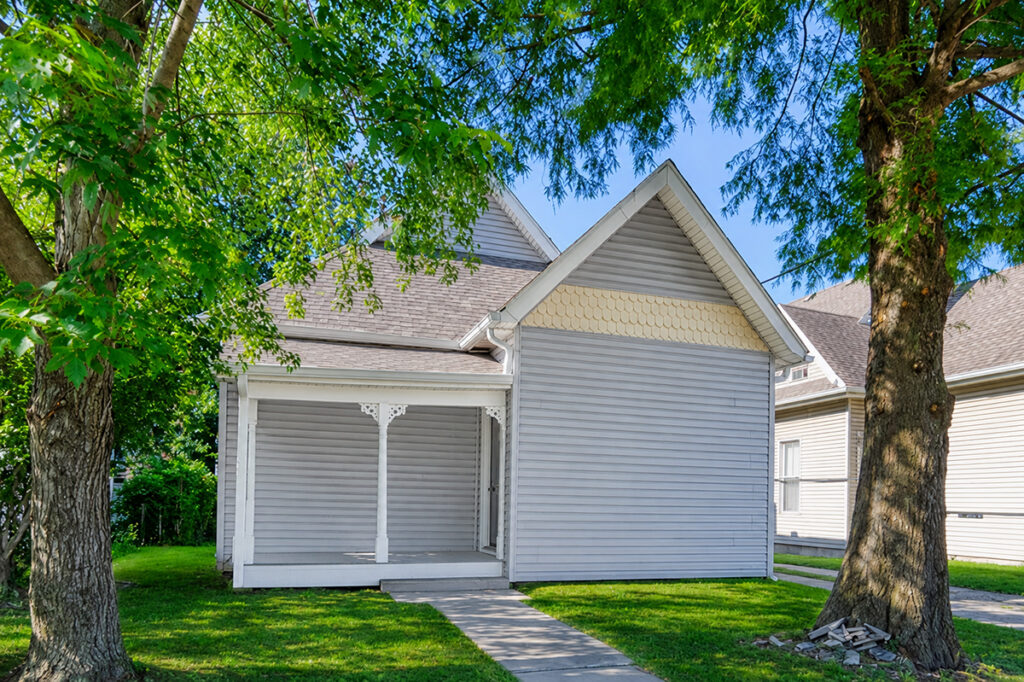
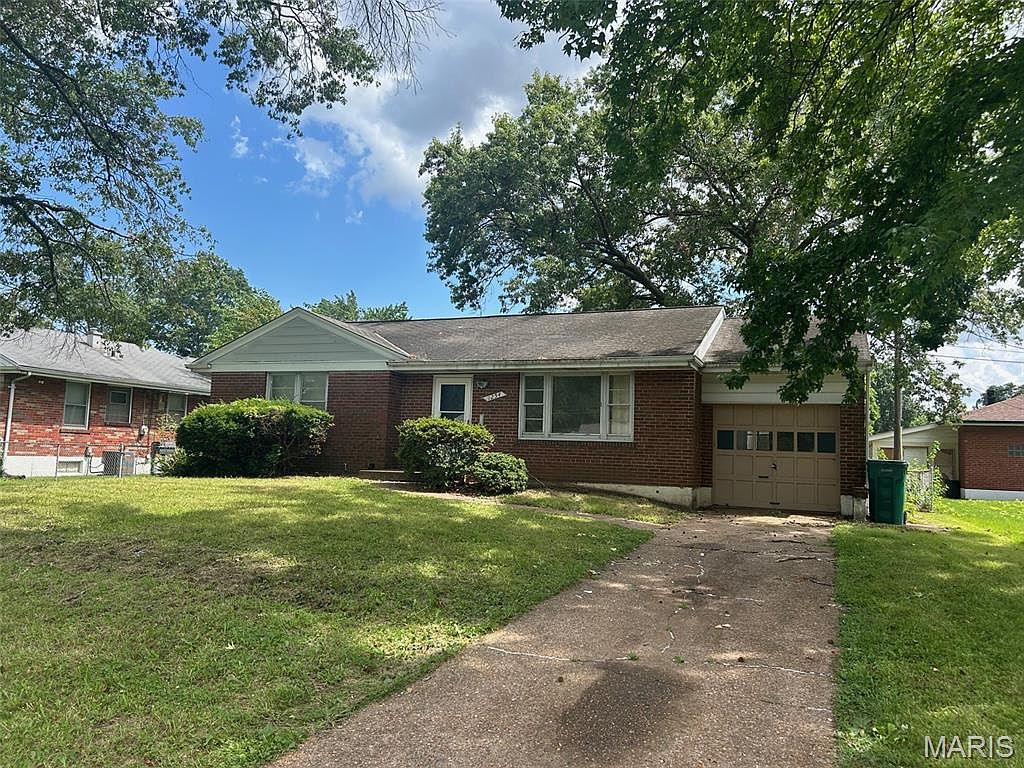
Saint Louis offers a budget‑friendly 4‑bed rental with a high cap rate, while Indianapolis provides a classic 2‑bed property with steady cash flow. Which Midwest market fits YOUR investment strategy?
We have much more inventory available than what you see on our website – Let us know about your requirement.
📈 Choose Your Winner & Contact Us Today!
Speak to a Norada Investment Counselor (No Obligation):
(800) 611-3060
Mortgage rates remain high in 2026, but rental properties continue to deliver strong cash flow and appreciation. Savvy investors know that turnkey real estate is the path to passive income and long‑term wealth.
Norada Real Estate helps you secure turnkey rental properties designed for immediate cash flow and appreciation—so you can invest smartly regardless of interest rate trends.
Also Read:
- Mortgage Rates Predictions Backed by 7 Leading Experts: 2025–2026
- Mortgage Rate Predictions for the Next 3 Years: 2026, 2027, 2028
- 30-Year Fixed Mortgage Rate Forecast for the Next 5 Years
- 15-Year Fixed Mortgage Rate Predictions for Next 5 Years: 2025-2029
- Will Mortgage Rates Ever Be 3% Again in the Future?
- Mortgage Rates Predictions for Next 2 Years
- Mortgage Rate Predictions for Next 5 Years
- Mortgage Rate Predictions: Why 2% and 3% Rates are Out of Reach
- How Lower Mortgage Rates Can Save You Thousands?
- How to Get a Low Mortgage Interest Rate?
- Will Mortgage Rates Ever Be 4% Again?