So, you're looking at your mortgage and wondering what's happening with the rates today, September 10, 2026? Well, the big news is that the 30-year fixed refinance rate has nudged up a bit, climbing by 3 basis points to sit at 7.16%. Now, I know that might sound like a tiny change, but in the world of mortgages, even small shifts can matter a lot to homeowners. Let's break down what's going on and what it might mean for you.
Mortgage Rates Today, Sept 10, 2026: 30-Year Refinance Rate Rises by 3 Basis Points
What Are the Numbers for Refinancing Today?
According to the latest information from Zillow, here's a snapshot of how things are looking for refinancing on Thursday, September 10, 2026:
| Loan Type | Current Average Rate | Change from Previous Day | Change from Previous Week |
|---|---|---|---|
| 30-Year Fixed Refinance | 7.16% | Up 3 basis points | Up 5 basis points |
| 15-Year Fixed Refinance | 6.00% | Down 14 basis points | (Not provided) |
| 5-Year ARM Refinance | 6.00% | (Not provided) | (Not provided) |
Note: Basis points are a way of measuring small changes. 100 basis points equal 1 percentage point. So, a 3 basis point increase means the rate went up by 0.03%.
It's interesting to see the 15-year fixed refinance rate and the 5-year ARM rate both sitting at a nice 6.00%. That's a bit of good news if you were eyeing those shorter-term options! But for most folks looking to refinance their main home loan, that 30-year fixed rate is the one they're watching closely.
The current national average for 30-year fixed refinance rates is generally landing between 6.90% and 7.36% APR, depending on the specific lender and the details of your loan. This means that while Zillow's main number is 7.16%, there's a range out there. It's always important to shop around and get personalized quotes!
Why Are Rates Doing This Little Dance?
You might be wondering why rates are moving around. It’s not just random; there are usually bigger economic reasons behind it. Think of it like the weather – there are patterns and causes for why it gets sunny or rainy.
For mortgage rates, two main things have been pushing them up lately:
- Inflation Worries: The people who lend money for mortgages are always looking at how much things are costing overall. If prices are going up too fast (that's inflation), they worry that the money they get back later won't be worth as much. So, they ask for a higher interest rate now to make up for it. This is often tied to something called the 10-year U.S. Treasury yield. When investors think inflation will stick around, this yield goes up, and so do mortgage rates.
- Government Spending: When the government spends a lot more money than it brings in (that's a federal budget deficit), it can affect the money markets. It's like if a big company suddenly needed to borrow a lot of money – it can make borrowing more expensive for everyone else. Investors want to be paid more for lending their money when there's a lot of debt out there.
My Thoughts on What This Means for You
From where I stand, seeing these rates tick up is a signal. It's telling us that the era of super-low refinance rates might be behind us for a while.
Refinancing Demand is Slowing Down: I've been seeing this trend myself. When rates climb, fewer people feel like refinancing makes sense. It's like trying to buy something when the price has gone up – you might wait for a sale. The Mortgage Bankers Association has reported that refinance applications are at their lowest point since May 2025. That's a pretty big drop, showing that homeowners are holding off.
Is Refinancing Still Worth It? This is the million-dollar question, right? If you're thinking about refinancing, you need to do some math.
- Calculate Your Break-Even Point: This is super important. You want to know how long it will take for the money you save each month on your mortgage to cover the costs of refinancing (like fees and closing costs). Generally, with rates hovering in the 6.90% to 7.30% range, your current mortgage rate needs to be significantly higher than that to make a simple rate-and-term refinance worthwhile. Remember, refinancing costs can add up, often being 2% to 5% of your loan amount. Don't forget to factor those in!
- Let's say your current rate is 8.00% and you're thinking of refinancing to 7.16%. You'll save money each month. But if your closing costs are $10,000, you need to figure out how many months it will take for your monthly savings to add up to $10,000. If your monthly savings are $200, it will take 50 months (over 4 years!) to break even. Is that worth it to you?
- Consider Your Goals: Are you just trying to get a lower monthly payment? Or do you need to pull cash out for home improvements or other expenses (that's called a “cash-out refinance”)? Your goals will heavily influence whether refinancing is the right move, even with these rates.
Should You Lock In Now or Wait?
This is where it gets tricky. Because rates have been climbing, some experts are saying that unless you have a really urgent reason to refinance, it might be smarter to hold off on locking in a rate right now.
- “Rate Lock” Advisory: The idea here is to watch the market for a bit. If rates go down in the coming weeks or months, you might get a better deal. However, if you absolutely need to refinance now, or if you're worried rates will go even higher, then locking in might be your best bet. It's a bit of a gamble, and I always tell people to weigh their comfort level with risk.
What About Other Loan Types?
While the 30-year fixed rate is hogging the spotlight, it's good to know that the 15-year fixed refinance rate and the 5-year ARM refinance rate are both looking more attractive at 6.00%.
- 15-Year Fixed: This is great if you want to pay off your mortgage faster and build equity quicker. You'll have higher monthly payments than a 30-year, but you'll save a lot on interest over the life of the loan.
- 5-Year ARM (Adjustable-Rate Mortgage): These often start with a lower interest rate than fixed-rate mortgages. The rate is fixed for the first five years, and then it can go up or down based on market conditions. If you plan to sell your home or refinance again before the five years are up, it could be a good option. But you need to be aware of the risk that your payments could increase later.
Looking Ahead
The mortgage market is always changing. What we're seeing today is a snapshot. Inflation, government policies, and general economic health all play a role.
My advice? Don't just look at the headline number. Do your homework, crunch your own numbers, talk to a few different lenders, and make sure any refinance move aligns with your personal financial goals and timeline. It’s your home, your money, and your future, so make the decision that feels right for you.
VS
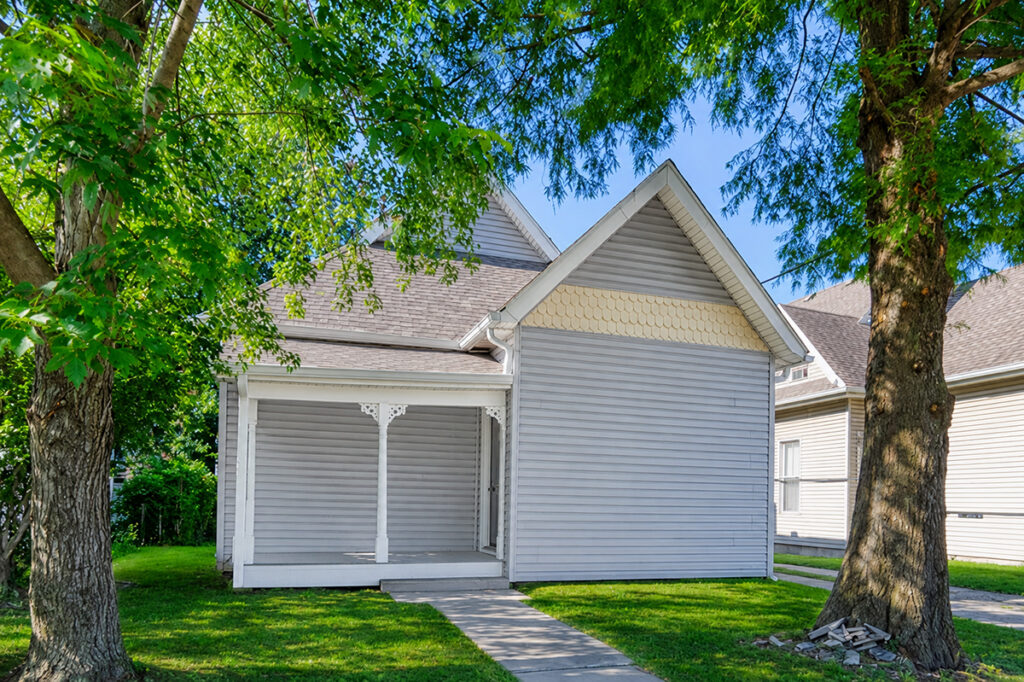
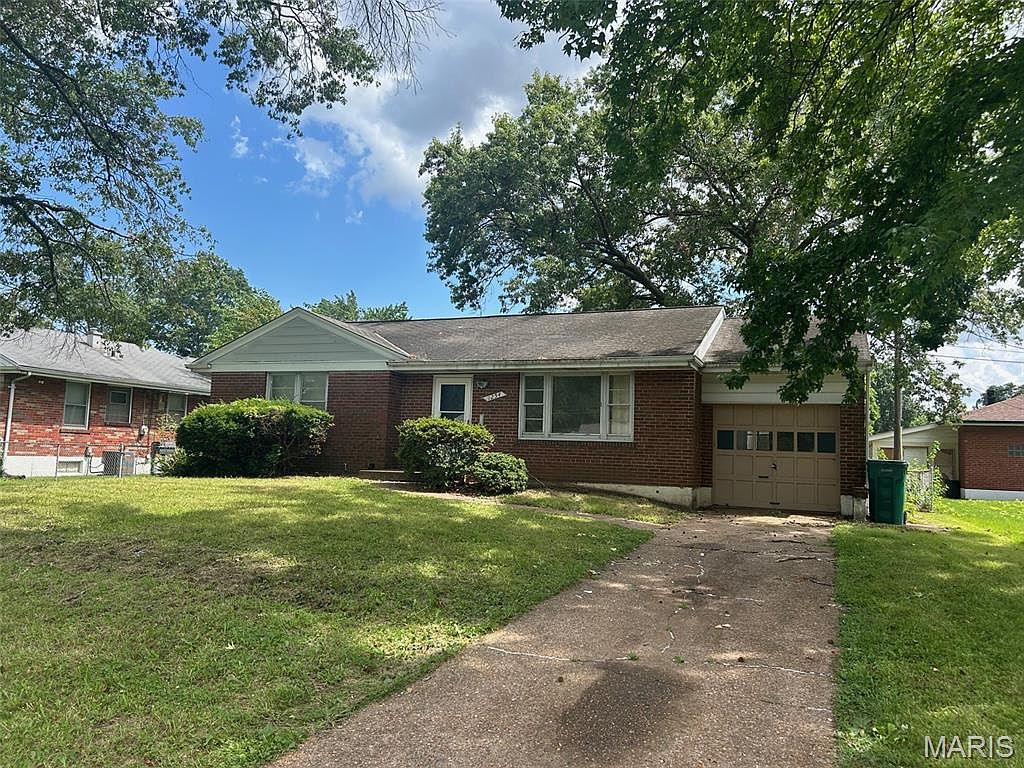
Saint Louis offers a budget‑friendly 4‑bed rental with a high cap rate, while Indianapolis provides a classic 2‑bed property with steady cash flow. Which Midwest market fits YOUR investment strategy?
We have much more inventory available than what you see on our website – Let us know about your requirement.
📈 Choose Your Winner & Contact Us Today!
Speak to a Norada Investment Counselor (No Obligation):
(800) 611-3060
Mortgage rates remain high in 2026, but rental properties continue to deliver strong cash flow and appreciation. Savvy investors know that turnkey real estate is the path to passive income and long‑term wealth.
Norada Real Estate helps you secure turnkey rental properties designed for immediate cash flow and appreciation—so you can invest smartly regardless of interest rate trends.
Also Read:
- Mortgage Rates Predictions Backed by 7 Leading Experts: 2025–2026
- Mortgage Rate Predictions for the Next 3 Years: 2026, 2027, 2028
- 30-Year Fixed Mortgage Rate Forecast for the Next 5 Years
- 15-Year Fixed Mortgage Rate Predictions for Next 5 Years: 2025-2029
- Will Mortgage Rates Ever Be 3% Again in the Future?
- Mortgage Rates Predictions for Next 2 Years
- Mortgage Rate Predictions for Next 5 Years
- Mortgage Rate Predictions: Why 2% and 3% Rates are Out of Reach
- How Lower Mortgage Rates Can Save You Thousands?
- How to Get a Low Mortgage Interest Rate?
- Will Mortgage Rates Ever Be 4% Again?