Today's mortgage rates, September 9, 2026, climbed as expectations grow that the Federal Reserve could raise interest rates as soon as next week. The 30-year fixed rose 6 basis points to 6.73%, the 15-year fixed ticked up to 6.05%, and the 5/1 ARM jumped back above 7%, now at 7.03%. Renewed global tensions, rising oil prices, and a 10-year Treasury yield approaching 4.80% are all compounding the pressure. Here's the full rate breakdown and what to watch for next week.
Today's Mortgage Rates, September 9: 30-Year Rises to 6.73%, Above Wells Fargo's Forecast
It's always helpful to see the actual numbers, so here's what Zillow is reporting for today, Wednesday, September 9, 2026:
| Loan Type | Rate |
|---|---|
| 30-year fixed | 6.73% |
| 20-year fixed | 6.55% |
| 15-year fixed | 6.05% |
| 5/1 ARM | 7.03% |
| 7/1 ARM | 6.51% |
| 30-year VA | 6.22% |
| 15-year VA | 5.78% |
| 5/1 VA | 5.82% |
(Source: Zillow)
You can see that the 30-year fixed rate is up by 6 basis points since yesterday, and the 15-year fixed rate has also moved up a bit. The 5/1 ARM has seen a more noticeable jump.
What's Pushing Mortgage Rates Higher?
It feels like there's a lot happening at once, and it's all connected. Here's a breakdown of what I'm seeing:
- Global Worries: There's a lot of uncertainty in the world right now with conflicts happening far away. When big global events like this occur, investors, who are people that put their money into things like bonds, get a bit scared. Instead of putting their money into safer, long-term investments like U.S. Treasury bonds, they're pulling back. This makes it harder for those bonds to keep their value, and that has a ripple effect.
- Oil Prices and Inflation: When there are disruptions in faraway places, it can affect things we use every day, like gas for our cars. As oil prices go up, it can make other things more expensive too. This is what we call inflation. When inflation is high, the money we have buys less. To protect themselves from this, people who buy bonds want to get paid more for lending their money. This higher demand for payment on bonds directly leads to higher mortgage rates.
- Government Debt and Treasury Yields: The U.S. government has a lot of debt, and it's constantly issuing new bonds to help manage that debt. When there's a lot of something available, buyers can be pickier. They want a better deal, which means they demand a higher “yield” – essentially, more interest paid to them. The 10-year U.S. Treasury yield, which is a key number lenders look at for mortgages, has been climbing because of all these factors. It's heading towards 4.80%, and when that goes up, mortgage rates usually follow.
- What the Fed Might Do: The Federal Reserve has a big job of trying to keep the economy steady. They want prices to be stable and for people to have jobs. They've said that if inflation doesn't start to cool down, they might raise interest rates. The financial world is watching closely, and many people now think the Fed might actually raise rates next week, not lower them. This expectation makes lenders feel like they need to charge a bit more for loans right now, just in case.
What This Means for You as a Homebuyer
These numbers might seem a little scary, especially if you were hoping for lower rates. It feels like we're in a bit of a tight spot, where there are worries about prices going up too fast but also concerns that the economy might slow down.
As someone who studies this stuff, I've seen predictions from big banks like Wells Fargo. They think that for the whole year, the average 30-year fixed rate might be around 6.4%. So, where we are today is on the higher end of what experts were expecting.
Here's my take:
- Don't Panic, But Be Prepared: Mortgage rates can change daily, sometimes even hourly. While today's rates are a bit higher, it doesn't mean they'll stay there forever. However, it does mean that if you're serious about buying, you should get a clear picture of what you can afford now.
- Understand Your Options: Fixed-rate mortgages offer predictable payments, which is great for budgeting. Adjustable-rate mortgages (ARMs), like the 5/1 and 7/1 options, can sometimes start with lower rates, but they can increase later. It's important to understand the risk involved.
- Talk to a Lender: This is probably the most important step. A good loan officer can look at your specific situation, your credit score, how much you're putting down, and tell you exactly what rates you qualify for. They can also explain different loan programs, including VA loans for eligible veterans, which often have competitive rates.
- Consider Your Timeline: Are you looking to buy right away, or are you planning for next year? Your timeline can influence how much you'll be affected by short-term rate changes. If you have flexibility, you might be able to wait for rates to potentially come down.
Looking Ahead: What to Watch For
The next real test comes from inflation data and the Fed's meeting next week — if inflation cools, rates could stabilize or ease; if it doesn't, or if global tensions escalate further, expect more upward pressure. With Wells Fargo's full-year forecast at 6.4%, today's 6.73% sits well above where many expected rates to be by now, making this a market where locking in sooner rather than waiting carries real weight.
VS
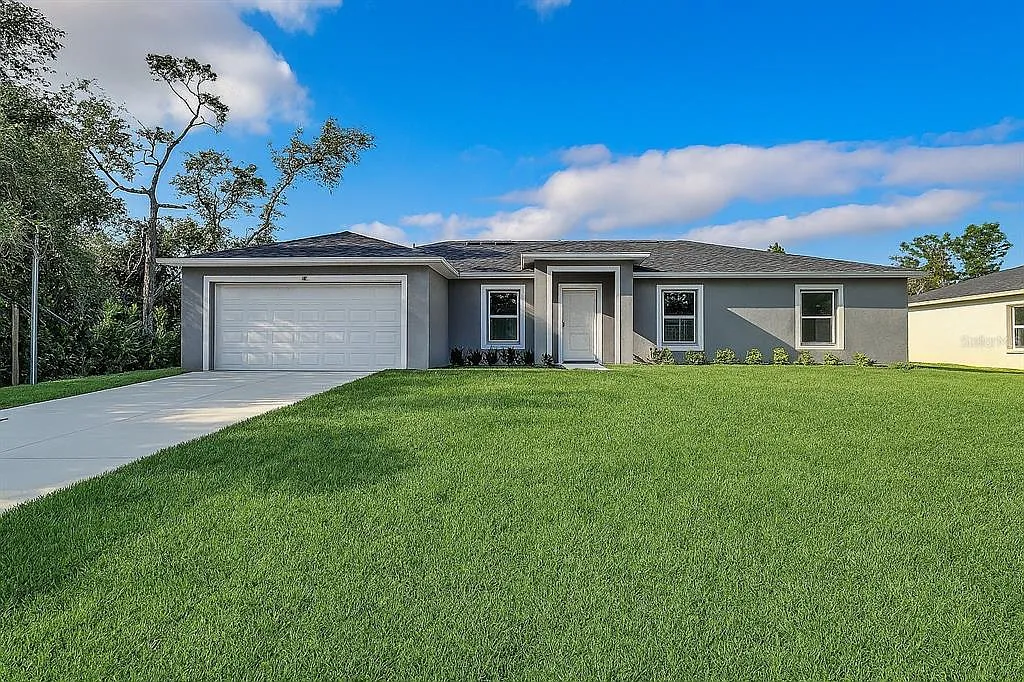
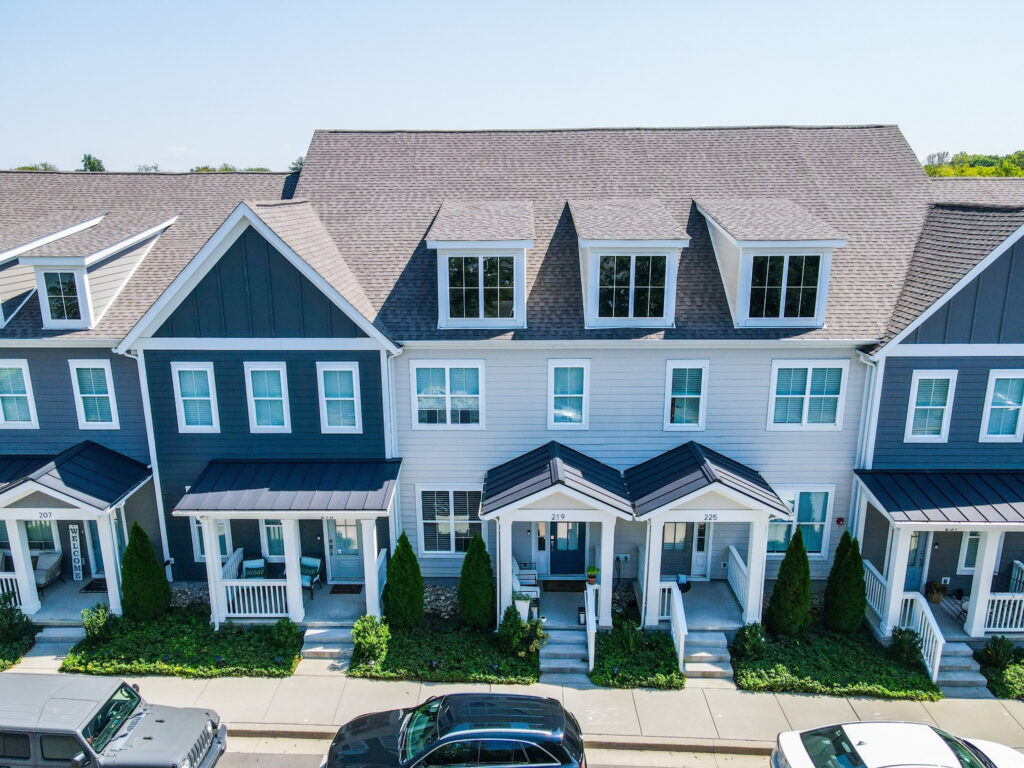
Out‑of‑State investors can compare Tennessee’s newer rental with higher NOI vs Florida’s A+ property with strong yield. Which fits YOUR investment strategy?
We have much more inventory available than what you see on our website – Let us know about your requirement.
📈 Choose Your Winner & Contact Us Today!
Speak to a Norada Investment Counselor (No Obligation):
(800) 611-3060
Mortgage rates remain high in 2026, but rental properties continue to deliver strong cash flow and appreciation. Savvy investors know that turnkey real estate is the path to passive income and long‑term wealth.
Norada Real Estate helps you secure turnkey rental properties designed for immediate cash flow and appreciation—so you can invest smartly regardless of interest rate trends.
Also Read:
- Mortgage Rates Predictions Backed by 7 Leading Experts: 2025–2026
- Mortgage Rate Predictions for the Next 3 Years: 2026, 2027, 2028
- 30-Year Fixed Mortgage Rate Forecast for the Next 5 Years
- 15-Year Fixed Mortgage Rate Predictions for Next 5 Years: 2025-2029
- Will Mortgage Rates Ever Be 3% Again in the Future?
- Mortgage Rates Predictions for Next 2 Years
- Mortgage Rate Predictions for Next 5 Years
- Mortgage Rate Predictions: Why 2% and 3% Rates are Out of Reach
- How Lower Mortgage Rates Can Save You Thousands?
- How to Get a Low Mortgage Interest Rate?
- Will Mortgage Rates Ever Be 4% Again?