If you've been dreaming of owning a home, this news might sting a bit. The average interest rate on a 30-year fixed mortgage has nudged up, and it's making buying a house cost more than it did last year. We're talking about a rise of 41 basis points, which might sound like a small number, but trust me, it adds up for your wallet when you're signing on the dotted line for a home.
This trend isn't entirely unexpected, but it's still a significant shift. The average rate for a 30-year fixed-rate mortgage is now sitting at 6.76%. This is a jump from last year's average of 6.35% for the same week. These numbers come from Freddie Mac, a reputable source that keeps a close eye on mortgage rates. What does this really mean for you? It means your monthly payments, and the total cost of your home over time, will be higher.
30-Year Fixed Mortgage Rate Rises by 41 Basis Points From Last Year
Breaking Down the Numbers: What Does a 41 Basis Point Hike Really Mean?
Let's put this into real-world terms. Imagine you're looking to buy a home with a $400,000 mortgage.
- Last Year's Rate (6.35%): Your monthly payment for just the principal and interest would have been around $2,488.94.
- This Year's Rate (6.76%): That same mortgage now costs you about $2,597.05 per month for principal and interest.
That's an extra $108.11 you're paying every single month. Over the entire 30 years of your loan, that adds up to a whopping $38,919.60 more you'll pay in interest. That's almost the price of a decent used car, gone just to interest!
This increase isn't happening in a vacuum. Freddie Mac points to ongoing economic pressures and worries about inflation as the main reasons for this climb. When the economy feels a bit shaky or prices keep going up, lenders often raise interest rates to protect themselves and make loans more profitable.
Beyond the 30-Year Fixed: Other Rates Are Climbing Too
It's not just the popular 30-year mortgage that's getting pricier. The 15-year fixed-rate mortgage, a shorter option that many people choose to pay off their homes faster, has also seen an increase. It's now at 6.09%, up from 5.50% last year. While a shorter loan term usually means lower rates, this overall upward trend affects everyone looking to borrow money for a home.
Why I'm Keeping an Eye on This (And You Should Too!)
From my perspective, these rate hikes are a strong signal that the market is still trying to find its footing. We've seen periods of very low interest rates in recent years, and this upward movement is a sign of things normalizing, or perhaps reacting to broader economic conditions.
As a homeowner myself, I know how much a mortgage payment impacts your budget. When rates go up, it can feel like the goal of homeownership is moving further away. It makes those conversations with lenders and the decision-making process even more crucial.
Tactical Moves for Savvy Home Buyers
So, what can you do if you're in the market to buy a home or are about to lock in a mortgage rate? Don't despair! There are smart ways to navigate these higher costs.
- Shop Around Like a Pro: This is perhaps the most important piece of advice I can give. Don't just go with the first lender you talk to. Get quotes from at least three to five different banks or mortgage brokers. I’ve seen firsthand how much variation there can be in rates and fees between lenders. A little bit of extra effort here can save you tens of thousands of dollars over the life of your loan.
- Explore Rate Buydowns: Talk to your real estate agent or lender about “buydowns.” Sometimes, sellers or homebuilders will offer to pay for a portion of your interest rate, either for a few years (temporary buydown) or permanently. This can significantly lower your monthly payment, especially in the early years of your mortgage. It's like getting a little discount on your rate.
- Think About Refinancing Down the Road: If you buy now and have to accept a higher rate, don't get discouraged. Keep an eye on the market. If rates drop by, say, 1% or 2% in the future, it might be worth refinancing your mortgage to a lower rate. This means going through the mortgage process again, but if the savings are substantial, it can be well worth it. Make sure to factor in the costs of refinancing, too!
The Bigger Picture: What This Means for the Housing Market
These rising mortgage rates do more than just affect individual buyers. They can cool down the overall housing market. When it costs more to borrow money, fewer people can afford to buy homes. This can lead to:
- Slower Home Sales: Houses might sit on the market longer.
- Potentially Stabilizing or Decreasing Prices: In some areas, home prices might stop rising so quickly, or even come down a bit.
- More Negotiating Power for Buyers: Buyers might find they have more room to negotiate prices and terms with sellers.
It's a delicate balance. Lenders and economists are watching these trends closely. The goal is usually to avoid a sharp downturn, but rather a gradual adjustment.
My Take on It All
While the increase in mortgage rates is a valid concern for anyone looking to buy a home, it's also a reminder that the housing market is dynamic. It ebbs and flows. My advice to anyone feeling anxious is to stay informed, be patient, and make informed decisions. Understanding the numbers, exploring all your options, and working with trusted professionals will help you navigate these changes and still achieve your homeownership dreams. It's about making the best choice for your personal financial situation right now.
VS
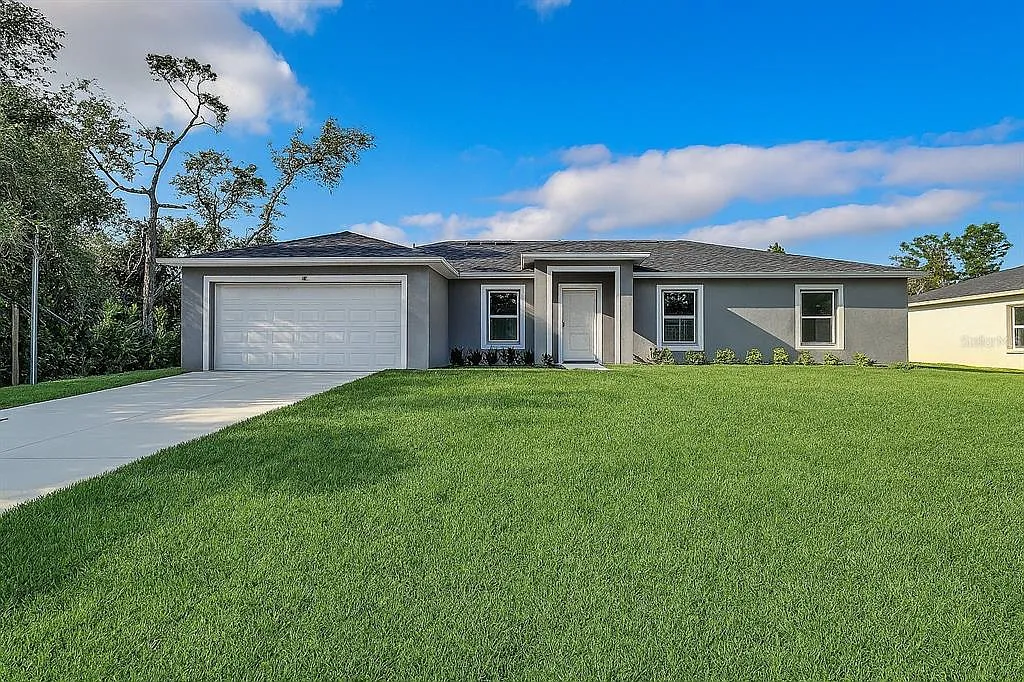
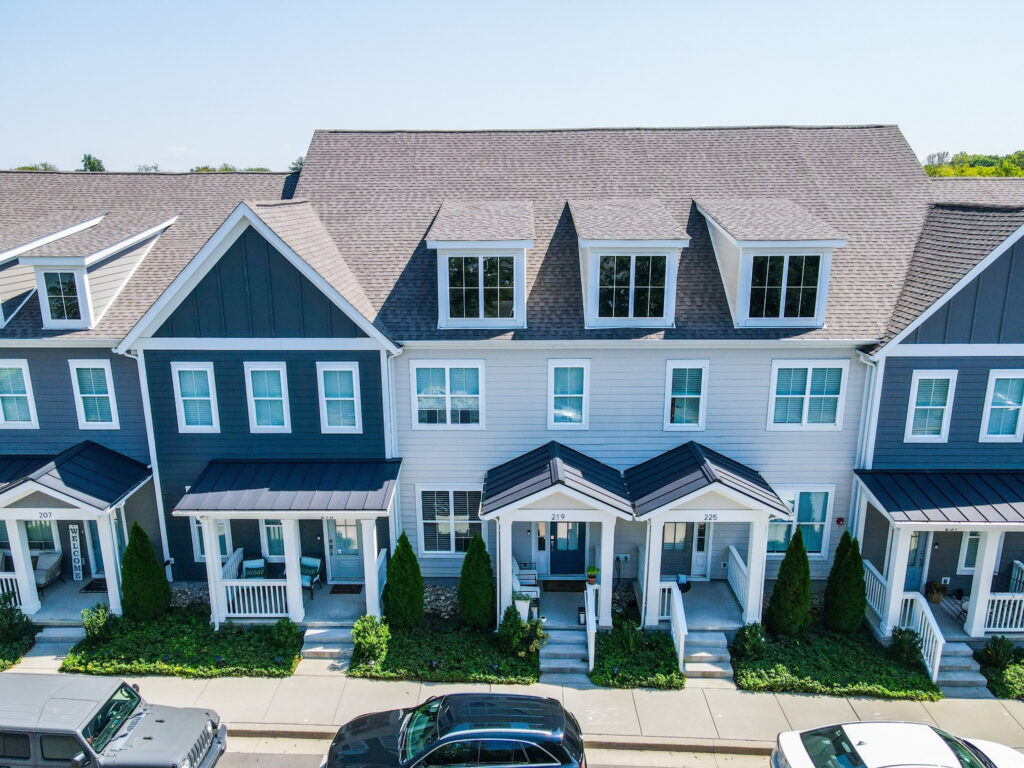
Out‑of‑State investors can compare Tennessee’s newer rental with higher NOI vs Florida’s A+ property with strong yield. Which fits YOUR investment strategy?
We have much more inventory available than what you see on our website – Let us know about your requirement.
📈 Choose Your Winner & Contact Us Today!
Speak to a Norada Investment Counselor (No Obligation):
(800) 611-3060
Mortgage rates remain high in 2026, but rental properties continue to deliver strong cash flow and appreciation. Savvy investors know that turnkey real estate is the path to passive income and long‑term wealth.
Norada Real Estate helps you secure turnkey rental properties designed for immediate cash flow and appreciation—so you can invest smartly regardless of interest rate trends.
Also Read:
- Mortgage Rates Predictions Backed by 7 Leading Experts: 2025–2026
- Mortgage Rate Predictions for the Next 3 Years: 2026, 2027, 2028
- 30-Year Fixed Mortgage Rate Forecast for the Next 5 Years
- 15-Year Fixed Mortgage Rate Predictions for Next 5 Years: 2025-2029
- Will Mortgage Rates Ever Be 3% Again in the Future?
- Mortgage Rates Predictions for Next 2 Years
- Mortgage Rate Predictions for Next 5 Years
- Mortgage Rate Predictions: Why 2% and 3% Rates are Out of Reach
- How Lower Mortgage Rates Can Save You Thousands?
- How to Get a Low Mortgage Interest Rate?
- Will Mortgage Rates Ever Be 4% Again?