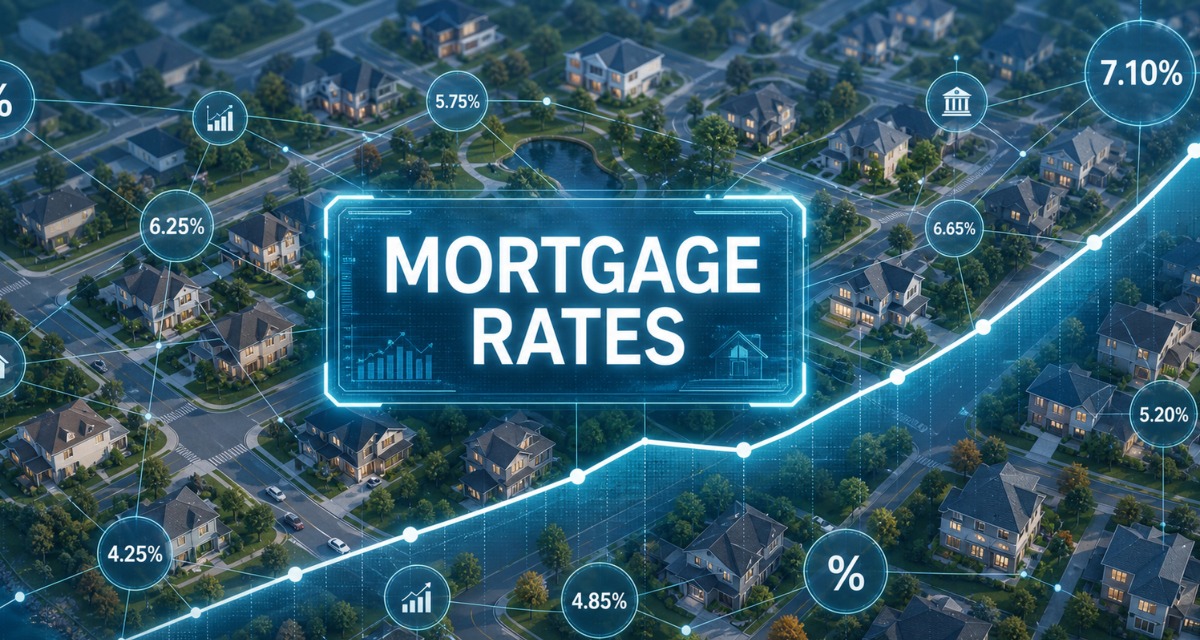
You've probably heard the buzz: mortgage rates are inching up, and many people looking to buy a home are feeling the heat. Right now, buyers are scrambling to secure their home loans before interest rates cross that big, scary 7% mark. This isn't just about a little extra cost; it's about protecting their wallets and making sure they can still afford their dream home.
As I've seen it time and again, buying a home is one of the biggest decisions a person makes. It’s not just about finding a place to live; it’s about building a future. And when it comes to financing that future, the mortgage rate is king. It dictates how much you can afford, how much your monthly payments will be, and ultimately, how much the home will cost you over many, many years. Watching rates climb can be nerve-wracking, and that's exactly what's happening now. We're seeing averages hovering around 6.58% to 6.71%, and everyone knows that 7% feels like a major tipping point.
Why Buyers Are Rushing to Lock In Before Mortgage Rates Hit 7%
It feels like the clock is ticking. I’ve talked to so many clients who are worried about what happens if they wait. They see the numbers, they hear the news, and they want to make a move now. Here’s why everyone’s in such a hurry:
1. Strange Times Mean Rising Prices Everywhere
You might have noticed that the price of everyday things, like gas for your car or even your groceries, has gone up. This is partly because of what’s happening in other parts of the world. When there are big events happening, especially involving important things like oil, prices for those things can jump. And when oil prices go up, it has a ripple effect. It makes other things more expensive, too.
This is called inflation. And when inflation starts to get a strong hold, it makes the people in charge of the country’s money, the Federal Reserve, nervous. They have tools to try and slow down inflation, and one of those tools is making it more expensive to borrow money.
Think of it like this: imagine you want to borrow money from a friend. If your friend is worried about needing more money for themselves later, they might ask for a little more in return when you pay them back. The government, or the big banks, work similarly. When they see inflation rising, they tend to increase the cost of borrowing money, and that directly affects mortgage rates.
2. Home Prices Aren't Taking a Break
Waiting for mortgage rates to drop often means you’ll face higher home prices. It's like waiting for a sale on a toy that never actually goes on sale, but instead gets more expensive. Many people have been hoping that home prices would cool down, giving them a break. But that’s not really happening. Real estate prices are still steadily climbing, and experts think they'll keep going up for a while.
So, if you wait too long, you might end up paying more for the house itself and more for the loan to buy it. That's a double whammy no one wants.
Here’s a simple way to see the problem:
| Waiting for Lower Rates Might Mean… | Current Situation |
|---|---|
| Higher Home Price | Prices keep going up |
| Higher Mortgage Rate | Rates are climbing and might hit 7% soon |
| Higher Monthly Payment | You'll pay more each month for many years |
3. What the Big Money Managers Might Do
The Federal Reserve (often called “The Fed”) is like the country’s central bank. They watch the economy very closely and can make big decisions that affect how much it costs to borrow money. Right now, they’re feeling a lot of pressure to stop prices from rising so fast.
Because of this, many people who work with money are thinking the Fed might make borrowing even more expensive in the near future. There's a good chance they might raise their main interest rates. When they do that, it’s almost a sure thing that mortgage rates will go up too. So, the rates we're seeing now, even though they seem high, might be the best we'll get for a while.
4. The Magic (and Scary) Number: 7%
There’s a psychological barrier with mortgage rates, and that’s 7%. When rates cross that line, it really changes things for buyers. It becomes much harder for people to afford a home. Many families will start spending more than 30% of their income just on their house payment, which is a sign they're struggling to make ends meet.
I’ve seen this happen before. When rates jump above a certain point, like 6.64% and head towards 7%, the number of people who can buy a home shrinks dramatically. It’s like a speed bump that slows down the whole housing market.
The Big Difference: 6.5% vs. 7.5%
Let's look at how much of a difference a single percentage point can make over time. Imagine you’re buying a $350,000 home.
- At 6.5%: Your monthly payment for just the principal and interest would be around $2,210. This is a manageable amount for many and allows for predictable budgeting.
- At 7.5%: That same loan would cost you about $2,445 per month.
That's an extra $235 every single month! Over 30 years, that adds up to a huge amount of extra money you’re paying just for the privilege of borrowing. For people with average incomes, that extra cost can make a dream home completely out of reach. Locking in a lower rate now is a smart move to keep that monthly payment affordable and predictable.
What Smart Buyers Are Doing Now
Because of all this, people who are serious about buying are being really smart about it. They’re not just sitting back and hoping for the best.
Here are some things I’m seeing them do:
- Using Rate Locks: When a buyer finds a home they love and gets pre-approved for a loan, they can often “lock in” their interest rate for a certain period, usually 30 to 60 days. This protects them if rates go up while they’re finishing the paperwork. It’s like putting a freeze on the price of their loan.
- Getting Help from Sellers: Sometimes, the person selling the house will offer to help the buyer with some costs. This is called a “seller concession.” One popular way they help is by paying for something called a “mortgage rate buydown.” This basically lowers the buyer’s interest rate for the first year or two of the loan, making the initial payments much easier. It’s amazing how many sales now include some kind of seller help – almost half of them!
- Looking in New Places: To afford a home in today’s market, many buyers are being flexible about where they look. They’re willing to check out towns or neighborhoods that might be a little further out or less expensive. Over 76% of active buyers are open to this, which is a big number! It shows they’re willing to adjust their search area to make their budget work.
It’s a tricky time in the housing market, for sure. But by understanding what’s happening and by being prepared, buyers can still make smart moves to secure their piece of the dream.
VS
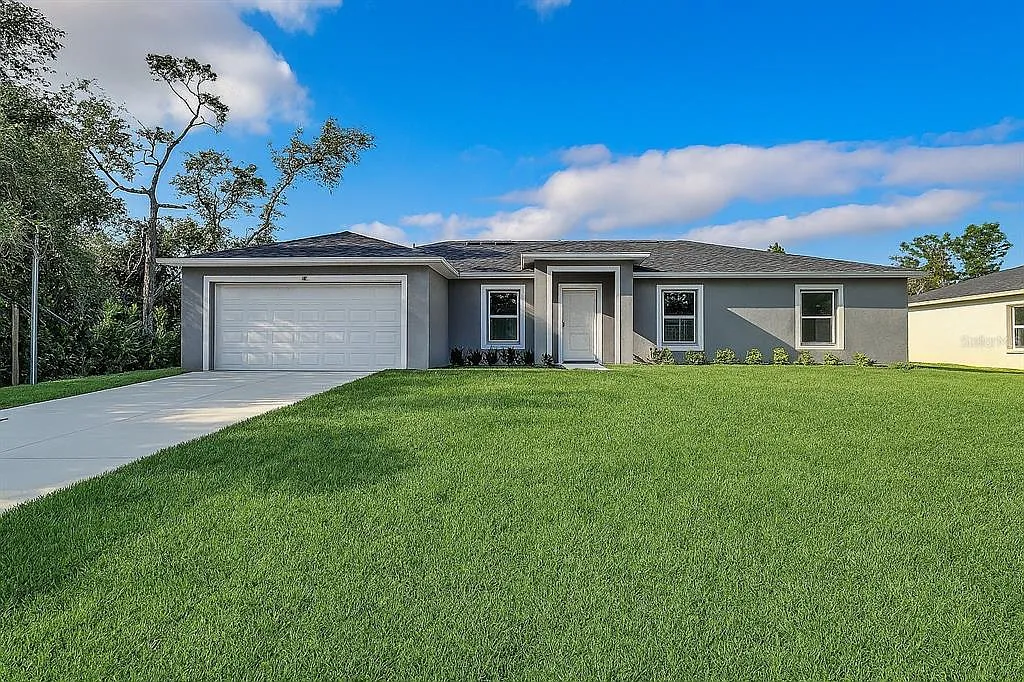
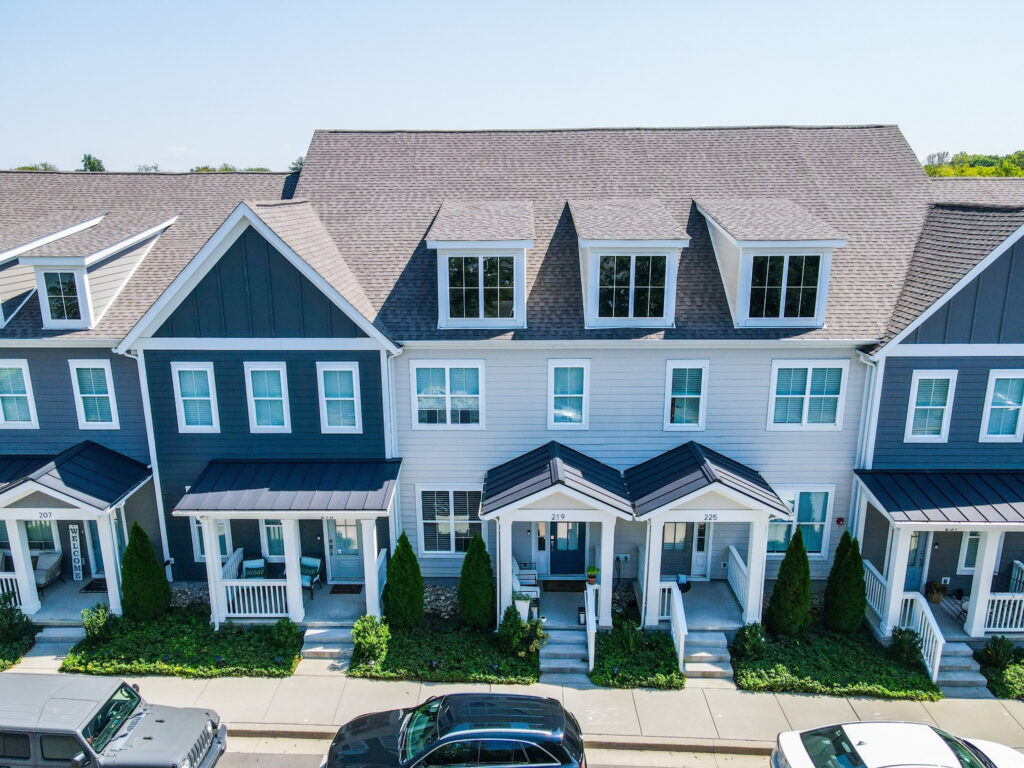
Out‑of‑State investors can compare Tennessee’s newer rental with higher NOI vs Florida’s A+ property with strong yield. Which fits YOUR investment strategy?
We have much more inventory available than what you see on our website – Let us know about your requirement.
📈 Choose Your Winner & Contact Us Today!
Speak to a Norada Investment Counselor (No Obligation):
(800) 611-3060
Mortgage rates remain high in 2026, but rental properties continue to deliver strong cash flow and appreciation. Savvy investors know that turnkey real estate is the path to passive income and long‑term wealth.
Norada Real Estate helps you secure turnkey rental properties designed for immediate cash flow and appreciation—so you can invest smartly regardless of interest rate trends.
Also Read:
- Mortgage Rates Predictions Backed by 7 Leading Experts: 2025–2026
- Mortgage Rate Predictions for the Next 3 Years: 2026, 2027, 2028
- 30-Year Fixed Mortgage Rate Forecast for the Next 5 Years
- 15-Year Fixed Mortgage Rate Predictions for Next 5 Years: 2025-2029
- Will Mortgage Rates Ever Be 3% Again in the Future?
- Mortgage Rates Predictions for Next 2 Years
- Mortgage Rate Predictions for Next 5 Years
- Mortgage Rate Predictions: Why 2% and 3% Rates are Out of Reach
- How Lower Mortgage Rates Can Save You Thousands?
- How to Get a Low Mortgage Interest Rate?
- Will Mortgage Rates Ever Be 4% Again?