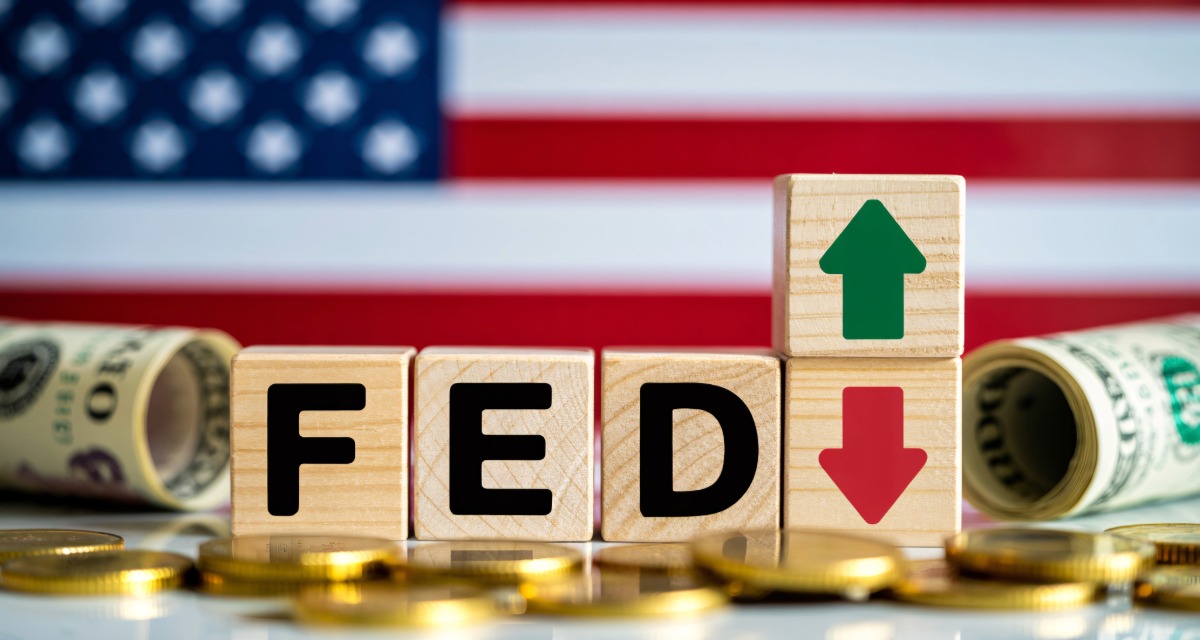
It looks like the Federal Reserve is gearing up to raise interest rates again in September 2026. After seeing prices climb more than expected in August, most people watching the markets think the Fed will push rates up by a quarter of a percent. This would be the first increase since 2023 and would push the usual borrowing cost for banks from between 3.50% and 3.75% to a new range of 3.75% to 4.00%. Federal Open Market Committee (FOMC) is scheduled to hold its two-day policy meeting this week on September 15–16, 2026, with the announcement releasing coming Wednesday, September 16 at 2:00 p.m. ET.
September 2026 Fed Rate Decision: Will Inflation Trigger a New Hike?
What's Driving This Change?
For a while, it felt like prices were starting to settle down. We were seeing what experts call disinflation, which means prices are still going up, but not as fast as before. But recently, we've seen some sharp jumps in the cost of energy and other everyday things. This has made the Federal Reserve, led by Chair Kevin Warsh, rethink their earlier plans to keep rates steady.
The Fed has been pretty clear that they'll make decisions based on what the latest numbers tell them, without giving too many hints about what they'll do next. This has made folks on Wall Street, who are always trying to guess the Fed's next move, stop thinking about a pause and start bracing for a rate hike.
Right now, everyone's eyes are on the Summary of Economic Projections (SEP) and the “dot plot.” The dot plot is a special chart where each Fed official puts a dot to show what they think interest rates should be in the future. This will give us a better idea if the Fed thinks they might need to raise rates even more later this year.
Why Do Interest Rates Matter So Much?
This is a question I get asked a lot, and it's super important. When the Fed decides to raise interest rates, it's like turning up the dial on the cost of borrowing money for everyone.
- For businesses: It becomes more expensive for companies to borrow money to grow, build new factories, or hire more people. This can slow down their expansion plans.
- For consumers: Things like mortgages, car loans, and credit card debt can get more expensive. This means people might have less money to spend on other things.
- For the stock market: When borrowing becomes more expensive, companies can’t make as much profit. Also, if you can earn more money by just putting your money in a safe savings account, you might be less likely to invest in the stock market. This can cause stock prices to go down.
Let's look at a quick table to see how different investments might be affected:
| Investment Type | How it's Affected by Rate Hikes |
|---|---|
| Stocks (especially growth stocks) | Can go down as borrowing costs rise and future profits are worth less. |
| Bonds (fixed-rate) | Can lose value as new bonds offer higher interest rates. |
| Savings Accounts/CDs | Earn more interest, making them more attractive. |
| Mortgages/Loans | Become more expensive, leading to higher monthly payments. |
| Inflation | The goal of rate hikes is to cool down inflation, making prices rise more slowly over time. |
What Does This Mean for Your Money?
As an investor myself, I'm always thinking about how these big economic shifts affect my own money. When the Fed is signaling a move like this, it's time to be smart and careful.
My own experience tells me that not all investments react the same way. Some things can actually do quite well when interest rates are going up.
Here are a few areas I’ve been looking at closely, and why:
- Cash and Short-Term Bonds: When the Fed raises rates, money sitting in savings accounts or very short-term government bonds (like Treasury Bills) starts earning more interest almost immediately. This is like a safe little harbor for your money while the rest of the market figures things out. It’s good to have some of this readily available.
- Big, Stable Companies with Lots of Cash: Think of companies that have been around for a while, make a lot of money, and don’t owe a lot of debt. These companies are usually better at handling higher costs and can often raise their prices a bit to keep their profits up. They tend to be less jumpy when the market gets a bit rocky.
- Loans That Adjust with Rates: Some types of business loans have interest rates that go up or down with the market. This means if the Fed hikes rates, the interest you earn on these types of investments goes up too. This can be a good way to protect your money from losing value.
Where to Be Extra Careful
On the flip side, there are definitely areas where I'd be a lot more cautious right now.
- “Fuzzy” Investments: Things like very new, unproven companies, or investments that are promises for money far off in the future, can get hit hard. When borrowing costs go up, those future profits are worth a lot less today.
- Things That Rely on Lots of Cheap Money: Companies that have a lot of debt, or investments that have historically done well when money was super cheap and easy to get, might struggle.
It’s like this: Imagine you’re building a treehouse. If the cost of wood suddenly doubles, you have to rethink your plans. You might need to buy less wood, find cheaper wood, or maybe even delay the treehouse project. That’s what higher interest rates do to businesses and investments.
My Take on It All
From my perspective, the Fed's decision in September 2026 isn't just about one rate hike. It's about whether this is the start of a longer trend of higher rates to really get inflation under control. The data from August is a strong signal that they're not out of the woods yet when it comes to rising prices.
I believe the Fed will continue to watch the numbers closely. If inflation stays stubbornly high, we could see more hikes. If it starts to cool down, they might hold steady. The key will be how those numbers move in the coming weeks and months.
For us, as everyday people managing our finances, the best approach is to stay informed, be a little more conservative with our investments, and not panic. Having a clear plan and sticking to it, even when the news sounds a little scary, is what usually pays off in the long run.
The Fed’s rate decisions can create market volatility, but turnkey rentals continue to deliver reliable cash flow and appreciation. Investors in 2026 are focusing on real estate as a hedge against uncertainty.
Norada Real Estate helps you secure turnkey properties designed for immediate income and long‑term growth—so your portfolio stays strong regardless of Fed policy shifts.
Want to Know More?
Explore these related articles for even more insights:
- Goldman Sachs and J.P. Morgan Warn of an Imminent Fed Rate Hike This Week
- Fed Interest Rate Decision July 29, 2026: Rates Steady at 3.50-3.75%
- Interest Rate Predictions for the Next 5 Years: 2026-2030
- J.P. Morgan Predicts No Fed Rate Cuts Before 2027 as Inflation Persists
- Fed Interest Rate Predictions for the Next 3 Years: 2026-2028
- The Fed After Jerome Powell: Who Could Drive Rate Cuts in 2026?
- Why Your Loan Payment Isn’t Budging Despite Recent Fed Rate Cut
- How Does the Recent Fed Rate Cut Impact Your Personal Finances
- Fed Interest Rate Forecast for the Next 12 Months