Today, September 13, 2026, marks a significant turning point for homeowners looking to refinance. The average 30-year fixed refinance rate has just climbed above the important 7% mark, settling at 7.35%, a notable increase of 24 basis points from the previous week. This jump means that refinancing your home might not offer the same savings it did just a few days ago, and it's a good time to understand why this is happening and what it means for you.
Mortgage Rates Today, September 13, 2026: 30-Year Refinance Rate Rises by 24 Basis Points
Today's Refinance Rates at a Glance
To give you a clear picture of where things stand, here's a look at the national average refinance rates as of today, September 13, 2026, according to Zillow:
| Loan Type | Current Average Rate | Change from Previous Week |
|---|---|---|
| 30-Year Fixed Refinance | 7.35% | +24 basis points |
| 15-Year Fixed Refinance | 6.38% | +2 basis points |
| 5-Year ARM Refinance | 6.00% | Stable |
Basis points are like tiny steps. 100 basis points equal 1%. So, a 24 basis point jump is a quarter of a percent.
This table really shows how much the 30-year fixed rate has moved. It's the one most people think about for refinancing their homes.
Why Are Mortgage Rates Going Up? A Look at the Forces at Play
You might wonder why mortgage rates suddenly jump. It's not like a light switch the Federal Reserve flips. Instead, mortgage rates tend to follow the 10-year U.S. Treasury bond yield. Think of it like this: when people are worried about the economy or prices going up too fast, they want more money for their bonds, so the yield (which is like the interest you get) goes up. This then makes mortgages more expensive.
Right now, a few big things are making bond investors a bit nervous, and that's pushing those Treasury yields higher:
- Inflation is Back (and Sticky!): The reports that tell us how much prices are going up, called the Consumer Price Index (CPI) and Producer Price Index (PPI), both showed prices climbing more than folks expected. The CPI is stuck at a pretty high 3.4% year-over-year. This tells investors that prices aren't slowing down as much as we'd hoped. When prices keep going up, the money you get from bonds later is worth less, so investors demand a higher interest rate now to make up for it.
- Global Jitters and Higher Energy Costs: Things happening far away can affect our wallets too. There's been some unsettling news out of Iran, and because of that, the price of oil has jumped over $100 a barrel. Diesel fuel is also getting really expensive, nearing $6 a gallon. When it costs more to ship things because of high fuel prices, that cost gets passed on to us in almost everything we buy. This adds to the general worry about prices going up everywhere.
- Will the Fed Raise Rates? The big financial bosses, known as the Federal Open Market Committee (FOMC), are meeting soon. For a while, people thought they might lower interest rates. But with all this talk of inflation and higher prices, those expectations have completely changed. Now, the smart money, like the CME FedWatch tool, shows an 86% chance that the Fed might actually raise interest rates. If the Fed raises its main interest rate, it makes borrowing money for everything, including mortgages, more expensive. This is a huge reason why bond yields have shot up lately.
My Take: What This Means for You and What to Do Next
As I see it, we're in a really unpredictable time for mortgage rates. With the Fed meeting right around the corner, things can change quickly. Here’s what I think you should consider if you're thinking about refinancing:
1. Rethink if Refinancing Makes Sense Right Now
This is the most important step. Before you even look at lender websites, dig out your original mortgage papers.
- If you got your mortgage in 2020 or 2021: You're likely in a fantastic spot with rates somewhere between 2.5% and 4%. Trust me, do not refinance. You would be making your monthly payments higher and costing yourself a lot of money in the long run.
- If you got your mortgage between 2023 and early 2025: You might have gotten a rate that was pretty high, maybe in the mid-to-high 7% range. In this case, refinancing into a rate that's now in the upper 6% range could still save you money. I’ve seen studies suggesting that many people who bought during those higher rate periods are paying an extra $278 a month because they didn't get the best deal available. So, it's worth comparing.
2. To Lock Your Rate or Wait? That's the Big Question.
If you're already in the middle of a refinance application or are seriously thinking about starting one, you're probably wondering whether to “lock” your current rate or “float” and hope it goes down.
- Locking the Rate: If you can find a rate that you're happy with, maybe something below 7%, and you want to be sure you get it before the Fed meeting, locking is a smart move. It protects you if the Fed does decide to raise rates, which would likely push mortgage averages even higher, maybe past 7.25%.
- Floating the Rate: This is a risky game right now. Floating means you wait to see if rates go down. The only reason to do this is if you have a strong feeling the Fed will surprise everyone and keep rates steady, or even lower them. If that happens, we might see rates dip back toward the mid-6% range. But honestly, with the economic signals we're seeing, that's a long shot.
3. Need Cash? Look Beyond Your Mortgage.
Sometimes, the reason homeowners want to refinance is to get some money out of their home to pay off debts, like high-interest credit cards. If that's your main goal, I strongly advise you not to touch your primary mortgage rate.
Instead, consider alternatives like a Home Equity Line of Credit (HELOC) or a separate Home Equity Loan. These let you borrow against the value of your home without forcing your entire mortgage into today's higher interest rate environment. It’s like getting cash from your home without messing up your great mortgage rate.
The Bottom Line
Mortgage rates are definitely on the move, and the 30-year fixed refinance rate crossing the 7% threshold is a big deal. Understanding why this is happening – the inflation worries, the global situation, and the Fed's upcoming decision – is key. For homeowners, it means being extra careful and strategic. Now is the time to really think about your financial goals and whether refinancing truly makes sense for your specific situation, or if other options might be a better fit.
VS
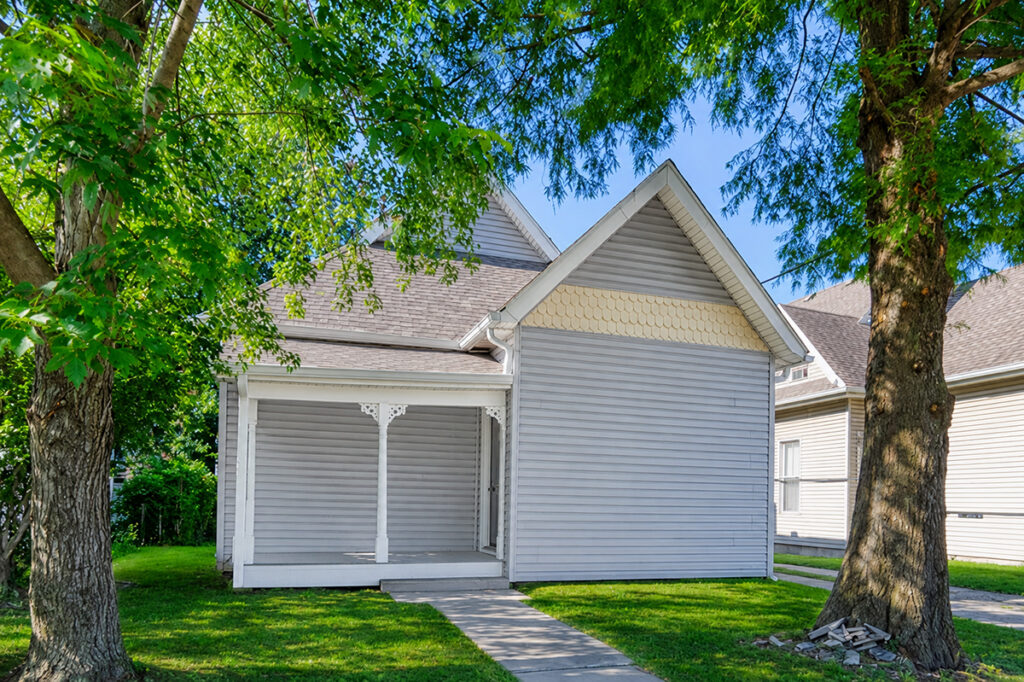
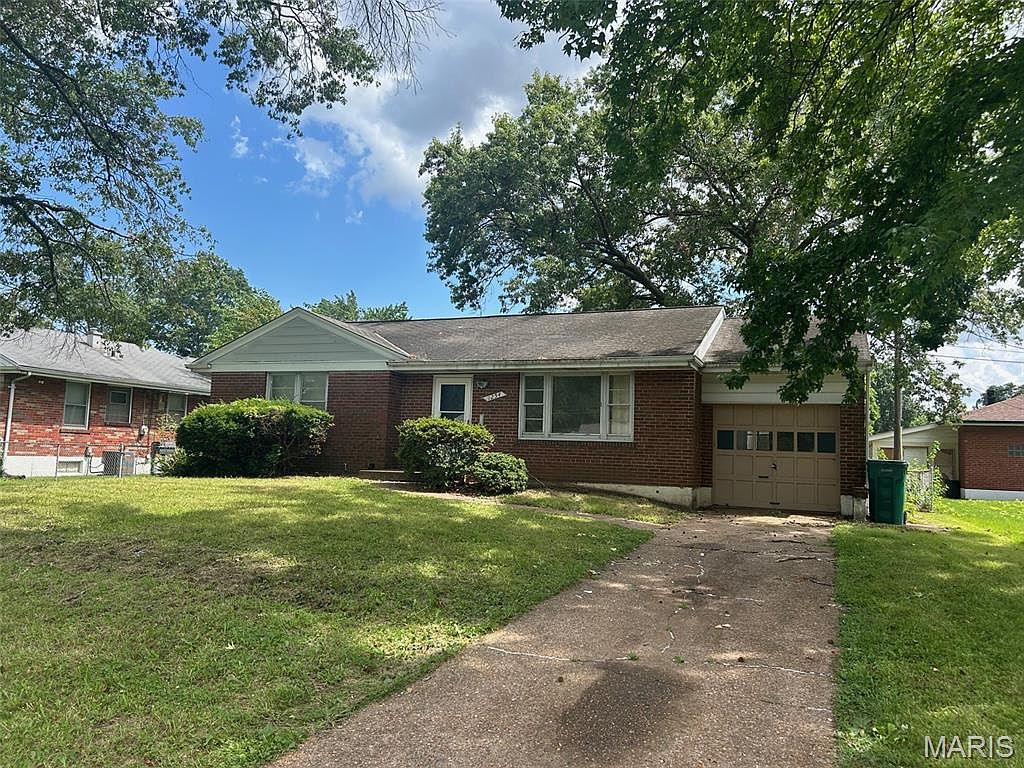
Saint Louis offers a budget‑friendly 4‑bed rental with a high cap rate, while Indianapolis provides a classic 2‑bed property with steady cash flow. Which Midwest market fits YOUR investment strategy?
We have much more inventory available than what you see on our website – Let us know about your requirement.
📈 Choose Your Winner & Contact Us Today!
Speak to a Norada Investment Counselor (No Obligation):
(800) 611-3060
Mortgage rates remain high in 2026, but rental properties continue to deliver strong cash flow and appreciation. Savvy investors know that turnkey real estate is the path to passive income and long‑term wealth.
Norada Real Estate helps you secure turnkey rental properties designed for immediate cash flow and appreciation—so you can invest smartly regardless of interest rate trends.
Also Read:
- Mortgage Rates Predictions Backed by 7 Leading Experts: 2025–2026
- Mortgage Rate Predictions for the Next 3 Years: 2026, 2027, 2028
- 30-Year Fixed Mortgage Rate Forecast for the Next 5 Years
- 15-Year Fixed Mortgage Rate Predictions for Next 5 Years: 2025-2029
- Will Mortgage Rates Ever Be 3% Again in the Future?
- Mortgage Rates Predictions for Next 2 Years
- Mortgage Rate Predictions for Next 5 Years
- Mortgage Rate Predictions: Why 2% and 3% Rates are Out of Reach
- How Lower Mortgage Rates Can Save You Thousands?
- How to Get a Low Mortgage Interest Rate?
- Will Mortgage Rates Ever Be 4% Again?