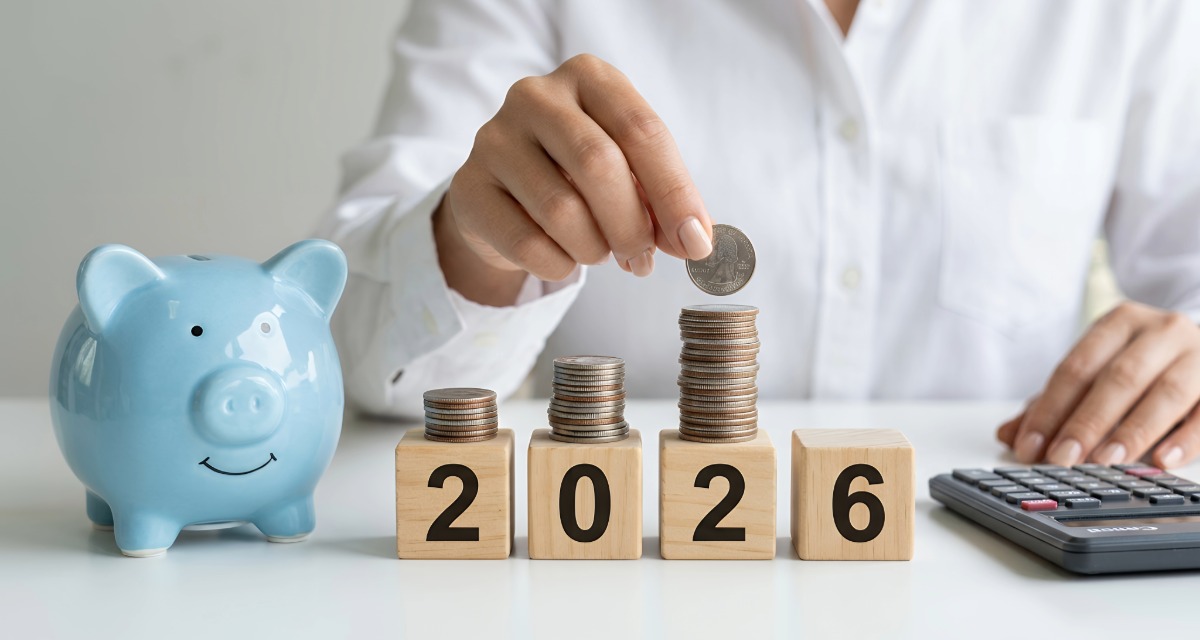
Yes, buying down your interest rate can be a really smart move in 2026, especially if a seller or builder is helping you out or if you plan to stay in your home for many years.
It’s 2026, and that mortgage rate is still feeling a bit high, isn't it? Right now, Freddie Mac tells us that a typical 30-year fixed mortgage is sitting around 6.66%. That’s a little higher than last week, and it’s pretty close to the highest it's been all year. On top of that, folks are looking at home prices that are still around $400,000 to $410,000. So, it’s no wonder so many people are wondering if they should pay some extra money upfront to “buy down” their interest rate.
Should You Buy Down Your Interest Rate in 2026?
What is a Rate Buydown, Anyway?
Think of a rate buydown like paying a little extra at the start of your mortgage so your monthly payments are smaller for a while, or even forever. Sometimes the seller or the builder might even pay this extra fee for you! This means you pay less each month, and over the years, you could save a whole lot of money on interest. Since rates are still much higher than they were a few years ago (remember those super low rates during the pandemic?), buydowns are becoming a popular way to make buying a home feel more affordable.
Permanent vs. Temporary Buydowns: What's the Difference?
There are two main ways to do this.
Permanent Buydowns: These use something called “discount points.” You can think of one point like paying 1% of the money you borrow. In return, your interest rate usually drops by about 0.25%. This lower rate lasts for the entire time you have the loan. For example, if you borrow $400,000 and pay $4,000 (that’s one point), your 6.5% rate might drop to 6.25%.
Temporary Buydowns: These are like a special deal for the first few years of your mortgage. Your interest rate will be lower for just the first one, two, or even three years. After that, it goes up to the regular rate. Some common ones are:
- 1-0: Your rate is 1% lower for the first year only.
- 2-1: Your rate is 2% lower in the first year and 1% lower in the second year.
- 3-2-1: Your rate is 3% lower in year one, 2% lower in year two, and 1% lower in year three.
These are often paid for by the seller or builder. Because the savings only last for a little while, they usually cost less upfront than permanent buydowns.
Seeing Real Numbers: How Much Can You Save?
Let's look at a real example. Imagine you have a $400,000 loan for 30 years, and the normal interest rate is 6.5%. Your monthly payment for just the loan and interest would be about $2,528.
Permanent Buydown Examples (These are just guesses):
- Paying 1 point ($4,000): Your rate drops to about 6.25%. Your monthly payment goes down to around $2,463. That’s a savings of about $65 each month.
- Paying 2 points ($8,000): Your rate drops to about 6.00%. Your monthly payment goes down to around $2,398. That’s a savings of about $130 each month.
- Paying 3 points ($12,000): Your rate drops to about 5.75%. Your monthly payment goes down to around $2,334. That’s a savings of about $194 each month.
If you pay for two points, over 10 years, you could save about $15,000 to $20,000 in interest, and that’s after you’ve already paid for those points!
Temporary 2-1 Buydown Example (Often paid by the seller, costing about $9,000):
- Year 1: Rate is 4.5%. Your payment is about $2,027.
- Year 2: Rate is 5.5%. Your payment is about $2,271.
- Years 3-30: Rate goes back up to 6.5%. Your payment is about $2,528.
During those first two years, you could save around $9,000. A 3-2-1 buydown can save you even more, maybe closer to $18,000 in those early years.
How do you know when you've saved enough to make the upfront cost worth it? It's pretty simple! Just take the money you paid for the buydown and divide it by how much you save each month. If you paid $4,000 for points and save $65 a month, it will take you about 62 months (a little over five years) to get your money back. If you stay in your home longer than that, you'll come out ahead. But if you sell or refinance before then, you might not get all your money back.
Good Things and Not-So-Good Things About Buydowns in 2026
Here are some of the upsides:
- Easier on your wallet right now: It gives you a break on your monthly payments when interest rates are high.
- Seller-paid temporary buydowns are amazing: They don't cost you anything! Plus, it can make a home more attractive than just lowering the price because buyers get to enjoy lower interest payments.
- Permanent points save you a lot over time: If you're going to be in your home for a long time, these can really cut down on the total interest you pay. Sometimes, you can even write off the cost of these points on your taxes if it's your main home (always ask a tax expert!).
- Might help you borrow more: For some buyers, a lower interest rate can mean they can qualify for a slightly bigger loan.
But here are some things to watch out for:
- Your cash is tied up: That money you spend on points can't be used for a bigger down payment, an emergency fund, or other closing costs.
- Payment shock from temporary buydowns: When the lower rate ends, your payment will jump up. You need to be ready for that! Make sure your income is expected to grow if you choose this option.
- Refinancing might mean lost money: If interest rates drop a lot and you refinance your mortgage, you might not get back all the money you spent on those permanent points.
- Rules on seller contributions: There are limits to how much a seller can contribute to a buydown. It often depends on your down payment and the type of loan you get, usually between 3% and 6% of the loan.
What about the future of interest rates? Well, people aren't totally sure. Some experts thought rates might drop to the mid- to high-5% range by the end of 2026. But others think they'll stay closer to 6% or a bit higher. Things like inflation, how the government borrows money, and world events can all make rates go up and down.
When Does a Buydown Make Sense for You in 2026?
A buydown might be a good idea if:
- You know you'll be in your home for a long time – way past the point where you get your upfront money back (usually over five years for permanent points).
- A seller or builder is offering to pay for the buydown as a way to sweeten the deal (this is common with brand-new homes).
- You have extra money after paying for your down payment, closing costs, and having some savings set aside, and you really want lower monthly payments more than you want to invest that money somewhere else.
- You feel like the current interest rates are just too high for your budget, and you want the peace of mind of a predictable payment.
You might want to skip or limit the buydown if:
- You think you might move or refinance your home in the next three to five years.
- You need every single dollar for a bigger down payment (to avoid paying for private mortgage insurance or to just lower the amount you borrow).
- You strongly believe interest rates will fall enough soon to make refinancing a much better deal.
- The money you'd spend on points could earn you much more somewhere else (like paying off high-interest debt or making good investments).
Other Things to Think About
Instead of, or in addition to, a buydown, you could try to negotiate a lower price for the home. A lower price means your loan is smaller from the start, which saves you money on both the principal and the interest. You could also consider making a larger down payment. If you plan to move or refinance before the fixed period ends on a special mortgage, a hybrid ARM might be an option. Or, you could just decide to wait and watch the rates, all while working on improving your credit score or saving more money.
The Final Word
In mid-2026, with 30-year mortgage rates hovering around 6.7%, buying down your interest rate can definitely be a smart move. It's especially great if the seller is paying for it or if you're a long-term homeowner who can easily afford the upfront cost. Just make sure you do the math! Figure out exactly when you'll make your money back, compare offers from different lenders, and think about what would happen if interest rates dropped or if your plans changed. A buydown is just one tool in your home-buying toolbox, not a magic answer for everyone. But if you use it wisely, it can make dealing with higher rates a lot easier and help you keep more money in your pocket each month.
VS
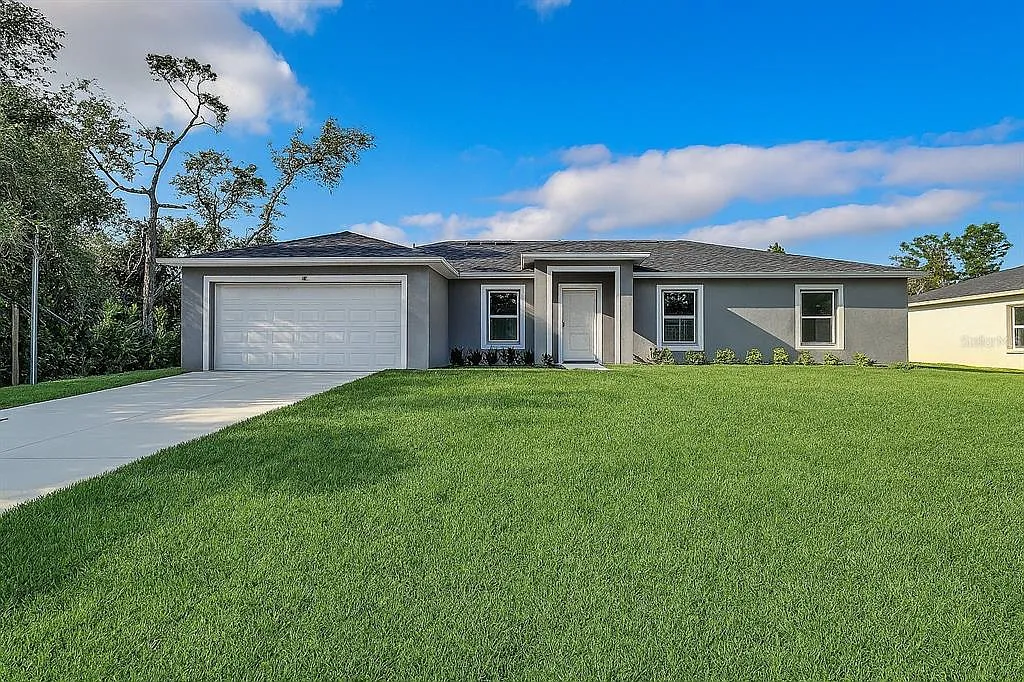
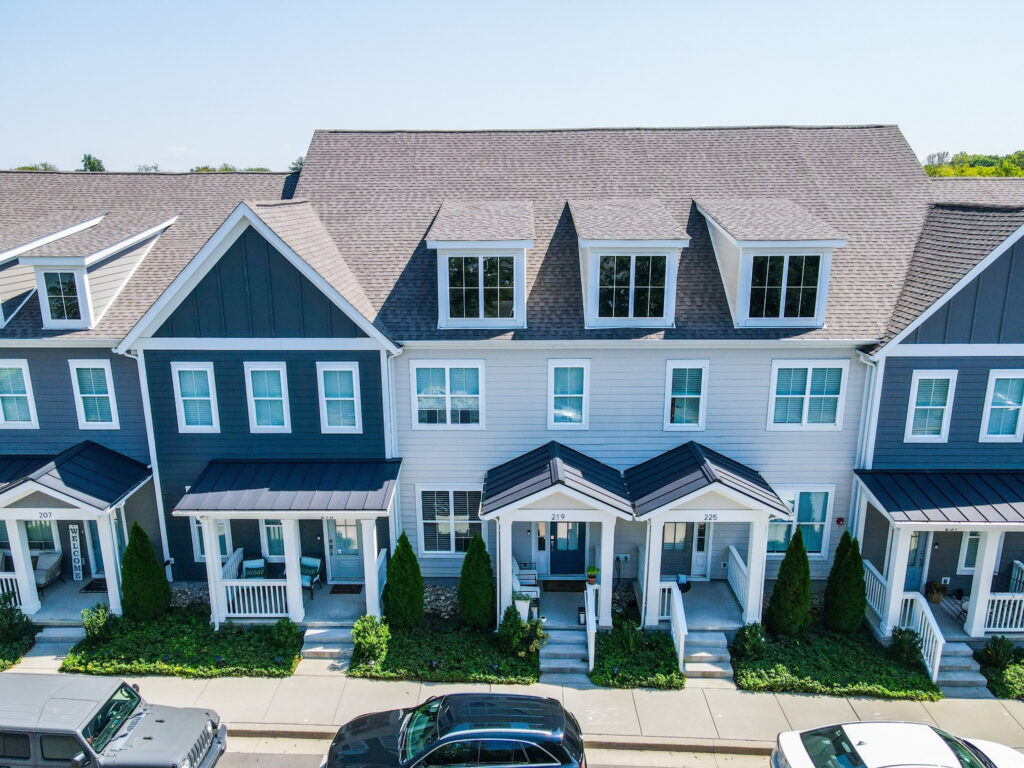
Out‑of‑State investors can compare Tennessee’s newer rental with higher NOI vs Florida’s A+ property with strong yield. Which fits YOUR investment strategy?
We have much more inventory available than what you see on our website – Let us know about your requirement.
📈 Choose Your Winner & Contact Us Today!
Speak to a Norada Investment Counselor (No Obligation):
(800) 611-3060
Mortgage rates remain high in 2026, but rental properties continue to deliver strong cash flow and appreciation. Savvy investors know that turnkey real estate is the path to passive income and long‑term wealth.
Norada Real Estate helps you secure turnkey rental properties designed for immediate cash flow and appreciation—so you can invest smartly regardless of interest rate trends.
Also Read:
- Why Buyers Are Rushing to Lock In Before Mortgage Rates Hit 7%
- Mortgage Rates Predictions Backed by 7 Leading Experts: 2025–2026
- Mortgage Rate Predictions for the Next 3 Years: 2026, 2027, 2028
- 30-Year Fixed Mortgage Rate Forecast for the Next 5 Years
- 15-Year Fixed Mortgage Rate Predictions for Next 5 Years: 2025-2029
- Will Mortgage Rates Ever Be 3% Again in the Future?
- Mortgage Rates Predictions for Next 2 Years
- Mortgage Rate Predictions for Next 5 Years
- Mortgage Rate Predictions: Why 2% and 3% Rates are Out of Reach
- How Lower Mortgage Rates Can Save You Thousands?
- How to Get a Low Mortgage Interest Rate?
- Will Mortgage Rates Ever Be 4% Again?



