Thinking about buying a home or refinancing? Today, Wednesday, July 29, 2026, is a day when mortgage rates are a bit higher than yesterday, with the popular 30-year fixed-rate loan sitting at 6.69%. While rates have been climbing, understanding why they're moving and how it affects you is key. The data shows that most mortgage rates are up today. For instance, the 30-year fixed rate has nudged up by 7 basis points to 6.69%. Even the 15-year fixed loan is costing a bit more, up 9 basis points to 6.07%. And if you were eyeing an ARM, the 5/1 ARM has seen a bigger jump, up 53 basis points to 6.99%.
Today's Mortgage Rates, July 29: Rates Climb to 6.69%, But Home Purchase Applications Rise 6%
The Big Picture: Rates Are Up
Let's look at the numbers from Zillow for today's mortgage rates, July 29, 2026:
| Loan Type | Today's Rate |
|---|---|
| 30-year fixed | 6.69% |
| 20-year fixed | 6.65% |
| 15-year fixed | 6.07% |
| 5/1 ARM | 6.99% |
| 7/1 ARM | 6.39% |
| 30-year VA | 5.99% |
| 15-year VA | 5.53% |
| 5/1 VA | 5.93% |
As you can see, most rates have climbed. The 30-year fixed rate is hovering near its highest point in about a year, somewhere between 6.69% and 6.75%. Similarly, the 15-year fixed rate is around 5.96% to 6.10%. This isn't just random; there are some pretty significant reasons behind these movements.
Why Are Rates Going Up? Let's Dig Deeper
It's easy to just see the numbers and get worried, but understanding why they're moving is half the battle. From my experience, when rates start to tick up, it's usually a sign of bigger economic shifts. Here's what's really pushing and pulling on mortgage rates right now:
1. Global Events and Oil Prices
A big reason for the recent jump in rates is the situation in the Middle East. Think about it: when there's trouble in oil-producing regions, especially with attacks on oil tankers in the Red Sea, oil prices shoot up. Crude oil even went over $100 a barrel at one point! While things calmed down a bit, this kind of instability makes markets nervous, and that nervousness often leads to higher borrowing costs.
2. Inflation Worries Are Back
Remember when we were all hopeful about inflation cooling down? Well, that surge in energy costs is a big threat to that progress. Inflation in the U.S. was at 3.8% in June, which is still a lot higher than the 2% target the Federal Reserve aims for. When inflation is high, the money you get back from lending becomes worth less over time. To protect themselves, lenders ask for higher interest rates to make up for that lost buying power. It’s a sensible move for them, but it means higher costs for us.
3. The 10-Year Treasury Yield is Climbing
Mortgage rates don't just follow what the Federal Reserve does with short-term rates. They're closely linked to the 10-Year U.S. Treasury yield. Because of all the global worries, this yield hit a high for 2026 last week, reaching 4.71%. Today it's a little lower, around 4.61%, but the fact remains that these government bond yields are high. When they go up, borrowing money for things like a mortgage also becomes more expensive.
4. The Federal Reserve's Next Move
The Federal Reserve did cut rates at the end of 2024, but they've paused since then. While most people expect them to keep their main rate steady for now (between 3.5% and 3.75%), the persistent inflation from energy costs has the market thinking there's a good chance they might raise rates again in September. This possibility of higher central bank rates puts upward pressure on mortgage pricing.
5. National Debt and Less Foreign Cash
Closer to home, our own U.S. national debt is huge, around $39.4 trillion. To pay for all this, the U.S. Treasury needs to keep selling bonds. At the same time, other countries like Japan are seeing higher interest rates, meaning their investors are keeping their money at home instead of buying U.S. debt. Less demand from foreign investors means the U.S. has to offer higher yields to attract buyers, which in turn pushes mortgage rates up.
What Does This Mean for You? The Housing Market's Reaction
All these factors have a real impact on people wanting to buy or sell homes.
The “Golden Handcuff” Effect
This is a term I hear a lot. Homeowners who got super low mortgage rates, like under 4%, during the pandemic are really hesitant to sell. Why would they give up a rate that low? This is making it harder to find homes for sale, and that lack of supply is helping to push home prices up. Zillow data suggests the median existing-home price is now between $440,600 and $446,400. That’s a record high!
Buyers Are Adapting
Even with these higher rates, people are still trying to buy houses. I've seen data from the Mortgage Bankers Association showing that applications for home purchases actually went up by 6% last week. This suggests that some buyers are rushing to lock in a rate before they potentially go even higher, maybe past 7% later this fall. It’s a smart move for those who are ready and can afford it, trying to beat the next potential increase.
My Take: What I'm Watching
As someone who spends a lot of time thinking about the housing market, these current mortgage rates on July 29th are a clear signal that we're in a dynamic period. The Federal Reserve's upcoming decision is a huge piece of the puzzle. If they signal more rate hikes are coming due to inflation, we could see mortgage rates climb even further.
However, I also believe that the housing market is resilient. While higher rates can make buying a home less affordable for some, they also cool down some of the overheated demand we saw earlier. For buyers, getting pre-approved and talking to a lender about all your options, including different types of loans, is more important than ever. Don't be afraid to explore different loan terms or even consider if an ARM might fit your situation if you plan to move or refinance in a few years.
VS
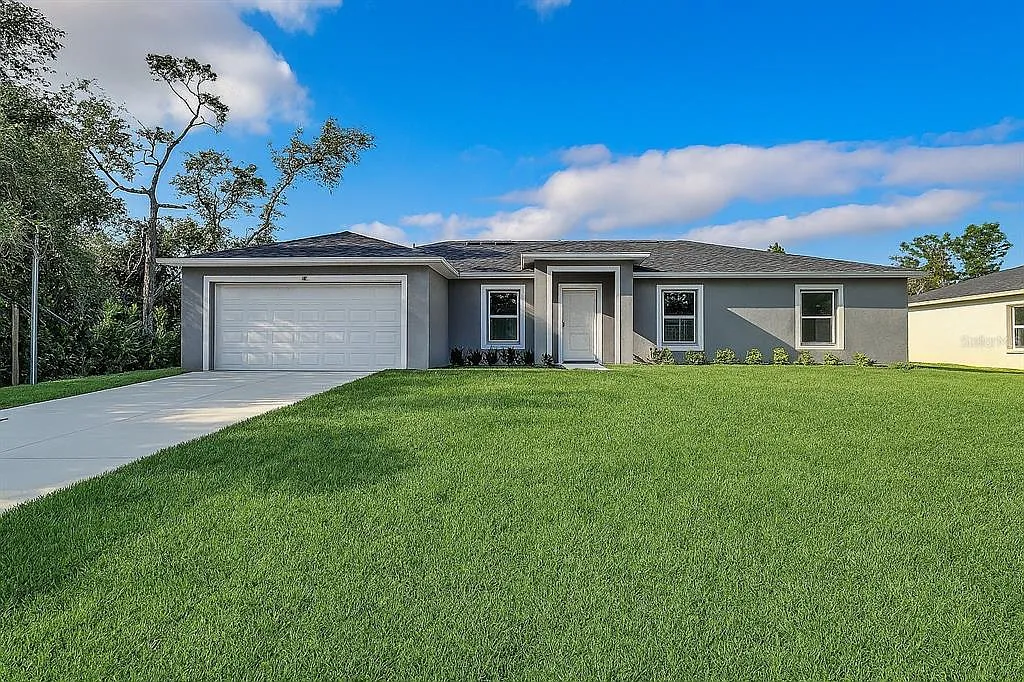
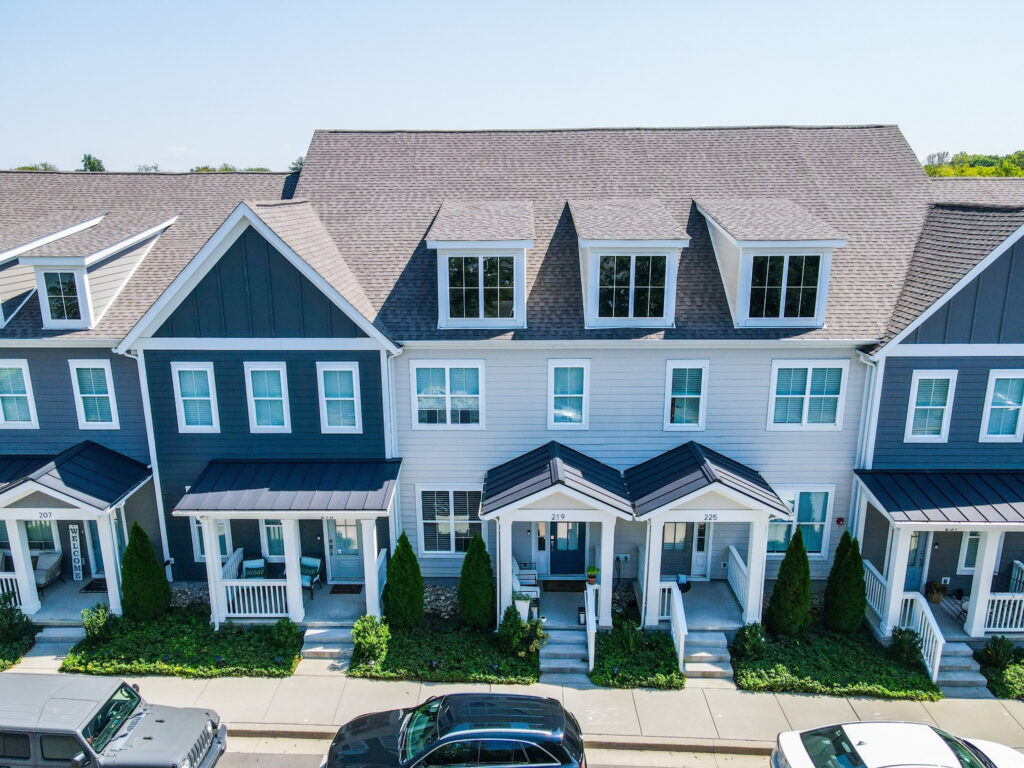
Out‑of‑State investors can compare Tennessee’s newer rental with higher NOI vs Florida’s A+ property with strong yield. Which fits YOUR investment strategy?
We have much more inventory available than what you see on our website – Let us know about your requirement.
📈 Choose Your Winner & Contact Us Today!
Speak to a Norada Investment Counselor (No Obligation):
(800) 611-3060
Mortgage rates remain high in 2026, but rental properties continue to deliver strong cash flow and appreciation. Savvy investors know that turnkey real estate is the path to passive income and long‑term wealth.
Norada Real Estate helps you secure turnkey rental properties designed for immediate cash flow and appreciation—so you can invest smartly regardless of interest rate trends.
Also Read:
- Mortgage Rates Predictions Backed by 7 Leading Experts: 2025–2026
- Mortgage Rate Predictions for the Next 3 Years: 2026, 2027, 2028
- 30-Year Fixed Mortgage Rate Forecast for the Next 5 Years
- 15-Year Fixed Mortgage Rate Predictions for Next 5 Years: 2025-2029
- Will Mortgage Rates Ever Be 3% Again in the Future?
- Mortgage Rates Predictions for Next 2 Years
- Mortgage Rate Predictions for Next 5 Years
- Mortgage Rate Predictions: Why 2% and 3% Rates are Out of Reach
- How Lower Mortgage Rates Can Save You Thousands?
- How to Get a Low Mortgage Interest Rate?
- Will Mortgage Rates Ever Be 4% Again?