The 30-year fixed mortgage rate is down by 16 basis points compared to this time last year. While this might seem like a small change, it can actually mean saving a good chunk of money over the life of your loan. I've been following the housing market for a while, and seeing rates move like this always gets me thinking about what it really means for regular folks trying to get a good deal on their home.
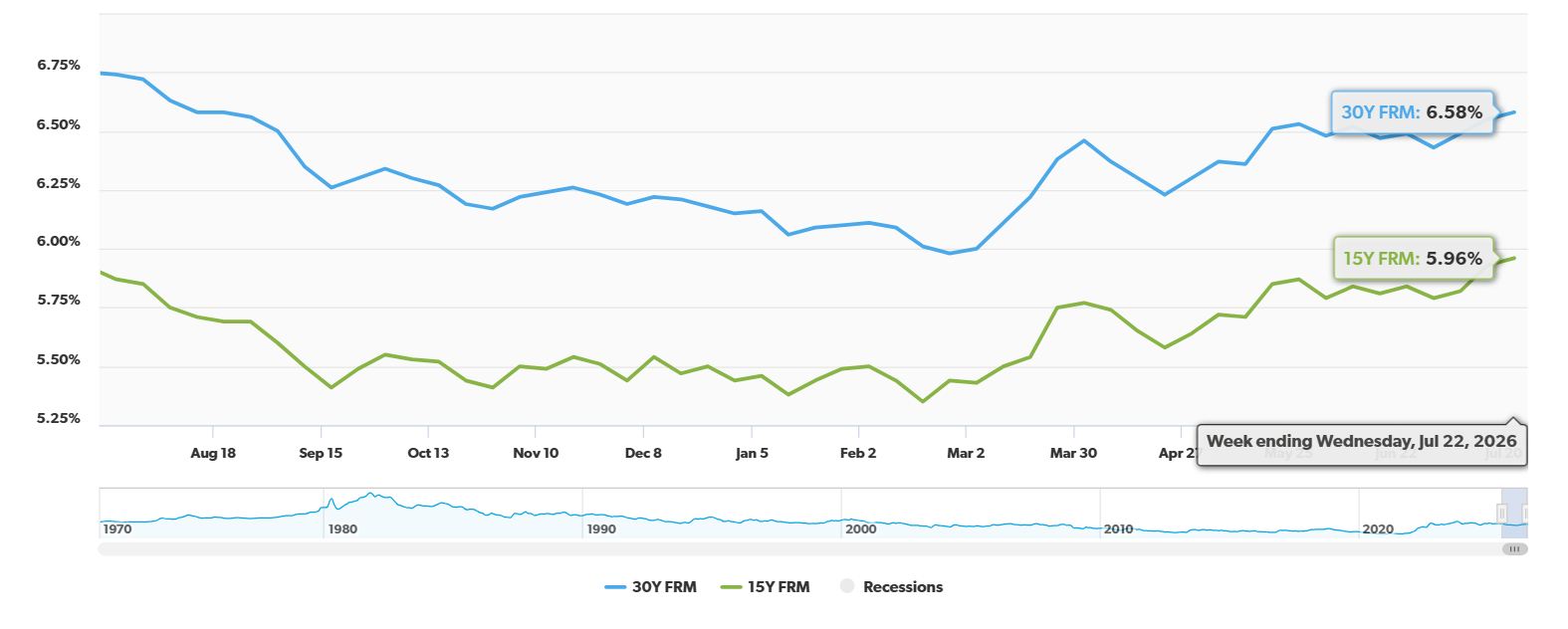
Right now, the average rate for a 30-year fixed mortgage is 6.58%. Now, you might notice that this is a tiny bit higher than last week – up by just 3 basis points. But when you zoom out and look at the bigger picture, especially compared to a year ago, it’s definitely a positive shift.
30-Year Fixed Mortgage Rate is Down by 16 Basis Points Year-Over-Year
It’s important to know where these numbers come from. I always look to Freddie Mac’s Primary Mortgage Market Survey® for the most reliable weekly averages. They’ve been tracking this data for a long time, and it’s a great way to see how things are moving.
Here’s a quick look at how things have changed based on Freddie Mac’s latest report (as of July 23, 2026):
| Mortgage Type | Current Rate | Change from Last Week | Change from Last Year |
|---|---|---|---|
| 30-Year Fixed FRM | 6.58% | +0.03% | -0.16% |
| 15-Year Fixed FRM | 5.96% | +0.03% | +0.09% |
As you can see, the big story is the 16 basis point drop for the 30-year fixed mortgage compared to last year. This is the kind of movement that can make a real difference when you’re figuring out your monthly payment.
Did Borrowers Gain Leverage? Weighing the Monthly Payments
So, has this year-over-year drop in rates given borrowers more power? In theory, yes. A lower interest rate means you pay less in interest over time. If you were looking to buy a $300,000 home, a 16 basis point drop could mean saving hundreds, if not thousands, of dollars over 30 years.
However, it’s not all good news on a week-to-week basis. The slight increase from last week (3 basis points) means that if you were planning to lock in a rate today compared to last week, your payment would be just a little bit higher. It’s a constant ebb and flow, and that’s why I always tell people: shop around for your mortgage rate! Even a small difference can add up. It might sound simple, but it's one of the most effective ways to save money on your home loan.
What’s Making Mortgage Rates Swing? The Economic Factors at Play
Why do these rates go up and down? It's like a giant puzzle with many pieces. Generally, mortgage rates tend to follow what’s happening with the 10-year Treasury yield. When that yield goes up, mortgage rates often follow.
Right now, several big things are pushing borrowing costs higher:
- Rising Oil Prices: Things happening in other parts of the world, like tensions in Iran, can cause oil prices to jump. When oil gets more expensive, it affects everything from the gas in your car to the cost of goods, which can lead to higher inflation.
- Inflation Worries: That surge in energy costs has pushed consumer inflation up. In May, it hit 4.2%, which is higher than what the Federal Reserve (our central bank) likes to see. When inflation is high, it makes money worth a little less, and lenders want to be paid more to make up for that.
- Bond Yields Skyrocket: The yield on the 10-year Treasury, which is like the benchmark for mortgage lenders, has shot up to 4.7%. This is a pretty big jump from earlier in the year when it was closer to 3.97%, and rates briefly dipped below 6%.
- Central Bank Holding Steady: Because inflation is proving to be a bit stubborn, the Federal Reserve has put its plans to lower interest rates on hold. They’re keeping their main rate steady, and some economists are even worried they might have to raise it if inflation doesn’t calm down.
These factors all play a role in making borrowing money more expensive.
Looking Deeper: What the 52-Week Averages Tell Us
It’s also helpful to look at the longer-term averages to get a better sense of the overall trend. Freddie Mac’s data shows the 52-week averages, which give us a year-long perspective.
| Mortgage Type | Monthly Average | 52-Week Average | 52-Week Range |
|---|---|---|---|
| 30-Year Fixed FRM | 6.51% | 6.32% | 5.98% – 6.72% |
| 15-Year Fixed FRM | 5.88% | 5.61% | 5.35% – 5.96% |
The 52-week average for the 30-year fixed mortgage is 6.32%. This means that while the current rate of 6.58% is a bit higher than the average over the past year, it’s still within the historical range they’ve seen. The fact that the 30-year rate is down 16 basis points year-over-year is good, but seeing it fluctuate around the 52-week average is a reminder that rates are still sensitive to economic news.
My Take: Patience and Preparedness are Key
From my experience, these kinds of market shifts are why it’s so crucial to stay informed and be ready. The difference between shopping for a mortgage today versus next week, or even last month, can sometimes mean a noticeable change in your monthly payment.
If you're thinking about buying a home or refinancing, my best advice is to:
- Get Your Finances in Order: Make sure your credit score is in good shape, and gather all your financial documents.
- Shop Around Relentlessly: Don't just go with the first lender you talk to. Compare offers from at least three different lenders.
- Understand the Fees: Beyond the interest rate, there are closing costs and fees. Make sure you understand what you're paying for.
- Be Patient: Sometimes the best move is to wait for the right moment if you can. If rates dip, you’ll be ready to jump on it.
While the 30-year fixed mortgage rate being down year-over-year is a welcome sign for many, the short-term bumps remind us that the market is always moving. By staying informed and being prepared, you can make the best decision for your homeownership dreams.
VS
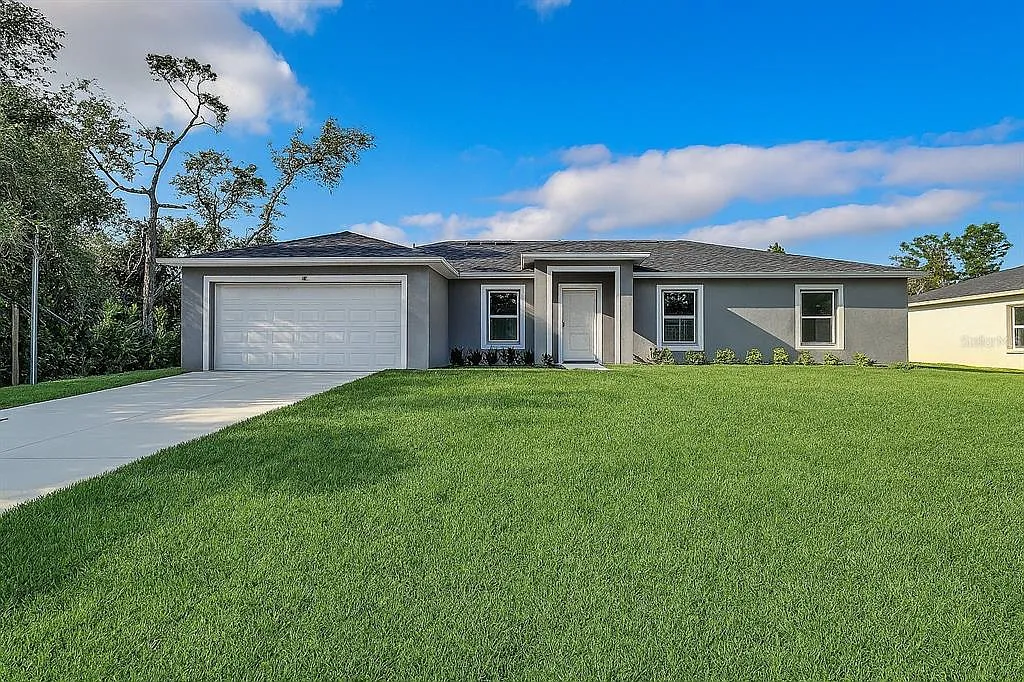
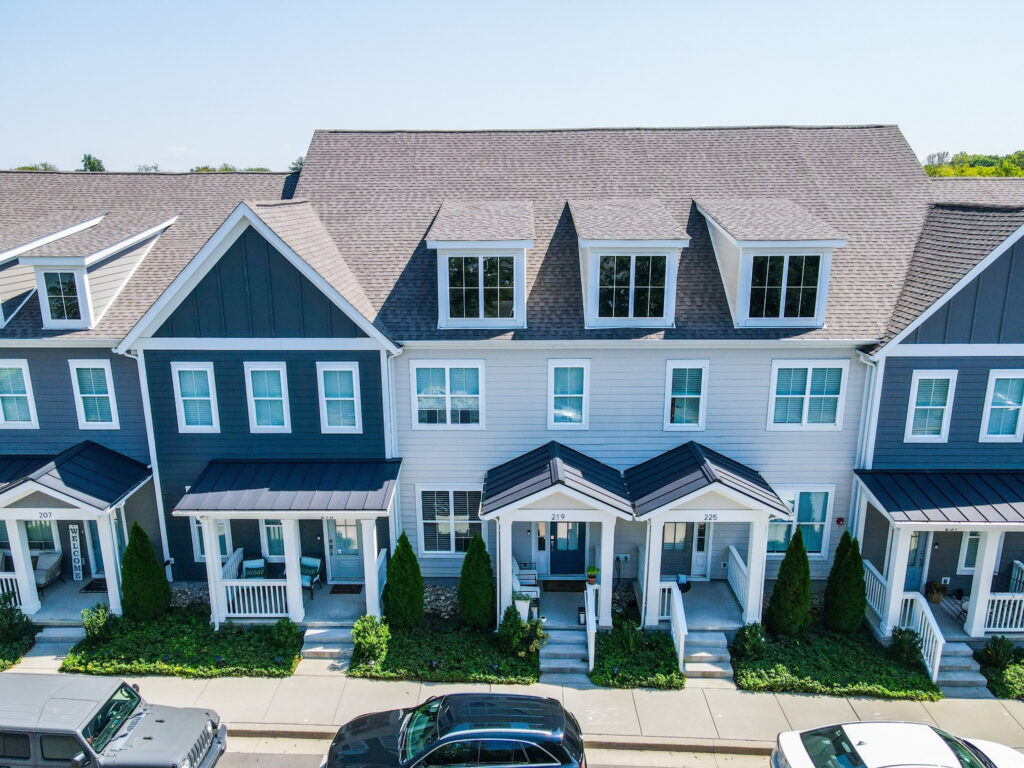
Out‑of‑State investors can compare Tennessee’s newer rental with higher NOI vs Florida’s A+ property with strong yield. Which fits YOUR investment strategy?
We have much more inventory available than what you see on our website – Let us know about your requirement.
📈 Choose Your Winner & Contact Us Today!
Speak to a Norada Investment Counselor (No Obligation):
(800) 611-3060
Mortgage rates remain near 6%, but rental properties continue to deliver strong cash flow and appreciation. Savvy investors know that turnkey real estate is the path to passive income and long‑term wealth.
Norada Real Estate helps you secure turnkey rental properties designed for immediate cash flow and appreciation—so you can invest smartly regardless of interest rate trends.
Also Read:
- Will Mortgage Rates Drop to 5% in 2026: Expert Forecast
- How to Get a 3% Mortgage Rate in 2026 With Assumable Mortgages?
- How to Get a 4% Interest Rate on a Mortgage in 2026?
- What Leading Housing Experts Predict for Mortgage Rates in 2026
- Mortgage Rate Predictions for 2026: What Leading Forecasters Expect
- Mortgage Rate Predictions for the Next 3 Years: 2026, 2027, 2028
- 30-Year Fixed Mortgage Rate Forecast for the Next 5 Years
- 15-Year Fixed Mortgage Rate Predictions for Next 5 Years: 2025-2029
- Will Mortgage Rates Ever Be 3% Again in the Future?
- Mortgage Rates Predictions for Next 2 Years
- Mortgage Rate Predictions for Next 5 Years
- Mortgage Rate Predictions: Why 2% and 3% Rates are Out of Reach
- How Lower Mortgage Rates Can Save You Thousands?
- How to Get a Low Mortgage Interest Rate?
- Will Mortgage Rates Ever Be 4% Again?