Norada Real Estate Investments

  • Home
  • Markets
  • Properties
  • Membership
  • Podcast
  • Learn
  • About
  • Contact

Today’s 5-Year Adjustable Rate Mortgage Rises to 7.39% – June 25, 2025

June 25, 2025 by Marco Santarelli

Today's 5-Year Adjustable Rate Mortgage Rises to 7.39% - June 25, 2025

Are you thinking about buying a home or refinancing your mortgage? It's essential to stay up-to-date on the latest mortgage rate trends. As of today, June 25, 2025, the national average 5-year Adjustable Rate Mortgage (ARM) has risen to 7.39%. This increase of 6 basis points from 7.33% marks a notable shift in the market, and I'll break down what it means for you, whether you're a first-time buyer or a seasoned investor.

Today's 5-Year Adjustable Rate Mortgage Soars at 7.39% – June 25, 2025: What You Need to Know

With fluctuating interest rates in the market, understanding the different types of mortgages and their implications is vital. It's no secret that navigating the housing market can be confusing, and nobody wants to be swindled when making a dream purchase. So, let’s take a deep dive to gain clarity on what these numbers really mean!

Mortgage Rate Snapshot: June 25, 2025

Before going forward, it's important to understand the current mortgage market at a high level for proper context. Here's a quick look at the latest average mortgage rates from Zillow as of June 25, 2025:

  • 30-Year Fixed Rate: 6.81% (down 2 basis points from yesterday)
  • 15-Year Fixed Rate: 5.87% (stable)
  • 5-Year ARM: 7.39% (up 6 basis points)

Why the Focus on the 5-Year ARM?

You might be wondering, “Why are we focusing on the 5-year ARM in particular?”. Well, ARMs can be a strategic choice for certain homebuyers, especially when interest rates are high. But as we will soon see, they come with a distinct set of advantages and disadvantages. Understanding the nuances of ARMs can save you money and help you make a smarter financial decision when choosing a mortgage.

Understanding Adjustable Rate Mortgages (ARMs)

What is an ARM?

An Adjustable Rate Mortgage (ARM) is a type of home loan where the interest rate is not fixed for the entire loan term. Instead, it starts with an initial fixed-rate period, after which the interest rate can adjust periodically based on a benchmark index, like the Secured Overnight Financing Rate (SOFR) plus a margin.

How does a 5-Year ARM work?

A 5-year ARM has a fixed interest rate for the first five years of the loan. After that, the interest rate adjusts annually. If you get a 5-year ARM, for the initial 5 years, your interest rate will be locked. After this initial period, the rate will typically adjust once per year based on market conditions. This means your monthly mortgage payment could go up or down depending on where interest rates are at that time.

Initial Fixed Rate: As of today, June 25, 2025, the national average for a 5-year ARM is 7.39%.

Adjustment Period: After the first five years, the interest rate will adjust. The frequency of these adjustments (how often they happen) is defined in the mortgage agreement.

Index and Margin: The interest rate on an ARM is calculated by adding a margin to a specific index. The index is a benchmark rate that reflects prevailing interest rates (e.g., SOFR), and the margin is a fixed percentage point that the lender adds. The margin and index determine how much your rate adjusts.

Rate Caps: ARMs usually come with rate caps, which put a limit on how much the interest rate can increase. There are typically two types of caps:

  • Periodic Cap: Limits how much the rate can increase in a single adjustment period.
  • Lifetime Cap: Limits how much the rate can increase over the entire loan term.

These caps are designed to protect borrowers from excessively high-rate increases.

Why the Increase in 5-Year ARM Rates?

Several factors could be contributing to the rise in 5-year ARM rates. Here's my expert perspective:

  • Inflation: Persistent inflation can drive up interest rates across the board. As the cost of goods and services rises, lenders may increase rates to protect their returns. Inflation eats into money, so you can't expect them to keep lending at the same rate.
  • Economic Growth: A strong economy often leads to higher interest rates. When the economy is growing, demand for loans increases, driving up rates.
  • Federal Reserve Policy: All eyes are always on the Fed. The Federal Reserve's monetary policy decisions have a direct impact on interest rates. If the Fed raises the federal funds rate, mortgage rates typically follow suit.
  • Market Expectations: Interest rates are forward-looking, and market expectations about future economic conditions can influence current rates.

ARMs vs. Fixed-Rate Mortgages: Which is Right for You?

The big question is always: Which is superior, an ARM or a fixed-rate mortgage? Let's compare ARMs to traditional fixed-rate mortgages to help you decide which one is right for you:

Feature Adjustable Rate Mortgage (ARM) Fixed-Rate Mortgage
Interest Rate Adjustable Fixed
Initial Rate Often lower than fixed rates Higher than ARM
Rate Stability Unstable Stable
Monthly Payments Potentially fluctuating Predictable
Risk Higher Lower
Best For Short-term homeowners Long-term homeowners

When an ARM Might Be a Good Choice:

  • Short-Term Homeownership: If you only plan to stay in your home for a few years (less than 5 years), an ARM might make sense. You can take advantage of the lower initial rate and potentially sell the home before the rate adjusts.
  • Expectation of Lower Rates: If you believe interest rates will decrease in the future, an ARM could be beneficial. As rates fall, your mortgage payment could decrease.
  • Financial Flexibility: If you anticipate an increase in income in the future that will enable you to afford potentially higher mortgage payments.
  • You're comfortable with risk: You'll need to have the mental fortitude to handle market swings, be it for the better or worse.

However, I tell my friends that it may be a bad idea if they are not planning to stay in the house for a short amount of time. The danger of a higher interest rate is very real.

Recommended Read:

5-Year Adjustable Rate Mortgage Analysis for June 24, 2025?

Fixed vs. Adjustable Rate Mortgage in 2025: Which is Best for You

When a Fixed-Rate Mortgage Might Be a Better Choice:

  • Long-Term Homeownership: If you plan to stay in your home for many years, a fixed-rate mortgage offers stability and predictability.
  • Risk Aversion: If you prefer the peace of mind of knowing your mortgage payment will not change, a fixed-rate mortgage is the way to go.
  • Rising Interest Rate Environment: If you believe interest rates will rise, locking in a fixed rate now can save you money in the long run.

Current Mortgage Rate Trends

Looking more broadly, here's how other types of mortgages are performing (based on the data from Zillow):

Loan Program Rate 1W Change APR 1W Change
30-Year Fixed Rate 6.82% down 0.10% 7.35% down 0.02%
15-Year Fixed Rate 5.87% down 0.09% 6.24% down 0.03%
5-Year ARM 7.39% up 0.19% 7.99% up 0.19%

How to Navigate the Current Market

Navigating the mortgage market requires careful planning and consideration. Here's my advice:

  • Shop Around: Get quotes from multiple lenders to ensure you're getting the best rate and terms.
  • Understand the Terms: Read the fine print and fully understand the terms of your mortgage, including any fees or penalties.
  • Consider Your Financial Situation: Assess your financial situation, including your income, debt, and credit score, to determine what you can realistically afford.
  • Work with a Professional: Consult with a mortgage broker or financial advisor to get personalized advice tailored to your needs and circumstances.

The Bottom Line

The increase in the 5-year ARM rate to 7.39% on June 25, 2025, is a reminder of the dynamic nature of the mortgage market. While ARMs can be a strategic choice for some, it's essential to weigh the risks and benefits carefully. By staying informed and working with qualified professionals, you can make confident decisions that align with your financial goals.

Is the market still hot, you ask? Well in my experience, I would not compare current times to what we've seen in the past few years (2020-2023) where rates were extremely low and demand was extremely high. Instead, it's quite close if you use pre-pandemic times as a base.

Capitalize on ARM Rates Before They Rise Even Higher

With fluctuating adjustable-rate mortgages (ARMs), savvy investors are exploring flexible financing options to maximize returns.

Norada offers a curated selection of ready-to-rent properties in top markets, helping you capitalize on current mortgage trends and build long-term wealth.

HOT NEW LISTINGS JUST ADDED!

Connect with an investment counselor today (No Obligation):

(800) 611-3060

Get Started Now

Also Read:

  • Will Mortgage Rates Go Down in 2025: Morgan Stanley's Forecast
  • Expect High Mortgage Rates Until 2026: Fannie Mae's 2-Year Forecast
  • Mortgage Rate Predictions 2025 from 4 Leading Housing Experts
  • Mortgage Rates Forecast for the Next 3 Years: 2025 to 2027
  • Will Mortgage Rates Ever Be 3% Again in the Future?
  • Mortgage Rates Predictions for Next 2 Years
  • Mortgage Rate Predictions for Next 5 Years
  • Mortgage Rate Predictions: Why 2% and 3% Rates are Out of Reach
  • How Lower Mortgage Rates Can Save You Thousands?
  • How to Get a Low Mortgage Interest Rate?
  • Will Mortgage Rates Ever Be 4% Again?
Filed Under: Financing, Mortgage Tagged With: Adjustable Rate Mortgage, Interest Rate, mortgage, Mortgage Rate Trends, mortgage rates

Today’s 5-Year Adjustable Rate Mortgage Soars by 17 Basis Points – June 24, 2025

June 24, 2025 by Marco Santarelli

Today's 5-Year Adjustable Rate Mortgage Soars by 17 Basis Points - June 24, 2025

Mortgage rates can feel like a rollercoaster, and understanding the options can be overwhelming. As of today, June 24, 2025, the national average 5-year Adjustable Rate Mortgage (ARM) rate stands at 7.25%. This article will explore what that means for you, diving deep into the pros and cons of a 5-year ARM, and helping you decide if it's the right path to homeownership or refinancing.

Today's 5-Year Adjustable Rate Mortgage Soars by 17 Basis Points – June 24, 2025

Buying a home is a huge decision, and choosing the right mortgage is just as critical. You've probably heard about fixed-rate mortgages, but Adjustable Rate Mortgages (ARMs) offer something different. Let's be honest, the mortgage world can be confusing. It's tempting to just grab the first option that seems reasonable, but understanding the nuances – especially with ARMs – can save you serious money and stress in the long run. I've seen firsthand how borrowers who take the time to understand their options end up in a much better financial situation.

What Exactly is a 5-Year ARM?

A 5-year ARM is a type of mortgage where the interest rate is fixed for the first five years and then adjusts periodically, usually once a year, based on prevailing market conditions.

Here's the breakdown:

  • Fixed-Rate Period: For the first five years, you'll enjoy the stability of a fixed interest rate and consistent monthly payments. This is the “honeymoon” phase!
  • Adjustment Period: After the initial five years, your interest rate will adjust based on an index, such as the Secured Overnight Financing Rate (SOFR) plus a margin (a fixed percentage added by the lender).
  • Rate Caps: ARMs typically have rate caps that limit how much the interest rate can increase at each adjustment period and over the life of the loan. These caps offer some protection against drastic rate hikes.

Current Mortgage Rate Snapshot: June 24, 2025

Before we delve deeper into 5-year ARMs, let's take a look at where the broader mortgage market stands today:

Loan Program Rate 1 Week Change APR 1 Week Change
30-Year Fixed Rate 6.83% Down 0.08% 7.29% Down 0.08%
20-Year Fixed Rate 6.51% Down 0.07% 7.01% Up 0.06%
15-Year Fixed Rate 5.87% Down 0.09% 6.17% Down 0.09%
10-Year Fixed Rate 5.85% Down 0.08% 6.04% Down 0.03%
7-Year ARM 7.44% 0.00% 8.02% Up 0.20%
5-Year ARM 7.25% Up 0.17% 7.85% Up 0.17%
3-Year ARM — 0.00% — 0.00%

Source: Zillow

Why Consider a 5-Year ARM? Weighing the Pros

Even though the rates are higher than the 30 year and 15 year fixed, there are some valid reasons for using these ARMs.

  • Lower Initial Interest Rate: Historically, 5-year ARMs often start with a lower interest rate compared to 30-year fixed-rate mortgages. While today's rate of 7.25% is higher than the 30-year fixed-rate of 6.83% and 15-year fixed rate of 5.87% the difference sometimes can be a financial draw.
  • Potential Savings: If interest rates remain stable or decrease during the initial fixed-rate period and beyond, you could save money on interest payments over the life of the loan.
  • Flexibility: A 5-year ARM can be a good option if you plan to move or refinance within five years. You're not locked into a long-term commitment at a higher rate if rates were to drop.
  • Investment Opportunities: The potential savings from a lower initial rate could be invested elsewhere, potentially generating a higher return than the interest saved.

The Other Side of the Coin: The Cons of a 5-Year ARM

It's not all sunshine and roses. There are risks involved:

  • Interest Rate Risk: The biggest risk is that interest rates could rise after the fixed-rate period ends, leading to higher monthly payments.
  • Complexity: ARMs can be more complex than fixed-rate mortgages, making it harder to understand the potential risks and benefits.
  • Uncertainty: Predicting future interest rates is nearly impossible. You could be gambling on market conditions.
  • Refinancing Risk: If interest rates rise significantly, refinancing might not be an option, leaving you stuck with a higher rate.

Recommended Read:

What Was 5-Year Adjustable Rate Mortgage on June 23, 2025?

Fixed vs. Adjustable Rate Mortgage in 2025: Which is Best for You?

Who Should Consider a 5-Year ARM?

A 5-year ARM might be a suitable option for you if:

  • You Plan to Move Soon: If you anticipate moving within the next five years, you can take advantage of the lower initial rate without worrying about long-term rate adjustments.
  • You Expect Your Income to Increase: If you expect your income to increase significantly in the coming years, you might be able to absorb potential rate increases.
  • You're Comfortable with Risk: If you're comfortable with the possibility of rising interest rates and higher monthly payments, a 5-year ARM could be a good option.
  • You Have a Solid Financial Plan: Make sure you have a plan B in case you have to refinance.

Factors Influencing ARM Rates

Several factors influence 5-year ARM rates:

  • Federal Reserve Policy: The Federal Reserve's monetary policy decisions, particularly its decisions on interest rates, have a significant impact on mortgage rates.
  • Economic Growth: A strong economy typically leads to higher interest rates, while a weak economy can lead to lower rates.
  • Inflation: High inflation can push interest rates higher as lenders demand a higher return to compensate for the erosion of purchasing power.
  • Global Events: Global events, such as political instability or economic crises, can also influence mortgage rates.

What to Ask Your Lender

If you're considering a 5-year ARM, be sure to ask your lender these crucial questions:

  • What is the index used to determine the interest rate adjustment?
  • What is the margin added to the index?
  • What are the rate caps (both periodic and lifetime)?
  • How often will the interest rate adjust?
  • What is the worst-case scenario for my monthly payments?

5-Year ARM vs. Other Loan Types: A Quick Comparison

To make a better decision, let's compare the 5-year ARM to other common mortgage options:

Loan Type Interest Rate Payment Stability Risk Level Best For
5-Year ARM Initially Lower Fixed for 5 years, then adjusts Moderate Those planning to move or refinance within 5 years, comfortable with some risk
30-Year Fixed Higher Fixed for 30 years Low Those seeking payment stability and long-term security
15-Year Fixed Lower Fixed for 15 years Low Those who want to pay off their mortgage quickly and save on interest, but can afford higher monthly payments

My Personal Take: Proceed with Caution

In my experience, 5-year ARMs can be a useful tool, but they're not for everyone. I always advise potential borrowers to carefully assess their risk tolerance, financial situation, and long-term plans before opting for an ARM. Understand the math and don’t get seduced by the lower initial rate if you are not confident about handling future adjustments.

Conclusion:

Deciding whether or not to choose a 5-year ARM on June 24, 2025, or any other day for that matter, depends entirely on your individual circumstances. Weigh the pros and cons, understand the risks, and seek advice from a qualified mortgage professional. Armed with knowledge, you can make a confident decision that aligns with your financial goals.

Capitalize on ARM Rates Before They Rise Even Higher

With fluctuating adjustable-rate mortgages (ARMs), savvy investors are exploring flexible financing options to maximize returns.

Norada offers a curated selection of ready-to-rent properties in top markets, helping you capitalize on current mortgage trends and build long-term wealth.

HOT NEW LISTINGS JUST ADDED!

Connect with an investment counselor today (No Obligation):

(800) 611-3060

Get Started Now

Also Read:

  • Will Mortgage Rates Go Down in 2025: Morgan Stanley's Forecast
  • Expect High Mortgage Rates Until 2026: Fannie Mae's 2-Year Forecast
  • Mortgage Rate Predictions 2025 from 4 Leading Housing Experts
  • Mortgage Rates Forecast for the Next 3 Years: 2025 to 2027
  • Will Mortgage Rates Ever Be 3% Again in the Future?
  • Mortgage Rates Predictions for Next 2 Years
  • Mortgage Rate Predictions for Next 5 Years
  • Mortgage Rate Predictions: Why 2% and 3% Rates are Out of Reach
  • How Lower Mortgage Rates Can Save You Thousands?
  • How to Get a Low Mortgage Interest Rate?
  • Will Mortgage Rates Ever Be 4% Again?

Filed Under: Financing, Mortgage Tagged With: Adjustable Rate Mortgage, Interest Rate, mortgage, Mortgage Rate Trends, mortgage rates

Today’s 5-Year Adjustable Rate Mortgage Rises Back – June 23, 2025

June 23, 2025 by Marco Santarelli

Today's 5-Year Adjustable Rate Mortgage Rises Back - June 23, 2025

Worried about rising interest rates? You're not alone. As of today, June 23, 2025, the national average 5-year Adjustable Rate Mortgage (ARM) has risen to 7.08%. This increase, while seemingly small, can have a significant impact on your home buying or refinancing plans. Let's unpack what's happening with mortgage rates right now and how it might affect you.

Today's 5-Year Adjustable Rate Mortgage Rises Back – June 23, 2025

Think of a mortgage as a marathon, not a sprint. Even a slight change in the interest rate can significantly impact how much you pay month to month and overall in the long run for your home. A seemingly small decimal point difference can add up to thousands of dollars over the life of a 30-year mortgage. This is why keeping an eye on these fluctuations is incredibly important, even if you're not actively looking to buy or refinance right now.

What's Happening with Mortgage Rates Today?

Let's dive into the specifics as of today, June 23, 2025, derived from Zillow's latest data:

  • 30-Year Fixed Mortgage Rate: Averaging 6.88%, down 2 basis points from 6.90% prior day & down 3 basis points from previous week
  • 15-Year Fixed Mortgage Rate: Currently at 5.91%, decreased 1 basis point from 5.92% prior day & down 5 basis points from previous week
  • 5-Year ARM: Sitting at 7.08%, up 3 basis points from 7.05% prior day & down 12 basis points from previous week

Here's a more detailed breakdown:

Conforming Loans

PROGRAM RATE 1W CHANGE APR 1W CHANGE
30-Year Fixed Rate 6.88% down 0.04% 7.31% down 0.06%
20-Year Fixed Rate 6.37% down 0.21% 6.80% down 0.16%
15-Year Fixed Rate 5.91% down 0.05% 6.19% down 0.07%
10-Year Fixed Rate 5.85% down 0.08% 6.04% down 0.03%
7-Year ARM 7.50% up 0.07% 7.73% down 0.09%
5-Year ARM 7.08% down 0.12% 7.72% down 0.07%
3-Year ARM — 0.00% — 0.00%

Government Loans

PROGRAM RATE 1W CHANGE APR 1W CHANGE
30-Year Fixed Rate FHA 7.35% up 0.02% 8.38% up 0.02%
30-Year Fixed Rate VA 6.43% up 0.02% 6.66% up 0.05%
15-Year Fixed Rate FHA 6.11% up 0.51% 7.08% up 0.51%
15-Year Fixed Rate VA 5.98% up 0.06% 6.34% up 0.10%

Jumbo Loans

PROGRAM RATE 1W CHANGE APR 1W CHANGE
30-Year Fixed Rate Jumbo 7.41% up 0.14% 7.88% up 0.20%
15-Year Fixed Rate Jumbo 6.55% down 0.04% 6.86% up 0.01%
7-Year ARM Jumbo 7.53% 0.00% 8.06% 0.00%
5-Year ARM Jumbo 7.53% down 0.18% 7.97% down 0.12%
3-Year ARM Jumbo — 0.00% — 0.00%

What is an Adjustable Rate Mortgage (ARM)?

An ARM is a type of mortgage where the interest rate is fixed for an initial period, and then it adjusts periodically based on a benchmark interest rate. In the case of a 5-year ARM, the rate is fixed for the first five years, after which it can adjust annually.

The Pros and Cons of an ARM:

  • Pros:
    • Lower Initial Interest Rate: ARMs often start with a lower interest rate than fixed-rate mortgages, potentially saving you money in the first few years.
    • Good for Short-Term Homeownership: If you plan to move before the fixed-rate period ends, an ARM can be a cost-effective option.
    • Potential for Rate Decreases: If interest rates fall during the adjustable period, your mortgage payments could decrease.
  • Cons:
    • Interest Rate Risk: The biggest risk is that interest rates could rise significantly after the fixed-rate period, leading to higher monthly payments.
    • Complexity: ARMs can be more complex than fixed-rate mortgages, making them harder to understand.
    • Payment Shock: If rates rise sharply after the fixed period, you could experience “payment shock,” where your monthly payments become unaffordable.

Why is the 5-Year ARM Rate Rising?

Several factors influence mortgage rates, and it's rarely one single event that causes them to fluctuate. Here are some of the primary drivers:

  • The Federal Reserve (The Fed): The Fed's monetary policy decisions, particularly changes to the federal funds rate, have a direct impact on borrowing costs. If the Fed raises rates to combat inflation, mortgage rates typically follow suit.
  • Inflation: Inflation erodes the value of money. Lenders demand higher interest rates to compensate for the expected loss of purchasing power over the life of the loan.
  • The Economy: A strong economy often leads to higher interest rates as demand for borrowing increases. Conversely, a weak economy can lead to lower rates as the Fed tries to stimulate growth.
  • Global Events: Unexpected global events, such as geopolitical instability or economic crises, can create uncertainty in the market and influence interest rates.
  • Investor Confidence: Mortgage rates are also influenced by how investors feel. If investors are confident in the market, rates may remain stable; however, if investors are unsure, rates may rise.

How Does This Affect Homebuyers and Homeowners?

For those looking to buy a home or refinance, here’s what you need to consider:

  • For Homebuyers:
    • Affordability Check: Rising rates mean reduced affordability. Reassess your budget and how much you can comfortably afford each month.
    • Consider a Lock: If you find a rate you like, consider locking it in to protect yourself from further increases prior to closing.
    • Explore All Options: Don't just look at one type of mortgage. Consider fixed-rate options, different ARM terms, and government-backed loans to find the best fit.
  • For Homeowners:
    • If You Have an ARM: Be prepared for potential rate adjustments. Review your loan terms and understand how often your rate can change and what the maximum rate is.
    • Refinance Evaluation: If rates are still lower than your current ARM rate, consider refinancing to a fixed-rate mortgage for stability. I always tell my clients to do the math and figure out the break even point and if it makes sense as per future goals.
    • Budgeting: Prepare for potential increases in your monthly payments.

Recommended Read:

What Was 5-Year Adjustable Rate Mortgage on June 22, 2025?

Fixed vs. Adjustable Rate Mortgage in 2025: Which is Best for You?

What to Do During Rate Volatility

Navigating the mortgage market can be tricky, especially when rates are fluctuating. Here's my take, based on years of experience helping people achieve their homeownership goals:

  • Don't Panic: Market fluctuations are normal. Making rash decisions based on short-term rate movements is rarely a good idea.
  • Do Your Research: Understand the different types of mortgages and how they work. Don't rely solely on what you hear from friends or family.
  • Get Professional Advice: Talk to a qualified mortgage broker or financial advisor. They can provide personalized guidance based on your specific financial situation and goals.
  • Focus on Long-Term Goals: Consider your long-term financial goals and how buying a home fits into that plan. Don't let short-term rate fluctuations derail your dreams.
  • Shop Around: Don't settle for the first offer you receive. Get quotes from multiple lenders to ensure you're getting the best possible rate and terms.

What to Expect in the Near Future

Predicting the future is impossible, but we can make educated guesses based on economic trends and expert opinions. Keep an eye on:

  • Inflation Data: Watch for upcoming inflation reports, as they will heavily influence the Fed's decisions.
  • Fed Meetings: Pay attention to the Federal Reserve's meetings and announcements regarding monetary policy.
  • Economic Indicators: Monitor key economic indicators such as GDP growth, employment figures, and consumer spending.

Final Thoughts

The rise of the 5-year ARM to 7.08% today highlights the ever-changing nature of the mortgage market. Whether you're a first-time homebuyer or a seasoned homeowner, staying informed and seeking expert advice is crucial. Remember, knowledge is power when it comes to making sound financial decisions.

By carefully evaluating your options, understanding the risks and benefits of different mortgage products, and working with trusted professionals, you can navigate the mortgage market with confidence and achieve your homeownership goals.

Capitalize on Lower ARM Rates Before They Rise Again

With fluctuating adjustable-rate mortgages (ARMs), savvy investors are exploring flexible financing options to maximize returns.

Norada offers a curated selection of ready-to-rent properties in top markets, helping you capitalize on current mortgage trends and build long-term wealth.

HOT NEW LISTINGS JUST ADDED!

Connect with an investment counselor today (No Obligation):

(800) 611-3060

Get Started Now

Also Read:

  • Will Mortgage Rates Go Down in 2025: Morgan Stanley's Forecast
  • Expect High Mortgage Rates Until 2026: Fannie Mae's 2-Year Forecast
  • Mortgage Rate Predictions 2025 from 4 Leading Housing Experts
  • Mortgage Rates Forecast for the Next 3 Years: 2025 to 2027
  • Will Mortgage Rates Ever Be 3% Again in the Future?
  • Mortgage Rates Predictions for Next 2 Years
  • Mortgage Rate Predictions for Next 5 Years
  • Mortgage Rate Predictions: Why 2% and 3% Rates are Out of Reach
  • How Lower Mortgage Rates Can Save You Thousands?
  • How to Get a Low Mortgage Interest Rate?
  • Will Mortgage Rates Ever Be 4% Again?
Filed Under: Financing, Mortgage Tagged With: Adjustable Rate Mortgage, Interest Rate, mortgage, Mortgage Rate Trends, mortgage rates

Today’s 5-Year Adjustable Rate Mortgage is Down by 5 Basis Points – June 22, 2025

June 22, 2025 by Marco Santarelli

Today's 5-Year Adjustable Rate Mortgage is Down by 5 Basis Points - June 22, 2025

If you're considering a home purchase or refinance, you're likely wondering about the best option for you. As of June 22, 2025, the national average rate for a 5-Year Adjustable Rate Mortgage (ARM) is 7.03%. Let's explore whether a 5-year ARM is an appropriate option for you, considering the current interest rate environment.

Today's 5-Year Adjustable Rate Mortgage is Down by 5 Basis Points – June 22, 2025

Let's dive right in. According to Zillow, here's a snapshot of the key mortgage rates:

  • 30-Year Fixed Rate Mortgage: 6.90%
  • 15-Year Fixed Rate Mortgage: 5.92%
  • 5-Year ARM Mortgage: 7.03%

While the 30-year fixed rate remains a popular choice, the 5-year ARM is also a significant contender, particularly for those who don't plan to stay in their homes for the long haul.

A Closer Look at the 5-Year ARM

So, what exactly is a 5-year ARM? It's a type of mortgage where the interest rate is fixed for the first five years. After this initial period, the rate adjusts annually based on prevailing market conditions. Think of it as a hybrid – a bit of the stability of a fixed-rate mortgage combined with the potential for savings (or risks) of an adjustable-rate mortgage.

The current national average 5-year ARM mortgage rate is down 5 basis points from 7.08% to 7.03%.

To put it simply, the current rate is:

  • 7.03% on conforming loans
  • 7.65% on Jumbo loans

Why Consider a 5-Year ARM?

There are several reasons why a 5-year ARM might be an attractive option.

  • Lower Initial Interest Rate: Typically, ARMs offer lower initial interest rates compared to fixed-rate mortgages. This can translate to significant savings in your monthly payments during the first five years.
  • Short-Term Homeownership: If you know you'll only be in the home for a few years, a 5-year ARM could be a great choice. You can take advantage of the lower interest rate during your time there and avoid the risk of rate adjustments.
  • Anticipation of Lower Rates: If you believe interest rates will fall in the future, an ARM could be beneficial. When the rate adjusts, it has the potential to decrease, lowering your monthly payments.

The Risks and Considerations of an ARM

It's essential to understand the potential downsides of a 5-year ARM:

  • Interest Rate Adjustments: The biggest risk is the uncertainty of future interest rate adjustments. If rates rise, your monthly payments could increase significantly.
  • Caps on Adjustments: While ARMs have caps on how much the interest rate can adjust, these caps may not be enough to protect you from a substantial increase in your monthly payments.
  • Complexity: ARMs can be more complex than fixed-rate mortgages. It's crucial to understand the terms and conditions of the loan, including how often the rate adjusts, the index it's tied to, and the caps on adjustments.

Recommended Read:

5-Year Adjustable Rate Mortgage Jumps by 68 Basis Points on June 21, 2025

Fixed vs. Adjustable Rate Mortgage in 2025: Which is Best for You?

Comparing Mortgage Rates: A Detailed Breakdown

To help you make an informed decision, let's compare the current mortgage rates for different loan types as of June 22, 2025:

Conforming Loans

PROGRAM RATE 1W CHANGE APR 1W CHANGE
30-Year Fixed Rate 6.90% down 0.03% 7.37% down 0.02%
20-Year Fixed Rate 6.27% down 0.23% 6.75% down 0.15%
15-Year Fixed Rate 5.92% down 0.09% 6.23% down 0.08%
10-Year Fixed Rate 6.01% up 0.01% 6.10% down 0.17%
7-year ARM 7.36% up 0.03% 7.83% down 0.09%
5-year ARM 7.03% down 0.30% 7.73% down 0.13%
3-year ARM — 0.00% — 0.00%

Source: Zillow

Government Loans

PROGRAM RATE 1W CHANGE APR 1W CHANGE
30-Year Fixed Rate FHA 7.40% up 0.57% 8.44% up 0.58%
30-Year Fixed Rate VA 6.39% down 0.01% 6.57% down 0.04%
15-Year Fixed Rate FHA 5.63% down 0.15% 6.64% down 0.11%
15-Year Fixed Rate VA 5.89% down 0.04% 6.18% down 0.09%

Jumbo Loans

PROGRAM RATE 1W CHANGE APR 1W CHANGE
30-Year Fixed Rate Jumbo 7.23% down 0.11% 7.63% down 0.13%
15-Year Fixed Rate Jumbo 6.45% down 0.16% 6.72% down 0.15%
7-year ARM Jumbo 7.53% 0.00% 8.06% 0.00%
5-year ARM Jumbo 7.65% down 0.07% 8.05% down 0.06%
3-year ARM Jumbo — 0.00% — 0.00%

Is a 5-Year ARM Right for You?

Deciding whether a 5-year ARM is the right choice depends entirely on your individual circumstances. Consider the following questions:

  • How long do you plan to stay in the home? If it's less than five years, an ARM could be a good option.
  • What is your risk tolerance? Are you comfortable with the possibility of your monthly payments increasing?
  • What are your financial goals? Are you prioritizing saving money in the short term or seeking long-term stability?

Fixed vs ARM: Which One Wins?

In the fixed versus ARM debate, there's no universal winner. Both have their pros and cons:

  • Fixed-Rate Mortgage: Offers stability and predictability. Your interest rate and monthly payments remain the same for the life of the loan.
  • Adjustable-Rate Mortgage: Offers the potential for lower initial interest rates and monthly payments but carries the risk of rate adjustments.

My Final Thoughts and Recommendations

As someone who has navigated the mortgage maze myself, I can tell you that there's no one-size-fits-all solution. I always suggest working closely with a reputable mortgage lender to explore your options and understand the potential risks and rewards. Don't be afraid to ask questions and seek clarification on anything you don't understand.

In conclusion, the 5-year ARM at 7.03% (as of June 22, 2025) can be a strategic financial move if it aligns with your personal circumstances and risk tolerance. Carefully consider your individual situation and consult with a financial professional to make the best decision for your needs.

Capitalize on Lower ARM Rates Before They Rise Again

With fluctuating adjustable-rate mortgages (ARMs), savvy investors are exploring flexible financing options to maximize returns.

Norada offers a curated selection of ready-to-rent properties in top markets, helping you capitalize on current mortgage trends and build long-term wealth.

HOT NEW LISTINGS JUST ADDED!

Connect with an investment counselor today (No Obligation):

(800) 611-3060

Get Started Now

Also Read:

  • Will Mortgage Rates Go Down in 2025: Morgan Stanley's Forecast
  • Expect High Mortgage Rates Until 2026: Fannie Mae's 2-Year Forecast
  • Mortgage Rate Predictions 2025 from 4 Leading Housing Experts
  • Mortgage Rates Forecast for the Next 3 Years: 2025 to 2027
  • Will Mortgage Rates Ever Be 3% Again in the Future?
  • Mortgage Rates Predictions for Next 2 Years
  • Mortgage Rate Predictions for Next 5 Years
  • Mortgage Rate Predictions: Why 2% and 3% Rates are Out of Reach
  • How Lower Mortgage Rates Can Save You Thousands?
  • How to Get a Low Mortgage Interest Rate?
  • Will Mortgage Rates Ever Be 4% Again?
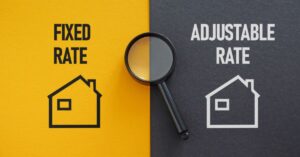
Filed Under: Financing, Mortgage Tagged With: Adjustable Rate Mortgage, Interest Rate, mortgage, Mortgage Rate Trends, mortgage rates

Today’s 5-Year Adjustable Rate Mortgage Drops Substantially by 31 Basis Points – June 21, 2025

June 21, 2025 by Marco Santarelli

Today's 5-Year Adjustable Rate Mortgage Drops Substantially by 31 Basis Points - June 21, 2025

Thinking about buying a home or refinancing your current mortgage? You're probably keeping a close eye on interest rates. As of today, June 21, 2025, the national average 5-year Adjustable Rate Mortgage (ARM) rate is 7.10%. This is a significant drop of 31 basis points from last week. Let's dive deeper into what this means for you and whether a 5-year ARM is the right choice. I will explore current mortgage rate trends, the pros and cons of ARMs, and factors to consider before making a decision.

Today's 5-Year Adjustable Rate Mortgage Drops Substantially by 31 Basis Points – June 21, 2025

Mortgage rates are constantly in flux, influenced by a variety of economic factors. As of June 21, 2025, here's a snapshot of where things stand, according to the data available from Zillow:

  • 30-Year Fixed Rate: 6.89% (down from 6.93% last week)
  • 15-Year Fixed Rate: 5.93% (down from 6.01% last week)
  • 5-Year ARM: 7.10% (down from 7.41% last week)

It's interesting to see the 5-year ARM trending lower than the more popular 30- year fixed rate. While a 0.31% decrease to 7.10% gives some relief, it is still crucial to weigh the pros and cons carefully.

Here's a quick comparison of the rate environment for various loan types:

Program Rate 1 Week Change APR 1 Week Change
30-Year Fixed Rate 6.89% Down 0.04% 7.35% Down 0.04%
15-Year Fixed Rate 5.93% Down 0.08% 6.23% Down 0.08%
5-Year ARM 7.10% Down 0.24% 7.76% Down 0.10%

What is a 5-Year ARM and How Does it Work?

A 5-year ARM is a mortgage with an interest rate that's fixed for the first five years. After that, the interest rate adjusts annually based on prevailing market conditions. These mortgages are often appealing because they typically offer lower initial interest rates than fixed-rate mortgages. This can translate to lower monthly payments during the initial fixed-rate period.

Here’s a breakdown:

  • Initial Fixed-Rate Period: The first five years, your interest rate remains the same, regardless of what happens in the market.
  • Adjustment Period: After five years, your interest rate adjusts – usually once per year. The adjustment is typically tied to an index, like the Secured Overnight Financing Rate(SOFR), plus a margin.
  • Rate Caps: ARMs come with rate caps, which limit how much the interest rate can increase:
    • Initial Cap: Limits the first interest rate adjustment.
    • Periodic Cap: Limits how much the interest rate can change in subsequent adjustment periods.
    • Lifetime Cap: Sets the maximum interest rate you'll ever pay over the loan's life. I always emphasize to buyers to understand these caps cold.

Advantages of a 5-Year ARM

  • Lower Initial Interest Rate: This is the biggest draw for most people. A lower rate translates to lower monthly payments in the initial years.
  • Potential Savings: If interest rates remain stable or decline after the fixed-rate period, you could save money over the life of the loan if the adjustable rate goes below the fixed rate you could have secured.
  • Good for Short-Term Homeownership: These are very useful if you anticipate moving or refinancing before the adjustment period begins.

Disadvantages of a 5-Year ARM

  • Interest Rate Risk: The biggest drawback. If interest rates rise after the fixed-rate period, your monthly payments will increase, and those increases can be substantial based on market conditions.
  • Complexity: ARMs can be more complex to understand than fixed-rate mortgages. You need to understand the index, margin, and rate caps. I highly recommend speaking with a mortgage professional.
  • Uncertainty: It's hard to predict where interest rates will be in five years, add budget accordingly. This uncertainty can make it difficult to budget for the future.

Recommended Read:

5-Year Adjustable Rate Mortgage Jumps by 68 Basis Points – June 20, 2025

Fixed vs. Adjustable Rate Mortgage in 2025: Which is Best for You?

Is a 5-Year ARM Right for You? Consider These Factors

Before jumping into a 5-year ARM, ask yourself these questions:

  • How long do you plan to stay in the home? If you expect to move within five years, a 5-year ARM might be a great option as you could avoid the adjustment period altogether.
  • What's your risk tolerance? Are you comfortable with the risk that your interest rate, and therefore your monthly payment, could increase significantly in the future?
  • Can you afford higher payments? If interest rates rise substantially, could you still afford your monthly mortgage payments? I highly recommend stress-testing this possibility.
  • What are your long-term financial goals? How does the potential for adjustable rates fit into your overall financial plan?
  • Look at the Margin and Index: The fully indexed rate should be carefully considered and understood.

Comparing Government and Jumbo Loan 5-Year ARM Rates

It's also helpful to consider how the 5-year ARM rates compare across different loan types:

  • Conforming Loans: As highlighted above, the current rate is 7.10%.
  • Jumbo Loans: The 5-year ARM Jumbo sits higher, at 7.90%, reflecting the increased risk associated with larger loan amounts.
  • Government Loans The 5-year ARM is not available.

Fixed vs. Adjustable: A Quick Table

Feature Fixed-Rate Mortgage Adjustable-Rate Mortgage (ARM)
Interest Rate Remains the same for the life of the loan. Changes periodically after the initial fixed-rate period.
Monthly Payments Predictable and consistent. Can fluctuate, depending on interest rate changes.
Risk Lower, since payments are stable. Higher, due to the potential for rising interest rates.
Complexity Easier to understand. More complex, requiring understanding of indexes, margins, & caps.
Best For Those who value stability and long-term predictability. Those with shorter time horizons or higher risk tolerance.

The Importance of APR (Annual Percentage Rate)

While the interest rate is important, it's also crucial to pay attention to the APR. The APR includes not only the interest rate but also other fees and charges associated with the loan, such as:

  • Origination fees
  • Discount points
  • Other closing costs

Because the APR includes these additional costs, it provides a more accurate picture of the overall cost of the loan. Always compare APRs, not just interest rates, when shopping for a mortgage.

Summary:

The 5-year ARM can be a strategic financial tool if used wisely. Given the current rate environment as of June 21, 2025, with the average hovering around 7.10%, it might be tempting if you're after a lower initial payment. However, it's imperative to weigh the risks carefully. If you're planning on moving in less than five years, or if you are comfortable with the possibility of fluctuating payments, it could be the right choice. But if you crave stability and predictability, a fixed-rate mortgage might be a better fit. Consulting with multiple lenders and financial advisors is essential to assess your particular circumstances and make the right decision.

Remember, knowledge is power. Understand all aspects of a 5-year ARM before committing. Your home is likely the biggest investment you'll ever make, so proceed with caution, do your homework, and make sure it aligns with your long-term financial goals.

Capitalize on Lower ARM Rates Before They Rise Again

With fluctuating adjustable-rate mortgages (ARMs), savvy investors are exploring flexible financing options to maximize returns.

Norada offers a curated selection of ready-to-rent properties in top markets, helping you capitalize on current mortgage trends and build long-term wealth.

HOT NEW LISTINGS JUST ADDED!

Connect with an investment counselor today (No Obligation):

(800) 611-3060

Get Started Now

Also Read:

  • Will Mortgage Rates Go Down in 2025: Morgan Stanley's Forecast
  • Expect High Mortgage Rates Until 2026: Fannie Mae's 2-Year Forecast
  • Mortgage Rate Predictions 2025 from 4 Leading Housing Experts
  • Mortgage Rates Forecast for the Next 3 Years: 2025 to 2027
  • Will Mortgage Rates Ever Be 3% Again in the Future?
  • Mortgage Rates Predictions for Next 2 Years
  • Mortgage Rate Predictions for Next 5 Years
  • Mortgage Rate Predictions: Why 2% and 3% Rates are Out of Reach
  • How Lower Mortgage Rates Can Save You Thousands?
  • How to Get a Low Mortgage Interest Rate?
  • Will Mortgage Rates Ever Be 4% Again?
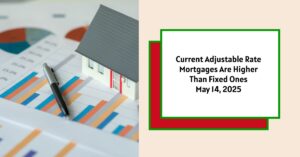
Filed Under: Financing, Mortgage Tagged With: Adjustable Rate Mortgage, Interest Rate, mortgage, Mortgage Rate Trends, mortgage rates

Fixed vs. Adjustable Rate Mortgage in 2025: Which is Best for You?

May 17, 2025 by Marco Santarelli

Fixed vs. Adjustable Rate Mortgage in 2025: Which is Best for You?

Navigating the home loan market can feel like trying to find your way through a maze, especially when you hit that big fork in the road: fixed-rate or adjustable-rate mortgage? If you're looking to buy a home in the near future, you're probably asking, is it better to have a fixed or adjustable-rate mortgage in 2025?

Is It Better to Have a Fixed or Adjustable-Rate Mortgage in 2025?

For most homebuyers in 2025, a fixed-rate mortgage will likely offer greater peace of mind and financial stability. While adjustable-rate mortgages (ARMs) sometimes attract borrowers with the promise of lower initial rates, the current data for mid-2025 suggests that particular advantage isn't quite there, making the steady predictability of a fixed rate even more appealing.

I've been watching the housing and mortgage markets for years, and one thing that's always true is that the “best” choice depends on your personal situation. But based on what we're seeing, let's dive in and figure out what might work for you.

Fixed vs. Adjustable: What's the Big Deal?

Before we get too deep into the 2025 specifics, let's make sure we're on the same page about these two main types of home loans.

The Old Faithful: Fixed-Rate Mortgages

A fixed-rate mortgage is pretty much what it sounds like. The interest rate on your loan is set, or “fixed,” for the entire life of the loan, whether that's 15, 20, or the popular 30 years.

  • Pros:
    • Predictability is King: Your principal and interest payment stays the same every month. This makes budgeting a whole lot easier. No surprises!
    • Peace of Mind: You don't have to worry about market swings causing your mortgage payment to suddenly shoot up.
    • Simplicity: It's straightforward to understand.
  • Cons:
    • Potentially Higher Initial Rate: Sometimes, the starting rate on a fixed-rate loan can be a bit higher than the introductory rate on an ARM.
    • Missing Out on Rate Drops: If interest rates fall significantly after you've locked in your rate, you'd have to refinance (which has costs) to take advantage of them.

The Flexible Flyer: Adjustable-Rate Mortgages (ARMs)

An adjustable-rate mortgage (ARM), on the other hand, has an interest rate that can change over time. Usually, you get a lower, fixed “teaser” rate for an initial period (like 3, 5, 7, or 10 years). After that, your rate adjusts periodically (often once a year) based on a specific financial index, plus a margin set by the lender.

  • Pros:
    • Lower Initial Payments: Historically, the biggest draw for ARMs has been that introductory rate, which could be noticeably lower than fixed rates, meaning smaller payments at first.
    • Benefit from Falling Rates (Potentially): If overall interest rates go down, your ARM payment could also decrease after an adjustment.
  • Cons:
    • Payment Shock Risk: This is the big one. If interest rates rise, your monthly payment could go up significantly after the fixed period ends. This can be a real shock to the budget.
    • Complexity: ARMs have more moving parts – introductory periods, adjustment caps (limits on how much the rate can change at one time or over the life of the loan), indexes, and margins. They can be harder to fully understand.
    • Uncertainty: It’s tough to predict where rates will be years down the line.

Common ARM types include 5/1 ARMs (fixed rate for 5 years, then adjusts annually) or 7/1 ARMs (fixed for 7 years, then adjusts annually).

What's Happening with Mortgage Rates in Mid-2025?

To really answer the question about which mortgage is better in 2025, we need to look at what rates are actually doing. According to Zillow's data as of Friday, May 16, 2025, here’s a snapshot of the national average rates for conforming loans (these are loans that meet guidelines set by Fannie Mae and Freddie Mac):

Loan Program Interest Rate 1W Change APR 1W Change
30-Year Fixed Rate 6.98% up 0.02% 7.46% up 0.04%
15-Year Fixed Rate 6.05% up 0.03% 6.37% up 0.05%
5-year ARM 7.72% up 0.06% 8.02% down 0.01%

(Data source: Zillow, updated May 16, 2025, for conforming loans)

Now, what jumps out at me immediately from this table? The 5-year ARM rate at 7.72% is significantly higher than the 30-year fixed rate at 6.98%. This is a really important point for 2025. Traditionally, people considered ARMs because that initial rate was lower. If the ARM is starting out higher, a big part of its appeal is gone.

It's also important to look at the APR (Annual Percentage Rate). The APR includes not just the interest rate but also other loan costs like lender fees and discount points. So, it gives you a broader picture of the loan's true cost. Notice the APR for the 5-year ARM is 8.02%, compared to 7.46% for the 30-year fixed.

A Quick Look Back: 90-Day Rate Trends (February – May 2025)

Looking at the Zillow data for the 90 days leading up to mid-May 2025 (for borrowers with a 740+ credit score and 20%+ down payment), we saw some definite movement:

  • 5-Year ARM: This was a bit of a rollercoaster. It started around 6.5% interest in mid-February, dipped to nearly 6.0% in early March, then climbed, even hitting above 7.4% in late April. By May 16th, the daily tracking data showed it around 7.077%. This volatility is classic ARM behavior.
  • 15-Year Fixed: This showed more stability. It began near 5.85% in mid-February, saw a low point around 5.49% in early March, and then generally trended up, ending the 90-day period near 6.03%.
  • 30-Year Fixed: Similar to the 15-year, it started around 6.5% in mid-February, dropped to about 6.2% in early March, and then rose, finishing the 90 days around 6.78%.

The key takeaway from these trends is that while fixed rates did see some ups and downs, the ARM showed more pronounced swings. And importantly, the current average 5-year ARM rate (7.72%) is now notably higher than where it was even at its peak in the 90-day detailed tracking for high-credit borrowers. This suggests the broader market for ARMs might be pricing in more risk or different conditions.

Why a Fixed-Rate Mortgage Looks Like the Winner for Most in 2025

Based on what I'm seeing in the mid-2025 data, I lean towards a fixed-rate mortgage being the better choice for the majority of homebuyers. Here’s why:

  1. Predictable Payments are Golden: Knowing your principal and interest payment won't change for the life of your loan is huge. It makes financial planning so much simpler. In an economy that still has some question marks, this stability is incredibly valuable.
  2. ARMs Aren't Offering an Initial Rate Bargain Right Now: The main historical selling point of an ARM was a lower starting interest rate. With the average 5-year ARM at 7.72% and the 30-year fixed at 6.98% (as of May 16, 2025, from Zillow's summary), that advantage is gone. You'd be paying more from day one with the ARM shown, for the “privilege” of taking on future rate risk.
  3. Avoiding the “What If” Game: With a fixed rate, you don't have to stress about where interest rates will be in 5 or 7 years. If rates do drop significantly in the future, refinancing is always an option (though it comes with costs and isn't guaranteed). But you won't be forced into a higher payment if rates climb.
  4. Simplicity: Fixed-rate loans are just easier to understand. Fewer variables, less jargon. When you're making one of the biggest financial decisions of your life, simplicity can be a real comfort.

From my experience, people often underestimate the value of financial peace of mind. A fixed-rate mortgage locks in your housing cost, which is often the biggest part of your budget.

Could an Adjustable-Rate Mortgage Ever Make Sense in 2025?

Even though fixed rates look more attractive overall right now, there are always specific situations where an ARM might be considered. But given the current rate environment where ARMs are starting higher, these scenarios become even more niche:

  • You're Certain You'll Sell Soon: If you absolutely know you'll sell the home before the ARM's initial fixed-rate period ends, then the long-term rate adjustments don't matter as much. However, you'd still be starting with a higher rate (based on current Zillow data) than a 30-year fixed. This makes this argument weaker than it used to be.
  • You Expect a Major Income Jump: If you're confident your income will increase substantially before the rate adjusts, you might feel comfortable handling a potentially higher payment. This is a big “if” and relies on a lot of optimism.
  • You're a Sophisticated Borrower with a High Risk Tolerance (and a Crystal Ball?): If you have a deep understanding of financial markets, a strong financial cushion, and are convinced rates will plummet significantly and stay low after your ARM starts adjusting, then perhaps. But this is a risky gamble, especially when the initial ARM rate isn't offering a discount.
  • Specific Jumbo Loan Scenarios: Sometimes, in the jumbo loan market (for loan amounts above conforming limits), ARM offerings might have different rate dynamics. As of May 16, 2025, Zillow shows a 5-year ARM Jumbo at 7.89% and a 30-year Fixed Rate Jumbo at 7.48%. So, even here, the fixed is starting lower.

Honestly, with the 5-year ARM rate currently exceeding the 30-year fixed rate, it’s tough to build a strong case for an ARM for most people in 2025. The usual “I'll get a lower rate now and refinance later” strategy doesn't hold up if the “lower rate now” isn't actually lower.

More Than Just Fixed vs. Adjustable: Other Big Factors

Choosing the right mortgage isn't just about the rate type. Here are some other things I always tell people to think about:

  • Your Personal Financial Picture: How stable is your job and income? How much do you have in savings? What’s your overall debt load? And importantly, how comfortable are you with risk?
  • How Long Will You Be in the Home? This is a classic consideration. The longer you plan to stay, the more sense a stable, fixed-rate loan usually makes.
  • The Broader Economic Picture: While none of us have a crystal ball, pay attention to what economists are saying about inflation, Federal Reserve policy, and the general direction of interest rates. If the consensus is for rates to rise or remain volatile, a fixed rate offers protection.
  • ARM Caps are Crucial (If You Go That Route): If you do consider an ARM, understand the caps!
    • Periodic adjustment caps: Limit how much the rate can increase at each adjustment.
    • Lifetime caps: Limit how much the rate can increase over the entire loan term. These caps offer some protection but don't eliminate the risk of higher payments.
  • Always, Always Compare the APR: As I mentioned, the APR gives you a more complete cost picture. Don't get swayed by just a low interest rate advertisement; look at the APR.

My Two Cents:

Having been through the mortgage process myself and having talked with countless friends, family members, and clients over the years, my general advice trends towards caution when it comes to ARMs. The allure of a lower initial payment can be strong, but the potential for future payment shock is a serious risk that can cause a lot of stress and financial strain.

In the specific context of 2025, with the Zillow data showing average 5-year ARM rates higher than 30-year fixed rates, the argument for fixed-rate mortgages becomes even stronger. Why take on the uncertainty of an ARM if you're not even getting an upfront discount on the rate?

The stability of a fixed-rate loan allows you to plan your future with more confidence. You know what your largest monthly expense will be, and that's a powerful thing. While no one wants to pay a higher interest rate than they have to, the rates we're seeing in mid-2025 (around 7% for a 30-year fixed) are what they are. If you can afford the payment on a fixed-rate loan, locking it in provides security.

Think about it this way: a mortgage is a long-term commitment. For most people, choosing the path of predictability and stability is often the wisest course, especially when the alternative (an ARM in the current 2025 market) doesn't seem to offer a compelling initial financial advantage.

Tips for Snagging the Best Mortgage Possible in 2025

Whether you ultimately lean towards a fixed or (less likely in 2025) an adjustable-rate loan, here’s how to put yourself in the best position:

  1. Shop Around Relentlessly: Don't just go with the first lender you talk to or the one your real estate agent suggests. Get quotes from multiple lenders – banks, credit unions, online mortgage companies. Rates and fees can vary more than you think.
  2. Compare Official Loan Estimates: Once you have offers, compare the official Loan Estimates side-by-side. Pay close attention to the interest rate, APR, lender fees, and closing costs.
  3. Boost That Credit Score: Your credit score is a huge factor in the rate you'll get. Before you apply, check your credit report for errors and do what you can to improve your score (pay bills on time, reduce credit card balances).
  4. Save for a Healthy Down Payment: While 20% down isn't always required, a larger down payment can often get you a better rate and helps you avoid Private Mortgage Insurance (PMI).
  5. Consider Shorter Loan Terms (If You Can Afford It): A 15-year fixed mortgage (currently around 6.05% via Zillow) will have higher monthly payments than a 30-year, but you'll pay it off much faster and save a ton in interest. If your budget allows, it's a great option.
  6. Ask Questions! Don't sign anything you don't understand. Your lender should be able to explain all the terms and costs clearly.

So, Fixed or Adjustable in 2025? The Final Verdict for You

So, back to our main question: Is it better to have a fixed or adjustable-rate mortgage in 2025?

For the vast majority of homebuyers, I believe a fixed-rate mortgage is the more prudent and financially sound choice in 2025. The primary reason is the current interest rate environment. With average 5-year ARM rates actually higher than 30-year fixed rates (7.72% vs. 6.98% as of mid-May 2025, according to Zillow), the traditional incentive for choosing an ARM – a lower initial interest rate – simply isn't there.

A fixed-rate mortgage offers you:

  • Payment stability: Your principal and interest payment won't change.
  • Budgeting certainty: Easier to plan your finances long-term.
  • Protection from rate hikes: You're insulated if market rates go up.

An ARM could still be a niche consideration if you have a very specific, short-term plan for the property and an extremely high tolerance for risk, but the current rate disadvantage makes it a much harder sell.

Ultimately, the decision is yours. Take a good, hard look at your financial situation, your plans for the future, and your comfort level with risk. Talk to a trusted financial advisor or mortgage professional who can help you weigh the pros and cons based on your unique circumstances. But based on the 2025 mortgage rate data we have, the path of predictability offered by a fixed-rate loan looks like the clearest and safest one for most people stepping into homeownership this year.

Invest in Real Estate in the Top U.S. Markets

Investing in turnkey real estate can help you secure consistent returns with fluctuating mortgage rates.

Expand your portfolio confidently, even in a shifting interest rate environment.

Speak with our expert investment counselors (No Obligation):

(800) 611-3060

Get Started Now

Also Read:

  • Will Mortgage Rates Go Down in 2025: Morgan Stanley's Forecast
  • Expect High Mortgage Rates Until 2026: Fannie Mae's 2-Year Forecast
  • Mortgage Rate Predictions 2025 from 4 Leading Housing Experts
  • Mortgage Rates Forecast for the Next 3 Years: 2025 to 2027
  • 30-Year Mortgage Rate Forecast for the Next 5 Years
  • 15-Year Mortgage Rate Forecast for the Next 5 Years
  • Why Are Mortgage Rates Going Up in 2025: Will Rates Drop?
  • Why Are Mortgage Rates So High and Predictions for 2025
  • Will Mortgage Rates Ever Be 3% Again in the Future?
  • Mortgage Rates Predictions for Next 2 Years
  • Mortgage Rate Predictions for Next 5 Years
  • Mortgage Rate Predictions: Why 2% and 3% Rates are Out of Reach
  • How Lower Mortgage Rates Can Save You Thousands?
  • How to Get a Low Mortgage Interest Rate?
  • Will Mortgage Rates Ever Be 4% Again?

Filed Under: Financing, Mortgage Tagged With: Adjustable Rate Mortgage, Fixed Rate Mortgage, mortgage, mortgage rates

Today’s Adjustable Rate Mortgages Are Higher Than Fixed Ones – May 14, 2025

May 14, 2025 by Marco Santarelli

Current Adjustable Rate Mortgages Are Higher Than Fixed Ones - May 14, 2025

Feeling a bit like the world of home loans has been flipped on its head lately? If you've been tracking mortgage rates, you might be scratching your head, and you're definitely not alone. One of the most confusing things right now is that current ARM mortgage rates are higher than fixed rates: what it means is that the old rules for picking a mortgage have taken a temporary vacation.

In plain English, this strange situation generally points to fixed-rate mortgages as the smarter, safer bet for most people looking to buy a home today. It’s a big neon sign flashing “market uncertainty” and hinting that many believe interest rates could fall down the line.

I’ve been watching these trends for a while, and it’s not every day you see this kind of switcheroo. Usually, Adjustable-Rate Mortgages (ARMs) try to tempt you with a lower initial interest rate compared to their fixed-rate cousins. But right now? The tables have turned. Let's break down what’s happening and what it could mean for your big decision.

Today's Adjustable Rate Mortgages Are Higher Than Fixed Ones – May 14, 2025

The Current Rate Puzzle: A Quick Snapshot

As of mid-May 2025, the numbers are telling a surprising story. According to today's data from Zillow, take a look at these national average rates:

  • 30-year fixed mortgage: 6.84%
  • 15-year fixed mortgage: 6.06%
  • 5/1 ARM (Adjustable-Rate Mortgage): 7.34%
  • 7/1 ARM: 7.42%

Do you see it? The introductory rates for common ARMs, like the 5/1 ARM (fixed for 5 years, then adjusts annually) and the 7/1 ARM (fixed for 7 years), are higher than the rate for a 30-year fixed mortgage, which stays the same for the entire loan life. This is the opposite of what we usually expect! For example, the 30-year fixed rate recently went up by eight basis points (a basis point is one-hundredth of a percent, so that's 0.08%) to 6.84%, while the 15-year fixed actually dipped a tiny bit. It’s a mixed bag out there.

Even refinance rates are showing this odd pattern:

  • 30-year fixed refinance: 6.91%
  • 5/1 ARM refinance: 7.57%

So, if you're looking to refinance, you're seeing a similar picture: the ARM option is starting out more expensive.

Why the Flip-Flop? Unpacking the Reasons Behind Higher ARM Rates

When something unusual like this happens in the financial world, there are always reasons bubbling beneath the surface. Here’s my take on why we're seeing ARM rates climb above fixed rates:

1. Lender Expectations: Betting on Falling Rates? This is a big one. Lenders, the banks and institutions that give out mortgages, aren't just looking at today; they're trying to predict tomorrow. If they offer you a low ARM rate now, and most experts think overall interest rates will fall in the coming years, then your ARM rate would adjust downward after its initial fixed period. This means less profit for the lender over the life of the loan.

So, by setting a higher initial rate on ARMs now, they're building in a cushion. It’s a bit like they're saying, “We think rates might go down, so if you want the potential flexibility of an ARM, you'll have to pay a premium upfront.” It’s a way for them to manage their own risk in an uncertain interest rate environment. This is a strong signal that the market, or at least the lenders, are anticipating that rates could be lower in the medium term.

2. Inflation's Wild Ride Inflation has been the headline act for a while now, and it's directly impacting mortgage rates. The Consumer Price Index (CPI) for April, released recently, showed that inflation (how quickly prices are rising) grew year-over-year at its slowest pace since early 2021 – 2.3% to be exact. Normally, slower inflation is good news for mortgage rates; it often leads to them dropping.

However, it's not all sunshine. The report also showed that housing costs were a major driver of month-over-month inflation. So, while overall inflation is cooling, the cost of shelter is still stubbornly high. This mixed message from the inflation report has made mortgage rates “unsteady,” as Zillow put it. This uncertainty makes it harder to price long-term products, and ARMs are particularly sensitive to future rate expectations.

3. The Tariff Shadow Another factor stirring the pot is tariffs – taxes on goods imported from other countries. There's been talk and action on tariffs, for instance, related to President Donald Trump's policies or ongoing trade negotiations like those between the U.S. and China. The expectation is that these tariffs could push inflation higher in the coming months.

Even if we see temporary agreements or reductions in some tariffs, if the overall tariff levels remain high, they can make a lot of products more expensive. This potential for tariff-driven inflation might be making lenders nervous, and that nervousness can translate into higher borrowing costs, especially for products like ARMs where future adjustments are tied to prevailing rates which would be affected by inflation. Markets seem to be waiting to see the full impact of these tariffs on prices.

4. The Federal Reserve's Next Move While not explicitly stated in the daily rate sheets, the Federal Reserve (the “Fed”) plays a huge role. The Fed has been fighting inflation by raising its benchmark interest rate. Slower CPI inflation could give the Fed room to cut rates. However, with sticky housing inflation and the looming impact of tariffs, the Fed might choose to stay cautious. This “will they or won't they” cut rates adds another layer of uncertainty that gets priced into mortgages.

In my experience, when there are this many “ifs” and “maybes” in the economic outlook, lenders tend to be more conservative. Offering an ARM that starts higher than a fixed rate is a form of that conservatism.

What This Unusual Rate Scene Means for You, the Homebuyer or Refinancer

Okay, so ARMs are acting weird. What does this mean for your wallet and your home-buying plans?

Fixed-Rate Mortgages: Your Island of Stability Right now, fixed-rate mortgages are looking like the more straightforward and, for many, the safer choice.

  • 30-Year Fixed Mortgage: Currently around 6.84%. The biggest plus here is predictability. Your principal and interest payment will stay the same for 30 years. Yes, the rate might feel a bit high compared to the super-low rates of a few years ago, but knowing exactly what you'll pay each month is golden for budgeting. You spread payments over a long time, so individual payments are lower than shorter loans, but you'll pay more interest overall.
  • 15-Year Fixed Mortgage: Currently around 6.06%. This is a fantastic option if you can swing the higher monthly payments. You get a lower interest rate than a 30-year fixed, and you'll own your home free and clear in half the time, saving a boatload in total interest.

My personal advice: In a market where ARMs are starting out more expensive than fixed rates, the peace of mind that comes with a fixed rate is incredibly valuable. You're locking in your biggest housing cost, and that's a powerful thing.

Adjustable-Rate Mortgages (ARMs): Tread Very Carefully! The main draw of an ARM has always been that lower initial “teaser” rate. With that advantage gone (and then some!), the case for an ARM is much weaker today.

  • You'd be starting with a higher payment (e.g., 7.34% for a 5/1 ARM) than a 30-year fixed loan.
  • You're still taking on the risk that your rate could go up significantly after the initial fixed period (5 or 7 years, typically).
  • If the general expectation is that rates might fall, you might think, “Great, my ARM will adjust down!” And it might. But you've already paid a higher rate for several years. You'd need rates to fall a lot, and stay low, for this to be a better deal than just taking a lower fixed rate from the start.

The only scenario where an ARM might make a sliver of sense right now is if you are absolutely certain you will sell the home or refinance before the first rate adjustment, AND you believe rates will indeed fall substantially. This is a high-stakes gamble, and I usually caution against trying to perfectly time the market.

My strong opinion: For the vast majority of homebuyers in the current environment, an ARM that starts higher than a fixed rate is simply not a good deal. Why pay more now for the privilege of uncertainty later?

Thinking About Refinancing? The story is similar. ARM refinance rates are also higher (e.g., 7.57% for a 5/1 ARM refi). If you currently have a very high interest rate (perhaps an older ARM that has already adjusted upwards significantly), refinancing into a fixed-rate loan, even at today's rates, could still save you money or at least give you payment stability. Run the numbers carefully.

Peering into the Future: What Are the Experts Saying?

Predicting mortgage rates is a bit like predicting the weather – even the experts don't always get it right. However, major players like Fannie Mae and the Mortgage Bankers Association (MBA) have teams of economists who make forecasts. Here's what they were thinking for 30-year fixed rates as of their April 2025 updates:

Forecaster Q2 2025 Q3 2025 Q4 2025 Q1 2026
Fannie Mae 6.5% 6.3% 6.2% 6.1%
MBA 7.0% 6.8% 6.7% 6.6%

Both organizations see rates gradually trending down through 2025 and into early 2026, though MBA is a bit more pessimistic (or realistic, depending on your view) with slightly higher predictions. Freddie Mac also noted in early 2025 that they expect economic growth to slow down, with a cooling labor market potentially easing some inflation pressure.

My two cents on forecasts: These are educated guesses. As the Zillow data rightly points out, due to how volatile interest rates can be, their past accuracy “hasn't been wildly impressive.” Many unforeseen things can shift these outlooks. The fact that current ARM rates are higher than fixed rates is, in itself, a kind of market forecast – it suggests lenders are bracing for or expecting change, likely downward pressure on rates in the future.

Making Your Mortgage Choice in These Unique Times

So, how do you navigate this? Here’s some practical advice:

  1. Don't Rely on Averages Alone – Talk to a Lender (or Several!): The rates I’ve shared are national averages. Your specific rate will depend on your credit score, down payment, loan type, and where you live. Get personalized quotes from a few trusted mortgage brokers or lenders.
  2. Use a Good Mortgage Calculator: Don't just look at the interest rate. Use a comprehensive mortgage calculator (the Yahoo Finance one is good because it includes taxes, insurance, PMI, and HOA dues) to see the full estimated monthly payment. This gives you a much clearer picture of affordability.
  3. Think About Your Timeline: How long do you genuinely plan to live in this home? If it's less than 5-7 years, an ARM used to be a consideration. Now, with ARMs starting higher, even short-timers are likely better off with a fixed rate.
  4. Resist Timing the Market: It’s tempting to wait for rates to drop to that “perfect” level. But trying to time the market is a recipe for stress and often missed opportunities. If you've found a home you love, it fits your needs, and you can comfortably afford the payments on a fixed-rate mortgage, it might be the right time for you. You can always explore refinancing later if rates fall significantly.
  5. Focus on the Payment: More important than the interest rate itself is whether the monthly payment fits comfortably within your budget, leaving room for other savings and life's unexpected turns.

The Bottom Line

The fact that current ARM mortgage rates are higher than fixed rates is a clear signal from the market. It’s telling us that there's a lot of uncertainty out there, particularly about inflation and future interest rate movements, and lenders are pricing in the possibility of rates declining in the future.

For you, the homebuyer or refinancer, this makes the decision-making process a bit different than usual. Right now, the stability and predictability of a fixed-rate mortgage make it the more attractive option for most people, even if the rates feel a bit higher than we’d all like. ARMs, with their higher starting rates and inherent future uncertainty, are a much harder sell in this specific environment.

Stay informed, do your homework, and chat with a financial advisor or mortgage professional you trust. Buying a home is a big step, and understanding these market quirks can help you make a choice you feel confident about for years to come.

Invest Smarter in a High-Rate Environment

With mortgage rates remaining elevated this year, it's more important than ever to focus on cash-flowing investment properties in strong rental markets.

Norada helps investors like you identify turnkey real estate deals that deliver predictable returns—even when borrowing costs are high.

HOT NEW LISTINGS JUST ADDED!

Connect with a Norada investment counselor today (No Obligation):

(800) 611-3060

Get Started Now 

Also Read:

  • Will Mortgage Rates Go Down in 2025: Morgan Stanley's Forecast
  • Expect High Mortgage Rates Until 2026: Fannie Mae's 2-Year Forecast
  • Mortgage Rate Predictions 2025 from 4 Leading Housing Experts
  • Mortgage Rates Forecast for the Next 3 Years: 2025 to 2027
  • 30-Year Mortgage Rate Forecast for the Next 5 Years
  • 15-Year Mortgage Rate Forecast for the Next 5 Years
  • Why Are Mortgage Rates Going Up in 2025: Will Rates Drop?
  • Why Are Mortgage Rates So High and Predictions for 2025
  • Will Mortgage Rates Ever Be 3% Again in the Future?
  • Mortgage Rates Predictions for Next 2 Years
  • Mortgage Rate Predictions for Next 5 Years
  • Mortgage Rate Predictions: Why 2% and 3% Rates are Out of Reach
  • How Lower Mortgage Rates Can Save You Thousands?
  • How to Get a Low Mortgage Interest Rate?
  • Will Mortgage Rates Ever Be 4% Again?

Filed Under: Financing, Mortgage Tagged With: Adjustable Rate Mortgage, Interest Rate, mortgage, Mortgage Rate Trends, mortgage rates, Mortgage Rates Predictions, Mortgage Rates Today

  • « Previous Page
  • 1
  • 2
  • 3
  • 4

Real Estate

  • Birmingham
  • Cape Coral
  • Charlotte
  • Chicago

Quick Links

  • Markets
  • Membership
  • Notes
  • Contact Us

Blog Posts

  • Today’s Mortgage Rates November 12: 30-Year FRM Holds at 6.16% as Market Stays Steady
    November 12, 2025Marco Santarelli
  • Rhode Island Housing Market Forecast 2025-2026: What Buyers Must Know
    November 12, 2025Marco Santarelli
  • Providence Housing Market Forecast 2025-2026: Will Home Prices Crash?
    November 12, 2025Marco Santarelli

Contact

Norada Real Estate Investments 30251 Golden Lantern, Suite E-261 Laguna Niguel, CA 92677

(949) 218-6668
(800) 611-3060
BBB
  • Terms of Use
  • |
  • Privacy Policy
  • |
  • Testimonials
  • |
  • Suggestions?
  • |
  • Home

Copyright 2018 Norada Real Estate Investments

Loading...