Norada Real Estate Investments

  • Home
  • Markets
  • Properties
  • Membership
  • Podcast
  • Learn
  • About
  • Contact

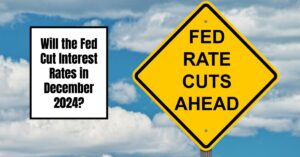
Will the Fed Cut Interest Rates in December: Expert Predictions

December 9, 2024 by Marco Santarelli

Will the Fed Cut Interest Rates in December: Experts Weigh in

Will the Fed cut interest rates in December 2024? Current indicators suggest that the likelihood is quite high, with recent job reports intensifying the conversation around a possible interest rate cut during the Federal Reserve's upcoming meeting. The economic context surrounding this potential decision is complex, involving a mix of strong labor market metrics and persistent inflationary pressures.

Will the Fed Cut Interest Rates in December: Expert Predictions

Key Takeaways

  • High Probability of a Cut: Recent job data indicates a 90% chance that the Federal Reserve will approve a rate cut this December.
  • Diverse Opinions: Economists are divided, with varying perspectives on the necessity and timing of any cuts, largely due to inflation concerns.
  • Solid Job Market: Despite a robust job market, there are apprehensions regarding inflation and financial stability.
  • Upcoming Data Will Influence Decisions: The Fed is likely to analyze upcoming reports on consumer and producer prices which could sway their final decision.

As December approaches, all eyes are on the Federal Reserve. The Fed, helmed by Chairman Jerome Powell, is navigating treacherous economic waters. The decision-making process to cut interest rates is influenced by a variety of factors—from employment rates to inflation metrics. Let’s delve deeper into the reasoning behind the projected rate cut and what it means for the economy.

Current Economic Landscape

The backdrop of discussions around interest rates is the backdrop of a surprisingly strong labor market. The latest November nonfarm payrolls report showed an impressive addition of 227,000 jobs, far surpassing the dismal 36,000 jobs anticipated in October. This substantial job growth is an encouraging sign, as it underscores a resilient economy, particularly in light of potential recessionary fears that many analysts had just a few months prior.

The unemployment rate, while ticking up slightly to 4.2%, still reflects a relatively healthy job market. Even with this increase, it reveals that less than one in twenty workers are jobless, a statistic that most economists would consider stable if not strong. Nobody has forgotten that the economy has not reported job losses in a single month since December 2020. This resilience gives the Fed a compelling reason to reconsider their current interest rates, possibly leading them to cut in December.

Inflation Concerns

Nonetheless, the Fed’s deliberation is complex. Price stability remains one of the core objectives for the central bank, and recent inflation data has raised eyebrows. The Fed's preferred inflation indicator recently noted a rise to 2.3% in October, exceeding the desired 2% target, while inflation excluding food and energy costs surged up to 2.8%.

According to an article by CNBC, the implications of these figures are far-reaching. Jason Furman, a former economist under the Obama administration, highlighted that current wage growth—averaging around 4%—is consistent with inflation rates considerably higher than the Fed's aim. Such signals prompt concern among economists about the need for aggressive monetary policy adjustments. As Furman aptly noted, the economy currently seems to be in a “no-landing scenario,” where robust growth continues but risks sparking further inflation.

Financial Stability and the Debate Among Economists

As the Federal Reserve contemplates a December rate cut, a significant point of contention among economists and policymakers is the current financial conditions. Financial metrics indicate that the economy is experiencing the most relaxed financial conditions we've seen since January. Joseph LaVorgna, a prominent economist, warned on CNBC that this easing could foster speculative bubbles, expressing doubt about the necessity of a rate cut at this junction. LaVorgna advocates for a pause in rate adjustments until clearer signs of economic distress emerge.

Compellingly, Chris Rupkey, another respected economist, challenges the rationale behind the Fed’s continuous rate cuts. He asserts that with job growth remaining robust, “there’s no need to be tinkering with measures to boost the economy.” Rupkey's viewpoint reflects concerns that further reductions may be “unwise,” especially as inflation remains stubborn.

The Fed's Internal Debate: Weighing Growth Against Inflation

The disagreements among economists hint at the broader internal debate within the Federal Reserve itself. While some officials, such as Cleveland Fed President Beth Hammack, advocate for a cautious approach—pointing to solid growth—but call for more data to confirm the inflation trajectory before further cuts. Hammack’s stance illustrates that Fed policymakers are not only wary of inflation; they are also increasingly attuned to the solid performance of the economy. Many members of the rate-setting committee recognize the issues of moving too quickly to rein in rates and potentially derailing economic momentum.

The discussion also centers heavily around the concept of the neutral rate. The neutral rate is a crucial term that denotes the interest rate level that neither stifles growth nor initiates expansion. It is generally viewed as a stable point where the economy does not accelerate or contract. Recent analyses suggest this neutral rate may be higher than what historical perspectives would advise, complicating the Fed's assessment of their current interest rate position.

Recommended Read:

Fed's Powell Hints of Slow Interest Rate Cuts Amid Stubborn Inflation

Looking Forward: Factors at Play

As we close in on the Federal Reserve’s December meeting, the timeline suggests additional indicators may affect their decision. In the upcoming weeks, analysts will closely watch the projected reports for consumer prices and producer prices. These indicators will play a significant role in influencing the Fed's sentiment and could sway their decision-making process dramatically.

Tom Porcelli, chief U.S. economist at PFIM Fixed Income, advocates for a proactive stance. He believes that current data provides little reason to halt the rate cut scheduled for December. Porcelli argues that the Fed has been operating under a different set of inflation expectations since they initially raised rates, suggesting that it’s appropriate to normalize policy now to better align with the current economic landscape.

The Bigger Picture: Global Considerations and Domestic Implications

The implications of the Fed’s decisions extend beyond merely adjusting numeric targets; they resonate throughout the global economy. As Jerome Powell acknowledges, the U.S. economy is touted as the envy of many developed nations. This observation places additional responsibility on the Fed to ensure that their monetary policies do not negatively affect international partnerships or trade relations.

Fiscal policies being orchestrated at the governmental level also intertwine with monetary strategies. For instance, the potential return of shifts in tariffs under a new presidential administration may add further pressure regarding inflation. If tariffs are imposed, the cost of imported goods is likely to rise, feeding into inflation and complicating the Fed’s mitigation efforts.

Final Thoughts on Upcoming Decisions

Ultimately, the decision regarding whether the Fed will cut interest rates in December 2024 is complicated. While recent job growth data pushes the probability of a cut up to 90%, inflationary pressures cannot be disregarded. Without a doubt, the upcoming meetings will be a focal point for not just economists but also businesses and consumers who will feel the effects of these decisions.

In conclusion, all eyes will remain on the Federal Reserve as they balance these competing interests. Will they prioritize robust job growth, or will concern for inflation guide their decisions? The answers are yet to be determined, but viewpoints from various economists indicate that the upcoming months will be pivotal.

Recommended Read:

  • Fed Funds Rate Forecast 2025-2026: What to Expect?
  • Interest Rate Predictions for 2025 and 2026 by NAR Chief
  • How Low Will Interest Rates Go in the Coming Months?
  • Fed Just Made a BIG Move by Slashing Interest Rates to 4.75%-5%
  • Market Reactions: How Investors Should Prepare for Interest Rate Cut
  • How Low Will Interest Rates Go in 2024?
  • Interest Rate Predictions for the Next 3 Years: (2024-2026)
  • Interest Rate Predictions for Next 2 Years: Expert Forecast
  • Impact of Interest Rate Cut on Mortgages, Car Loans, and Your Wallet
  • Interest Rate Predictions for Next 10 Years: Long-Term Outlook
  • When is the Next Fed Meeting on Interest Rates in 2024?
  • Interest Rate Cuts: Citi vs. JP Morgan – Who is Right on Predictions?
  • More Predictions Point Towards Higher for Longer Interest Rates
Filed Under: Economy, Financing Tagged With: economic policy, Economy, Fed Funds Rate, Federal Reserve, interest rates, Monetary Policy

Interest Rate Forecast for 2025 and 2026: Expert Insights

December 8, 2024 by Marco Santarelli

Fed Funds Rate Forecast 2025-2026: What to Expect?

Money talks, but interest rates scream. As we peer into the economic crystal ball for 2025 and 2026, one number stands out: the Federal Funds Rate. This key benchmark set by the Federal Reserve shapes everything from your mortgage to your savings account. So what's in store? Let's dive into the latest Fed Funds Rate forecast and what it means for your wallet.

Fed Interest Rate Forecast for 2025 and 2026

Fed Funds Rate Forecast
4.0%
Expected rate by the end of 2025
3.8%
Forecast for most of 2026
Key Takeaways:
  • •Fed Funds Rate expected to drop to 4.0% by the end of 2025.
  • •Rate forecast to hold steady at 3.8% for most of 2026.
  • •Gradual decline from current levels indicates a soft economic landing.
  • •Housing market is likely to benefit from lower rates in coming years.


Understanding the Fed Funds Rate

Before we jump into the future, let's get on the same page about what we're talking about. The Federal Funds Rate is the interest rate banks charge each other for overnight loans. It's the Fed's main tool for steering the economy. When they want to cool things down, they raise it. When they want to give the economy a boost, they lower it.

The current federal funds rate target range is 4.50% to 4.75%. As of November 19, 2024, the effective federal funds rate was 4.58%. This is lower than the long term average of 4.61%. But the forecast shows some interesting changes on the horizon.

The 2025 Outlook: A Downward Trend

According to the economic outlook data from the National Association of Realtors (NAR), we're in for a steady decline in the Fed Funds Rate throughout 2025. Here's how it breaks down:

  • Q1 2025: 4.2%
  • Q2 2025: 4.0%
  • Q3 2025: 3.8%
  • Q4 2025: 3.8%

That's a drop of nearly a full percentage point over the course of the year. What's driving this? The Fed is likely responding to slowing economic growth. The same forecast shows GDP growth tapering off from 1.8% at the start of 2025 to 2.5% by the end of the year.

Steady as She Goes: The 2026 Fed Funds Rate Forecast

As we look further out to 2026, the crystal ball gets a bit fuzzier, but the NAR data gives us some clues. The Fed Funds Rate is expected to:

  • Hold at 3.8% for the first quarter of 2026
  • Tick up slightly to 4.0% in the second quarter

This relative stability suggests the Fed might feel it's found the “sweet spot” – a rate that keeps inflation in check without putting the brakes on economic growth.

What This Means for You and Me

So we've got a bunch of numbers, but what do they actually mean for regular folks like us? Let's break it down:

  1. Mortgages might get cheaper: As the Fed Funds Rate drops, other interest rates tend to follow. The forecast shows 30-year fixed mortgage rates falling from 6.1% at the end of 2024 to 5.8% by the end of 2025. That could make buying a home more affordable.
  2. Savers might earn less: The flip side of lower rates is that savings accounts and CDs might not pay as much interest. If you're counting on interest income, you might need to rethink your strategy.
  3. Businesses might invest more: Lower borrowing costs could encourage companies to take out loans for new projects or expansion. That could mean more jobs and economic growth.
  4. Your credit card bill might shrink: Credit card interest rates often move in tandem with the Fed Funds Rate. A lower rate could mean smaller interest charges on your balance.

The Housing Market: A Silver Lining?

One area where we might see a big impact is the housing market. The NAR forecast shows some interesting trends:

  • Existing home sales are expected to climb from 4,100,000 in Q4 2024 to 4,600,000 by Q4 2025
  • New home sales are forecasted to jump from 730,000 to 820,000 in the same period
  • Median existing home prices could rise from $398,700 to $405,000

These numbers suggest that the lower interest rates might help thaw out a housing market that's been pretty chilly lately. More affordable mortgages could bring buyers back into the market, driving up sales and prices.

The Big Picture: What's Driving These Changes?

To understand why the Fed might be planning these rate cuts, we need to look at the broader economic picture. The NAR forecast shows:

  • Unemployment ticking up slightly from 4.2% at the end of 2024 to 4.3% by the end of 2025
  • Inflation (as measured by Consumer Prices) dropping from 2.5% to 2.2% over the same period
  • Consumer confidence rebounding from 101.0 to 96.0

These numbers paint a picture of an economy that's cooling off a bit, but not crashing. The Fed's job is to try to engineer a “soft landing” – slowing things down enough to keep inflation in check, but not so much that we tip into a recession. The gradual lowering of rates suggests they're trying to thread that needle.

What Could Change This Forecast?

Of course, economic forecasts are just educated guesses. A lot can happen to throw these predictions off course. Some things that could change the outlook:

  • A major global event (like a war or natural disaster)
  • Unexpected inflation spikes
  • Faster or slower economic growth than predicted
  • Changes in government spending or tax policy

It's always a good idea to take these forecasts with a grain of salt and be prepared for things to change.

The Bottom Line

The Fed Funds Rate forecast for 2025 and 2026 suggests we're in for a period of gradually lower interest rates. This could be good news for borrowers, potentially challenging for savers, and might give a boost to the housing market. But remember, the economy is complex, and a lot can change between now and then.

The best approach? Stay informed, keep an eye on economic news, and be ready to adjust your financial plans as needed. The Fed Funds Rate might seem like a dry topic, but its effects ripple through all of our financial lives. Understanding where it's headed can help you make smarter money moves in the years to come.

Also Read:

  • Interest Rate Predictions for 2025 and 2026 by NAR Chief
  • How Low Will Interest Rates Go in the Coming Months?
  • Fed Just Made a BIG Move by Slashing Interest Rates to 4.75%-5%
  • Market Reactions: How Investors Should Prepare for Interest Rate Cut
  • How Low Will Interest Rates Go in 2024?
  • Interest Rate Predictions for the Next 3 Years: (2024-2026)
  • Interest Rate Predictions for Next 2 Years: Expert Forecast
  • Impact of Interest Rate Cut on Mortgages, Car Loans, and Your Wallet
  • Interest Rate Predictions for Next 10 Years: Long-Term Outlook
  • When is the Next Fed Meeting on Interest Rates in 2024?
  • Interest Rate Cuts: Citi vs. JP Morgan – Who is Right on Predictions?
  • More Predictions Point Towards Higher for Longer Interest Rates
Filed Under: Economy, Financing Tagged With: Economy, Fed Funds Rate, Federal Reserve, interest rates, Monetary Policy

Fed’s Powell Hints of Slow Interest Rate Cuts Amid Stubborn Inflation

November 15, 2024 by Marco Santarelli

Fed's Powell Hints of Slow Interest Rate Cuts Amid Stubborn Inflation

In a recent statement, Powell says Fed will cut interest rates cautiously given persistent inflation pressures, emphasizing a careful approach due to ongoing inflation challenges. The Federal Reserve's strategy reflects a delicate balance: while inflation is inching towards the desired 2% target, it remains unclear how quickly rates should be lowered.

Fed's Powell Hints of Slow Interest Rate Cuts Amid Stubborn Inflation

Key Takeaways:

  • Cautious Strategy: The Fed plans to gradually reduce interest rates to combat inflation.
  • Current Inflation: Inflation levels are closer to the Fed's target but not achieved yet.
  • Economic Status: The economy remains strong, allowing the Fed time for careful adjustments.
  • Future Expectations: Cuts are expected slowly, with variable predictions from economists and traders.
  • Political Independence: Powell underscores the importance of the Fed's independence in crafting monetary policy.

Federal Reserve Chair Jerome Powell recently addressed the economic outlook at a Dallas event on November 14, 2024, where he outlined the Fed's cautious approach to potential interest rate cuts. The discussion revealed critical insights into how the central bank is navigating the current inflation environment while maintaining economic stability.

Inflation Trends and Economic Stability

During his remarks, Powell indicated that, although inflation is moving closer to the Federal Reserve's target of 2%, it still has not reached that benchmark. “The economy is not sending any signals that we need to be in a hurry to lower rates,” he stated, highlighting the strength of the current economic conditions. Powell's comments suggest that the Fed is taking a measured approach, allowing room to monitor inflation trends before making significant moves.

Challenges of Persistent Inflation

Inflation has been a persistent issue for the Fed, leading to significant policy considerations. Powell pointed out that the core price index, which excludes volatile food and energy costs, has lingered in the high 2% range for several months. This trend complicates the Fed's decision-making process. As inflation remains stubborn, the possibility exists that cuts could need to be reversed if rates are reduced too quickly.

This cautious stance comes after the Federal Reserve implemented recent cuts: a quarter-point cut in last week’s meeting and a half-point reduction in September. These measures represent a shift in monetary policy aimed at stimulating economic growth while grappling with price pressures.

Future Rate Cuts: Expectations and Uncertainties

Economists are closely watching the Fed for signs of future rate adjustments. Many predict that the central bank may announce another quarter-point cut in December. However, after Powell's cautious remarks, traders have altered their expectations, reducing the likelihood of a December cut from 83% to just below 59%. This change reflects the sensitive nature of financial markets in response to the Fed's projected direction.

Interest Rate Impact on Borrowing Costs

The Federal Reserve's interest rates are critical as they influence borrowing costs across various sectors, including mortgages, auto loans, and credit cards. Therefore, any shifts in the Fed's rates can directly affect consumers and businesses. Factors such as inflation expectations and economic growth also play a role in determining borrowing rates.

Political Considerations and Market Reactions

In his address, Powell also addressed the importance of the Federal Reserve's independence in crafting monetary policy, especially in light of recent political developments. He emphasized that maintaining this independence helps build public confidence in the Fed's ability to control inflation over time. This is particularly relevant given previous concerns regarding political influence, such as threats made by former President Trump regarding Powell's role and decisions.

Powell's insistence on political detachment underscores a crucial aspect of the Fed's strategy: effective inflation management relies on the public's trust, which can be disrupted by political intervention. When the public believes that policymakers are committed to low inflation, their expectations align accordingly, helping to stabilize prices.

What's Next for the Fed?

Powell and other central bank officials face a complex environment ahead. The mixed signals from the economy regarding inflation persistence require the Fed to tread carefully. The remarks from Lorie Logan, president of the Fed's Dallas branch, mirrored Powell's cautious outlook, as she noted that a hasty reduction in rates could lead to a reacceleration of inflation.

The uncertainty around future rate cuts is compounded by broader economic indicators, such as expectations of growth and potential impacts from governmental fiscal policies, particularly as discussions around budgeting and tariffs heat up. With recent shifts in the political landscape, including implications from the upcoming presidential election, traders and policymakers alike remain vigilant, understanding that these factors could inadvertently influence monetary policy.

Recommended Read:

Interest Rate Predictions for 2025 and 2026 by NAR Chief

Conclusion: A Continuous Balancing Act

As Powell outlined the Fed's intentions to cut interest rates cautiously given persistent inflation pressures, it is clear that the central bank is navigating a challenging scenario. The interplay of inflation dynamics, economic strength, and political independence creates a complex environment for decision-making.

While the Fed appears committed to gradual cuts, the actual path taken will undoubtedly hinge on evolving economic signals. Consumers, businesses, and market participants will be keenly observing the Fed’s moves, as they could have lasting implications on the broader economy.

For now, Powell's statements provide insights into the careful balancing act the Federal Reserve must perform to foster economic growth while keeping inflation in check. The upcoming months will be critical as the nation watches how these economic strategies unfold.

Recommended Read:

  • Fed Funds Rate Forecast 2025-2026: What to Expect?
  • How Low Will Interest Rates Go in the Coming Months?
  • Fed Just Made a BIG Move by Slashing Interest Rates to 4.75%-5%
  • Market Reactions: How Investors Should Prepare for Interest Rate Cut
  • How Low Will Interest Rates Go in 2024?
  • Interest Rate Predictions for the Next 3 Years: (2024-2026)
  • Interest Rate Predictions for Next 2 Years: Expert Forecast
  • Impact of Interest Rate Cut on Mortgages, Car Loans, and Your Wallet
  • Interest Rate Predictions for Next 10 Years: Long-Term Outlook
  • When is the Next Fed Meeting on Interest Rates in 2024?
  • Interest Rate Cuts: Citi vs. JP Morgan – Who is Right on Predictions?
  • More Predictions Point Towards Higher for Longer Interest Rates
Filed Under: Economy, Financing Tagged With: economic policy, Economy, Fed Funds Rate, Federal Reserve, interest rates, Monetary Policy

Fed Cuts Interest Rates: Impact on Your Mortgage & Wallet

November 11, 2024 by Marco Santarelli

Fed Cuts Interest Rates: Impact on Your Mortgage & Wallet

The recent Federal Reserve cuts interest rates represent a significant moment for borrowers, particularly those looking for loans and mortgages. With rates now at a range of 4.50% to 4.75%, there's optimism that these cuts could lead to more favorable borrowing conditions.

However, as history shows, the relationship between Fed rate cuts and mortgage rates is complex and multifaceted. In this post, we will explore what this means for loans and mortgages, including its implications on the housing market, consumers’ monthly payments, and the overall economy.

Federal Reserve Cuts Interest Rates: Impact on Loans & Mortgages

Key Takeaways

  • Interest Rates Decrease: The Fed has cut rates by 25 basis points, signifying a strategic effort to stimulate economic growth.
  • Limited Impact on Mortgage Rates: Despite the cut, mortgage rates are not expected to drop significantly, as historical patterns indicate.
  • Market Anticipation: Lenders often preemptively adjust rates based on expected Fed actions, resulting in minimal immediate changes post-announcement.
  • Multi-Factor Influence: Various economic indicators, such as inflation and employment, greatly affect mortgage rates beyond just the federal funds rate.

Understanding the Federal Reserve’s Role in the Economy

The Federal Reserve, as the central banking system of the United States, plays a pivotal role in managing the country’s economic stability. By adjusting the federal funds rate—the interest rate at which banks lend to each other overnight—the Fed seeks to influence overall economic activity. Lower rates typically encourage borrowing and investing by making loans cheaper, while higher rates aim to slow down an overheating economy plagued by inflation.

With the current economic environment marked by slowing inflation and careful consideration of consumer spending, the Fed decided it was time for a cut. After a series of hikes that escalated rates to combat high inflation, which had surged during the pandemic aftermath, the recent cuts reflect policymakers’ acknowledgment of shifting economic conditions.

What the Recent Cut Means for Mortgage Rates

When the Fed lowers interest rates, many homebuyers and borrowers look for immediate drops in mortgage rates. However, the reality is often more nuanced. Here’s a detailed look at the consequences of the recent 25 basis point rate cut.

1. Small Yet Significant Changes

While a 25-basis-point reduction might seem substantial, its immediate impact on mortgage rates is typically limited. According to experts, such cuts often do not directly translate to similar changes in mortgage rates. Instead, mortgage rates are influenced by a combination of factors, including lender competitiveness, the current economic climate, and borrower demand.

2. Lenders Adjust Rates in Anticipation

Mortgage lenders constantly monitor economic indicators and Fed actions. Often, they anticipate rate cuts and adjust their offers accordingly. This anticipation means that when the Fed finally enacts a cut, lenders may have already positioned rates to reflect previous expectations. This phenomenon was noted following the Fed's announcement—many buyers found that mortgage rates either stayed flat or changed only marginally.

3. Other Influential Economic Factors

It’s crucial to recognize that mortgage rates do not operate in a vacuum. They are influenced by various elements, including:

  • Inflation Rates: Even though the Fed is attempting to lower rates to stimulate borrowing, if inflation remains elevated, mortgage rates might not drop significantly.
  • Unemployment Rates: A fluctuating job market can lead to changes in consumer confidence, thereby influencing borrowing behaviors and, ultimately, mortgage rates.
  • 10-Year Treasury Yields: This yield often serves as a benchmark for mortgage rates. If investors are wary about the economy, they may drive those yields higher, counteracting Fed cuts.

4. Historical Context and Future Implications

Historically, it takes time for mortgage rates to adjust in response to Fed rate cuts. In the past, after significant cuts, mortgage rates generally decreased over a few weeks or months as lenders adapted to the new economic environment.

According to the latest data, even after two rate cuts this year, the 30-year fixed mortgage rate remains around 6.81%. This suggests that while the Fed’s actions influence rates, the descent might be gradual, comprising a careful balancing act as lenders assess the broader economic landscape (Mortgage Bankers Association).

The Broader Impact of Rate Cuts on Borrowing and Spending

Beyond mortgages, the Fed’s interest rate cuts carry implications for various types of borrowing, which can have cascading effects on consumer spending and the economic recovery. Here’s an exploration of how different sectors are impacted.

1. Credit Cards and Personal Loans

Credit cards are primarily tied to the Fed’s benchmark rate, which leads to immediate changes in borrowing costs for users. When the Fed cuts rates, many variable-rate credit cards will follow suit, preventing costs for borrowers from climbing even higher.

However, analysts warn that with credit card debt reaching historical highs, any relief from these rate cuts will be limited. For example, the average credit card APR rose to over 20% amid the previous rate hikes, a signal to consumers that they need to be proactive in managing debt. Even as rates decrease, consumers might see modest decreases in monthly payments, but relief will likely take time to manifest fully (NPR).

2. Auto Loans

Auto loans typically have fixed rates, meaning they are not as directly impacted by Fed rate cuts. However, the competitive landscape among lenders responding to lower rates can produce slight benefits for consumers. The current average rate for a five-year new car loan is around 7%, compared to about 4% when the Fed started increasing rates. Experts expect that continued rate cuts could bring these rates down modestly, easing the burden on families looking to finance new vehicles.

The broader economic pressures cause the auto market to stagnate. Rising prices combined with previous high borrowing costs have made purchasing a new car increasingly difficult. Lower rates from the Fed might relieve some of this pressure, providing more options for financing (Edmunds).

3. Student Loans

For student loan borrowers, particularly those with fixed-rate federal loans, the Fed's rate cuts have minimal instantaneous effect. Most federal student loan rates are fixed, so borrowers will not see changes unless they refinance into variable-rate loans.

Those with private loans, however, may experience some relief as their rates could drop in response to the Fed’s cuts in subsequent billing cycles. Although changes in these rates will be minor, they could help borrowers save a few dollars per month on their payments. Still, it's a slow process that reflects the nature of student loan obligations (Kantrowitz).

The Housing Market: Adjustments Post-Cut

The housing market feels the effects of Fed rate adjustments on two fronts: mortgage affordability for buyers and home prices across the board. Although lower mortgage rates can make title ownership more accessible, they may also inadvertently contribute to rising home prices due to increased buyer demand.

1. Affordability Challenges Persist

Housing affordability is a pressing issue that has worsened throughout the pandemic. Even with hopes for lower mortgage rates, soaring home prices make it difficult for many prospective buyers to enter the market. According to a recent analysis from the NPR report, while lower mortgage rates could drive demand, the corresponding rise in home prices could cancel out potential savings for first-time homebuyers.

2. Increased Demand vs. Limited Housing Supply

Many homebuyers are eager to take advantage of lower borrowing costs. Still, with supply chain issues and construction delays affecting new builds, inventory has remained relatively low. This imbalance creates further pressure on housing prices, illustrating the complex interplay between borrowing costs and supply-demand dynamics.

3. Long-term Market Shifts

As homeowners refinance their mortgages under the new rates, supply could begin to shift, but experts caution it may take time for the market to stabilize. Buyers are encouraged to act quickly, as sustained demand could outpace any long-term relief that rate cuts hope to provide.

The Road Ahead:

When the Federal Reserve lowers interest rates, it can mean it's easier to borrow money and the economy might get better. However, it's important for people who need loans to be careful and understand what's going on. Paying attention to the overall economy and what's happening with mortgages specifically will help people make good decisions. Basically, while the recent Federal Reserve cuts are good news for people who want lower loan or mortgage rates, things are still pretty complicated in the economy.

Recommended Read:

  • Fed Funds Rate Forecast 2025-2026: What to Expect?
  • How Low Will Interest Rates Go in the Coming Months?
  • Fed Just Made a BIG Move by Slashing Interest Rates to 4.75%-5%
  • Market Reactions: How Investors Should Prepare for Interest Rate Cut
  • How Low Will Interest Rates Go in 2024?
  • Interest Rate Predictions for the Next 3 Years: (2024-2026)
  • Interest Rate Predictions for Next 2 Years: Expert Forecast
  • Impact of Interest Rate Cut on Mortgages, Car Loans, and Your Wallet
  • Interest Rate Predictions for Next 10 Years: Long-Term Outlook
  • When is the Next Fed Meeting on Interest Rates in 2024?
  • Interest Rate Cuts: Citi vs. JP Morgan – Who is Right on Predictions?
  • More Predictions Point Towards Higher for Longer Interest Rates
Filed Under: Economy, Financing Tagged With: economic policy, Economy, Fed Funds Rate, Federal Reserve, interest rates, Monetary Policy

Fed is Poised to Cut Interest Rates After Trump’s Election Victory

November 6, 2024 by Marco Santarelli

Fed is Poised to Cut Interest Rates After Trump's Election Victory

The Federal Reserve is poised to cut interest rates following Donald Trump's recent electoral success. With the political shift bringing uncertainty into the economic scene, financial markets anticipate a 25 basis point reduction in interest rates, adjusting the target range to between 4.50% and 4.75%. This forecasted cut is even more pronounced when considering that markets have virtually locked in this adjustment, showcasing a collective sentiment around the Fed’s direction as it navigates the new political climate.

Federal Reserve Poised to Cut Interest Rates After Trump's Election Victory

Key Takeaways

  • Interest Rate Cut Expected: Anticipation of a 25 basis point cut from the Federal Reserve.
  • Markets React: Traders predict a shift in the Federal Reserve's policy due to Trump’s presidency.
  • Inflation Concerns: Economic policies proposed by Trump could potentially reignite inflation.
  • Future Uncertainty: The long-term path for interest rates remains unclear and contingent on the evolving economic landscape.

Donald Trump's victory in the presidential election has sent ripples through the economic environment of the United States. The Federal Reserve, which serves as the central bank of the U.S., plays a pivotal role in managing monetary policy, and its decisions are closely scrutinized by economists, markets, and politicians alike.

Traditionally, the Fed adjusts interest rates to foster economic stability—raising rates to combat inflation and lowering them to stimulate growth. However, navigating through a political and economic storm, the Fed's latest move to lower its target interest rate is complemented by the unpredictability that comes with Trump's leadership style and proposed policies.

Meeting Dates and Details:

Details:

  • This is a two-day FOMC meeting.
  • The meeting will focus on discussions regarding interest rate adjustments, with expectations of a rate cut being a central topic.
  • A press conference with Fed Chair Jerome Powell will follow the meeting on November 7 at 2:30 PM ET.
  • The minutes from this meeting will be released three weeks later, providing insights into the discussions and decisions made by the committee.
Date Event Time Key Notes
November 6, 2024 FOMC Meeting Day 1 All Day Discussion on monetary policy
November 7, 2024 FOMC Meeting Day 2 – Rate Decision 2:00 PM ET Press conference with Fed Chair at 2:30 PM ET

The Current Economic Context

As the Federal Reserve prepares for its scheduled meeting, countless indicators suggest that a rate cut is imminent. Following September's inflation report indicating a rate of 2.4%, the Fed has managed to bring inflation down significantly from its peak of 9.1% in 2022. The low unemployment rate of 4.1% shows a resilient labor market, which is crucial for economic health. Nonetheless, the recent political developments have injected a degree of uncertainty that cannot be overlooked.

Many Fed officials believe that the cautious approach they've been taking—often termed “recalibrating”—is essential to maintain economic growth without triggering a recession. This means they aim for what is known as a “soft landing,” where inflation is kept in check while the economy continues to function effectively.

Market Expectations and Reactions

The reaction of the financial markets, particularly the anticipatory movements seen in futures trading, highlights how deeply connected trader sentiments are to expectations surrounding the Fed's interest rate decisions.

With the CME Group's FedWatch tool confirming these market beliefs, it becomes clear that investors have significant confidence in the likelihood of a rate cut. The anticipation is not just for the immediate future; it’s informed by a broader view of the economy under a Trump administration.

Another critical element is the 10-year Treasury yield, which recently soared to about 4.45%. This rise reflects traders' expectations surrounding Trump's policies, specifically his pledges to implement tariffs, reduce taxes, and potentially deregulate industries.

Such measures, according to many economists, could lead to increased economic activity but may also incite inflationary pressures that would call for the Fed to adjust its strategies once again.

Trump's Economic Agenda and Its Implications

In his campaign, Trump advocated for radical changes to the economic structure. His stance on tariffs and fiscal policies signals a potential commitment to an inflationary environment that might challenge the Fed’s current monetary policies. Should Trump fulfill his proposals through a bipartisan effort in Congress, the powerful interplay between rising inflation and interest rates would become a central concern for the Fed going forward.

While the Fed has maintained its independence from political pressures over the years, Trump's assertive rhetoric regarding monetary policy and the Fed's interest rate actions may loom large over future discussions. The unprecedented nature of Trump's administration means that economic predictions are less certain than before, requiring careful maneuvering from the Federal Reserve's Board of Governors.

Future Interest Rate Path: A Murky Forecast

Despite the immediate expectation of the rate cut, what lies ahead in terms of future interest rate adjustments remains ambiguous. Traders have begun to express less confidence about further cuts after December, suggesting that markets are recalibrating their perspectives based on stronger-than-expected economic data. This revised outlook stems from the complicated scenario where Trump's economic policies may lead to sustained growth, thus softening the demand for more aggressive rate cuts.

Fed Chair Jerome Powell faces a challenging press conference post-decision, where he will likely be questioned on how the new political dynamics will influence the Fed's strategies. Critics from both sides of the political aisle have accused the Fed of catering to electoral cycles, but Powell is expected to reiterate that decisions are based on economic data, not political pressures.

The Implications for Average Americans

For everyday Americans, these shifts in interest rates can have significant implications. Lower interest rates generally mean more affordable loans for consumers, which can boost spending and economic activity. On the flip side, if inflation restarts its upward trajectory due to aggressive economic policies, consumers could find themselves in a situation where costs for goods and services spike, leading to a potential erosion of purchasing power.

Moreover, the housing market often responds to Fed actions regarding interest rates. Lower mortgage rates can incentivize home-buying, making home ownership within reach for more people, while also affecting the rental market. With most Americans keenly aware of these dynamics, the forthcoming decisions from the Federal Reserve will elicit reactions from homeowners, potential buyers, and renters alike.

Navigating Uncertainty in Policy Decisions

As the Federal Reserve prepares to announce its decision on rates, there is a palpable tension regarding future policies under Trump's leadership. The potential for both economic growth and renewed inflation introduces a layer of complexity that officials are searching to manage judiciously. The Fed's current approach, focusing on maintaining a delicate balance between stimulating growth and controlling inflation, will be tested in the months to come.

In summary, the outlook surrounding the Federal Reserve's decision-making process post-Trump's electoral victory brings to light numerous economic theories, market strategies, and real-world implications for everyday citizens. Drawing from historical perspectives and current economic indicators, it is evident that the Federal Reserve is positioned at a crossroads, navigating between the immediate need for action and the long-term ramifications of those decisions.

Recommended Read:

  • Fed Funds Rate Forecast 2025-2026: What to Expect?
  • How Low Will Interest Rates Go in the Coming Months?
  • Fed Just Made a BIG Move by Slashing Interest Rates to 4.75%-5%
  • Market Reactions: How Investors Should Prepare for Interest Rate Cut
  • How Low Will Interest Rates Go in 2024?
  • Interest Rate Predictions for the Next 3 Years: (2024-2026)
  • Interest Rate Predictions for Next 2 Years: Expert Forecast
  • Impact of Interest Rate Cut on Mortgages, Car Loans, and Your Wallet
  • Interest Rate Predictions for Next 10 Years: Long-Term Outlook
  • When is the Next Fed Meeting on Interest Rates in 2024?
  • Interest Rate Cuts: Citi vs. JP Morgan – Who is Right on Predictions?
  • More Predictions Point Towards Higher for Longer Interest Rates
Filed Under: Economy, Financing Tagged With: economic policy, Economy, Fed Funds Rate, Federal Reserve, interest rates, Monetary Policy

Fed Funds Rate Forecast 2025-2026: What to Expect?

November 6, 2024 by Marco Santarelli

Fed Funds Rate Forecast 2025-2026: What to Expect?

Money talks, but interest rates scream. As we peer into the economic crystal ball for 2025 and 2026, one number stands out: the Federal Funds Rate. This key benchmark set by the Federal Reserve shapes everything from your mortgage to your savings account. So what's in store? Let's dive into the latest Fed Funds Rate forecast and what it means for your wallet.

Fed Funds Rate Forecast for 2025 and 2026: Expert Insights

Key Takeaways:

  • Fed Funds Rate expected to drop to 4.0% by end of 2025.
  • Rate forecast to hold steady at 3.8% for most of 2026.
  • Gradual decline from current levels indicates soft economic landing.
  • Housing market likely to benefit from lower rates in coming years.

Understanding the Fed Funds Rate

Before we jump into the future, let's get on the same page about what we're talking about. The Federal Funds Rate is the interest rate banks charge each other for overnight loans. It's the Fed's main tool for steering the economy. When they want to cool things down, they raise it. When they want to give the economy a boost, they lower it.

Right now, in October 2024, the Fed Funds Rate sits at 4.7%. That's pretty high compared to where it's been in recent years. But the forecast shows some interesting changes on the horizon.

The 2025 Outlook: A Downward Trend

According to the economic outlook data from the National Association of Realtors (NAR), we're in for a steady decline in the Fed Funds Rate throughout 2025. Here's how it breaks down:

  • Q1 2025: 4.2%
  • Q2 2025: 4.0%
  • Q3 2025: 3.8%
  • Q4 2025: 3.8%

That's a drop of nearly a full percentage point over the course of the year. What's driving this? The Fed is likely responding to slowing economic growth. The same forecast shows GDP growth tapering off from 1.8% at the start of 2025 to 2.5% by the end of the year.

Steady as She Goes: The 2026 Fed Funds Rate Forecast

As we look further out to 2026, the crystal ball gets a bit fuzzier, but the NAR data gives us some clues. The Fed Funds Rate is expected to:

  • Hold at 3.8% for the first quarter of 2026
  • Tick up slightly to 4.0% in the second quarter

This relative stability suggests the Fed might feel it's found the “sweet spot” – a rate that keeps inflation in check without putting the brakes on economic growth.

What This Means for You and Me

So we've got a bunch of numbers, but what do they actually mean for regular folks like us? Let's break it down:

  1. Mortgages might get cheaper: As the Fed Funds Rate drops, other interest rates tend to follow. The forecast shows 30-year fixed mortgage rates falling from 6.1% at the end of 2024 to 5.8% by the end of 2025. That could make buying a home more affordable.
  2. Savers might earn less: The flip side of lower rates is that savings accounts and CDs might not pay as much interest. If you're counting on interest income, you might need to rethink your strategy.
  3. Businesses might invest more: Lower borrowing costs could encourage companies to take out loans for new projects or expansion. That could mean more jobs and economic growth.
  4. Your credit card bill might shrink: Credit card interest rates often move in tandem with the Fed Funds Rate. A lower rate could mean smaller interest charges on your balance.

The Housing Market: A Silver Lining?

One area where we might see a big impact is the housing market. The NAR forecast shows some interesting trends:

  • Existing home sales are expected to climb from 4,100,000 in Q4 2024 to 4,600,000 by Q4 2025
  • New home sales are forecasted to jump from 730,000 to 820,000 in the same period
  • Median existing home prices could rise from $398,700 to $405,000

These numbers suggest that the lower interest rates might help thaw out a housing market that's been pretty chilly lately. More affordable mortgages could bring buyers back into the market, driving up sales and prices.

The Big Picture: What's Driving These Changes?

To understand why the Fed might be planning these rate cuts, we need to look at the broader economic picture. The NAR forecast shows:

  • Unemployment ticking up slightly from 4.2% at the end of 2024 to 4.3% by the end of 2025
  • Inflation (as measured by Consumer Prices) dropping from 2.5% to 2.2% over the same period
  • Consumer confidence rebounding from 101.0 to 96.0

These numbers paint a picture of an economy that's cooling off a bit, but not crashing. The Fed's job is to try to engineer a “soft landing” – slowing things down enough to keep inflation in check, but not so much that we tip into a recession. The gradual lowering of rates suggests they're trying to thread that needle.

What Could Change This Forecast?

Of course, economic forecasts are just educated guesses. A lot can happen to throw these predictions off course. Some things that could change the outlook:

  • A major global event (like a war or natural disaster)
  • Unexpected inflation spikes
  • Faster or slower economic growth than predicted
  • Changes in government spending or tax policy

It's always a good idea to take these forecasts with a grain of salt and be prepared for things to change.

The Bottom Line

The Fed Funds Rate forecast for 2025 and 2026 suggests we're in for a period of gradually lower interest rates. This could be good news for borrowers, potentially challenging for savers, and might give a boost to the housing market. But remember, the economy is complex, and a lot can change between now and then.

The best approach? Stay informed, keep an eye on economic news, and be ready to adjust your financial plans as needed. The Fed Funds Rate might seem like a dry topic, but its effects ripple through all of our financial lives. Understanding where it's headed can help you make smarter money moves in the years to come.

Also Read:

  • How Low Will Interest Rates Go in the Coming Months?
  • Fed Just Made a BIG Move by Slashing Interest Rates to 4.75%-5%
  • Market Reactions: How Investors Should Prepare for Interest Rate Cut
  • How Low Will Interest Rates Go in 2024?
  • Interest Rate Predictions for the Next 3 Years: (2024-2026)
  • Interest Rate Predictions for Next 2 Years: Expert Forecast
  • Impact of Interest Rate Cut on Mortgages, Car Loans, and Your Wallet
  • Interest Rate Predictions for Next 10 Years: Long-Term Outlook
  • When is the Next Fed Meeting on Interest Rates in 2024?
  • Interest Rate Cuts: Citi vs. JP Morgan – Who is Right on Predictions?
  • More Predictions Point Towards Higher for Longer Interest Rates
Filed Under: Economy, Financing Tagged With: Economy, Fed Funds Rate, Federal Reserve, interest rates, Monetary Policy

Powell on Fed’s Thoughtful Approach to Cut Interest Rates

September 30, 2024 by Marco Santarelli

Powell on Fed's Thoughtful Approach to Cut Interest Rates

In a striking commentary on the current state of the economy, Federal Reserve Chair Jerome Powell reaffirmed that the Federal Reserve is in no rush to cut rates. This perspective reflects a strategic approach aimed at fostering sustained economic growth rather than responding to immediate challenges. Powell's remarks were made during a meeting of the National Association for Business Economics in Nashville and came after the Fed's significant decision to lower its benchmark interest rate earlier this month.

Powell on Fed's Thoughtful Approach to Cut Interest Rates

Key Takeaways

  • Strategic Decision: The Fed's recent interest rate cut is not a response to economic distress but rather a proactive measure to ensure economic stability.
  • Interest Rate Cut: On September 18, 2024, the Fed reduced the rate by 0.50 percentage points, marking its first cut since 2020.
  • Focus on Strength: Powell emphasized the aim of keeping the economy on solid footing and maintaining maximum employment alongside price stability.
  • Economic Indicators: The Fed predicts a slight increase in unemployment from 4.2% to 4.4%, supporting the rationale for preemptive action.
  • Civil Servants' Role: The Fed’s decision-making is based on various economic indicators, highlighting the complexity of monetary policy.

In an interconnected global economy, the Federal Reserve serves as a crucial pillar of economic stability in the United States. The recent cut in interest rates, decided on September 18, 2024, is a pivotal moment in a delicate balancing act. At 4.75% to 5%, the current benchmark interest rate reflects the Fed’s response to economic data and forecasts regarding inflation and employment trends. Powell's remarks signal a commitment to not prematurely cut rates unless there is a clear necessity. This cautious approach aims to support a robust job market while keeping inflation in check.

Understanding Powell's Perspective

During his address, Powell underscored that the decision to cut interest rates should not be misconstrued as evidence of a struggling economy. Instead, he framed it as a method to ensure that a strong economy remains stable. By reducing borrowing costs, the Fed aims to stimulate economic growth and encourage spending without triggering a surge in inflation. The cut was a historical milestone, being the first since 2020 and occurring at a time when the economy showed signs of resilience despite challenges such as inflationary pressures and a softening labor market.

The Economic Landscape

Inflation has complex implications for the economy. Since the beginning of 2024, inflation rates have remained stubbornly high. The core inflation rate, which excludes volatile food and energy prices, has hovered around the Fed's target goal of 2% per year. However, persistent pressures from demand-side factors and supply chain constraints have prevented inflation from easing significantly. Understanding this backdrop is crucial when evaluating the Fed's commitment to maintaining low rates for the foreseeable future.

Powell’s remarks encapsulate a sentiment echoed by other Fed officials who also advocate for patience. The philosophy driving this approach is not to create an environment where economic recovery feels artificially supported. Instead, the Fed wants to ensure that any adjustments made have sustainable benefits, mitigating the risk of igniting inflation further.

The Current State of Employment

Employment figures play a pivotal role in shaping monetary policy. Currently, the labor market is facing challenges, with economists predicting a modest rise in the unemployment rate from 4.2% to 4.4% by the end of the year. In response, the Fed has implemented measures to keep the economic gears turning. By cutting rates, the Fed aims to stimulate job creation and support industries vulnerable to economic fluctuations.

In the backdrop of Powell's remarks, it's clear that the Fed's dual mandate—to promote both maximum employment and price stability—remains at the forefront of policymaking decisions. By taking a proactive stance, they hope to create a thriving environment that fosters job growth while balancing the intricate dynamics of inflation control.

The Role of Central Bank Policy

Central banks, like the Federal Reserve, play a critical role in shaping economic conditions through their policy decisions. The Fed uses an array of monetary policy tools, including interest rate adjustments, to influence the economy’s speed. A significant rate cut, such as the one on September 18, can encourage borrowing and investing, ultimately stimulating economic activity.

However, Powell's signals indicate that the Fed is prepared to resist external pressures for faster cuts. This discipline reflects the lessons learned from past economic cycles, where premature reductions in rates led to painful economic repercussions later. For instance, history shows that easing monetary policy too soon can result in runaway inflation, creating a more severe economic crisis down the line.

The Future Outlook

As we look ahead, the Federal Reserve's strategies will undoubtedly remain a topic of keen interest and debate. The recent rate cut indicates a readiness from the Fed to support the economy but coupled with a caution that reflects their commitment to sustainability over quick fixes.

With future meetings scheduled for November and December, as indicated in the Federal Reserve's Meeting Calendar, observers will closely monitor economic indicators to gauge the Fed's next moves. The challenge lies in navigating potential economic headwinds while ensuring that inflation remains under control.

In conclusion, the Federal Reserve Chair Jerome Powell’s public comments serve as an essential reminder of the complexity behind monetary policy. The decision to cut rates was not merely reactionary but reflects a broader strategy oriented towards maintaining economic stability. As the global economy continues to face various challenges, Powell reassures that the Federal Reserve is equipped and prepared to nurture a robust economic framework, proceeding with caution in the face of potential risks.

Also Read:

  • How Low Will Interest Rates Go in the Coming Months?
  • Fed Just Made a BIG Move by Slashing Interest Rates to 4.75%-5%
  • Market Reactions: How Investors Should Prepare for Interest Rate Cut
  • How Low Will Interest Rates Go in 2024?
  • Interest Rate Predictions for the Next 3 Years: (2024-2026)
  • Interest Rate Predictions for Next 2 Years: Expert Forecast
  • Impact of Interest Rate Cut on Mortgages, Car Loans, and Your Wallet
  • Interest Rate Predictions for Next 10 Years: Long-Term Outlook
  • When is the Next Fed Meeting on Interest Rates in 2024?
  • Interest Rate Cuts: Citi vs. JP Morgan – Who is Right on Predictions?
  • More Predictions Point Towards Higher for Longer Interest Rates
Filed Under: Economy, Financing Tagged With: Economy, interest rates

How Low Will Interest Rates Go in the Coming Months?

September 29, 2024 by Marco Santarelli

How Low Will Interest Rates Go in the Coming Months?

Wondering how low will interest rates go in the coming months? The trend indicates that the Federal Reserve is poised to reduce interest rates further, aiming to stimulate the economy and address rising unemployment while keeping inflation in check. As we navigate through these economic shifts, many are eager to discover not only the extent of these cuts but also their timing.

How Low Will Interest Rates Go in the Coming Months?

Key Takeaways

  • Upcoming Speech: Federal Reserve Chair Jerome Powell’s speech on October 7, 2024, may clarify potential interest rate cuts.
  • Rate Cuts Ahead: Rates are likely to decrease as the Fed aims to reduce borrowing costs across various markets, including mortgages and credit cards.
  • Market Reactions: Financial markets are uncertain whether the next cut will be 25 or 50 basis points during the November meeting.
  • Economic Indicators: Rate decisions will hinge on economic data, particularly inflation and unemployment rates.

The landscape of interest rates has become a hot topic amidst ongoing discussions about the economy’s health. How low will interest rates go in the coming months? This question is at the forefront as the Federal Reserve, under Jerome Powell's leadership, contemplates its next steps in monetary policy. Recent signals from the Fed suggest a willingness to lower interest rates to shore up economic growth, particularly in a climate where inflation seems to have moderated and unemployment is sneaking upward.

A Glimpse at the Federal Reserve's Agenda

The Federal Reserve has been tasked with the complex role of managing interest rates amid fluctuating economic conditions. After a prolonged period of high rates aimed at controlling inflation, the Fed has initiated discussions around cuts to interest rates. This strategic pivot aims to boost spending and investment in the economy while carefully avoiding a resurgence of inflationary pressures.

Powell’s upcoming speech at the National Association for Business Economics is highly anticipated. It’s expected to offer valuable insights into the Federal Reserve’s thought process as it navigates the dual goals of supporting economic growth and maintaining inflation targets. The title of the speech, “A View from the Federal Reserve Board,” might not directly reveal specifics, but the economic context suggests a focus on the balance the Fed aims to achieve. (Source: Investopedia)

What’s Influencing Rate Cuts?

One of the primary factors influencing potential cuts is the current economic situation. Recent reports indicate that while inflation has been steadily decreasing, the rate of unemployment has begun to rise. This unique combination pressures the Fed to act quickly to avoid stalling economic momentum.

The idea behind potentially slashing interest rates is straightforward: lower rates make borrowing cheaper, encouraging consumers and businesses to spend more. This increased spending can help stimulate the economy, especially in sectors like housing and consumer goods, where financing costs are critical.

Economic Data Drives Decisions
Forthcoming data will be critical to the Fed's analysis. Federal officials have emphasized their commitment to using, and responding to, hard data rather than speculation or market sentiment. Recent revisions to gross domestic product (GDP) data show positive growth, providing a more stable backdrop as the Fed deliberates its options. For context, GDP growth for the second quarter was adjusted to a healthy 3%, indicating resilience in the U.S. economy.

The Cloud of Uncertainty Over Financial Markets

Despite the promising indicators, traders are currently split on the likelihood of a 25 or 50 basis point cut in the November meeting. According to traders, there is currently about a 55% chance of a more aggressive rate cut. Many investors are keenly aware that the Fed's next moves will be closely molded by labor market conditions and inflation trends.

The concern is not just about the cuts but their pace and depth. It is a balancing act—cut too aggressively, and there could be unforeseen consequences, such as a spike in inflation or a hastening of the already rising unemployment figures. Powell's communication in the upcoming speech may offer clarity on how the Fed plans to balance these risks.

Why Market Participants Are Hesitant

While some economic indicators point to a stable growth trajectory, financial markets remain hesitant, interpreting the Fed's potential actions through a prism of caution. The recent sharp cut in September raised eyebrows, especially since inflation was still above the Fed's 2% target. Questions about the timing of interventions and their scale have become more pronounced since the last policy meeting.

Fed Governor Michelle Bowman expressed her concerns about the speed of the cuts, noting that a more cautious reduction may have been preferable in light of lingering inflation pressures. This sentiment reflects a broader concern within the Fed regarding the long-term ramifications of rapid interest rate adjustments.

Looking Forward: Expectations for Interest Rates

While we explore how low interest rates will go in the coming months, it’s clear there are a multitude of forces at play. The mix of economic resilience and policy shifts suggests that the Fed's path will be one of cautious optimism. Powell's leadership style leans towards transparency, and his upcoming speech may provide the much-needed guidance for markets and consumers alike.

Analysts suggest that as long as inflation remains stable and economic growth continues, we could expect steady and perhaps even aggressive cuts to interest rates. Lowering interest rates would mean reduced costs for mortgages, credit cards, and loans, which benefits consumers broadly.

What Review and Insights Tell Us About Future Rates

As we dissect the factors surrounding interest rates, we find that economic signals are intertwined with Fed policy actions. The complex relationship between these elements forms a basis for predicting how low interest rates may fall. Our understanding of this dynamic continues to evolve, and it is essential for both consumers and investors to stay informed about economic trends and the Fed's announcements.

In conclusion, as the Federal Reserve prepares to unveil its next moves, the forthcoming updates promise to be pivotal in shaping our economic environment. The implications of these decisions reach far beyond just interest rates; they impact every economic player from homeowners to large corporations. Keeping a close eye on these developments will undoubtedly be crucial for navigating the financial future as we ponder just how low interest rates may go.

Also Read:

  • Fed Just Made a BIG Move by Slashing Interest Rates to 4.75%-5%
  • Market Reactions: How Investors Should Prepare for Interest Rate Cut
  • How Low Will Interest Rates Go in 2024?
  • Interest Rate Predictions for the Next 3 Years: (2024-2026)
  • Interest Rate Predictions for Next 2 Years: Expert Forecast
  • Impact of Interest Rate Cut on Mortgages, Car Loans, and Your Wallet
  • Interest Rate Predictions for Next 10 Years: Long-Term Outlook
  • When is the Next Fed Meeting on Interest Rates in 2024?
  • Interest Rate Cuts: Citi vs. JP Morgan – Who is Right on Predictions?
  • More Predictions Point Towards Higher for Longer Interest Rates
Filed Under: Economy, Financing Tagged With: Economy, interest rates

Drop in Mortgage Rates Predicted After Fed’s Historic Rate Cut

September 19, 2024 by Marco Santarelli

Drop in Mortgage Rates Predicted After Fed's Historic Rate Cut

Imagine a world where buying your dream home doesn’t seem like an uphill battle, where the idea of owning property isn't a far-off fantasy but an attainable goal. Well, lower mortgages are on the horizon as the Fed has slashed rates, making that dream closer to reality. This significant financial news is making waves in the housing market, with potential buyers and homeowners alike watching the changes closely.

Drop in Mortgage Rates Predicted After Fed's Historic Rate Cut

Key Takeaways

  • Fed's Rate Cut: The Federal Reserve has implemented its first interest rate cut in four years, dropping rates from 5.3% to approximately 4.8%.
  • Mortgage Rates Decline: Mortgage rates for the average 30-year fixed loan have fallen to 6.2%, down from 7.2% in May.
  • Increased Purchasing Power: Buyers now have around $70,000 more purchasing power for the same monthly payment compared to earlier in 2023.
  • Market Activity: Experts expect an increase in home inventory as homeowners feel encouraged to sell.
  • Future Outlook: Additional rate cuts may continue through 2025, helping to keep mortgage rates low.

Understanding the Fed's Decision

The Federal Reserve's recent decision to slash interest rates marks a pivotal moment in the economy. After battling high inflation for two years, the Fed announced a half-point rate cut, the first of its kind since March 2020. This decision was driven by a shifting focus: now, instead of just combating inflation, the Fed is keen on preventing a recession and major job losses. The effective benchmark rate now sits between 4.75% to 5%, a significant decrease from the two-decade high of 5.3%.

This type of aggressive reduction in interest rates signals that the Fed believes the worst of inflation has passed. Market analysts had anticipated a more conservative quarter-point reduction, but the Fed surprised everyone with a larger cut, indicating a strong desire to stimulate the economy. As a result, borrowing costs for both consumers and businesses will decrease, leading to more affordable mortgages.

The Impact on Mortgage Rates

While mortgage rates do not move in lockstep with the federal funds rate, they are heavily influenced by changes in the economy and investor expectations. As of recent reports, the average rate for a 30-year fixed mortgage has already fallen to 6.2%, down from 7.2% in May and a staggering 7.9% last October — a stark reminder of how interest rates can impact housing costs. These changes mean that a buyer could now secure a home with a significant savings compared to just a few months ago.

Freddie Mac, a top source of mortgage information, reported these figures. With monthly mortgage payments pulling back from a peak of $2,440 to about $2,100, potential buyers are finding new breathing room. The decreased interest rates equate to approximately $70,000 more in buying power for the same monthly payment, giving buyers in markets like California even more leverage to make a move.

Shift in Homebuyer Activity

Despite these promising numbers, one might wonder why home sales have not seen a drastic uptick. Danielle Hale, the Chief Economist at Realtor.com, noted that while lower mortgage rates are a relief and have improved homebuyer purchasing power, the market still has its challenges. Sales remain somewhat sluggish, with potential buyers remaining cautious.

However, this dip in activity could change with the evolving landscape. Lower mortgage rates may prompt homeowners who have been “locked in” with lower rates from previous years to reconsider selling their homes. Increased inventory would be good news for buyers who have struggled with the tight housing market, characterized by record-high prices and a lack of available properties.

Economic Conditions and Future Rate Cuts

As the Fed continues to signal its intentions for future rate cuts, expectations loom large. Many experts, including Lawrence Yun, Chief Economist for the National Association of Realtors, believe that further cuts are already anticipated in the housing market. Yun suggests that this could lead to more attention on homebuyer demand and a subsequent increase in supply, creating an environment ripe for steady home prices across many local markets.

Fed Chair Jerome Powell has hinted at the need to remain vigilant while navigating economic uncertainties. He emphasized that the ability to predict mortgage rates accurately hinges on how the economy develops over time, mentioning that rising economic uncertainty typically makes consumers wary about such significant purchases.

Market analysts anticipate a transition to smaller, quarter-point cuts moving forward, especially if no drastic downturns in the economy occur. The balanced approach might signify that the Fed recognizes the risks to both the labor market and overall economic health, carefully guiding their next moves to ensure stability.

Conclusion

The recent decision by the Federal Reserve to implement lower rates is pushing the doors of homeownership a little wider for many Americans. While mortgage rates are lower and buying power has noticeably increased, the overall housing market will take time to respond fully to these shifts. The potential of further cuts combined with softened demands could lead to a more accessible housing market for those looking to buy.

With vigilance and care from the Fed, the horizon looks promising for many looking to transition from renting to owning. As markets adapt to these changes, potential homebuyers should keep an eye on upcoming developments, as they might finally find that dream home sooner than they expected.

Also Read:

  • Fed Just Made a BIG Move by Slashing Interest Rates to 4.75%-5%
  • How the Fed's Big Interest Rate Cut Will Affect Mortgages
  • Market Reactions: How Investors Should Prepare for Interest Rate Cut
  • How Low Will Interest Rates Go in 2024?
  • Interest Rate Predictions for the Next 3 Years: (2024-2026)
  • Interest Rate Predictions for Next 2 Years: Expert Forecast
  • Impact of Interest Rate Cut on Mortgages, Car Loans, and Your Wallet
  • Interest Rate Predictions for Next 10 Years: Long-Term Outlook
  • When is the Next Fed Meeting on Interest Rates in 2024?
  • Interest Rate Cuts: Citi vs. JP Morgan – Who is Right on Predictions?
  • More Predictions Point Towards Higher for Longer Interest Rates

Filed Under: Economy, Financing Tagged With: Economy, interest rates

Predictions: How the Fed’s Interest Rate Cut Will Affect Mortgages

September 19, 2024 by Marco Santarelli

Predictions: How the Fed's Interest Rate Cut Will Affect Mortgages

Have you ever thought about how a seemingly small change in interest rates can affect everyone's financial well-being, especially if you are considering a mortgage? Predictions about how the Fed's interest rate cut will affect mortgages are especially relevant now, following the recent announcement of a surprising 50-basis-point cut on September 18, 2024.

This decision is not just a number; it has the potential to change the landscape of homeownership for many Americans. Let’s unravel what this means for you, your mortgage, and the overall housing market.

Predictions: How the Fed's Interest Rate Cut Will Affect Mortgages

Key Takeaways

  • Significant Rate Cut: The Federal Reserve reduced the federal funds rate by a surprising 50 basis points, which has implications for mortgage rates.
  • Potential for Lower Mortgage Rates: More affordable mortgage rates could make homeownership more accessible for many, especially first-time buyers.
  • Complex Market Dynamics: While the Fed’s cut influences rates, mortgage costs are affected by various factors, including investor confidence and market conditions.
  • Increased Competition in Housing: As more buyers enter the market due to lower rates, home prices may rise, impacting affordability.

The Fed’s decision to implement a 50-basis-point cut represents its first move in this direction since 2020. It’s notable that most economists had predicted only a 25-basis-point cut, making this a more impactful move than anticipated. Mortgage rates currently hover around 6.15%, and experts speculate that this may lead to even lower rates, creating an ideal scenario for borrowers eager to secure a home loan.

The Immediate Impact on Mortgages

The Fed's actions typically trickle down through various financial markets, including mortgage rates. A cut in the federal funds rate often results in more favorable borrowing conditions, including lower mortgage rates. This means that for those looking to buy a home or refinance an existing mortgage, lower rates could translate into smaller monthly payments.

However, understanding how exactly mortgage rates will respond is more complex. While the Fed's cut might initially lead to a drop in borrowing costs, multiple other economic indicators, particularly the yield on 10-year Treasury bonds, also influence mortgage rates. These yields can rise or fall based on investor sentiment, inflation forecasts, and other economic indicators, making it difficult to predict the exact outcome of the Fed’s recent actions.

A Win for First-Time Homebuyers

The Fed's interest rate cut could be a game changer for first-time homebuyers. Lower mortgage rates mean that more people can afford homes that may have been out of reach previously. With the prospect of reduced monthly payments, first-time buyers could take the leap into homeownership that they had been waiting for.

However, this potential affordability may come at a cost. As more individuals and families rush to take advantage of low rates, it could increase competition in the housing market. More competition means higher demand for homes, which can drive prices up and potentially lessen the benefits of lower mortgage rates.

The Role of Lenders and Market Temperament

The mortgage industry does not operate in isolation—instead, it exists within a broader economic system where the balance between lenders and borrowers is critical. While lenders are eager to lower rates to attract more business, they must also consider their bottom line. Pressure to maintain profitability may lead lenders to respond slowly to the Fed's moves, resulting in only gradual declines in rates rather than an immediate drop.

Homebuyers should also note that an uptick in applications may lead to longer processing times, as lenders may become inundated with inquiries. This could cause a delay in securing loans, which some might view as a hurdle in the wake of favorable rate changes.

Future Predictions for Homeowners

As we look ahead, predictions on how the Fed's interest rate cut will affect mortgages play a pivotal role for homeowners and potential buyers. The shifting landscape means that buyers contemplating their next steps must remain alert to changing market conditions. Those waiting for what they believe to be the perfect moment to buy may find themselves caught off guard if the market shifts unexpectedly. Interest rates can fluctuate rapidly based on various economic factors, meaning now may be the best time to act.

Moreover, a notable increase in buyer activity could lead to a tighter housing market, putting upward pressure on prices. This scenario is something potential buyers should consider: while lower rates can incentivize purchasing, rising home prices could diminish overall financial benefits.

Final Thoughts on the Impact of the Fed's Rate Cut

The Federal Reserve's decision to cut rates by 50 basis points is a significant move that has immediate implications for the mortgage market. Predictions about how the Fed's interest rate cut will affect mortgages suggest improved affordability for homebuyers, particularly first-timers, while cautioning about rising prices due to an influx of buyers.

Understanding the multifaceted impacts of the rate cut requires awareness of both economic indicators and market dynamics. Amid these changes, both existing homeowners and potential buyers must stay informed about evolving conditions. The best strategy may often be to be proactive in decision-making in this unpredictable market.

FAQs

Q1: How does a Fed interest rate cut affect mortgage rates?

While the Fed doesn’t set mortgage rates directly, a rate cut typically leads to lower borrowing costs in the market, including mortgages. This happens because lower rates make it cheaper for banks to lend money, which they often pass on to consumers.

Q2: Will all mortgage rates drop immediately following the Fed's cut?

Not necessarily. Lenders might take time to adjust their rates based on the Fed’s decision and may not reduce them in sync with the changes. Additionally, other factors, including bond yields, can affect how quickly and significantly rates fall.

Q3: Should I wait to see how low rates will go before buying a home?

Timing the market is notoriously difficult. While rates may drop, increased competition for homes could lead to higher prices, negating the benefits of waiting for lower mortgage rates. Acting sooner may be more advantageous.

Q4: What should I do if I currently have a mortgage?

If you have a mortgage, keep an eye on the market. Lower rates might present an opportunity to refinance, potentially reducing your monthly payments. Consulting a mortgage professional can help you navigate your options.

Also Read:

  • Fed Just Made a BIG Move by Slashing Interest Rates to 4.75%-5%
  • Market Reactions: How Investors Should Prepare for Interest Rate Cut
  • How Low Will Interest Rates Go in 2024?
  • Interest Rate Predictions for the Next 3 Years: (2024-2026)
  • Interest Rate Predictions for Next 2 Years: Expert Forecast
  • Impact of Interest Rate Cut on Mortgages, Car Loans, and Your Wallet
  • Interest Rate Predictions for Next 10 Years: Long-Term Outlook
  • When is the Next Fed Meeting on Interest Rates in 2024?
  • Interest Rate Cuts: Citi vs. JP Morgan – Who is Right on Predictions?
  • More Predictions Point Towards Higher for Longer Interest Rates

Filed Under: Economy, Financing Tagged With: Economy, interest rates

  • « Previous Page
  • 1
  • …
  • 5
  • 6
  • 7
  • 8
  • 9
  • …
  • 11
  • Next Page »

Real Estate

  • Birmingham
  • Cape Coral
  • Charlotte
  • Chicago

Quick Links

  • Markets
  • Membership
  • Notes
  • Contact Us

Blog Posts

  • Why Investors Are Buying New-Build Turnkey Rentals Across Multiple Markets
    January 16, 2026Marco Santarelli
  • Today’s Mortgage Rates, Jan 16: Big Drop Means Huge Savings for Homebuyers
    January 16, 2026Marco Santarelli
  • Plumas Leads California’s Housing Market as 22 Counties Post Double-Digit Sales Growth
    January 16, 2026Marco Santarelli

Contact

Norada Real Estate Investments 30251 Golden Lantern, Suite E-261 Laguna Niguel, CA 92677

(949) 218-6668
(800) 611-3060
BBB
  • Terms of Use
  • |
  • Privacy Policy
  • |
  • Testimonials
  • |
  • Suggestions?
  • |
  • Home

Copyright 2018 Norada Real Estate Investments

Loading...