Norada Real Estate Investments

  • Home
  • Markets
  • Properties
  • Membership
  • Podcast
  • Learn
  • About
  • Contact

Mortgage Rates Dip Fueling a Surge in Refinancing Activity in June 2026

June 21, 2026 by Marco Santarelli

Mortgage Rates Dip Fueling a Surge in Refinancing Activity in June 2026

If you've been thinking about refinancing your mortgage, you're not alone. My own conversations with homeowners and the latest data from the Mortgage Bankers Association (MBA) show a significant jump: mortgage refinance demand is up a whopping 20% compared to this time last year. This surge isn't just a blip; it's a clear signal that homeowners are actively seeking to improve their financial situations through refinancing.

Mortgage Rates Dip Fueling a Surge in Refinancing Activity in June 2026

As someone who has followed the mortgage market closely for years, I’ve seen cycles of activity. This current wave of refinancing is particularly interesting because it's happening even as interest rates have seen some recent bumps. It tells us that while rates are always a factor, other powerful motivators are at play, making this a prime time for many to explore their refinancing options.

Why the Sudden Rush to Refinance?

So, what's pushing so many people to refinance right now? It's a combination of factors, and understanding them can help you decide if it's the right move for you.

First and foremost, despite recent volatility, there have been periods where borrowers have seen somewhat lower rates than they might have experienced a year ago. Even small decreases in your interest rate can translate into substantial savings over the life of your loan.

Secondly, the MBA's latest report, covering the week ending June 5, 2026, highlights a broader rebound in mortgage applications. The Market Composite Index, which tracks overall mortgage loan application volume, saw a healthy increase. But the real story for homeowners looking to save is in the Refinance Index. This index jumped 15% from the previous week alone and, crucially, is 20% higher than it was exactly one year ago. This robust year-over-year growth is the headline grabber.

Mike Fratantoni, the MBA's SVP and Chief Economist, pointed out that market news, particularly concerning global events, has made rates a bit unpredictable lately. However, he also noted that opportunities for lower rates have still been present for diligent borrowers.

A Look at the Numbers: Refinance vs. Purchase

It's helpful to see how refinancing stacks up against new home purchases. While both types of applications are seeing increases, the refinance segment is showing particularly strong momentum.

Index % Change from Previous Week (Seasonally Adjusted) % Change from Previous Week (Unadjusted) % Change from Same Week Last Year (Unadjusted)
Market Composite Index +10.8% +21% N/A
Refinance Index +15% N/A +20%
Purchase Index +7% +17% +4%

Data by the Mortgage Bankers Association (MBA).

As you can see, the refinance market is significantly outpacing the purchase market in terms of year-over-year growth. This indicates that many people aren't just buying homes; they're actively looking to improve their existing homeownership situation.

Refinance Share on the Rise

Beyond just the raw numbers of applications, we can also see the growing importance of refinancing by looking at its share of total mortgage activity. Last week, the refinance share climbed to 40.2% of all applications, up from 38.0% the week before. This means that nearly half of all mortgage applications were for refinancing, a clear indicator of its popularity.

Interest Rate Snapshot

While rates have been a bit of a rollercoaster, understanding the current averages is key. Here’s a quick look at some of the average contract interest rates reported by the MBA for the week ending June 5, 2026:

Mortgage Type Average Contract Interest Rate Change from Previous Week
30-Year Fixed (Conforming Loan Balances) 6.60% +0.03%
30-Year Fixed (Jumbo Loan Balances) 6.66% Unchanged
30-Year Fixed (FHA-Backed) 6.27% +0.01%
15-Year Fixed 5.99% +0.06%
5/1 Adjustable-Rate Mortgage (ARM) 5.96% +0.14%

Data provided by the Mortgage Bankers Association (MBA).

What strikes me here is that even with slight increases in some fixed rates, the effective rate might have actually decreased for some borrowers due to lower “points” (fees paid to the lender to get a lower interest rate). This nuance is important – the advertised rate isn't always the full picture.

Why Refinancing Makes Sense for Many

In my experience, homeowners typically refinance for a few main reasons:

  • Lowering Monthly Payments: This is the most common driver. By securing a lower interest rate, your monthly mortgage payment can decrease, freeing up cash for other expenses, savings, or investments.
  • Shortening Loan Term: If you have the financial means, you might refinance into a shorter loan term (like a 15-year mortgage) to pay off your home faster and save significantly on total interest paid.
  • Cashing Out Equity: Some homeowners use refinancing to tap into their home's equity. This allows them to pull out cash for major expenses like home renovations, debt consolidation, or other investments.
  • Switching Loan Types: Perhaps you have an adjustable-rate mortgage (ARM) and want to lock in a fixed rate before potential future increases, or vice-versa, if you believe rates will drop further.

What About Different Loan Types?

It's also worth noting the different types of loans and their shares in the market.

  • Adjustable-Rate Mortgages (ARMs): The ARM share of activity increased to 8.6%. ARMs can sometimes offer lower initial rates than fixed-rate mortgages, which might appeal to some borrowers looking for immediate savings.
  • Government-Backed Loans:
    • The FHA share increased slightly to 17.4%.
    • The VA share saw a decrease to 13.4%.
    • The USDA share also decreased to 0.4%.

These shifts can indicate changing borrower preferences or perhaps specific market conditions that favor one type of loan over another for certain individuals.

My Take: Is It Time for You to Consider Refinancing?

Seeing this significant increase in refinance demand confirms what I've been observing: people are actively looking for ways to optimize their finances. The 20% year-over-year jump in refinance applications is a strong signal that many homeowners are finding value in the current market.

If you've been paying your mortgage for a few years, especially if you secured your loan when rates were higher, it's almost certainly worth exploring your refinancing options. The savings can be substantial. Even a small reduction in your interest rate can add up to tens of thousands of dollars over the life of your loan.

Don't get discouraged by the slight week-over-week rate increases. The market is dynamic. What matters most is comparing your current rate to what's available now and considering your personal financial goals.

Before you dive in, remember these key steps:

  1. Check Your Credit Score: A higher score generally gets you better rates.
  2. Gather Your Financial Documents: Have pay stubs, tax returns, and bank statements ready.
  3. Shop Around: Don't settle for the first offer. Compare rates and fees from multiple lenders.
  4. Understand All Costs: Factor in closing costs, appraisal fees, and other expenses.
  5. Calculate Your Break-Even Point: Figure out how long it will take for your savings to outweigh the costs of refinancing.

The current 20% rise in mortgage refinance demand is a clear invitation to homeowners. It's a signal that the market is active and that opportunities exist to potentially save money and improve your financial standing. It's a good time to do your homework and see if refinancing is the right move for your household.
🏡 Out‑of‑State Real Estate Investment: Tennessee vs Florida

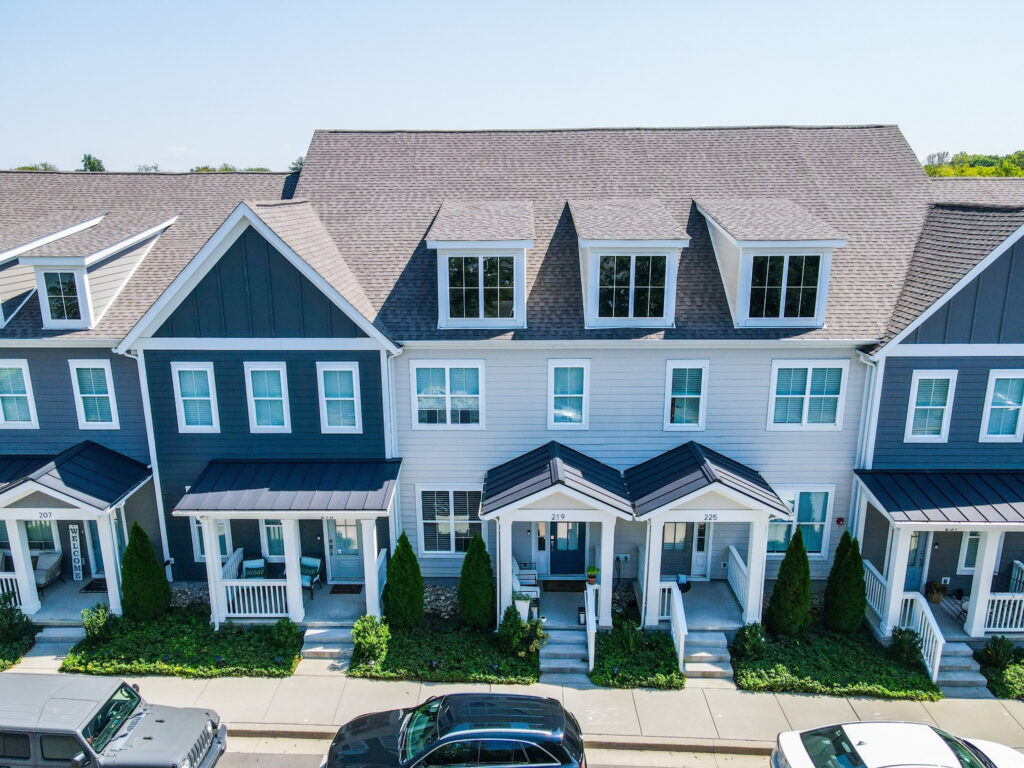
Ribbon Ln Property
Franklin, TN
🏠 Property: Ribbon Ln
🛏️ Beds/Baths: 2 Bed • 2.5 Bath • 1662 sqft
💰 Price: $569,999 | Rent: $3,000
📊 Cap Rate: 5.1% | NOI: $2,415
📅 Year Built: 2022
📐 Price/Sq Ft: $343
🏙️ Neighborhood: A-

VS

Chamberlain Blvd Property
Port Charlotte, FL
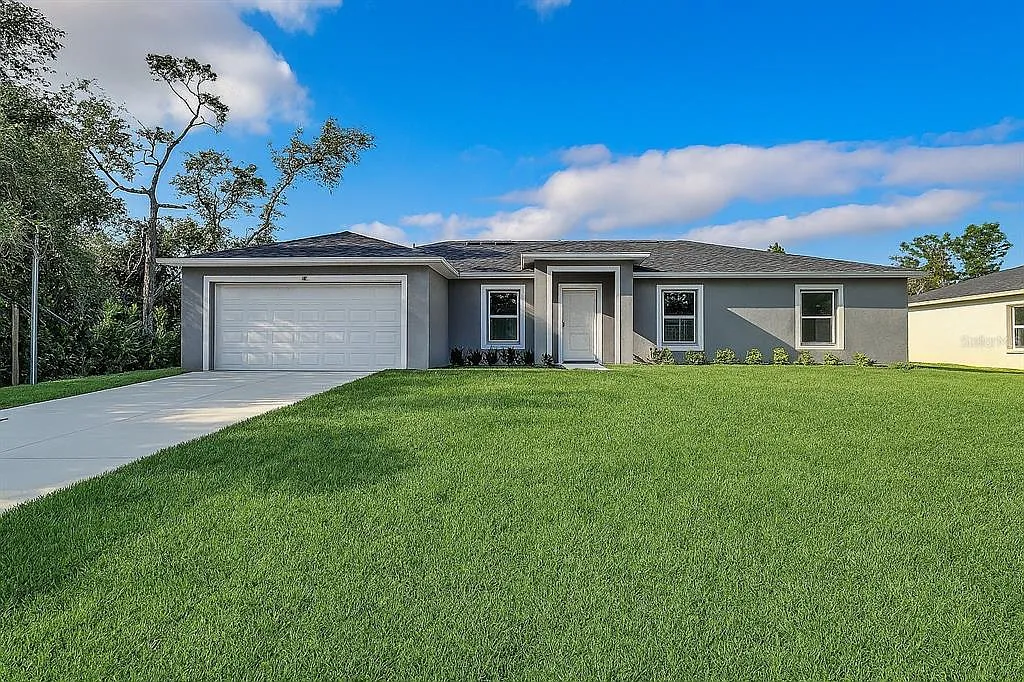
🏠 Property: Chamberlain Blvd
🛏️ Beds/Baths: 4 Bed • 2 Bath • 1617 sqft
💰 Price: $274,900 | Rent: $1,845
📊 Cap Rate: 5.4% | NOI: $1,231
📅 Year Built: 2023
📐 Price/Sq Ft: $171
🏙️ Neighborhood: A+

Out‑of‑State investors can compare Tennessee’s newer rental with higher NOI vs Florida’s A+ property with strong yield. Which fits YOUR investment strategy?

We have much more inventory available than what you see on our website – Let us know about your requirement.

📈 Choose Your Winner & Contact Us Today!

Speak to a Norada Investment Counselor (No Obligation):

(800) 611-3060

View All Properties

Invest Smart — Build Long-Term Wealth Through Turnkey Real Estate in 2026

Market forecasts suggest steady demand, making turnkey real estate one of the most reliable paths to passive income and wealth creation.

Norada Real Estate helps investors capitalize on these trends with turnkey rental properties designed for appreciation and consistent cash flow—so you can grow wealth securely while others wait for clarity in the market.

🔥 HOT 2026 INVESTMENT LISTINGS JUST ADDED! 🔥
Send Us An Email or Request a Call Back

Contact Us

Recommended Read:

  • Does the 1% Rule Say It’s Time to Refinance Your Mortgage in 2026?
  • Best Time to Refinance Your Mortgage: Expert Insights
  • Should You Refinance Your Mortgage Now or Wait Until 2026?
  • When You Refinance a Mortgage Do the 30 Years Start Over?
  • Should You Refinance as Mortgage Rates Reach Lowest Level in Over a Year?
  • Half of Recent Home Buyers Got Mortgage Rates Below 5%
  • Mortgage Rates Need to Drop by 2% Before Buying Spree Begins
  • Will Mortgage Rates Ever Be 3% Again: Future Outlook
  • Mortgage Rates Predictions for Next 2 Years
  • Mortgage Rate Predictions for Next 5 Years

Filed Under: Financing, Mortgage Tagged With: mortgage rates, Mortgage Refinance, Refinance Rates

Should You Refinance Your Mortgage Now or Wait Until 2027?

May 17, 2026 by Marco Santarelli

Should You Refinance Your Mortgage Now or Wait Until 2027?

Deciding whether to refinance your mortgage right now or hold off until 2027 is a big question for many homeowners. My advice, based on what I'm seeing and what the experts are saying, is straightforward: if your current mortgage rate is 7.25% or higher, refinancing now could save you a significant amount of money. However, if you're already sitting pretty with a rate below 7%, waiting until 2027 might be the smarter move.

Should You Refinance Your Mortgage Now or Wait Until 2027?

Let's face it, mortgage rates have been a rollercoaster ride. We saw some incredibly low rates not too long ago, and then they shot up pretty quickly. Now, the big question is: what's next? It’s easy to get caught up in the news and hear all sorts of predictions, but for your personal finances, you need a clear strategy. I’ve spent a lot of time looking at these numbers and talking to people who really understand the housing market, and I want to break down what makes the most sense for you.

Understanding the Current Rate Environment

Right now, the average rate for a 30-year fixed mortgage is hovering around 6.36%. This number might sound okay compared to where rates were, but it’s not quite low enough for everyone to benefit from refinancing. The main idea behind refinancing is to get a lower interest rate, which means lower monthly payments and less interest paid over the life of the loan. But, it's not as simple as just looking at the monthly savings. Refinancing comes with costs, and you need to make sure the savings outweigh those expenses.

Major players in the housing world, like Fannie Mae and the Mortgage Bankers Association, are predicting that rates will likely stay in the low 6% range through 2026 and into 2027. This means that holding out for a magical drop to 4% or 5% is probably not realistic in the current economic climate. We’ve seen rates go down before, but expecting a dramatic plunge right now isn't the most grounded approach.

When Does It Make Sense to Refinance Now?

So, who should be looking to refinance today?

  • Rates at 7.25% or Higher: If you bought or refinanced your home when interest rates were at their peak, you’re likely paying a lot more in interest than you need to. By refinancing now, you could potentially lower your rate by a full percentage point or more. This isn't just a small change; it can lead to substantial monthly savings and give you more breathing room in your budget. Plus, locking in a lower rate now can protect you from any future rate increases.

Why Waiting Until 2027 Might Be the Better Choice

For some homeowners, patience is a virtue.

  • Rates Between 6.5% and 7%: If your current rate falls in this range, the current average rate of 6.36% might not offer enough of a difference to make refinancing worthwhile. When you factor in the closing costs associated with a refinance (which can be 2% to 6% of your loan balance), the savings from a small rate drop might not cover those upfront expenses for a long time. Waiting until 2027 gives the market more time to potentially soften, with experts suggesting rates could dip into the mid-to-high 5% range. That’s a more significant drop that would make refinancing a much clearer win.
  • Rates Below 6%: If you managed to lock in a rate during the ultra-low pandemic era or a brief dip early in 2026, congratulations! You’re already in a fantastic position. Touching this kind of below-market rate through a refinance would likely cost you more in the long run, even if you get a slightly better rate for a short period. My strong advice here is to keep what you have.

The Crucial Step: Running a Break-Even Calculation

Refinancing isn't a freebie. It’s like taking out a new loan, and there are costs involved. These are called closing costs, and they typically add up to 2% to 6% of the total amount you’re borrowing. You absolutely need to do this calculation to see if refinancing is a smart financial move for you.

Here’s how to do it:

  1. Calculate Your Total Closing Costs: Let’s say you still owe $300,000 on your mortgage. If the closing costs are around 3% of that, you’re looking at roughly $9,000 upfront. Get an exact quote from a lender to know your numbers.
  2. Figure Out Your Monthly Savings: Compare your current monthly principal and interest payment with what a new loan at a lower rate would cost. Let’s say you save $200 per month.
  3. Determine Your Break-Even Point: This is the magic number – how long it will take for your savings to pay back your closing costs.
    • Break-Even Period (in Months) = Total Closing Costs / Monthly Savings
    • Using our example: $9,000 / $200 = 45 months.

    This means it would take you 45 months (almost 4 years) for the savings from refinancing to cover the upfront costs. If you plan to stay in your home for at least 4-5 years, then refinancing might make sense. If you plan to move sooner, you might not recoup your investment.

Hidden Dangers to Watch Out For

Beyond the basic numbers, there are a few things that can really throw a wrench in your refinancing plans if you’re not careful. I’ve seen people get caught out by these, and it’s worth being aware of them.

  • The “Resetting the Clock” Trap: This is a big one. Imagine you’re 5 years into a 30-year mortgage. If you refinance into another 30-year loan, you're effectively starting over and extending your total debt period to 35 years. Even if you save money each month, you could end up paying more interest over the life of the loan. To avoid this, consider refinancing into a shorter term, like a 15-year or 20-year fixed mortgage. While your monthly payments might be higher, you'll pay off your loan much faster and save a ton on interest.
  • Primary Home vs. Investment Property: The rules and rates change significantly if your home is no longer your primary residence. If you're thinking of turning your current home into a rental property and want to refinance, it’s generally better to do it now while it's still your main place of living. Loans for investment properties typically come with much higher interest rates, which would wipe out any potential savings.
  • Appraisal Risks in a Volatile Market: Home values can go up and down, especially in today's unpredictable market. If your home’s value has dropped since you bought it, a lower appraisal could reduce your home equity. This could, in turn, mean you have to start paying Private Mortgage Insurance (PMI) again, which adds to your monthly costs and eats away at your potential savings from refinancing.

Making the Right Decision for Your Future

Ultimately, the decision of whether to refinance now or wait until 2027 depends entirely on your individual circumstances. There's no one-size-fits-all answer.

My Personal Take: I lean towards advising homeowners to prioritize securing a lower rate if their current one is significantly higher, especially if they plan to stay put for a good number of years. The peace of mind and immediate cash flow improvement can be invaluable. However, if your rate is already decent, and you can tolerate the current economic fluctuations, waiting might indeed lead to a more favorable outcome down the line.

The most important thing is to do your homework, understand your numbers, and consider all these factors. Don't just rely on headlines; dig into the details that apply directly to your financial situation.

🏡 Two Premium turnkey real estate investments

Helena, AL
🏠 Property: Village Pkwy
🛏️ Beds/Baths: 3 Bed • 2.5 Bath • 1500 sqft
💰 Price: $300,000 | Rent: $1,925
📊 Cap Rate: 6.4% | NOI: $1,608
📅 Year Built: 2025
📐 Price/Sq Ft: $200
🏙️ Neighborhood: B

VS

Nashville, TN
🏠 Property: Winton Dr
🛏️ Beds/Baths: 3 Bed • 2.5 Bath • 1688 sqft
💰 Price: $360,000 | Rent: $2,100
📊 Cap Rate: 5.5% | NOI: $1,662
📅 Year Built: 2001
📐 Price/Sq Ft: $214
🏙️ Neighborhood: A

Alabama’s newer rental with solid cap rate vs Tennessee’s established A‑rated property with stability. Which fits YOUR investment strategy?

We have much more inventory available than what you see on our website – Let us know about your requirement.

📈 Choose Your Winner & Contact Us Today!

Speak to a Norada Investment Counselor (No Obligation):

(800) 611-3060

View All Properties

Build Passive Income & Wealth with Turnkey Rentals in 2026

Mortgage rates remain high in 2026, but rental properties continue to deliver strong cash flow and appreciation. Savvy investors know that turnkey real estate is the path to passive income and long‑term wealth.

Norada Real Estate helps you secure turnkey rental properties designed for immediate cash flow and appreciation—so you can invest smartly regardless of interest rate trends.

🔥 HOT 2026 INVESTMENT LISTINGS JUST ADDED! 🔥
Request a Callback / Fill Out the Form Online

Contact Us

Also Read:

  • Mortgage Rates Predictions Backed by 7 Leading Experts: 2025–2026
  • Mortgage Rate Predictions for the Next 3 Years: 2026, 2027, 2028
  • 30-Year Fixed Mortgage Rate Forecast for the Next 5 Years
  • 15-Year Fixed Mortgage Rate Predictions for Next 5 Years: 2025-2029
  • Will Mortgage Rates Ever Be 3% Again in the Future?
  • Mortgage Rates Predictions for Next 2 Years
  • Mortgage Rate Predictions for Next 5 Years

  • Mortgage Rate Predictions: Why 2% and 3% Rates are Out of Reach
  • How Lower Mortgage Rates Can Save You Thousands?
  • How to Get a Low Mortgage Interest Rate?
  • Will Mortgage Rates Ever Be 4% Again?

Filed Under: Financing, Mortgage Tagged With: mortgage rates, Mortgage Rates Today, Mortgage Refinance, Refinance Rates

Real Estate

  • Birmingham
  • Cape Coral
  • Charlotte
  • Chicago

Quick Links

  • Markets
  • Membership
  • Notes
  • Contact Us

Blog Posts

  • Today’s Mortgage Rates, July 11: 15-Year Rate Sees Biggest Drop of the Week at 5.82%
    July 11, 2026Marco Santarelli
  • Best Cities to Invest in Real Estate in 2026
    July 11, 2026Marco Santarelli
  • Mortgage Rates Today, July 11, 2026: 30‑Year Refinance Rate Rises by 8 Basis Points
    July 11, 2026Marco Santarelli

Contact

Norada Real Estate Investments 30251 Golden Lantern, Suite E-261 Laguna Niguel, CA 92677

(949) 218-6668
(800) 611-3060
BBB
  • Terms of Use
  • |
  • Privacy Policy
  • |
  • Testimonials
  • |
  • Suggestions?
  • |
  • Home

Copyright 2018 Norada Real Estate Investments

Loading...