Well, it’s July 11, 2026, and if you're thinking about refinancing your home, you've probably noticed that things are a bit… jumpy. Today, the average 30-year fixed refinance rate has nudged up by 8 basis points from last week, currently sitting at 6.83%, according to Zillow. This isn't a huge leap, but it’s a clear sign that rates aren't quite settling down yet. If you're one of the many homeowners looking to trim those monthly payments, it's a good time to pay close attention.
We've seen rates climb about 40 basis points over the last few months, bouncing back after hitting a low earlier this year. This kind of back-and-forth can be confusing, but understanding why it’s happening is key to making smart financial moves.
Mortgage Rates Today, July 11, 2026: 30-Year Refinance Rate Rises by 8 Basis Points
What's Driving These Rate Swings?
It feels like every time we get comfortable, something shifts. The main reason behind this recent upward pressure on mortgage rates is a combination of global worries and economic news. Think of it like a big, complex machine where one small gear turning can affect everything else.
One of the biggest whispers on the street has been the ongoing geopolitical situation, particularly involving Iran and its impact on oil prices. When oil prices jump, it often leads to fears of inflation creeping back into the economy. And wouldn’t you know it, inflation in the U.S. is still a bit higher than the Federal Reserve likes, currently running around 4.2% annually. This is a sticky situation because the Fed, under its new leadership, has made it pretty clear they're not going to start cutting interest rates until inflation really cools down.
This stance from the Fed directly impacts Treasury yields. Mortgage rates tend to follow the yields on 10-year Treasury notes, and with all this economic uncertainty and the government's debt levels, those yields have been staying stubbornly high. It's like a ripple effect, starting from global events and ending up right on your mortgage statement.
Breaking Down Today's Refinance Rates
So, what does this mean for you right now? Let’s look at the numbers as of today, July 11, 2026, with rates provided by Zillow.
| Loan Type | Today's Average Rate (July 11, 2026) | Previous Week's Average Rate | Change (Basis Points) |
|---|---|---|---|
| 30-Year Fixed Refi | 6.83% | 6.75% | +8 |
| 15-Year Fixed Refi | 5.95% | 5.94% | +1 |
| 5-Year ARM Refi | 6.25% | N/A | N/A |
Note: Rates can vary by lender and upfront fees.
As you can see, the 30-year fixed refinance rate has seen the most movement, ticking up. The 15-year fixed refinance rate is also inching up, just by 1 basis point. The 5-year ARM rate is holding steady at 6.25%.
It’s also worth noting that Zillow’s data shows national averages for 30-year fixed refinance rates are generally falling between 6.44% and 6.84%, depending on the lender and any fees you might pay upfront. For 15-year fixed refinance rates, they are more in the 5.70% to 6.28% range.
Who Should Be Thinking About Refinancing Now?
This is where my own experience really comes into play. I talk to people every day about their mortgages, and the “should I refinance?” question is a tough one, especially in a fluctuating market like this. It's not a one-size-fits-all answer.
If you bought your home between 2022 and 2025, you might have locked in a rate that was higher than today's offerings, maybe even above 7% or 8%. In that case, even with these slightly higher rates, refinancing into the mid-6% range could still save you a significant amount of money each month. I’ve seen clients save hundreds of dollars a month in these situations.
However, if you were lucky enough to get a mortgage with a rate below 5% during the pandemic years, I’d tell you to hold tight. Trying to refinance now might cost you more in fees than you'd save, and you’d be giving up a fantastic rate.
The Break-Even Point: More Than Just a Rule of Thumb
When you refinance, there are closing costs involved. These aren't small potatoes; they can often be 2% to 6% of your loan amount. So, it's crucial to figure out your break-even timeline. This is the point at which your monthly savings add up to cover those initial costs. I always advise my clients to calculate this precisely. Don't just use a generic “1% rule” – do the math for your specific situation.
Here’s a simple way to think about it:
- Calculate your total closing costs.
- Calculate your monthly savings (old payment minus new payment, after accounting for any changes in escrow).
- Divide total closing costs by monthly savings. This gives you your break-even in months.
If your break-even point is, say, 48 months (4 years), but you only plan to stay in your home for 3 years, it probably doesn’t make sense. But if you plan to stay for 10 years, it’s likely a great move.
Beyond Refinancing: Other Ways to Access Home Equity
Sometimes, refinancing isn't the best path, especially if you only need to borrow a bit of cash. If you're looking to do home improvements, consolidate debt, or cover unexpected expenses, you might want to consider other options before jumping into a cash-out refinance.
- Home Equity Line of Credit (HELOC): This works a bit like a credit card secured by your home. You can draw money as needed, up to a certain limit, and usually pay interest only on what you borrow. This can be cheaper than a cash-out refi because you keep your original, potentially lower, mortgage rate on the rest of your home's value.
- Second Mortgage: This is a lump-sum loan that sits behind your primary mortgage. It has its own fixed repayment schedule.
These alternatives can often be more cost-effective if your main goal isn't to lower your primary mortgage rate but simply to access funds.
Personalizing Your Rate: It's Not Just National Averages
I can’t stress this enough: the national average is just a starting point. What you qualify for can be very different. Lenders look at several things, and they have what are called Loan-Level Pricing Adjustments (LLPAs). These are basically adjustments made to your rate based on your personal financial profile.
Here's what really matters for your individual rate:
- Your Credit Score: A higher score generally means a lower rate.
- Your Debt-to-Income Ratio (DTI): Lenders want to see that you can comfortably handle your existing debts plus a new mortgage payment.
- Your Home Equity: How much of your home’s value do you actually own? More equity usually leads to better rates.
- Loan Type and Loan Amount: Different loan products and amounts can affect your rate.
My advice? Don't just look at Zillow or any other national site and assume that’s your rate. You need to get personalized quotes.
The Power of Shopping Around
This is perhaps the most powerful, yet most underutilized, strategy for homeowners. The difference in rates between lenders can be surprisingly large. Recent data suggests that if you shop around and get quotes from at least three different lenders, you could save an average of $78,000 over the life of your loan. That’s a life-changing amount of money!
Don't be afraid to negotiate. Let lenders know what other offers you've received. The mortgage market is competitive, and lenders want your business.
In conclusion, while the 30-year refinance rate has seen a slight increase today, July 11, 2026, it’s a dynamic market. Staying informed, understanding the driving factors, and most importantly, doing your homework by shopping around and getting personalized quotes are your best tools for navigating these waters and securing the best possible mortgage terms for your situation.
VS
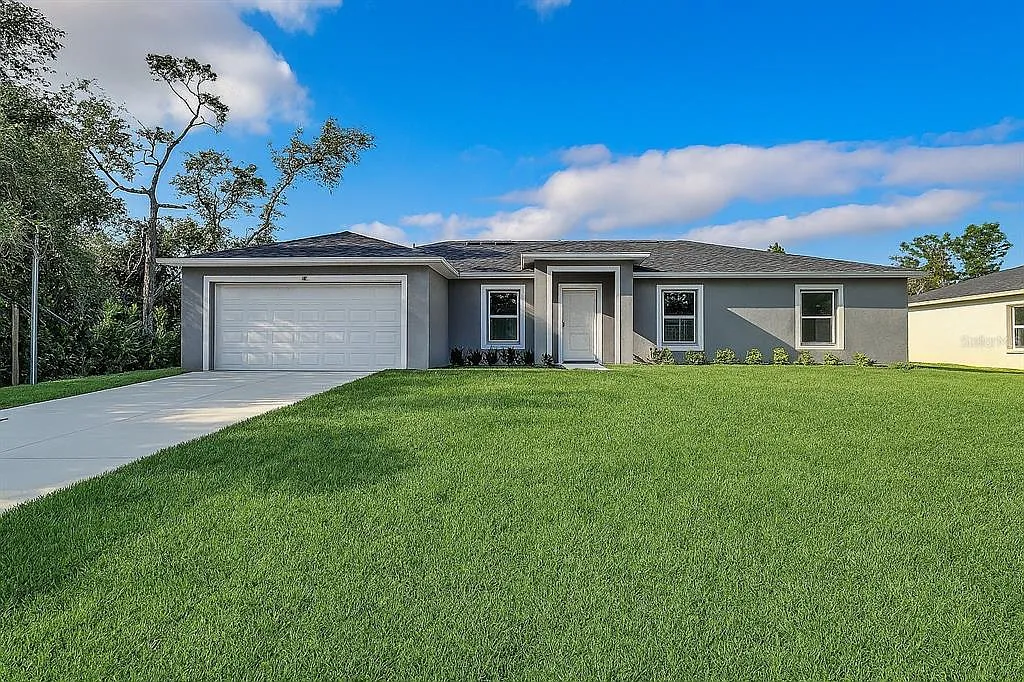
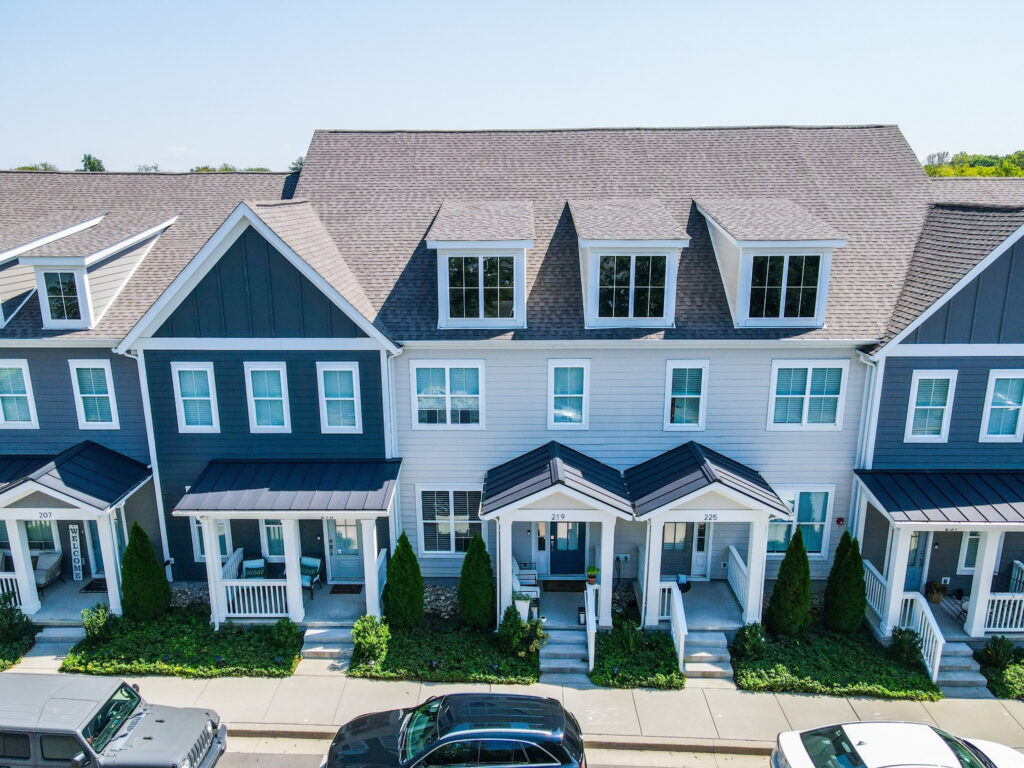
Out‑of‑State investors can compare Tennessee’s newer rental with higher NOI vs Florida’s A+ property with strong yield. Which fits YOUR investment strategy?
We have much more inventory available than what you see on our website – Let us know about your requirement.
📈 Choose Your Winner & Contact Us Today!
Speak to a Norada Investment Counselor (No Obligation):
(800) 611-3060
Mortgage rates remain high in 2026, but rental properties continue to deliver strong cash flow and appreciation. Savvy investors know that turnkey real estate is the path to passive income and long‑term wealth.
Norada Real Estate helps you secure turnkey rental properties designed for immediate cash flow and appreciation—so you can invest smartly regardless of interest rate trends.
Also Read:
- Mortgage Rates Predictions Backed by 7 Leading Experts: 2025–2026
- Mortgage Rate Predictions for the Next 3 Years: 2026, 2027, 2028
- 30-Year Fixed Mortgage Rate Forecast for the Next 5 Years
- 15-Year Fixed Mortgage Rate Predictions for Next 5 Years: 2025-2029
- Will Mortgage Rates Ever Be 3% Again in the Future?
- Mortgage Rates Predictions for Next 2 Years
- Mortgage Rate Predictions for Next 5 Years
- Mortgage Rate Predictions: Why 2% and 3% Rates are Out of Reach
- How Lower Mortgage Rates Can Save You Thousands?
- How to Get a Low Mortgage Interest Rate?
- Will Mortgage Rates Ever Be 4% Again?