If you're thinking about buying a home or refinancing your mortgage, you've probably noticed that things are getting a bit pricier. By July 2026, mortgage rates have jumped from a gentle 6.09% at the start of the year to over 6.5%. This isn't just random; it's a ripple effect from some big global and economic events.
I've been watching the housing market for a long time, and let me tell you, these shifts don't happen overnight. They're usually caused by a few powerful forces working together. In 2026, three main things are pushing mortgage rates higher: trouble in faraway places, prices going up for everyday stuff, and the Federal Reserve deciding to pump the brakes.
3 Main Forces Driving the Rise in Mortgage Rates in 2026
1. Global Jitters and the Oil Price Shock
One of the biggest reasons rates have climbed is because of a conflict that flared up again involving Iran. When tensions rise in that part of the world, it has a way of affecting things we all rely on, especially oil.
- Oil Prices Soar: When there's conflict, especially involving a major oil producer, it can really mess with the supply of oil. Imagine if your favorite toy factory suddenly had to close – there'd be fewer toys, and the ones left would cost more. That's pretty much what happened with oil, pushing prices well over $100 a barrel.
- The Ripple Effect on Bonds: Higher oil prices mean it costs more to make things and to ship them around. Think about the cost of gas for delivery trucks or the energy needed to power factories. This makes people worried that prices for everything else will start going up, too. When folks get worried about prices rising, they tend to sell things like bonds because they think those bonds won't be worth as much in the future. When lots of people sell bonds, their prices go down, and their yields (which is like the interest you get from them) go up. Since mortgage rates are closely tied to the 10-year Treasury yield, when that goes up, so do mortgage rates. It's like a domino effect.
2. Inflation Makes a Comeback
After things seemed to be cooling down a bit at the end of 2025, inflation, which is basically how much prices for things are going up, decided to surprise everyone and make a strong return.
- Hitting New Highs: Thanks to that oil price shock I just mentioned, the Consumer Price Index (CPI), which is a common way to measure inflation, shot up to 4.2% in May 2026. This was the highest it had been in quite a while, since way back in 2023.
- The Fed's Target: The Federal Reserve, the folks who manage our country's money supply, has a goal of keeping inflation around 2%. When inflation zooms way past that target, they have to do something about it. This rapid increase in prices made the market realize that the Fed would likely have to take action, leading to a quick repricing of long-term debts, including mortgages.
3. The Fed Puts on the Brakes
Because of that resurgent inflation and a strong job market, what people thought would happen with interest rates completely changed.
- No Quick Rate Cuts: Many people were hoping the Federal Reserve would lower interest rates in 2026 to make borrowing cheaper. But with inflation running high and jobs being plentiful (the unemployment rate stayed low at 4.3%), the central bank, now led by Chairman Kevin Warsh, decided it was best to hold steady. They kept their main interest rate between 3.5% and 3.75%.
- A “Hawkish” Stance: This means the Fed is now more focused on fighting inflation than on making borrowing cheaper. Experts on Wall Street, who try to guess what the Fed will do, have changed their minds. Many now think we won't see any interest rate cuts until the second half of 2027. Some even think the Fed might have to raise rates again to really get inflation under control. This shift in thinking by the Fed is a huge deal for mortgage rates.
Other Things Pushing Rates Up
Beyond these big headlines, there are some other financial pressures that are also keeping mortgage rates from going down.
- The National Debt: When the government borrows a lot of money, it has to sell more Treasury bonds to get it. To convince people to buy all those extra bonds, they have to offer higher interest rates, which again, pushes up overall borrowing costs, including for mortgages.
- How the Mortgage Market Works: The companies that buy mortgages from banks (like Fannie Mae and Freddie Mac) are also making adjustments. Plus, sometimes the general bond market gets a bit jumpy. These things can also make mortgage rates a little higher than they might normally be.
What This Means for You
Here's a quick look at what these forces mean for different types of mortgages right now, as of July 2026:
| Loan Type | Current Average Rate (July 2026) | Trend |
|---|---|---|
| 30-Year Fixed-Rate Mortgage | 6.43% – 6.56% | Going up due to energy |
| 15-Year Fixed-Rate Mortgage | 5.79% | Bounces around with Treasury |
| Adjustable-Rate Mortgages (ARM) | Approaching 10% market share | More people picking them |
It's interesting to see that more people are looking at ARMs, which can be cheaper at first but can cost more later. This is often a sign that buyers are trying to find ways to manage the higher monthly payments from these climbing fixed rates.
It’s a complicated picture, but understanding these forces helps us make sense of why mortgage rates are behaving the way they are.
VS
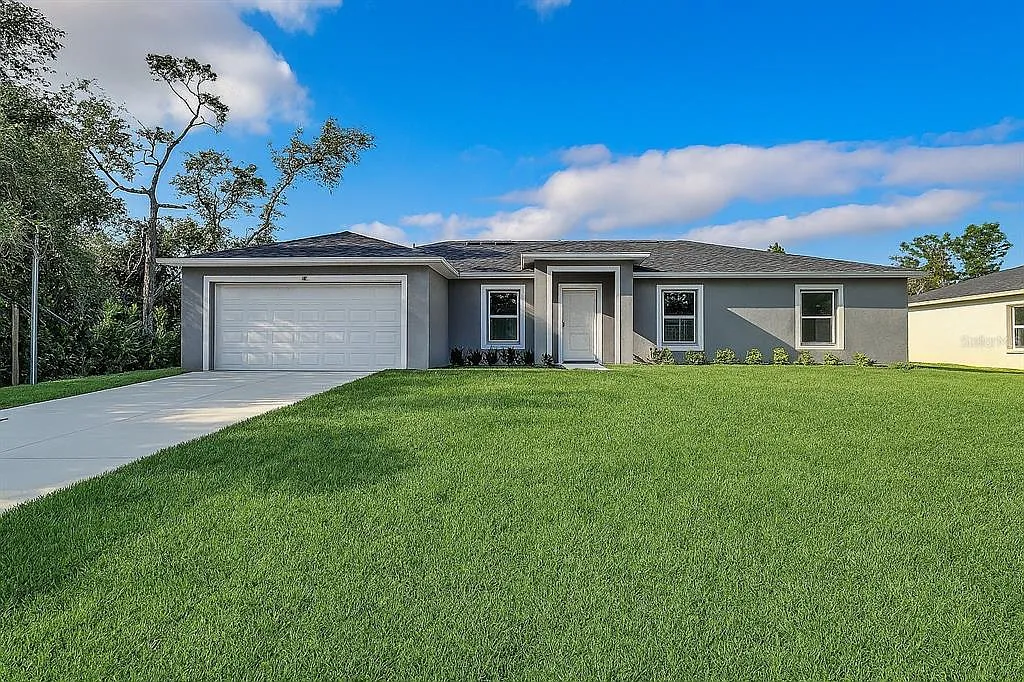
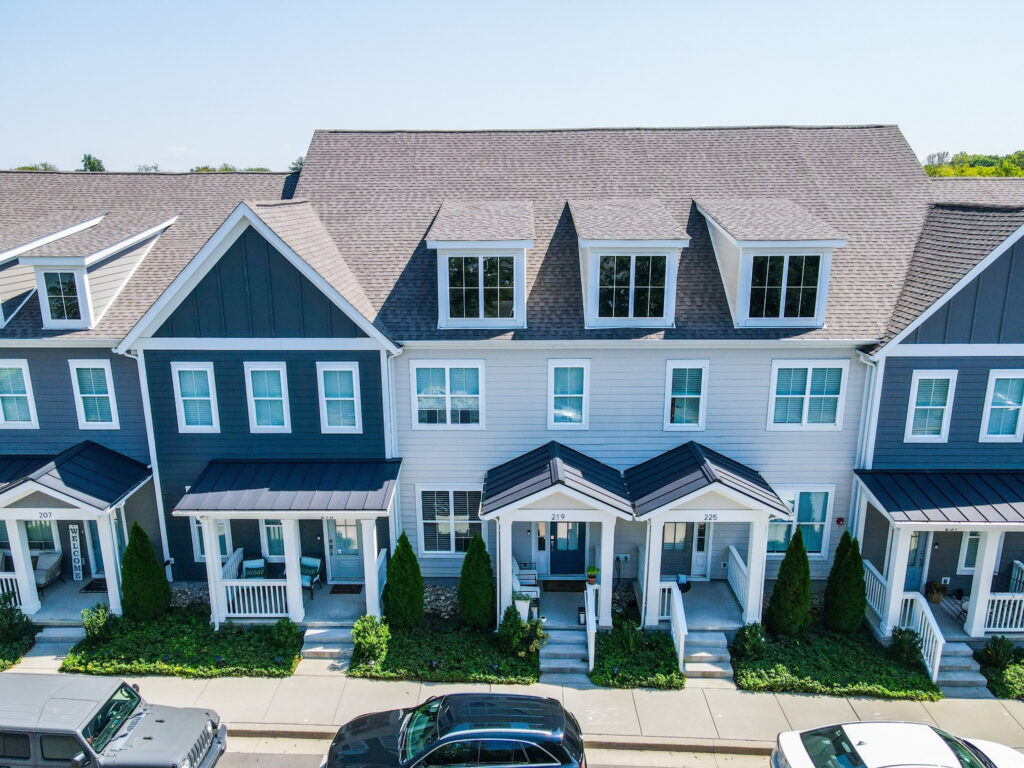
Out‑of‑State investors can compare Tennessee’s newer rental with higher NOI vs Florida’s A+ property with strong yield. Which fits YOUR investment strategy?
We have much more inventory available than what you see on our website – Let us know about your requirement.
📈 Choose Your Winner & Contact Us Today!
Speak to a Norada Investment Counselor (No Obligation):
(800) 611-3060
Mortgage rates remain high in 2026, but rental properties continue to deliver strong cash flow and appreciation. Savvy investors know that turnkey real estate is the path to passive income and long‑term wealth.
Norada Real Estate helps you secure turnkey rental properties designed for immediate cash flow and appreciation—so you can invest smartly regardless of interest rate trends.
Also Read:
- Mortgage Rates Predictions Backed by 7 Leading Experts: 2025–2026
- Mortgage Rate Predictions for the Next 3 Years: 2026, 2027, 2028
- 30-Year Fixed Mortgage Rate Forecast for the Next 5 Years
- 15-Year Fixed Mortgage Rate Predictions for Next 5 Years: 2025-2029
- Will Mortgage Rates Ever Be 3% Again in the Future?
- Mortgage Rates Predictions for Next 2 Years
- Mortgage Rate Predictions for Next 5 Years
- Mortgage Rate Predictions: Why 2% and 3% Rates are Out of Reach
- How Lower Mortgage Rates Can Save You Thousands?
- How to Get a Low Mortgage Interest Rate?
- Will Mortgage Rates Ever Be 4% Again?