
Norada Real Estate Investments

  • Home
  • Markets
  • Properties
  • Membership
  • Podcast
  • Learn
  • About
  • Contact

Best Real Estate Investment Markets for Cash Flow and Growth in 2026

February 8, 2026 by Marco Santarelli

Best Real Estate Investment Markets for Cash Flow and Growth in 2026

As we look ahead, the question on every real estate investor's mind is a simple one: “Where is the smart money going next?” Smart investors are buying real estate by largely skipping the overpriced coastal giants and are instead targeting high-growth Sun Belt metros and surprisingly resilient Midwest cities. These areas offer the perfect storm of affordability, strong job growth, and a steady stream of new residents, creating a fantastic environment for both appreciation and cash flow.

The days of blindly throwing money at any property and expecting it to double in value are long gone. Today's market requires a more surgical approach. It’s about finding markets where real people are moving for real jobs and a better quality of life. The investors who understand this fundamental shift are the ones who will be winning in early 2026.

Best Real Estate Investment Markets for Cash Flow and Growth in 2026

The Big Picture: What's Driving the 2026 Real Estate Market?

Before we dive into specific cities, it's crucial to understand the major trends pushing investors toward these particular markets. This isn't random; it's a calculated move based on powerful economic and social forces.

The Great Affordability Migration

For years, I've seen people get priced out of major hubs like New York and California. That trend isn't just continuing; it's accelerating. Families and young professionals are cashing out their limited equity (or escaping sky-high rents) and moving to places where their dollar goes further. They're looking for good schools, safe neighborhoods, and a mortgage that doesn't eat up half their income. The cities on our list are primary beneficiaries of this massive wealth and population transfer.

The Remote Work Effect is Permanent

While some companies have called employees back to the office, the hybrid and remote work revolution is here to stay. This has fundamentally untethered millions of workers from expensive downtown cores. They can now choose a city based on lifestyle and cost of living rather than proximity to a single building. This gives a huge advantage to cities with great amenities, outdoor access, and, most importantly, affordable housing.

The Unrelenting Hunt for Cash Flow

Ask any seasoned investor, and they'll tell you: appreciation is nice, but cash flow is king. In high-priced markets, it's nearly impossible to find a property where the rent covers the mortgage, taxes, and insurance. Smart investors are chasing “yield,” and they're finding it in the Midwest and the Sun Belt. These markets allow you to buy properties where the numbers actually make sense from day one, providing a stable income stream that insulates you from market fluctuations.

The Hot List: Top Cities for Real Estate Investing in 2026

So, where exactly should you be looking? Based on current migration patterns, job growth data, and affordability metrics, these are the cities that I believe offer the most compelling opportunities for investors in 2026.

I've grouped them by region to highlight the broader trends at play.

The Sun Belt Superstars: Florida & Texas

The magnetic pull of the Sun Belt is undeniable. Low taxes, business-friendly governments, and warm weather are a combination that's hard to beat.

  • Dallas, Texas: Dallas is an economic juggernaut. It’s not just a city; it’s a sprawling metroplex that continues to attract major corporate relocations. This isn't just about oil and gas anymore. We're talking finance, technology, and logistics. For investors, this means a deep and diverse pool of quality tenants. You can find everything from single-family rentals in the suburbs for long-term holds to multi-family units closer to the urban core.
  • San Antonio, Texas: While Dallas gets a lot of headlines, I tell investors not to sleep on San Antonio. It offers a lower cost of entry than Dallas or Austin but boasts a rapidly growing economy, especially in sectors like cybersecurity and bioscience. Its vibrant culture and history also make it a desirable place to live, ensuring consistent rental demand.
  • Jacksonville, Florida: Jacksonville is one of my favorite “under-the-radar” Florida markets. It's a major port city with a strong logistics and healthcare sector. Unlike South Florida, it offers more affordability and a more stable, less speculative market. The population is growing steadily, and its proximity to the coast without the Miami price tag is a huge draw for new residents.
  • Cape Coral / Port St. Lucie, Florida: I'm grouping these because they represent a similar trend: explosive growth in smaller, lifestyle-focused Florida cities. Cape Coral, near Fort Myers, and Port St. Lucie, on the Atlantic coast, are attracting retirees and families in droves. They offer the Florida dream—waterfront living and sunny skies—at a fraction of the cost of places like Naples or West Palm Beach. The key here is new construction and strong demand from a retiring population with stable incomes.

The Southeast Powerhouses: Carolinas & Tennessee

These states are blending Southern charm with modern economic dynamism, creating a potent mix for real estate investors.

  • Charlotte, North Carolina: Charlotte has firmly established itself as the second-largest banking center in the United States. That financial backbone provides high-quality jobs and economic stability. The city is clean, well-planned, and continues to expand outward, creating opportunities in surrounding sub-markets. It's a blue-chip choice for investors looking for long-term, stable growth.
  • Nashville, Tennessee: Music City is so much more than music these days. It's a major hub for the healthcare industry and has a booming tech scene. What I love about Nashville is its energy. It attracts a young, educated workforce, which is exactly the kind of tenant demographic you want. While prices have risen, they are still reasonable compared to coastal tech hubs, and the rental demand is off the charts.

The Midwest's Hidden Gems: Stability and Cash Flow

Don't let the lack of oceans or mountains fool you. The Midwest is where many investors are quietly building serious wealth through incredible cash flow.

  • Indianapolis, Indiana: “Indy” is a model of Midwest consistency. It has a diverse economy built on healthcare, logistics (it's called the “Crossroads of America” for a reason), and a growing tech sector. The real draw for investors is the price-to-rent ratio. You can buy quality single-family homes or small multi-family properties for a price that allows for significant monthly cash flow. It's one of the most landlord-friendly states in the country, which is a major bonus.
  • Kansas City, Missouri: Straddling two states, Kansas City is a vibrant and growing metro. It has a thriving arts and culture scene, great food, and a cost of living that is well below the national average. Major investments in its downtown core and a growing tech presence are attracting new residents. For an investor, this means you can get in on the ground floor of a city that is clearly on an upward trajectory.
  • Cleveland, Ohio: For years, Cleveland was a punchline. Not anymore. The city is in the midst of a remarkable comeback, anchored by its world-class healthcare institutions like the Cleveland Clinic and a surprisingly robust tech and biomedical industry. The “buy-in” price for property here is among the lowest on this list, making it an incredible market for pure cash-flow plays. The yields can be fantastic if you know which neighborhoods to target.

The Comeback Kid

  • Birmingham, Alabama: Similar to Cleveland, Birmingham is a city reinventing itself. Once an industrial steel town, it's now a hub for medical research and banking. The University of Alabama at Birmingham (UAB) is a massive employer and economic engine. Investors who get into Birmingham now are positioning themselves to benefit from the city's continued revitalization and growth, all while enjoying very low property prices.

At-a-Glance: Comparing the 2025 Hot Markets

To make it easier, here’s a simple table summarizing what makes each of these markets so attractive.

City Primary Investment Driver Key Strength(s) Investor Profile
Dallas, TX Corporate Relocation & Job Growth Diverse Economy, Strong Tenant Pool Growth & Appreciation
San Antonio, TX Affordability & Population Growth Lower Buy-in, Stable Military & Tech Sectors Balanced Growth & Cash Flow
Jacksonville, FL Population Influx & Logistics Steady Growth, Coastal Proximity Long-Term Hold, Stable Returns
Cape Coral, FL Retirement & Lifestyle High Demand from Retirees, New Construction Niche (Retirement Rentals)
Charlotte, NC Financial Sector Strength Blue-Chip Stability, Quality Tenants Low-Risk, Long-Term Appreciation
Nashville, TN Tech & Healthcare Boom Young Demographics, High Rental Demand Appreciation-Focused, High Growth
Indianapolis, IN Excellent Cash Flow Affordability, Landlord-Friendly Laws Cash Flow Focused
Kansas City, MO Revitalization & Affordability Low Cost of Living, Up-and-Coming Tech Scene Balanced (Cash Flow with Growth Pop)
Cleveland, OH Maximum Cash Flow Extremely Low Buy-in, Strong Healthcare Anchor Pure Cash Flow, Higher Risk/Reward
Birmingham, AL Economic Reinvention Low Entry Point, Medical Sector Growth Speculative Growth, Strong Cash Flow

How to Invest Smartly in These Markets

Finding the right city is only half the battle. Executing your strategy is what separates successful investors from the rest.

  1. Do Your Hyper-Local Homework: This article is your map, but you need to explore the terrain. Don't just invest in “Dallas”; invest in a specific neighborhood in a Dallas suburb that has great schools and low crime. Never buy a property sight-unseen. If you can't go yourself, have a trusted partner walk the property for you.
  2. Build a Local “A-Team”: You need a great real estate agent, a reliable property manager, and a good contractor in the city where you're investing. They are your eyes and ears on the ground. A good property manager is worth their weight in gold and is the key to successfully investing from a distance.
  3. The Numbers Must Work: Don't fall in love with a property. Fall in love with the deal. Run your numbers conservatively. Account for vacancies, repairs, and capital expenditures. If the property doesn't generate positive cash flow after all expenses, think twice before buying.

The future of real estate investing in the U.S. is bright, but it's not where it used to be. The smart money is moving inland, chasing affordability, jobs, and a better quality of life. By focusing on these dynamic Sun Belt and Midwest cities, you can position your portfolio for success in 2026 and for many years to come.

The Ultimate Guide to Passive Real Estate Investing

Download Your FREE Guide to Passive Real Estate Wealth

Real estate investing has created more millionaires than any other path—and this guide shows you how to start or scale with turnkey rental properties.

Inside, you’ll learn how to analyze cash flow and returns, choose the best markets, and secure income-generating deals—perfect for building long-term wealth with minimal hassle.

🔥 FREE DOWNLOAD AVAILABLE NOW! 🔥

Download

Smart Investors Are Buying Turnkey Deals in These Hot Markets

From Birmingham to San Antonio, savvy investors are locking in cash-flowing rental properties in high-demand cities—before prices rise and inventory tightens.

Norada Real Estate offers exclusive access to turnkey deals in Cape Coral, Charlotte, Cleveland, Dallas, Indianapolis, Jacksonville, Kansas City, Nashville, Port Charlotte, and more—perfect for building passive income and long-term wealth.

🔥 HOT 2026 LISTINGS JUST ADDED! 🔥

Speak to Our Investment Counselor (No Obligation):

(800) 611-3060

View Properties For Sale

Recommended Read:

  • How to Secure Your Retirement With Cash-Flowing Rental Properties
  • Why Turnkey Real Estate Still Beats Today's High Mortgage Rate Climate
  • Best Places to Invest in Single-Family Rental Properties in 2025
  • Why Real Estate Can Thrive During Tariffs Led Economic Uncertainty
  • Rise of AI-Powered Hyperlocal Real Estate Marketing in 2025
  • Real Estate Forecast Next 5 Years: Top 5 Predictions for Future
  • 5 Hottest Real Estate Markets for Buyers & Investors in 2025
  • Will Real Estate Rebound in 2025: Top Predictions by Experts
  • Recession in Real Estate: Smart Ways to Profit in a Down Market
  • Will There Be a Real Estate Recession in 2025: A Forecast
  • Will the Housing Market Crash Due to Looming Recession in 2025?
  • 4 States Facing the Major Housing Market Crash or Correction
  • New Tariffs Could Trigger Housing Market Slowdown in 2025
  • Real Estate Forecast Next 10 Years: Will Prices Skyrocket?

Filed Under: Real Estate, Real Estate Investing, Real Estate Market Tagged With: Real Estate Investing, Rental Properties, Turnkey Real Estate

Single-Family vs. Townhome: Which is the Real Cash Flow Winner for Investors?

February 8, 2026 by Marco Santarelli

Single-Family vs. Townhome: Which is the Real Cash Flow Winner for Investors?

If you’re serious about building wealth through rental properties, you’ve probably spent hours staring at listings, running numbers, and trying to decide: Do I go for the big, classic Single-Family Home (SFH), or do I lean into the efficiency of a townhome? This isn’t just a philosophical debate; it's a cold, hard math problem.

Single-Family vs. Townhome: Which is the Real Cash Flow Winner for Investors?

When we look strictly at the question of single-family home vs. townhome—specifically in terms of which yields better cash flow—my experience suggests that townhomes often deliver higher immediate gross cash flow due to their lower entry price. However, single-family homes tend to provide more reliable and stronger net cash flow over the long term, assuming capital expenditures are managed wisely. Ultimately, it comes down to control, predictability, and those sneaky monthly fees that can eat into returns.

I’ve owned both types of properties across several different markets, and what I’ve learned is that the difference between these two asset classes is far more complex than just comparing the monthly rent amount. It touches on financing, maintenance control, and most importantly, the psychological toll of unexpected bills. Let’s break down where the real money is made—or lost—in each investment type.

Why We Need to Talk About Net Cash Flow, Not Just Rent

When new investors talk about cash flow, they often get excited about the Gross Rent Multiplier or the high monthly rent check. But that initial rent check is just the starting point. The real game is net cash flow. This is the money left over after every expense is paid.

Think of it this way: a townhome might rent for $1,800, and a single-family home down the street might rent for $2,200. On the surface, the SFH looks better. But what if the SFH costs $300,000 and the townhome costs $200,000? Suddenly, the townhome requires less money down and produces a higher return relative to its cost. That’s the Rent-to-Value (RTV) ratio at work.

However, the townhome has an unavoidable $350 monthly Homeowners Association (HOA) fee, while the SFH has zero. Now, that initial cash flow advantage for the townhome starts to crumble.

To truly compare these two options, we must look at the following components of Net Cash Flow:

  1. Mortgage Payments: (Principal, Interest, Taxes, Insurance – PITI)
  2. Operational Expenses: (Repairs, Management Fees, Utilities if applicable)
  3. Capital Expenses (CapEx) Reserves: (Money set aside for future big repairs like roofs, HVAC)
  4. HOA Fees/Special Assessments: (The big differentiator)

The Single-Family Home (SFH) Investment Profile

Investing in SFHs is the classic real estate move for a reason. They offer the highest degree of control, which is the key to predictable cash flow.

Cash Flow Characteristic: Slower Start, Stronger Legs

The primary challenge with SFHs is the high entry barrier. They usually cost significantly more than an equivalent townhome in the same area. This means you need a larger down payment, which drags down your initial Cash-on-Cash Return.

However, once you are past that initial hurdle, the cash flow tends to be incredibly steady. Why? Because you are responsible for everything, which means you set the budget for maintenance.

Key Advantages for SFH Cash Flow:

  • Insurance Savings: While you pay 100% of the property insurance, you are not paying into a separate, often overpriced, HOA master policy.
  • Appreciation & Equity: SFHs generally appreciate faster because the tenant is renting both the structure and the land. Land appreciates; buildings depreciate. This stable equity build-up provides a strong safety net for refinancing or selling later.
  • Maintenance Control: When the roof leaks, I call my roofer, not a slow-moving HOA board. This control minimizes downtime and prevents expensive, unplanned special assessments from hitting my reserves.

Where cash flow gets hit hardest with an SFH is during turnover. When a roof, HVAC system, or water heater goes out, it’s 100% your responsibility, and that single event can wipe out an entire year’s worth of cash flow. This is why disciplined CapEx saving is non-negotiable for SFHs. I typically budget 10% of gross rent for annual repairs and maintenance, plus an additional $200-$300 per month for CapEx reserves on major systems.

The Townhome Investment Profile

Townhomes, typically attached structures that share at least one wall, are often the darling of investors with smaller capital pools. They offer a fantastic entry point into specific neighborhoods that might otherwise be too expensive for a detached home.

Cash Flow Characteristic: High Immediate Yield, High Fee Volatility

Because a townhome costs less than a comparable SFH, the RTV ratio is often highly favorable. If you can buy a $250,000 townhome that rents for $1,800, that looks great compared to a $400,000 SFH that rents for $2,200. Your initial cash-on-cash return will likely be higher on the townhome.

But there is a cash flow predator lurking in the shadows: The HOA Conundrum.

The Problem with the HOA Fee:

The HOA fee is the single biggest threat to sustainable townhome cash flow. When I analyze a townhome deal, I treat the HOA fee as a non-negotiable, fixed operational cost that offers zero tax benefit (unlike mortgage interest or property taxes).

The HOA fee covers external maintenance (roofs, siding, common areas, sometimes water/trash). This sounds great because it shifts the burden of CapEx. However, you are losing control and introducing unpredictability.

Cash Flow Hurdle Description Impact on Net Cash Flow
Rising Fees HOAs raise fees annually, often matching inflation or more. You cannot raise the rent fast enough to always cover these unpredictable hikes. Eats into monthly net profit.
Special Assessments If the HOA reserve fund is poorly managed or a catastrophic event occurs (like the need for an entire community roof replacement), the HOA can levy a massive, one-time bill (e.g., $5,000 to $20,000). Can instantly erase years of positive cash flow.
Rental Restrictions Many HOAs cap the number of units that can be rented out. If the cap is full, you cannot rent your unit, leading to zero cash flow and a massive liability. Risk of total rental income loss.

In my experience, SFH repairs are predictable and manageable through disciplined saving. Townhome special assessments are financial hand grenades—they detonate without warning and are non-negotiable.

Deep Dive: The Hidden Costs That Steal Cash Flow

To truly compare the net cash flow of both property types, we have to look past the rent and the mortgage payment and focus on the less obvious operational expenses.

1. Insurance Costs: The Policy Split

For an SFH, you purchase one master insurance policy (HO-3), covering the structure, liability, and contents. Simple.

For a townhome, insurance often splits into two parts:

  1. Master Policy (HOA): Covers the exterior structure, roof, and common areas. You pay for this through your HOA dues.
  2. H0-6 Policy (Investor): Covers the interior “walls-in,” your liability, and your tenant’s belongings (if applicable).

If the HOA’s master policy has a high deductible (say, $10,000), and a minor roof leak happens, the HOA might refuse to pay, leaving you stuck with the repair bill. If your investor policy covers things the HOA thought they covered, you might be double-paying. I always spend extra time reviewing the HOA master policy documents; ignoring them is the fastest way to invite negative cash flow surprises.

2. Vacancy Rates and Tenant Profile

Cash flow stops dead when a unit is vacant. While both property types can attract quality tenants, the turnover frequency often differs.

SFH tenants tend to be long-term renters (families, those with pets, or people who want a yard). They are generally willing to sign multi-year leases, which provides unparalleled cash flow security.

Townhome tenants often include young professionals, couples, or downsizers. While great tenants, they might be more transient, often moving after 12 to 18 months. Higher turnover means more maintenance costs, more downtime, and therefore, lower total annual cash flow.

The Golden Ratio: When Townhomes Win the Initial Battle

There is one area where the townhome unequivocally shines: the Return on Investment (ROI) for limited capital.

Let’s say you have $70,000 to invest.

  • You could maybe buy one SFH, but you might need to use that capital for the down payment, closing costs, and leaving almost nothing for reserves.
  • You could potentially buy two townhomes, splitting the capital across two lower-priced units.

Diversification is a cash flow guard. If one townhome unit sits vacant for two months, you still have rent coming in from the second unit. If your single SFH sits vacant, your cash flow is zero. This factor is crucial for new investors prioritizing diversification and high immediate cash-on-cash return.

Comparison Point Single-Family Home (SFH) Townhome
Initial Cost Higher Lower
Immediate Cash Flow (Gross) Lower RTV Ratio Higher RTV Ratio (often)
Long-Term Net Cash Flow More predictable and stable Highly susceptible to HOA/Assessments
Maintenance Control 100% Control (Highest CapEx burden) Shared Control (Lower personal CapEx, higher fee risk)
Tenant Stability Typically longer tenancy (good for cash flow) Shorter tenancy common (higher turnover)
Exit Strategy Better long-term appreciation potential Higher liquidity (easier to sell quickly)

My Personal Take: When Does One Outshine the Other?

When deciding between these two property types, I don't look at which one always yields better cash flow; I look at which one provides better cash flow relative to my investment goals.

Choose the Single-Family Home if:

  • You have a higher budget and are focused on long-term wealth building through equity and depreciation benefits.
  • You prioritize control and predictability. You would rather have a large, planned expense ($15,000 for a new roof) than a sudden, unplanned assessment ($8,000 levied by an HOA).
  • Your strategy relies on attracting and retaining long-term tenants.

Choose the Townhome if:

  • You have limited capital and need the highest immediate cash-on-cash return to reinvest quickly.
  • You prefer a more hands-off investment where exterior maintenance is handled (even if you pay for it via fees).
  • The HOA is very well managed with high reserves, low fees, and proven stability—a rare but powerful combination.

Ultimately, cash flow success rests on the foundation of minimizing unpredictable risk. Because the Single-Family Home allows me to directly manage my expenses and maintenance timeline, eliminating the financial chaos of external fees and assessments, I firmly believe it offers a better path for sustainable, long-term net cash flow generation. The slightly lower immediate yield is a small price to pay for that level of financial control and peace of mind. You are the boss, and in real estate investing, the boss gets to choose the budget.

The Ultimate Guide to Passive Real Estate Investing

Download Your FREE Guide to Passive Real Estate Wealth

Real estate investing has created more millionaires than any other path—and this guide shows you how to start or scale with turnkey rental properties.

Inside, you’ll learn how to analyze cash flow and returns, choose the best markets, and secure income-generating deals—perfect for building long-term wealth with minimal hassle.

🔥 FREE DOWNLOAD AVAILABLE NOW! 🔥

Download

Single-Family vs. Townhome: Which Delivers Stronger Cash Flow?

Both property types offer unique advantages—but smart investors are comparing HOA fees, tenant demand, and maintenance costs to find the better-performing asset.

Norada Real Estate helps you analyze cash flow potential across markets—so you can choose the right property type for your goals and build passive income with confidence.

🔥 HOT NEW LISTINGS JUST ADDED! 🔥

Speak to Our Investment Counselor (No Obligation):

(800) 611-3060

Get Started Now

Recommended Read:

  • 5 Hottest Florida and Texas Markets for Real Estate Investors in 2025
  • Best Places to Invest in Real Estate This November 2025
  • How to Secure Your Retirement With Cash-Flowing Rental Properties
  • Why Turnkey Real Estate Still Beats Today's High Mortgage Rate Climate
  • Best Places to Invest in Single-Family Rental Properties in 2025
  • Why Real Estate Can Thrive During Tariffs Led Economic Uncertainty
  • Rise of AI-Powered Hyperlocal Real Estate Marketing in 2025
  • Real Estate Forecast Next 5 Years: Top 5 Predictions for Future
  • 5 Hottest Real Estate Markets for Buyers & Investors in 2025
  • Will Real Estate Rebound in 2025: Top Predictions by Experts
  • Recession in Real Estate: Smart Ways to Profit in a Down Market
  • Will There Be a Real Estate Recession in 2025: A Forecast
  • Will the Housing Market Crash Due to Looming Recession in 2025?
  • 4 States Facing the Major Housing Market Crash or Correction
  • New Tariffs Could Trigger Housing Market Slowdown in 2025
  • Real Estate Forecast Next 10 Years: Will Prices Skyrocket?

Filed Under: Real Estate, Real Estate Investing Tagged With: cash flow, Real Estate Investing, Single-Family Homes, Townhome

Turnkey Rentals With Tenants in Place: High Cash Flow or Hidden Risk?

February 6, 2026 by Marco Santarelli

Turnkey Rentals With Tenants in Place: High Cash Flow or Hidden Risk?

Imagine this: You close on a property on Friday. By Monday, rent is already flowing into your bank account. No frantic calls to contractors, no late-night plumbing emergencies, and certainly no vacant months eating away at your profits. The tenant is already living happily in their new home, the property looks fantastic, and your investment is working for you from the very first day.

This isn't a fantasy. It's the reality thousands of smart investors are experiencing with turnkey rental properties that come with tenants already in place. While skeptics whisper about “hidden risks,” the truth is far more exciting: this strategy, when approached thoughtfully, delivers exactly what busy professionals and growth-focused investors crave—strong cash flow, excellent returns, and remarkably minimal hassle. Let’s get straight to the heart of why this strategy is so powerful.

Turnkey Rentals With Tenants in Place: High Cash Flow or Hidden Risk?

Why “Tenants in Place” is Actually Your Biggest Advantage (Not a Red Flag)

Many people new to real estate investing get a little hesitant when they hear “tenants in place.” They worry about inheriting someone else's problems. But I want you to flip that thinking. A qualified, rent-paying tenant isn't a burden; they are a valuable asset. Here’s what you’re truly gaining when you buy a property that’s already occupied:

  • Immediate Income: Your property starts generating rent the moment you take ownership. You bypass the typical 60–90 days owners often face during marketing, tenant screening, and move-in periods. That’s thousands of dollars in immediate income that directly boosts your returns from day one.
  • Pre-Vetted Occupancy: Trustworthy turnkey providers don't just hand over any tenant. They deliver renters who have passed rigorous checks—including credit reports, income verification, and rental history—and have already demonstrated they pay on time in that specific property. You're stepping into stability, not uncertainty.
  • Time Freedom Means Life Freedom: While traditional real estate investors might spend their weekends wrestling with renovations or chasing down handymen, you're free to focus on growing your portfolio, enjoying time with your family, or excelling in your career. Turnkey rentals with tenants in place transform real estate from a part-time job into a truly passive income stream.
  • Predictable Returns for Portfolio Growth: With rent already coming in and expenses generally stabilized, you can accurately predict your cash flow and return on investment. This predictability is crucial for confidently acquiring your second, third, and even tenth property, allowing you to build wealth much faster without all the guesswork.

Addressing Concerns: The Smart Investor's Playbook

Of course, thorough due diligence is always essential. But the “risk” involved shrinks considerably when you choose to partner with the right kind of provider. Here’s how experienced investors approach this with confidence:

  • Seek Providers with “Skin in the Game”: I always recommend working with companies that stand behind their work. This means they guarantee their renovations, their property management services, and importantly, their tenant placement. Many reputable turnkey operators offer warranties on their renovations for 12–24 months. Some will even re-tenant the property at their own expense if a qualified tenant moves out unexpectedly within the first year. That shows they’re confident in their process.
  • Review the Paperwork, Not Just the Property: Don’t be shy about asking for details. You should always request to see:
    • The current lease agreement
    • Recent rent payment history for the property
    • A full scope of the renovations performed, including any warranties
    • The property management agreement, with a clear breakdown of fees
      A good, honest provider will welcome these questions. In fact, they’ll likely be proud of the systems they have in place.
  • Focus on Markets Built for Landlords: The best turnkey opportunities are typically found in states that are generally favorable to landlords and have strong demand for rental housing. Think of places like Indianapolis, Cleveland, or Kansas City. These markets often offer stable occupancy, rental rates that comfortably cover expenses and provide positive cash flow relative to the purchase price, and legal structures that protect responsible property owners.

The Real Hidden Risk? Not Starting

While some cautious investors might get bogged down debating hypothetical pitfalls, proactive investors are quietly building portfolios that are generating significant monthly passive income—whether that’s $2,000, $5,000, or even more. They understand that the biggest risk in building wealth isn't a minor repair or a tenant changing their mind; it's the paralysis that comes from overthinking and never taking action.

Turnkey rentals with tenants in place effectively eliminate many of the steepest hurdles that stop new investors:

  • You don't need to be a construction expert.
  • You skip the often-tricky learning curve of finding and screening tenants yourself.
  • You avoid the frustrating months of zero income while you get your property ready and find a renter.

Essentially, you get to fast-forward straight to the rewarding part of real estate investing.

Your Next Move Toward Effortless Income

This isn't about finding some magical shortcut that requires no effort. It’s about strategically taking advantage of systems that experienced operators have spent years perfecting through hundreds of transactions. Why reinvent the wheel when you can benefit from their hard-earned expertise?

The path forward is actually quite straightforward:

  1. Educate Yourself on Quality: Understand what makes a reliable turnkey provider. Look for a proven track record, a commitment to transparency, and solid warranties.
  2. Start Small, Learn Big: Begin with one well-vetted property. This allows you to experience the turnkey model firsthand and build your confidence.
  3. Reinvest and Scale: Use the cash flow generated from your initial investment to acquire more properties. Many investors successfully acquire 3–5 properties within just 24 months using this exact strategy.

Turnkey rentals with tenants in place are not a risky gamble. They are a refined system designed to generate reliable income with significantly less hands-on effort. In today's world, where our time is often our most precious and limited resource, this approach isn't just convenient; it’s truly transformative.

Your future self, the one enjoying consistent rent deposits while comfortably sipping coffee on a quiet Tuesday morning, will be incredibly grateful you decided to start today.

Turnkey Rentals: Your Fast Track to Passive Income

Norada Real Estate helps investors secure turnkey properties in high‑growth markets—delivering immediate cash flow and long‑term wealth opportunities for buyers ready to capitalize on 2026 trends.

🔥 HOT 2026 INVESTMENT LISTINGS JUST ADDED! 🔥
Request a Callback / Fill Out the Form Online

(800) 611-3060

Contact Us

Recommended Read:

  • Best Turnkey Rental Markets in Texas for Out-of-State Investors (2026)
  • Best Places to Invest in Single-Family Rental Properties in 2025
  • Why Real Estate Can Thrive During Tariffs Led Economic Uncertainty
  • Rise of AI-Powered Hyperlocal Real Estate Marketing in 2025
  • Real Estate Forecast Next 5 Years: Top 5 Predictions for Future
  • 5 Hottest Real Estate Markets for Buyers & Investors in 2025
  • Will Real Estate Rebound in 2025: Top Predictions by Experts
  • Recession in Real Estate: Smart Ways to Profit in a Down Market
  • Will There Be a Real Estate Recession in 2025: A Forecast
  • Will the Housing Market Crash Due to Looming Recession in 2025?
  • 4 States Facing the Major Housing Market Crash or Correction
  • New Tariffs Could Trigger Housing Market Slowdown in 2025
  • Real Estate Forecast Next 10 Years: Will Prices Skyrocket?

Filed Under: Passive Income, Real Estate, Real Estate Investing, Real Estate Market Tagged With: Real Estate Investing, Rental Properties, Turnkey Real Estate, Turnkey Rentals

Indianapolis Emerges as the Best Housing Market for Buyers and Investors in 2026

February 5, 2026 by Marco Santarelli

Indianapolis Emerges as the Best Housing Market for Buyers and Investors in 2026

If you've been dreaming of owning a home or building your investment portfolio, then you'll want to pay close attention to Indianapolis in 2026. Based on Zillow's comprehensive analysis of the nation's 50 largest housing markets, Indianapolis stands out as the number one most buyer-friendly city for 2026. It's not just the best place for individuals looking for their dream home; it's also emerging as a prime destination for savvy rental property investors seeking both a stable market and strong potential returns.

For years, many prospective homebuyers have navigated a challenging housing market, marked by fierce competition and soaring prices. However, Zillow's outlook for 2026 paints a more optimistic picture, suggesting a market that's settling into a healthier balance. This shift is particularly pronounced in places like Indianapolis, where buyers and investors alike can find more breathing room, better value, and the potential for long-term growth.

Indianapolis Emerges as the Best Housing Market for Buyers and Investors in 2026

What Makes Indianapolis the Top Choice for Buyers and Investors?

Zillow's ranking isn't just about throwing darts at a map; it's based on a deep dive into key metrics that truly benefit those looking to buy property. When we talk about a “buyer-friendly” market, we're focusing on a few critical elements that Indianapolis excels in:

  • Exceptional Affordability: This is where Indianapolis truly shines. With a typical home value of $283,040 as of December 2025, it's significantly more accessible than many other major metropolitan areas. More importantly, the share of median household income needed for a typical mortgage payment is a wallet-friendly 26.9%. This means a larger portion of your income is freed up for savings, investments, or other life expenses—a huge advantage for both homeowners and landlords looking to maximize cash flow.
  • Favorable Market Momentum (Cooling Now, Upside Ahead): Zillow's analysis shows that while Indianapolis's home values are seeing a modest monthly increase of 0.2%, the market isn't experiencing the overheated growth seen elsewhere. Crucially, the forecasted annual home value appreciation is a healthy 2.9%. This combination offers the best of both worlds: an attractive entry point today with solid expectations for growth tomorrow. For investors, this means a good absorption rate for rentals and a steady increase in property value over time.
  • Less Buyer Competition and More Negotiating Leverage: A lower “market heat index” indicates less competition for homes. In Indianapolis, this translates to more time to make decisions, a reduced risk of stressful bidding wars, and a greater ability to negotiate favorable terms with sellers. For rental investors, this means a more straightforward acquisition process and potentially better deals on properties.

Indianapolis: A Closer Look at the Numbers

Let's break down why Indianapolis consistently scores high in Zillow's analysis:

Feature Indianapolis, IN Why It Matters for Buyers & Investors
Typical Home Value (Dec. 2025) $283,040 Significantly below the national average for major metros, making homeownership and property acquisition more attainable.
Home Value Monthly Change (Dec. 2025) 0.2% Indicates a stable market without the frantic price surges of more overheated areas, offering a predictable entry point.
Forecasted Annual Home Value Change 2.9% Suggests consistent, long-term appreciation, a vital factor for both homeowners building equity and investors looking for capital gains. This is a strong indicator of a market that is growing sustainably.
Share of Median Household Income for Mortgage 26.9% One of the lowest on Zillow's list among major metros. This affordability means more disposable income for homeowners and higher potential cash flow for rental property owners. It's a critical driver of economic stability and investment attractiveness.
Overall Buyer-Friendliness Rank #1 This comprehensive ranking solidifies Indianapolis as the ultimate destination for buyers seeking a combination of affordability, upside potential, and a less competitive environment.

Why Rental Property Investors Should Take Note of Indianapolis

Beyond being a fantastic place to buy a primary residence, Indianapolis's market dynamics make it exceptionally appealing for rental property investors. My own observations of investor trends point to cities with strong affordability and stable job markets as prime real estate for long-term success.

  1. Strong Rental Demand: With a significant portion of the population needing housing, but a substantial barrier to entry for homeownership in many other cities, the demand for rental properties in Indianapolis is robust. The affordability of homeownership in Indy also means that more people are choosing to buy here, but there's still a healthy rental market driven by students, young professionals, and families who may not be ready to buy or prefer the flexibility of renting.
  2. Higher Potential for Cash Flow: The lower purchase prices combined with the affordability for renters mean that rental income can more easily cover mortgage payments, property taxes, insurance, and maintenance, leaving a positive cash flow. This is the holy grail for any real estate investor.
  3. Appreciation Potential: While the immediate concern for many investors is cash flow, Zillow's forecast of 2.9% annual home value appreciation is a strong indicator of future capital gains. This means your investment is not only generating income but also growing in value.
  4. Diversified Economy: Indianapolis has a diverse economy with strengths in healthcare, education, life sciences, advanced manufacturing, and logistics. This economic stability translates to a more resilient job market, which in turn supports consistent demand for housing, both for ownership and rental.
  5. Less Competition for Investment Properties: Just as the general buyer market is less competitive, so too is the market for acquiring investment properties in Indianapolis. This allows investors to be more strategic, potentially secure better deals, and avoid the bidding wars that plague more saturated markets.

Beyond Indianapolis: Other Promising Markets

While Indianapolis is clearly leading the pack, it's also worth noting that other cities like Atlanta, GA, Charlotte, NC, Jacksonville, FL, and Oklahoma City, OK also made the top five in Zillow's buyer-friendly rankings. These cities offer similar advantages, though Indianapolis consistently provides the best combination of affordability and growth potential. For instance, Oklahoma City offers even lower home prices and mortgage burdens, making it another excellent contender for investors on a budget, while Atlanta and Charlotte provide strong economies with good rental demand. However, for the sweet spot of affordability, growth, and overall buyer advantage, Indianapolis is the undisputed champion.

Final Thoughts: A Smart Move for the Long Term

Having followed housing market trends for years, I can confidently say that Indianapolis represents a unique opportunity in 2026. It’s a market that rewards careful planning and strategic investment. For anyone looking to buy their first home, a larger family home, or to expand their real estate portfolio, Indianapolis offers a compelling combination of affordability, stability, and growth that’s hard to beat.

The fact that Indianapolis is recognized both as the most buyer-friendly market and a hot spot for rental investors is a powerful signal. It indicates that the fundamentals are strong, supporting both personal homeownership and investment ventures. In a world where real estate can feel increasingly expensive and complex, Indianapolis offers a refreshing and genuinely advantageous path forward.

Invest in Indianapolis Turnkey Rentals

Indianapolis continues to shine as one of the Midwest’s most affordable and high‑growth rental markets, making ita  prime target for investors seeking consistent cash flow.

Norada Real Estate helps you capture these opportunities with turnkey rental properties in Indianapolis—designed to generate passive income and long‑term wealth while minimizing the headaches of property management.

🔥 2026 INVESTMENT Deals JUST ADDED! 🔥
Speak to Our Investment Counselor Today (No Obligation):
(800) 611-3060

View All Properties

Also Read:

  • Best Neighborhoods to Invest in Indianapolis Rental Properties in 2026
  • Why Investors Are Buying New-Build Turnkey Rentals Across Multiple Markets
  • Top Real Estate Investment Markets to Watch in 2026
  • Top 10 Most Popular Housing Markets of 2025 for Homebuyers
  • Will Real Estate Rebound in 2026: Top Predictions by Experts
  • Housing Market Predictions for the Next 4 Years: 2026, 2027, 2028, 2029
  • Housing Market Predictions for 2026 Show a Modest Price Rise of 1.2%
  • Housing Market Predictions 2026 for Buyers, Sellers, and Renters
  • 12 Housing Markets Set for Double-Digit Price Decline by Early 2026
  • Real Estate Forecast: Will Home Prices Bottom Out in 2025?
  • Housing Markets With the Biggest Decline in Home Prices Since 2024
  • Why Real Estate Can Thrive During Tariffs Led Economic Uncertainty
  • Rise of AI-Powered Hyperlocal Real Estate Marketing in 2025
  • Real Estate Forecast Next 5 Years: Top 5 Predictions for Future
  • 5 Hottest Real Estate Markets for Buyers & Investors in 2025

Filed Under: Housing Market, Real Estate Investing, Real Estate Market Tagged With: Housing Market, Indianapolis, Real Estate Investing, Turnkey Properties

Why Real Estate Can Thrive During Tariffs Led Economic Uncertainty

February 4, 2026 by Marco Santarelli

Why Real Estate Can Thrive During Tariffs Led Economic Uncertainty

Is economic uncertainty giving you the jitters? While tariffs and market volatility might sound scary, believe it or not, real estate can actually thrive during tariffs-led economic uncertainty. It's all about understanding market dynamics and employing creative strategies. In this article, I'll share my insights on how you can leverage market fluctuations to your advantage and why real estate can be a safe haven when other investment options seem risky.

Why Real Estate Can Thrive During Tariffs Led Economic Uncertainty

Understanding the Economic Anxiety

It's easy to get caught up in the headlines when news about trade wars and fluctuating interest rates floods the media. The stock market often reacts with knee-jerk dips, and suddenly, everyone's retirement accounts seem a little less secure. I know, I've been there myself, watching the numbers fluctuate and wondering if I should be making changes. However, panicking is rarely the answer. Instead, it's crucial to understand what's driving this anxiety and how it affects different sectors, particularly real estate.

When there's talk about tariffs and trade tensions, businesses start to worry about increased costs and potential disruptions to supply chains. This can lead to:

  • Reduced investments
  • Hiring freezes
  • Overall economic slowdown

The stock market, being forward-looking, reflects these anxieties almost immediately.

Why Real Estate Can Be a Safe Haven

Now, here's where the real estate market comes into play. Unlike stocks, real estate is a tangible asset. It's not just numbers on a screen; it's a physical property that provides shelter, serves as a business location, and holds intrinsic value. This inherent value makes real estate a relatively stable investment during times of uncertainty. Here's why:

  • Essential Need: Everyone needs a place to live or conduct business, regardless of economic conditions. This fundamental demand helps to keep the real estate market afloat, even when other sectors are struggling.
  • Inflation Hedge: Real estate often acts as a hedge against inflation. As prices for goods and services rise, so does the value of real estate, helping to preserve your investment's purchasing power.
  • Rental Income: Investment properties can generate rental income, providing a steady stream of cash flow that is less susceptible to market volatility.
  • Tangible Asset: Unlike stocks, real estate is a physical asset. You can see it, touch it, and improve it, making it a more secure investment in times of uncertainty.
  • Long-Term Investment: Real estate is generally a long-term investment. This means that you are less likely to be affected by short-term market fluctuations.
  • Opportunity to add value: With real estate there is the possibility of adding value to the property and thus increasing its worth.

How Economic Uncertainty Can Create Real Estate Opportunities

The fear and uncertainty caused by tariffs and market downturns can actually create unique opportunities for savvy real estate investors. Here's how:

  • Motivated Sellers: When the economy is shaky, some homeowners may feel pressured to sell quickly. They might be facing job losses, financial difficulties, or simply a desire to downsize and reduce their financial burden. This can lead to motivated sellers who are willing to negotiate on price and terms.
  • Reduced Competition: During uncertain times, many traditional buyers may become hesitant to enter the market. Rising interest rates and tighter lending standards can sideline potential homebuyers, reducing competition and giving investors an edge.
  • Distressed Properties: Economic downturns can lead to an increase in foreclosures and distressed properties. These properties often come with significant discounts, providing opportunities for investors to buy low and potentially generate substantial returns.

Specific Strategies for Thriving in a Tariff-Led Environment

So, how can you specifically leverage these opportunities to thrive in the real estate market during a tariff-led economic uncertainty? Here are some strategies that I believe are particularly effective:

  • Focus on Value-Add Properties: Look for properties that have the potential for improvement. This could involve renovations, upgrades, or even rezoning. By adding value to a property, you can increase its appeal and potential rental income, making it more resilient to market fluctuations.
  • Explore Emerging Markets: Consider investing in emerging markets or up-and-coming neighborhoods. These areas often offer lower prices and higher potential for growth compared to established markets. Thorough research and due diligence are essential when exploring emerging markets.
  • Diversify Your Portfolio: Don't put all your eggs in one basket. Diversify your real estate portfolio by investing in different types of properties (residential, commercial, etc.) and in different geographic locations. This will help to mitigate risk and protect your investments from localized economic downturns.
  • Be a Problem Solver: Many sellers facing difficulties want a quick and easy solution to their real estate problems. This is where you can step in and offer a solution that works for both of you. By being a problem solver, you can find lucrative real estate deals that others might overlook.

Example Scenario:

Imagine a homeowner who owns a small manufacturing business. Due to new tariffs on imported materials, their business is struggling. They are behind on mortgage payments and worried about foreclosure. A traditional buyer might be hesitant to purchase the property due to the uncertainty surrounding the business.

However, as a savvy real estate investor, you can offer a solution. You might propose to buy the property at a fair price, allowing the homeowner to avoid foreclosure and get back on their feet. You can then repurpose the property, rent it out, or even sell it for a profit once the economy stabilizes.

The Importance of Due Diligence

While real estate can offer opportunities during times of uncertainty, it's crucial to conduct thorough due diligence before making any investment decisions. This includes:

  • Market Research: Understand the local market conditions, including vacancy rates, rental rates, and property values.
  • Property Inspection: Have the property inspected by a qualified professional to identify any potential issues or repairs.
  • Financial Analysis: Carefully analyze the potential cash flow, expenses, and return on investment for each property.
  • Legal Review: Consult with a real estate attorney to review all contracts and documents.

My Personal Perspective

I've seen firsthand how economic uncertainty can create both challenges and opportunities in the real estate market. While it's important to be cautious and do your research, I believe that real estate can be a valuable asset in any portfolio, especially during times of volatility. By understanding market dynamics, employing creative strategies, and conducting thorough due diligence, you can position yourself to thrive in the real estate market, regardless of what the economy throws your way.

Final Thoughts

Don't let the headlines scare you away from the real estate market. While tariffs and market downturns can create anxiety, they also present unique opportunities for those who are prepared. By understanding the fundamentals of the market, being creative, and conducting thorough due diligence, you can leverage these opportunities to build a successful real estate portfolio. Real estate offers a tangible asset that can provide stability, income, and long-term growth, making it a valuable addition to any investment strategy, especially during times of economic uncertainty.

Real Estate Stability in Times of Economic Uncertainty

Tariff‑driven uncertainty can disrupt markets, but real estate often thrives as a safe haven.

In 2026, investors are turning to turnkey rentals for consistent cash flow and appreciation when other assets face volatility.

Norada Real Estate helps investors secure turnkey properties designed to perform even in uncertain conditions—delivering passive income and long‑term growth regardless of trade or policy shifts.

🔥 HOT 2026 INVESTMENT LISTINGS JUST ADDED! 🔥
Speak with an Investment Counselor Today (No Obligation):
(800) 611-3060
Or Request a Callback / Fill Out the Form Online

Contact Us

Also Read:

  • Rise of AI-Powered Hyperlocal Real Estate Marketing in 2025
  • Real Estate Forecast Next 5 Years: Top 5 Predictions for Future
  • 5 Hottest Real Estate Markets for Buyers & Investors in 2025
  • Will Real Estate Rebound in 2025: Top Predictions by Experts
  • Recession in Real Estate: Smart Ways to Profit in a Down Market
  • Will There Be a Real Estate Recession in 2025: A Forecast
  • Will the Housing Market Crash Due to Looming Recession in 2025?
  • 4 States Facing the Major Housing Market Crash or Correction
  • New Tariffs Could Trigger Housing Market Slowdown in 2025
  • Real Estate Forecast Next 10 Years: Will Prices Skyrocket?
Filed Under: Housing Market, Real Estate Market Tagged With: real estate, Real Estate Investing, real estate investments, Real Estate Market, Real Estate Marketing

Where to Find Birmingham’s Best Turnkey Rentals for the Strongest Returns in 2026

February 3, 2026 by Marco Santarelli

Where to Find Birmingham’s Best Turnkey Rentals for the Strongest Returns in 2026

If you're eyeing Birmingham, Alabama, for your next investment and aiming for the strongest returns in 2026 with turnkey rentals, you've landed in a promising spot. From my analysis and hands-on experience, the sweet spots for these robust returns aren't just in the obvious high-end neighborhoods but are often found in areas like Bessemer and Graysville, alongside select value-rich pockets within Birmingham itself, where cap rates and cash flow indicators are particularly compelling. These locations offer a strong blend of affordability and tenant demand, paving the way for impressive financial performance.

Where to Find Birmingham’s Best Turnkey Rentals for the Strongest Returns in 2026

For years, I've watched Birmingham, Alabama, transform. It's a city that quietly but consistently delivers. When it comes to real estate investing, especially for those looking to build a portfolio from a distance or simply want a hands-off approach, turnkey rentals are a game-changer.

What do I mean by turnkey? Simply put, it's a property that's ready to go – renovated, often with a tenant already in place, and usually managed by a local property management company. This means you buy a place, and the rental income starts flowing almost immediately, minimizing hassle and maximizing your time.

In my view, Birmingham excels in this because it offers a unique combination:

  • Affordable Entry Points: Compared to many major U.S. cities, you can still buy quality rental properties here without breaking the bank.
  • Steady Tenant Demand: With a diverse economy, including healthcare, education, and growing tech sectors, Birmingham attracts and retains a solid renter base.
  • Investor-Friendly Environment: The market is mature enough to have good infrastructure for property management and investment services.

The year 2026 isn't far off, and the trends I'm seeing today suggest these advantages will only strengthen, making Birmingham's turnkey rentals a smart play for forward-thinking investors.

The Top Neighborhoods in Birmingham for Strongest Returns

To really pinpoint Birmingham’s best turnkey rentals for the strongest returns in 2026, we need to dig a little deeper than just advertised prices. I always focus on key metrics like Cap Rate (Capitalization Rate), Cash Flow, and Rent/Value Ratio. These tell me the real story of how much income a property generates relative to its price, and how quickly I can expect to see my investment pay off. Here's what the data suggests based on promising inventory I've seen:

High-Yield Neighborhoods and What Makes Them Tick

Let's break down some specific examples and discuss why they stand out.

Bessemer: The Balancing Act of Old and New:

Bessemer, a neighboring city, consistently pops up on my radar. It presents an interesting blend of older, more established properties and newer developments.

  • Value Play with Solid History: Consider Elrie Blvd, Bessemer. This 3-bedroom, 2-bathroom home, built in 1959, selling for $159,750, is a classic example of a strong investment. With a rental income of $1,195 and an outstanding Cap Rate of 7.5%, it promises Cash Flow (NOI) of $1,000. Its B- Neighborhood rating indicates a decent, stable area, and the Rent/Value Ratio of 0.7% is healthy. For me, properties like this represent steady, predictable income.
  • Brand New with Promising Returns: Take Blue Jay Cir, Bessemer. This 4-bedroom, 2-bathroom home, built in 2023, listing at $282,000, generates $1,885 in rent. While the Cap Rate at 6.4% is a bit lower than older homes, its A- Neighborhood rating and new construction mean lower immediate maintenance costs and potentially stronger long-term appreciation. The Cash Flow (NOI) of $1,500 a month is certainly attractive. Another new build is Seaside Sparrow Cir, Bessemer. This 3-bedroom, 2-bathroom property is slightly more affordable at $266,000, yielding $1,795 in rent. Its Cap Rate of 6.5% and Cash Flow (NOI) of $1,441 are very similar to Blue Jay Cir, reinforcing Bessemer’s appeal for newer construction providing strong, worry-free income.

I've found that Bessemer offers a good mix for different investor profiles. If you want lower entry cost and slightly higher immediate yield, older, well-maintained properties are great. If you prioritize minimal maintenance and potentially faster appreciation in a better school district, the newer builds are excellent.

Graysville: The Quiet Performer:

Sometimes, the best opportunities are a little off the beaten path, but still close enough to Birmingham's economic core.

  • Exceptional Value in a Good Neighborhood: Look at 12th Ave NE, Graysville. This 4-bedroom, 2-bathroom house, built in 1940, is a gem at $180,000 with a rental income of $1,350. What really grabs my attention here is the impressive Cap Rate of 7.6% and a Cash Flow (NOI) of $1,134. Plus, an A- Neighborhood rating is a huge bonus. Graysville, while a smaller community, benefits from its proximity to Birmingham and offers excellent value for property taxes and a good quality of life for renters.

Birmingham's Value-Oriented Pockets:

Even within Birmingham proper, there are areas where smart money can still find significant returns. These are typically in C or B neighborhoods, where the Rent/Value Ratio shines.

  • Classic Cash Flow Machine: 73rd St N, Birmingham is a solid example. This 3-bedroom, 1-bathroom home from 1910 is priced at just $157,000, bringing in $1,215 monthly. With a Cap Rate of 7.4% and Cash Flow (NOI) of $968, it demonstrates that older homes in C-rated neighborhoods can be fantastic cash flow machines if they're well-maintained and managed.
  • Consistent Income for Value Price: Consider 7th Ave S, Birmingham. A 3-bedroom, 2-bathroom home from 1947 for only $155,000, yielding $1,210 in rent. Similar to 73rd St N, it boasts a 7.4% Cap Rate and $953 in Cash Flow (NOI), despite a C+ Neighborhood rating. This type of property is a staple for investors seeking consistent income at an accessible price point.
  • Highest Yield Opportunity: Macon St, Birmingham really stands out for its high yield. A 3-bedroom, 1-bathroom home from 1940, priced at an attractive $139,000, rented for $1,150. The Cap Rate here is an exceptional 8.3% with $959 in Cash Flow (NOI). Even with a B+ Neighborhood rating, this property offers incredible value for money and a very strong return profile.

A Glimpse Beyond: Cullman's New Builds

While our focus is Birmingham, it's worth noting that the broader region also offers compelling options.

  • Respectable Returns from New Construction: Dryden St SE, Cullman is a 3-bedroom, 2-bathroom home, newly built in 2025, for $229,900, providing $1,595 in rent. Its Cap Rate of 6.0% and Cash Flow (NOI) of $1,148 are respectable. While the Cap Rate is lower due to the new build premium, the B+ Neighborhood and lack of immediate maintenance are strong advantages.

To help you visualize, here's a quick summary of these top performers:

Property Address Neighborhood Rating Purchase Price Rental Income Cap Rate Cash Flow (NOI) Year Built Key Feature Highlighted by Me
Macon St, Birmingham B+ $139,000 $1,150 8.3% $959 1940 Highest Cap Rate, Exceptional Value
12th Ave NE, Graysville A- $180,000 $1,350 7.6% $1,134 1940 Strong A- Neighborhood with High Yield
Elrie Blvd, Bessemer B- $159,750 $1,195 7.5% $1,000 1959 Solid Performer, Good Entry Point
73rd St N, Birmingham C $157,000 $1,215 7.4% $968 1910 Classic Cash Flow Machine
7th Ave S, Birmingham C+ $155,000 $1,210 7.4% $953 1947 Consistent Income for Value Price
Seaside Sparrow Cir, Bessemer A- $266,000 $1,795 6.5% $1,441 2023 Brand New, Excellent Cash Flow
Blue Jay Cir, Bessemer A- $282,000 $1,885 6.4% $1,500 2023 Newer Build with Highest Cash Flow

What I Look For: Beyond the Numbers in 2026

While the numbers are critical, my expertise tells me to always look beyond them. For turnkey investing in Birmingham, a few other factors are equally vital for strongest returns.

Neighborhood Quality vs. Price Point: My Strategy

I've learned that a B or C neighborhood with an excellent Cap Rate and substantial cash flow can often outperform an A- neighborhood with a lower Cap Rate, especially if your goal is immediate income. The key is to understand the local tenant base. In Birmingham, there's strong demand for affordable, quality housing in these slightly-less-pristine areas, and that demand drives steady rental income.

The Power of Property Age and Condition

Notice the range in year built – from 1910 to 2023. Older properties often come with a lower purchase price and higher Cap Rates, translating to better immediate cash flow. However, they can also incur more maintenance costs over time. Newer builds (like those in Bessemer) mean less immediate upkeep, but you'll pay a premium, which might slightly depress the Cap Rate. My advice: weigh your tolerance for maintenance against your desire for higher immediate yield. A well-maintained older home can be a goldmine.

Understanding Your Ideal Tenant and Demand

The number of bedrooms and bathrooms, along with parking availability, directly affects the type of tenant you attract.

  • 3-bedroom, 1-bath homes are often perfect for small families or individuals seeking affordability.
  • 3 or 4-bedroom, 2-bath homes, especially with parking, appeal to larger families or those who prioritize convenience. Bessemer and Graysville, with their suburban feel, often cater well to these family-oriented tenants.

Always Look at the “Turnkey” Provider

A turnkey rental is only as good as the team behind it. Before I invest, I thoroughly vet the turnkey provider and their property management partners. I want to know they have a solid track record in Birmingham, understand the local nuances, and can handle everything from tenant screening to maintenance. Their expertise directly impacts your returns.

Looking ahead to 2026, I'm optimistic about Birmingham’s rental market. The city's ongoing revitalization, job growth, and relatively low cost of living continue to attract new residents. This stable population growth fuels demand for rental housing.

🏡 Two High‑Yield Rentals With Strong Cash Flow

Bessemer, AL
🏠 Property: Seaside Sparrow Cir
🛏️ Beds/Baths: 3 Bed • 2 Bath • 1613 sqft
💰 Price: $266,000 | Rent: $1,795
📊 Cap Rate: 6.5% | NOI: $1,441
📅 Year Built: 2023
📐 Price/Sq Ft: $165
🏙️ Neighborhood: A-

VS

Cullman, AL
🏠 Property: Dryden St SE
🛏️ Beds/Baths: 3 Bed • 2 Bath • 1337 sqft
💰 Price: $229,900 | Rent: $1,595
📊 Cap Rate: 6.0% | NOI: $1,148
📅 Year Built: 2025
📐 Price/Sq Ft: $172
🏙️ Neighborhood: B+

Two Alabama rentals with strong fundamentals—new builds, solid cap rates, and investor‑friendly pricing. Which fits YOUR investment strategy?

We have much more inventory available than what you see on our website – Let us know about your requirement.

📈 Choose Your Winner & Contact Us Today!

Speak to a Norada Investment Counselor (No Obligation):

(800) 611-3060

View All Properties

Why Savvy Investors Choose Birmingham?

Affordable properties in Birmingham, AL can deliver immediate cash flow and long‑term appreciation.

Norada Real Estate helps investors deploy capital into turnkey properties designed for ROI, diversification, and wealth building—so your money works harder for you from day one.

🔥 HOT 2026 INVESTMENT LISTINGS JUST ADDED! 🔥
Request a Callback / Fill Out the Form Online

Contact Us

Also Read:

  • U.S. Rental Market Vacancy Rates Reach Record High in 2026
  • How to Invest $200K in Real Estate in 2026
  • Best U.S. Markets for Turnkey Rentals Under $200K in 2026
  • Best Midwest Real Estate Markets for Investors in 2026
  • Why Investors Are Buying New-Build Turnkey Rentals Across Multiple Markets
  • Top Real Estate Investment Markets to Watch in 2026
  • Top 10 Most Popular Housing Markets of 2025 for Homebuyers
  • Will Real Estate Rebound in 2026: Top Predictions by Experts
  • Housing Market Predictions for the Next 4 Years: 2026, 2027, 2028, 2029
  • Housing Market Predictions for 2026 Show a Modest Price Rise of 1.2%
  • Housing Market Predictions 2026 for Buyers, Sellers, and Renters
  • 12 Housing Markets Set for Double-Digit Price Decline by Early 2026
  • Real Estate Forecast: Will Home Prices Bottom Out in 2025?
  • Housing Markets With the Biggest Decline in Home Prices Since 2024
  • Why Real Estate Can Thrive During Tariffs Led Economic Uncertainty
  • Rise of AI-Powered Hyperlocal Real Estate Marketing in 2025
  • Real Estate Forecast Next 5 Years: Top 5 Predictions for Future
  • 5 Hottest Real Estate Markets for Buyers & Investors in 2025

Filed Under: Real Estate, Real Estate Investing, Real Estate Market Tagged With: Alabama, Birmingham, Investment Properties, Real Estate Investing

Birmingham’s Most Profitable Investment Properties for 2026

February 3, 2026 by Marco Santarelli

Birmingham’s Most Profitable Investment Properties for 2026

Looking to make a smart move with your money in the coming years? Birmingham, Alabama, is shaping up to be a prime spot for investors targeting profitable investment properties in 2026, and I’ve been keeping a close eye on what’s working. From my experience in the real estate game, understanding the sweet spots for rental income versus purchase price is key. Right now, areas offering a solid cash flow and good cap rates are the ones that truly shine.

Birmingham’s Most Profitable Investment Properties for 2026

As we look ahead to 2026, the real estate market in Birmingham continues to buzz with opportunity. It’s not just about buying property; it's about buying smart. For anyone looking to get a good return on their investment dollars, Birmingham offers a compelling mix of affordability and growing demand, especially when you know where to look.

I've spent time diving into the numbers and have a pretty good gut feeling about where the most promising investment properties for 2026 will be. It's all about finding those gems that deliver consistent rental income and have the potential to appreciate over time.

Why Birmingham is Still a Star for Real Estate Investors

I've been in this business long enough to see trends come and go, but Birmingham has this unique resilience. It’s a city that’s constantly reinventing itself, attracting new businesses and a growing population. This influx means more people looking for places to live, which directly translates to demand for rental properties. Plus, compared to many other major cities, Birmingham still offers relatively affordable real estate, meaning you can often get more bang for your buck, which is crucial for maximizing your profitability.

I’ve seen firsthand how a well-chosen property in a developing or established neighborhood can be a real money-maker. It’s not just about the purchase price; it’s about the overall picture: rent potential, property taxes, maintenance costs, and the long-term outlook for the area. Birmingham checks a lot of these boxes, making it an attractive proposition for both new and seasoned investors.

Decoding the Numbers: What Makes a Property Profitable?

When I'm evaluating a potential investment, I don’t just look at the price tag. There are a few key metrics that tell the real story.

  • Cap Rate (Capitalization Rate): This is a big one for me. It tells you the potential rate of return on your investment property. A higher cap rate generally means more profit relative to the property's value. I usually aim for properties with a cap rate of 7% or higher, but this can vary.
  • Cash Flow (Net Operating Income or NOI): This is the money you have left in your pocket after all operating expenses (like property taxes, insurance, and maintenance) are paid. Positive cash flow is the bread and butter of rental property investing.
  • Rent-to-Value Ratio: This helps you see if the rent you can charge is a good percentage of the property's value. A healthy ratio, often around 0.8% or higher, suggests the property is priced well for its rental potential.
  • Price per Square Foot: This metric helps you compare the cost of properties on a like-for-like basis. While important, it's just one piece of the puzzle.

Let's break down some of what I'm seeing as strong contenders for Birmingham’s most profitable investment properties for 2026, based on these essential indicators.

Analyzing the Best Rental Opportunities in and Around Birmingham

I’ve been looking at a variety of properties, and some patterns are starting to emerge. It’s not always the newest, most expensive homes that bring the best returns. Sometimes, well-maintained older properties in established neighborhoods or smart new builds in developing areas are the real winners.

Here’s my take on some of the areas and property types that are catching my eye:

The Established Neighborhood Sweet Spots

These areas often have good tenant demand because of their proximity to amenities, schools, and employment centers. While the properties might be older, their solid foundations and proven rental history can be a fantastic advantage.

  • 73rd St N, Birmingham, AL: I’ve seen properties like the one listed here, with 3 bedrooms and 1 bathroom for around $157,000, offering a cap rate of 7.4% and a rent-to-value ratio of 0.8%. These aren't flashy, but they get the job done. The charm of an older home, coupled with its earning potential, makes this an interesting proposition. You're looking at consistent rental income with a solid return. My take? These are your reliable workhorses in the investment portfolio.
  • 7th Ave S, Birmingham, AL: Similar to the 73rd St N example, a 3-bedroom home in this area for about $155,000, showing a cap rate of 7.4% and a rent-to-value ratio of 0.8%, is a strong contender. While the neighborhood might be a ‘C+', it’s these areas that often have the most room for growth and affordability. It’s about finding that balance.

The Emerging Stars in Bessemer

Bessemer is a city that’s definitely on my radar for growth and investor potential. It's more affordable than some parts of Birmingham proper, but it’s seeing significant development and infrastructure improvements, which are driving up demand.

  • Elrie Blvd, Bessemer, AL: This 3-bedroom, 2-bathroom property at $159,750 is a standout with a cap rate of 7.5% and a rent-to-value ratio of 0.7%. What I like here is that it’s a more modern build than some of the older Birmingham properties, likely meaning fewer immediate maintenance headaches. The slightly lower rent-to-value ratio is a minor point when you consider the overall profitability and the neighborhood's upward trajectory.
  • Blue Jay Cir, Bessemer, AL: This is where you see the potential for higher returns on slightly larger investments. A 4-bedroom, 2-bathroom property for $282,000, with a strong A- neighborhood rating, a cap rate of 6.4%, and a cash flow of $1,500, presents a different kind of opportunity. While the cap rate might seem a bit lower than the smaller homes, the absolute cash flow is impressive. For investors looking for bigger monthly checks, the newer builds in highly-rated neighborhoods like this are worth a serious look. The fact that it was built in 2023 also means lower immediate upkeep.
  • Seaside Sparrow Cir, Bessemer, AL: Much like Blue Jay Cir, this 3-bedroom property at $266,000, with a similar A- neighborhood rating and a cap rate of 6.5%, is another excellent example of the new construction gains in Bessemer. The cash flow of $1,441 is fantastic, and the modern amenities in a 2023 build are a huge selling point for quality tenants.

The Untapped Potential in Graysville

Don't overlook the surrounding towns! Graysville, for instance, can offer some excellent value.

  • 12th Ave NE, Graysville, AL: A 4-bedroom property at $180,000 with an A- neighborhood rating, a cap rate of 7.6%, and a rent-to-value ratio of 0.8% is a real gem. This property combines a good neighborhood rating with a high cap rate, which is often hard to find. The historical build year (1940) suggests it's a reliable structure, and the excellent rental income potential makes it a solid choice for consistent returns in 2026.

The Value Play in Macon Street

Sometimes, a property might have slightly fewer bedrooms or bathrooms but compensates with an incredible price point and strong rental income.

  • Macon St, Birmingham, AL: At $139,000 for a 3-bedroom place, this property is a great example of how you can find amazing deals. It boasts a cap rate of 8.3% and a rent-to-value ratio of 0.8%. This is precisely the kind of property that can generate significant cash flow relative to its purchase price. The older build (1940) is balanced by its strong financial performance, making it a potentially very profitable investment.

🏡 Two High‑Yield Alabama Rentals With Strong Cash Flow

Bessemer, AL
🏠 Property: Seaside Sparrow Cir
🛏️ Beds/Baths: 3 Bed • 2 Bath • 1613 sqft
💰 Price: $266,000 | Rent: $1,795
📊 Cap Rate: 6.5% | NOI: $1,441
📅 Year Built: 2023
📐 Price/Sq Ft: $165
🏙️ Neighborhood: A-

VS

Cullman, AL
🏠 Property: Dryden St SE
🛏️ Beds/Baths: 3 Bed • 2 Bath • 1337 sqft
💰 Price: $229,900 | Rent: $1,595
📊 Cap Rate: 6.0% | NOI: $1,148
📅 Year Built: 2025
📐 Price/Sq Ft: $172
🏙️ Neighborhood: B+

Two Alabama rentals with strong fundamentals—new builds, solid cap rates, and investor‑friendly pricing. Which fits YOUR investment strategy?

We have much more inventory available than what you see on our website – Let us know about your requirement.

📈 Choose Your Winner & Contact Us Today!

Speak to a Norada Investment Counselor (No Obligation):

(800) 611-3060

View All Properties


My Opinion: What to Look for in 2026

Based on what I'm seeing, here’s my advice for nailing down the most profitable investment properties in Birmingham for 2026:

  • Prioritize Cash Flow: While property appreciation is nice, consistent cash flow is what keeps your investment healthy month after month. Properties that deliver positive NOI are your golden ticket.
  • Embrace the “Good Enough” Neighborhoods: Don't dismiss neighborhoods with a ‘C' or ‘C+' rating. Often, these are the areas undergoing revitalization, offering lower entry prices and significant appreciation potential. Just be sure to do your homework on specific streets and the local crime rates.
  • Consider the Rental Demand: Are there large employers nearby? Good schools? Easy access to public transport? These factors drive rental demand and help ensure you can keep your property occupied.
  • New vs. Old: A Strategic Choice: Newer builds in areas like Bessemer make for attractive rentals and usually require less immediate maintenance. However, well-maintained older homes in established Birmingham neighborhoods can offer higher cap rates due to lower purchase prices. It's a trade-off to consider based on your risk tolerance and capital.
  • Don't Forget the Future: Think about Birmingham's growth trajectory. Areas with planned infrastructure improvements or new business developments are likely to see increased property values and rental demand down the line.

The Bottom Line: Your Birmingham Investment Awaits

The opportunities for profitable investment properties in Birmingham for 2026 are definitely there. It’s about being smart, doing your research, and knowing what metrics matter most for your financial goals. I’m excited about the potential I see in areas like Bessemer for newer, higher-cash-flow properties and in established Birmingham neighborhoods for steady, reliable returns.

Remember, the data I've shared is just a snapshot. The market is dynamic, and there’s a lot more inventory available that might perfectly match your specific investment criteria. If you're serious about diving into Birmingham's real estate market, I encourage you to reach out us and discuss your investment goals. My experience tells me that with the right strategy, 2026 could be a banner year for your real estate endeavors here.

Why Savvy Investors Choose Birmingham?

Affordable properties in Birmingham, AL can deliver immediate cash flow and long‑term appreciation.

Norada Real Estate helps investors deploy capital into turnkey properties designed for ROI, diversification, and wealth building—so your money works harder for you from day one.

🔥 HOT 2026 INVESTMENT LISTINGS JUST ADDED! 🔥
Request a Callback / Fill Out the Form Online

Contact Us

Also Read:

  • U.S. Rental Market Vacancy Rates Reach Record High in 2026
  • How to Invest $200K in Real Estate in 2026
  • Best U.S. Markets for Turnkey Rentals Under $200K in 2026
  • Best Midwest Real Estate Markets for Investors in 2026
  • Why Investors Are Buying New-Build Turnkey Rentals Across Multiple Markets
  • Top Real Estate Investment Markets to Watch in 2026
  • Top 10 Most Popular Housing Markets of 2025 for Homebuyers
  • Will Real Estate Rebound in 2026: Top Predictions by Experts
  • Housing Market Predictions for the Next 4 Years: 2026, 2027, 2028, 2029
  • Housing Market Predictions for 2026 Show a Modest Price Rise of 1.2%
  • Housing Market Predictions 2026 for Buyers, Sellers, and Renters
  • 12 Housing Markets Set for Double-Digit Price Decline by Early 2026
  • Real Estate Forecast: Will Home Prices Bottom Out in 2025?
  • Housing Markets With the Biggest Decline in Home Prices Since 2024
  • Why Real Estate Can Thrive During Tariffs Led Economic Uncertainty
  • Rise of AI-Powered Hyperlocal Real Estate Marketing in 2025
  • Real Estate Forecast Next 5 Years: Top 5 Predictions for Future
  • 5 Hottest Real Estate Markets for Buyers & Investors in 2025

Filed Under: Real Estate, Real Estate Investing, Real Estate Market Tagged With: Alabama, Birmingham, Investment Properties, Real Estate Investing

5 Hottest Florida and Texas Housing Markets Investors Are Quietly Targeting in 2026

February 1, 2026 by Marco Santarelli

5 Hottest Florida and Texas Housing Markets Investors Are Targeting in 2026

Thinking about putting your money into real estate? If you're looking for sunshine, growth, and solid property investments, the Sun Belt is calling your name. Specifically, I've found Dallas and San Antonio in Texas, along with Jacksonville, Cape Coral, and Port St. Lucie in Florida, to be particularly compelling in 2025 for investors seeking strong returns and steady appreciation.

This isn't just a feeling; it’s backed by solid data showing robust job markets and a consistent flow of people moving in. While the real estate market nationwide is seeing shifts, these five cities are holding their own and often outperforming.

As an investor myself, I'm always on the lookout for markets that offer balance – a mix of current opportunities and long-term potential. The Sun Belt cities I've highlighted tick those boxes. They’re attracting new residents thanks to lower living costs, favorable tax environments, and, let's be honest, great weather. While some of us might be expecting a dramatic price surge across the board, the reality for 2025 is a bit more nuanced.

We're seeing inventory levels increase, which can be a good thing for buyers and investors looking for better deals. Interest rates are becoming more stable, creating a more predictable environment. It’s a dynamic picture, but one that favors smart, informed decisions. This article will break down exactly why these cities are worth your serious consideration, digging into the numbers, the lifestyle factors, and the potential risks so you can invest with confidence.

Why the Sun Belt Still Shines for Investors

The appeal of the Sun Belt has only grown stronger, especially after the pandemic. People are moving in droves from higher-cost, densely populated areas seeking a better quality of life and more affordable living. Think about it: no state income tax in Texas and Florida, abundant sunshine, and generally lower housing prices compared to places like California or the Northeast. This migration has fueled consistent population growth, which directly translates into demand for housing – both for sale and for rent.

In 2025, we’re seeing a slight cool-down in the national housing market, with prices stabilizing in many areas. However, the Sun Belt continues to show resilience. The key drivers are strong job markets and continued population influx. We're looking at job growth rates that are often higher than the national average, supported by diverse industries like technology, healthcare, manufacturing, and tourism. This economic stability keeps people employed and able to afford homes.

For folks new to real estate investing, these cities often present a welcoming entry point. Median home prices are generally below those of major coastal metros, meaning you can potentially acquire properties with more favorable cash flow from rentals. The forecast for interest rates around 6% in 2025 is also a positive sign. While inventory has increased nationally by about 36% year-over-year, this often means more choices and potentially better negotiation power for investors. The focus for many is on single-family rentals, which tend to offer steady income, and in these cities, you can often find properties well under the $400,000 mark.

5 Hottest Florida and Texas Housing Markets Investors Are Quietly Targeting in 2026

To give you a quick idea of where these markets stand, here’s a look at some key figures for late 2025. Keep in mind that these are estimates based on current trends and data from sources like Zillow and Redfin.

City Median Home Price (2025 Estimate) Year-over-Year Price Change Estimated Population Growth Rate Estimated Rental Yield
Dallas, TX ~$425,000 ~0% ~1.7% ~6.5%
San Antonio, TX ~$309,000 ~-3.3% ~1.6% ~6.8%
Jacksonville, FL ~$282,000 ~-4.4% ~1.2% ~6.2%
Cape Coral, FL ~$338,000 ~-10.4% ~4.1% ~5.9%
Port St. Lucie, FL ~$383,000 ~-4.7% ~2.5% ~6.0%

As you can see, San Antonio offers a particularly attractive entry point with its lower median home price. Cape Coral, despite a recent dip in prices, boasts impressive population growth. Dallas leads in median home price but comes with a robust job market. Jacksonville provides a strong balance of affordability and growth, while Port St. Lucie shows consistent appeal for retirees and a solid price point.

Deep Dive: Texas Cities – Engines of Growth

Texas, with its zero state income tax and booming economy, is a major draw for both new residents and investors. Dallas and San Antonio represent two distinct opportunities within the Lone Star State.

Dallas, Texas: The Economic Powerhouse with a Future

Dallas is more than just a big city; it’s a hub for innovation and opportunity. The Dallas-Fort Worth metroplex, one of the largest in the U.S., continues to see strong population growth, estimated at around 1.7% annually in 2025. This isn't just random growth; it's driven by a powerful economic engine. Major industries like tech, finance, and logistics are not only thriving but also expanding, attracting companies and skilled workers. We’ve seen significant investments from companies like Tesla, which bolsters the entire region.

The housing market here has shown remarkable stability. While national price growth might be flat or slightly negative in some areas, Dallas experienced a stabilization around the $425,000 median mark in late 2025, even showing a modest uptick from earlier in the year. Historically, Dallas has seen appreciation rates around 3-3.5% annually, and many of its suburbs, like Frisco, have seen even more dramatic spikes.

For investors focused on rental income, Dallas offers solid opportunities. Rental yields typically hover around 6.5%, with vacancy rates kept in check at about 6.5% due to consistent demand. The average rent for a two-bedroom apartment is around $1,800 a month. The area around DFW Airport, in particular, is a hot spot for multifamily investments, with potential ROI reaching up to 10% thanks to the constant flow of business travelers and corporate relocations. Beyond the numbers, Dallas offers a high quality of life with excellent school districts and relatively lower crime rates compared to many other large cities, though traffic can be a challenge. Insurance costs are generally manageable, often averaging around $2,000 per year, a significant plus.

Here’s a quick summary for Dallas investors:

  • Population Growth: Consistent at ~1.7% annually.
  • Job Market: Strong with major growth in tech, finance, and logistics.
  • Investment Focus: Multifamily properties near transportation hubs, suburban single-family homes.
  • Rental Yield: Attractive at ~6.5%.
  • Key Advantage: Diversified and robust economy.

San Antonio, Texas: Affordability Meets Growing Opportunities

San Antonio offers a slightly different, but equally compelling, investment profile. It’s known for its affordability, which is a huge draw for residents and investors alike. Population growth is steady at around 1.6% annually, bringing roughly 25,000 new residents each year. This growth is supported by a strong job market, particularly in the military sector (due to major bases like Lackland Air Force Base and Joint Base San Antonio) and the ever-expanding healthcare industry. The city also benefits from its vibrant tourism sector, which injects billions into the local economy.

In 2025, San Antonio's housing market has seen a slight dip in median prices, settling around the $309,000 mark. This 3.3% year-over-year decrease, rather than being a sign of weakness, actually presents a fantastic opportunity for buyers looking for value. Sales volume has picked up, indicating renewed buyer interest in these more accessible price points. Long-term appreciation is predicted to be around 3% in 2026, which is a healthy and sustainable rate.

The rental market here is a sweet spot for cash flow investors. With estimated yields around 6.8% and a low vacancy rate of about 5.8%, properties tend to stay occupied. Average rents for a two-bedroom place are about $1,400 per month. Areas in the northern part of the city (like Northside ISD) have seen significant demand from families. San Antonio also boasts lower crime rates compared to the national average and highly-rated school districts, further enhancing its appeal for long-term renters and homeowners. Insurance costs are also relatively low, often under $1,800 annually.

San Antonio offers these key highlights:

  • Affordability: One of the most accessible major Texas cities.
  • Key Industries: Military, healthcare, tourism, and growing tech presence.
  • Investment Focus: Single-family homes in well-regarded school districts for long-term rentals.
  • Rental Yield: Excellent at ~6.8% with low vacancy.
  • Key Advantage: Strong demand driven by affordability and stable job growth.

Deep Dive: Florida Cities – Retirement Havens and Growth Corridors

Florida continues to attract retirees and families, driving demand across its diverse cities. Jacksonville, Cape Coral, and Port St. Lucie showcase different aspects of the Sunshine State's real estate appeal.

Jacksonville, Florida: Logistics Hub with Coastal Appeal

Jacksonville is a major port city and a growing hub for finance and logistics. Its population is expanding at a steady pace of about 1.2% annually, attracting people drawn to its coastal amenities and growing job market. Companies in the finance sector, like Fidelity, have significant presences here, alongside the bustling port operations.

In 2025, Jacksonville's housing market has seen a price correction, with median home prices around $282,000. This 4.4% year-over-year dip offers a buyer's market. While overall appreciation has slowed to about 1.3% recently, new developments, particularly along the riverfront, signal potential for higher growth in the coming years, possibly around 5%.

Rental yields in Jacksonville are estimated at 6.2%, with vacancy rates around 7.5%. This isn't the lowest, but it's manageable, especially for properties near employment centers or the popular beaches. Average rents for two-bedroom units are about $1,500 per month. The city offers a good balance of amenities and relative affordability within Florida. Crime rates are moderate, and school performance is decent, making it attractive for families. The main risk here, as with all Florida properties, is insurance costs tied to hurricanes. Expect premiums to be higher, potentially averaging $3,500 annually, especially for homes closer to the coast.

Key takeaways for Jacksonville:

  • Economic Drivers: Logistics, finance, port activity.
  • Market Position: Affordable coastal city with growth potential.
  • Investment Focus: Properties near employment centers and beachfront areas for rentals.
  • Rental Yield: Decent at ~6.2%.
  • Key Consideration: Insurance costs due to hurricane risk.

Cape Coral, Florida: Rapid Growth Faces Market Adjustment

Cape Coral stands out with its impressive population growth rate, estimated at over 4% annually in 2025. This surge is largely fueled by retirees and people seeking a more relaxed lifestyle, drawn to its extensive canal system and sunny weather. The healthcare and construction sectors are key employers here.

However, this rapid growth has led to a significant inventory increase, causing prices to correct. The median home price in late 2025 was around $338,000, reflecting a sizable drop of over 10% year-over-year. While this might seem like a red flag, for investors, it can represent an opportunity to buy at a lower entry point. New construction is also up, which contributes to the inventory. Appreciation is expected to be around 2.9% in the near term, suggesting a period of stabilization.

Rental yields are around 5.9%, which is on the lower side for this list, partly due to the higher vacancy rate at 15.3%. This elevated vacancy might be more suitable for short-term rental strategies (like Airbnb) in tourist-heavy areas, or it could indicate a market that’s adjusting to a faster pace of development. Average rents for two-bedroom units are around $1,600. Cape Coral scores highly on safety, with low crime rates, and offers good schools. The major hurdle, typical for Southwest Florida, is the very real threat of hurricanes, which significantly impacts insurance costs, often exceeding $4,000 annually and requiring a close look at elevation and flood zones.

Cape Coral's investor profile:

  • Population Growth: Very strong at ~4.1% annually.
  • Market Dynamic: High growth has led to price correction and increased inventory.
  • Investment Focus: Potentially short-term rentals, or long-term holds in appreciating sub-regions.
  • Rental Yield: Moderate at ~5.9%, with higher vacancy.
  • Key Risk: Hurricane vulnerability and associated insurance costs.

Port St. Lucie, Florida: Retiree Favorite with Steady Gains

Consistently ranked as one of Florida's top markets for homebuyers and investors, Port St. Lucie embodies desirable Sun Belt living. Its population is growing at a healthy 2.5% per year, attracting retirees and those seeking a quieter lifestyle while still being within reach of major hubs like the Palm Beaches. The local economy is supported by sectors like biotech and logistics, with steady job growth.

Port St. Lucie has seen its median home prices rise steadily, reaching around $383,000 in late 2025. While there was a slight year-over-year dip of 4.7%, the market has shown month-over-month increases, indicating resilience. This city has a strong track record of appreciation, with cumulative gains of nearly 70% over the past five years, significantly outpacing many other markets.

Rental yields here are around 6.0%, which is solid, especially considering the area's stability. Vacancy rates are around 8%, which is manageable. Average rents for two-bedroom properties are about $1,700 per month. The appeal for retirees and families is undeniable, with excellent safety ratings (one of the lowest crime rates) and top-tier schools. It's a market that offers a good combination of long-term appreciation potential and decent rental income. Again, hurricane insurance is a factor, with premiums likely around $3,800 annually, but the strong intrinsic appeal of the city balances this out.

Port St. Lucie for investors:

  • Growth Driver: Strong retiree and lifestyle migration.
  • Market Strength: Proven, consistent appreciation and stability.
  • Investment Focus: Long-term holds targeting retiree demographics, condos, and single-family homes.
  • Rental Yield: Good at ~6.0%.
  • Key Advantage: High quality of life and consistent demand.

Navigating the Real Risks: Climate, Economy, and Beyond

While these cities offer fantastic opportunities, it's crucial to acknowledge and plan for the risks.

  • Climate Risks: This is the big one, especially for Florida. Hurricanes can significantly impact insurance costs, which have been rising, by as much as 20-30% or more in recent years following major storm seasons. In Florida, it's estimated that 34% of homes are vulnerable to storm surge. Texas isn't immune; flash floods are a concern. It's wise to factor in higher insurance premiums and consider properties with elevated foundations or in lower-risk zones. Investing in reliable insurance, including flood coverage where necessary, is non-negotiable.
  • Economic Fluctuations: While these economies are strong, they aren't immune to national or global downturns. Diversifying your real estate portfolio—perhaps across different property types (residential, commercial) or within different cities—can help mitigate risk.
  • Vacancy Rates: Florida cities, particularly those reliant on tourism or seasonal residents like Cape Coral, can see higher vacancy rates (8-15%) compared to Texas markets (6-7%). This can impact your net operating income (NOI) if properties sit empty for extended periods. Strategic marketing, competitive pricing, and understanding local rental trends are key.

I always advise investors to conduct thorough due diligence on specific neighborhoods, look at flood maps, and understand local building codes related to wind resistance. Tools that assess climate risk for specific properties are increasingly valuable.

My Personal Take: Strategic Recommendations

Based on my experience, here's how I’d approach these markets:

  • For the Beginner Investor: San Antonio is a fantastic starting point. Its affordability means you can get into the market with a lower initial investment, potentially around $300,000. Focus on single-family homes in family-friendly neighborhoods with good schools. Consider using them for short-term rentals (like Airbnb) initially to maximize cash flow, aiming for yields in the 8% range during peak seasons.
  • For the Experienced Investor: Dallas, with its robust economy and demand for housing, is ideal for scaling up. Look into multifamily properties, especially in the suburbs or near major employment centers. The potential for higher ROI (8-12%) is there, particularly if you can capitalize on the slight slowdown in new construction, which can lead to more stable rental income.
  • For the Florida Enthusiast: Port St. Lucie offers a great balance. It has a proven track record of appreciation and attracts a stable demographic of retirees and families. Investing in condos or well-maintained single-family homes here could provide a steady rental income and long-term capital gains. The demand is consistent, and the lifestyle appeal is undeniable.

Always remember to stay informed about interest rate changes. If rates continue to moderate, moving towards 5.5%, we could see property values climb by an additional 5% or more in these hot markets by 2026. Local knowledge is also invaluable, so connect with real estate agents and property managers who specialize in these areas. Tools like Redfin's market heat maps can help you identify emerging neighborhoods.

Ultimately, these five cities represent the vibrant heart of the Sun Belt's real estate opportunity in 2025. They aren't without their challenges, but with careful research and a strategic approach, they offer a compelling path to building wealth through property investment. The ongoing migration and economic strength in these regions suggest that they will continue to be prime destinations for years to come.

The Ultimate Guide to Passive Real Estate Investing

Download Your FREE Guide to Passive Real Estate Wealth

Real estate investing has created more millionaires than any other path—and this guide shows you how to start or scale with turnkey rental properties.

Inside, you’ll learn how to analyze cash flow and returns, choose the best markets, and secure income-generating deals—perfect for building long-term wealth with minimal hassle.

🔥 FREE DOWNLOAD AVAILABLE NOW! 🔥

Download

Smart Investors Are Buying Turnkey Deals in These Hot Markets

From Jacksonville to San Antonio, savvy investors are locking in cash-flowing rental properties in high-demand cities—before prices rise and inventory tightens.

Norada Real Estate offers exclusive access to turnkey deals in Cape Coral, Charlotte, Cleveland, Dallas, Indianapolis, Jacksonville, Kansas City, Nashville, Port Charlotte, and more—perfect for building passive income and long-term wealth.

🔥 HOT LISTINGS JUST ADDED! 🔥

Talk to a Norada investment counselor today (No Obligation):

(800) 611-3060

View Properties For Sale

Recommended Read:

  • Best Places to Invest in Real Estate This November 2025
  • How to Secure Your Retirement With Cash-Flowing Rental Properties
  • Why Turnkey Real Estate Still Beats Today's High Mortgage Rate Climate
  • Best Places to Invest in Single-Family Rental Properties in 2025
  • Why Real Estate Can Thrive During Tariffs Led Economic Uncertainty
  • Rise of AI-Powered Hyperlocal Real Estate Marketing in 2025
  • Real Estate Forecast Next 5 Years: Top 5 Predictions for Future
  • 5 Hottest Real Estate Markets for Buyers & Investors in 2025
  • Will Real Estate Rebound in 2025: Top Predictions by Experts
  • Recession in Real Estate: Smart Ways to Profit in a Down Market
  • Will There Be a Real Estate Recession in 2025: A Forecast
  • Will the Housing Market Crash Due to Looming Recession in 2025?
  • 4 States Facing the Major Housing Market Crash or Correction
  • New Tariffs Could Trigger Housing Market Slowdown in 2025
  • Real Estate Forecast Next 10 Years: Will Prices Skyrocket?
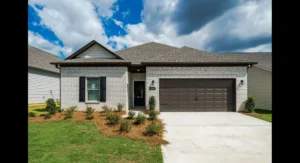
Filed Under: Real Estate, Real Estate Investing, Real Estate Market Tagged With: Real Estate Investing, Rental Properties, Turnkey Real Estate

3 Hottest Real Estate Markets for Rental Property Investing in 2026

February 1, 2026 by Marco Santarelli

3 Hottest Real Estate Markets for Rental Property Investing in 2026

If you're looking to make smart moves in rental property investing for 2026, my pick for top contenders are Jacksonville, Florida, Kansas City, Missouri, and Nashville, Tennessee. These cities are shining bright because they're growing fast, are still pretty affordable, and generally make life easier for landlords, offering a robust mix of steady income and the potential for your investment to grow over time.

The world of real estate investing can feel like a puzzle with a million pieces. You're constantly trying to figure out where the best opportunities are, what trends to watch, and how to make your money work for you. I've spent a lot of time digging into markets, and what I'm seeing for 2026 points clearly to these three dynamic cities. They aren't just popular; they have the underlying fundamentals that spell long-term success for rental property owners. Let's dive in and see why.

3 Hottest Real Estate Markets for Rental Property Investing in 2026

Jacksonville, Florida: The Sunshine State's Value Champion

When most people think of Florida real estate, images of crowded beaches and sky-high prices in places like Miami might come to mind. But Jacksonvile offers a different story, a much more accessible and value-packed opportunity. It’s a city that’s really hitting its stride, and it's a smart place to put your rental property investment dollars.

Why Jacksonville is So Hot:

  • Population Boom: This isn't just a little growth; Jacksonville is experiencing a rapid population influx. Projections show its population expanding at about twice the national average all the way through 2029. This means more people are moving in, and with more people, there's naturally more demand for housing.
  • Jobs, Jobs, Jobs: A growing population needs jobs, and Jacksonville's economy is delivering. It boasts the second-fastest job market growth in the entire country. Key industries like healthcare, finance, and logistics are thriving, bringing in stable employment and attracting even more residents.
  • Investor-Friendly Environment: Florida, as a whole, is attractive to investors because of its no state income tax policy. On top of that, Jacksonville has a significant chunk of its residents – nearly half the population – who prefer renting over owning. This steady pool of renters is gold for property owners.
  • Great Value for Renters: Even with all this growth, Jacksonville still offers better rent value than many other major Florida metros. Average rents are sitting around $1,489, which is about 20–25% lower than the national average. This affordability makes it a magnet for people moving from more expensive areas.

Smart Investment Strategies for Jacksonville:

My take is that in a booming market like Jacksonville, you need to be a bit more targeted. Don't just buy anywhere; look for specific advantages.

  • Adaptive Reuse (Office-to-Residential Conversion): I'm really excited about this trend. Jacksonville is actively converting old, empty office buildings into apartments. The city is even offering incentives for these projects. If you can get involved in converting one of these older buildings downtown into multifamily units, you're tapping directly into that desperate housing demand.
  • The BRRRR Method: This is a classic strategy that's extremely effective in a rising market like Jacksonville. BRRRR stands for Buy, Rehab, Rent, Refinance, Repeat. You find a property below market value, fix it up to increase its worth, rent it out, and then refinance to pull your cash out to do it all over again. With property values and rental income on the upswing, this is a fantastic way to build your portfolio.
  • Short-Term Rentals in Beachfront Areas: Think about areas like Jacksonville Beach, Ponte Vedra, or Neptune Beach. If you're looking for high nightly rates and strong occupancy, especially during peak seasons, targeting these beachfront neighborhoods for short-term rentals (like Airbnb or Vrbo) can be incredibly lucrative. Tourists love these spots.

Here's a look at some investment opportunities that we currently offer in the Jacksonville area:

Property Address Bedrooms Bathrooms Sqft Purchase Price Monthly Rent Cap Rate Monthly Cash Flow (NOI)
Mull St (House) 4 5 2076 $411,900 $2,569 4.5% $1,547
Mull St (Duplex) 4 4 2076 $411,900 $2,564 4.5% $1,543

🏡 Which Rental Property Would YOU Invest In?

Lebanon, TN
🏠 Property: Wren Way Lot 420
🛏️ Beds/Baths: 3 Bed • 2 Bath • 1618 sqft
💰 Price: $349,900 | Rent: $2,100
📊 Cap Rate: 5.4% | NOI: $1,571
🏆 Neighborhood: A

VS

Jacksonville, FL
🏠 Property: Pangola Dr
🛏️ Beds/Baths: 4 Bed • 4 Bath • 2076 sqft
💰 Price: $411,900 | Rent: $2,498
📊 Cap Rate: 4.3% | NOI: $1,483
🏙️ Neighborhood: B-

Both properties are 2025 builds with strong cash flow potential. Which one fits YOUR investment strategy?

📈 Choose Your Winner & Contact Us Today!

Talk to a Norada investment counselor (No Obligation):

(800) 611-3060

Contact Us Now


Kansas City, Missouri: The Heart of America's Smart Growth

Kansas City isn't just a charming Midwestern city; it's become a real hub, balancing that reliable, steady economy with exciting new growth in technology. It's the kind of place that offers a solid foundation for real estate investors.

What Makes Kansas City a Top Pick:

  • Affordability is Key: One of the biggest draws for Kansas City is its low barrier to entry. The median home price is around $303,000, which is a solid 16% below the national average. This lower entry cost means you can often achieve higher cash-on-cash returns right from the start, which is crucial for profitability.
  • A Diverse and Growing Economy: Kansas City's job market isn't reliant on just one or two industries. Big companies are investing heavily here. Think major expansions from Google (with a new data center) and Panasonic (building an EV battery manufacturing plant). Plus, it's already home to established giants like Garmin and Hallmark. This diversity makes the job market more resilient and spurs consistent demand for housing.
  • Landlord-Friendly Laws: Missouri has a reputation for being very landlord-friendly. This means less red tape, more flexibility in managing your properties, and generally, no strict rent control measures that can limit your earning potential. For someone who wants to run their rental properties efficiently, this is a huge plus.
  • Short-Term Rental Potential: Beyond traditional rentals, Kansas City is a hot destination for tourism and business travel. With passionate fans for the Chiefs (NFL) and Royals (MLB), and a steady stream of business folks, areas like the Crossroads Arts District can be incredibly profitable for short-term rentals.

Savvy Investment Approaches in Kansas City:

Kansas City's affordability opens up some really creative and accessible strategies for investors.

  • House Hacking Duplexes/Triplexes: Because the median home prices are so reasonable, buying a small multi-family property (like a duplex or triplex) and house hacking is incredibly doable for new investors. You live in one unit and rent out the others. The rent from your tenants can cover, or significantly lower, your mortgage payment. It's a fantastic way to build equity with a smaller down payment.
  • Corporate Rentals Near Business Hubs: With the tech scene booming and companies like Garmin and Hallmark headquartered there, there's a strong demand for furnished corporate rentals. Targeting areas near the Crossroads Arts District, the Country Club Plaza, or business parks in Overland Park is a smart move. Businesses need places for their employees to stay short-term, and they're willing to pay a premium for convenience and quality.
  • Targeting Undervalued Adjacent Pockets: While large investors might be scooping up single-family homes, there are often overlooked urban fringe areas just outside the prime spots. As an individual investor, you can find properties in these overlooked areas, often at a good price. With some cosmetic updates, you can achieve high yields – think in the 10-15% range – and build significant value.

Here are a couple of examples of rental properties in Kansas City listed for sale:

Property Address Bedrooms Bathrooms Sqft Purchase Price Monthly Rent Cap Rate Monthly Cash Flow (NOI)
NE 51st St. 4 2 1440 $285,000 $2,200 7.0% $1,667
Oxford Ct 3 2 1358 $310,000 $2,200 6.3% $1,627

Nashville, Tennessee: The Music City's Economic Powerhouse

Nashville might be known for its music scene, but it's also an absolute powerhouse when it comes to economic growth and investment opportunity. Even with a lot of new buildings going up recently, its long-term outlook is incredibly strong.

What Fuels Nashville's Investment Appeal:

  • Corporate Relocations and Job Growth: This is a massive driver. Companies like Oracle are making huge investments, like their new $1.2 billion headquarters, and Amazon continues to expand. These aren't small operations; they mean thousands of high-paying jobs coming into the metro area, which translates directly to demand for housing.
  • A Tourism Magnet: Nashville is one of the hottest tourist destinations in the U.S. With over 18 million visitors expected in 2025, it's the number two market in the country for new hotel room growth. This tourism boom is fantastic news for anyone considering short-term rentals.
  • Supply Correction and Demand Rally: It's true that in early 2025, a lot of new construction led to a slight slowdown in rent growth. However, as new building projects have tapered off significantly, experts expect a strong second-half rally in rents. This means the timing could be perfect to invest before prices and rents climb again.
  • Tax Advantages: Tennessee offers no state income tax, which is a big win for maximizing your net operating income. On top of that, property taxes are relatively low compared to many other states. This combination really boosts the profitability of rental properties.

Strategic Investment Plays in Nashville:

Nashville's unique blend of corporate presence and tourism means you can get strategic with your rental property investments.

  • Mid-Term Rentals (MTRs) for Professionals: There's a growing demand for stays of 1 to 6 months, especially in urban areas. Think about targeting travel nurses who work in major hospitals or digital nomads looking for stable Wi-Fi and comfortable workspaces. Properties with good amenities, like fast internet and nearby co-working spaces, can attract these renters, offering more stable income with less seasonal ups and downs than pure vacation rentals.
  • Luxury & High-End Multifamily: While there’s a lot of new construction, the demand for upscale apartments and condos remains very high. If you focus on high-end properties with premium amenities, you can snag top-tier rents from a different tenant demographic. This is especially true near major new developments, like the Oracle headquarters area.
  • Opportunity Zone Investing: This is a great chance for long-term wealth building. If you invest in designated Qualified Opportunity Zones (QOsZs) in Nashville before the end of 2026, you can potentially eliminate capital gains tax on the profits from your investment after holding it for 10 years. This is ideal for building significant wealth in areas that are poised for growth.

Let's look at a couple of investment properties in the Nashville metro area:

Property Address Bedrooms Bathrooms Sqft Purchase Price Monthly Rent Cap Rate Monthly Cash Flow (NOI)
Wren Way Lot 420 3 2 1618 $349,900 $2,100 5.4% $1,571
Brady Estates 3 2 1593 $379,900 $2,200 5.2% $1,662

Making Your Move in 2026

My advice to you as you plan your investments for 2026 is to really understand what makes each of these cities tick. Jacksonville offers incredible value and growth in a no-state-income-tax environment. Kansas City provides affordability and a stable, diversifying economy that’s ripe for creative strategies. Nashville is a dynamic hub with strong corporate and tourism drivers, plus tax advantages.

Each of these markets has its own rhythm, but they all share a common thread: strong fundamentals that support rental property investing. Whether you're looking for consistent cash flow or long-term appreciation, Jacksonville, Kansas City, and Nashville are definitely worth your serious consideration.

🏡 Which Turnkey Rental Would YOU Invest In?
Murfreesboro, TN
🏠 Property: Brady Estates
🛏️ Beds/Baths: 3 Bed • 2 Bath • 1593 sqft
💰 Price: $379,900 | Rent: $2,200
📊 Cap Rate: 5.2% | NOI: $1,662
🏆 Neighborhood: A

VS

Jacksonville, FL
🏠 Property: Delmar Place
🛏️ Beds/Baths: 4 Bed • 4 Bath • 2070 sqft
💰 Price: $411,900 | Rent: $2,490
📊 Cap Rate: 4.3% | NOI: $1,476
🏙️ Neighborhood: B-

Both properties are strong turnkey options with solid cash flow. Which one matches your investment strategy?

📈 CHOOSE YOUR WINNER & CONTACT US TODAY!

Talk to a Norada investment counselor (No Obligation):

(800) 611-3060

Contact Us Now

Recommended Read:

  • Top Tech Tools Real Estate Investors Use to Analyze Market Trends
  • Top Real Estate Investment Hotspots in 2025
  • How to Secure Your Retirement With Cash-Flowing Rental Properties
  • Why Turnkey Real Estate Still Beats Today's High Mortgage Rate Climate
  • Best Places to Invest in Single-Family Rental Properties in 2025
  • Why Real Estate Can Thrive During Tariffs Led Economic Uncertainty
  • Rise of AI-Powered Hyperlocal Real Estate Marketing in 2025
  • Real Estate Forecast Next 5 Years: Top 5 Predictions for Future
  • 5 Hottest Real Estate Markets for Buyers & Investors in 2025
  • Will Real Estate Rebound in 2025: Top Predictions by Experts
  • Recession in Real Estate: Smart Ways to Profit in a Down Market
  • Will There Be a Real Estate Recession in 2025: A Forecast
  • Will the Housing Market Crash Due to Looming Recession in 2025?
  • 4 States Facing the Major Housing Market Crash or Correction
  • New Tariffs Could Trigger Housing Market Slowdown in 2025
  • Real Estate Forecast Next 10 Years: Will Prices Skyrocket?

Filed Under: Real Estate, Real Estate Investing, Real Estate Market Tagged With: Real Estate Investing, Rental Properties, Turnkey Real Estate

Best Neighborhoods to Invest in Indianapolis Rental Properties in 2026

February 1, 2026 by Marco Santarelli

Best Neighborhoods to Invest in Indianapolis Rental Properties in 2026

Looking to invest in rental properties that practically manage themselves? You've come to the right place. In 2026, the Indianapolis turnkey rental market continues to offer compelling opportunities for investors seeking solid returns with less hassle.

For those wondering where the prime spots are, my experience tells me that focusing on neighborhoods with a good balance of affordability, tenant demand, and potential for appreciation is key. While specific deals pop up daily, the areas around North Emerson Avenue and certain parts of West 21st Street, especially for duplexes, are showing strong promise for consistent cash flow and good cap rates.

You hear all these buzzwords – turnkey, cash flow, cap rates – and it’s easy to get overwhelmed. But after years of digging into markets and helping people find their first (or fifth!) investment property, I’ve learned a few things about what really matters. And when it comes to the Indianapolis turnkey rental market in 2026, there’s a lot to be excited about.

Best Neighborhoods to Invest in Indianapolis Turnkey Rental Properties in 2026

What Exactly is a “Turnkey” Rental Property?

Before we get to the good stuff, let's clear the air on what “turnkey” truly means in the real estate world. Think of it as a property that’s already set up and ready to go for you as an investor. Usually, this means:

  • Already Rented: The property has a tenant in place.
  • Professionally Managed: A property management company handles the day-to-day operations – rent collection, tenant issues, maintenance, etc.
  • Refurbished: Often, these properties have been updated or renovated to attract good tenants and minimize immediate repair needs.
  • Clear Title: The legal aspects are sorted, so you can take ownership with confidence.

It’s like buying a business that’s already up and running, instead of building one from scratch. This is a huge draw for investors who might not live in Indianapolis, or who simply prefer to focus on their portfolio growth rather than being a landlord themselves.

Why Indianapolis for Turnkey Investments in 2026?

Indianapolis has been a rising star in the real estate investment scene for a while now, and I don't see that changing in 2026. Here’s why it’s a smart move:

  • Affordable Entry Point: Compared to many coastal cities, you can get more property for your money in Indianapolis. This means lower initial investment and potentially better cash flow.
  • Strong Rental Demand: The city has a diverse economy with a growing job market, attracting people who need places to rent. This is crucial for keeping your properties occupied.
  • Investor-Friendly Environment: Indianapolis has historically been welcoming to real estate investors, with a solid infrastructure and a developing market that offers opportunities for appreciation.

Key Metrics to Watch

When I’m evaluating an investment property, especially a turnkey one, I’m always looking at a few key numbers. They tell a story about the property’s potential and its risk.

  • Purchase Price: This is your upfront cost. Lower is generally better for cash flow, but not at the expense of quality.
  • Rental Income: This is the money coming in. You want to see consistent, realistic rental income based on the local market.
  • Cap Rate (Capitalization Rate): This is a big one for turnkey properties. It’s calculated as Net Operating Income (NOI) divided by the property's market value. A higher cap rate generally means a better return on your investment. For Indianapolis, I’m typically looking for cap rates above 7%, ideally higher, especially in established B or B- neighborhoods.
  • Cash Flow (Net Operating Income – NOI): This is your profit after all operating expenses (like property taxes, insurance, and management fees) are paid, but before debt service (mortgage payments). Positive cash flow is the name of the game!
  • Rent-to-Value Ratio: This helps understand if the rent is appropriate for the property's price. A ratio of 0.8% to 1% or higher is a good target.

Where to Find the Best Deals in Indianapolis Turnkey Rentals (2026 Insights)

Based on current trends and what I anticipate for 2026, here are a few areas to keep a close eye on. Remember, “deals” are subjective and can change, but these neighborhoods offer a strong foundation for finding them.

1. Neighborhoods Offering Solid Returns (Targeting the “B” and “B-” Zones)

These are the sweet spots where you can often find good properties that are still affordable, have a steady stream of renters, and decent potential for value growth.

  • North Emerson Ave
    • My take: Right now, we have a fantastic opportunity with a 4-bedroom, 912 sqft house on North Emerson Ave, priced at $168,000. This property boasts a 0.9% Rent/Value ratio and is returning a solid 8.5% cap rate. This is exactly what I look for. The 4 bedrooms suggest it can likely attract families or multiple roommates, increasing rental income potential. The 8.5% cap rate is excellent and indicates strong cash flow. This is a prime example of a turnkey property hitting many of the right notes – a good balance of price, potential rent, and healthy returns. I’d be looking for similar properties in this general vicinity.
  • West 21st Street (Especially Duplexes)
    • My take: This area is really showing up for duplexes. We have some duplexes on West 21st Street with higher purchase prices, around $405,000, but they also come with significantly higher rental income, about $3,464 per month, and impressive cash flow. Duplexes are fantastic for turnkey investments because you have two income streams from one property, significantly boosting your cash flow and reducing the impact of a vacancy. The fact that these are listed as built in 2025 means they are brand new, requiring minimal maintenance for years to come. While the upfront cost is higher, the 7.3% cap rate is still respectable for new construction, and the potential for $2,470 in monthly cash flow is hard to ignore.
  • S Delaware St (Another Duplex Opportunity)
    • My take: Similar to West 21st Street, this duplex on S Delaware St presents a strong case. We're looking at a purchase price around $350,000 with potential rental income of $3,084. This is a truly compelling combination. The 9.0% cap rate is outstanding in any market, and especially in Indianapolis. This is a star performer in the deals I'm seeing, highlighting the potential for high returns with duplex investments in certain areas. New construction that's already set up for tenants and management offers incredible peace of mind and solid income generation.

2. Older Homes with Character (Focus on Value and Rehab Potential)

Some of the older homes, while requiring a closer look at condition, can offer excellent value and higher yields if managed correctly.

  • E 21st St
    • My take: This 4-bed, 2120 sqft house on E 21st St really catches my eye. Priced at $182,000, its price per square foot of $86 is incredibly low for such a large home. The resulting 8.3% cap rate is also very attractive. Older homes, like this one built in 1928, often require more due diligence regarding their condition, but if a turnkey provider has already done the necessary updates and a good tenant is in place, this could be a goldmine. The sheer size and bedroom count offer significant rental upside.
  • N Berwick Ave
    • My take: We're seeing properties like the one on N Berwick Ave, built in 1940, in established neighborhoods that are slowly gentrifying. This 3-bed, 948 sqft home is listed at $172,000. The 7.7% cap rate is solid, and the 0.9% Rent/Value ratio suggests good rental income relative to the price. While not as large as the E 21st St property, these 3-bedroom homes are a staple in many rental markets and often easier to keep occupied by smaller families or individuals.

3. Beyond Indianapolis: Considering Neighboring Areas

While Indianapolis is the focus, sometimes a quick hop to a nearby town can reveal overlooked opportunities.

  • New Castle, Indiana
    • My take: The property we have on S 7th St in New Castle is a great example of exploring slightly outside the core metro. At $154,900 for a 4-bedroom home of 1080 sqft, it's very affordable. The 7.6% cap rate is a decent return, and while the neighborhood is graded “C-“, this can sometimes translate to higher yields for savvy investors who understand the local tenant pool and property management needs. It’s important to do your homework on these smaller markets, but they can offer tremendous value.

What to Look for in a Turnkey Provider

Finding a great property is only half the battle. Partnering with the right turnkey provider is crucial. When I look for a company to work with, I want to see:

  • Transparency: They should be upfront about all fees, costs, and the condition of the properties.
  • Experience: How long have they been operating in Indianapolis? Do they have a solid track record?
  • Reputation: What do other investors say about them? Look for reviews and testimonials.
  • Quality Management: Their property management partner should be competent, responsive, and capable of keeping your property well-maintained and occupied.
  • Local Market Knowledge: They should know the areas they operate in inside and out – the rental demand, the landlord-tenant laws, and the best places to invest.

My Two Cents: Making the Smart Turnkey Investment

In my opinion, the Indianapolis turnkey rental market in 2026 is ripe for investors who are willing to do their due diligence. Don't just look at the headline numbers; dig into the details. Understand the neighborhood, the property's condition (even if it's renovated), and the long-term rental demand. Pay close attention to those cap rates and cash flow numbers.

When it comes to finding the best deals, I’d prioritize areas like North Emerson Ave and particularly the new construction duplexes on West 21st Street and S Delaware St. These offer a fantastic mix of potential income, manageable expenses, and less immediate maintenance headaches. However, don't discount older, well-maintained homes with good bones in areas like E 21st St or even slightly more affordable towns like New Castle, as they can provide exceptional value if you're willing to do a bit more digging.

The beauty of the turnkey model is that it simplifies the investment process. But it’s not a “set it and forget it” strategy without any oversight. Stay involved, communicate with your property manager, and keep an eye on the market. By doing so, you can build a strong, passive income stream right here in Indianapolis.

Ready to explore these opportunities further? You can view all these properties, along with detailed analysis of each one, directly on our website. Dive into the numbers and find the perfect turnkey investment for your portfolio!

Invest in Indianapolis Turnkey Rentals

Indianapolis continues to shine as one of the Midwest’s most affordable and high‑growth rental markets, making ita  prime target for investors seeking consistent cash flow.

Norada Real Estate helps you capture these opportunities with turnkey rental properties in Indianapolis—designed to generate passive income and long‑term wealth while minimizing the headaches of property management.

🔥 2026 INVESTMENT Deals JUST ADDED! 🔥
Talk to a Norada investment counselor today (No Obligation):
(800) 611-3060

View All Properties

Also Read:

  • Why Investors Are Buying New-Build Turnkey Rentals Across Multiple Markets
  • Top Real Estate Investment Markets to Watch in 2026
  • Top 10 Most Popular Housing Markets of 2025 for Homebuyers
  • Will Real Estate Rebound in 2026: Top Predictions by Experts
  • Housing Market Predictions for the Next 4 Years: 2026, 2027, 2028, 2029
  • Housing Market Predictions for 2026 Show a Modest Price Rise of 1.2%
  • Housing Market Predictions 2026 for Buyers, Sellers, and Renters
  • 12 Housing Markets Set for Double-Digit Price Decline by Early 2026
  • Real Estate Forecast: Will Home Prices Bottom Out in 2025?
  • Housing Markets With the Biggest Decline in Home Prices Since 2024
  • Why Real Estate Can Thrive During Tariffs Led Economic Uncertainty
  • Rise of AI-Powered Hyperlocal Real Estate Marketing in 2025
  • Real Estate Forecast Next 5 Years: Top 5 Predictions for Future
  • 5 Hottest Real Estate Markets for Buyers & Investors in 2025

Filed Under: Real Estate Investing, Real Estate Market Tagged With: Indianapolis, Investment Propeties, Real Estate Investing, Rental Properties, Turnkey Properties

  • « Previous Page
  • 1
  • 2
  • 3
  • 4
  • 5
  • …
  • 29
  • Next Page »

Real Estate

  • Birmingham
  • Cape Coral
  • Charlotte
  • Chicago

Quick Links

  • Markets
  • Membership
  • Notes
  • Contact Us

Blog Posts

  • Today’s Mortgage Rates, March 2: Rates at Lowest Levels Spark Buyer Optimism
    March 2, 2026Marco Santarelli
  • Top 5 Housing Markets Set to Deliver High Investor ROI in 2026
    March 2, 2026Marco Santarelli
  • 5 Housing Markets Poised for Rapid Recovery if Mortgage Rates Fall in 2026
    March 2, 2026Marco Santarelli

Contact

Norada Real Estate Investments 30251 Golden Lantern, Suite E-261 Laguna Niguel, CA 92677

(949) 218-6668
(800) 611-3060
BBB
  • Terms of Use
  • |
  • Privacy Policy
  • |
  • Testimonials
  • |
  • Suggestions?
  • |
  • Home

Copyright 2018 Norada Real Estate Investments

Loading...