
Norada Real Estate Investments

  • Home
  • Markets
  • Properties
  • Membership
  • Podcast
  • Learn
  • About
  • Contact

Best Places to Invest $100,000 in Real Estate in 2026 for Passive Income 

March 2, 2026 by Marco Santarelli

Best Places to Invest $100,000 in Real Estate in 2026 for Passive Income 

If you're looking to turn $100,000 into passive income through real estate in 2026, focusing on markets with strong rental demand and affordable entry points is key, and there are definitely solid options out there right now. I've been diving deep into this for a while now, and I’ve seen firsthand how strategic investing can pay off handsomely.

Best Places to Invest $100,000 in Real Estate in 2026 for Passive Income

Let's be honest, thinking about real estate investment can feel a bit daunting, especially with a specific amount like $100,000 to work with. But here's the exciting part: with smart planning, you can absolutely use that $100,000 not just as a down payment, but as a catalyst to acquire properties that generate income from day one. We're talking about going beyond just a single property and potentially building a small portfolio, thanks to the power of mortgages. Many investors have successfully followed these proven paths without needing to reinvent the wheel.

Leveraging Mortgages to Boost Your $100,000 Investment

The common misconception is that you need a massive amount of cash to buy rental properties. While it's true that substantial down payments help, the real magic for many investors, myself included, lies in leveraging mortgages. When you put down, say, 20-25% on a property, you're essentially using a large portion of your $100,000 as a down payment on a much larger asset. This is where the power really comes in.

Think of it like this: If a property costs $200,000 and you put down 25% ($50,000), you've now acquired an asset worth $200,000 with only $50,000 of your own cash. You then finance the remaining $150,000 with a mortgage. The rental income from that property, after covering the mortgage payment, property taxes, insurance, and other expenses, becomes your passive income.

The beauty of this approach is that you can repeat it. If you have $100,000, you could theoretically put 25% down on two $200,000 properties, using $50,000 for each. This is where the “multiple properties” part of building a portfolio comes into play. It's a secure and tested method that many savvy investors use to accelerate their wealth building without tying up every single dollar.

Finding Those Sweet Spots: The Best Places for Your $100,000 in 2026

So, where should you look to deploy that $100,000 for the best passive income in 2026? Based on my research and experience, we need to hunt for markets that offer a sweet spot: affordable entry prices, solid rental demand (meaning people want to live there!), and a good rent-to-value ratio. This ratio, sometimes called the gross rent multiplier (GRM), tells you how many years of rent it would take to pay off the property's price. A lower number is generally better, indicating good rental income relative to the purchase price.

Let’s break down some promising areas with specific properties currently available or very recently on the market, giving your $100,000 a real chance to work:

1. Indianapolis, Indiana: The Steady Performer

Indianapolis has consistently been a hotbed for real estate investors looking for affordability and demand. It's a large city with a diverse economy, which helps keep rental demand stable.

  • What makes it attractive: Indianapolis offers a more stable economic climate than some smaller markets and has a good number of job opportunities. The cost of living is also relatively low, making it an attractive place for tenants.
  • Investment opportunities: You can often find single-family homes or small multi-family units in the $150,000-$250,000 range. With $100,000, you could comfortably put down 20-25% on one or two properties.

Currently Available Property Insights in Indianapolis:

Location/Street Beds Baths Sqft Purchase Price Rental Income (Monthly) Cap Rate (Approx.) Neighborhood
W Mooresville Rd 5 2 1332 $198,000 $1,625 7.2% B+
N. Sherman Drive 4 1 999 $184,000 $1,600 8.1% B

My take on Indianapolis: It's a solid, reliable choice. You won't get sky-high returns overnight, but you get consistency. I like it because it's not overly dependent on one industry, which is a huge plus for long-term rental income. These specific listings show you can acquire a good performing asset with a reasonable down payment from your $100,000.

2. Jackson, Mississippi: The Value Hunter's Paradise

If you’re looking for a place where your $100,000 can go further, Jackson, Mississippi, is a market that often pops up. Properties here are significantly more affordable, which means your initial capital can acquire more doors or larger down payments, leading to higher cash flow sooner.

  • What makes it attractive: The sheer affordability. You can find properties at prices that are becoming increasingly rare in major metropolitan areas. This allows you to achieve excellent cash-on-cash returns.
  • Investment opportunities: Here, you might find fixer-uppers or smaller, livable homes in the $60,000-$100,000 range. This could potentially allow you to purchase a property outright or put a very substantial down payment on two.

Currently Available Property Insights in Jackson, Mississippi:

Location/Street Beds Baths Sqft Purchase Price Rental Income (Monthly) Cap Rate (Approx.) Neighborhood
Lake Forest Dr 3 1 1100 $85,000 $1,073 11.0% B
Queen Esther 3 2 1336 $65,000 $900 11.3% B

Personal opinion on Jackson: This is where you really have to do your homework on specific neighborhoods. Not all areas are created equal. However, if you can identify solid neighborhoods with good tenant demand, the 11%+ cap rates you see here are incredibly attractive for passive income. You're getting a lot of bang for your buck, and these particular listings demonstrate just how accessible these high-yield investments are.

3. Akron, Ohio: The Comeback City with Potential

Ohio has been a favorite for real estate investors for years, and Akron is a city that’s showing signs of revitalization. It has a history tied to industry but is diversifying and attracting new businesses.

  • What makes it attractive: Affordable housing that's still within reach for many families, coupled with a stable rental market. The city is also seeing infrastructure improvements and new developments.
  • Investment opportunities: Single-family homes in decent neighborhoods can often be found in the $100,000-$200,000 range. This makes it feasible to leverage your $100,000 for a significant down payment.

Currently Available Property Insights in Akron, Ohio:

Location/Street Beds Baths Sqft Purchase Price Rental Income (Monthly) Cap Rate (Approx.) Neighborhood
Whitney Ave 3 1.5 1056 $135,000 $1,225 9.4% C+

My perspective on Akron: It’s not as hyped as some other markets, but that’s often a good thing for investors. It means less competition and more opportunities to buy at fair prices. The cap rates are solid, indicating a healthy return on investment. The Whitney Ave property is a prime example of how you can acquire a solid rental income property with your investment capital.

4. St. Louis, Missouri: Diverse Opportunities

St. Louis offers a mix of historic charm and urban revitalization, presenting a range of investment opportunities at different price points.

  • What makes it attractive: A large metropolitan area with a diverse job market and cultural attractions, ensuring consistent rental demand. It also has a reputation for providing good value for money in real estate.
  • Investment opportunities: You can find anything from charming older homes to more modern residences. Your $100,000 can be strategically used for a substantial down payment on a larger property or on smaller, higher-yield units.

Currently Available Property Insights in St. Louis, Missouri:

Location/Street Beds Baths Sqft Purchase Price Rental Income (Monthly) Cap Rate (Approx.) Neighborhood
Lewis Place 5 3 3006 $275,000 $2,500 8.8% C+
Elbring Dr 3 1 864 $135,000 $1,300 9.1% B+

My view on St. Louis: It’s a market I’ve watched closely. The Lewis Place property, while a larger investment, offers significant rental income and a good cap rate. The Elbring Dr property shows that even with a smaller footprint, you can achieve strong returns. Your $100,000 is perfectly positioned to secure a great entry into this market.

5. Florida (Punta Gorda, Port Charlotte): Sunnier Skies for Returns

Florida’s housing market can be competitive, but areas like Punta Gorda and Port Charlotte offer more accessible entry points and strong demand, especially with new construction coming online.

  • What makes it attractive: Florida is a popular destination for both residents and tourists, driving consistent rental demand. New construction in these areas often features modern amenities, which can command higher rents.
  • Investment opportunities: While prices can be higher, your $100,000 can be used for a significant down payment on these newer, attractive homes.

Currently Available Property Insights in Florida:

Location/Street Beds Baths Sqft Purchase Price Rental Income (Monthly) Cap Rate (Approx.) Neighborhood
San Cristobal Ave 6 4 2474 $575,000 $3,890 6.2% B+
Aldridge Ave 3 2 1548 $339,900 $2,195 5.8% A+
Drysdale Ave 4 2 1914 $349,900 $2,295 5.6% A

My experience with Florida markets like these: These properties, especially the newer constructions, are drawing a lot of interest. While the cap rates might appear lower than in some other markets, you're investing in newer, more desirable properties that often come with less maintenance and higher potential for appreciation. Your $100,000 will put you in a strong position to acquire one of these desirable rental assets, especially if you aim for a 20-25% down payment.

Understanding Key Metrics for Your Investment

When you're looking at these properties, it's crucial to understand a few key numbers:

  • Cap Rate (Capitalization Rate): This is your Net Operating Income (NOI) divided by the property's value. It's a quick way to understand the potential return on investment, assuming you pay cash. A higher cap rate generally means a better return.
  • Rent-to-Value Ratio: As mentioned, this is monthly rent divided by the property price. A common benchmark to aim for is 1% or higher. A 1% ratio means the monthly rent is 1% of the property's purchase price.
  • Cash Flow (NOI – Net Operating Income): This is what's left after you subtract all operating expenses (mortgage, taxes, insurance, vacancy, repairs, property management) from the gross rental income. This is your actual passive income.

The Power of Turnkey Properties

For many investors, especially those starting out or looking for true passive income without the hassle of renovations and tenant screening, turnkey rental properties are a fantastic option. These are properties that have been rehabbed and are typically already rented out to a tenant. They are often sold by companies that specialize in finding, fixing, and managing these properties.

This model is designed for investors who want to buy and start earning income immediately. The property management company handles everything: finding tenants, collecting rent, handling repairs, and dealing with any issues that arise. Your $100,000 can be used for the down payment, and the property management company takes care of the rest. This is a well-tested method that’s been a gateway to passive income for countless investors.

A Word of Caution

Real estate investing isn't a “get rich quick” scheme. It requires diligence.

  • Due Diligence is Paramount: Never skip the property inspection. Understand the true costs of ownership. Get a good property manager if you're not local.
  • Neighborhood Matters: A good house in a bad neighborhood is rarely a good investment. I’ve seen investors learn this the hard way. Look for areas with good schools, low crime, and steady job growth.
  • Market Cycles: Real estate values go up and down. Focus on cash flow, which is more consistent than appreciation.

Investing $100,000 in 2026 for passive income is absolutely achievable. By focusing on these specific markets and properties, understanding how to leverage mortgages wisely, and perhaps considering turnkey opportunities, you can build a solid stream of passive income. It's about being smart, being patient, and letting your investment work for you.

Best Places to Invest $100K in Real Estate for Passive Income (2026)

Deploying $100,000 into real estate in 2026 can generate reliable passive income when invested in the right markets. Turnkey rental properties in high‑growth cities offer steady cash flow, appreciation, and long‑term wealth potential.

Norada Real Estate helps investors identify top U.S. markets for turnkey rentals—delivering immediate ROI and passive income opportunities tailored to your investment goals.

🔥 HOT 2026 INVESTMENT LISTINGS JUST ADDED! 🔥
Speak with an Investment Counselor Today (No Obligation):
(800) 611-3060
Or Request a Callback / Fill Out the Form Online

Contact Us

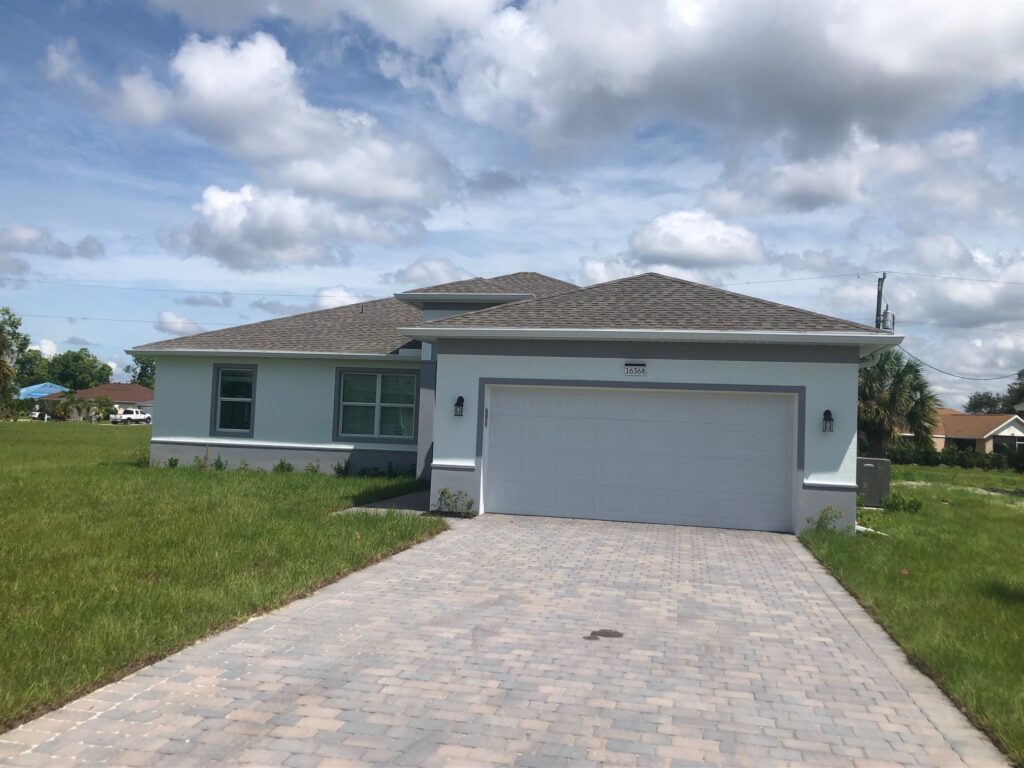
🏡 2 Profitable Investment Properties For Passive Income

Port Charlotte, FL
🏠 Property: Drysdale Ave
🛏️ Beds/Baths: 4 Bed • 2 Bath • 1914 sqft
💰 Price: $349,900 | Rent: $2,295
📊 Cap Rate: 5.6% | NOI: $1,633
📅 Year Built: 2025
📐 Price/Sq Ft: $183
🏙️ Neighborhood: A

VS

Akron, OH
🏠 Property: Whitney Ave
🛏️ Beds/Baths: 3 Bed • 1.5 Bath • 1056 sqft
💰 Price: $135,000 | Rent: $1,225
📊 Cap Rate: 9.4% | NOI: $1,063
📅 Year Built: 1923
📐 Price/Sq Ft: $128
🏙️ Neighborhood: C+

Florida’s new A‑rated rental with stability vs Ohio’s affordable property with higher cap rate. Which fits YOUR investment strategy?

We have much more inventory available than what you see on our website – Let us know about your requirement.

📈 Choose Your Winner & Contact Us Today!

Speak to a Norada Investment Counselor (No Obligation):

(800) 611-3060

View All Properties 

Recommended Read:

  • Best Turnkey Rental Markets in Texas for Out-of-State Investors (2026)
  • Best Places to Invest in Single-Family Rental Properties in 2025
  • Why Real Estate Can Thrive During Tariffs Led Economic Uncertainty
  • Rise of AI-Powered Hyperlocal Real Estate Marketing in 2025
  • Real Estate Forecast Next 5 Years: Top 5 Predictions for Future
  • 5 Hottest Real Estate Markets for Buyers & Investors in 2025
  • Will Real Estate Rebound in 2025: Top Predictions by Experts
  • Recession in Real Estate: Smart Ways to Profit in a Down Market
  • Will There Be a Real Estate Recession in 2025: A Forecast
  • Will the Housing Market Crash Due to Looming Recession in 2025?
  • 4 States Facing the Major Housing Market Crash or Correction
  • New Tariffs Could Trigger Housing Market Slowdown in 2025
  • Real Estate Forecast Next 10 Years: Will Prices Skyrocket?

Filed Under: Real Estate, Real Estate Investing Tagged With: Best Places To Invest In Real Estate, Real Estate Investing, Rental Properties, Turnkey Real Estate

Why Turnkey Real Estate Still Beats Today’s High Mortgage Rate Climate

March 1, 2026 by Marco Santarelli

Why Turnkey Real Estate Still Beats Today's High Mortgage Rate Climate

The financial news is a chorus of caution. “Mortgage Rates Soar,” “Housing Market Cools,” “Investor Activity Slows.” For many, these headlines are a stop sign, a clear signal to retreat from the real estate market and wait for calmer seas.

The average investor is sitting on the sidelines, paralyzed by uncertainty. But sophisticated investors understand a fundamental truth: market shifts don't eliminate opportunity; they redefine it.

While the casual house-flipper and over-leveraged amateur are forced into hibernation, a unique window opens for those with a clear strategy. A high-interest-rate environment isn't a barrier; it's a filter. It weeds out the competition and rewards those who focus on sound fundamentals and smart systems.

This is precisely the market where the turnkey rental property model doesn't just survive—it thrives. If you're an investor looking for truly passive income without the typical landlord headaches, this guide will explain why the current climate is your signal to lean in, not back away.

Why Turnkey Real Estate Still Beats Today's High Mortgage Rate Climate

“Marry the House, Date the Rate” – The Core Philosophy for 2024 and Beyond

Before we dive into the “how,” we must align on the “why.” The single most important concept to grasp is this: You marry the property, but you only date the interest rate.

  • The Marriage (The Property): When you buy a rental property, you are making a long-term commitment to a tangible asset. The purchase price you negotiate, the quality of the neighborhood, the condition of the home—these are the permanent foundations of your investment. You are acquiring a piece of real estate that provides shelter, generates income, and historically appreciates in value.
  • The Date (The Rate): The interest rate on your loan is a reflection of the economic climate at one specific moment in time. It is a temporary condition. While it certainly impacts your monthly payment today, it is not a life sentence. Economic cycles are inevitable. Rates rise, and eventually, they fall. When they do, you have the power to refinance and lock in a lower payment for the remainder of your “marriage” to the property.

The mistake most people make is fixating on the temporary rate while ignoring the permanent opportunity to acquire a great asset. In today's market, high rates have scared off the competition, giving you more negotiating power on the purchase price.

Your mission is to lock in a permanent discount on the asset price while accepting a temporary increase in financing cost. A 5% discount on a $250,000 property is $12,500 in instant equity. This is a permanent win that can far outweigh the temporary pain of a higher interest payment.

The DIY Dilemma vs. The Turnkey Advantage

So, how do you find and secure these deals? An individual investor faces a steep uphill battle in this market.

The DIY Investor's Challenges

  1. Finding the Deal: You're competing for listings on the MLS or trying to learn the complex art of finding off-market deals (driving for dollars, direct mail, etc.). It's a time-consuming, often fruitless endeavor.
  2. The Renovation Nightmare: You find a distressed property. Now you have to find, vet, and manage contractors—a notorious source of budget overruns, missed deadlines, and immense stress.
  3. Analysis Paralysis: The numbers are tight. How do you accurately project repair costs, property taxes, insurance, and realistic rent? A small miscalculation can turn a promising deal into a monthly financial drain.
  4. The Management Burden: The rehab is finally done. Now you're a landlord. You have to market the property, screen tenants, handle 2 AM maintenance calls, and chase down late rent.

This is where the turnkey model emerges as the elegant solution, a system perfectly engineered to overcome these challenges.

The Turnkey Solution: A System Built for This Market

A true turnkey provider isn't just selling you a house; they are providing a comprehensive investment system that de-risks the entire process.

  • Expert Deal Sourcing: Turnkey companies have professional acquisition teams on the ground in carefully selected markets. They build relationships with wholesalers, agents, and sellers to source properties—often off-market—that meet strict investment criteria. They do the hunting so you don't have to.
  • Standardized, Professional Renovations: We take the guesswork and risk out of the rehab. Our experienced construction teams renovate every property to a specific, high-quality standard designed to attract great tenants and minimize future maintenance. You get a fully updated, rent-ready asset from day one, with no contractor headaches.
  • Predictable, Underwritten Numbers: The biggest fear in a high-rate market is negative cash flow. Our team provides you with a detailed pro-forma financial analysis for every property. We don't use rosy projections. Our numbers are based on real-world data from the hundreds or thousands of properties we already manage in that area, including conservative estimates for:
    • Vacancy (typically 5-8%)
    • Maintenance (5-8%)
    • Capital Expenditures (funds for future big-ticket items like a roof or HVAC, 5-8%)
    • Professional Property Management (8-10%)

    This provides you with the clarity and confidence to make an informed decision, knowing the property is designed to cash flow even with today's higher financing costs.

  • Immediate Cash Flow with In-Place Management: This is the pinnacle of the turnkey advantage. You close on a property that already has a qualified, rent-paying tenant in place. Our vetted property management team is also in place, handling everything from rent collection to maintenance. Your investment is truly passive and generating income from the very first day you own it.

Financial Strategy: Making the Numbers Work for You

With the turnkey system handling the operational heavy lifting, you can focus on the financial strategy.

Step 1: Analyze for Today's Cash Flow

Even with high rates, a well-chosen turnkey property in a strong market can and should produce positive cash flow. It may not be the gusher you'd see with 3% interest rates, but the goal right now isn't to get rich overnight. The goal is to acquire a high-quality asset that pays for itself.

Your tenant's rent covers the mortgage (principal and interest), taxes, insurance, and all professional management and maintenance costs. You might only see $150-$250 in positive cash flow per month. This is not the final prize; this is the proof of concept. That positive buffer is your margin of safety, confirming you have a stable, self-sustaining asset while the real magic happens behind the scenes:

  • Your tenant is paying down your loan, building your equity every month.
  • Your asset is appreciating in a carefully selected growth market.
  • You are positioned for the most powerful step of all…

Step 2: Model the Refinance – The “Cash Flow Catapult”

This is how you visualize the long-term payoff of buying today. Let's run a simple, hypothetical scenario on a $250,000 turnkey property with a 20% down payment ($50,000).

Scenario A: Buying Today

  • Loan Amount: $200,000
  • Interest Rate: 7.5%
  • Principal & Interest (P&I) Payment: $1,398/month
  • Total PITI + Expenses (estimated): $1,950/month
  • Rent: $2,100/month
  • Monthly Cash Flow: +$150

Not bad. The property pays for itself and gives you a small profit. But now, let's look ahead 2-4 years. The market has cycled, and interest rates have dropped. You refinance your remaining loan balance.

Scenario B: The Refinance

  • Remaining Loan Balance (approx.): $192,000
  • New Interest Rate: 5.5%
  • New Principal & Interest (P&I) Payment: $1,090/month
  • Total PITI + Expenses (now with lower P&I): $1,642/month
  • Rent (with modest increases): $2,250/month
  • NEW Monthly Cash Flow: +$608

By simply making one strategic move—a refinance—you have quadrupled your monthly cash flow. You didn't do another renovation. You didn't find a new tenant. You simply optimized the financing on the high-quality asset you had the foresight to acquire when others were afraid. The investors waiting on the sidelines for 5.5% rates will be competing in a frenzy, likely paying $280,000 for the same house you bought for $250,000. You locked in the asset; they are chasing the rate.

Conclusion: The Time for Decisive Action is Now

The current real estate market is a test of vision. It asks investors to look past today's temporary challenges and see the long-term, wealth-building power of owning tangible assets.

Trying to navigate this landscape alone is daunting. It's a full-time job fraught with risk. The turnkey model removes these barriers, offering a streamlined, professional, and predictable path to real estate ownership. It allows you to leverage the expertise of an entire team dedicated to your success.

Don't let high interest rates be your stop sign. Let them be the reason you choose a smarter, more resilient strategy. By investing in a turnkey rental property today, you are not just buying a house. You are:

  • Acquiring a cash-flowing asset in a competitive void.
  • Hedging against inflation as your rent and property value rise.
  • Building equity with every rent check your tenant pays.
  • Positioning yourself for a massive cash flow increase with a future refinance.

Fortune favors the bold—and the prepared. While others wait for the perfect conditions that may never arrive, you can take decisive action. The opportunities are real, the system is proven, and the time to build your portfolio is now.

Cash Flow That Outlasts High Interest Rates

Even in a high‑rate market, turnkey rentals continue to deliver steady income. Investors in 2026 are turning to real estate for reliable cash flow and appreciation when borrowing costs remain elevated.

Norada Real Estate helps you secure turnkey properties designed for immediate ROI and long‑term wealth—so your portfolio grows stronger regardless of interest rate trends.

🔥 HOT 2026 INVESTMENT LISTINGS JUST ADDED! 🔥
Speak With an Investment Counselor Today (No Obligation):
(800) 611-3060
Or Request a Callback / Fill Out the Form Online

Contact Us

Recommended Read:

  • Best Places to Invest in Single-Family Rental Properties in 2025
  • Why Real Estate Can Thrive During Tariffs Led Economic Uncertainty
  • Rise of AI-Powered Hyperlocal Real Estate Marketing in 2025
  • Real Estate Forecast Next 5 Years: Top 5 Predictions for Future
  • 5 Hottest Real Estate Markets for Buyers & Investors in 2025
  • Will Real Estate Rebound in 2025: Top Predictions by Experts
  • Recession in Real Estate: Smart Ways to Profit in a Down Market
  • Will There Be a Real Estate Recession in 2025: A Forecast
  • Will the Housing Market Crash Due to Looming Recession in 2025?
  • 4 States Facing the Major Housing Market Crash or Correction
  • New Tariffs Could Trigger Housing Market Slowdown in 2025
  • Real Estate Forecast Next 10 Years: Will Prices Skyrocket?
Filed Under: Real Estate, Real Estate Investing, Real Estate Market Tagged With: Real Estate Investing, Rental Properties, Turnkey Real Estate

Best Turnkey Rental Markets in Texas for Out-of-State Investors (2026)

February 27, 2026 by Marco Santarelli

Best Turnkey Rental Markets in Texas for Out-of-State Investors (2026)

If you're an out-of-state investor looking to dive into the Texas real estate market for turnkey rental properties, you're smart to be considering the Lone Star State. For 2026, Texas stands out as a top-tier destination due to its landlord-friendly laws, absence of state income tax, and continuous population boom, making markets like Dallas-Fort Worth, San Antonio, Houston, and El Paso particularly attractive for a blend of solid cash flow and long-term growth.

Best Turnkey Rental Markets in Texas for Out-of-State Investors

As someone who's been following the real estate world for a while, I can tell you that Texas is still buzzing. It’s not just the sheer size of the state; it’s the driving forces behind its growth that make it so appealing. For those of us investing from afar, the idea of “turnkey” is incredibly attractive. It means stepping into a property that's already renovated, rented out, and often managed by a professional team. This minimizes the headaches and allows for a smoother, more passive investment experience.

Why Texas Continues to Shine for Investors

Let's break down why Texas is different and why it's a magnet for investors, especially those from out of state.

  • Landlord-Friendly Laws: This is a big one. Texas generally sides with property owners. Eviction processes can be quicker, and there are fewer restrictions on things like security deposits and late fees compared to some other states. This provides a sense of security for investors.
  • No State Income Tax: Imagine keeping more of your hard-earned rental income. Texas doesn't have a state income tax, which is a significant financial advantage for investors. While you'll deal with property taxes (more on that later!), the absence of state income tax is a major plus.
  • Population Growth: People are flocking to Texas for jobs, affordability, and a better quality of life. This consistent influx of residents naturally fuels demand for housing, both for sale and for rent, which is music to an investor's ears.

Top Turnkey Rental Markets in Texas for 2026

When I look at markets for turnkey investments, I'm searching for a sweet spot: good rental income now and the potential for property values to climb over time. Here are the ones that really stand out for me in Texas for 2026.

1. Dallas-Fort Worth (DFW) Metroplex: The All-Around Powerhouse

DFW is consistently ranked as a top real estate market, and for good reason. It's not just one city; it's a massive, interconnected region with a diverse and strong economy.

  • What Makes It Great: DFW is a job-growth machine, attracting businesses and talent from all over. This translates directly into a strong rental demand. The forecast for property appreciation over the next three years is indeed promising, hitting over 11%.
  • Where to Look for Turnkey:
    • Northern Suburbs (McKinney, Frisco, Allen): These areas are generally more upscale, with excellent schools and amenities. They tend to attract long-term, stable tenants and offer good appreciation potential. You might find your turnkey properties here are a bit pricier, but they often come with a more reliable rental income and tenant base.
    • Lower-Cost Entry Points (Sherman, Denison): If you're looking to get into the DFW market with a smaller initial investment, these cities north of the metroplex offer more affordable homes. They are seeing growth and can present good opportunities for cash flow.

2. San Antonio: The Value Investment

San Antonio often gets overshadowed by its bigger neighbors, Austin and Dallas, but that's part of its charm for investors. It offers a more affordable entry point without sacrificing economic stability.

  • Why It's a “Value Play”: The median home prices here are often more manageable, usually falling under the $300,000 mark. This makes it easier to acquire multiple properties or get started with a smaller budget.
  • Economic Pillars: San Antonio boasts a robust economy, significantly bolstered by a strong military presence (think Joint Base San Antonio) and a rapidly expanding medical sector. These are stable job markets that provide a consistent pool of renters.
  • Prime Turnkey Neighborhoods:
    • Near the Medical Center: This area naturally attracts healthcare professionals and their families who are looking for convenient and comfortable housing.
    • Near Northwest Side: This region is also seeing steady demand from families and professionals alike.

Here Are Two Investor‑Ready Properties for Sale in San Antonio:

Property Specs & Build Year Price Monthly Rent Rent/Value Ratio Cap Rate Neighborhood NOI Cash Flow Key Highlights
Arid Way 3 Bed, 2 Bath, 1,276 sqft, Built 2022 $249,899 $1,495 0.6% 3.8% A‑ $797 Newer construction, solid entry‑level rental investment
Noble Canyon 3 Bed, 2 Bath, 1,512 sqft, Built 2018 $249,900 $1,650 0.7% 4.4% A+ $920 Higher yield potential, strong neighborhood appeal

Both properties are competitively priced under $250K, offering strong rental demand and positive cash flow. Noble Canyon stands out with higher rent, stronger cap rate, and A+ neighborhood rating, while Arid Way provides the advantage of newer construction and stable returns.

3. Houston: The Cash Flow Champion

When you think about immediate rental income, Houston is a city that immediately comes to mind. It's a massive metropolitan area with a vast rental market.

  • Prioritizing Cash Flow: Houston is a fantastic choice if your primary goal is generating strong monthly cash flow. While appreciation might not be as explosive as in some other Texas cities, the rental yields can be very attractive.
  • Affordability and Yields: You can often find properties with median prices still around $260,000, and rental yields in some of the developing suburbs can reach a healthy 8-10%.
  • Where to Find Turnkey Gems:
    • Growing Suburbs (Katy, Sugar Land, Cypress, Humble): These areas are expanding rapidly, with modern infrastructure, good schools, and a growing population of families and professionals. They offer high-quality housing options that attract good tenants.

4. El Paso: The Emerging Hidden Gem

El Paso is often flying under the radar, but for investors seeking affordability and solid returns, it's becoming increasingly interesting.

  • Exceptional Affordability: Many areas in El Paso still have median home prices under $200,000, making it one of the most accessible major Texas cities for real estate investment.
  • Solid Returns: You can expect cap rates in the 6-8% range. The demand for rentals is steady, partly due to the presence of the University of Texas at El Paso (UTEP) and a growing healthcare industry, which helps keep vacancy periods short.

Emerging Secondary Markets: For the Savvy Investor

Beyond the major metros, there are some smaller, but potentially very rewarding, markets worth a look, especially if you're seeking higher yields or a specific niche.

  • Killeen-Temple-Fort Hood: This area is heavily influenced by Fort Cavazos (formerly Fort Hood), one of the largest military bases in the world. This means a consistent demand for rentals from military personnel and their families. It's also an area where you can find affordable turnkey properties or even “fix-and-flip” opportunities.
  • Port Arthur: This market is very interesting for its industrial and short-term rental potential. With significant investment in the energy sector, there's a high demand for housing for workers involved in these projects. The projected yield of 14.4% is certainly eye-catching.
  • Lubbock: Known as the “Hub City,” Lubbock has a stable economy primarily driven by Texas Tech University. This provides a constant supply of student renters, which can be a reliable source of income.

Important Investment Considerations for Texas in 2026

Before you jump in, it’s crucial to understand the nuances of investing in Texas.

Property Taxes: A Key Factor

This is perhaps the most important thing to grasp about Texas real estate.

  • No State Income Tax, But High Property Taxes: While you save on state income tax, Texas has some of the highest property taxes in the country. These are essential to factor into your financial projections.
  • Typical Rates: For 2026, expect effective property tax rates in major Texas metros to generally range from 1.8% to 2.5% of a property's assessed value.
  • Recent Tax Relief: A recent voter-approved homestead exemption increase (from $100,000 to $140,000 for school districts) is expected to provide some relief, saving homeowners hundreds of dollars annually. However, remember this mainly benefits primary residences.
  • Tax Breakdown: Understanding that your property tax bill is a combination of levies from the County, City, School District (often the largest), and other special districts is vital.
  • Appraisal Caps: For primary residences, there's a 10% cap on annual appraisal increases, which can help control rising tax costs.

Market Normalization

After the red-hot market of a few years ago, 2026 is shaping up to be more balanced.

  • Slower, Sustainable Growth: We're likely to see a more normalized market with slightly more inventory and slower, but more sustainable, price appreciation, perhaps around 3-4%. This is a good thing for long-term investors.
  • Shifting Dynamics: The “frenzy” has subsided, leading to a more rational investment environment.

Financing Your Investment

  • DSCR Loans: Many out-of-state investors are finding success with Debt Service Coverage Ratio (DSCR) loans. These loans are based on the property's ability to generate enough rental income to cover the mortgage payments, rather than solely on your personal financial situation.

My Take on the Texas Market

From my perspective, Texas continues to be a compelling market for turnkey rental properties. The combination of economic growth, a pro-business environment, and a significant influx of people creates a stable and growing demand for housing. While property taxes are a significant expense to budget for, the overall advantages, particularly the lack of state income tax, can still lead to excellent returns.

When I advise clients or look at opportunities myself, I emphasize due diligence on the specific neighborhood and the turnkey provider. A great turnkey market is only as good as the quality of the properties and the reliability of the management. DFW offers broad appeal, San Antonio is the smart value play, Houston excels in cash flow, and El Paso presents an incredible affordability advantage. Don't overlook the secondary markets if you're looking for something more specialized.

Ultimately, Texas offers a diverse range of opportunities for investors, and by understanding these key markets and considerations, you can make a well-informed decision for your real estate portfolio.

Top Texas Turnkey Markets for Out-of-State Investors

Texas continues to attract out‑of‑state investors in 2026 with affordable turnkey rentals and strong demand. Cities like Houston, Dallas, San Antonio, and Austin offer cash flow potential alongside long‑term appreciation.

Norada Real Estate helps investors secure turnkey properties in Texas markets—providing immediate rental income and scalable wealth opportunities for those investing from outside the state.

🔥 HOT Texas LISTINGS JUST ADDED! 🔥
Speak with an Investment Counselor Today (No Obligation):
(800) 611-3060
Or Request a Callback / Fill Out the Form Online

Contact Us

Recommended Read:

  • Best Places to Invest in Single-Family Rental Properties in 2025
  • Why Real Estate Can Thrive During Tariffs Led Economic Uncertainty
  • Rise of AI-Powered Hyperlocal Real Estate Marketing in 2025
  • Real Estate Forecast Next 5 Years: Top 5 Predictions for Future
  • 5 Hottest Real Estate Markets for Buyers & Investors in 2025
  • Will Real Estate Rebound in 2025: Top Predictions by Experts
  • Recession in Real Estate: Smart Ways to Profit in a Down Market
  • Will There Be a Real Estate Recession in 2025: A Forecast
  • Will the Housing Market Crash Due to Looming Recession in 2025?
  • 4 States Facing the Major Housing Market Crash or Correction
  • New Tariffs Could Trigger Housing Market Slowdown in 2025
  • Real Estate Forecast Next 10 Years: Will Prices Skyrocket?
Filed Under: Real Estate, Real Estate Investing, Real Estate Market Tagged With: Out-of-State Real Estate Investing, Real Estate Investing, Rental Properties, Texas Investment Properties, Turnkey Real Estate

Do Turnkey Rental Properties Qualify for a 1031 Exchange?

February 27, 2026 by Marco Santarelli

Do Turnkey Rental Properties Qualify for a 1031 Exchange?

Are you a real estate investor looking for ways to grow your wealth and defer those pesky capital gains taxes? If you've been eyeing the convenience of turnkey rental properties, you're probably wondering if they can fit into your 1031 exchange strategy. The short answer is yes, turnkey rental properties absolutely qualify for a 1031 exchange, provided they meet the IRS’s strict investment and like-kind property requirements. This can be a powerful combination for investors seeking both ease of operation and significant tax advantages.

Do Turnkey Rental Properties Qualify for a 1031 Exchange?

I've seen firsthand how the world of real estate investing can feel like navigating a complex maze. You finally find a strategy that makes sense, and then you start wondering about the specifics. That's exactly where the question of turnkey properties and 1031 exchanges comes in. It's a common query, and for good reason. Turnkey properties offer a streamlined path to ownership, and the 1031 exchange offers a way to keep your investment capital working for you. Blending the two can be a masterstroke if done correctly.

Let's dive deep into what makes this combination work, the crucial rules you need to follow, and some of the common pitfalls I’ve seen investors stumble into.

What Exactly is a 1031 Exchange and Why Turnkey Properties Fit In

At its core, a 1031 exchange, named after Section 1031 of the Internal Revenue Code, allows you to defer paying capital gains taxes when you sell an investment property, as long as you reinvest the proceeds into a new, “like-kind” investment property within specific timeframes. This is a huge deal for investors who want to grow their portfolios without constantly cashing out and paying taxes along the way.

Now, why do turnkey properties fit so well into this picture?

  • “Like-Kind” Real Estate: The IRS is pretty broad in its definition of “like-kind” when it comes to real property. This means you can exchange almost any type of investment real estate for another. So, that single-family rental home you own can be exchanged for a duplex, a small apartment building, or yes, a turnkey rental property. The key is that both properties must be held for investment purposes.
  • Investment Intent is Paramount: This is the absolute bedrock of any 1031 exchange. The property you sell and the property you buy must be held for productive use in a trade, business, or for investment. This is why properties you plan to “fix and flip” immediately don't qualify – their primary purpose is resale, not long-term investment. Turnkey properties, by their very nature, are set up and marketed as investment assets, making this criteria straightforward to meet.
  • No Personal Use Allowed (Generally): You can't use your 1031 exchange to acquire a vacation home or your personal residence. If you do decide to eventually live in your replacement property, the IRS has strict rules: you generally need to have rented it out at fair market value for at least 14 days a year and limit your personal use to the greater of 14 days or 10% of the rental days for at least two years. This is a critical point for everyone considering this strategy.

The Time Crunch: How Turnkey Properties Ease the 1031 Exchange Pressure

One of the biggest headaches with a 1031 exchange is the incredibly tight timeline. You’re on a clock, and missing a deadline can mean losing out on the tax deferral. This is where turnkey properties often shine.

  • The 45-Day Identification Period: From the moment you sell your old investment property, you have exactly 45 days to identify up to three potential replacement properties in writing.
  • The 180-Day Purchase Period: You then have 180 days from the sale of your old property (or the due date of your tax return if it's later) to close on one or more of the identified replacement properties.

So, how does this relate to turnkey?

  • Ready Inventory: Turnkey companies often have a selection of properties already renovated, inspected, and ready to go. This means when you sell your old property, you're not starting from scratch. You can often move through the identification and purchase process much faster because suitable properties are readily available.
  • Immediate Cash Flow: Many turnkey properties come with a tenant already in place and a professional property management company handling the day-to-day. This means your new investment starts generating income right away, which is a huge plus when you're trying to demonstrate that the property is actively being held for investment and helping you meet those tight exchange deadlines.

Key Benefits of Combining Turnkey and 1031 Exchange

When I look at the synergy between these two strategies, I see several compelling advantages for investors:

  • Streamlined Acquisition: Turnkey providers handle the heavy lifting of finding, renovating, and often securing tenants for a property. This significantly reduces the time and effort you, as an investor, need to put in, especially when you're facing those strict 1031 deadlines.
  • Reduced Risk of “Holding” Costs: Because turnkey properties are typically already occupied and generating income, you avoid the costs and potential vacancies associated with buying a property that needs work or is sitting empty.
  • Professional Management Built-In: Most reputable turnkey operations include professional property management. This is invaluable for out-of-state investors or those who simply don't want to deal with tenant calls, maintenance requests, and rent collection, especially while navigating the complexities of a 1031 exchange.
  • Easier Due Diligence: While you still need to perform your own due diligence, turnkey providers often come with pre-existing inspections and condition reports. This can speed up your evaluation process to ensure the property meets your investment criteria and is suitable for exchange.

Crucial Financial Hurdles for a Successful Exchange

To truly defer those capital gains taxes, you can't just buy any property with your proceeds. The IRS has specific financial requirements:

  • Equal or Greater Value: The market value of your replacement turnkey property must be equal to or greater than the market value of the property you sold. If it's less, the difference is considered taxable “boot.”
  • Reinvest All Proceeds: You must reinvest all the cash proceeds from the sale of your old property. Any cash you take out for personal use or to put into your bank account is deemed “boot” and will be taxed.
  • The Qualified Intermediary (QI) is Non-Negotiable: You absolutely cannot touch the money from the sale of your original property. This money must be held by a Qualified Intermediary (also known as an exchange accommodator or facilitator) from the moment your old property closes until you close on your new turnkey property. They act as a neutral third party.

Common Pitfalls to Avoid: My Observations from the Field

Even with the advantage of turnkey properties, I've seen investors make mistakes that can jeopardize their entire 1031 exchange. It often boils down to not understanding the strictness of the IRS rules or underestimating the planning required.

Timing and Identification Failures

This is where most people trip up.

  • Missing the 45-Day Window: I can't stress this enough: that deadline is ironclad. There are no extensions, even if your potential turnkey property falls through on day 40. The identification must be in writing.
  • Identifying Only One Property: This is a risky game. If that one identified turnkey property suddenly becomes unavailable or has a major issue discovered during due diligence after your identification period, your exchange fails. I always advise identifying up to three potential properties to give yourself a safety net.
  • Delayed Due Diligence: Don't wait until after you've identified a turnkey property to do your serious inspections or verify tenant leases. You need to have a solid understanding of the property's condition and financial performance before you submit your identification.

Procedural and Structural Errors

These are the technical glitches that can sink an exchange.

  • Constructive Receipt of Funds: This means getting your hands on the money, even for a moment. You must have your Qualified Intermediary lined up and ready to hold the funds before the sale of your old property closes.
  • Entity Mismatch: The legal entity that owns the property you're selling must be the exact same legal entity that buys the new turnkey property. Selling as an individual and buying through a newly formed LLC might not work unless that LLC is a disregarded entity for tax purposes.
  • Missing Contract Language: Your purchase agreements for both the sale of your old property and the purchase of your new turnkey property must include specific language acknowledging the 1031 exchange. Your QI will provide the proper wording.

Financial Compliance Mistakes

It's not just about having enough money; it's about how you use it.

  • Buying “Down” in Value: If your new turnkey property is worth less than the one you sold, the difference is taxable boot.
  • Decreasing Debt (Mortgage Boot): If you pay off a mortgage on your old property and have a smaller mortgage on your new turnkey property, the difference counts as taxable boot unless you offset it with additional cash. So, if you had a $100,000 mortgage on the old one and only a $50,000 mortgage on the new one, and you don't put in an extra $50,000 cash, that $50,000 is taxable.
  • Ineligible Personal Property: Turnkey properties might come furnished. If personal property (like furniture or appliances) isn't clearly separated from the real estate value in your purchase contract, the IRS could view that portion as taxable.

Intent and Usage Pitfalls

Your intentions and how you use the property matter.

  • Flipping Intent: If you buy a turnkey property with the explicit goal of selling it quickly, the IRS may argue it wasn't “held for investment.” Your actions and documentation should clearly show long-term investment intent.
  • Premature Personal Use: As I mentioned earlier, using your replacement property as your primary residence or a frequent vacation spot too soon after acquisition can lead to the exchange being retroactively disqualified.

State-Specific Rules: A Closer Look

While federal law governs the 1031 exchange, individual states can have their own layers of complexity. It's crucial to be aware of these, especially if you're crossing state lines.

  • Clawback Provisions: Some states, like California, Massachusetts, Montana, and Oregon, have “clawback” rules. This means even if you successfully defer taxes by moving your investment to another state, the original state may still claim its share of the deferred gain if you eventually cash out without another 1031 exchange. California, in particular, requires annual reporting for out-of-state replacement property.
  • Mandatory State Withholding: Many states require a portion of the gross sale price to be withheld at closing to ensure state taxes are paid, especially for non-residents. This can significantly tie up your capital needed for the replacement property unless you file for an exemption. States like California, Oregon, and New York have specific withholding requirements.
  • State-Specific Conformity: While most states now recognize 1031 exchanges, it's good to be aware of their alignment with federal rules. For instance, Pennsylvania recently conformed to federal Section 1031 rules for personal income tax.
  • No-Tax States: States like Texas, Florida, and Washington do not have state-level capital gains taxes, so these withholding or clawback issues are not present.

Final Thoughts: A Powerful Tool When Used Wisely

Turnkey rental properties offer a fantastic opportunity for investors to acquire income-producing assets with reduced upfront management burdens. When combined with a 1031 exchange, they can be an incredibly powerful tool for wealth building and tax deferral. However, success hinges on meticulous planning, strict adherence to IRS timelines and rules, and a clear understanding of both federal and any applicable state-specific regulations.

Turnkey Rentals: Your Fast Track to Passive Income

Norada Real Estate helps investors secure turnkey properties in high‑growth markets—delivering immediate cash flow and long‑term wealth opportunities for buyers ready to capitalize on 2026 trends.

🔥 HOT 2026 INVESTMENT LISTINGS JUST ADDED! 🔥
Request a Callback / Fill Out the Form Online

(800) 611-3060

Contact Us

Recommended Read:

  • Turnkey Rentals With Tenants in Place: High Cash Flow or Hidden Risk?
  • Best Turnkey Rental Markets in Texas for Out-of-State Investors (2026)
  • Best Places to Invest in Single-Family Rental Properties in 2025
  • Why Real Estate Can Thrive During Tariffs Led Economic Uncertainty
  • Rise of AI-Powered Hyperlocal Real Estate Marketing in 2025
  • Real Estate Forecast Next 5 Years: Top 5 Predictions for Future
  • 5 Hottest Real Estate Markets for Buyers & Investors in 2025
  • Will Real Estate Rebound in 2025: Top Predictions by Experts
  • Recession in Real Estate: Smart Ways to Profit in a Down Market
  • Will There Be a Real Estate Recession in 2025: A Forecast
  • Will the Housing Market Crash Due to Looming Recession in 2025?
  • 4 States Facing the Major Housing Market Crash or Correction
  • New Tariffs Could Trigger Housing Market Slowdown in 2025
  • Real Estate Forecast Next 10 Years: Will Prices Skyrocket?
Filed Under: Real Estate, Real Estate Investing Tagged With: 1031 Exchange, Real Estate Investing, Rental Properties, Turnkey Rentals

Best Places to Invest in Single-Family Rental Properties in 2026

February 19, 2026 by Marco Santarelli

Best Places to Invest in Single-Family Rental Properties in 2026

Looking for the best places to invest in single-family rentals? You've come to the right place! Based on a report by ATTOM, the top 10 counties for buying single-family rentals offer a sweet spot of wage growth and attractive rental yields. Keep reading to discover which counties made the list and why they're poised for success.

Best Places to Invest in Single-Family Rental Properties

Why Single-Family Rentals?

Before we dive into the specific counties, let's quickly recap why single-family rentals (SFRs) are a popular investment choice. They offer several benefits:

  • Consistent Cash Flow: Rental income provides a steady stream of revenue.
  • Appreciation Potential: Real estate tends to increase in value over time.
  • Tax Advantages: Depreciation, mortgage interest, and other expenses can be tax-deductible.
  • Tangible Asset: Unlike stocks or bonds, you can physically see and manage your investment.

However, not all markets are created equal. Finding the right location is crucial for maximizing returns and minimizing risks. Factors like job growth, population trends, affordability, and local regulations can significantly impact the profitability of an SFR investment.

The Big Picture: Rental Yields

ATTOM's Q1 2025 Single-Family Rental Market Report paints an interesting picture of the SFR market. Across the 361 counties analyzed, the projected annual gross rental yield for three-bedroom properties in 2025 is 7.45%. While that's a decent return, it's slightly down from the 2024 average of 7.52%.

The report suggests that rental yields are expected to decline in nearly 60% of the analyzed counties between 2024 and 2025. This is largely due to home prices increasing faster than rents in many areas. In fact, median single-family home prices rose faster than median rents in 54% of the markets studied. Between 2024 and 2025, median single-family home prices have risen in approximately two-thirds of the counties with sufficient data, typically increasing by around 10%, which is a big factor.

This means that as an investor, you need to be extra selective and strategic when choosing your next rental property.

How Were the Top 10 Counties Selected?

To identify the top counties, ATTOM looked for areas where:

  • Wage Growth is Positive: Rising wages indicate a healthy local economy and the ability for renters to afford higher rents.
  • Projected Rental Yields are Attractive: A higher rental yield means a better return on investment.

The report specifically highlighted 28 “SFR Growth” counties where average wages increased over the past year and projected annual gross rental yields for three-bedroom properties in 2025 exceed 10%.

The Top 10 Counties for Buying Single-Family Rentals

Alright, let's get to the list you've been waiting for! Here are the top 10 counties, according to ATTOM's data, along with some additional insights:

  1. Suffolk County, NY
    • Year-over-year wage growth: 7%
    • 2025 Annual Gross Rental Yield: 18%
    • Why it's great: Suffolk County, located outside of New York City, benefits from its proximity to a major employment hub while offering more affordable housing options. The strong rental yield and solid wage growth make it an attractive market for SFR investors.
  2. Atlantic County, NJ
    • Year-over-year wage growth: 2%
    • 2025 Annual Gross Rental Yield: 18%
    • Why it's great: Atlantic City may be what you think of when you think of Atlantic County, but there are plenty of rentals that can be found.
  3. Jefferson County, AL
    • Year-over-year wage growth: 9%
    • 2025 Annual Gross Rental Yield: 16%
    • Why it's great: As the home to Birmingham, Jefferson County boasts a diverse economy and a growing population. The combination of strong wage growth and a healthy rental yield makes it a promising market.
  4. Mobile County, AL
    • Year-over-year wage growth: 5%
    • 2025 Annual Gross Rental Yield: 19%
    • Why it's great: Mobile's economy is driven by industries such as aerospace, shipbuilding, and manufacturing. The relatively low cost of living and attractive rental yields make it an appealing option for investors.
  5. Ector County, TX
    • Year-over-year wage growth: 5%
    • 2025 Annual Gross Rental Yield: 15%
    • Why it's great: Ector County, home to Odessa, is a major player in the oil and gas industry. While this sector can be volatile, the area's strong job market and competitive rental yields make it a worthwhile consideration.
  6. Indian River County, FL
    • Year-over-year wage growth: 2%
    • 2025 Annual Gross Rental Yield: 12%
    • Why it's great: Indian River County may be located in Florida, and the city itself may draw some tourists, but the lower wage growth is a little offsetting.
  7. St. Louis City, MO
    • Year-over-year wage growth: 7%
    • 2025 Annual Gross Rental Yield: 12%
    • Why it's great: St. Louis City offers a mix of affordability, cultural attractions, and job opportunities. The strong wage growth and attractive rental yield make it a compelling market for SFR investors.
  8. Litchfield County, CT
    • Year-over-year wage growth: Not Specified
    • 2025 Annual Gross Rental Yield: 17%
    • Why it's great: Litchfield County combines a rural setting with proximity to major metropolitan areas. The high rental yield, despite the lack of specific wage growth data, suggests a strong demand for rental properties.
  9. Charlotte County, FL
    • Year-over-year wage growth: 4%
    • 2025 Annual Gross Rental Yield: 16%
    • Why it's great: With its beautiful beaches and sunny weather, Charlotte County attracts both tourists and retirees. The steady wage growth and solid rental yield make it a potentially lucrative market for SFR investments.
  10. Saint Clair County, IL
    • Year-over-year wage growth: 8%
    • 2025 Annual Gross Rental Yield: 16%
    • Why it's great: Located near St. Louis, Saint Clair County benefits from a strong regional economy. The robust wage growth and attractive rental yield make it an appealing option for investors.

Beyond the Numbers: Due Diligence is Key

While these counties show promise based on ATTOM's data, it's important to remember that real estate investment is never a sure thing. Before making any decisions, you need to conduct thorough due diligence. This includes:

  • Analyzing Local Market Conditions: Research vacancy rates, average rents, and property values in specific neighborhoods.
  • Evaluating Property Condition: Inspect properties carefully for any potential repairs or maintenance issues.
  • Understanding Local Regulations: Familiarize yourself with zoning laws, building codes, and landlord-tenant laws.
  • Assessing Risk Tolerance: Determine how much risk you're willing to take on and invest accordingly.

I've seen too many investors jump into deals without doing their homework, only to end up with costly mistakes. Take the time to research and understand the market before committing to any investment.

My Personal Take:

In my opinion, while the data from ATTOM is a great starting point, it's crucial to consider your individual investment goals and risk tolerance. For example, if you're looking for a more stable, long-term investment, you might prioritize counties with consistent job growth and lower volatility. On the other hand, if you're willing to take on more risk for potentially higher returns, you might consider markets with emerging industries or rapid population growth. Also, visit the areas of interest and observe things yourself.

Final Thoughts

Investing in single-family rentals can be a rewarding way to build wealth and generate passive income. By carefully analyzing market trends, conducting thorough due diligence, and considering your personal investment goals, you can increase your chances of success.

The top 10 counties for buying single-family rentals, as identified by ATTOM, offer a compelling combination of wage growth and attractive rental yields. However, remember that these are just starting points. Always do your research and consult with experienced professionals before making any investment decisions.

Top Markets for Single-Family Rental Investments

Single‑family rentals remain one of the strongest real estate plays. Affordable entry points, steady demand, and appreciation make them ideal for investors seeking both cash flow and long‑term growth.

Norada Real Estate helps investors acquire turnkey single‑family properties in high‑potential U.S. markets—delivering immediate rental income and scalable wealth opportunities.

🔥 HOT 2026 INVESTMENT LISTINGS JUST ADDED! 🔥
Speak with an Investment Counselor Today (No Obligation):
(800) 611-3060
Or Request a Callback / Fill Out the Form Online

Contact Us

Also Read:

  • Why Real Estate Can Thrive During Tariffs Led Economic Uncertainty
  • Rise of AI-Powered Hyperlocal Real Estate Marketing in 2025
  • Real Estate Forecast Next 5 Years: Top 5 Predictions for Future
  • 5 Hottest Real Estate Markets for Buyers & Investors in 2025
  • Will Real Estate Rebound in 2025: Top Predictions by Experts
  • Recession in Real Estate: Smart Ways to Profit in a Down Market
  • Will There Be a Real Estate Recession in 2025: A Forecast
  • Will the Housing Market Crash Due to Looming Recession in 2025?
  • 4 States Facing the Major Housing Market Crash or Correction
  • New Tariffs Could Trigger Housing Market Slowdown in 2025
  • Real Estate Forecast Next 10 Years: Will Prices Skyrocket?
Filed Under: Housing Market, Real Estate Market Tagged With: real estate, Real Estate Investing, Rental Properties, Single-Family Homes

Norada Real Estate Investments: Rent to Retire Model for Sustainable Passive Income

February 16, 2026 by Marco Santarelli

Norada Real Estate Investments: Rent to Retire Model for Sustainable Passive Income

Imagine a retirement where your mail brings you “automatic monthly rent checks” instead of bills, where financial worries fade as predictable income flows in, allowing you to truly enjoy your golden years. This isn't a pipe dream; it's the tangible reality Norada Real Estate Investments helps thousands achieve by enabling them to “rent to retire.” By providing ready-to-go, income-generating rental properties that are professionally managed, Norada empowers individuals to build a portfolio that replaces their working salary with passive income, making retirement not just possible but truly fulfilling and financially secure.

Norada Real Estate Investments: Rent to Retire Model for Sustainable Passive Income

For years, I've seen countless people struggle with traditional retirement planning. The stock market can feel like a rollercoaster, and bank savings often don't keep up with inflation. It leaves many wondering if they'll ever truly be able to stop working without compromising their lifestyle. That's why the concept of “rent to retire” has always fascinated me, and frankly, why I believe it's one of the most powerful and underutilized strategies out there. It’s about leveraging real assets to build real freedom.

Why “Rent to Retire” is a Game Changer for Your Golden Years

The idea is elegantly simple: instead of just saving money, you acquire assets that generate money for you. Think about it. Your current salary covers your living expenses, right? The “rent to retire” strategy aims to build a portfolio of rental properties whose collective income matches or exceeds those expenses. This way, when you decide to hang up your professional hat, your essential needs and desires are covered by cash flow that doesn't rely on your active labor.

From my perspective, this isn't just about money; it’s about control. It offers a sense of security that traditional approaches often lack. With real estate, you're investing in something tangible, something that people will always need: a place to live. And that need translates into consistent demand and, more importantly, consistent income. This strategy is precisely what Norada Real Estate Investments has perfected, carving a path for everyday people to become successful real estate investors without becoming full-time landlords.

How Norada Real Estate Investments Powers Your Retirement Journey

Norada Real Estate Investments, established in 2003, is a national real estate firm that has been at the forefront of making passive income accessible. From my years of observing the real estate market, what sets us apart isn't just our experience, but our focused approach on what I call the “sleep-easy investment.” We understand that most people want the benefits of real estate without the headaches.

The “Turnkey” Advantage: Passive Income, Zero Headaches

The heart of Norada’s offering revolves around turnkey rental properties. What does “turnkey” really mean? In simple terms, it means “ready to go.” Imagine buying a house that's already renovated to high standards, has a tenant already living in it, and has professional property management lined up. You literally just turn the key (or in this digital age, get the financials) and start earning income. You don't have to worry about finding contractors, choosing paint colors, or chasing down rent checks.

Norada specializes in identifying growth markets across the United States. We don't just pick properties at random; they're strategic. We focus on places like Dallas, Kansas City, Birmingham, and Indianapolis – areas known for strong job growth, increasing populations, and affordable housing. This deliberate choice reduces investment risk and increases the potential for both cash flow and property appreciation. We even provide a “DealGrader” score for each property, which, in my experience, is a fantastic tool for evaluating the quality and potential risks of an investment at a glance. It’s like having a seasoned investor's analysis right at your fingertips.

From single-family homes to fourplexes, Norada offers a variety of property types designed to suit different investment goals. This level of vetting and preparation is absolutely critical, especially for new investors or those who are time-poor. The last thing you want when aiming for a peaceful retirement is to buy a “fixer-upper” that becomes a money pit and a never-ending project. Norada understands this implicit need for ease and reliability.

From Goal Setting to Growing Your Portfolio

The journey to building a “rent to retire” portfolio with Norada is remarkably structured and straightforward:

  • Define Income Goals: The first, and most crucial, step is setting a clear target. How much monthly rental income do you need to cover your desired retirement lifestyle? Are you aiming for $3,000 to $5,000 per month, or perhaps more? Norada helps you quantify this goal, which then dictates the size and scope of your investment portfolio. I’ve found that many people skip this step, but it’s like setting off on a journey without knowing your destination.
  • Select a Turnkey Provider: This is where Norada shines. We handle the hard work: finding the right properties, overseeing high-quality renovations, and placing reliable tenants. Our comprehensive service takes the guesswork and grunt work out of investing.
  • Secure Financing: Most investors use leverage (mortgages) to purchase properties. You typically put down 20-25%, allowing you to control a much larger asset with less capital. This is a powerful wealth-building tool that I often advise clients to consider, as it significantly amplifies your returns.
  • Acquire and Scale: The beauty of this strategy is its scalability. You can start with one property, then as it generates income, you can reinvest profits to acquire another, and another, until your total cash flow meets your retirement target. It’s a snowball effect that builds momentum over time.
  • Passive Management: This is where the true “retirement” aspect comes into play. Third-party property managers handle all the day-to-day operations – from rent collection to maintenance requests. Your role effectively becomes checking your bank account for those “automatic monthly rent checks.” This “hands-off experience” is particularly appealing to retirees who want to enjoy life, not deal with clogged toilets.

Unpacking the Benefits: Why Norada's Approach Makes Sense

Let's break down the distinct advantages that make Norada’s “rent to retire” strategy so compelling:

Immediate Cash Flow: No Waiting, Just Earning

Unlike buying a property that needs extensive repairs or sitting vacant, Norada's turnkey properties are often sold already tenanted. This means your income stream starts flowing from day one. There’s no waiting period, no missed rent, just immediate returns on your investment. In my view, this immediate cash flow is a huge stress reliever for investors, offering tangible proof that the strategy works.

Inflation Protection: Your Money Works Harder

One of the sneakiest threats to retirement savings is inflation, silently eroding your purchasing power. However, with rental properties, landlords can increase rents over time. Historically, rental income tends to keep pace with, or even exceed, inflation. This built-in adjustment mechanism acts as a natural hedge, protecting your financial future. Especially in today's economic climate, where inflation feels like a constant companion, this protective element of real estate is more valuable than ever.

Geographic Flexibility: Smart Investments, Anywhere

You don't have to invest in your own backyard, especially if your local market has high prices and low returns. Norada encourages investing in high-growth, affordable markets out-of-state, such as Indianapolis, Memphis, or Birmingham, where the Return on Investment (ROI) can be significantly higher. This flexibility allows you to chase the best deals nationwide, rather than being confined by your local ZIP code. I've seen too many people miss out on great opportunities because they were afraid to invest outside their city. Norada takes away that fear by doing the local market vetting for you.

Tax Advantages: Keeping More of What You Earn

Real estate investments come with some fantastic tax benefits. You can depreciate the property over time, which can significantly offset your rental income for tax purposes. Additionally, expenses like property taxes, mortgage interest, and even property management fees are often deductible. It's crucial to consult a tax professional, but these advantages can dramatically improve your net cash flow and overall returns, allowing you to keep more of what you earn.

Building Trust and Long-Term Wealth with Norada

Having observed the real estate investment landscape for many years, I can confidently say that Norada Real Estate Investments stands out for its commitment to simplicity, transparency, and investor success. Our business model directly addresses the primary concerns of individuals looking to “rent to retire”: managing risk, reducing effort, and ensuring consistent income.

Our company's longevity since 2003 speaks to their expertise and stability. The fact that we prioritize tenant-occupied, professionally managed properties in carefully selected growth markets shows a deep understanding of what creates true passive income. We aren't selling dreams; we're selling a well-oiled system designed for predictable results.

For anyone seeking to replace their working income with a stream of reliable, passive cash flow through real estate – whether you're close to retirement or planning for it decades out – Norada offers a compelling and thoroughly vetted solution that truly empowers individuals to achieve financial independence and live their retirement dreams on their terms.

Rent to Retire Investment Opportunities

The 2026 housing market is shaping up with strong rental demand, steady appreciation, and opportunities in turnkey properties across top U.S. cities. Investors are finding reliable cash flow even as broader economic conditions shift.

Norada Real Estate helps investors navigate turnkey opportunities—providing immediate rental income and long‑term ROI in markets positioned for growth in 2026 and beyond.

🔥 HOT 2026 INVESTMENT LISTINGS JUST ADDED! 🔥
Speak with an Investment Counselor Today (No Obligation):
(800) 611-3060
Or Request a Callback / Fill Out the Form Online
Contact Us

Also Read:

  • Norada Real Estate Investments: Housing Market Outlook 2026
  • Housing Market Predictions by Warren Buffett's Berkshire Hathaway
  • Will the Housing Market Crash in 2025: What Experts Predict?
  • Housing Market Predictions 2026: Will it Crash or Boom?
  • Housing Market Predictions for the Next 4 Years: 2025 to 2029
  • 12 Housing Markets Set for Double-Digit Price Decline by Early 2026
  • Real Estate Forecast: Will Home Prices Bottom Out in 2025?
  • Real Estate Forecast Next 5 Years: Top 5 Predictions for Future
  • 5 Hottest Real Estate Markets for Buyers & Investors in 2025
  • Will Real Estate Rebound in 2025: Top Predictions by Experts
  • Will the Housing Market Crash Due to Looming Recession in 2025?
  • 4 States Facing the Major Housing Market Crash or Correction
  • New Tariffs Could Trigger Housing Market Slowdown in 2025
  • Real Estate Forecast Next 10 Years: Will Prices Skyrocket?
Filed Under: Passive Income, Real Estate, Real Estate Investing Tagged With: Norada Real Estate Investments, Passive Income, Rent to Retire, Rental Properties, Turnkey Real Estate

Why Investors Are Buying New-Build Turnkey Rentals Across Multiple Markets

February 9, 2026 by Marco Santarelli

Why Investors Are Buying New-Build Turnkey Rentals Across Multiple Markets

If you're looking for a smart way to invest in real estate these days, especially in 2026, you're probably noticing a big trend: investors are snapping up new-build turnkey rental properties in markets all over the country. The simple truth is, right now, buying a brand-new, move-in-ready rental property often makes more financial sense than buying an older, pre-owned one.

It feels like just yesterday we were all talking about how hard it was to find a decent house to buy at a reasonable price. For a while there, it seemed like every available home was being snatched up. Now, things have shifted, and in a way that's really opening doors for smart investors.

Why Investors Are Buying New-Build Turnkey Rentals Across Multiple Markets

The “Lock-In Effect” and Unexpected Opportunities

One of the biggest reasons behind this shift is what I like to call the “lock-in effect.” Think about it: many homeowners secured incredibly low mortgage rates during the pandemic. Now, selling their homes would mean trading that low rate for whatever the current, higher rates are. Most people aren't eager to do that, and who can blame them? This reluctance to sell has created a noticeable shortage of existing homes on the market.

But here's where it gets interesting for us as investors. Builders, facing this situation, have responded by ramping up new construction. They've got inventory to move, and to do that, they're offering incentives that are hard to pass up. This surplus of new homes, coupled with the scarcity of older ones, has flipped the script: in many areas, new construction is now more affordable than a comparable existing home.

Key Advantages Making New-Build Turnkeys So Appealing

Beyond just the price point, several factors make these new-build turnkey rentals a really attractive investment right now. I've seen this play out firsthand, and the benefits are clear.

1. Cost Efficiency and Builder Incentives: A Double Win

As I mentioned, in 2026, a lot of brand-new homes are coming in at lower prices than older ones. But builders aren't stopping there. They're actively trying to attract buyers, and that means offering sweet deals.

  • Rate Buydowns: This is huge. Builders are offering to “buy down” your interest rate. Basically, they're paying a portion of your initial mortgage interest, which significantly lowers your monthly payments for the first few years. This directly boosts your cash flow from the start, which is a critical factor in rental property success.
  • Low Down Payments: Some builders are even offering options with 0% or very low down payments (like 5%). This lowers the barrier to entry, allowing investors to put their capital to work in more properties or keep more cash on hand for other investments or unexpected expenses.

2. Lower Operational Headaches: Less Risk, More Reward

When you buy a new-build, you're getting something fresh. This translates to fewer immediate maintenance worries.

  • Brand New Everything: Roof, HVAC system, plumbing, appliances – it's all brand new. This means you're not likely to face a major repair bill anytime soon.
  • Warranties: New homes typically come with builder warranties that cover various components for several years. This provides an extra layer of protection and peace of mind.
  • Insurance: Newer homes often qualify for lower insurance premiums because they're built to current codes and have fewer risks associated with old electrical or plumbing systems.

3. Higher Rental Income Potential: Modern Appeal Pays Off

Tenants today often want modern features and conveniences. New builds are designed with current buyer and renter preferences in mind.

  • Smart Home Features: Things like smart locks, thermostats, and even integrated speakers are becoming standard and are highly attractive to renters.
  • Energy Efficiency: New homes are built with modern insulation and energy-efficient appliances, which can translate to lower utility bills for tenants and make the property more appealing.
  • Modern Layouts: Open-concept living spaces, modern kitchens with updated finishes, and updated bathrooms are in demand and allow investors to command premium rents compared to older, dated properties.

4. Immediate and Passive Cash Flow: Turnkey Means Just That

The “turnkey” aspect is a game-changer for many investors. It means the property is ready to go from day one.

  • Move-in Ready: You don't have to spend time and money on renovations or repairs before you can even list the property.
  • Professional Property Management: Many new-build communities are managed by professional property management companies. This is ideal for investors who want a truly passive income stream. They handle tenant screening, rent collection, maintenance requests, and all the day-to-day tasks, saving you immense time and effort.

Which Markets Are Seeing This Trend Most Strongly?

It's not just happening in one or two places; this movement is spread across various housing markets, each with its own unique flavor of opportunity. I've been watching these areas closely, and the data points to some recurring themes.

Birmingham, Alabama

This market has popped up as a top contender for 2026. What makes it stand out is its incredible affordability – home prices are a massive 48% below the national median. Combine that with strong job growth and the potential for high cash flow, and you've got a recipe for a great rental investment.

For example, a newly built home on Blue Jay Cir in Bessemer, Alabama, a suburb of Birmingham, built in 2023, lists at $282,000. It generates $1,885 in monthly rental income, with a healthy estimated cash flow of $1,500 and a 6.4% cap rate. That's solid.

Cape Coral & Port Charlotte, Florida

These areas are currently experiencing a buyer's market, meaning there's more inventory than buyers. This has led to discounts, with some prices dropping up to 10% compared to the previous year. The expectation is that the market will stabilize later in 2026, making now a prime time to buy at a discount before that happens.

A look at Aldridge Ave in Port Charlotte, Florida, shows a new construction property (2025) listed at $339,900, with potential rental income of $2,195. With an A+ neighborhood rating, a 5.8% cap rate, and estimated cash flow of $1,643, it's a prime example of the opportunities here.

Dallas & San Antonio, Texas

The job market in these Texas cities is booming, especially in the tech and healthcare sectors. This growth is fueling massive demand for housing, particularly for the “Build-to-Rent” (BTR) communities that are popping up. These communities are perfect for remote workers and young families looking for a more traditional home feel with the flexibility of renting.

Cleveland & Indianapolis

These Midwestern cities remain popular for turnkey buyers because they consistently offer favorable price-to-rent ratios. This means that for every dollar spent on the property, you get a good return in rent, ensuring steady monthly cash flow even when the economy goes through ups and downs.

An analysis of a property on S Keystone Ave in Indianapolis, Indiana, though an older build (1948), highlights the potential for cash flow in this market. Priced at $168,000, it brings in $1,325 monthly, yielding a strong 7.5% cap rate and $1,053 in monthly cash flow. Granted, it's not new-build, but it shows the underlying strength of the rental market that also supports new builds.

Charlotte & Nashville

High population growth is the story here. As more people move to these vibrant cities, the demand for housing drastically outstrips the supply. This makes them prime locations for smaller multifamily developments (think 6-10 units). Builders can move quickly on these projects, getting them to the rental phase faster and capitalizing on demand.

Comparing New Builds to Existing Homes: A Deeper Look

It's easy to get caught up in the excitement, but let's take a moment to really compare what you get with a new-build turnkey versus an older property.

Feature New-Build Turnkey Rental Existing Home Rental
Initial Cost Often more competitive due to builder incentives & market shifts Can vary wildly, but often higher for comparable condition
Maintenance Minimal for years; covered by warranties Frequent and potentially costly; unpredictable
Updates & Features Modern, energy-efficient, smart home ready May require significant renovation to be competitive
Tenant Appeal High; modern features are attractive Varies; can be lower if dated or needs repairs
Management Often professionally managed from the start Typically requires self-management or hiring a separate company
Risk Lower operational risk, predictable expenses Higher risk of unexpected repairs and costs
Cash Flow Impact Boosted by lower initial expenses & higher potential rent Can be squeezed by ongoing maintenance costs and lower rent potential

Let's look at another example, a townhouse on Simba Lane in Murfreesboro, Tennessee (near Nashville), built in 2025. It's priced at $370,000, with potential rent of $2,250. This yields a 5.6% cap rate and $1,736 in monthly cash flow. While the cap rate is slightly lower than some older properties, the predictability and reduced risk are significant advantages for an investor focused on long-term, stable returns.

Consider a large, older home in Cleveland, Ohio, at W 117th St. Priced at $169,900, it has a very attractive 8.3% cap rate and $1,173 monthly cash flow. However, it was built in 1952. While it might be a great deal upfront, the potential for deferred maintenance and higher operating costs down the line is a factor that needs careful consideration compared to the new construction.

My Take on the Future

From what I'm seeing, this trend of buying new-build turnkey rentals isn't a flash in the pan. The underlying market dynamics – the low-interest-rate lock-in effect, the continued housing shortage for existing homes, and builders' willingness to offer attractive deals – are likely to persist for some time.

For investors, this presents a unique window of opportunity. It’s a chance to acquire modern, hassle-free rental properties in growing markets that can generate consistent income with lower initial risk and fewer headaches. While I always advise due diligence and careful market research, the current environment strongly favors this type of investment strategy.

🏡 Which Turnkey rENTAL Would YOU Purchase?

Saint Louis, MO
🏠 Property: Lewis Place
🛏️ Beds/Baths: 5 Bed • 3 Bath • 3006 sqft
💰 Price: $275,000 | Rent: $2,500
📊 Cap Rate: 8.8% | NOI: $2,020
📅 Year Built: 1895
📐 Price/Sq Ft: $92
🏙️ Neighborhood: C+

VS

Port Charlotte, FL
🏠 Property: Aldridge Ave
🛏️ Beds/Baths: 3 Bed • 2 Bath • 1548 sqft
💰 Price: $339,900 | Rent: $2,195
📊 Cap Rate: 5.8% | NOI: $1,643
📅 Year Built: 2025
📐 Price/Sq Ft: $220
🏙️ Neighborhood: A+

Two contrasting investments: historic St. Louis charm with high cap rate vs modern Florida build with stability. Which fits YOUR investment strategy?

📈 Choose Your Winner & Contact Us Today!

Speak to a Norada Investment Counselor (No Obligation):

(800) 611-3060

Contact Us Now 

Want Stronger Returns? Invest Where the Market’s Growing

Turnkey rental properties in fast-growing housing markets offer a powerful way to generate passive income with minimal hassle.

Work with Norada Real Estate to find stable, cash-flowing markets beyond the bubble zones—so you can build wealth without the risks of ultra-competitive areas.

🔥 HOT NEW LISTINGS JUST ADDED! 🔥

(800) 611-3060

Get Started Now

Also Read:

  • Top Real Estate Investment Markets to Watch in 2026
  • Top 10 Most Popular Housing Markets of 2025 for Homebuyers
  • Will Real Estate Rebound in 2026: Top Predictions by Experts
  • Housing Market Predictions for the Next 4 Years: 2026, 2027, 2028, 2029
  • Housing Market Predictions for 2026 Show a Modest Price Rise of 1.2%
  • Housing Market Predictions 2026 for Buyers, Sellers, and Renters
  • 12 Housing Markets Set for Double-Digit Price Decline by Early 2026
  • Real Estate Forecast: Will Home Prices Bottom Out in 2025?
  • Housing Markets With the Biggest Decline in Home Prices Since 2024
  • Why Real Estate Can Thrive During Tariffs Led Economic Uncertainty
  • Rise of AI-Powered Hyperlocal Real Estate Marketing in 2025
  • Real Estate Forecast Next 5 Years: Top 5 Predictions for Future
  • 5 Hottest Real Estate Markets for Buyers & Investors in 2025

Filed Under: Real Estate Investing, Real Estate Market Tagged With: Investment Propeties, Real Estate Investing, Rental Properties, Turnkey Properties

Turnkey Rentals With Tenants in Place: High Cash Flow or Hidden Risk?

February 6, 2026 by Marco Santarelli

Turnkey Rentals With Tenants in Place: High Cash Flow or Hidden Risk?

Imagine this: You close on a property on Friday. By Monday, rent is already flowing into your bank account. No frantic calls to contractors, no late-night plumbing emergencies, and certainly no vacant months eating away at your profits. The tenant is already living happily in their new home, the property looks fantastic, and your investment is working for you from the very first day.

This isn't a fantasy. It's the reality thousands of smart investors are experiencing with turnkey rental properties that come with tenants already in place. While skeptics whisper about “hidden risks,” the truth is far more exciting: this strategy, when approached thoughtfully, delivers exactly what busy professionals and growth-focused investors crave—strong cash flow, excellent returns, and remarkably minimal hassle. Let’s get straight to the heart of why this strategy is so powerful.

Turnkey Rentals With Tenants in Place: High Cash Flow or Hidden Risk?

Why “Tenants in Place” is Actually Your Biggest Advantage (Not a Red Flag)

Many people new to real estate investing get a little hesitant when they hear “tenants in place.” They worry about inheriting someone else's problems. But I want you to flip that thinking. A qualified, rent-paying tenant isn't a burden; they are a valuable asset. Here’s what you’re truly gaining when you buy a property that’s already occupied:

  • Immediate Income: Your property starts generating rent the moment you take ownership. You bypass the typical 60–90 days owners often face during marketing, tenant screening, and move-in periods. That’s thousands of dollars in immediate income that directly boosts your returns from day one.
  • Pre-Vetted Occupancy: Trustworthy turnkey providers don't just hand over any tenant. They deliver renters who have passed rigorous checks—including credit reports, income verification, and rental history—and have already demonstrated they pay on time in that specific property. You're stepping into stability, not uncertainty.
  • Time Freedom Means Life Freedom: While traditional real estate investors might spend their weekends wrestling with renovations or chasing down handymen, you're free to focus on growing your portfolio, enjoying time with your family, or excelling in your career. Turnkey rentals with tenants in place transform real estate from a part-time job into a truly passive income stream.
  • Predictable Returns for Portfolio Growth: With rent already coming in and expenses generally stabilized, you can accurately predict your cash flow and return on investment. This predictability is crucial for confidently acquiring your second, third, and even tenth property, allowing you to build wealth much faster without all the guesswork.

Addressing Concerns: The Smart Investor's Playbook

Of course, thorough due diligence is always essential. But the “risk” involved shrinks considerably when you choose to partner with the right kind of provider. Here’s how experienced investors approach this with confidence:

  • Seek Providers with “Skin in the Game”: I always recommend working with companies that stand behind their work. This means they guarantee their renovations, their property management services, and importantly, their tenant placement. Many reputable turnkey operators offer warranties on their renovations for 12–24 months. Some will even re-tenant the property at their own expense if a qualified tenant moves out unexpectedly within the first year. That shows they’re confident in their process.
  • Review the Paperwork, Not Just the Property: Don’t be shy about asking for details. You should always request to see:
    • The current lease agreement
    • Recent rent payment history for the property
    • A full scope of the renovations performed, including any warranties
    • The property management agreement, with a clear breakdown of fees
      A good, honest provider will welcome these questions. In fact, they’ll likely be proud of the systems they have in place.
  • Focus on Markets Built for Landlords: The best turnkey opportunities are typically found in states that are generally favorable to landlords and have strong demand for rental housing. Think of places like Indianapolis, Cleveland, or Kansas City. These markets often offer stable occupancy, rental rates that comfortably cover expenses and provide positive cash flow relative to the purchase price, and legal structures that protect responsible property owners.

The Real Hidden Risk? Not Starting

While some cautious investors might get bogged down debating hypothetical pitfalls, proactive investors are quietly building portfolios that are generating significant monthly passive income—whether that’s $2,000, $5,000, or even more. They understand that the biggest risk in building wealth isn't a minor repair or a tenant changing their mind; it's the paralysis that comes from overthinking and never taking action.

Turnkey rentals with tenants in place effectively eliminate many of the steepest hurdles that stop new investors:

  • You don't need to be a construction expert.
  • You skip the often-tricky learning curve of finding and screening tenants yourself.
  • You avoid the frustrating months of zero income while you get your property ready and find a renter.

Essentially, you get to fast-forward straight to the rewarding part of real estate investing.

Your Next Move Toward Effortless Income

This isn't about finding some magical shortcut that requires no effort. It’s about strategically taking advantage of systems that experienced operators have spent years perfecting through hundreds of transactions. Why reinvent the wheel when you can benefit from their hard-earned expertise?

The path forward is actually quite straightforward:

  1. Educate Yourself on Quality: Understand what makes a reliable turnkey provider. Look for a proven track record, a commitment to transparency, and solid warranties.
  2. Start Small, Learn Big: Begin with one well-vetted property. This allows you to experience the turnkey model firsthand and build your confidence.
  3. Reinvest and Scale: Use the cash flow generated from your initial investment to acquire more properties. Many investors successfully acquire 3–5 properties within just 24 months using this exact strategy.

Turnkey rentals with tenants in place are not a risky gamble. They are a refined system designed to generate reliable income with significantly less hands-on effort. In today's world, where our time is often our most precious and limited resource, this approach isn't just convenient; it’s truly transformative.

Your future self, the one enjoying consistent rent deposits while comfortably sipping coffee on a quiet Tuesday morning, will be incredibly grateful you decided to start today.

Turnkey Rentals: Your Fast Track to Passive Income

Norada Real Estate helps investors secure turnkey properties in high‑growth markets—delivering immediate cash flow and long‑term wealth opportunities for buyers ready to capitalize on 2026 trends.

🔥 HOT 2026 INVESTMENT LISTINGS JUST ADDED! 🔥
Request a Callback / Fill Out the Form Online

(800) 611-3060

Contact Us

Recommended Read:

  • Best Turnkey Rental Markets in Texas for Out-of-State Investors (2026)
  • Best Places to Invest in Single-Family Rental Properties in 2025
  • Why Real Estate Can Thrive During Tariffs Led Economic Uncertainty
  • Rise of AI-Powered Hyperlocal Real Estate Marketing in 2025
  • Real Estate Forecast Next 5 Years: Top 5 Predictions for Future
  • 5 Hottest Real Estate Markets for Buyers & Investors in 2025
  • Will Real Estate Rebound in 2025: Top Predictions by Experts
  • Recession in Real Estate: Smart Ways to Profit in a Down Market
  • Will There Be a Real Estate Recession in 2025: A Forecast
  • Will the Housing Market Crash Due to Looming Recession in 2025?
  • 4 States Facing the Major Housing Market Crash or Correction
  • New Tariffs Could Trigger Housing Market Slowdown in 2025
  • Real Estate Forecast Next 10 Years: Will Prices Skyrocket?
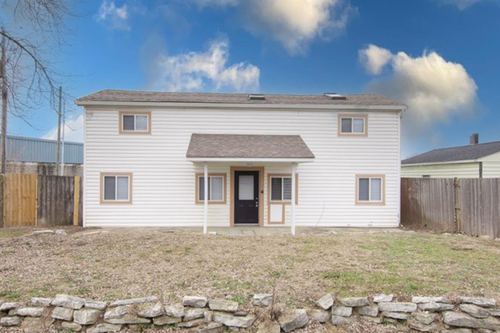
Filed Under: Passive Income, Real Estate, Real Estate Investing, Real Estate Market Tagged With: Real Estate Investing, Rental Properties, Turnkey Real Estate, Turnkey Rentals

Top Tech Tools Real Estate Investors Use to Analyze Market Trends

December 18, 2025 by Marco Santarelli

Top Tech Tools Real Estate Investors Use to Analyze Market Trends

Ever feel like wading through a mountain of paperwork and guesswork to pinpoint the next big real estate opportunity? I’ve been there. For years, the best investors relied on gut feelings, endless hours of research, and a bit of luck. But today, that’s like bringing a butter knife to a sword fight. The truth is, the smartest real estate investors are now using a powerful arsenal of technology to analyze markets, moving beyond gut instinct to make truly data-driven decisions. If you're serious about investing, understanding this tech isn't just helpful; it's essential.

Top Tech Tools Real Estate Investors Use to Analyze Market Trends

The Driving Force: AI and Big Data

At the heart of this technological revolution in real estate analysis are Artificial Intelligence (AI) and big data. Think of it this way: instead of trying to read every single newspaper article to understand the economy, AI and big data can sift through millions of pieces of information, identifying trends and patterns that would be impossible for a human to spot. This allows investors to move faster, spot opportunities earlier, and ultimately, make more money.

Here’s how some of the key technologies are changing the game:

  • AI and Machine Learning (ML): These aren't just buzzwords; they're the engine behind most of the cutting-edge real estate analysis tools. ML algorithms are like super-powered pattern-finders. They can crunch through historical sales, rental rates, demographic data, and even economic indicators to do things like:
    • Forecast property values with incredible accuracy: We’re talking estimates that can be 95% accurate, letting you know if a property is likely to go up or down in value.
    • Predict market cycles: Understanding when a market is likely to heat up or cool down allows you to buy low and sell high, or hold strategically.
    • Reduce prediction errors: This means less wasted time and money on properties that don't pan out.
  • Predictive Analytics: This is where AI gets really exciting for investors. Predictive analytics tools can look into the future, not with a crystal ball, but with sophisticated models. I’ve found these tools can give me a heads-up on market shifts 6 to 18 months before they’re obvious to everyone else. This could be predicting future price movements, identifying areas with booming rental demand, or pinpointing neighborhoods that are poised for significant growth. It’s like having a cheat sheet for the real estate market.
  • Automated Valuation Models (AVMs): You’ve probably heard of Zillow’s Zestimate. That’s an example of an AVM. These tools use data, like recently sold comparable properties (known as “comps”), tax records, and property specifics, to give you an instant, data-driven valuation of a property. While not always perfect, AVMs are incredibly useful for getting a quick, objective price estimate, especially when you’re looking at many properties quickly. Platforms like HouseCanary also offer robust AVM data for deeper analysis.
  • Natural Language Processing (NLP): This technology is all about understanding human language. In real estate, NLP can scan through mountains of unstructured data – think news articles, online reviews, social media chatter, and even complex lease agreements. What does this do for an investor? It can:
    • Gauge market sentiment: Is the local news talking positively or negatively about the housing market? Are people excited about new developments?
    • Quickly extract critical information: Instead of spending hours reading through dense legal documents, NLP can pull out key terms and figures, saving serious time. I’ve seen firsthand how this can shave days off a due diligence process.
  • Computer Vision: This tech allows computers to “see” and interpret images. For real estate investors, this means analyzing photos from property listings, satellite imagery, or even drone footage. It can help assess:
    • Property conditions: Identifying signs of wear and tear or potential maintenance issues without being on-site.
    • Key features: Recognizing specific amenities or architectural styles that might appeal to renters or buyers.
    • Refining valuations: A more accurate understanding of a property’s physical state naturally leads to a more accurate valuation.
  • Geographic Information Systems (GIS) and Location Intelligence: Location is king in real estate, and GIS tools help us understand it better than ever. They map and analyze data based on location. This is invaluable for:
    • Analyzing foot traffic patterns: Especially important for retail or commercial properties.
    • Proximity to amenities: How close is the property to good schools, public transportation, shopping centers, or parks? These factors significantly impact desirability and value.
    • Understanding neighborhood dynamics: Analyzing local demographics, income levels, and population growth to pick the most promising areas.

Real-World Tools for Every Investor

It’s one thing to talk about AI and big data; it’s another to see it in action. The market is flooded with specialized software and platforms, and the best one for you depends on your investment focus.

For General Residential Analysis:

  • Mashvisor: This platform is fantastic for comparing investment strategies. It uses heatmaps to visually show you which areas are performing best and has calculators to quickly determine Return on Investment (ROI). It’s especially good at comparing the profitability of short-term rentals (like Airbnb) versus long-term leases.
  • PropStream: If you're looking for off-market deals or motivated sellers, PropStream is a serious tool. I love its ability to filter through over 165 data points. You can find properties owned by absentee owners, properties in pre-foreclosure, or those with high equity, all of which can signal a motivated seller. It’s a game-changer for lead generation.
  • DealCheck: Sometimes you just need a straightforward way to analyze a potential deal. DealCheck offers a user-friendly interface to run financial analyses quickly and generates professional reports. This is super handy if you need to present your findings to lenders or partners.
  • Zillow Research and Redfin Data Center: While their primary purpose is property listings, these sites also offer a wealth of high-level market trends and neighborhood data. They can be a great starting point for any investor doing initial research, and they’re free!

For Commercial Real Estate (CRE) & Institutional Investors:

CRE analysis is often more complex, dealing with larger-scale cash flows and detailed financial modeling.

  • ARGUS Enterprise: This is the industry standard for detailed commercial cash flow analysis, valuation, and sophisticated scenario modeling. If you’re dealing with large commercial properties, understanding ARGUS is almost a requirement.
  • Rentana and RealPage Market Analytics: These platforms focus on the multifamily market, using AI to predict rent growth and occupancy trends. They provide deep insights into what’s happening with apartment buildings, which is crucial for large-scale investors.
  • Reonomy: This platform is excellent for commercial property prospecting. It aggregates vast amounts of ownership records and property data, helping investors find off-market commercial deals and connect with owners.

These technologies are not just making real estate investment easier; they're making it smarter, more profitable, and frankly, more accessible to those who embrace them. They allow us to cut through the noise, bypass the guesswork, and focus on what truly matters: finding solid investments with predictable returns.

Navigating the Tech Adoption Maze

Now, I don't want to paint too rosy a picture. Moving into this tech-heavy approach isn't always a walk in the park. I've seen firsthand the challenges that come with adopting new tools in this traditionally slow-moving industry.

1. Integration with Legacy Systems

A big one is dealing with older, “legacy” systems. Many companies—especially larger ones—still rely on outdated computer programs for their core operations. These old systems often don't “talk” to newer cloud-based or AI tools, creating “data silos” where information gets stuck. It’s like having two different filing cabinets that can’t share information, making it hard to get a complete picture. Roughly 61% of commercial real estate companies still use these older systems.

2. Cybersecurity and Data Privacy Risks

Real estate transactions involve a ton of sensitive financial and personal information. This makes investors and companies prime targets for cybercriminals. We’re seeing more sophisticated attacks like ransomware and phishing scams every year. Plus, we have to keep up with privacy laws like GDPR and CCPA, which can be complex and carry hefty fines for non-compliance. It’s no wonder around 40% of real estate firms cite data security as a major reason they hesitate to adopt new tech.

3. Organizational Resistance to Change

Let's be honest, real estate has a bit of a “we've always done it this way” culture. This can lead to people fearing that new technology and automation will take their jobs. This fear can cause people to push back against new tools. On top of that, many don't have the in-house tech skills needed to use these advanced tools. This means investing in training or hiring expensive consultants, which adds to the cost and complexity.

4. Financial Barriers and ROI Uncertainty

Implementing sophisticated tech costs money upfront – for the software, hardware, and training. Sometimes, companies underestimate the total cost, not factoring in ongoing maintenance and security updates. For smaller firms, proving the return on investment (ROI) for complex technologies can be difficult, making them wary of committing significant funds.

5. Fragmentation and Interoperability

The world of real estate technology itself is really spread out. There are separate tools for security, building management, investment analysis, and more. A lack of common data formats means these different tools often don't work well together, creating “interoperability issues.” Imagine trying to build a puzzle where pieces from different boxes don’t fit.

Despite these hurdles, the benefits of using technology to analyze real estate markets are undeniable. It’s about equipping yourself with the best possible information to make informed decisions and seize opportunities. The investors who embrace these tools will be the ones leading the pack in the years to come.

The Ultimate Guide to Passive Real Estate Investing

Download Your FREE Guide to Passive Real Estate Wealth

Real estate investing has created more millionaires than any other path—and this guide shows you how to start or scale with turnkey rental properties.

Inside, you’ll learn how to analyze cash flow and returns, choose the best markets, and secure income-generating deals—perfect for building long-term wealth with minimal hassle.

🔥 FREE DOWNLOAD AVAILABLE NOW! 🔥

Download

Smart Investors Are Buying Turnkey Deals in These Hot Markets

From Birmingham to San Antonio, savvy investors are locking in cash-flowing rental properties in high-demand cities—before prices rise and inventory tightens.

Norada Real Estate offers exclusive access to turnkey deals in Cape Coral, Charlotte, Cleveland, Dallas, Indianapolis, Jacksonville, Kansas City, Nashville, Port Charlotte, and more—perfect for building passive income and long-term wealth.

🔥 HOT NOVEMBER LISTINGS JUST ADDED! 🔥

Talk to a Norada investment counselor today (No Obligation):

(800) 611-3060

View Properties For Sale

Recommended Read:

  • Top Real Estate Investment Hotspots in 2025
  • How to Secure Your Retirement With Cash-Flowing Rental Properties
  • Why Turnkey Real Estate Still Beats Today's High Mortgage Rate Climate
  • Best Places to Invest in Single-Family Rental Properties in 2025
  • Why Real Estate Can Thrive During Tariffs Led Economic Uncertainty
  • Rise of AI-Powered Hyperlocal Real Estate Marketing in 2025
  • Real Estate Forecast Next 5 Years: Top 5 Predictions for Future
  • 5 Hottest Real Estate Markets for Buyers & Investors in 2025
  • Will Real Estate Rebound in 2025: Top Predictions by Experts
  • Recession in Real Estate: Smart Ways to Profit in a Down Market
  • Will There Be a Real Estate Recession in 2025: A Forecast
  • Will the Housing Market Crash Due to Looming Recession in 2025?
  • 4 States Facing the Major Housing Market Crash or Correction
  • New Tariffs Could Trigger Housing Market Slowdown in 2025
  • Real Estate Forecast Next 10 Years: Will Prices Skyrocket?

Filed Under: Real Estate, Real Estate Investing, Real Estate Market Tagged With: Real Estate Investing, Rental Properties, Turnkey Real Estate

Mortgage Rates Drop Fueling a Surge in Rental Property Investment

December 17, 2025 by Marco Santarelli

Mortgage Rates Drop Fueling a Surge in Rental Property Investment

Here's the good news for anyone looking to get into rental property investing or expand their existing portfolio: falling mortgage rates are making it significantly cheaper to buy rental properties, which directly boosts your potential profits. This shift in the market creates a powerful ripple effect, making the numbers crunch much more favorably for investors and driving increased activity.

For a while there, it felt like the sidelines were the only place to be for many aspiring real estate investors. High mortgage rates made the math for buying rental properties look, frankly, a little bleak. But as rates begin to dip, a wave of optimism is washing over the investment property scene, and I'm seeing more and more people asking about getting started. It's a dynamic shift that’s worth understanding if you're serious about building wealth through real estate.

Mortgage Rates Drop Fueling a Surge in Rental Property Investment

When we talk about mortgage rates falling, it's not just a small tweak; it’s a fundamental change in the economics of buying and holding rental properties. Let me break down why this matters so much from my perspective.

When I look at a potential rental property deal, the first thing I always scrutinize is the potential cash flow. This means the money left over after all the expenses are paid. The mortgage payment is usually the biggest chunk of those expenses. So, when the rates you pay on your loan go down, your monthly payment shrinks. That extra money in your pocket each month goes straight to your bottom line, increasing your cash flow and improving your return on investment (ROI). It’s like finding a discount on your biggest business expense, and that’s a game-changer.

What Lower Borrowing Costs Mean for Your Investment Strategy

Let's dive a bit deeper into how these lower rates actually change the game:

  • More Purchasing Power: Imagine you have a certain amount of money for a down payment. With lower interest rates, that same down payment can now qualify you for a larger loan. This means you can afford to buy a more expensive property, or perhaps even multiple properties you couldn't have considered before. Your buying power gets a significant upgrade.
  • Increased Competition (and Opportunity): As it becomes cheaper for investors like us to borrow money, more people enter the market. This increased demand can drive up property prices, which might sound like a negative. However, if you buy before prices fully catch up, you're positioning yourself for capital appreciation – the property's value going up over time.
  • Refinancing Sweetens the Deal: If you already own rental properties, this is a great time to look at refinancing your existing loans. If your current mortgage has a higher interest rate, you could potentially lower your monthly payments significantly by refinancing. This frees up capital that can be reinvested in new properties, used for much-needed renovations, or simply held as a safety net. I’ve seen investors use this strategy to scale their portfolios much faster than they initially thought possible.

The Ripple Effect on the Rental Market

It’s not just about us investors; falling mortgage rates have a fascinating impact on the broader rental market, and that’s great news for those of us in the landlord business.

Even with lower mortgage rates encouraging some people to buy homes, the reality in many areas is that housing prices are still high, and the supply of homes for sale is limited. This means that despite the attraction of homeownership, many individuals and families are still priced out. They must continue to rent. This sustained demand for rental units keeps the market strong. As landlords, we can often maintain steady rental income and, in many cases, even have room to increase rents as the demand outstrips supply.

When you combine lower financing costs with strong rental demand, suddenly your rental yields look a lot more attractive. The math just works out better, leading to more consistent and often higher profits.

Understanding Investment Property Mortgage Rates

Now, you might be thinking, “That all sounds great, but what are these rates actually like for investment properties?” This is a crucial point I always discuss with people.

As of late 2025 (based on current trends), you can typically expect mortgage rates for investment properties to be a bit higher than for primary residences. A good ballpark for a 30-year fixed-rate loan on an investment property is around 7.0% to 7.7%. For comparison, a primary residence might be closer to 6.125%.

These industry-standard rates reflect the additional risk lenders perceive with investment properties. If someone faces financial trouble, they’re generally more likely to prioritize keeping their own home over a rental property.

Factors That Influence YOUR Investment Property Rate

The exact rate you get isn't set in stone. It depends on several factors that I always encourage investors to be mindful of:

  • Your Down Payment: Putting down more money upfront is one of the biggest levers you can pull to get a better rate. Lenders often require 15% to 25% down for investment properties, but aiming for 25% or even more can significantly improve your terms.
  • Your Credit Score: A strong credit score is vital. While some lenders might work with scores as low as 620, you'll want a score of 700 or higher to access the most competitive rates.
  • Cash Reserves: Lenders want to know you have a financial cushion. They often require proof of several months' worth of mortgage payments in reserve, even if the property is rented. This shows you can handle unexpected vacancies or repairs.
  • Property Type: Generally, single-family homes might get a slightly better rate than multi-unit buildings like duplexes or triplexes, though this can vary.
  • Loan Type: The standard conventional loan is common, but there are other options like DSCR (Debt Service Coverage Ratio) loans or hard money loans. These often come with different, usually higher, interest rates, so it's important to understand the trade-offs.

My Take: It's a Great Time to Explore Turnkey Investments

What excites me about the current market conditions, with falling rates, is how it amplifies the benefits of strategies like turnkey rental property investing. With turnkey, you're essentially buying a property that's already been renovated and is ready to rent, often with professional property management already in place.

This approach is fantastic for several reasons, especially in today's market:

  • Simplifies Entry: For new investors, it removes a lot of the guesswork and hassle of finding, renovating, and managing a property from scratch.
  • Focus on ROI: When financing is cheaper, and you have a professionally managed, income-producing property, your potential for positive cash flow and steady returns is significantly enhanced.
  • Scalability: For experienced investors, it allows for faster expansion of their portfolio because the properties are essentially “ready to go.”

I’ve seen firsthand how investors are successfully acquiring properties through this method, from single-family homes to duplexes, in growing real estate markets. The key is finding well-selected deals in areas with strong rental demand and a history of appreciation.

Example Deal Structures (Illustrative of Available Inventory)

To give you a tangible idea of the kind of opportunities we currently have available, consider these examples from our listings. Remember, these represent just a fraction of our extensive inventory, and we're constantly adding new deals in promising markets.

These types of turnkey opportunities, when analyzed correctly with current financing options, can offer a compelling path to building wealth. The ability to acquire well-vetted properties that are already generating income, coupled with more favorable financing, creates a powerful synergy.

🏡 Explore Our Hot Turnkey Investments

Premium Properties Ready for Immediate Cash Flow

Single-Family Home
Lewis Place, St. Louis, MO
5 Bed / 3 Bath
$275,000
Monthly Rental Income
$2,500
Monthly Cash Flow (NOI)
$2,020
Single-Family Home
Bascom Dr, St. Louis, MO
2 Bed / 1 Bath
$120,000
Monthly Rental Income
$1,055
Monthly Cash Flow (NOI)
$815
Single-Family Home
Elbring Dr, St. Louis, MO
3 Bed / 1 Bath
$135,000
Monthly Rental Income
$1,300
Monthly Cash Flow (NOI)
$1,022
Single-Family Home
Barto Dr, St. Louis, MO
2 Bed / 1 Bath
$125,000
Monthly Rental Income
$1,250
Monthly Cash Flow (NOI)
$988
Single-Family Home
Willmann Ct, St. Louis, MO
3 Bed / 1 Bath
$145,000
Monthly Rental Income
$1,450
Monthly Cash Flow (NOI)
$1,120
Duplex
W 117th St, Cleveland, OH
4 Bed / 2 Bath
$169,900
Monthly Rental Income
$1,660
Monthly Cash Flow (NOI)
$1,173
Single-Family Home
Aldridge Ave, Port Charlotte, FL
3 Bed / 2 Bath
$339,900
Monthly Rental Income
$2,195
Monthly Cash Flow (NOI)
$1,643
Duplex
San Cristobal Ave, Punta Gorda, FL
6 Bed / 4 Bath
$575,000
Monthly Rental Income
$3,890
Monthly Cash Flow (NOI)
$2,951
Single-Family Home
Drysdale Ave, Port Charlotte, FL
4 Bed / 2 Bath
$349,900
Monthly Rental Income
$2,295
Monthly Cash Flow (NOI)
$1,633

Note: All figures are estimates based on current market conditions. Monthly Cash Flow represents Net Operating Income after operating expenses. Contact us for detailed property information and investment analysis.

Bottom Line

The combination of falling mortgage rates and sustained rental demand is creating an incredibly opportune moment for rental property investors. It makes the financial equation of owning rental property more attractive, leading to increased confidence and momentum in the market.

If you've been on the fence about investing in real estate, or if you’re looking to grow your portfolio, now is an excellent time to seriously explore your options. By understanding how these economic shifts impact your potential returns, you can make informed decisions and position yourself for success.

Smart Investors Are Buying Turnkey Deals in These Hot Markets

From Birmingham to San Antonio, savvy investors are locking in cash-flowing rental properties in high-demand cities—before prices rise and inventory tightens.

Norada Real Estate offers exclusive access to turnkey deals in Cape Coral, Charlotte, Cleveland, Dallas, Indianapolis, Jacksonville, Kansas City, Nashville, Port Charlotte, and more—perfect for building passive income and long-term wealth.

🔥 HOT December LISTINGS JUST ADDED! 🔥

Talk to a Norada investment counselor today (No Obligation):

(800) 611-3060

View Properties For Sale

The Ultimate Guide to Passive Real Estate Investing


Download Your FREE Guide to Passive Real Estate Wealth

Real estate investing has created more millionaires than any other path—and this guide shows you how to start or scale with turnkey rental properties.

Inside, you’ll learn how to analyze cash flow and returns, choose the best markets, and secure income-generating deals—perfect for building long-term wealth with minimal hassle.

🔥 FREE DOWNLOAD AVAILABLE NOW! 🔥

Download

Recommended Read:

  • Top Real Estate Investment Hotspots in 2025
  • How to Secure Your Retirement With Cash-Flowing Rental Properties
  • Why Turnkey Real Estate Still Beats Today's High Mortgage Rate Climate
  • Best Places to Invest in Single-Family Rental Properties in 2025
  • Why Real Estate Can Thrive During Tariffs Led Economic Uncertainty
  • Rise of AI-Powered Hyperlocal Real Estate Marketing in 2025
  • Real Estate Forecast Next 5 Years: Top 5 Predictions for Future
  • 5 Hottest Real Estate Markets for Buyers & Investors in 2025
  • Will Real Estate Rebound in 2025: Top Predictions by Experts
  • Recession in Real Estate: Smart Ways to Profit in a Down Market
  • Will There Be a Real Estate Recession in 2025: A Forecast
  • Will the Housing Market Crash Due to Looming Recession in 2025?
  • 4 States Facing the Major Housing Market Crash or Correction
  • New Tariffs Could Trigger Housing Market Slowdown in 2025
  • Real Estate Forecast Next 10 Years: Will Prices Skyrocket?
Filed Under: Real Estate, Real Estate Investing, Real Estate Market Tagged With: Real Estate Investing, Rental Properties, Turnkey Real Estate

  • « Previous Page
  • 1
  • 2
  • 3
  • 4
  • Next Page »

Real Estate

  • Birmingham
  • Cape Coral
  • Charlotte
  • Chicago

Quick Links

  • Markets
  • Membership
  • Notes
  • Contact Us

Blog Posts

  • Today’s Mortgage Rates, April 21: 30-Year Fixed at 6.05% as Bond Market Holds Steady
    April 21, 2026Marco Santarelli
  • 30-Year Fixed Mortgage Rate Drops Steeply to a Four-Week Low
    April 21, 2026Marco Santarelli
  • Houston Housing Market: Trends and Forecast 2026
    April 21, 2026Marco Santarelli

Contact

Norada Real Estate Investments 30251 Golden Lantern, Suite E-261 Laguna Niguel, CA 92677

(949) 218-6668
(800) 611-3060
BBB
  • Terms of Use
  • |
  • Privacy Policy
  • |
  • Testimonials
  • |
  • Suggestions?
  • |
  • Home

Copyright 2018 Norada Real Estate Investments

Loading...