As of Friday, September 4, 2026, the national average for a 30-year fixed refinance rate has inched up to 7.09%, an increase of 8 basis points from yesterday's 7.01%. This marks a continued upward trend in borrowing costs, pushing them closer to the significant 7% threshold, largely influenced by ongoing geopolitical tensions and inflation concerns.
Mortgage Rates Today, Sept 4, 2026: 30-Year Refinance Rate Rises by 8 Basis Points
What's Happening with Refinance Rates Today?
Let's break down the numbers as reported by Zillow, which is a go-to source for this kind of data.
| Loan Type | Average Rate | Change from Previous Day | Change from Previous Week |
|---|---|---|---|
| 30-Year Fixed Refinance | 7.09% | +8 basis points | +12 basis points |
| 15-Year Fixed Refinance | 6.12% | +5 basis points | — |
| 5-Year ARM Refinance | 6.25% | — | — |
As you can see, the 30-year fixed refinance rate is the one that saw the most noticeable bump, climbing to 7.09%. This is a pretty big deal because it's not just a small blip; it's 12 basis points higher than it was just last week when the average was closer to 6.97%. The 15-year fixed rate also saw a modest increase, while the 5-year ARM stayed steady for the day.
Why Are Rates Going Up Again? It's a Mix of Things!
It feels like just yesterday we were talking about rates dropping, and now we're seeing them climb. This shift isn't random; it's driven by some pretty big events happening around the world.
- Trouble in the Middle East: You might have heard about new military actions near the Strait of Hormuz. This is a really important shipping route for oil. When there's trouble there, oil prices tend to shoot up. We're seeing Brent crude oil prices go over $92-$95 a barrel. Higher oil prices mean higher energy costs for everyone, which then makes us worry more about inflation. When inflation is high, it's harder for borrowing money to feel cheap.
- Nerves in the Bond Market: Imagine everyone who owns bonds (which are basically loans to governments or companies) suddenly feeling nervous. That’s what’s happening. This “bond market sell-off” is making the interest rates on government debt, like the 10-year Treasury yield, go up. Since mortgage rates are closely tied to these government borrowing costs, when they go up, so do mortgage rates for regular folks like you and me. We're seeing the 10-year Treasury yield sitting between 4.74% and 4.79%.
- Our Growing National Debt: The United States' national debt has now crossed the $40 trillion mark. This is a huge number, and it's making some investors a little worried about how the country will manage its finances in the future. This worry can also push borrowing costs up.
- The Fed's Stance: The Federal Reserve (you know, the people who help manage our country's economy) has been dealing with stubborn inflation. Because of this, they're hinting that interest rates might stay high for a while longer, or even go up again, instead of coming down soon. The markets are starting to believe this, and that expectation is already affecting the rates we see today.
What Does This Mean for You? A Few Things to Consider.
Now, knowing all this, what should you be thinking about if you're planning to refinance or buy a home?
- Lock It In! If you absolutely need to refinance right now, and you see a rate that works for you, my honest advice is to lock it in as soon as you can. These rates have been going up consistently, and locking in protects you from paying even more if they continue to climb. I've seen situations where people waited just a few days and ended up paying hundreds of dollars more over the life of their loan.
- ARMs Are Back in the Spotlight: Because fixed rates are getting higher, more people are looking at Adjustable-Rate Mortgages (ARMs). These often start with a lower interest rate than a fixed-rate loan for the first few years. Right now, ARMs make up about 8% of refinance applications. They can be a good option if you plan to move or refinance again before the initial low-rate period ends, but you have to be aware of the risk that your payments could go up later.
- The “Lock-In” Effect is Real: If you were lucky enough to get a mortgage during the pandemic when rates were super low (like under 4%), refinancing your current mortgage right now probably doesn't make much sense. You'd be trading a really good deal for a higher one. This is often called the “lock-in” effect. It means many people are staying put and not refinancing, which cools down the demand for refinancing.
- Think About Your Equity: If you have a lot of equity in your home (meaning you own a good chunk of it) and you need to pull out some cash, consider other options besides a full cash-out refinance. Things like a second mortgage or a Home Equity Line of Credit (HELOC) might be better. This way, you can keep your original, low-rate primary mortgage and borrow against your home's value separately.
A Quick Look Back at the Trend
It’s important to remember the journey we’ve been on. At the start of 2026, rates were actually heading downwards. But somewhere along the line, things took a sharp turn. This past week marks the fifth week in a row that we've seen borrowing costs go up. This has really slowed down the number of people wanting to refinance. When rates were lower, around 6.09% not too long ago, refinance demand was much stronger.
Here's a table showing how rates have been moving recently, based on data from Zillow:
| Date | 30-Year Fixed Refinance Rate |
|---|---|
| Sept 4, 2026 | 7.09% |
| Sept 3, 2026 | 7.01% |
| Previous Week Average | ~6.97% |
| Early 2026 Average | ~6.09% |
My Two Cents on What's Next
Looking at these numbers and the global events, I'm not seeing a quick drop in mortgage rates on the horizon. The Federal Reserve's stance on inflation and the ongoing global uncertainties suggest that rates will likely remain elevated for some time. For homeowners, this means being strategic. If you're looking to refinance, act decisively if you find a rate you're comfortable with. If you're buying, be prepared for higher monthly payments than you might have expected a year or two ago.
It's a bit of a tough environment right now, but knowledge is power. Understanding why rates are moving and what your options are will help you make the best decisions for your financial future.
VS
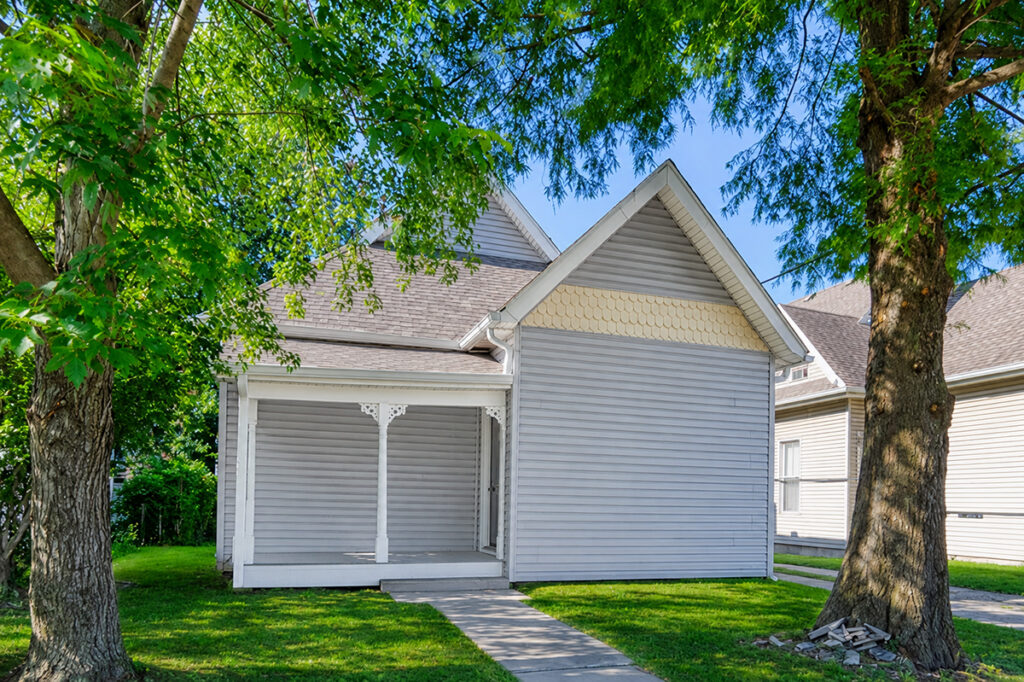
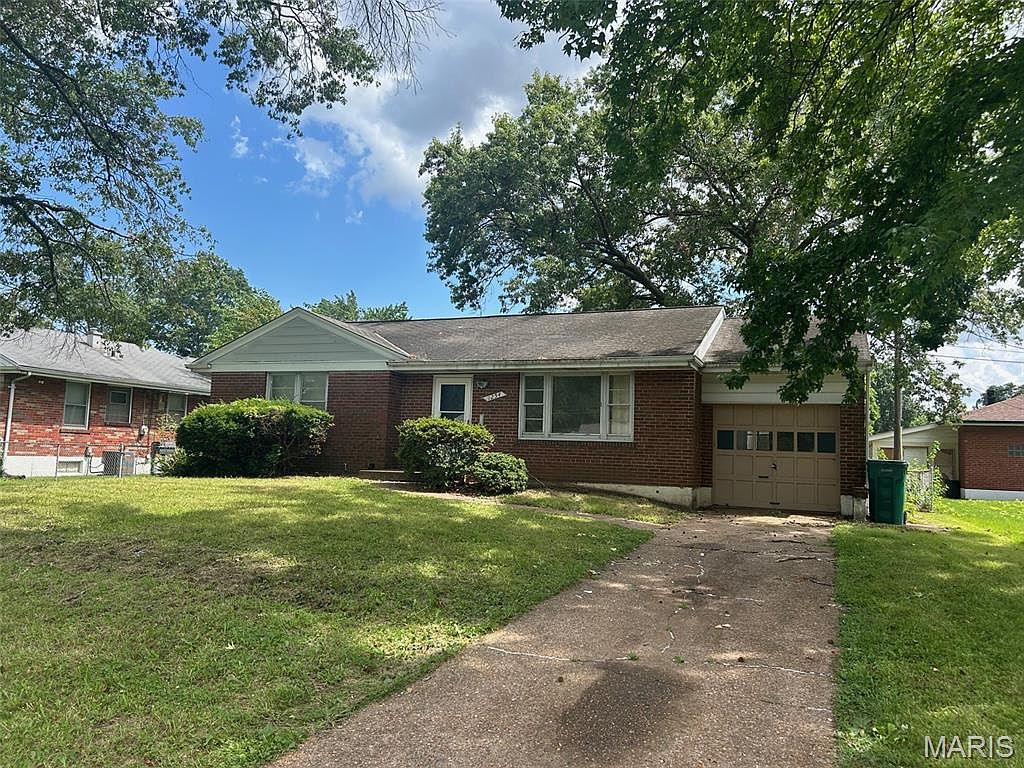
Saint Louis offers a budget‑friendly 4‑bed rental with a high cap rate, while Indianapolis provides a classic 2‑bed property with steady cash flow. Which Midwest market fits YOUR investment strategy?
We have much more inventory available than what you see on our website – Let us know about your requirement.
📈 Choose Your Winner & Contact Us Today!
Speak to a Norada Investment Counselor (No Obligation):
(800) 611-3060
Mortgage rates remain high in 2026, but rental properties continue to deliver strong cash flow and appreciation. Savvy investors know that turnkey real estate is the path to passive income and long‑term wealth.
Norada Real Estate helps you secure turnkey rental properties designed for immediate cash flow and appreciation—so you can invest smartly regardless of interest rate trends.
Also Read:
- Mortgage Rates Predictions Backed by 7 Leading Experts: 2025–2026
- Mortgage Rate Predictions for the Next 3 Years: 2026, 2027, 2028
- 30-Year Fixed Mortgage Rate Forecast for the Next 5 Years
- 15-Year Fixed Mortgage Rate Predictions for Next 5 Years: 2025-2029
- Will Mortgage Rates Ever Be 3% Again in the Future?
- Mortgage Rates Predictions for Next 2 Years
- Mortgage Rate Predictions for Next 5 Years
- Mortgage Rate Predictions: Why 2% and 3% Rates are Out of Reach
- How Lower Mortgage Rates Can Save You Thousands?
- How to Get a Low Mortgage Interest Rate?
- Will Mortgage Rates Ever Be 4% Again?