Norada Real Estate Investments

  • Home
  • Markets
  • Properties
  • Membership
  • Podcast
  • Learn
  • About
  • Contact

Mortgage Rates Today: 30-Year Fixed Refinance Rate Rises by 3 Basis Points

December 3, 2025 by Marco Santarelli

Mortgage Rates Today, Jan 1, 2026: 30-Year Refinance Rate Rises by 48 Basis Points

If you've been eyeing a mortgage refinance, the 30-year fixed rate just nudged up by 3 basis points, reaching 6.70% as of Wednesday, December 3, 2025, according to Zillow. While this might seem like a small sip of change, I want to dive into what this actually means for your wallet, your financial health, and how you can still win in this market.

Mortgage Rates Today, December 3: 30-Year Fixed Refinance Rate Rises by 3 Basis Points

What's Cooking with Mortgage Refinance Rates?

Let's break down the latest figures from Zillow. The 30-year fixed refinance rate is now sitting at 6.70%. This is a slight uptick, a rise of 3 basis points, from its previous position of 6.67%. Now, if you're thinking, “Is that even a blip?” – hold on. Sometimes, these small movements are precursors to bigger shifts, and it's always good to be aware.

Looking at the broader picture, this 6.70% rate is also 1 basis point higher than the average rate we saw just last week, which was 6.69%. As a seasoned observer of these markets, I've seen how even these seemingly tiny changes can compound over time, especially with a 30-year loan.

But it's not all upward movement. Good news for some! The 15-year fixed refinance rate actually saw a welcome decrease. It dropped by a notable 11 basis points, settling at 5.56% from last week's 5.67%. This could be a fantastic opportunity for homeowners who want to pay off their mortgage faster and save on interest, though they might not need the longer repayment period that a 30-year offers.

On the flip side, the 5-year Adjustable-Rate Mortgage (ARM) refinance rate has taken a more significant leap. It’s up by a hefty 34 basis points, moving from 7.24% to 7.58%. This jump signals that lenders are pricing in more risk or expecting interest rates to potentially stay higher for longer, making ARMs less attractive for those seeking immediate stability.

What a 3 Basis Point Increase Really Means for Monthly Payments

So, you see “3 basis points” and your mind might glaze over. But here's where it hits home: your monthly payment. A basis point is just one-hundredth of a percent. So, 3 basis points is 0.03%. On the surface, it sounds minuscule.

Let's consider a hypothetical refinance of $300,000 on a 30-year fixed mortgage.

  • At 6.67% (the previous rate): Your estimated monthly principal and interest payment would be around $1,944.
  • At 6.70% (the current rate): Your estimated monthly principal and interest payment would be around $1,951.

That's a difference of about $7 per month. Now, $7 might not make or break your budget. However, remember that refinance involves closing costs, which can add up to thousands of dollars. When you're looking at a refinance, especially one with closing costs, that $7 per month difference means it will take a little bit longer for your savings on interest to recoup those upfront expenses. My advice? Always factor in the break-even point, the number of months it will take for your monthly savings to cover your closing costs. Every extra dollar spent on interest upfront extends that break-even period.

Furthermore, this small increase can be a sign. It could mean that lenders are anticipating continued upward pressure on rates, or perhaps they are adjusting their pricing based on economic indicators. For me, it's a clear signal to not drag your feet too much if you've been contemplating a refinance.

Understanding the Impact of Debt-to-Income Ratio on Refinancing

Beyond just the rate itself, your Debt-to-Income (DTI) ratio is a massive factor in whether you'll qualify for a refinance and at what rate. Lenders use your DTI to gauge your ability to manage monthly payments and repay debts. It’s calculated by dividing your total monthly minimum debt payments by your gross monthly income.

  • Front-end DTI (or housing ratio): This looks at just your potential new mortgage payment (principal, interest, taxes, and insurance) compared to your gross monthly income.
  • Back-end DTI (or total debt ratio): This is the more common metric and includes all your monthly debt obligations – student loans, car payments, credit card minimums, plus your potential new mortgage payment – compared to your gross monthly income.

Generally, the lower your DTI, the more attractive you are to lenders. A DTI of 43% or lower is often considered the benchmark for conventional loans, though some government-backed programs might have slightly higher allowances.

Why this matters for refinancing: If your DTI is high, even a small increase in rates can push your potential new mortgage payment out of reach for lenders' guidelines. Conversely, if you've been diligently paying down debt or seen your income increase since you last borrowed, your DTI might have improved, potentially opening doors to better refinance options – even if rates have seen a minor bump. Before diving into any refinance discussions, I always recommend getting a clear picture of your own DTI. It sets your expectations and targets.

Exploring Government Programs That Support Refinancing

It's not all about conventional loans. The U.S. government offers programs that can be a lifeline for homeowners looking to refinance, especially in challenging rate environments or if they have specific circumstances.

  • FHA Streamline Refinance: If you currently have a FHA loan, this program allows you to refinance into a new FHA loan with reduced paperwork and often without an appraisal. It's designed to make refinancing easier and more accessible. Even with current rates, if you can reduce your rate or term, it could be worthwhile.
  • VA Streamline Refinance (IRRRL): For eligible veterans and active-duty military, the VA offers a similar streamlined refinance option. This can be a fantastic way to lower your monthly payment or switch from an ARM to a fixed rate.
  • HARP (Home Affordable Refinance Program): While HARP has ended, it's a good reminder that programs exist to help underwater homeowners. Keep an eye on any new government initiatives related to housing assistance or relief, as these can pop up during economic shifts.

These programs often have more flexible eligibility requirements than conventional loans, making them crucial options for many. It’s always worth checking if you qualify, as they can sometimes offer rates or terms that aren't available through private lenders.

Recommended Read:

30-Year Fixed Refinance Rate Trends – December 2, 2025

Best Time to Refinance Your Mortgage: Expert Insights

Should You Refinance Your Mortgage Now or Wait Until 2026? 

Strategies to Improve Your Credit Score Before Refinancing

Your credit score is your financial report card, and it plays an enormous role in the mortgage refinance rates you'll be offered. A higher credit score translates to lower interest rates, which means significant savings over the life of your loan. Given the slight uptick in rates, it's even more critical to put your best financial foot forward.

Here are some actionable strategies I always suggest:

  • Pay Bills on Time, Every Time: This is the single most important factor. Late payments can significantly damage your score. Set up auto-pay for all your bills.
  • Reduce Credit Card Balances: Aim to keep your credit utilization ratio (the amount of credit you're using compared to your total available credit) below 30%, and ideally below 10%. Paying down balances on credit cards can boost your score quickly.
  • Don't Close Old Accounts: Even if you don't use them, old credit accounts with a positive payment history show lenders you have experience managing credit over time. Closing them can reduce your average account age and available credit, potentially lowering your score.
  • Check Your Credit Reports for Errors: You're entitled to free credit reports from Equifax, Experian, and TransUnion annually. Review them for any inaccuracies. Mistakes can drag down your score, and disputing them can lead to an improvement.
  • Avoid New Credit Applications: Opening several new credit accounts in a short period can negatively impact your score due to hard inquiries and the reduction in the average age of your accounts.

I've seen clients improve their scores by 20-50 points in just a few months by focusing on these aspects. That kind of improvement can easily knock a quarter-point or more off your refinance rate, easily offsetting a 3-basis point rise.

The Bottom Line on Today's Rates

While the 30-year fixed refinance rate rising by 3 basis points to 6.70% might sound like a step back, it's just one data point in a dynamic market. It highlights the importance of not delaying decisions too long if you have a clear refinance goal. However, it also emphasizes that locking in your best rate is more attainable when you've got a strong financial profile.

Remember to consider the overall picture: your DTI, your credit score, and the specific refinance programs available to you. Always do the math on your break-even point, and consult with trusted mortgage professionals. My experience tells me that a disciplined approach to your finances, combined with smart shopping, can still lead to excellent refinance outcomes, even when rates are on the move.

“Invest Smart — Build Long-Term Wealth Through Real Estate”

Norada's team can guide you through current market dynamics and help you position your investments wisely—whether you're looking to reduce rates, pull out equity, or expand your portfolio.

Work with us to identify proven, cash-flowing markets and diversify your portfolio while borrowing costs remain favorable.

HOT NEW TURNKEY DEALS JUST LISTED!

Speak with a seasoned Norada investment counselor today (No Obligation):

(800) 611-3060

Get Started Now

Recommended Read:

  • When You Refinance a Mortgage Do the 30 Years Start Over?
  • Should You Refinance as Mortgage Rates Reach Lowest Level in Over a Year?
  • NAR Predicts 6% Mortgage Rates in 2025 Will Boost Housing Market
  • Mortgage Rates Predictions for 2025: Expert Forecast
  • Half of Recent Home Buyers Got Mortgage Rates Below 5%
  • Mortgage Rates Need to Drop by 2% Before Buying Spree Begins
  • Will Mortgage Rates Ever Be 3% Again: Future Outlook
  • Mortgage Rates Predictions for Next 2 Years
  • Mortgage Rate Predictions for Next 5 Years
  • Mortgage Rate Predictions for 2025: Expert Forecast

Filed Under: Financing, Mortgage Tagged With: mortgage, mortgage rates, Mortgage Refinance Rates

Today’s Mortgage Rates December 2: 30-Year Fixed Rate Rises to 6.11%

December 2, 2025 by Marco Santarelli

Today's Mortgage Rates, Jan 7: Stable Rates Continue for Buyers and Refinancers

As of December 2nd, 2025, the mortgage rate scene presents a bit of a tug-of-war, with the popular 30-year fixed mortgage rate inching up, while shorter-term options are showing more stability, offering a mixed bag of news for anyone looking to buy a home or refinance. Today’s data from Zillow paints an interesting picture, especially when you compare the 30-year fixed to its 15-year counterpart.

Today's Mortgage Rates December 2: 30-Year Fixed Rate Rises to 6.11%

What the Numbers Say Today (December 2, 2025)

Let's break down what Zillow reported for national averages today. This is important because these rates can influence your monthly payments significantly.

  • 30-year fixed mortgage rate: 6.11% (This is up 11 basis points today).
  • 20-year fixed mortgage rate: 5.99%
  • 15-year fixed mortgage rate: 5.48% (This is down 2 basis points today).
  • 5/1 Adjustable-Rate Mortgage (ARM): 6.12%
  • 7/1 Adjustable-Rate Mortgage (ARM): 6.08%
  • 30-year VA rate: 5.52%
  • 15-year VA rate: 5.16%
  • 5/1 VA rate: 5.10%

You’ll notice that the 30-year fixed rate, the one most people think of when they think about a mortgage, has nudged higher. On the flip side, the 15-year fixed has actually dipped a little. This is a pretty significant divergence, and it's worth exploring why that might be and what it means for you.

Refinance Rates: A Slightly Different Story

If you're a homeowner thinking about refinancing your current mortgage, the numbers are slightly different

Loan Type Rate (%)
30‑year fixed refinance 6.17
20‑year fixed refinance 6.16
15‑year fixed refinance 5.59
5/1 ARM refinance 6.44
7/1 ARM refinance 6.95
30‑year VA refinance 5.54
15‑year VA refinance 5.26
5/1 VA refinance 5.11

It's common for refinance rates to be a hair higher than purchase rates, as lenders assess slightly different risks. But the trend we see in the purchase market often carries over.

30-Year Fixed vs. 15-Year Fixed: Which Deal is Better Now?

This is the age-old question many buyers grapple with, and today’s rates make it even more compelling. The gap between the 30-year fixed rate (6.11%) and the 15-year fixed rate (5.48%) is now over 60 basis points. That’s a noticeable difference.

Let’s talk about what that means in real terms.

If you secure a mortgage for, say, $300,000:

  • At 6.11% for 30 years, your principal and interest payment would be roughly $1,830 per month.
  • At 5.48% for 15 years, your principal and interest payment would jump to about $2,260 per month.

That's an extra $430 a month out of pocket. Ouch.

However, think about the long game. Over the life of those loans:

  • The 30-year mortgage at 6.11% would cost you approximately $358,800 in interest.
  • The 15-year mortgage at 5.48% would cost you roughly $106,800 in interest.

That's a staggering difference of over $250,000 in interest savings with the 15-year loan.

My take? If you have the financial stability and cash flow to comfortably afford those higher monthly payments of the 15-year mortgage, it can be a fantastic way to build equity faster and save a massive amount on interest over time. This often appeals to buyers who are further along financially, perhaps upgrading to their second or third home, or investors looking for quicker debt payoff.

The Impact of Rising 30-Year Fixed Rates on Buyers

Now, that climb to 6.11% for the 30-year fixed rate isn't ideal for new buyers. Affordability is always a hot topic, and when rates tick up, it can push some potential buyers to the sidelines or force them to look at less expensive homes.

Compared to just last week, that 0.11% increase might not sound like much, but it adds up. For that $300,000 loan, the monthly payment is about $40-$50 higher than it would have been at a slightly lower rate. Over 30 years, this small increase translates to thousands more in interest paid. It’s why buyers often feel the pressure when rates are on the move upwards.

15-Year Fixed Rates: A Strategic Investment?

As I mentioned, that 5.48% for a 15-year fixed is looking pretty attractive if your budget can handle it. It's not just about saving money; it's about having your home paid off in half the time. Imagine being mortgage-free in 15 years instead of 30! That’s a powerful financial goal.

This option is often a strategic play. Buyers who can manage the higher monthly cost might be doing so because they’ve factored in future income growth, have other investments that outperform the mortgage rate, or simply value the peace of mind that comes with owning their home outright sooner. It's a way to potentially leverage your stronger current financial position for long-term gain.

Refinance Market Pressures and Opportunities

For those looking to refinance, the situation is a bit trickier. Seeing refinance rates slightly higher than purchase rates (6.17% for a 30-year fixed refinance vs. 6.11% for purchase) can be discouraging.

If you were hoping to lower your monthly payment or pull cash out, these current rates might not offer the savings you were expecting. My professional opinion here is to be patient if you can. The market is heavily influenced by what the Federal Reserve signals about interest rates. Many are watching inflation data and anticipating potential Fed rate cuts that could start in early 2026.

If you have a relatively low “current” mortgage rate and rates are hovering around that 6% mark, it might not be the best time to refinance unless you have a specific, urgent need. Waiting for potential rate drops in the new year could unlock better opportunities for significant savings.

Will Mortgage Rates Drop Soon? Looking Ahead

This is the million-dollar question, isn't it? Analysts are indeed keeping a close eye on inflation reports and any whispers from the Federal Reserve. Today’s slight uptick in the 30-year rate suggests some ongoing upward pressure in the short term. However, the fact that shorter-term loans like the 15-year fixed are easing hints that the anticipation of future rate reductions is still very much alive in the market.

If economic indicators continue to point towards a cooling economy, it’s reasonable to expect that the Fed might consider cutting rates, which would likely bring mortgage rates down with them. But for now, as we see today, volatility seems to be the name of the game. It's a market that rewards being informed and adaptable.

Invest Smartly in Turnkey Rental Properties

With rates dipping to their lowest levels, investors are locking in financing to maximize cash flow and long-term returns.

Norada Real Estate helps you seize this rare opportunity with turnkey rental properties in strong markets—so you can build passive income while borrowing costs remain historically low.

🔥 HOT NEW LISTINGS JUST ADDED! 🔥

Talk to a Norada investment counselor today (No Obligation):

(800) 611-3060

Get Started Now

Also Read:

  • Mortgage Rates Predictions Backed by 7 Leading Experts: 2025–2026
  • Mortgage Rate Predictions for the Next 3 Years: 2026, 2027, 2028
  • 30-Year Fixed Mortgage Rate Forecast for the Next 5 Years
  • 15-Year Fixed Mortgage Rate Predictions for Next 5 Years: 2025-2029
  • Will Mortgage Rates Ever Be 3% Again in the Future?
  • Mortgage Rates Predictions for Next 2 Years
  • Mortgage Rate Predictions for Next 5 Years
  • Mortgage Rate Predictions: Why 2% and 3% Rates are Out of Reach
  • How Lower Mortgage Rates Can Save You Thousands?
  • How to Get a Low Mortgage Interest Rate?
  • Will Mortgage Rates Ever Be 4% Again?

Filed Under: Financing, Mortgage Tagged With: Interest Rate, mortgage, Mortgage Rate Trends, mortgage rates, Mortgage Rates Today

Mortgage Refinance Rates Today: 30-Year Fixed Rate Rises by 6 Basis Points

December 2, 2025 by Marco Santarelli

Mortgage Rates Today, Jan 1, 2026: 30-Year Refinance Rate Rises by 48 Basis Points

If you've been thinking about refinancing your home, you might have noticed that mortgage rates are still a bit bumpy. As of Tuesday, December 2nd, the national average for a 30-year fixed refinance rate has nudged up by 6 basis points, landing at 6.75%, according to Zillow's latest data. This small shift means that if you're looking to swap your current mortgage for a new one, the cost might have gone up a tiny bit compared to last week.

Mortgage Refinance Rates Today: 30-Year Fixed Rate Rises by 6 Basis Points

Let's break down what's happening with these refinance rates. It's not just the 30-year fixed that's seeing changes. The 15-year fixed refinance rate has also climbed, going up by 9 basis points to 5.73%. And for those considering an adjustable-rate mortgage (ARM), the 5-year ARM refinance rate has seen a more significant jump, increasing by a notable 34 basis points to 7.53%.

What do these numbers really mean for you as a homeowner? A basis point is just one-hundredth of a percent. So, a 6-basis point increase, as seen in the 30-year fixed rate, means it went from roughly 6.69% last week to 6.75% today. It might not sound like a lot, but over the life of a mortgage, even small percentage changes can add up.

What a 6 Basis Point Increase Means for Monthly Payments

To put it simply, if you were to refinance a $300,000 loan at the old rate of 6.69%, your estimated monthly principal and interest payment would be around $1,944. Now, at 6.75%, that same loan would have a monthly payment of approximately $1,955. That's a difference of about $11 per month. While $11 might not seem huge, over 30 years, that's an extra $3,960 in interest paid. If we were talking about a quarter-point increase, the difference would be much more noticeable in your monthly budget.

This is why my advice to clients is always to look at the bigger picture and understand your personal financial situation. If you're refinancing to consolidate debt or to lower your monthly payment significantly, a few basis points might be worth absorbing. But if you're on the fence, it's a good reason to pause and assess.

Key Trends Shaping Today's Mortgage Market

The daily fluctuations are just one piece of the puzzle. To truly understand where we're headed, we need to look at the bigger trends that have been at play throughout 2025.

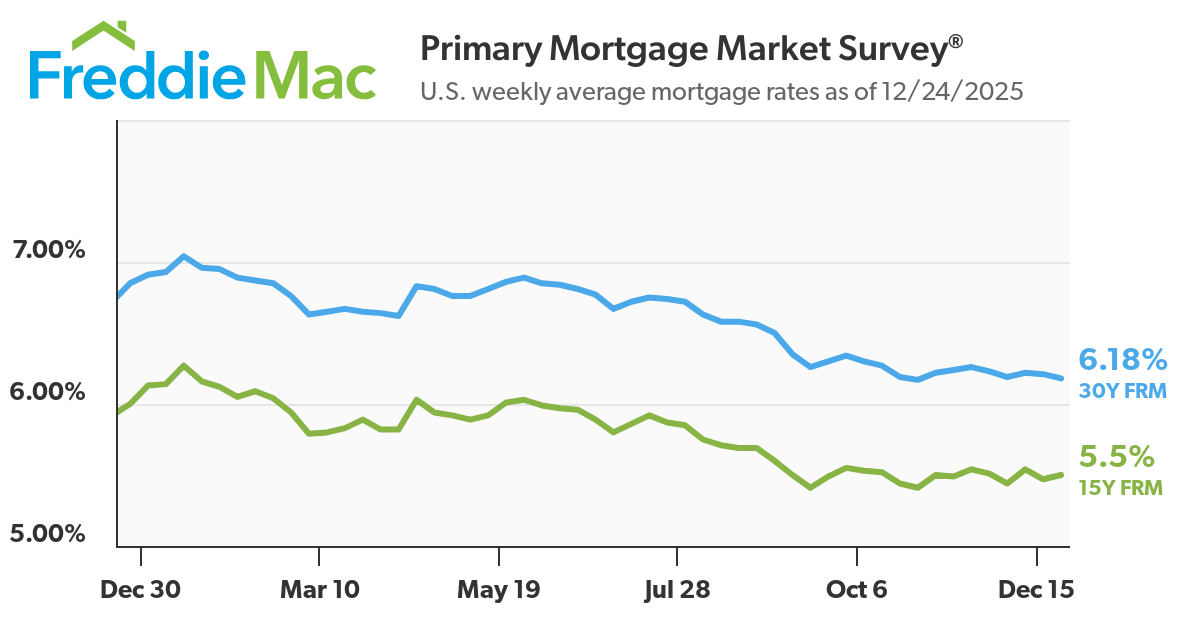
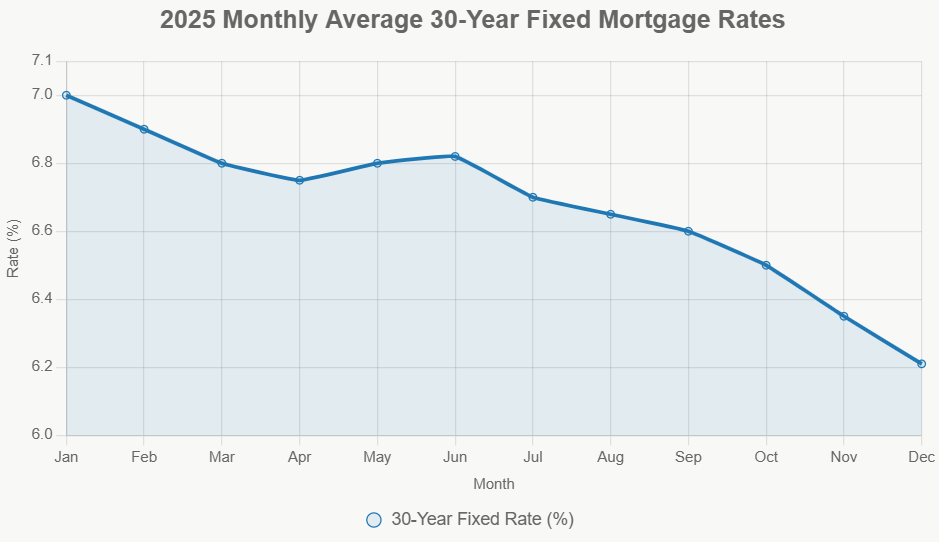
  • A Year of Declining Rates (Mostly): If you recall, earlier this year we saw mortgage rates hovering around 7% or even a bit higher. Throughout 2025, we've generally seen a downward trend, partly thanks to the Federal Reserve cutting interest rates. This has created some good refinancing opportunities for homeowners. For instance, if you got your mortgage when rates were at their recent peak, refinancing now could potentially save you money.
  • Federal Reserve Watching: The big question on everyone's mind is what the Federal Reserve will do next. Markets are buzzing with anticipation about a possible third rate cut at their December 9-10 meeting. Generally, when the Fed cuts rates, it can lead to lower mortgage rates. However, as we've seen, the effect isn't always immediate or dramatic. Earlier Fed cuts this year didn't cause mortgage rates to plummet and stay down. So, while a cut is a positive sign, it's not a guarantee of significantly lower rates across the board. I always tell people to be optimistic but also realistic.
  • Historical Perspective: It's easy to get caught up in the everyday headlines, but it's helpful to remember the longer view. While today's rates are definitely higher than those super-low pandemic-era rates (remember when 30-year fixed was below 3%? Those were wild times!), they are actually quite reasonable when you look at historical averages. In fact, current rates are comparable to what people were seeing back in the 1990s. This perspective can help homeowners decide if now is a good time for them to refinance, rather than waiting for a return to the unprecedented lows of a few years ago.
  • Refishing Opportunities Abound: For many homeowners who locked in rates above 7% a year or two ago, the recent stabilization and previous declines have opened up a very real window to refinance. If your mortgage rate is significantly higher than the current average, even a small decrease could translate into tangible savings. I've helped many clients, particularly those who bought homes when rates were higher, to refinance and lower their monthly payments, freeing up cash for other financial goals.

Market Forecasts for 2026: What Experts Are Saying

Looking ahead to 2026, the crystal ball is, as always, a bit murky. Experts have a range of opinions. Some are predicting that rates will likely stay in the low- to mid-6% range. This is due to ongoing economic uncertainty and inflation concerns. Others, like Fannie Mae, are projecting a more gradual decline in mortgage rates throughout the year.

My own perspective, based on working with buyers and sellers daily, is that we'll continue to see some volatility. Inflation remains a key factor, and the Fed's actions will be closely watched. If inflation continues to cool, we might see more aggressive rate cuts, which could push mortgage rates down further. But if inflation rears its head again, rates could tick back up. It’s a delicate balance.

Recommended Read:

30-Year Fixed Refinance Rate Trends – December 1, 2025

Best Time to Refinance Your Mortgage: Expert Insights

Should You Refinance Your Mortgage Now or Wait Until 2026? 

Considering Different Refinance Options

While the 30-year fixed refinance rate is the most common, it's worth knowing about other options and their current movements.

  • 15-Year Fixed Refinance Rate: As mentioned, this has gone up to 5.73%. The appeal of a 15-year mortgage is that you pay it off faster and often get a lower interest rate compared to a 30-year loan. While the monthly payments are higher, you'll pay significantly less interest over the life of the loan. If you can afford the higher monthly payment, it's a fantastic way to build equity quickly.
  • 5-Year ARM Refinance Rate: This has seen the biggest jump, now at 7.53%. ARMs start with a lower interest rate for a fixed period (in this case, five years) and then adjust periodically based on market conditions. They can be a good option if you don't plan to stay in your home for the long term or if you expect interest rates to fall significantly in the future. However, the recent rise highlights the risk of ARM payments increasing substantially after the initial fixed period.

Refinancing Costs and Fees to Consider

It's crucial to remember that refinancing isn't free. There are always costs involved, and these can impact whether refinancing is truly beneficial for you. Some common fees include:

  • Appraisal Fee: To determine the current market value of your home.
  • Origination Fee: Charged by the lender for processing the loan.
  • Title Search and Insurance: To ensure clear ownership of the property.
  • Recording Fees: To officially record the new mortgage with the government.
  • Credit Report Fee: To check your credit history.

These costs can often be rolled into the loan, meaning you don't pay them out-of-pocket, but they will increase your total loan amount and thus your monthly payments over time. Always ask for a Loan Estimate to see all the associated costs.

Tax Implications of Refinancing Your Mortgage

Another aspect to consider is taxes. Generally, the interest you pay on your primary mortgage is tax-deductible, up to certain limits. When you refinance, the interest on the new loan may also be deductible. However, tax laws can change, and your individual financial situation matters. It's always wise to consult with a tax professional to understand how refinancing might affect your tax bill.

Is Now the Right Time to Refinance?

Deciding whether to refinance is a very personal choice, and it depends on your individual circumstances, your financial goals, and your tolerance for risk.

  • If you have a mortgage rate significantly higher than today's offering (around 6.75% for a 30-year fixed), refinancing could lead to substantial savings on your monthly payments and over the life of the loan.
  • If you're planning to sell your home in the next few years, the savings might not outweigh the closing costs.
  • If you're looking to tap into your home equity for renovations or other expenses, a cash-out refinance might be an option, but understand the trade-offs.

My best advice? Run the numbers. Compare your current interest rate and monthly payment to what you could get with a new loan, factoring in all the fees. And don't be afraid to shop around with multiple lenders to get the best possible rate and terms. The mortgage market is always shifting, and staying informed is your best strategy.

“Invest Smart — Build Long-Term Wealth Through Real Estate”

Norada's team can guide you through current market dynamics and help you position your investments wisely—whether you're looking to reduce rates, pull out equity, or expand your portfolio.

Work with us to identify proven, cash-flowing markets and diversify your portfolio while borrowing costs remain favorable.

HOT NEW TURNKEY DEALS JUST LISTED!

Speak with a seasoned Norada investment counselor today (No Obligation):

(800) 611-3060

Get Started Now

Recommended Read:

  • When You Refinance a Mortgage Do the 30 Years Start Over?
  • Should You Refinance as Mortgage Rates Reach Lowest Level in Over a Year?
  • NAR Predicts 6% Mortgage Rates in 2025 Will Boost Housing Market
  • Mortgage Rates Predictions for 2025: Expert Forecast
  • Half of Recent Home Buyers Got Mortgage Rates Below 5%
  • Mortgage Rates Need to Drop by 2% Before Buying Spree Begins
  • Will Mortgage Rates Ever Be 3% Again: Future Outlook
  • Mortgage Rates Predictions for Next 2 Years
  • Mortgage Rate Predictions for Next 5 Years
  • Mortgage Rate Predictions for 2025: Expert Forecast

Filed Under: Financing, Mortgage Tagged With: mortgage, mortgage rates, Mortgage Refinance Rates

Today’s Mortgage Rates, December 1: 30-Year Fixed Rate is Sitting Precisely at 6%

December 1, 2025 by Marco Santarelli

Today's Mortgage Rates, Jan 7: Stable Rates Continue for Buyers and Refinancers

As of today, December 1, 2025, mortgage rates are making a serious stand right on the edge of that psychological 6% line. In fact, some lenders are even offering deals that sneak in just a bit lower. For those looking to buy, this is a crucial time to pay attention, as even a small dip or rise can make a big difference in your monthly payments and how much you pay over the entire life of your loan.

Today's Mortgage Rates, December 1: 30-Year Fixed Rate is Sitting Precisely at 6%

According to the latest data from Zillow, the average 30‑year fixed mortgage rate is sitting precisely at 6.00%. If you're considering a shorter loan term, the 15‑year fixed rate is a touch lower, holding steady at 5.50%. Just last week, Freddie Mac reported a slightly higher average of 6.23% for the 30-year fixed. What does this tell us? It highlights how quickly these numbers can dance around, and it really hammers home the importance of shopping around with different lenders. Relying on just one quoted rate? That could cost you thousands.

Let's break down the current averages based on Zillow's most recent report for December 1, 2025. These are national averages; your actual rate could be higher or lower depending on your personal financial situation and the specific lender.

Current Mortgage Rates

Loan Type Average Rate
30‑year fixed 6.00%
20‑year fixed 5.86%
15‑year fixed 5.50%
5/1 ARM 6.11%
7/1 ARM 6.15%
30‑year VA 5.44%
15‑year VA 5.10%
5/1 VA 5.11%

(These are national averages, rounded to the nearest hundredth.)

Many borrowers also consider refinancing their existing mortgages to take advantage of better terms. Here's a look at the current refinance rates:

Current Mortgage Refinance Rates

Loan Type Average Rate
30‑year fixed 6.14%
20‑year fixed 6.05%
15‑year fixed 5.60%
5/1 ARM 6.55%
7/1 ARM 6.72%
30‑year VA 5.57%
15‑year VA 5.18%
5/1 VA 5.04%

💡 Why This Matters to You

Seeing rates hover right around the 6% line is more than just a number; it's a psychological marker. If rates dip further, say into the 5% range, we could see a noticeable boost in demand from both new homebuyers and people looking to refinance. This could make the market a bit more competitive. For now, the really smart play is to compare multiple lenders. Don't just get one quote and stop.

How to Get the Lowest Mortgage Rate Today

From my experience, navigating the mortgage market can feel overwhelming, but sticking to a few key strategies can make a huge difference. Here’s my go-to 5-strategy checklist for anyone looking to snag the best possible rate right now:

  1. Boost Your Credit Score: This is arguably the most impactful step. A higher credit score tells lenders you’re a lower risk, and they reward you with better interest rates. If you have some time before you plan to lock in your rate, focus on paying down outstanding debt and ensuring all your bills are paid on time, every time. It really pays off!
  2. Shop Multiple Lenders: I can't stress this enough. Rates from different banks, credit unions, and mortgage brokers can vary significantly. Even a quarter of a percent difference can save you tens of thousands of dollars over 30 years. Get quotes from at least three to five different lenders.
  3. Consider a Larger Down Payment: If you have the resources, putting down 20% or more can significantly lower your loan-to-value ratio. This reduces the lender’s risk, and they will typically offer you better terms and a lower interest rate.
  4. Opt for a Shorter Loan Term: While the monthly payments on a 15-year fixed mortgage are higher than a 30-year, the interest rate is almost always lower. You'll pay off your loan much faster and save a substantial amount on interest over the life of the loan. This is a great option if your budget can handle the higher monthly payment.
  5. Lock Your Rate Strategically: Mortgage rates can fluctuate daily, sometimes even by the hour, based on economic news and market activity. Once you've found a rate you're happy with and have been approved for a loan, consider locking your rate. This guarantees that rate for a specific period (usually 30-60 days) while you complete the closing process, protecting you if rates unexpectedly climb.

The Borrower Takeaway: Even small improvements in these areas can help push your mortgage rate below that 6% mark, leading to significant savings over the life of your loan.

What's Driving Today's Mortgage Rates? A December 2025 Look

To truly understand where mortgage rates are heading, I like to look at the bigger economic picture, and a major player here is the Federal Reserve. They've been making some interesting moves lately, and it's impacting borrowing costs.

The Federal Reserve's Role in Mortgage Rates: A December 2025 Outlook

The Federal Reserve, often called the “Fed,” has the big job of managing the U.S. economy to keep things stable and growing. One of their main tools is setting a benchmark interest rate. When they change this rate, it ripples out and affects all sorts of other borrowing costs, including mortgages.

Recent Developments: October's Cut and a Pivotal December

Back on October 29, 2025, the Fed made a move. They cut their benchmark interest rate by 0.25 percentage points. This brought their target range down to 3.75% to 4.00%. This was a sign that the Fed felt the economy might be slowing down a bit, and they wanted to make borrowing cheaper to give it a nudge.

Now, all eyes are on the Fed's final big meeting of the year, happening on December 9-10, 2025. The buzz in the financial markets is that they're very likely to cut rates again. As of December 1, traders (the folks who buy and sell financial things) are pricing in about an 88% chance of another quarter-point cut. This is a huge jump from just a week ago when that chance was only about 30%! A big reason for this shift came from comments by John Williams, the head of the New York Fed, on November 28. He hinted that there were growing worries about people losing their jobs, which means the Fed might have more room to lower rates.

Economic Context: Weaker Data Shifts the Balance

Why is the Fed considering another cut? Well, some recent economic reports have pointed to a cooling economy:

  • Labor Market: We're seeing signs that hiring is slowing down, and unemployment might be starting to tick up.
  • Consumer Spending: Official numbers showed that people spent less on retail goods in September than economists expected.

When the economy cools, especially when it comes to jobs, the Fed looks for ways to help. While they also watch inflation (the rate at which prices go up), a weakening job market often takes priority.

Market Reaction: Treasury Yields in Focus

You'll often hear about the 10-year U.S. Treasury yield. This is a really important number, kind of like a benchmark, for mortgage rates. When this yield goes up, mortgage rates tend to go up. When it goes down, mortgage rates often follow.

  • Current 10-Year Yield: As of December 1, 2025, it was around 4.044%.
  • The Trend: This yield has been dropping and is currently below its long-term average of around 4.25%. This is a good sign for borrowers, as it reflects that the market is expecting interest rates to come down.
What This Means for Mortgage Rates Now

So, what does all this Fed talk and Treasury yield movement mean for you and your mortgage?

  • High Cut Probability: The strong expectation of a December rate cut by the Fed is likely to keep downward pressure on longer-term borrowing costs, like your mortgage.
  • Near-Term Volatility: Even with expectations of lower rates, don't be surprised if you see some small ups and downs in mortgage rates day-to-day. This happens as traders react to new economic reports that come out.
  • Forward Guidance is Key: More important than just the rate cut itself will be what the Fed says afterward. Their official statement and their economic projections will give us clues about how fast they plan to lower rates in 2026.
Housing Market Implications

For those actively involved in the housing market:

  • For Buyers: A likely rate cut makes buying a home more affordable. However, be ready for potential rate swings based on the latest news. Locking in a rate when you see a good one is still a smart move.
  • For Sellers & Refinancers: Stable or lower rate expectations generally help keep demand for homes strong. If you have a mortgage rate significantly higher than 6.5%, exploring a refinance could still save you a lot of money.
What's Next on the Economic Calendar?
  1. The December 9-10 FOMC Meeting: A 25 basis point (0.25%) rate cut is widely expected. We'll be watching the Fed's official statement and their “dot plot” (which shows where individual Fed officials think interest rates should go) for hints about their plans for 2026.
  2. Data Dependence: With the Fed in a quiet period before their meeting, this week's economic reports – like job numbers and inflation data – will be the main drivers of market sentiment.
  3. Political Context: There have been reports about potential candidates to lead the Fed in the future. Any news that suggests a preference for lower interest rates could also influence market thinking.
Why This Matters for You
  • Current Buyers: The window for favorable rates seems to be staying open, but locking in your rate when you find a good one is still a solid plan to avoid surprises.
  • Refinance Candidates: The general trend is toward lower rates. Get your financial documents ready and pay close attention to the Fed's announcement on December 10.
  • Market Observers: The Fed's decision and their outlook will shape the financial conversation heading into the new year. Keeping an eye on economic data, especially jobs, will be key.

The Bottom Line: It looks like the Federal Reserve is following through on cutting interest rates again in December because the economy is showing signs of cooling. For anyone looking to get a mortgage, this continues to point towards a favorable borrowing environment. Just remember that day-to-day rate movements can happen, and the Fed's guidance for 2026 will be crucial in figuring out the longer-term trend.

Invest Smartly in Turnkey Rental Properties

With rates dipping to their lowest levels, investors are locking in financing to maximize cash flow and long-term returns.

Norada Real Estate helps you seize this rare opportunity with turnkey rental properties in strong markets—so you can build passive income while borrowing costs remain historically low.

🔥 HOT NEW LISTINGS JUST ADDED! 🔥

Talk to a Norada investment counselor today (No Obligation):

(800) 611-3060

Get Started Now

Also Read:

  • Mortgage Rates Predictions Backed by 7 Leading Experts: 2025–2026
  • Mortgage Rate Predictions for the Next 3 Years: 2026, 2027, 2028
  • 30-Year Fixed Mortgage Rate Forecast for the Next 5 Years
  • 15-Year Fixed Mortgage Rate Predictions for Next 5 Years: 2025-2029
  • Will Mortgage Rates Ever Be 3% Again in the Future?
  • Mortgage Rates Predictions for Next 2 Years
  • Mortgage Rate Predictions for Next 5 Years
  • Mortgage Rate Predictions: Why 2% and 3% Rates are Out of Reach
  • How Lower Mortgage Rates Can Save You Thousands?
  • How to Get a Low Mortgage Interest Rate?
  • Will Mortgage Rates Ever Be 4% Again?

Filed Under: Financing, Mortgage Tagged With: Interest Rate, mortgage, Mortgage Rate Trends, mortgage rates, Mortgage Rates Today

Mortgage Rates Today: 30-Year Fixed Refinance Rate Rises by 12 Basis Points

December 1, 2025 by Marco Santarelli

Mortgage Rates Today, Jan 1, 2026: 30-Year Refinance Rate Rises by 48 Basis Points

Today, December 1st, 2025, the national average 30-year fixed refinance rate has nudged up by 12 basis points, landing at 6.78%. While this might seem like a small shift, it's important to understand what it means for your wallet and for the bigger picture of the housing market. So, if you're thinking about refinancing your mortgage today, know that rates have seen a slight uptick.

Mortgage Rates Today Dec 1: 30-Year Fixed Refinance Rate Rises by 12 Basis Points

What Does This 12 Basis Point Boost Actually Mean?

Let's break down this seemingly small number. A “basis point” is just one-hundredth of a percent. So, 12 basis points is equal to 0.12%. When the average rate for a 30-year fixed refinance goes from 6.66% to 6.78%, it means that for every $100,000 you borrow, your monthly principal and interest payment will increase by roughly $10 to $12.

  • For a $300,000 mortgage: This 0.12% increase could add about $30 to $36 to your monthly payment.

While that might not sound like a fortune for a single month, over the life of a 30-year loan, those small increases can really add up. It’s these incremental changes that make staying informed about current mortgage rates so crucial.

Is Refinancing Your Mortgage Worth It Right Now?

This is the million-dollar question, and honestly, there's no single “yes” or “no” answer that fits everyone. My own experience and what I'm seeing in the market right now tell me that the decision to refinance is deeply personal and depends on your specific financial situation and goals.

The good news is that rates are still historically quite low. Even at 6.78%, they are nowhere near the levels we saw in previous decades. However, the slight upward trend from the previous week (6.69%) and the previous day (6.66%) suggests a bit more caution might be warranted.

Consider these points when weighing your options:

  • Your Current Rate: If you have a mortgage with a rate significantly higher than today's refinance rate (say, 7.5% or 8%), then refinancing could absolutely save you money each month and over the life of the loan.
  • Break-Even Point: Refinancing isn't free. There are closing costs involved, similar to when you first got your mortgage. You need to calculate how long it will take for the monthly savings from your new, lower rate to offset these upfront costs. If you plan to sell your home or pay off your mortgage before reaching that break-even point, it might not be the best move.
  • Your Financial Goals: Are you looking to lower your monthly payments to free up cash flow? Or are you trying to pay off your mortgage faster by switching to a shorter loan term (like a 15-year instead of a 30-year)? Your goals will dictate whether refinancing makes sense.
  • The Federal Reserve's Signal: As I'll discuss more, the Federal Reserve's actions and statements are a huge influence. While the trend has been towards lower rates, today's small uptick suggests we're in a period of watchful waiting.

Other Refinance Rates at a Glance

It's not just the 30-year fixed rate that matters. Zillow's data for December 1, 2025, also shows movement in other popular mortgage products:

  • 15-Year Fixed Refinance Rate: This has decreased by 2 basis points to 5.62%. For homeowners looking to pay off their mortgage faster and willing to accept higher monthly payments, this is a positive sign.
  • 5-Year Adjustable-Rate Mortgage (ARM) Refinance Rate: This has decreased by 5 basis points to 7.30%. ARMs start with a fixed rate for a period and then adjust periodically. They can offer lower initial rates, but come with the risk of future payment increases.

Table: Refinance Rate Snapshot (December 1, 2025 – via Zillow)

Loan Type Current Average Rate Change from Previous Day Change from Previous Week
30-Year Fixed 6.78% +12 basis points +9 basis points
15-Year Fixed 5.62% -2 basis points -2 basis points
5-Year ARM 7.30% -5 basis points -5 basis points

What Factors Are Pushing and Pulling Mortgage Rates?

Understanding why rates move is as important as knowing what they are. It's a complex dance, but a few key players consistently influence mortgage rates:

The Federal Reserve's December Outlook

The Federal Reserve (often called “the Fed”) is the central bank of the United States, and its decisions have a massive impact on the economy, including mortgage rates. After cutting its benchmark interest rate twice recently, the Fed is at a critical juncture.

  • The Big December Meeting: All eyes are on the upcoming Federal Open Market Committee (FOMC) meeting on December 9-10, 2025. The market is buzzing with the expectation of another rate cut. As of December 1st, traders believe there’s an 88% chance of a quarter-point cut. This is a huge jump in confidence from just a week prior, largely due to comments from New York Fed President John Williams. He suggested that the job market is showing signs of weakness, which gives the Fed room to adjust policy.
  • Why This Matters for Mortgages: When the Fed lowers its target interest rate, it generally makes borrowing money cheaper for banks. This can then trickle down to consumers in the form of lower interest rates on loans, including mortgages.
  • Economic Data is King: The Fed is watching economic data very closely. Recent reports have shown a slowdown in job growth and less spending by consumers than expected. This softer data is making the Fed lean towards action to support the economy, which further fuels the expectation of a rate cut.

Treasury Yields: The Mortgage Rate's Shadow

A crucial indicator that often moves in tandem with mortgage rates is the 10-year U.S. Treasury yield. Think of this as a benchmark. While not a direct determinant, changes in Treasury yields signal the broader market's expectations for interest rates and economic growth.

  • Current Yield: As of early this morning, December 1st, the 10-year Treasury yield was sitting around 4.044%.
  • The Trend: This yield is still below its longer-term average, which suggests that the market is anticipating easier monetary policy and potentially lower rates in the future. However, there can be day-to-day fluctuations based on new economic news.

Recommended Read:

30-Year Fixed Refinance Rate Trends – November 30, 2025

Best Time to Refinance Your Mortgage: Expert Insights

Should You Refinance Your Mortgage Now or Wait Until 2026? 

What Precautions Should You Take When Refinancing?

Given the slight upward tick today and the anticipation of big news from the Fed, it’s a smart time to be cautious and prepared. Here's what I always advise people to do:

  1. Shop Around Actively: Don't take the first offer you get. Different lenders will have different rates, fees, and closing costs. Contact at least 3-5 lenders (including your current one, but don't assume they have the best deal) to compare offers. Focus on the annual percentage rate (APR), which includes fees and gives a more accurate picture of the total cost.
  2. Understand All Fees: Beyond the interest rate, there are origination fees, appraisal fees, title insurance, recording fees, and more. Know what you're paying for. Sometimes a slightly higher interest rate with lower fees can be more beneficial.
  3. Check Your Credit Score: Your credit score is one of the biggest factors determining the interest rate you'll qualify for. Make sure it's as high as possible before applying.
  4. Have Your Financial Documents Ready: Lenders will want to see W-2s, pay stubs, bank statements, tax returns, and proof of assets. Being organized can speed up the process.
  5. Consider Your Time Horizon: How long do you plan to stay in your home? If it's less than the break-even point, refinancing might not be financially sound.
  6. Lock Your Rate Wisely: Once you find a rate you're happy with, you'll usually have the option to “lock” it for a certain period (often 30-60 days) while your loan is processed. Be aware of the terms and potential fees if rates change while you wait.

Looking Ahead: The December 9-10 Decision

The Fed's meeting is the next major event to watch. While a 25 basis point cut seems very likely, the real insight will come from their official statement and their “dot plot” (which shows individual Fed members' projections for future interest rates). This will give us a clearer picture of the Fed's plans for 2026.

For homeowners and potential buyers, this period of anticipation means:

  • Buyers: The environment supports favorable financing, but be ready for potential rate swings based on incoming data. Locking in a rate when you find a good one is a sound strategy.
  • Refinancers: If your rate is above 6.5%, you likely still have good reason to explore refinancing. Prepare your paperwork and keep a close eye on the Fed's announcement.

Ultimately, while today's slight rise in the 30-year refinance rate is a noteworthy data point, it's part of a larger, evolving economic picture. Staying informed, understanding your personal financial situation, and being prepared are your best tools in navigating these times.

“Invest Smart — Build Long-Term Wealth Through Real Estate”

Norada's team can guide you through current market dynamics and help you position your investments wisely—whether you're looking to reduce rates, pull out equity, or expand your portfolio.

Work with us to identify proven, cash-flowing markets and diversify your portfolio while borrowing costs remain favorable.

HOT NEW TURNKEY DEALS JUST LISTED!

Speak with a seasoned Norada investment counselor today (No Obligation):

(800) 611-3060

Get Started Now

Recommended Read:

  • When You Refinance a Mortgage Do the 30 Years Start Over?
  • Should You Refinance as Mortgage Rates Reach Lowest Level in Over a Year?
  • NAR Predicts 6% Mortgage Rates in 2025 Will Boost Housing Market
  • Mortgage Rates Predictions for 2025: Expert Forecast
  • Half of Recent Home Buyers Got Mortgage Rates Below 5%
  • Mortgage Rates Need to Drop by 2% Before Buying Spree Begins
  • Will Mortgage Rates Ever Be 3% Again: Future Outlook
  • Mortgage Rates Predictions for Next 2 Years
  • Mortgage Rate Predictions for Next 5 Years
  • Mortgage Rate Predictions for 2025: Expert Forecast

Filed Under: Financing, Mortgage Tagged With: mortgage, mortgage rates, Mortgage Refinance Rates

Today’s Mortgage Rates: 30-Year Fixed Rate Poised to Break Into the 5% Range

November 30, 2025 by Marco Santarelli

Today's Mortgage Rates December 1: 30-Year Fixed Rate is Hovering Right at the 6% Mark

Well, it’s November 30th, and guess what? The 30-year fixed mortgage rate remains stable around 6.00%. This is the first time we’ve seen this benchmark in a while, and honestly, it brings a sigh of relief to many. It’s definitely sparking conversations about whether a dip into the 5% range might be closer than we think. While rates are always a bit of a moving target across the country, a lot of people are finally looking at the lowest mortgage rates they’ve seen in months.

Today’s Mortgage Rates, Nov 30: 30-Year Fixed Rate Poised to Break Into the 5% Range

It feels like just yesterday we were talking about rates being higher. According to the latest numbers from Zillow, the average for that popular 30-year fixed mortgage is now holding steady at a solid 6.00%. For those considering a shorter commitment, the 15-year fixed is looking good at 5.50%. To give you some perspective, just last Wednesday, Freddie Mac had reported the 30-year fixed rate averaging a higher 6.23%. This really goes to show how fast things can change in the mortgage world, and why, no matter what the numbers say, you absolutely must shop around with different lenders. It's the simplest way to make sure you're getting the best deal possible.

Current Mortgage Rates for November 30, 2025

Here’s a quick peek at the average rates as of today, according to Zillow. Remember these are national averages, so your personal rate might be a little different based on your unique situation.

Loan Type Average Rate
30-year fixed 6.00%
20-year fixed 5.86%
15-year fixed 5.50%
5/1 ARM 6.11%
7/1 ARM 6.15%
30-year VA 5.44%
15-year VA 5.10%
5/1 VA 5.11%

Current Mortgage Refinance Rates: Are You Ready to Save?

If you’ve been thinking about refinancing your current home loan, now might be an opportune time to investigate. The rates for refinancing are a little different than buying, but still showing some attractive numbers.

Loan Type Average Rate
30-year fixed 6.14%
20-year fixed 6.05%
15-year fixed 5.60%
5/1 ARM 6.55%
7/1 ARM 6.72%
30-year VA 5.57%
15-year VA 5.18%
5/1 VA 5.04%

👉 The Big Picture: Seeing that 6% mark again is a significant sign that the market is continuing to shift. If these rates keep inching lower, that psychological barrier of 5% could really encourage more people to jump into the market as buyers or to refinance their existing homes. The main takeaway for everyone right now is simple: compare, compare, compare! Even a fraction of a percent difference in your interest rate can add up to thousands of dollars saved over the life of your loan.

What Today’s Rates Mean for Homebuyers and Homeowners

Let's break down what this news means for you, whether you're looking to buy your first home or you're a seasoned homeowner thinking about your next move.

  • For Buyers: With the 30-year fixed rate dipping back to 6.00%, affordability just got a bit better compared to last week’s 6.23%. Even a small drop like this can mean hundreds of dollars saved each month on your mortgage payment. For anyone who’s been waiting on the sidelines, watching and hoping for the right moment, this could be the signal you’ve been looking for. It's a real window of opportunity.
  • For Refinancers: If you’re looking to refinance, the current averages for a 30-year fixed at 6.14% are still a tad higher than purchase rates. However, if you locked in a rate much higher than that, say at 7% or more, earlier this year or last, refinancing now could still lead to a significant reduction in your monthly payments. It’s definitely worth checking out your options.
  • Market Sentiment: This easing of rates toward the 5% mark is important. If it continues, we could see buyer demand really pick up steam. This might lead to more competition in the housing market as we move into early 2026.

My Two Cents: As someone who’s followed the housing market for a while, this return to 6% feels like a much-needed stabilization. It's not the rock-bottom rates of a few years ago, but it's certainly a more manageable environment than we've seen recently. The key takeaway for buyers and refinancers is to be proactive. Don't assume your current lender is offering the best deal. Get quotes from several different lenders – online lenders, local banks, credit unions. You might be surprised by the difference.

How to Get the Best Possible Mortgage Rate

Beyond just the national averages, there are concrete steps you can take to increase your chances of snagging a lower mortgage rate. It’s not all about luck or the whims of the market; your personal financial health plays a huge role.

  • Polish Your Financial Profile:
    • Boost Your Credit Score: This is arguably the most impactful step. A higher credit score tells lenders you're a lower risk, and that translates directly into a lower interest rate. Most lenders offer their best rates to those with scores of 740 or higher. While some conventional loans might start accepting scores as low as 620, the rate you’ll get will be significantly higher. To improve your score, make it a habit to pay all your bills on time, keep your credit card balances as low as possible (ideally below 30% of your credit limit), and steer clear of opening new credit accounts right before you apply for a mortgage.
    • Increase Your Down Payment: The more you can put down upfront, the less the lender has to finance, and the less risk they take on. A larger down payment can lead to a lower interest rate, a smaller loan amount overall, and consequently, smaller monthly payments. Plus, putting down at least 20% is crucial if you want to avoid paying for Private Mortgage Insurance (PMI), which is an added monthly cost.
    • Lower Your Debt-to-Income (DTI) Ratio: Lenders absolutely scrutinize your DTI to gauge your ability to handle loan payments. The general aim is to keep your DTI at 36% or less, though some lenders might be flexible if you have substantial savings. You can tackle this by paying down existing debts (like car loans or credit cards) or by increasing your income.
  • Adjust Your Loan Terms Wisely:
    • Consider a Shorter Loan Term: While the 30-year fixed is incredibly popular for its lower monthly payments, a 15-year mortgage almost always comes with a lower interest rate because it’s less risky for the lender. The trade-off, of course, is that your monthly payments will be higher. You need to weigh affordability now versus potential long-term savings.
    • Buy Mortgage Discount Points: This is an option you can discuss with your lender at closing. You can pay an upfront fee, typically 1% of the loan amount per point, to “buy down” your interest rate. One point can usually shave about 0.25% off your rate. The trick here is to do the math and figure out how many years it will take for the monthly savings to cover the upfront cost.
    • Explore Different Mortgage Types: Don’t just default to a fixed-rate loan. Look into options like FHA loans (if you qualify), VA loans (for eligible veterans), or Adjustable-Rate Mortgages (ARMs). ARMs often have a lower initial interest rate compared to fixed-rate loans for the first few years, which can be appealing, but you need to understand how those rates will adjust later on.

Expert Forecasts and Market Factors: What's Driving Rates?

So, what’s behind these movements and what do the experts predict? It’s a complex puzzle with a few key pieces.

  • The Federal Reserve's Role: The Fed has been making moves to influence the economy, including cutting its benchmark rate. While another cut might be on the horizon later this year, it's important to remember that the Fed's actions don't always translate directly or immediately to lower mortgage rates. The market's reaction is a mix of the Fed’s commentary, broader economic signals, and other global factors.
  • Economic Uncertainty Looms: We've been experiencing a period of market volatility. This general uncertainty can make mortgage rates behave in ways that seem unpredictable. Lenders are always trying to price in risk, and when the economic future feels fuzzy, rates can be more sensitive.
  • The “Lock-In Effect” and Housing Inventory: A significant factor limiting housing inventory is the “lock-in effect.” Many homeowners secured mortgages at historically low rates years ago. Now, with current rates much higher, they're understandably reluctant to sell and give up those low rates. This keeps the supply of homes down. However, some sellers might be getting tired of waiting for rates to drop significantly, which could lead to a slight improvement in inventory.
  • Expert Predictions for the Future: Looking ahead, expert forecasts for the 30-year fixed rate at the end of 2025 and into 2026 generally hover in the 6% range. However, it’s critical to understand that these are just predictions, and the housing market is notoriously tricky to forecast accurately. Things can change rapidly based on economic news and Fed policy.

My personal take? It’s a good sign that rates are easing, but I don't expect a sudden plunge back into the 4% or 5% range anytime soon unless there's a significant economic downturn. The 6% average is likely to be the new normal for a while, with dips and rises around it. For those who managed to miss the peak rates of 7% or more, that refinance opportunity is definitely one to explore right now.

Final Thoughts

Today, November 30th, presents a more favorable picture for mortgage rates, with the 30-year fixed at 6.00%. This is a welcome change and offers a glimmer of hope for buyers and refinancers alike. While a move into the 5% range is still a topic of much speculation, the current rates provide a more accessible entry point into the housing market than we've seen in recent months. Remember to do your homework, compare lenders, and work on improving your financial health to secure the best possible rate.

Invest Smartly in Turnkey Rental Properties

With rates dipping to their lowest levels, investors are locking in financing to maximize cash flow and long-term returns.

Norada Real Estate helps you seize this rare opportunity with turnkey rental properties in strong markets—so you can build passive income while borrowing costs remain historically low.

🔥 HOT NEW LISTINGS JUST ADDED! 🔥

Talk to a Norada investment counselor today (No Obligation):

(800) 611-3060

Get Started Now

Also Read:

  • Mortgage Rates Predictions Backed by 7 Leading Experts: 2025–2026
  • Mortgage Rate Predictions for the Next 3 Years: 2026, 2027, 2028
  • 30-Year Fixed Mortgage Rate Forecast for the Next 5 Years
  • 15-Year Fixed Mortgage Rate Predictions for Next 5 Years: 2025-2029
  • Will Mortgage Rates Ever Be 3% Again in the Future?
  • Mortgage Rates Predictions for Next 2 Years
  • Mortgage Rate Predictions for Next 5 Years
  • Mortgage Rate Predictions: Why 2% and 3% Rates are Out of Reach
  • How Lower Mortgage Rates Can Save You Thousands?
  • How to Get a Low Mortgage Interest Rate?
  • Will Mortgage Rates Ever Be 4% Again?

Filed Under: Financing, Mortgage Tagged With: Interest Rate, mortgage, Mortgage Rate Trends, mortgage rates, Mortgage Rates Today

Mortgage Rates Today: 30-Year Refinance Rate Drops Significantly by 22 Basis Points

November 30, 2025 by Marco Santarelli

Mortgage Rates Today, Jan 1, 2026: 30-Year Refinance Rate Rises by 48 Basis Points

If you've been watching mortgage rates, today, November 30th, brought some welcome news. The national 30-year fixed refinance rate has dropped significantly, falling by 22 basis points from the previous week. This is a definite signal that the market is shifting, and for many homeowners, refinancing might become a more attractive option sooner than anticipated.

It’s easy to get lost in the numbers, but this drop is actually quite meaningful. A 22 basis point decrease can translate into real savings on your monthly payments. For those of us who have been sitting on the sidelines, hoping for a better deal, this movement is definitely worth paying attention to. Personally, I've seen how even small shifts in interest rates can make a big difference over the life of a loan, and this particular dip is a step in the right direction.

Mortgage Rates Today, Nov. 30: 30-Year Refinance Rate Drops by 22 Basis Points, Offering Hope

What Does This Drop Really Mean for Your Wallet?

Let's break down what this 22 basis point drop actually means. A basis point, for those who might not be familiar, is one-hundredth of a percent. So, a 22 basis point drop means the average rate has decreased by 0.22%.

When we talk about refinancing, even a fraction of a percent can add up. For example, if you have a mortgage balance of $300,000, a decrease from, say, 6.78% to 6.56% can save you money each month. While the exact savings depend on your specific loan amount and remaining term, this kind of movement suggests that the cost of borrowing is becoming more favorable. I’ve always advised homeowners to look at their individual situations, and this rate drop makes that review even more prudent.

The Nuances of Refinance Rates: Not All Rates Move Together

While the big headline is about the 30-year fixed rate falling, it's important to note that other loan types are seeing different movements. According to Zillow's data, the 15-year fixed refinance rate has actually inched up by 1 basis point to 5.65%. This might seem counterintuitive, but it highlights how different segments of the mortgage market can react independently to various economic factors.

Furthermore, the 5-year adjustable-rate mortgage (ARM) refinance rate has seen a decrease of 9 basis points, settling at 7.33%. ARMs can be appealing for those who plan to move or refinance again before the fixed period ends, but they also carry the risk of future rate increases. Understanding these differences is key to choosing the right refinance option for your specific needs and risk tolerance.

Here’s a quick look at the changes as announced by Zillow:

Loan Type Previous Rate (Approx. Last Week) Current Rate (Nov. 30) Change (Basis Points)
30-Year Fixed Refinance ~6.78% 6.56% -22
15-Year Fixed Refinance ~5.64% 5.65% +1
5-Year ARM Refinance 7.42% 7.33% -9

Why Are Rates Moving? A Look at the Factors at Play

So, what’s behind this drop in the 30-year fixed refinance rate? It’s a complex dance of economic forces, and as an observer of this market, I can tell you it's rarely driven by just one thing.

  • Federal Reserve's Influence (and Market Skepticism): The Federal Reserve has been making moves, cutting its benchmark rate in 2025. This is generally a good sign for borrowers. However, as we've seen, mortgage rates don't always follow suit immediately or predictably. The market is constantly digesting Fed announcements, economic data, and forward-looking commentary. Sometimes, the market anticipates moves, and other times, it reacts differently based on other signals. Another Fed cut could be on the horizon in December, but we’ll have to wait and see how that plays out for mortgage rates.
  • The Ever-Present Economic Uncertainty: We're still living in a time of economic shifts. Inflation, job numbers, and global events can all contribute to market volatility. When there’s uncertainty, interest rates can become unpredictable. Lenders price in risk, and when that risk is higher, rates tend to reflect that. The recent drop suggests that some of that immediate uncertainty might be easing in the eyes of the market, at least concerning longer-term mortgages.
  • The “Lock-In Effect” Persists, But With a Twist: Many homeowners who secured mortgages at historically low rates a few years ago are understandably hesitant to move or refinance because they’d be giving up those super-low rates. This is known as the “lock-in effect,” and it continues to keep the supply of homes on the market relatively low. However, I’ve noticed some sellers who have been holding out might be starting to feel a bit more pressure. A marginal improvement in housing inventory could, in theory, help stabilize or even slightly lower prices, and influence refinance decisions.

Expert Forecasts: A Crystal Ball, But Use With Caution

When I look at expert predictions for mortgage rates, I always approach them with a healthy dose of skepticism. The best economists in the world can’t predict the future with absolute certainty, especially in a dynamic economy.

Current forecasts for the 30-year fixed rate at the end of 2025 and into 2026 generally hover in the 6% range. This suggests that while we might not see rates plunge back to the truly historic lows of a couple of years ago, they are expected to remain significantly more manageable than the peaks we saw in 2023 and 2024.

The key takeaway from these experts is the high degree of uncertainty. I agree entirely. My experience has taught me that it’s far more productive to focus on what you can control – your financial health – and to react to market conditions as they unfold, rather than betting the farm on a forecast.

Is Refinancing Right for You NOW?

With rates down from their recent highs, if you currently have a mortgage with a rate hovering around 7% or higher, this 22 basis point drop certainly warrants a closer look. It could be your opportunity to:

  • Lower Your Monthly Payment: This is the most obvious benefit. Even a modest reduction can free up cash flow.
  • Reduce the Total Amount of Interest Paid: By refinancing into a lower rate, you’ll pay less interest over the life of your loan.
  • Shorten Your Loan Term: You could opt for a shorter loan term (like a 15-year fixed) and pay off your home faster, though your monthly payments will likely increase.
  • Tap into Home Equity: Through a cash-out refinance, you can borrow against your home’s equity for renovations, debt consolidation, or other significant expenses.

Strategies to Make Your Refinance Dream a Reality

Before you even start shopping for rates, there are several steps you should take to ensure you get the best possible terms. My advice, honed over years of looking at these transactions, is to be prepared:

  • Check Your Credit Score: This is paramount. A higher credit score means you'll qualify for lower interest rates. If your score isn't where you want it, focus on paying down debt and ensuring all your bills are paid on time.
  • Understand Your Debt-to-Income Ratio (DTI): Lenders look closely at your DTI, which compares your monthly debt payments to your gross monthly income. A lower DTI generally makes you a more attractive borrower. If your DTI is high, consider reducing your debt before applying.
  • Gather Your Financial Documents: Have pay stubs, tax returns, bank statements, and proof of other assets ready. The more organized you are, the smoother the process will be.
  • Shop Around: Don’t just go with the first lender you talk to. Get quotes from multiple lenders – banks, credit unions, and online mortgage companies – to compare rates and fees.

Recommended Read:

30-Year Fixed Refinance Rate Trends – November 29, 2025

Best Time to Refinance Your Mortgage: Expert Insights

Should You Refinance Your Mortgage Now or Wait Until 2026? 

Exploring Government Programs

It's also worth remembering that government-backed programs can sometimes offer pathways to refinancing, especially for those who might not qualify for conventional loans. Programs like FHA Streamline Refinance or VA Interest Rate Reduction Refinance Loans (IRRRL) have specific criteria and can offer benefits for eligible homeowners. These programs are designed to make refinancing more accessible and can be a lifesaver for some.

Fixed-Rate vs. Adjustable-Rate: The Eternal Debate

As I mentioned earlier, the choice between a fixed-rate mortgage and an adjustable-rate mortgage is critical.

  • Fixed-Rate: Offers predictability. Your interest rate and monthly principal and interest payment will never change. This is ideal if you plan to stay in your home for a long time and value stability. The current drop in the 30-year fixed rate makes this a very appealing option for many right now.
  • Adjustable-Rate (ARM): Typically starts with a lower introductory interest rate than fixed-rate mortgages. However, that rate will adjust periodically (usually annually) based on market conditions after the initial fixed period. ARMs can be a good choice if you plan to sell your home or refinance again before the rate starts adjusting, or if you can comfortably afford potentially higher payments in the future.

The decision here depends entirely on your financial situation, your risk tolerance, and your future plans for the home.

Looking Ahead

This drop in the 30-year fixed refinance rate on November 30th is a positive development. It signals that the mortgage market is responding to economic shifts and offering potential savings for homeowners. While forecasts remain uncertain, taking proactive steps now to improve your financial standing and explore your refinancing options is a smart move. It’s a good time to get informed and see if this rate movement can work to your financial advantage.

“Invest Smart — Build Long-Term Wealth Through Real Estate”

Norada's team can guide you through current market dynamics and help you position your investments wisely—whether you're looking to reduce rates, pull out equity, or expand your portfolio.

Work with us to identify proven, cash-flowing markets and diversify your portfolio while borrowing costs remain favorable.

HOT NEW TURNKEY DEALS JUST LISTED!

Speak with a seasoned Norada investment counselor today (No Obligation):

(800) 611-3060

Get Started Now

Recommended Read:

  • When You Refinance a Mortgage Do the 30 Years Start Over?
  • Should You Refinance as Mortgage Rates Reach Lowest Level in Over a Year?
  • NAR Predicts 6% Mortgage Rates in 2025 Will Boost Housing Market
  • Mortgage Rates Predictions for 2025: Expert Forecast
  • Half of Recent Home Buyers Got Mortgage Rates Below 5%
  • Mortgage Rates Need to Drop by 2% Before Buying Spree Begins
  • Will Mortgage Rates Ever Be 3% Again: Future Outlook
  • Mortgage Rates Predictions for Next 2 Years
  • Mortgage Rate Predictions for Next 5 Years
  • Mortgage Rate Predictions for 2025: Expert Forecast

Filed Under: Financing, Mortgage Tagged With: mortgage, mortgage rates, Mortgage Refinance Rates

30-Year Fixed Mortgage Rate Drops to New Lows as November 2025 Wraps Up

November 30, 2025 by Marco Santarelli

30-Year Fixed Mortgage Rate Drops to New Lows as November 2025 Wraps Up

As we approach the end of November, 30-year fixed mortgage rates are hovering around or even dipping slightly below the 6% mark, a welcome development that’s been absent for a while. According to the latest data from Zillow, the national average for a 30-year fixed mortgage is sitting right at 6.00%.

This brings us to some of the most encouraging financing terms we’ve seen in months and presents a compelling reason for prospective buyers to consider making a move sooner rather than later. While these rates are still a far cry from the rock-bottom figures of the pandemic era, this dip offers a crucial bit of encouragement as we head into the final stretch of 2025.

30-Year Fixed Mortgage Rate Drops to New Lows as November 2025 Wraps Up

This recent downward trend is largely a response to the market anticipating potential rate cuts from the Federal Reserve, which could happen as early as December. This speculation has been steadily nudging mortgage rates lower, and the 6% barrier for a 30-year fixed loan feels like a significant psychological and practical milestone. For anyone looking to buy a home, this could be the incentive you've been waiting for – a chance to lock in a more affordable monthly payment and potentially a lower overall cost of borrowing.

The Power of the 6% Threshold for 30-Year Fixed Mortgages

The magic of a 30-year fixed mortgage is that it provides payment stability for decades. When the rate dips below 6%, the impact on your monthly payment can be substantial, especially on a larger loan amount. Let's look at the numbers again from Zillow, focusing on what this means for you:

  • 30-year fixed rates are at a national average of 6.00%. This is a key figure to watch.
  • For comparison, the 15-year fixed rate stands at 5.50%. While lower fixed, the monthly payment will be higher.
  • The 20-year fixed rate is at 5.86%. This offers a middle ground for some buyers.

My experience tells me that breaking below 6% on a 30-year fixed is a significant psychological win for the market. It makes the prospect of buying a home feel more attainable for a broader range of people. While rates were in the 7% range earlier, a drop to 6% can save hundreds of dollars per month on a typical mortgage, making a real difference in affordability. And remember, these are national averages. Many lenders are now actively competing to offer rates just below 6%, so diligent shopping is key to capturing the best possible deal.

Why It's a ‘Buy Now' Incentive, But With Caveats

This dip in rates acts as a clear ‘buy now' incentive for those who have been on the fence. Housing affordability, while challenging due to sustained high home prices, becomes more manageable with lower borrowing costs.

  • Reduced Monthly Payments: As illustrated before, a difference between 7% and 6% can save you thousands over the life of the loan. This improved affordability can either help you buy a more desirable home or simply reduce your monthly financial burden.
  • Overcoming Buyer Hesitancy: After a period of rapidly rising rates, seeing them trend downward can restore confidence in the market. It signals that lenders are eager to do business, and buyers might face less competition than at the peak of demand.

However, it’s crucial to temper expectations. As I mentioned, rates remain significantly higher than the ultra-low pandemic-era lows. The 2-3% rates are a relic of a unique economic period and are not expected to return.

Refinancing Opportunities Emerge from Lower Rates

This shift is also creating potential refinancing opportunities. If you secured a mortgage earlier in the year when rates were higher, it might be time to check if you can benefit from a lower rate now.

Here's a look at the refinance rates from Zillow:

  • 30-year fixed refinance: 6.14%
  • 15-year fixed refinance: 5.60%

Even though these refinance rates are slightly higher than the purchase rates, the gap has narrowed considerably. For homeowners who borrowed at, say, 7% or 7.5%, refinancing to a 6.14% rate could still lead to substantial savings. I always advise homeowners to:

  • Check your current rate: Know what you're paying now.
  • Get quotes: Don't assume refinancing isn't worthwhile. Contact a few lenders to see what offers you can get.
  • Consider loan recasting: Sometimes, a lender can adjust your payment schedule without a full refinance if you've made a significant lump-sum payment.

Stability Expected, But Watch for Builder Incentives

Looking ahead, analysts seem to agree that we can expect a degree of stability for the remainder of December. A sharp, continued drop in mortgage rates is considered unlikely in the immediate future. However, the market is dynamic.

What is interesting, though, is the response from homebuilders. In many areas, builders are actively trying to move inventory. This can translate into:

  • Price Reductions: Some builders are directly cutting the asking price of their homes.
  • Rate Buydowns: A common incentive is offering to “buy down” your interest rate for a period, meaning you pay a lower rate for the first few years of your mortgage. This can significantly reduce your initial payments.

These builder incentives, coupled with the slightly lower national rates, create a more favorable environment for buyers looking for new construction. It's a sign that the market is adjusting to this higher-rate era.

Long-Term Forecasts: A Stable, Higher Rate Environment?

When I look at the longer-term forecasts, the picture is one of cautious optimism and relative stability, albeit at a higher level than the pandemic years.

  • Early November Forecasts (2025): These suggested that 30-year fixed rates would likely settle between 6.1% and 6.3% by the end of November. The fact that we’re now seeing averages at 6.00% indicates slightly better conditions than predicted.
  • End of 2025/2026 Forecasts (October Predictions): Projections from October indicated that 30-year rates might hover around 6% or even higher through 2026. Fannie Mae, for instance, projects a dip to 5.9% by the fourth quarter of 2026, which aligns with a potential continued easing, but still above current pandemic lows. The Mortgage Bankers Association has a more conservative outlook, anticipating an average rate of 6.4% throughout 2026.

This suggests that while we might see some fluctuations, the era of consistently sub-5% rates is likely behind us for the foreseeable future. Therefore, capitalizing on the current dip below 6% for a 30-year fixed mortgage could be a sound strategy for long-term financial planning.

Invest Smartly in Turnkey Rental Properties

With rates dipping to their lowest levels, investors are locking in financing to maximize cash flow and long-term returns.

Norada Real Estate helps you seize this rare opportunity with turnkey rental properties in strong markets—so you can build passive income while borrowing costs remain historically low.

🔥 HOT NEW LISTINGS JUST ADDED! 🔥

Talk to a Norada investment counselor today (No Obligation):

(800) 611-3060

Get Started Now

Also Read:

  • Mortgage Rates Predictions Backed by 7 Leading Experts: 2025–2026
  • Mortgage Rate Predictions for the Next 3 Years: 2026, 2027, 2028
  • 30-Year Fixed Mortgage Rate Forecast for the Next 5 Years
  • 15-Year Fixed Mortgage Rate Predictions for Next 5 Years: 2025-2029
  • Will Mortgage Rates Ever Be 3% Again in the Future?
  • Mortgage Rates Predictions for Next 2 Years
  • Mortgage Rate Predictions for Next 5 Years
  • Mortgage Rate Predictions: Why 2% and 3% Rates are Out of Reach
  • How Lower Mortgage Rates Can Save You Thousands?
  • How to Get a Low Mortgage Interest Rate?
  • Will Mortgage Rates Ever Be 4% Again?
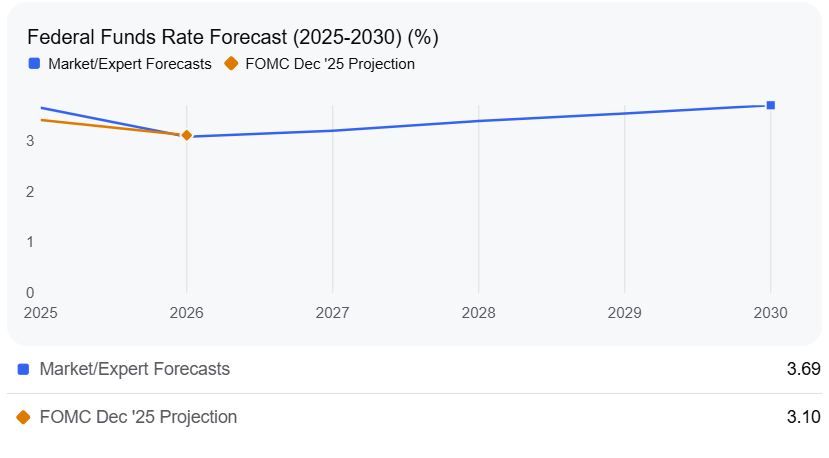
Filed Under: Financing, Mortgage Tagged With: Interest Rate, mortgage, Mortgage Rate Trends, mortgage rates, Mortgage Rates Today

Today’s Mortgage Rates, Nov 29: 30-Year FRM Maintains Firm Stability at 6.00%

November 29, 2025 by Marco Santarelli

Today’s Mortgage Rates, Nov 30: 30-Year Fixed Rate Poised to Break Into the 5% Range

As of today, November 29th, today's mortgage rates are tantalizingly close to a significant psychological barrier. According to Zillow's data, the average 30-year fixed mortgage rate stands firm at 6.00%. This means we're just a hair's breadth away from seeing rates dip into the 5% range, a move that could very well send a jolt of excitement through the housing market. For many potential buyers and homeowners looking to refinance, this 5% threshold has been a waiting game, and we might be on the cusp of seeing that signal to jump in.

Today's Mortgage Rates, Nov 29: 30-Year FRM Maintains Firm Stability at 6.00%

It's been a bit of an emotional rollercoaster watching mortgage rates. They've danced around this 6% mark for a while now, making potential buyers pause and homeowners consider if now is the time to lock in a better deal. But this shift we're seeing, this slow and steady creep downwards, feels different. It’s like watching a tide slowly pull back, revealing more of the shoreline than we’ve seen in a while.

The 15-year fixed mortgage rate is also holding steady, currently at 5.50%. This shorter-term option has always been a popular choice for those who want to pay off their homes faster and save on overall interest, and it’s good to see it offering even more attractive terms as rates generally trend lower. This steady movement on both fronts really underscores just how close we are to a more favorable borrowing environment.

What’s Actually on the Table Today: Today's Mortgage Rates

Let’s break down what these numbers mean in practical terms. Here’s a look at the average rates you might see, according to Zillow’s latest figures:

Loan Type Average Rate
30-year fixed 6.00%
20-year fixed 5.86%
15-year fixed 5.50%
5/1 ARM 6.11%
7/1 ARM 6.15%
30-year VA 5.44%
15-year VA 5.10%
5/1 VA 5.11%

I've been following these numbers for years, and seeing rates hover around are generally good indicators. The 30-year fixed is the workhorse for most homebuyers, and 6.00% isn't a bad place to be, especially when you consider how much higher they were not too long ago. The 15-year fixed at 5.50% is a fantastic deal for those who can comfortably manage higher monthly payments for a decade less.

VA loans, designed for our veterans, continue to offer some of the most competitive rates, which is always heartening to see. The 30-year VA rate at 5.44% is a significant advantage for eligible borrowers.

Thinking About a Refinance? Today’s Mortgage Refinance Rates

For those of you already owning a home, the refinance market is also showing some promising movements. Refinancing at a lower rate can significantly reduce your monthly payments and the total interest paid over the life of your loan. Here’s how refinance rates are looking today:

Loan Type Average Rate
30-year fixed 6.14%
20-year fixed 6.05%
15-year fixed 5.60%
5/1 ARM 6.55%
7/1 ARM 6.72%
30-year VA 5.57%
15-year VA 5.18%
5/1 VA 5.04%

It’s important to note that refinance rates are often a fraction of a percent higher than purchase rates. This difference accounts for the lender’s perspective on the risk involved. However, even a small drop can make a big difference when you're looking at a 15- or 30-year loan. If you bought your home a few years ago when rates were higher, it's definitely worth exploring if a refinance makes sense for you. My personal opinion? If you can shave off even half a percent or more, and your closing costs are manageable, it's often a win.

Fixed vs. ARM: Navigating Your Choices Near 6%

As rates hover around the 6% mark, the age-old question of fixed-rate mortgages versus Adjustable-Rate Mortgages (ARMs) comes to the forefront.

  • Fixed-Rate Mortgages: These offer stability. Your interest rate and monthly principal and interest payment remain the same for the entire loan term. This is ideal if you value predictability and plan to stay in your home for a long time, or if you anticipate rates rising in the future. The 30-year fixed is the most common, offering lower monthly payments but more interest over time. The 15-year fixed has higher monthly payments but less interest overall.
  • Adjustable-Rate Mortgages (ARMs): ARMs typically start with a lower introductory interest rate than fixed-rate loans. This initial rate is usually fixed for a set period (like 5 or 7 years), after which the rate adjusts periodically based on market conditions.
    • Pros: Lower initial payments, which can help you qualify for a larger loan or save money in the short term.
    • Cons: Payments can increase significantly after the introductory period if interest rates rise. This makes them riskier if you aren't prepared for potential payment hikes.

Looking at today's mortgage rates, the 5/1 ARM and 7/1 ARM are only slightly higher than the 30-year fixed. This is a bit unusual. Typically, ARMs are significantly lower to entice borrowers. This narrow gap might suggest a market environment where lenders are less aggressive with ARM pricing, possibly anticipating future rate stability or even declines. For someone who plans to move or refinance before the adjustment period kicks in, an ARM could still offer a good initial savings. However, the risk of future payment increases means I always advise caution with ARMs, especially if your financial situation isn't rock-solid.

Refinance Opportunities: Who Stands to Gain Most?

The prospect of rates dipping below 6% truly opens up refinancing doors for a wider group of homeowners.

  • Recent Buyers: If you purchased a home in the last couple of years when rates were higher, even a small decrease can translate into significant savings. If your rate is, say, 7% or higher, moving down to 6% or even into the 5% range could easily save you hundreds of dollars a month.
  • Those with Jumbo Loans: Sometimes, jumbo loans (loans exceeding conforming limits) can have slightly different rate movements. If you have a jumbo mortgage and your current rate is above 6%, explore refinancing options.
  • Cash-Out Refinancers: If you need funds for home improvements, debt consolidation, or other major expenses, a cash-out refinance could be an option. With lower rates, the cost of borrowing that extra cash might be more manageable than it was previously.
  • Homeowners Who Initially Waited: Many people held off on buying or refinancing, waiting for rates to become more favorable. The current movement towards the 5% range could be their cue to act.

I always encourage people to get a personalized quote. Zillow's data is a great snapshot, but your individual credit score, down payment, loan type, and lender will all play a big role in the actual rate you're offered.

What’s Pushing the Rates Around?

Several economic factors are influencing where mortgage rates are today. Understanding these can help give you a clearer picture of what might come next.

  1. Federal Reserve Actions (and Anticipation): The Federal Reserve has been actively adjusting its key interest rate. They've cut it twice this year, and there's a strong possibility of another cut in December. While the Fed doesn't directly set mortgage rates, their actions send ripples through the financial markets. Lowering the Fed's rate generally makes borrowing cheaper for banks, and they can pass some of those savings along to consumers in the form of lower mortgage rates.
  2. The Job Market's Temperature: Recent signals suggesting a softening in the job market have played a role in pushing mortgage rates down. When the economy shows signs of slowing, investors often seek safer assets, and bonds (which influence mortgage rates) become more attractive.
  3. The 10-Year Treasury Yield: This is perhaps the most direct influence on mortgage rates. The 10-year Treasury yield has seen a recent dip, and this has directly contributed to the downward trend in mortgage rates we're observing. Think of it as a close cousin to mortgage rates – when one goes down, the other usually follows.
  4. Housing Market Vibes: It’s a bit of a feedback loop. As rates decline and housing inventory (the number of homes for sale) sees a slight increase, it makes buying a home more accessible and attractive. We saw pending home sales pick up in October, which is a good sign that buyers are responding to these more favorable conditions.

Looking Ahead: What Experts Are Saying

Forecasting interest rates is notoriously tricky, and even the experts have differing opinions.

  • Fannie Mae predicts that mortgage rates will likely stick around the low 6% range through 2026. This suggests a period of relative stability rather than dramatic drops.
  • The Mortgage Bankers Association offers a slightly different outlook, suggesting rates might trend a bit higher than that prediction.
  • However, a consensus seems to be forming: a return to the ultra-low rates we saw during the height of the pandemic is highly unlikely in the foreseeable future. The economic conditions are simply too different now.

From my vantage point, I believe we're in a period of normalization. The extreme lows of the pandemic era were an anomaly. The current rates, while higher than those peaks, are more reflective of long-term economic trends and a healthier housing market balance. It's a more sustainable environment, even if it means buyers and refinancers need to adjust their expectations compared to a couple of years ago.

Ultimately, today's mortgage rates, sitting right at the cusp of the 5% range, are a significant development. Whether you're looking to buy your first home, move up, or refinance your current mortgage, now is definitely a time to pay close attention and potentially explore your options.

Invest Smartly in Turnkey Rental Properties

With rates dipping to their lowest levels, investors are locking in financing to maximize cash flow and long-term returns.

Norada Real Estate helps you seize this rare opportunity with turnkey rental properties in strong markets—so you can build passive income while borrowing costs remain historically low.

🔥 HOT NEW LISTINGS JUST ADDED! 🔥

Talk to a Norada investment counselor today (No Obligation):

(800) 611-3060

Get Started Now

Also Read:

  • Mortgage Rates Predictions Backed by 7 Leading Experts: 2025–2026
  • Mortgage Rate Predictions for the Next 3 Years: 2026, 2027, 2028
  • 30-Year Fixed Mortgage Rate Forecast for the Next 5 Years
  • 15-Year Fixed Mortgage Rate Predictions for Next 5 Years: 2025-2029
  • Will Mortgage Rates Ever Be 3% Again in the Future?
  • Mortgage Rates Predictions for Next 2 Years
  • Mortgage Rate Predictions for Next 5 Years
  • Mortgage Rate Predictions: Why 2% and 3% Rates are Out of Reach
  • How Lower Mortgage Rates Can Save You Thousands?
  • How to Get a Low Mortgage Interest Rate?
  • Will Mortgage Rates Ever Be 4% Again?

Filed Under: Financing, Mortgage Tagged With: Interest Rate, mortgage, Mortgage Rate Trends, mortgage rates, Mortgage Rates Today

Mortgage Rates Today, Nov 29: 30-Year Refinance Rate Rises by 19 Basis Points

November 29, 2025 by Marco Santarelli

Mortgage Rates Today, Jan 1, 2026: 30-Year Refinance Rate Rises by 48 Basis Points

If you've been keeping an eye on your mail or your email inbox, you've probably seen offers for refinancing your mortgage. But with mortgage rates today, Nov 29, seeing the 30-year refinance rate climb by 19 basis points to 6.88%, it’s a good time to pause and understand what’s happening in the housing market. This increase, as reported by Zillow, suggests that the window for snagging the absolute best refinance rates might be narrowing, at least for this particular loan type.

Mortgage Rates Today, Nov 29: 30-Year Refinance Rate Rises by 19 Basis Points

Breaking Down Today's Mortgage Rate Movement

Let’s get into the nitty-gritty of what Zillow reported for today, November 29, 2025, and what it means for you.

  • 30-Year Fixed Refinance Rate: This is the one making waves. It jumped from 6.69% to 6.88%, a notable increase of 19 basis points. This is the rate most people think of when they discuss mortgages, and this upward tick could certainly make homeowners think twice about refinancing right now.
  • Comparison to Last Week: It’s also worth noting that today's 6.88% is 10 basis points higher than the average rate of 6.78% we saw last week. This suggests a consistent upward trend.
  • 15-Year Fixed Refinance Rate: Here's where we see a different story. This rate actually dipped slightly, from 5.68% to 5.67%, a decrease of 1 basis point. For those looking to pay off their mortgage faster and who qualify, this might still be an attractive option.
  • 5-Year Adjustable-Rate Mortgage (ARM) Refinance Rate: This one saw a significant jump, climbing 29 basis points from 7.33% to 7.62%. ARMs often start with lower rates but can increase over time, and this sharp rise indicates a shift in how lenders are pricing this riskier loan product.

Visualizing the Trends

To make it clearer, let’s look at these figures side-by-side:

Loan Term Current Rate (Nov 29, 2025) Previous Rate (Approx.) Change
30-Year Fixed 6.88% 6.69% +19 bps
15-Year Fixed 5.67% 5.68% -1 bps
5-Year ARM 7.62% 7.33% +29 bps
  • Note: Rates are national averages reported by Zillow and can vary based on individual creditworthiness, loan terms, and lender.

Why Are Rates Moving? Unpacking the Factors

When I see mortgage rates change, my first thought is always: why? It’s rarely just one thing. Several interconnected forces are at play, and understanding them gives us a much better perspective than just looking at the daily numbers.

1. The Federal Reserve’s Influence:
The Federal Reserve’s monetary policy plays a big role, even if it doesn't directly set mortgage rates. The Fed has been cutting its key interest rate, aiming to stimulate the economy. We've seen two cuts already in 2025, and there's a good chance of a third in December. Generally, when the Fed cuts rates, it signals a move towards looser credit, which can lead to lower borrowing costs for consumers, including mortgages. However, the market's reaction can be complex, and other factors can override this influence.

2. A Hint of Weakness in the Job Market:
Recent data suggests the job market might be cooling down a bit. When the labor market shows signs of slowing, it can make investors a little nervous about the overall economic picture. This nervousness often leads them to seek safer investments, which can indirectly push down the yields on government bonds, and as we'll see next, that affects mortgages.

3. The 10-Year Treasury Yield – A Stronger Indicator:
For those in the know, the 10-year Treasury yield is a much more direct influencer of mortgage rates than the Fed's short-term rates. Think of it as a benchmark for longer-term borrowing costs. When this yield goes down, mortgage rates tend to follow suit, and vice versa. The recent decrease in the 10-year yield has indeed been a factor in keeping some mortgage rates from climbing even higher. However, the recent uptick in the 30-year fixed rate suggests that other pressures are at play, perhaps outweighing the recent bond market movements.

4. Housing Market Dynamics:
The housing market itself is a dynamic beast. We've seen a slight dip in mortgage rates recently (before today's jump for the 30-year), coupled with an increase in available homes. This combination has actually spurred more activity, with pending home sales showing growth in October. When more people are buying homes, it can, in turn, influence lender behavior and rate offerings. It’s a bit of a feedback loop.

Navigating a Rising Rate Environment

This is where my experience comes in handy. When rates are on the move, especially upwards for popular loan terms like the 30-year fixed, timing becomes everything.

  • Don't Panic, But Be Prepared: Seeing a rate jump isn't a sign to immediately give up on refinancing. However, it does mean you should act with a bit more urgency if you have a specific goal in mind. What I’ve found is that having your ducks in a row – pre-approved, clear on your financial documents – allows you to jump on a good rate when it appears.
  • Consider Different Loan Terms: As our table showed, the 15-year fixed rate actually went down a smidgen. This highlights the importance of not fixating on just one loan type. If you can comfortably afford higher monthly payments, a 15-year mortgage could save you a lot of money in interest over the life of the loan, even with today’s rates.
  • ARM Strategy: The surge in the 5-year ARM rate is a stark reminder of their nature. They can be great for those who plan to move or refinance again before the fixed period ends, but the recent jump signals increased risk. It’s crucial to do the math and understand your potential payment increases. I always tell people to run the worst-case scenario in their heads.

Recommended Read:

30-Year Fixed Refinance Rate Trends – November 28, 2025

Best Time to Refinance Your Mortgage: Expert Insights

Should You Refinance Your Mortgage Now or Wait Until 2026? 

What’s Next for Mortgage Rates?

Predicting mortgage rates is notoriously tricky, and even the experts have different ideas.

  • Fannie Mae's View: One widely cited forecast from Fannie Mae suggests that rates will likely stay in the low-6% range through 2026. This implies a period of relative stability after the recent fluctuations.
  • Mortgage Bankers Association's Outlook: On the other hand, the Mortgage Bankers Association predicts slightly higher rates than Fannie Mae. This suggests a more cautious or slightly pessimistic view on the future trajectory.
  • The Unspoken Truth: What most experts do agree on is that returning to the super-low rates we saw during the heart of the pandemic (think 3% or even lower for a 30-year fixed) is highly unlikely in the foreseeable future. The economic conditions that fueled those rates are simply not present anymore.

As I see it, we're in a new normal for mortgage rates. They might fluctuate, but the era of historically unprecedented lows is likely behind us. This means borrowers need to be more strategic than ever. It’s about finding a sustainable rate that fits your budget and your long-term financial goals, rather than waiting for a return to a past that’s probably gone.

“Invest Smart — Build Long-Term Wealth Through Real Estate”

Norada's team can guide you through current market dynamics and help you position your investments wisely—whether you're looking to reduce rates, pull out equity, or expand your portfolio.

Work with us to identify proven, cash-flowing markets and diversify your portfolio while borrowing costs remain favorable.

HOT NEW TURNKEY DEALS JUST LISTED!

Speak with a seasoned Norada investment counselor today (No Obligation):

(800) 611-3060

Get Started Now

Recommended Read:

  • When You Refinance a Mortgage Do the 30 Years Start Over?
  • Should You Refinance as Mortgage Rates Reach Lowest Level in Over a Year?
  • NAR Predicts 6% Mortgage Rates in 2025 Will Boost Housing Market
  • Mortgage Rates Predictions for 2025: Expert Forecast
  • Half of Recent Home Buyers Got Mortgage Rates Below 5%
  • Mortgage Rates Need to Drop by 2% Before Buying Spree Begins
  • Will Mortgage Rates Ever Be 3% Again: Future Outlook
  • Mortgage Rates Predictions for Next 2 Years
  • Mortgage Rate Predictions for Next 5 Years
  • Mortgage Rate Predictions for 2025: Expert Forecast

Filed Under: Financing, Mortgage Tagged With: mortgage, mortgage rates, Mortgage Refinance Rates

  • « Previous Page
  • 1
  • …
  • 34
  • 35
  • 36
  • 37
  • 38
  • …
  • 124
  • Next Page »

Real Estate

  • Birmingham
  • Cape Coral
  • Charlotte
  • Chicago

Quick Links

  • Markets
  • Membership
  • Notes
  • Contact Us

Blog Posts

  • Bay Area Housing Market Forecast for the Next 2 Years: 2026-2027
    June 24, 2026Marco Santarelli
  • Today’s Mortgage Rates, June 24: Fed Policy and Inflation Push Rates Higher Across Loan Types
    June 24, 2026Marco Santarelli
  • Best Places to Invest in Real Estate in 2026
    June 24, 2026Marco Santarelli

Contact

Norada Real Estate Investments 30251 Golden Lantern, Suite E-261 Laguna Niguel, CA 92677

(949) 218-6668
(800) 611-3060
BBB
  • Terms of Use
  • |
  • Privacy Policy
  • |
  • Testimonials
  • |
  • Suggestions?
  • |
  • Home

Copyright 2018 Norada Real Estate Investments

Loading...