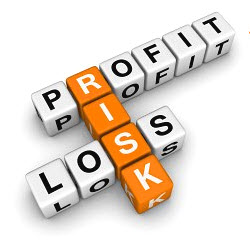
 Before I break down the risks of investing, one of the most important things you need to look at is; what is the risk of not investing?
Whether in businesses, real estate, stocks or mutual funds – what's the risk of not investing your cash?
What is the risk of just putting it under the mattress and saving your money, or putting it into a bank account that makes a tiny interest rate every month – what are those risks?
 Incomes are dropping. And that’s not good for the real estate industry, nor is it good news for the American Dream of home-ownership. More Americans view themselves as slipping out of the middle class according to a recent survey by the Pew Research Center.
 Money may not buy love, but it appears to buy years.
 Housing is local again! Our partners, consultants and clients see vastly different housing markets all across the country. I categorize them into three groups (booming, busting, and muddling) in this article and provide anecdotes from our team members — but it is really more complicated than that.
 Landlords have enjoyed the upper hand since the housing crisis as increased interest from renters coincided with little new supply of rental units. Rising mortgage rates, tighter borrowing requirements and higher home prices have taken many people out of the home-buying market. Plus, many remain burned by the housing crash and don't want to own a home.
 Want to know how to predict real estate prices?
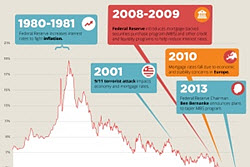 Since 1971, when mortgage rates first started being tracked, they have ranged from a high of 18.63 percent in the early 80′s to a low of 3.20 percent in late 2013. Currently, rates are still relatively low and for many prospective home buyers, low rates can greatly affect the affordability of a home and the monthly mortgage payment. But, what will the future hold?
 On Monday January 26th, 2014 the price of a first class stamp went up 6.5%, from $0.46 to $0.49. No one is really surprised by this, so where’s the lesson and how can it help you be a more
