Norada Real Estate Investments

  • Home
  • Markets
  • Properties
  • Membership
  • Podcast
  • Learn
  • About
  • Contact

How Much Will Houses Cost in 2050: Insights and Predictions

September 20, 2024 by Marco Santarelli

How Much Will Houses Cost in 2050: Insights and Predictions

Have you ever wondered how much houses will cost in 2050? This intriguing question is more than just a casual inquiry for many; it’s a vital consideration for potential homebuyers, investors, and anyone watching the housing market. The average American is faced with skyrocketing home prices and ever-increasing rent rates, making the prospect of future home costs a pressing topic.

As we navigate through a period of economic fluctuations, societal changes, and evolving technology, understanding the trajectory of housing costs is essential. So, let’s dive deep into the historical context and possible predictions to answer the pressing question: how much will houses cost in 2050?

So, How Much Will Houses Cost in 2050?

Key Takeaways

  • Current Average Home Value: The typical U.S. home is now worth approximately $362,156.
  • Surge in Monthly Payments: The average mortgage payment has skyrocketed, up 111.1% since pre-pandemic levels, reaching around $1,900.
  • Future Price Predictions: By 2050, experts anticipate that the average home price could reach between $600,000 and $700,000 in the United States.
  • Market Variability: Home values rose month-over-month in 34 of the 50 largest metro areas, with San Jose experiencing the highest annual price gain of 10.6%.
  • Outlook on Future Values: Experts anticipate sustained increases in housing costs, influenced by demand, limited housing supply, and broader economic factors.
  • Impact of Societal Changes: Urban living trends, technological advancements, and climate considerations will significantly shape the housing market by 2050.

Recommended Read:

Housing Market Predictions for the Next 4 Years: 2024 to 2028

A Glimpse into Historical Home Prices

To forecast how much houses will cost in 2050, it’s crucial to examine the historical trends of home prices. Over the decades, U.S. home values have seen periods of significant growth, sharp declines, and slow recoveries.

In the late 1990s and early 2000s, home prices surged, driven by low-interest rates, speculative investing, and a booming economy. This era of appreciation was followed by a catastrophic downturn after the 2008 financial crisis, where housing prices plummeted, and many homeowners found themselves underwater on their mortgages. For instance, the national average home price fell from approximately $229,000 in 2007 to about $174,000 in 2012 (source: Zillow).

Historically, the real estate market has shown resilience. After hitting rock bottom, it began to bounce back. By 2012, home prices started climbing again, largely supported by a recovering economy, a resurgence in consumer confidence, and low mortgage rates. As of late 2024, the typical home price is nearing $362,156, highlighting a remarkable recovery and a renewed interest in homeownership.

Current Market Trends: What’s Driving Prices Up?

Understanding the current market is critical in predicting how much houses will cost in 2050. The housing market today reflects a unique combination of factors that continue to push home prices upward. Here are some of the most significant trends at play:

1. Interest Rates: The Double-Edged Sword

Interest rates have long been a pivotal factor in influencing the housing market. The Federal Reserve's increasing rates to combat inflation have made borrowing more expensive. This often puts a strain on potential buyers, as higher mortgage rates lead to higher monthly payments. Currently, the typical monthly payment sits at around $1,900—a hefty sum that can deter many buyers from entering the market. If inflation persists, we may see continued hikes in interest rates, which could have a cooling effect on home prices in the short term.

2. Urban Exodus and Suburban Boom

Since the pandemic, there's been a noticeable shift in where people choose to live. Many individuals and families are leaving crowded urban centers for the suburbs, seeking affordable housing and more space. This trend can potentially drive prices up in suburban areas while urban centers may see a stabilization or decline in home values. According to Zillow, many suburban areas are witnessing a competitive housing market, further stressing the low inventory situation.

3. Limited Housing Supply

The construction industry is facing significant challenges. Supply chain disruptions and labor shortages have led to a slowdown in new home construction. The scarcity of available homes has intensified competition among buyers, leading to bidding wars that push prices even higher. With new home construction struggling to meet demand, this imbalance is expected to continue influencing home prices over the next several years.

Future Predictions: Housing Prices by 2050

So, how much will houses cost in 2050? This question is difficult to answer definitively, but forecasts can offer valuable insights. Based on current trends, economic principles, and historical data, experts predict that home costs could substantially increase by 2050.

Inflation and Economic Growth

Historically, home values have appreciated at a rate of about 3% annually, which often surpasses the general inflation rate. If we apply a similar model moving forward, a home currently priced at $362,156 could be valued between $600,000 and $700,000 by 2050, assuming a consistent appreciation pattern. This projection takes into account expected inflation rates of 2% to 3% and demographic trends that will continue to support demand.

Technological Evolution in Real Estate

The real estate market is evolving at an unprecedented pace due to technological advancements. Virtual reality tours, blockchain transactions, and smart home technologies are becoming increasingly prevalent, making the buying and selling process more efficient. As a result, homes that incorporate modern technology may see an increase in market value as buyers are willing to pay a premium for such conveniences. For prospective homeowners, this means that homes with outdated technology could see diminished value over time, creating a stark contrast between older properties and newer, tech-savvy builds.

Climate Change and Its Effects

As climate change becomes a more pressing issue, how homes are valued may also shift dramatically. Regions that are prone to natural disasters—such as hurricanes, floods, and wildfires—may experience devaluation in the coming decades. In contrast, areas deemed “climate-resilient,” where communities have put measures in place to combat environmental issues, could see stable or increasing home values. It’s crucial to consider that homebuyers will likely weigh environmental factors heavily when making purchasing decisions, potentially leading to substantial differences in real estate prices across the country.

Partner with Norada, Your Trusted Source for Turnkey Investment Properties

Discover high-quality, ready-to-rent properties designed to deliver consistent returns. Contact us today to expand your real estate portfolio with confidence.

Contact Us Today


Societal Changes Impacting Housing Demand

Understanding the current and future societal landscape is critical in our prediction of home prices.

Demographic Shifts

The millennial generation is now in its prime home-buying years. As they seek to establish families and settle down, demand for housing will likely remain high, especially in urban and suburban areas. This demographic shift means that builders must innovate and create homes that meet the needs and preferences of these younger buyers, which may influence the costs of various housing options.

Remote Work and Lifestyle Changes

The flexibility afforded by remote work has allowed people to live farther from their workplaces. This trend is pushing many buyers to explore areas that offer better quality of life at lower prices. While this can lead to price drops in congested urban areas, it can create ultimates challenges for suburban regions that suddenly experience high demand. Consequently, looking forward to 2050, homes in desirable regions within reasonable commuting distance from major employment hubs are likely to see the greatest appreciation.

Conclusion: Preparing for a Changing Housing Market

As we ponder over how much houses will cost in 2050, it’s clear that a multitude of factors will shape the market over the coming decades. From economic conditions to technological advancements and societal changes, the landscape of homeownership will likely evolve dramatically.

By understanding these trends and considering the data, calling for careful thought and reflection, it becomes evident that predicting the future of home costs isn’t just speculation; it’s about recognizing the patterns from our past and present to better foresee what lies ahead.

Also Read:

  • Housing Market Predictions for the Next 4 Years: 2024 to 2028
  • Real Estate Forecast Next 5 Years: Top 5 Predictions for Future
  • Is the Housing Market on the Brink in 2024: Crash or Boom?
  • 2008 Forecaster Warns: Housing Market 2024 Needs This to Survive
  • Housing Market Predictions for the Next 2 Years
  • Real Estate Forecast Next 10 Years: Will Prices Skyrocket?
  • Housing Market Predictions for Next 5 Years (2024-2028)
  • Housing Market Predictions 2024: Will Real Estate Crash?
  • Housing Market Predictions: 8 of Next 10 Years Poised for Gains
  • Trump vs Harris: Which Candidate Holds the Key to the Housing Market (Prediction)

Filed Under: Housing Market, Real Estate Market Tagged With: Home Price Forecast, Housing Market, housing market predictions, Housing Market Trends, Real Estate Market Predictions

Will the Housing Market Be Better in 2026: What to Expect?

September 16, 2024 by Marco Santarelli

Will the Housing Market Be Better in 2026: What to Expect?

Will the housing market be better in 2026? This question has sparked much discussion and debate amongst homeowners, potential buyers, and investors. As we navigate financial uncertainties, it becomes crucial to understand various trends and predictions that could shape the housing market landscape over the coming years.

In this comprehensive analysis, we will delve deep into whether the housing market is stuck until 2026, if housing prices are likely to drop, whether 2026 will be a favorable year to buy a house, and what mortgage rates might look like.

Will the Housing Market Be Better in 2026: What to Expect?

Key Takeaways

  • High Prices Expected: Housing prices are projected to remain high until at least 2026, with only minor dips anticipated.
  • Mortgage Rates Trends: Mortgage rates may see a decline by the end of 2026 but are expected to remain elevated early in the year.
  • Market Dynamics: Ongoing supply issues and high demand will significantly influence market changes leading up to 2026.
  • Buyer's Market Risk: While 2026 may not be the best year for bargain hunting, it might provide some opportunities for discerning home buyers.

Understanding the Current Housing Market Dynamics

The housing market today is navigating a challenging environment. Many experts agree that it is somewhat stuck. Reports suggest that the housing market won't rebound until at least 2026, primarily due to a persistent housing shortage that continues to put upward pressure on prices.

According to analysts at Bank of America, the current conditions indicate that high prices will likely stay consistent, preventing many families from entering the market. This prolonged period of expensive real estate can lead to potential buyers feeling frustrated, prompting them to delay purchases or remain in their existing living situations longer than planned.

Recent data provides insight into the current pricing trends. Home prices have remained elevated, and analysts predict that they could continue to increase by approximately 4.5% this year and another 5% next year before experiencing a slight dip of about 0.5% in 2026 (CNN). This trend towards consistently high prices leaves many buyers feeling priced out of the market while existing homeowners take solace in their increasing equity.

Will Housing Prices Drop in 2026?

As we ponder whether housing prices will drop in 2026, it's essential to look at the broader economic context. Although there may be local variations, experts generally believe that significant home price drops are unlikely. Some regions may experience limited declines, but the overarching trend looks to remain on a steady upward path.

For instance, Goldman Sachs forecasts a mild increase in home prices due to ongoing demand and the limited availability of housing options in many desired areas. In urban centers and regions experiencing population growth, prices are expected to continue rising. The simple truth is that where there's a high demand for homes but not enough supply, prices will often stay higher than desired (Forbes).

Is 2026 Going to Be a Good Year to Buy a House?

Addressing the question of whether 2026 will be a good year to buy a house requires buyers to reflect on their personal circumstances. While it may not present the lowest prices compared to prior years, 2026 could still be a relatively favorable time to purchase. Housing availability is predicted to rise, which could lead to more options for buyers—this implies increased competition among sellers, potentially providing buyers with better negotiating power.

According to multiple forecasts, including insights from credible sources, the housing supply might increase by 7% in 2026. This increase signifies the arrival of more inventory to the market, a necessary condition to balance the current high demand. As per reports from U.S. News, regions with improved housing stock could see changes in pricing dynamics as new listings become available (U.S. News).

Recommended Read:

Housing Market Predictions for the Next 4 Years: 2024 to 2028 

What Will Interest Rates Be in 2026? 

What Will Be Mortgage Rates in 2026?

Understanding mortgage rates is critical for anyone considering entering the housing market. Current predictions suggest that mortgage rates, particularly for the average 30-year fixed mortgage, could see a significant drop by late 2026, with estimates falling to around 3.96% (Long Forecast). However, experts caution that rates may remain relatively high at the beginning of 2026 as the market adjusts to ongoing economic factors and potential inflation scenarios.

Mortgage rates have a direct impact on overall affordability for buyers. An increase in available housing may help mitigate some of these rates, providing opportunities for more buyers to enter the market. Therefore, potential buyers should keep an eye on rate forecasts and be prepared to act when conditions align.

My Opinion on the Housing Market Forecast for 2026

In my view, the current housing market reflects a unique combination of challenges and opportunities. The housing supply constraints are genuine, leading to high prices that frustrate many would-be buyers. However, anticipated changes in supply dynamics and potential mortgage rate declines could make 2026 a year to watch. While it may not be the best time to buy in recent history, astute buyers who do their homework could find advantageous offers in select markets.

Predicting the perfect time to enter the housing market is fraught with uncertainty. Still, as the market rebalances in 2026, there could be solid opportunities for buyers ready to navigate the changing landscape.

Conclusion

As you think about your own plans within the housing market, keep these dynamics in mind. The conditions of today are influenced by past trends and will inevitably impact the future. While the housing market might not experience a drastic improvement until 2026, mounting pressure on supply could provide openings for buyers willing to take the plunge.

The interplay between supply, demand, and mortgage rates will continue to create fluctuations in market conditions. Those who remain informed and adaptable will be best positioned to identify potential opportunities in the housing market as it edges closer to 2026.

Also Read:

  • Housing Market Predictions for the Next 4 Years: 2024 to 2028
  • Real Estate Market Predictions 2025: What to Expect
  • Real Estate Forecast Next 5 Years: Top 5 Predictions for Future
  • Is the Housing Market on the Brink in 2024: Crash or Boom?
  • 2008 Forecaster Warns: Housing Market 2024 Needs This to Survive
  • Housing Market Predictions for the Next 2 Years
  • Real Estate Forecast Next 10 Years: Will Prices Skyrocket?
  • Housing Market Predictions for Next 5 Years (2024-2028)
  • Housing Market Predictions 2024: Will Real Estate Crash?
  • Housing Market Predictions: 8 of Next 10 Years Poised for Gains
  • Trump vs Harris: Which Candidate Holds the Key to the Housing Market (Prediction)

Filed Under: Housing Market, Real Estate Market Tagged With: Home Price Forecast, Housing Market, housing market predictions, Housing Market Trends, Real Estate Market Predictions

Housing Market Trends 2024: Is a Buyer’s Market on the Horizon?

September 15, 2024 by Marco Santarelli

Housing Market Trends 2024: Is a Buyer's Market on the Horizon?

The housing market in 2024 is whispering a tale of change. While still grappling with the echoes of the pandemic frenzy, the narrative is evolving, and the winds of a potential buyer's market are starting to blow. As someone deeply entrenched in analyzing housing market trends, I'm seeing several key indicators that point towards this shift.

Inventory Growth: A Glimmer of Hope for Buyers

One of the most significant housing market trends 2024 is the sustained growth in housing inventory. After a prolonged period of tight supply, the number of homes actively for sale has been steadily increasing.

  • According to Realtor.com, in August 2024, the number of active listings surged by a considerable 35.8% year-over-year, marking the tenth consecutive month of inventory growth.
  • This trend signals a potential turning point, offering buyers a wider selection of homes to choose from.

However, a reality check is in order:

  • Despite the encouraging growth, inventory levels are still playing catch-up. Current active listings remain 26.4% below the pre-pandemic norms of 2017-2019.
  • This discrepancy highlights that while we're moving towards a more balanced market, we're not quite there yet.

Regional Inventory Trends: The South Takes the Lead

The resurgence in housing inventory isn't uniform across the country. The South and West are leading the charge, showing the most significant increases in active listings:

  • The South: Inventory soared by an impressive 45.6% year-over-year, demonstrating the region's robust housing market.
  • The West: Not far behind, the West experienced a 34.5% jump in active listings.

In contrast, the Northeast and Midwest lag with more modest gains.

Sellers Adjust to the Shifting Tides

The winds of change are prompting sellers to adapt their strategies in response to the evolving housing market trends of 2024.

Price Reductions on the Rise

  • August 2024 witnessed a notable increase in the percentage of homes with price reductions, reaching 19.3% compared to 16.2% in the same period last year.
  • This trend suggests that sellers are becoming more realistic about pricing their properties in light of the growing inventory and moderating buyer demand.

New Listings Slow Down

  • After a sustained period of growth, new listings experienced a slight dip of -0.9% year-over-year in August 2024.
  • This slowdown could indicate that sellers are approaching the market with a touch of caution, observing buyer behavior before making their move.

Interest Rates and Their Impact

The wild card in the housing market trends 2024 deck remains interest rates. While they've come down slightly from their peak, they continue to influence buyer behavior.

  • Potential buyers are exercising a degree of caution, carefully weighing the impact of interest rates on affordability.
  • This hesitancy is contributing to the slowing sales activity and the rise in days on market.

The Days on Market Edge Up

With increased inventory and more discerning buyers, homes are staying on the market longer.

  • August 2024 saw the median days on market increase to 53 days, a seven-day jump compared to last year.
  • While this increase is noteworthy, it's crucial to remember that it's still six days shorter than the pre-pandemic average for August.

Median Listing Prices: A Mixed Bag

When analyzing housing market trends for 2024, median listing prices present a nuanced picture:

  • National Median Listing Price: In August 2024, the national median listing price experienced a slight dip of 1.3% year-over-year, settling at $429,990.
  • Price Per Square Foot Tells a Different Story: However, digging deeper reveals that the median listing price per square foot actually increased by 2.3% year-over-year.

Decoding the Price Discrepancy

This apparent contradiction in price trends highlights an important factor at play:

  • The Changing Mix of Inventory: The increase in price per square foot suggests that while the median price may be down slightly, the types of homes being listed are changing.
  • Smaller, More Affordable Homes: More smaller and more affordable homes are entering the market, pulling down the overall median price while the price per square foot remains relatively stable.

What Does This Mean for Buyers and Sellers?

For Buyers:

  • Increased Options and Negotiating Power: The housing market trends 2024 are creating a more favorable environment for buyers.
    • You now have more choices and greater leverage to negotiate prices.
    • Don't be afraid to shop around and make offers that align with your budget.
  • Interest Rate Watch: Keep a close eye on interest rate movements as they can significantly impact affordability.

For Sellers:

  • Realistic Pricing is Key: In this shifting market, overpricing your home can lead to longer market times and potentially lower offers.
    • Carefully research comparable properties and price competitively to attract buyers.
  • Highlight Your Home's Strengths: Focus on showcasing your home's unique features and benefits to stand out in a more competitive market.

Looking Ahead: Navigating the Housing Market of 2024

The housing market trends 2024 are painting a dynamic picture, with a gradual shift towards a more buyer-friendly environment.

  • Inventory is expected to continue to grow: This trend should provide buyers with more options and potentially moderate price growth.
  • Interest rates remain the wild card: Their trajectory will heavily influence both buyer and seller behavior in the coming months.

My advice? Whether you're a buyer or a seller, stay informed, be strategic, and work with experienced real estate professionals to navigate the evolving housing market landscape successfully.

August 2024 Regional Statistics

Region Active Listing Count YoY New Listing Count YoY Median Listing Price YoY Median Listing Price per SF YoY Median Days on Market Y-Y (Days) Price-Reduced Share Y-Y (Percentage Points)
Midwest 23.1% -4.7% 0.0% 3.3% 3 3.3 pp
Northeast 13.9% -1.5% 4.3% 5.0% 2 2.0 pp
South 45.6% 5.2% -1.5% 1.6% 9 2.8 pp
West 35.4% -0.9% 0.0% 3.9% 7 3.5 pp

August 2024 Regional Statistics vs. Pre-Pandemic 2017–19

Region Active Listing Count vs. Pre-Pandemic New Listing Count vs. Pre-Pandemic Median Listing Price vs. Pre-Pandemic (August 2019 Only) Median Listing Price Per SF vs. Pre-Pandemic (August 2019 Only) Median Days on Market vs. Pre-Pandemic (Days) Price-Reduced Share vs. Pre-Pandemic (Percentage Points)
Midwest -44.7% -22.4% 37.6% 45.6% -10 -0.9 pp
Northeast -54.6% -29.0% 46.4% 58.4% -14 -5.0 pp
South -11.7% -12.8% 34.6% 51.3% -6 3.9 pp
West -15.9% -23.5% 36.8% 47.4% 1 2.7 pp

ALSO READ:

  • Housing Market Predictions for the Next 4 Years: 2024 to 2028
  • Real Estate Forecast Next 5 Years: Top 5 Predictions for Future
  • Is the Housing Market on the Brink in 2024: Crash or Boom?
  • 2008 Forecaster Warns: Housing Market 2024 Needs This to Survive
  • Housing Market Predictions for the Next 2 Years
  • Real Estate Forecast Next 10 Years: Will Prices Skyrocket?
  • Housing Market Predictions for Next 5 Years (2024-2028)
  • Housing Market Predictions 2024: Will Real Estate Crash?
  • Housing Market Predictions: 8 of Next 10 Years Poised for Gains
  • Trump vs Harris: Which Candidate Holds the Key to the Housing Market (Prediction)
Filed Under: Housing Market, Real Estate Market Tagged With: Home Price Forecast, Housing Market, housing market predictions, Housing Market Trends

Housing Market Outlook 2025: Key Trends and Predictions

September 14, 2024 by Marco Santarelli

Housing Market Outlook 2025: Key Trends and Predictions

As we look ahead to 2025, the 2025 housing market forecasts reveal insights that could shape your homeownership journey. Whether you're contemplating buying your first home or considering selling your property, understanding what to expect in the housing market is crucial. With experts weighing in on potential shifts in mortgage rates, home sales, and prices, this comprehensive overview equips you with the knowledge you need to navigate the market confidently.

2025 Housing Market Forecast: What to Expect

Key Takeaways

  • Mortgage Rates Expected to Decrease: Gradual decline anticipated in mortgage rates due to easing inflation.
  • Increase in Home Sales: An estimated 5.4 million homes to be sold in 2025.
  • Moderate Price Growth: Home prices expected to rise by about 2.6% nationally.
  • Market Dynamics Shifting: More buyers entering the market as conditions improve.

The housing market is always in flux, and as we approach 2025, several factors will influence the buying and selling landscape. Experts from prominent organizations such as Fannie Mae, the Mortgage Bankers Association (MBA), and the National Association of Realtors (NAR) have provided projections that can help demystify the trends to watch. Let’s take a closer look at these forecasts.

Mortgage Rates Are Projected to Come Down Slightly

One of the most significant elements impacting the housing market is mortgage rates. According to forecasts for 2025, experts predict a slight decline in these rates. This is attributed to ongoing signs of easing inflation and a modest rise in unemployment rates, suggesting a strong yet decelerating economy. Many analysts believe that the Federal Reserve may lower its key interest rates in response to these economic indicators.

Morgan Stanley highlighted the expectation that “the U.S. Federal Reserve is widely anticipated to begin cutting its benchmark interest rate in 2024, which could also lead to a drop in mortgage rates.” Lower mortgage rates could encourage hesitant buyers to enter the market, easing some of the financial pressure that high rates have imposed in recent years. This sentiment is supported by U.S. News, which reports that the housing market may “thaw” in 2025, though sales could remain somewhat constrained due to the lingering effects of recent high rates.

Expect More Homes to Sell

In addition to lower mortgage rates, we can expect a notable increase in the number of homes sold next year. An uptick in both the supply of homes on the market and the demand from buyers is projected. Many potential buyers and sellers who have been sidelined due to elevated rates are anticipated to make their moves in 2025.

Fannie Mae, the MBA, and NAR collectively forecast that total home sales will reach approximately 5.4 million. This figure represents a modest rise compared to the approximately 4.8 million homes sold in 2023 and an estimated 4.5 million homes projected for 2024. Although a surge in sales is not expected, the incremental rise indicates a more dynamic market with increased activity. This increase in sales activity can be attributed to improved economic conditions and consumer confidence.

However, it’s important to note that some forecasts suggest that home sales might still be limited due to the overall housing supply issue. According to an article on Yahoo Finance, while more people may enter the market, high prices and persistent affordability challenges could keep some prospective buyers at bay.

Home Prices Will Go Up Moderately

With more buyers ready to enter the market, home prices are likely to experience further appreciation, albeit at a moderate pace. The consensus among ten reputable real estate sources suggests that home prices may rise by roughly 2.6% nationally in 2025. Some experts, such as those at ResiClub, anticipate an even slightly higher average increase of 2.5%, with certain analysts projecting as high as 4.4% from institutions like Goldman Sachs (Fast Company).

This anticipated increase marks a transition to a more traditional rate of growth compared to the volatility seen in previous years. It reflects not just rising demand but also ongoing supply constraints, as many regions still face severe inventory shortages. As housing remains in short supply, particularly in urban and desirable suburban areas, this shortage continues to exert upward pressure on prices.

Economic Influences on the Housing Market

Understanding the broader economic landscape is necessary when considering the housing market forecasts for 2025. Factors such as inflation, job growth, and investment trends all contribute to how the market behaves.

The predicted decrease in mortgage rates may stem from tightening inflation rates, which have been a concern for both consumers and policymakers. Reports suggest that the Federal Reserve's ability to manage inflation will play a crucial role in shaping consumer behavior and confidence in the housing market.

Moreover, simultaneously rising unemployment could trigger shifts in consumer confidence. While it may sound contradictory, mild increases in unemployment can sometimes encourage the Federal Reserve to take action to lower interest rates, thereby fostering an environment more conducive to home buying. Keeping an eye on these economic indicators will help potential buyers and sellers time their decisions effectively.

What Should You Keep an Eye On?

As you contemplate your homeownership plans, consider the following areas of focus:

  • Mortgage Interest Rates: Monitor announcements from the Federal Reserve and economic reports that could signal shifts in mortgage rates. Lower rates could open doors for first-time buyers or lead to refinancing opportunities.
  • Local Market Conditions: Research your specific housing market's trends. Markets can behave very differently even within the same state, so familiarize yourself with local sales trends, price changes, and inventory levels.
  • Buyer Competition: As more buyers enter the market, competition might elevate, particularly in desirable neighborhoods. Be prepared for bidding wars or quicker sales.
  • Economic Indicators: Stay informed about economic reports such as unemployment rates, inflation, and job growth forecasts, as these will all influence the housing market trajectory.

Demographic Trends Impacting Housing Demand

Another critical factor shaping the 2025 housing market forecasts is the changing demographics of potential homebuyers. Millennials and Gen Z are increasingly entering the housing market, seeking not just homes but affordable options that suit their lifestyles. Many young buyers are particularly interested in urban areas or places that offer flexible work environments, contributing to the shifting dynamics of housing demand.

On the other hand, baby boomers are selling their homes and downsizing, impacting the supply side of the equation. This demographic shift can influence not only the types of homes in demand but also the features that buyers are looking for, such as energy efficiency and smart home technology. Markets are adapting to meet these needs, with more properties highlighting their technological features to cater to younger buyers.

Concluding Thoughts

As we step into 2025, a well-informed understanding of the housing market forecasts will empower you to make astute decisions about buying or selling your home. With mortgage rates forecasted to taper off, home sales projected to rise, and prices expected to increase modestly, dynamics are shifting, creating avenues for many.

These trends are not just numbers; they reflect people making life-changing decisions about where they live and invest. Keeping abreast of economic indicators, understanding local market movements, and adapting to demographic trends will form the backbone of successful navigation through the 2025 housing market. This growing complexity means that expert insights and reliable resources are more vital than ever.

For anyone considering a real estate move in 2025, being proactive and well-informed will be your best strategy in this evolving market. By understanding the interplay of rates, prices, and buyer behavior, you can position yourself favorably for whatever comes next.

Also Read:

  • Housing Market Predictions for the Next 4 Years: 2024 to 2028
  • Real Estate Forecast Next 5 Years: Top 5 Predictions for Future
  • Is the Housing Market on the Brink in 2024: Crash or Boom?
  • 2008 Forecaster Warns: Housing Market 2024 Needs This to Survive
  • Housing Market Predictions for the Next 2 Years
  • Real Estate Forecast Next 10 Years: Will Prices Skyrocket?
  • Housing Market Predictions for Next 5 Years (2024-2028)
  • Housing Market Predictions 2024: Will Real Estate Crash?
  • Housing Market Predictions: 8 of Next 10 Years Poised for Gains
  • Trump vs Harris: Which Candidate Holds the Key to the Housing Market (Prediction)

Filed Under: Housing Market, Real Estate Market Tagged With: Home Price Forecast, Housing Market, housing market predictions, Housing Market Trends, Real Estate Market Predictions

Housing Market Insights & Predictions – September 2024

September 12, 2024 by Marco Santarelli

Housing Market Insights & Predictions

Have you ever wondered what's going on with home prices? Are they going up, down, or sideways? We'll break down the current housing market insights & predictions, so you know what to expect. We'll dive deep into the data, but don't worry; I'll explain everything in a way that's easy to understand, even if you're new to this whole real estate thing.

Housing Market Insights & Predictions – September 2024

Home Price Growth Moderates as Sales Remain Slow

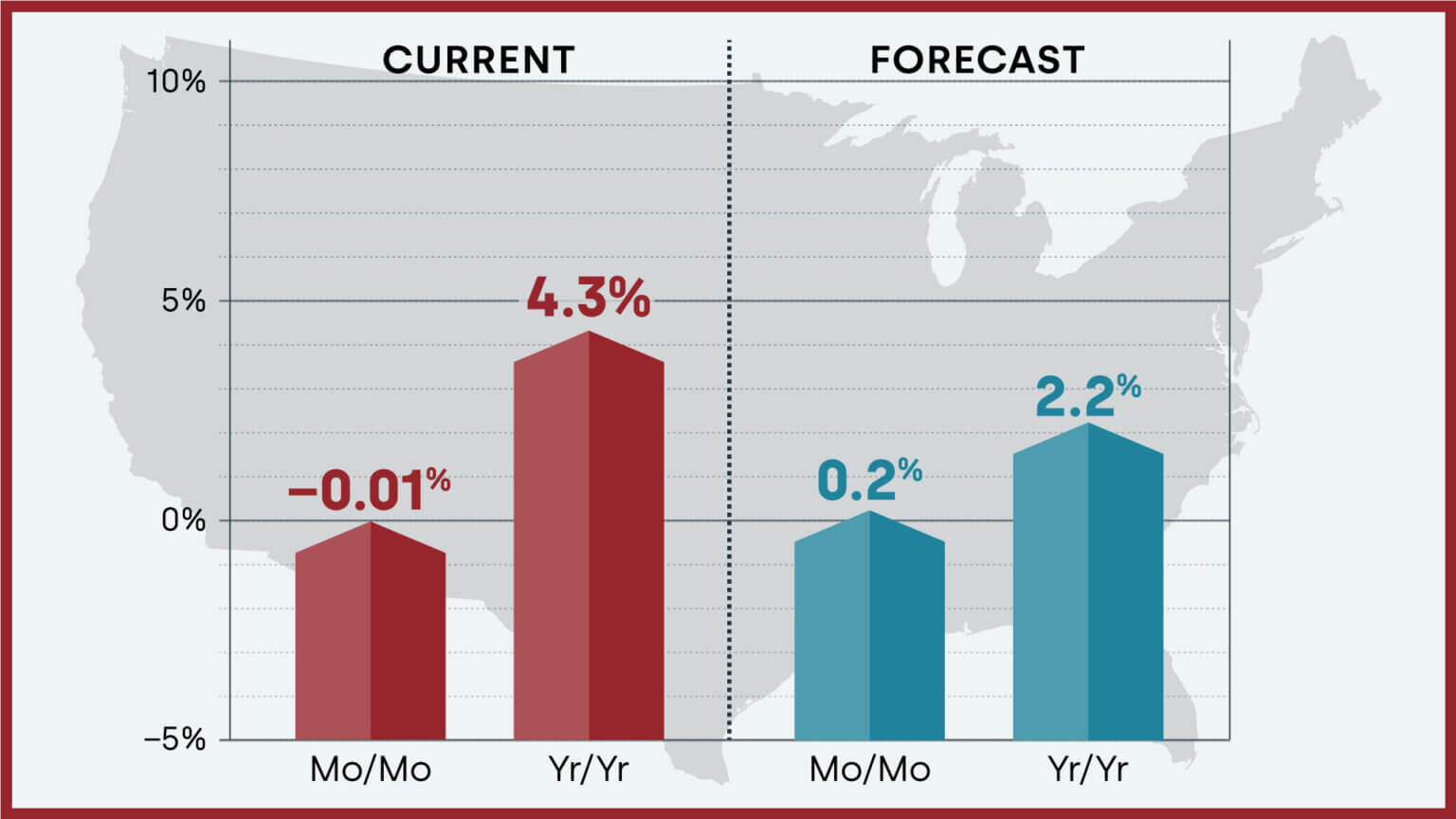
For a long time, home prices seemed to be on a one-way trip to the moon! But things are starting to change. While prices are still up compared to last year, they're not skyrocketing like they used to. In fact, according to CoreLogic, home prices across the U.S. went up by 4.3% in July 2024 compared to July 2023. That might seem like a lot, but it's actually slower growth than what we've seen recently.

Why the Slowdown?

One word: interest rates. They've been going up, making it more expensive for people to borrow money to buy a home. This has made some buyers hesitant, leading to fewer sales. However, there's a glimmer of hope! The Federal Reserve (the big guys who control interest rates) might lower them soon. This could make buying a home more affordable and give the market a little boost.

Dr. Selma Hepp, Chief Economist for CoreLogic, puts it this way: “Housing demand continued to buckle under the pressure of high mortgage rates and unaffordable home prices, leading to a considerable slowing of home price gains during the summer.”

What About the Future?

CoreLogic's housing market predictions suggest that prices will likely rise by just 0.2% from July 2024 to August 2024. Looking further ahead, they predict an increase of 2.2% between July 2024 and July 2025. These are just predictions, though, and things could change.

Here’s a quick look at the national forecast:

  • July 2024 to August 2024: Home prices expected to rise by 0.2%.
  • July 2024 to July 2025: Home prices expected to rise by 2.2%.
Housing Market Insights & Predictions - September 2024
Source: CoreLogic

Regional Differences

It's important to remember that the housing market isn't the same everywhere. Some places are hot, while others are cooling down. Here's a look at some interesting regional data:

States with the highest year-over-year home price increases (July 2023 to July 2024):

  • Rhode Island: 10.6%
  • New Jersey: 9.7%
  • Connecticut: 8.3%
  • South Dakota: 8.1%
  • Illinois: 7.5%

Metro area with the highest year-over-year home price increase (July 2023 to July 2024):

  • Miami: 9.1% increase
  • Chicago: 7.2% rise
  • Las Vegas: 7.0% growth
  • Boston: 5.5% uptick
  • Washington D.C.: 5.0% increase
  • San Diego: 6.2% jump
  • Los Angeles: 4.0% increase
  • Phoenix: 3.5% growth
  • Houston: 2.0% rise
  • Denver: 1.4% increase

Markets at high risk of home price declines:

  • Gainesville, FL
  • Palm Bay-Melbourne-Titusville, FL
  • Atlanta-Sandy Springs-Roswell, GA
  • Lakeland-Winter Haven, FL
  • Ogden-Clearfield, UT

What Does It All Mean?

The housing market can be confusing, but understanding the basics can help you make informed decisions. Here are a few key takeaways:

  • The market is cooling down: Home price growth is slowing, and sales are down.
  • Interest rates are a big factor: High rates make buying more expensive, which impacts demand.
  • Location matters: Some areas are seeing strong price growth, while others are at risk of declines.

Keep an Eye Out for…

  • Changes in interest rates: Lower rates could stimulate the market.
  • The economy: A strong economy usually means a strong housing market.
  • Inventory levels: More homes for sale could ease price pressure.

ALSO READ:

  • Housing Market Predictions for the Next 4 Years: 2024 to 2028
  • Real Estate Forecast Next 5 Years: Top 5 Predictions for Future
  • Is the Housing Market on the Brink in 2024: Crash or Boom?
  • 2008 Forecaster Warns: Housing Market 2024 Needs This to Survive
  • Housing Market Predictions for the Next 2 Years
  • Real Estate Forecast Next 10 Years: Will Prices Skyrocket?
  • Housing Market Predictions for Next 5 Years (2024-2028)
  • Housing Market Predictions 2024: Will Real Estate Crash?
  • Housing Market Predictions: 8 of Next 10 Years Poised for Gains
  • Trump vs Harris: Which Candidate Holds the Key to the Housing Market (Prediction)
Filed Under: Housing Market, Real Estate Market Tagged With: Home Price Forecast, Housing Market, housing market predictions, Housing Market Trends, Real Estate Market Predictions

10 Most Vulnerable Housing Markets in 2024: Crash or Correction?

September 7, 2024 by Marco Santarelli

10 Most Vulnerable Housing Markets in 2024: Crash or Correction?

Are you worried about the future of the U.S. housing market? You're not alone. With whispers of a potential crash echoing around, it's only natural to wonder which markets might be most vulnerable. This article takes a deep dive into the most vulnerable housing markets in 2024, examining the factors at play and analyzing whether a crash is imminent.

The latest data from ATTOM's Q2 2024 Special Housing Risk Report paints a telling picture. The report, which assesses counties based on factors like foreclosure activity, underwater mortgages, affordability, and unemployment rates, highlights some worrying trends. Let's break down what's happening.

California, New Jersey, and Illinois Housing Markets: A Concentration of Risk

💸
Most Vulnerable Housing Markets in 2024
  • 💵 Heavily Concentrated: The most vulnerable housing markets in 2024 are concentrated in California, New Jersey, and Illinois.
  • 🏠 High Living Costs: Why these states? It's a cocktail of factors. High living costs, driven in part by soaring property prices, have pushed affordability to the brink. Soaring property prices have pushed affordability to the brink, especially in major metro areas like New York City and Chicago.
  • 📈 Rising Interest Rates: Adding to the pressure are rising interest rates. As borrowing becomes more expensive, homeowners who locked in low rates during the pandemic boom might struggle to keep up with payments if their financial situations change.


Unveiling the Top 10 Most Vulnerable Housing Markets

ATTOM's Q2 2024 report identifies the top 10 most vulnerable U.S. housing markets. Let's delve into each one:

  1. Madera, CA: With a high percentage of properties underwater and a significant proportion of income needed to buy, Madera faces a challenging environment.
    • 71% of income needed to buy
    • 1% of properties underwater
    • 1 in every 756 properties with foreclosure filings
    • 5% June 2024 unemployment rate
  2. San Joaquin, CA: Another Californian county, San Joaquin, grapples with high underwater mortgage rates and foreclosure filings.
    • 71% of income needed to buy
    • 7% of properties underwater
    • 1 in every 864 properties with foreclosure filings
    • 4% June 2024 unemployment rate
  3. Butte, CA: Rounding out the top three is Butte, California, facing a trifecta of challenges: high affordability hurdles, a large share of underwater properties, and a concerning foreclosure activity.
    • 69% of income needed to buy
    • 8% of properties underwater
    • 1 in every 969 properties with foreclosure filings
    • 9% June 2024 unemployment rate
  4. Henry, GA: Moving east, Henry County in Georgia presents a mixed picture. While affordability appears relatively better, a high percentage of underwater properties raises a red flag.
    • 54% of income needed to buy
    • 9% of properties underwater
    • 1 in every 726 properties with foreclosure filings
    • 4% June 2024 unemployment rate
  5. Kaufman, TX: Located in Texas, Kaufman County stands out with a significant portion of income needed for homeownership, indicating a potential affordability crunch.
    • 46% of income needed to buy
    • 1% of properties underwater
    • 1 in every 930 properties with foreclosure filings
    • 8% June 2024 unemployment rate
  6. Humboldt, CA: Back in California, Humboldt County experiences a concerning level of foreclosure activity, highlighting the pressure on some homeowners.
    • 71% of income needed to buy
    • 1% of properties underwater
    • 1 in every 623 properties with foreclosure filings
    • 7% June 2024 unemployment rate
  7. Solano, CA: Solano County reflects the broader trend in California, with a high percentage of income required for housing, emphasizing affordability concerns.
    • 72% of income needed to buy
    • 0% of properties underwater
    • 1 in every 735 properties with foreclosure filings
    • 7% June 2024 unemployment rate
  8. Passaic, NJ: Representing New Jersey, Passaic County contends with a combination of affordability issues and a notable share of underwater mortgages.
    • 73% of income needed to buy
    • 3% of properties underwater
    • 1 in every 840 properties with foreclosure filings
    • 8% June 2024 unemployment rate
  9. Merced, CA: Merced County in California faces a significant affordability barrier, with a large percentage of income dedicated to housing expenses.
    • 74% of income needed to buy
    • 0% of properties underwater
    • 1 in every 977 properties with foreclosure filings
    • 4% June 2024 unemployment rate
  10. Shasta, CA: Completing the top 10, Shasta County grapples with a mix of affordability challenges and foreclosure activity, further underscoring California's vulnerability.
  • 72% of income needed to buy
  • 1% of properties underwater
  • 1 in every 658 properties with foreclosure filings
  • 4% June 2024 unemployment rate

Will These Housing Markets Crash?

The big question on everyone's mind: are these vulnerable markets headed for a crash? While it's impossible to predict the future with certainty, a few factors suggest that a full-blown crash might be unlikely, at least in the immediate term.

  • Strong Demand: Despite affordability challenges, demand for housing remains relatively strong in many areas. This is particularly true in markets with robust job markets and population growth.
  • Tight Inventory: Low inventory levels continue to prop up prices in many regions. Until supply significantly outpaces demand, a drastic price correction is less probable.
  • Lessons Learned: The 2008 housing crisis taught both lenders and borrowers valuable lessons. Lending practices are stricter now, and borrowers are generally more cautious.

However, it's important to acknowledge that these markets are walking a tightrope. Continued interest rate hikes, a significant economic downturn, or a sudden surge in unemployment could tip the scales and lead to more severe corrections.

Factors to Watch in the Coming Months

  • Interest Rate Trajectory: The Federal Reserve's decisions on interest rates will significantly impact the affordability and attractiveness of mortgages.
  • Inflation: Persistent inflation could continue to erode purchasing power and put pressure on household budgets.
  • Economic Growth: A strong economy generally supports a healthy housing market. Conversely, a recession or significant slowdown could negatively impact demand and prices.

Navigating Uncertainty: Advice for Homebuyers and Sellers

  • Homebuyers: Proceed with caution. Get pre-approved for a mortgage, factor in potential interest rate increases, and don't overextend your budget. Focus on affordability and long-term value.
  • Home Sellers: Be realistic about pricing. While the market might not be as hot as it once was, a well-maintained and strategically priced home can still attract buyers.

The Bottom Line

While the most vulnerable housing markets in 2024 face real challenges, a catastrophic crash is not a foregone conclusion. However, vigilance and careful analysis are crucial. Keep a close eye on economic indicators, interest rates, and local market conditions to make informed decisions about your real estate investments.


Also Read:

  • Housing Market Predictions for the Next 4 Years: 2024 to 2028
  • Real Estate Forecast Next 5 Years: Top 5 Predictions for Future
  • Is the Housing Market on the Brink in 2024: Crash or Boom?
  • 2008 Forecaster Warns: Housing Market 2024 Needs This to Survive
  • Housing Market Predictions for the Next 2 Years
  • Real Estate Forecast Next 10 Years: Will Prices Skyrocket?
  • Housing Market Predictions for Next 5 Years (2024-2028)
  • Housing Market Predictions 2024: Will Real Estate Crash?
  • Housing Market Predictions: 8 of Next 10 Years Poised for Gains
  • Trump vs Harris: Which Candidate Holds the Key to the Housing Market (Prediction)

Filed Under: Housing Market, Real Estate Market Tagged With: Home Price Forecast, Housing Market, housing market crash, housing market predictions, Housing Market Trends

The Unfolding Crisis of Housing Market Crash in China

September 6, 2024 by Marco Santarelli

The Unfolding Crisis of Housing Market Crash in China

As the world watches closely, China’s housing market crash is still not over, with signs indicating that the worst might not be behind us just yet. The economic repercussions of this ongoing crisis affect not only China's domestic economy but also have far-reaching consequences for global markets. With reports emerging from reputable sources like JPMorgan, the sentiment is clear: stabilization of the housing market is unlikely until at least 2025.

China’s Housing Market Crash Is Still Not Over

Key Takeaways:

  • Continued softness: China’s housing market remains fragile, with weak price performance in both new and resale properties.
  • Government interventions: Current government stimulus efforts have proven unsatisfactory in addressing fundamental issues in the housing sector.
  • Mortgage refinancing complications: Measures to lower borrowing costs may not effectively stimulate demand, particularly for new home purchases.
  • Market outlook: Analysts suggest that without a drastic policy shift, home prices may continue to decline.

The Current State of China’s Housing Market

According to Haibin Zhu, JPMorgan's chief China economist, the effectiveness of government measures to stabilize the market is still under scrutiny. Recent data from the China Index Academy indicates that the average price for new home sales across 100 cities showed a marginal increase of 0.11% from July to August 2024.

However, this modest growth is a significant slowdown compared to June’s 0.13% growth. Notably, resale home prices recorded a more substantial decline, dropping 0.71% from the previous month and down 6.89% year-on-year.

This ongoing decline can be attributed to several intertwined factors. Surging home prices coupled with stagnating wages have pushed many potential buyers out of the market, leading to a fall in overall demand. Additionally, heightened uncertainty regarding the financial health of major real estate developers has fragmented consumer confidence, causing potential homebuyers to delay their purchasing decisions.

Government Responses and Economic Implications

In an attempt to combat the downward pressure on housing prices, the Chinese government is considering a plan that would enable homeowners to refinance their mortgages. This program could potentially impact around $5.4 trillion in mortgages, aiming to alleviate the financial burden on households. However, economic analysts remain skeptical about its effectiveness as a stimulus measure. Winnie Wu, chief equity strategist at BofA Securities, pointed out that while lower mortgage rates might seem beneficial, they could inadvertently lead to banks reducing deposit rates. This, in turn, would negatively affect household savings and further stifle consumption.

Many analysts argue that this widely discussed mortgage refinancing measure lacks the potential to revive the housing market. Zhu echoed this sentiment, asserting that the proposals do not directly address the factors influencing demand for new homes. Instead, they primarily benefit existing homeowners struggling to manage their current mortgages. He emphasized that merely reducing rates may not initiate the required structural changes needed to stimulate new home purchases or restore consumer confidence.

Prolonged Market Challenges Ahead

The prevailing consensus within the investment community points to an extended period of difficulty for China’s housing market. With home prices projected to remain unstable for the foreseeable future, it’s crucial to recognize how this ongoing crisis could adversely affect broader economic growth. The construction sector, a significant driver of employment and GDP growth in China, is directly impacted as developers struggle to sell properties and fund ongoing projects.

Moreover, the falling property values challenge local governments, which rely heavily on funding from land sales to support their budgets. Reduced revenue from land sales can hamper local infrastructure projects and social programs, thereby negatively influencing the overall economic environment. The financial ramifications of the housing market crash extend beyond just metrics and statistics; they touch the day-to-day lives of millions of ordinary citizens who depend on a robust housing sector for their livelihoods.

Global Repercussions: A Broader Concern

Considering China’s position as the world’s second-largest economy, the fallout from its struggling housing market undoubtedly has implications for global markets. A downturn in China’s economy could disrupt trade relationships, affect supply chains, and reduce demand for commodities. Nations heavily reliant on exports to China may feel the effects as Chinese consumers and businesses scale back on purchasing both domestic and foreign goods.

Investors globally are closely monitoring this crisis, as potential shifts in policies aimed at rectifying these issues could lead to both opportunities and vulnerabilities in various markets. Any signs of recovery or continuation of deterioration in China’s housing sector will likely impact everything from currency valuations to commodity prices.

Consumer Confidence and Future Outlook

The ability of the Chinese government to rally consumer confidence will be critical in determining the pace and sustainability of any economic recovery. Currently, many potential homebuyers remain hesitant as they observe continuous price declines and uncertainty surrounding employment and wages. The fears of a protracted economic downturn make it challenging for the government to encourage spending and investment, creating a vicious cycle.

It’s evident that China requires a focused policy redirection to foster a more balanced support system, not just for the real estate market but for the services sector that supports its broader economy. Until consumer confidence is restored and housing transactions increase, the outlook remains grim for those hoping for a rapid resolution to this ongoing crisis.

Conclusion

China’s housing market crash is still not over, and as we gather insights from credible economists and analysts, a clearer picture emerges. The combination of ongoing price declines, ineffective government policies, and rising consumer uncertainty paints a worrying picture for the near future. The situation requires significant monitoring, as any unfolding events will likely shape not only China’s economic recovery but also that of the global economy as a whole.


ALSO READ:

  • Real Estate Forecast Next 5 Years: Top 5 Predictions for Future
  • Is the Housing Market on the Brink in 2024: Crash or Boom?
  • 2008 Forecaster Warns: Housing Market 2024 Needs This to Survive
  • Housing Market Predictions for the Next 2 Years
  • Real Estate Forecast Next 10 Years: Will Prices Skyrocket?
  • Housing Market Predictions for Next 5 Years (2024-2028)
  • Housing Market Predictions 2024: Will Real Estate Crash?
  • Housing Market Predictions: 8 of Next 10 Years Poised for Gains
  • Trump vs Harris: Which Candidate Holds the Key to the Housing Market (Prediction)

Filed Under: Housing Market, Real Estate Market Tagged With: China, Global Housing Market, Home Price Forecast, Housing Market, housing market predictions, Housing Market Trends

Predictions: Will Interest Rate Cuts Ignite the Housing Market?

September 4, 2024 by Marco Santarelli

Predictions: Will Interest Rate Cuts Ignite the Housing Market?

The housing market predictions have been buzzing with anticipation. Will the Federal Reserve's anticipated rate cut finally cool down the red-hot market? The speculation itself is enough to make both buyers and sellers anxious. Could a 0.75% Federal Funds Rate Cut be the catalyst that reignites the housing market? Let's delve into expert opinions and data to understand the potential impact.

Predictions: Will Interest Rate Cuts Ignite the Housing Market?

It's almost certain that the Federal Reserve will cut the federal funds rate in their September meeting. This decision has been eagerly awaited, as many hope it will help moderate the stubbornly high housing prices that have defined the post-pandemic economy. However, the CME FedWatch Tool predicts only a 0.25% drop in September, which may not be enough to create significant waves immediately.

More promising is the prediction of up to a 0.75% interest rate cut by the year's end. This has the potential to push lending rates into the enticing 5% range for the first time since 2022. While the federal funds rate doesn't directly dictate mortgage rates, it wields considerable influence.

The Impact of a “Five-Handle” on Mortgage Rates

As of August 22nd, 2023, the average interest rate for a 30-year fixed-rate mortgage sits at 6.46%, according to the Federal Reserve Bank of St. Louis. A reduction of 0.75% would bring us tantalizingly close to the 5% range—a “five-handle” as it’s known in the industry. This psychological shift could be significant.

The allure of a sub-6% interest rate might entice a wave of new mortgage applications. More importantly, it could tempt those currently enjoying 4% and under interest rates (a substantial 62% of mortgage holders) to consider selling their homes.

Will Lower Rates Translate to Affordable Housing?

If interest rates decrease, homes theoretically become more affordable. However, this assumes that prices remain stable. With increased inventory from potential sellers enticed by lower rates, and an influx of first-time buyers eager to capitalize on the new rates, a price surge is also plausible.

Analyzing Affordability: Interest Rates vs. Home Prices

To illustrate the impact of a potential rate cut, let's examine monthly mortgage payments (principal and interest only) at various interest rates and loan amounts (Source: Motley Fool).

Interest Rate $300,000 Loan $350,000 Loan $400,000 Loan
5.75% $1,750.72 $2,042.50 $2,334.29
6.00% $1,798.65 $2,098.43 $2,398.20
6.25% $1,847.15 $2,155.01 $2,462.87
6.50% $1,896.20 $2,212.24 $2,528.27

As evident, even a quarter-point difference can significantly impact monthly payments. For instance, a $350,000 loan at 5.75% translates to a $60 monthly saving compared to a 6.25% rate.

Now, let’s factor in the Debt-to-Income (DTI) ratio, a crucial aspect of mortgage approval. Assuming a median household income of $74,580 ($6,215/month) and an average first-time homebuyer aiming for the $300,000-$400,000 range, here's how DTI is affected:

Interest Rate $300,000 Loan $350,000 Loan $400,000 Loan
5.75% 28% 33% 38%
6.00% 29% 34% 39%
6.25% 30% 35% 40%
6.50% 31% 36% 41%

With each quarter-point rate reduction, the average borrower gains 1% more wiggle room within their DTI, enhancing their loan approval chances.

2024: A Balancing Act Between Buyers and Sellers

The housing market in 2024 is poised for a fascinating dynamic. Lower rates could trigger a surge in both supply (from current homeowners) and demand (from eager buyers).

For Sellers:

  • Increased Competition: A potential influx of new listings could lead to a more balanced market, potentially ending the frenzy of seller's markets prevalent in recent years.
  • Price Stabilization: While prices might not plummet, the rapid appreciation seen recently could moderate, especially if inventory significantly increases.

For Buyers:

  • More Options: An increase in listings means more choices and potentially less competition for desirable properties.
  • Negotiating Power: Buyers might regain some negotiating power as the market shifts away from extreme seller favor.

Beyond Interest Rates: Factors Influencing the 2024 Housing Market

While interest rates are a major player, several other factors will shape the 2024 housing market predictions:

  • Economic Outlook: The overall health of the economy, including factors like inflation and job growth, will play a role in buyer confidence.
  • Inventory Levels: The pace at which new listings enter the market will be crucial. A surge could temper price growth, while limited inventory could sustain it.
  • Demographic Trends: Millennial demand, the aging population, and migration patterns will continue to influence housing demand.

Navigating the 2024 Housing Market: Expert Tips

  • Buyers: Get pre-approved for a mortgage to understand your budget and be ready to act swiftly when you find the right property.
  • Sellers: Price your home strategically to attract buyers in a potentially more balanced market. Consider professional staging and high-quality photos to make your listing stand out.
  • Both Parties: Consult with experienced real estate agents who understand the local market nuances and can provide valuable guidance.

Conclusion: A Shift in the Air?

The 2024 housing market will likely be defined by a shift in dynamics. While the era of frenzied bidding wars and skyrocketing prices may be fading, predicting the exact trajectory remains complex. The Federal Reserve's actions on interest rates will undoubtedly be influential, but broader economic factors and inventory levels will play equally significant roles. Staying informed, seeking expert advice, and adapting to the evolving market will be crucial for both buyers and sellers navigating the year ahead.


ALSO READ:

  • Housing Market Predictions for the Next 4 Years: 2024 to 2028
  • Real Estate Forecast Next 5 Years: Top 5 Predictions for Future
  • Is the Housing Market on the Brink in 2024: Crash or Boom?
  • 2008 Forecaster Warns: Housing Market 2024 Needs This to Survive
  • Housing Market Predictions for the Next 2 Years
  • Real Estate Forecast Next 10 Years: Will Prices Skyrocket?
  • Housing Market Predictions for Next 5 Years (2024-2028)
  • Housing Market Predictions 2024: Will Real Estate Crash?
  • Housing Market Predictions: 8 of Next 10 Years Poised for Gains
  • Trump vs Harris: Which Candidate Holds the Key to the Housing Market (Prediction)

Filed Under: Housing Market, Real Estate Market Tagged With: Home Price Forecast, Housing Market, housing market predictions, Housing Market Trends

Fed’s Interest Rate Cut Impact on the Housing Market in 2024

September 4, 2024 by Marco Santarelli

Fed's Interest Rate Cut Impact on the Housing Market in 2024

As September 2024 unfolds, the financial world is closely monitoring the Federal Reserve (the Fed) and its expected decision to cut the Federal Funds Rate. This anticipation is largely fueled by compelling economic indicators, such as a slow yet steady cooling of inflation rates and signs of a softening job market.

According to Mark Zandi, Chief Economist at Moody’s Analytics, “They’re ready to cut, just as long as we don’t get an inflation surprise between now and September, which we won’t.”

Such statements highlight the confidence among economists regarding the Fed’s forthcoming actions. But what real implications will this have for the housing market, and more importantly, for you as a potential homebuyer or seller?

The Significance of the Federal Funds Rate Cut

📈
The Federal Funds Rate

The Federal Funds Rate is a critical lever in the complex machinery of the U.S. economy, influencing everything from consumer credit costs to mortgage rates.

💰
Impact of Rate Cut

When the Fed lowers this rate, it typically signals a broader economic shift that impacts mortgage rates both directly and indirectly.

🏠
Housing Market Significance

The significance of a Federal Funds Rate cut on the housing market can be profound, affecting everything from mortgage affordability to overall housing demand.


The Federal Funds Rate is a critical lever in the complex machinery of the U.S. economy, influencing everything from consumer credit costs to mortgage rates. When the Fed lowers this rate, it typically signals a broader economic shift that impacts mortgage rates both directly and indirectly.

As someone who has followed economic trends closely for years, I can attest that these shifts often occur within a delicate balance of market forces and public sentiment. Although a one-time rate cut may not prompt an immediate drop in mortgage prices, it can accelerate a downward trend that has been building over time.

Mike Fratantoni, Chief Economist at the Mortgage Bankers Association (MBA), emphasizes this trend: “Once the Fed kicks off a rate-cutting cycle, we do expect that mortgage rates will move somewhat lower.” This underscores the interconnectedness of Fed policy and housing affordability.

Economists like Lawrence Yun, Chief Economist at the National Association of Realtors (NAR), suggest that we are likely entering a prolonged rate-cutting cycle. He forecasts, “Generally, the rate-cutting cycle is not one-and-done. Six to eight rounds of rate cuts all through 2025 look likely.” This potential for multiple cuts lays the groundwork for sustained changes in housing market dynamics.

Projected Impact on Mortgage Rates and Housing Demand

The impact of the Federal Reserve's anticipated rate cuts on mortgage interest rates is a focal point for both buyers and sellers. The latest forecasts from reputable sources such as Fannie Mae, MBA, NAR, and Wells Fargo indicate that, as inflation stabilizes and economic sentiment improves, we could witness a gradual decline in mortgage rates through 2025.

Key Reasons This is Good News for Buyers and Sellers

  1. Alleviating the Lock-In Effect: One of the most significant barriers to the housing market is the “lock-in effect,” where existing homeowners hesitate to sell their properties for fear of losing favorable mortgage rates. Lower mortgage rates could provide an incentive for these homeowners to consider selling, thus increasing inventory. Although this alone may not lead to a sudden influx of listings, it creates a more favorable environment for movement in the market. However, many homeowners may still exercise caution due to the fear of re-entering the market at higher interest rates.
  2. Boosting Buyer Activity: The prospect of lower mortgage rates makes the housing market more attractive for potential buyers. A reduction in rates decreases the overall cost of borrowing and the total expenses associated with homeownership. For first-time buyers and those looking to upgrade, this represents an opportunity to make a purchase without being burdened by excessive monthly payments. Analysts predict that, as mortgage affordability improves, more buyers will re-enter the market, creating a ripple effect that could further stimulate housing demand.

Considerations for Homebuyers and Sellers

While the Federal Funds Rate cut is expected to gradually lower mortgage rates, it’s essential for both buyers and sellers to consider their individual circumstances. The current economic climate showcases both opportunities and challenges. Jacob Channel, Senior Economist at LendingTree, encapsulates this with a timely reminder: “Timing the market is basically impossible. If you’re always waiting for perfect market conditions, you’re going to be waiting forever. Buy now only if it’s a good idea for you.”

In essence, prospective homebuyers should focus on their financial readiness rather than attempting to time the market perfectly. Meanwhile, sellers should evaluate their current situation and weigh the potential benefits of listing their homes in a gradually improving market against the uncertainty of future price movements.

Bottom Line

The anticipated Federal Funds Rate cut, influenced by a healing economy marked by improving inflation and slower job growth, is likely to create a positive, albeit gradual, impact on mortgage rates. This new environment could unlock significant opportunities for both homebuyers and sellers. As you prepare to navigate the dynamic landscape of the housing market, engaging with a knowledgeable local real estate agent can provide you with invaluable insights and support tailored to your unique situation.


ALSO READ:

  • Real Estate Forecast Next 5 Years: Top 5 Predictions for Future
  • Is the Housing Market on the Brink in 2024: Crash or Boom?
  • 2008 Forecaster Warns: Housing Market 2024 Needs This to Survive
  • Housing Market Predictions for the Next 2 Years
  • Real Estate Forecast Next 10 Years: Will Prices Skyrocket?
  • Housing Market Predictions for Next 5 Years (2024-2028)
  • Housing Market Predictions 2024: Will Real Estate Crash?
  • Housing Market Predictions: 8 of Next 10 Years Poised for Gains
  • Trump vs Harris: Which Candidate Holds the Key to the Housing Market (Prediction)

Filed Under: Housing Market, Real Estate Market Tagged With: Home Price Forecast, Housing Market, housing market predictions, Housing Market Trends

Housing Market Trends: Historic Low Pending Sales in 2024

August 29, 2024 by Marco Santarelli

Housing Market Trends: Historic Low Pending Sales in 2024

As the housing market trends illustrate, the dynamics of buying and selling homes in the U.S. have become increasingly complex. With U.S. pending home sales hitting a record low in July, many wonder what this indicates about the future of the housing sector. This situation arises from various influences that are collectively reshaping the real estate environment, impacting both potential buyers and sellers across the country.

Housing Market Trends: Record Low Pending Sales in 2024

Key Takeaways

  • Record Low Sales: Pending home sales dropped 5.5% in July, reaching a historic low of 70.2 on the Pending Home Sales Index (PHSI).
  • Year-over-Year Decline: Compared to July 2023, pending transactions are down 8.5%, showcasing a tough year for potential buyers.
  • Regional Struggles: All four U.S. regions experienced monthly losses, with the Northeast being the only region to show a year-over-year increase.
  • Economic Factors: High borrowing costs, affordability issues, and ongoing economic uncertainties are impacting buyer confidence and market activity.
  • Future Outlook: Experts predict a continued struggle in the housing market as consumers exhibit a wait-and-see attitude amid upcoming elections and economic pressures.

Analyzing the Record Low in Pending Home Sales

According to the National Association of Realtors (NAR), the Pending Home Sales Index (PHSI), a vital indicator based on contract signings, recorded a 5.5% decline for July. The index fell to 70.2, marking the lowest reading since it began in 2001.

This alarming downturn reflects the difficulties that buyers currently face, compounded by persistent affordability challenges and uncertainties surrounding future economic conditions.

Lawrence Yun, NAR's Chief Economist, remarked that despite job growth and higher inventory being favorable components, they were insufficient to mitigate affordability barriers and prospective buyers’ hesitance connected to the imminent U.S. presidential election (National Association of Realtors).

Regional Breakdown of Pending Sales

Let's delve deeper into the regional performance of pending sales, as it reveals critical insights into localized market conditions:

  • Northeast Region: This area experienced a slight decline of 1.4% month-over-month, yet it showcased a 2.4% increase year-over-year, indicating some resilience amidst broader market struggles.
  • Midwest Region: Reflecting more significant challenges, the Midwest saw a drop of 7.8% in July, which corresponds to an alarming 11.4% decrease compared to the previous year.
  • Southern Region: The South faced a 6.5% decline, representing an 11.5% drop year-over-year—a clear sign that even traditionally strong markets are feeling the pressure.
  • Western Region: The West recorded a 3.8% reduction in sales activity, down 6.0% from last July, indicating a consistent downturn that aligns with trends seen in the other regions.

These figures highlight that while specific regions may react differently to economic stimuli, the overarching theme is one of caution and declining buyer activity.

Economic Pressures and Buyer Sentiment

The persistent downturn in pending home sales reveals several underlying economic pressures affecting the housing market. For one, rising mortgage rates—which have recently stabilized yet remain high—have fostered an environment of uncertainty. Many potential homebuyers are now faced with crippling affordability constraints. The data indicates that many buyers are opting to withdraw from the market, leading to a substantial 8.5% decline in pending transactions compared to July of the previous year.

According to a recent Conference Board survey, consumer intent to purchase a home within the next six months is at its lowest level recorded since early 2013. This dip in consumer confidence suggests a deeper concern regarding personal financial stability and potential market volatility. Prospective buyers appear to be waiting for either a stabilization of home prices or a decrease in interest rates before committing to a purchase.

Adding to the complexity is the disparity in existing home prices and buyers' purchasing power. The Federal Housing Finance Agency (FHFA) recently reported a 5.1% year-over-year increase in home prices. This rise, while modest compared to previous years, signals that prices are not dropping in the face of declining sales. Rather, they are stabilizing at what many buyers find unobtainable.

Comparative Analysis of Consumer Sentiment and Housing Prices

The current housing market trends depict a paradox where strong demand meets overwhelmed supply. As prices remain high and inventory begins to increase slightly, many new buyers are feeling despondent. The struggle to attain an affordable mortgage coupled with the increased cost of living creates a disheartening environment for first-time homebuyers. Anecdotal evidence also suggests that many are opting to wait for a more favorable balance of prices and interest rates, reflecting a broader trend of postponed investments.

The Bigger Picture: Housing Market Trends Ahead

As we look to the future, the ongoing economic pressures and the upcoming political climate are expected to shape the housing market significantly. The sluggish nature of pending sales indicates that we may be entering a critical period for real estate, with many homeowners feeling trapped in their properties due to high mortgage rates and soaring prices.

Projected Developments in the Housing Market

Forecasts reveal a mixed forecast for the housing market. Some economists predict that as mortgage rates taper off, homebuyers may slowly return to the market, creating a rise in pending home sales. Reports from the Urban Institute suggest that if rates stabilize near 6%, we might see an uptick in sales activity, particularly in regions that have previously experienced substantial declines.

However, despite potential improvements, there remains a notable concern that house prices will continue to rise, albeit at a more controlled pace. Predominantly influenced by limited housing supply relative to demand, many experts believe that the Federal Reserve's monetary policies will significantly affect future market conditions. A reduction in interest rates could rejuvenate buyer interest, but any increases in economic volatility, such as inflation or changes in lending requirements, could stifle potential buyers’ enthusiasm.

Conclusion: The Path Forward for the Housing Market

The trends unfolding in the housing market reflect the complex interplay of economic factors and consumer sentiment that are defining the current landscape. As pending home sales reach a historic low, it becomes increasingly critical for stakeholders to remain adaptable and keenly aware of shifts in buyer behavior and economic conditions.

In summary, while the housing market trends currently reveal a challenging environment characterized by heightened caution and declining sales, the potential for recovery hinges on broader economic stability and consumer confidence. Monitoring these factors closely will prove essential as we navigate the complexities of the real estate market in the upcoming months.


ALSO READ:

  • Housing Market Predictions for the Next 4 Years: 2024 to 2028
  • Real Estate Forecast Next 5 Years: Top 5 Predictions for Future
  • Is the Housing Market on the Brink in 2024: Crash or Boom?
  • 2008 Forecaster Warns: Housing Market 2024 Needs This to Survive
  • Housing Market Predictions for the Next 2 Years
  • Real Estate Forecast Next 10 Years: Will Prices Skyrocket?
  • Housing Market Predictions for Next 5 Years (2024-2028)
  • Housing Market Predictions 2024: Will Real Estate Crash?
  • Housing Market Predictions: 8 of Next 10 Years Poised for Gains
  • Trump vs Harris: Which Candidate Holds the Key to the Housing Market (Prediction)

Filed Under: Housing Market, Real Estate Market Tagged With: Home Price Forecast, Housing Market, housing market predictions, Housing Market Trends

  • « Previous Page
  • 1
  • …
  • 5
  • 6
  • 7
  • 8
  • Next Page »

Real Estate

  • Birmingham
  • Cape Coral
  • Charlotte
  • Chicago

Quick Links

  • Markets
  • Membership
  • Notes
  • Contact Us

Blog Posts

  • Today’s Mortgage Rates, July 10: Buyers Face Rising Costs Amid Global Shifts
    July 10, 2026Marco Santarelli
  • Best Cities to Invest in Real Estate in 2026
    July 10, 2026Marco Santarelli
  • Best Cities to Buy Real Estate for Investment in 2026
    July 10, 2026Marco Santarelli

Contact

Norada Real Estate Investments 30251 Golden Lantern, Suite E-261 Laguna Niguel, CA 92677

(949) 218-6668
(800) 611-3060
BBB
  • Terms of Use
  • |
  • Privacy Policy
  • |
  • Testimonials
  • |
  • Suggestions?
  • |
  • Home

Copyright 2018 Norada Real Estate Investments

Loading...

