Norada Real Estate Investments

  • Home
  • Markets
  • Properties
  • Membership
  • Podcast
  • Learn
  • About
  • Contact

Mortgage Rates Today, June 12, 2026: 30‑Year Refinance Rate Drops by 10 Basis Points

June 12, 2026 by Marco Santarelli

Mortgage Rates Today, July 2, 2026: 30‑Year Refinance Rate Rises by 4 Basis Points

Good news for homeowners looking to save some money: the 30-year fixed refinance rate has seen a welcome dip today, June 12, 2026, dropping by a significant 10 basis points from last week. This means that the average rate is now sitting at 6.62%, down from 6.72% the previous week, according to Zillow. While this might seem like a small change, for many, it’s enough to make refinancing a much more attractive option to lower those monthly payments.

Mortgage Rates Today, June 12, 2026: 30‑Year Refinance Rate Drops by 10 Basis Points

It’s been a bit of a rollercoaster ride for mortgage rates this year, and honestly, keeping up can feel like trying to predict the weather. After a nice little dip earlier in the year, rates have been creeping back up, making many of us wonder if those low-rate dreams were over. But this recent drop in the 30-year fixed refinance rate is a promising sign. It suggests that while the overall trend might still lean towards “higher for longer,” there are moments of opportunity for homeowners.

For anyone considering refinancing, this movement is definitely worth paying attention to. It’s not just about chasing the absolute lowest number, but about finding the right moment that makes the most financial sense for your specific situation.

What's Going On with These Rates?

So, why the small but significant drop today? It's a combination of factors, and understanding them can help you make smarter decisions.

Think of interest rates like a complex recipe. You need the right ingredients (economic signals) to get the desired outcome (mortgage rates).

  • Inflation’s Stubbornness: Even though the Federal Reserve has been working hard to tame inflation, it's proving to be a bit of a tough nut to crack. They've held steady on interest rates for a while now, and as long as inflation is still a concern, they’re unlikely to start cutting rates dramatically anytime soon. This “sticky inflation” is a big reason why rates have been higher than we saw in previous years.
  • A Strong Job Market: On the flip side, the job market is doing pretty well. We’ve seen some really positive reports, showing that the economy is still chugging along. When the economy is strong, it means there's more demand for things, which can sometimes push prices up (hello, inflation again!). This resilience in the job market also tells the Fed that they don’t need to rush into lowering rates.
  • Treasury Yields on the Move: Mortgage rates tend to follow the 10-year Treasury yield pretty closely. When economic news is good or there's some global uncertainty (like tensions in the Middle East), these yields can spike. And guess what? Higher Treasury yields usually mean higher mortgage rates.

The Current Rate Picture: A Snapshot

Here’s a look at the national average refinance rates as of today, June 12, 2026, according to Zillow:

Loan Type Current Average Rate Change from Previous Week
30-Year Fixed Refinance 6.62% Down 10 basis points
15-Year Fixed Refinance 5.83% Up 7 basis points
5-Year ARM Refinance 6.75% No change

As you can see, while the 30-year fixed rate is down, the 15-year fixed rate has nudged up a bit, and the 5-year ARM is holding steady. This highlights the importance of looking at the specific loan type that fits your needs.

Is Refinancing Right for You Now?

This is the million-dollar question, isn't it? With rates hovering in the mid-6% range for the 30-year fixed, it’s not as clear-cut as it was when rates were significantly lower. My own experience tells me that not everyone should jump on a refinance just because the headline number looks good.

Here's what I think you should be considering:

  1. Your Break-Even Point is Key: Forget those old rules of thumb. The most important thing is to figure out how long it will take for your savings to cover the costs of refinancing. This is your break-even point. You can calculate it by dividing your total closing costs by the amount you'll save each month.

    Formula:
    Break-Even Months = Total Closing Costs / Net Monthly Savings

    If your break-even point is, say, 18 months, and you plan to move or refinance again before then, it might not be worth it.

  2. What Rate Did You Lock In? Data suggests that a large majority of homeowners (around 82.8%) have mortgages with rates below 6%. If you're in this group, a simple rate-and-term refinance probably isn't going to save you enough money to justify the costs. Refinancing makes more sense if:
    • You originally got your mortgage when rates were very high (think above 7.5%), which was common in late 2023 and 2024.
    • You're looking to do a cash-out refinance. This can be a smart move to consolidate high-interest debt (like credit cards) or to fund important home improvements.
  3. Understand Your Loan Options: As the table showed, rates can vary quite a bit depending on the type of loan you choose.
    • Conventional 30-Year Fixed: Around 6.68%
    • Conventional 15-Year Fixed: Around 6.06%
    • FHA Refinance: Around 6.31%
    • VA Refinance: Around 5.86%

    It's essential to compare these options and see which one aligns with your financial goals and how long you plan to stay in your home.

  4. Boost Your Credit and Shop Around: Your credit score and debt-to-income ratio (DTI) play a huge role in the rate you'll be offered. Lenders add a “spread” to the base Treasury rate to account for risk, and a better financial profile can help reduce that spread.
    • Check your credit reports: Make sure there are no errors that could be hurting your score.
    • Lower your DTI: Paying down debt can significantly improve your borrowing power.
    • Get multiple quotes: Don't just go with the first lender you talk to. Shopping around and getting quotes from at least three different lenders can potentially save you a substantial amount of money, sometimes up to half a percentage point.

The Outlook for the Rest of 2026

Looking ahead, the general consensus from major housing forecasters like Fannie Mae is that we should expect rates to remain “sticky.” This means they likely won't plummet dramatically anytime soon. They're projecting that the average 30-year fixed rate will hover around 6.4% for the remainder of 2026 and into early 2027.

While this recent dip is a nice breather, it's wise to prepare for rates to stay somewhat elevated compared to the rock-bottom rates we saw a few years ago. The key is to stay informed, understand your personal financial picture, and be ready to act when a refinance opportunity genuinely benefits you.

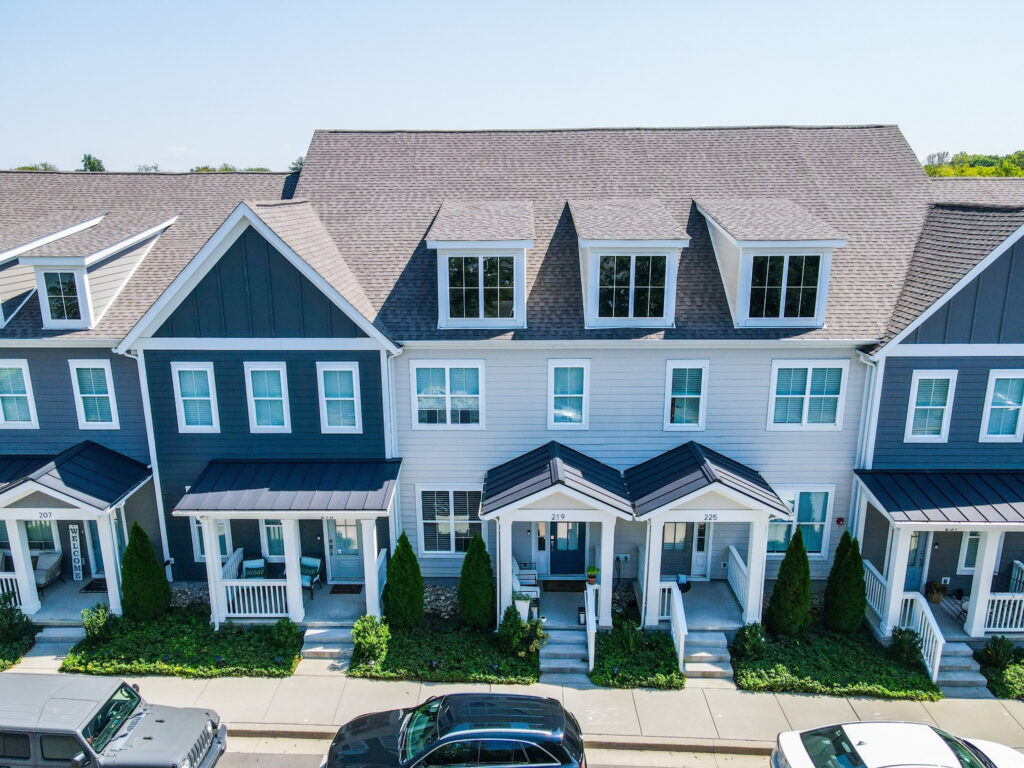
🏡 Real Estate Investment: Tennessee vs Florida

Ribbon Ln Property
Franklin, TN
🏠 Property: Ribbon Ln
🛏️ Beds/Baths: 2 Bed • 2.5 Bath • 1662 sqft
💰 Price: $569,999 | Rent: $3,000
📊 Cap Rate: 5.1% | NOI: $2,415
📅 Year Built: 2022
📐 Price/Sq Ft: $343
🏙️ Neighborhood: A-

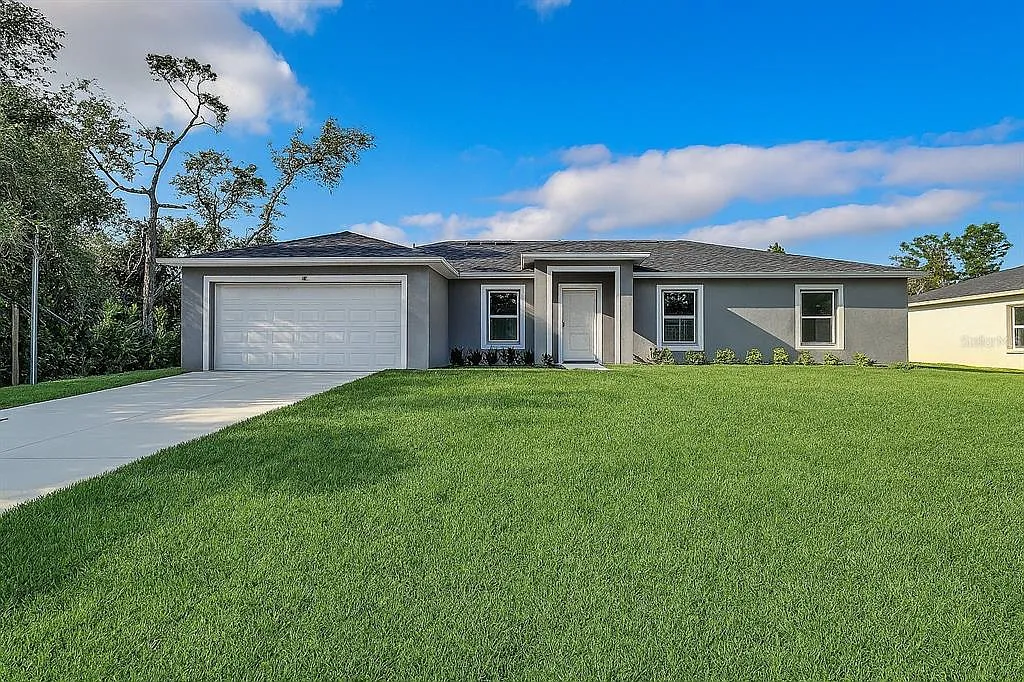
VS

Chamberlain Blvd Property
Port Charlotte, FL
🏠 Property: Chamberlain Blvd
🛏️ Beds/Baths: 4 Bed • 2 Bath • 1617 sqft
💰 Price: $274,900 | Rent: $1,845
📊 Cap Rate: 5.4% | NOI: $1,231
📅 Year Built: 2023
📐 Price/Sq Ft: $171
🏙️ Neighborhood: A+

Out‑of‑State investors can compare Tennessee’s newer rental with higher NOI vs Florida’s A+ property with strong yield. Which fits YOUR investment strategy?

We have much more inventory available than what you see on our website – Let us know about your requirement.

📈 Choose Your Winner & Contact Us Today!

Speak to a Norada Investment Counselor (No Obligation):

(800) 611-3060

View All Properties

Build Passive Income & Wealth with Turnkey Rentals in 2026

Mortgage rates remain high in 2026, but rental properties continue to deliver strong cash flow and appreciation. Savvy investors know that turnkey real estate is the path to passive income and long‑term wealth.

Norada Real Estate helps you secure turnkey rental properties designed for immediate cash flow and appreciation—so you can invest smartly regardless of interest rate trends.

🔥 HOT 2026 INVESTMENT LISTINGS JUST ADDED! 🔥
Request a Callback / Fill Out the Form Online

Contact Us

Also Read:

  • Mortgage Rates Predictions Backed by 7 Leading Experts: 2025–2026
  • Mortgage Rate Predictions for the Next 3 Years: 2026, 2027, 2028
  • 30-Year Fixed Mortgage Rate Forecast for the Next 5 Years
  • 15-Year Fixed Mortgage Rate Predictions for Next 5 Years: 2025-2029
  • Will Mortgage Rates Ever Be 3% Again in the Future?
  • Mortgage Rates Predictions for Next 2 Years
  • Mortgage Rate Predictions for Next 5 Years
  • Mortgage Rate Predictions: Why 2% and 3% Rates are Out of Reach
  • How Lower Mortgage Rates Can Save You Thousands?
  • How to Get a Low Mortgage Interest Rate?
  • Will Mortgage Rates Ever Be 4% Again?

Filed Under: Financing, Mortgage Tagged With: mortgage rates, Mortgage Rates Today, Refinance Rates

Mortgage Rates Today, June 11, 2026: 30‑Year Refinance Rate Drops by 6 Basis Points

June 11, 2026 by Marco Santarelli

Mortgage Rates Today, July 2, 2026: 30‑Year Refinance Rate Rises by 4 Basis Points

The good news for homeowners looking to refinance is that 30-year fixed refinance rates took a slight dip today, June 11, 2026, settling at an average of 6.69%. This marks a 6-basis-point decrease from yesterday's average of 6.75%, according to data released by Zillow. While this might seem like a small move, it's a welcome change in what's been a rather steady, albeit high, interest rate environment. It's not a dramatic shift, but in the current market, any downward movement is worth paying attention to.

Mortgage Rates Today, June 11, 2026: 30‑Year Refinance Rate Drops by 6 Basis Points

What's Happening with Refinance Rates Right Now?

Let's break down the numbers as of today, June 11, 2026:

  • 30-Year Fixed Refinance Rate: Down to 6.69%. This is the rate most people are familiar with for home loans.
  • 15-Year Fixed Refinance Rate: Saw a small increase, now at 5.85%. This is typically for those looking to pay off their mortgage faster.
  • 5-Year Adjustable-Rate Mortgage (ARM) Refinance Rate: Holding steady at 6.31%. ARMs start with a fixed rate that can change later, usually annually.

Compared to last week, the 30-year fixed refinance rate is down by 3 basis points from 6.72%. So, while today saw a 6-basis-point drop, the trend over the past week has also been slightly downward for this popular loan type.

Why the Slight Dip and What Does it Mean for You?

It’s easy to get excited about any drop in mortgage rates, but it’s important to understand the bigger picture. Based on my experience, this current environment is best described as “higher for longer.” Experts are largely agreeing that we probably won't see rates drop significantly below 6% anytime soon.

Several factors are keeping rates where they are:

  • Stubborn Inflation: Prices for everyday goods and services are still higher than the 2.5% target many economists are aiming for. This persistent inflation makes lenders hesitant to offer lower rates, as the money they get back in the future won't buy as much.
  • A Cautious Federal Reserve: The Federal Reserve, which influences interest rates across the economy, has hit pause on its rate cuts. Even though they had started to lower rates, strong job numbers and that stubborn inflation have made them take a step back. They want to make sure the economy is truly stable before making big moves.
  • Bond Market Realities: Mortgage rates are closely tied to the performance of U.S. Treasury bonds, particularly the 10-year Treasury yield. Right now, this yield is hovering around 4.5%. This elevated yield is partly due to the growing amount of debt the U.S. government holds. When the government borrows a lot, it can push up the cost of borrowing for everyone else.

My take on this is that we're in a period of relative stability, but at a higher cost than we've seen in recent years. The days of sub-3% mortgage rates feel like a distant memory.

Expert Predictions: What's Next?

Looking ahead, major housing and finance organizations like Fannie Mae and the Mortgage Bankers Association (MBA) are predicting that 30-year fixed mortgage rates will likely stay in the mid-to-high 6% range for the rest of 2026. They are projecting averages between 6.3% and 6.5% through the end of the year.

This means that while we might see small fluctuations like today's drop, a major plunge in rates isn't on the immediate horizon.

Smart Moves for Borrowers in Today's Market

Navigating this “higher-for-longer” mortgage rate environment requires a thoughtful approach. Here's what I advise:

  • Don't Get Caught in the “Waiting Game”: It's tempting to wait for rates to drop significantly before buying or refinancing. However, if rates do fall sharply, you'll likely see a flood of buyers rush into the market. This surge in demand can push home prices up, potentially canceling out any savings you might have gotten from a lower interest rate.
  • Focus on the Purchase Price: Remember, you can always refinance your mortgage later if rates go down. However, you can't change the price you paid for the house itself. Make sure the total monthly payment – including principal, interest, taxes, and insurance (PITI) – fits comfortably within your budget right now.
  • Boost Your Credit Score: The best interest rates are always reserved for borrowers with excellent credit. To get close to the lower end of the current rates, you’ll need to be diligent about your credit.
    • Check your credit reports for any errors and get them fixed.
    • Pay down credit card balances to lower your debt-to-income (DTI) ratio.
    • Avoid opening new credit accounts while you're in the process of buying or refinancing a home.
  • Explore Creative Financing: Talk to your lender about options like rate buydowns.
    • A permanent rate buydown lets you pay an upfront fee to lower your interest rate for the entire life of the loan.
    • A temporary rate buydown (like a 2-1 or 1-0 buydown) lowers your rate by a larger amount for the first year or two. For example, a 2-1 buydown means your rate is 2% lower in the first year and 1% lower in the second year. This can provide welcome relief as you settle into your new home.

In Conclusion

Today's 6-basis-point drop in the average 30-year fixed refinance rate to 6.69% is a positive sign, but it doesn't signal a major shift in the market. My professional opinion is that borrowers should focus on finding a home that fits their budget and work on improving their credit to secure the best possible rate available today. Refinancing is always an option down the road.

🏡 Real Estate Investment: Tennessee vs Florida

Ribbon Ln Property
Franklin, TN
🏠 Property: Ribbon Ln
🛏️ Beds/Baths: 2 Bed • 2.5 Bath • 1662 sqft
💰 Price: $569,999 | Rent: $3,000
📊 Cap Rate: 5.1% | NOI: $2,415
📅 Year Built: 2022
📐 Price/Sq Ft: $343
🏙️ Neighborhood: A-

VS

Chamberlain Blvd Property
Port Charlotte, FL
🏠 Property: Chamberlain Blvd
🛏️ Beds/Baths: 4 Bed • 2 Bath • 1617 sqft
💰 Price: $274,900 | Rent: $1,845
📊 Cap Rate: 5.4% | NOI: $1,231
📅 Year Built: 2023
📐 Price/Sq Ft: $171
🏙️ Neighborhood: A+

Out‑of‑State investors can compare Tennessee’s newer rental with higher NOI vs Florida’s A+ property with strong yield. Which fits YOUR investment strategy?

We have much more inventory available than what you see on our website – Let us know about your requirement.

📈 Choose Your Winner & Contact Us Today!

Speak to a Norada Investment Counselor (No Obligation):

(800) 611-3060

View All Properties

Build Passive Income & Wealth with Turnkey Rentals in 2026

Mortgage rates remain high in 2026, but rental properties continue to deliver strong cash flow and appreciation. Savvy investors know that turnkey real estate is the path to passive income and long‑term wealth.

Norada Real Estate helps you secure turnkey rental properties designed for immediate cash flow and appreciation—so you can invest smartly regardless of interest rate trends.

🔥 HOT 2026 INVESTMENT LISTINGS JUST ADDED! 🔥
Request a Callback / Fill Out the Form Online

Contact Us

Also Read:

  • Mortgage Rates Predictions Backed by 7 Leading Experts: 2025–2026
  • Mortgage Rate Predictions for the Next 3 Years: 2026, 2027, 2028
  • 30-Year Fixed Mortgage Rate Forecast for the Next 5 Years
  • 15-Year Fixed Mortgage Rate Predictions for Next 5 Years: 2025-2029
  • Will Mortgage Rates Ever Be 3% Again in the Future?
  • Mortgage Rates Predictions for Next 2 Years
  • Mortgage Rate Predictions for Next 5 Years
  • Mortgage Rate Predictions: Why 2% and 3% Rates are Out of Reach
  • How Lower Mortgage Rates Can Save You Thousands?
  • How to Get a Low Mortgage Interest Rate?
  • Will Mortgage Rates Ever Be 4% Again?

Filed Under: Financing, Mortgage Tagged With: mortgage rates, Mortgage Rates Today, Refinance Rates

Mortgage Rates Today, June 10, 2026: 30‑Year Refinance Rate Rises by 3 Basis Points

June 10, 2026 by Marco Santarelli

Mortgage Rates Today, July 2, 2026: 30‑Year Refinance Rate Rises by 4 Basis Points

As of Wednesday, June 10, 2026, the average 30-year fixed refinance rate is sitting at 6.75%, marking a slight uptick of 3 basis points from last week. While this movement might seem small, it's part of a larger picture of mortgage rates remaining in a tight, elevated range, especially for those looking to refinance their homes.

Mortgage Rates Today, June 10, 2026: 30-Year Refinance Rate Rises by 3 Basis Points

It’s been a bit of a roller coaster, hasn’t it? Just when you think you have a handle on where mortgage rates are headed, something shifts. I’ve been following this market closely for years, and I can tell you that even minor moves like this one can be telling. For homeowners thinking about refinancing, understanding these nuances is key. It’s not just about the headline number; it’s about what’s driving it and what it means for your financial goals.

What's Pushing Refinance Rates Today?

This slight increase in the 30-year fixed refinance rate isn't happening in a vacuum. Several big economic forces are at play, and they're keeping lenders a bit cautious.

  • A Stronger-Than-Expected Job Market: The latest report from the U.S. Bureau of Labor Statistics painted a pretty rosy picture of May's employment data. More jobs mean a stronger economy, which, in turn, gives the Federal Reserve less reason to rush into lowering its benchmark interest rate. When that benchmark rate stays higher, mortgage rates tend to follow suit.
  • Inflation Isn't Quite Beaten Yet: Even though we've made progress, inflation is still a persistent concern. This “stubbornly high” inflation keeps the yields on longer-term investments, like bonds, elevated. Investors are anxiously waiting for the next Consumer Price Index (CPI) report, which will be a major clue about where inflation is truly heading. The bond market, which mortgage rates are closely tied to, reacts strongly to these kinds of signals.
  • Treasury Yields are Creeping Up: If you’ve been paying attention, you’ll notice that mortgage rates often mirror the performance of the 10-year U.S. Treasury yield. We've seen this yield recently climb back above the 4.5% mark. This upward trend directly influences what lenders can offer on mortgages.
  • Global Jitters: The world stage can also play a role. Ongoing geopolitical tensions and instability in certain regions can create uncertainty in financial markets, including oil and bond prices. This added layer of unpredictability can make lenders more hesitant, leading to slightly higher rates.

The 15-Year Fixed and 5-Year ARM Picture

While the 30-year fixed refinance rate saw a minor bump, other popular options are holding steady:

  • 15-Year Fixed Refinance Rate: This option remains stable at 5.87%. This is often a good choice for those looking to pay off their mortgage faster and save on interest over time, provided they can manage the higher monthly payments.
  • 5-Year ARM Refinance Rate: The current national average for a 5-year Adjustable-Rate Mortgage (ARM) refinance is 6.31%. ARMs can be attractive if you plan to move or refinance again before the fixed period ends, as they often start with lower rates than fixed-rate loans.

What Does This Mean for You Right Now?

Seeing rates tick up, even slightly, can be frustrating, especially if you're a homeowner who locked in a much lower rate a few years ago. Based on my experience, traditional rate-and-term refinances are only a smart move for a smaller group of people right now. The key is to ensure that the savings you'll get from a new loan will actually outweigh the costs of getting that loan.

Here’s my advice for anyone considering a refinance in this market:

  • Know Your Break-Even Point: This is crucial. Calculate exactly how long it will take for the money you save on monthly payments to cover all your closing costs. If you don't plan on staying in your home long enough to “break even,” refinancing might not be the best financial decision.
  • Polish Your Credit Score: Lenders are currently offering their best rates to borrowers with excellent credit. If your score is in the mid-to-high 700s, you're in a strong position. Focus on paying down credit card balances and avoid opening new credit lines right before you apply.
  • Explore Cash-Out Options Carefully: If you need to access your home equity for renovations or to consolidate debt, a cash-out refinance isn't the only game in town. Definitely compare it to a Home Equity Line of Credit (HELOC). A HELOC might be a better fit because it allows you to keep your original, low-rate mortgage intact.
  • Shop Around Like You Mean It: Never settle for the first quote you get. I can’t stress this enough. Get official loan estimates from at least three different lenders – whether they are big banks, credit unions, or online mortgage companies. Compare not just the interest rate but also the Annual Percentage Rate (APR), which includes fees. This is where the real costs are often hidden.

Looking Ahead

The mortgage market is a dynamic beast, influenced by a constant flow of economic data and global events. While the 30-year refinance rate has nudged up by 3 basis points today, June 10, 2026, it's important to see this within the broader context. Rates remain elevated, and smart borrowers will focus on personalized calculations and diligent comparison shopping.

🏡 Out-of-state turnkey real estate investments

Helena, AL
🏠 Property: Village Pkwy
🛏️ Beds/Baths: 3 Bed • 2.5 Bath • 1500 sqft
💰 Price: $300,000 | Rent: $1,925
📊 Cap Rate: 6.4% | NOI: $1,608
📅 Year Built: 2025
📐 Price/Sq Ft: $200
🏙️ Neighborhood: B

VS

Nashville, TN
🏠 Property: Winton Dr
🛏️ Beds/Baths: 3 Bed • 2.5 Bath • 1688 sqft
💰 Price: $360,000 | Rent: $2,100
📊 Cap Rate: 5.5% | NOI: $1,662
📅 Year Built: 2001
📐 Price/Sq Ft: $214
🏙️ Neighborhood: A

Alabama’s newer rental with solid cap rate vs Tennessee’s established A‑rated property with stability. Which fits YOUR investment strategy?

We have much more inventory available than what you see on our website – Let us know about your requirement.

📈 Choose Your Winner & Contact Us Today!

Speak to a Norada Investment Counselor (No Obligation):

(800) 611-3060

View All Properties

Build Passive Income & Wealth with Turnkey Rentals in 2026

Mortgage rates remain high in 2026, but rental properties continue to deliver strong cash flow and appreciation. Savvy investors know that turnkey real estate is the path to passive income and long‑term wealth.

Norada Real Estate helps you secure turnkey rental properties designed for immediate cash flow and appreciation—so you can invest smartly regardless of interest rate trends.

🔥 HOT 2026 INVESTMENT LISTINGS JUST ADDED! 🔥
Request a Callback / Fill Out the Form Online

Contact Us

Also Read:

  • Mortgage Rates Predictions Backed by 7 Leading Experts: 2025–2026
  • Mortgage Rate Predictions for the Next 3 Years: 2026, 2027, 2028
  • 30-Year Fixed Mortgage Rate Forecast for the Next 5 Years
  • 15-Year Fixed Mortgage Rate Predictions for Next 5 Years: 2025-2029
  • Will Mortgage Rates Ever Be 3% Again in the Future?
  • Mortgage Rates Predictions for Next 2 Years
  • Mortgage Rate Predictions for Next 5 Years
  • Mortgage Rate Predictions: Why 2% and 3% Rates are Out of Reach
  • How Lower Mortgage Rates Can Save You Thousands?
  • How to Get a Low Mortgage Interest Rate?
  • Will Mortgage Rates Ever Be 4% Again?

Filed Under: Financing, Mortgage Tagged With: mortgage rates, Mortgage Rates Today, Refinance Rates

Mortgage Rates Today, June 9, 2026: 30‑Year Refinance Rate Rises by 13 Basis Points

June 9, 2026 by Marco Santarelli

Mortgage Rates Today, July 2, 2026: 30‑Year Refinance Rate Rises by 4 Basis Points

As of today, June 9, 2026, the 30-year fixed refinance rate has seen an increase, now standing at 6.85%. This marks a rise of 13 basis points from the previous week's average of 6.72%, according to Zillow's latest data. While this uptick might seem small, it's part of a broader trend that's making refinancing a trickier proposition for many homeowners.

Mortgage Rates Today, June 9, 2026: 30‑Year Refinance Rate Rises by 13 Basis Points

It feels like just yesterday we were talking about rates hovering around 6% and then surging past 7%. Now, we've settled into a bit of a plateau in the mid-6% range, and today's figures show a slight upward nudge. This plateau has created what I like to call a “refinance paradox.” On one hand, more people are looking to refinance than last year, which sounds like good news. But here's the catch: most of us locked in mortgages with rates well below 5% in recent years. This means only a small fraction of homeowners can actually save money by refinancing their current rate and term.

What's Driving These Rate Changes?

Mortgage rates don't just change on a whim; they're deeply connected to the overall health of our economy. Think of them as a thermometer for broader economic conditions.

  • The 10-Year Treasury Yield: It's a common misconception that mortgage rates follow the Federal Reserve's short-term interest rate adjustments directly. In reality, mortgage rates are more closely tied to the yield on the 10-year U.S. Treasury bond. When economic news suggests growth, these bond yields tend to climb, pushing mortgage rates higher.
  • Stubborn Inflation: Inflation remains a persistent challenge. When prices are high, the long-term value of fixed-income investments, like mortgages, decreases. This forces investors to demand higher yields to compensate, which in turn pushes mortgage rates up. We're seeing this play out, keeping rates from dipping back into the 5% range.
  • Global Headwinds: Ongoing international conflicts, particularly in the Middle East, continue to affect oil prices. Higher energy costs ripple through the economy, increasing shipping and production expenses, which fuels inflation expectations and puts upward pressure on mortgage rates.

Refinance Rates at a Glance (as of June 9, 2026, per Zillow)

Here's a quick look at the national averages for refinance rates today:

Loan Type Current Average Rate Change from Previous Week
30-Year Fixed Refinance 6.85% +13 basis points
15-Year Fixed Refinance 5.87% +2 basis points
5-Year ARM Refinance 6.38% -100 basis points

Note: Rates are national averages provided by Zillow and may not reflect your specific loan offer.

Is Refinancing Right for You Today?

Given these shifting rates, it's crucial to be strategic if you're considering a refinance. Gone are the days when a 2% drop in rates was the magic number to trigger a refinance. In today's market, even a 1% reduction can translate into significant monthly savings, potentially hundreds of dollars.

Here’s what I always advise my clients to consider:

  • Your Credit Profile: The advertised rates, like the 6.85% for a 30-year fixed refinance, are typically reserved for borrowers with excellent credit. Before you even start shopping, take a close look at your credit report. Pay down credit card balances and address any recent inquiries. The cleaner your credit, the better your chances of securing the best rates.
  • The 1% Break-Even Rule: Don't dismiss refinancing if you only stand to save 1% on your rate. Calculate your closing costs and divide them by your monthly savings. This will tell you how long it takes to recoup your upfront expenses. If that timeline works for you, it's likely worth exploring.
  • Loan-to-Value (LTV) Ratio and Conforming Limits: Keep an eye on your home's value and your outstanding loan balance. If your loan amount exceeds conforming limits (which are $766,550 in most areas as of now), you'll be looking at “jumbo” loan rates, which are typically higher. Also, try to keep your loan balance below 80% of your home's appraised value to avoid paying for Private Mortgage Insurance (PMI).

My Take on the Current Market

From my perspective, this period of fluctuating but generally elevated rates requires patience and a sharp eye. The refinance market isn't as broad as it was a couple of years ago, but for those who can still benefit, acting with informed caution is key. It’s not about chasing the lowest possible rate, but about finding a rate that makes financial sense for your unique situation.

The 5-year Adjustable Rate Mortgage (ARM) refinance rate dropping a full percentage point to 6.38% is certainly noteworthy. This could be an attractive option for those who plan to sell or refinance again before the fixed period ends. However, it’s crucial to understand the risks associated with ARMs, as rates can increase after the initial fixed period.

Ultimately, the decision to refinance is deeply personal. It depends on your financial goals, your risk tolerance, and the specific numbers for your situation. Today's slight uptick in 30-year fixed rates is a reminder that the market is dynamic. Staying informed and working with a trusted advisor will be your best bet for navigating these waters successfully.

🏡 Out-of-state turnkey real estate investments

Helena, AL
🏠 Property: Village Pkwy
🛏️ Beds/Baths: 3 Bed • 2.5 Bath • 1500 sqft
💰 Price: $300,000 | Rent: $1,925
📊 Cap Rate: 6.4% | NOI: $1,608
📅 Year Built: 2025
📐 Price/Sq Ft: $200
🏙️ Neighborhood: B

VS

Nashville, TN
🏠 Property: Winton Dr
🛏️ Beds/Baths: 3 Bed • 2.5 Bath • 1688 sqft
💰 Price: $360,000 | Rent: $2,100
📊 Cap Rate: 5.5% | NOI: $1,662
📅 Year Built: 2001
📐 Price/Sq Ft: $214
🏙️ Neighborhood: A

Alabama’s newer rental with solid cap rate vs Tennessee’s established A‑rated property with stability. Which fits YOUR investment strategy?

We have much more inventory available than what you see on our website – Let us know about your requirement.

📈 Choose Your Winner & Contact Us Today!

Speak to a Norada Investment Counselor (No Obligation):

(800) 611-3060

View All Properties

Build Passive Income & Wealth with Turnkey Rentals in 2026

Mortgage rates remain high in 2026, but rental properties continue to deliver strong cash flow and appreciation. Savvy investors know that turnkey real estate is the path to passive income and long‑term wealth.

Norada Real Estate helps you secure turnkey rental properties designed for immediate cash flow and appreciation—so you can invest smartly regardless of interest rate trends.

🔥 HOT 2026 INVESTMENT LISTINGS JUST ADDED! 🔥
Request a Callback / Fill Out the Form Online

Contact Us

Also Read:

  • Mortgage Rates Predictions Backed by 7 Leading Experts: 2025–2026
  • Mortgage Rate Predictions for the Next 3 Years: 2026, 2027, 2028
  • 30-Year Fixed Mortgage Rate Forecast for the Next 5 Years
  • 15-Year Fixed Mortgage Rate Predictions for Next 5 Years: 2025-2029
  • Will Mortgage Rates Ever Be 3% Again in the Future?
  • Mortgage Rates Predictions for Next 2 Years
  • Mortgage Rate Predictions for Next 5 Years
  • Mortgage Rate Predictions: Why 2% and 3% Rates are Out of Reach
  • How Lower Mortgage Rates Can Save You Thousands?
  • How to Get a Low Mortgage Interest Rate?
  • Will Mortgage Rates Ever Be 4% Again?

Filed Under: Financing, Mortgage Tagged With: mortgage rates, Mortgage Rates Today, Refinance Rates

Mortgage Rates Today, June 8, 2026: 30‑Year Refinance Rate Rises by 3 Basis Points

June 8, 2026 by Marco Santarelli

Mortgage Rates Today, July 2, 2026: 30‑Year Refinance Rate Rises by 4 Basis Points

As of Monday, June 8, 2026, the average 30-year fixed refinance rate has nudged up by 3 basis points, now sitting at 6.75%. This slight uptick, according to Zillow's data, signals a continued trend of modest increases in mortgage refinance rates after dipping earlier in the year. For homeowners considering a refinance, understanding these movements and their underlying causes is key to making informed financial decisions.

After hitting a sweet spot around 6.0% back in February, we've seen them gradually climb back into the mid-6% range. Today's movement, while small, is part of that larger picture. My take on this is that while a 3-basis-point shift might not sound like much, it can add up over the life of a loan, especially for larger mortgage amounts. It's a good reminder that even small changes deserve attention.

Mortgage Rates Today, June 8, 2026: 30-Year Refinance Rate Edges Up

What's Happening with Refinance Rates Right Now?

Let's break down the current numbers as of June 8, 2026, based on Zillow's latest report:

  • 30-Year Fixed Refinance Rate: Currently at 6.75%. This is up 3 basis points from 6.78% yesterday and represents a continued upward trend from the low 6.0% range seen in February.
  • 15-Year Fixed Refinance Rate: This rate has seen a more significant decrease, falling 15 basis points to 5.72% from last week's average of 5.87%.
  • 5-Year Adjustable-Rate Mortgage (ARM) Refinance Rate: The current national average stands at 6.29%.

It's interesting to see the divergence between fixed and adjustable rates. The 15-year fixed is looking more attractive, which might appeal to those who plan to pay off their mortgage sooner or are looking for more predictable payments.

Why Are Rates Playing Musical Chairs?

You might be wondering what's causing these fluctuations. It's not as simple as the Federal Reserve flicking a switch. Mortgage rates, particularly refinance rates, tend to follow the 10-year U.S. Treasury yield. Several macroeconomic factors are currently pushing these yields, and consequently, mortgage rates, higher:

  • Geopolitical Pressures: Lingering international conflicts are a significant factor. Concerns about energy supplies have kept oil prices elevated, which in turn fuels broader inflation fears. When inflation is a worry, investors often demand higher returns on their investments, which translates to higher bond yields.
  • Deficit Borrowing: The government is issuing more bonds to finance federal deficits. When there's a larger supply of bonds, investors typically require higher yields to be enticed to buy them. This increased demand for higher yields directly impacts the cost of mortgages.

From my perspective, these global economic forces are the real drivers. It's a complex web where events on the other side of the world can directly influence the interest rate I pay on my home loan.

Looking Ahead: What to Expect for the Rest of 2026

Forecasting mortgage rates is always tricky, but several major housing organizations have updated their outlooks.

  • The Mortgage Bankers Association (MBA) anticipates that 30-year fixed rates will likely hover around 6.5% for the remainder of the year.
  • Fannie Mae predicts a slightly lower but similar trend, expecting rates to remain steady near 6.3%.

Given that a huge number of homeowners are currently benefiting from sub-5% mortgage rates locked in during more favorable times, this mild upward trend means that standard “rate-and-term” refinancing might not be as appealing for many. It's likely that cash-out refinances or those looking to consolidate debt might still find value, but the days of massively reducing monthly payments through a simple rate swap seem to be behind us for now.

Will We Ever See Those Pandemic-Era Rates Again?

I get asked this a lot. The simple answer is: probably not anytime soon, and likely not in the way we experienced them. The rock-bottom rates of 3% to 4% during the pandemic were an anomaly, a product of an unprecedented global economic crisis and massive government intervention. Reaching those levels again would require a similar, extreme set of circumstances.

Instead, realistic expectations for mortgage refinance rates over the next few years are likely in the high-5% to low-6% range.

What Needs to Happen for Rates to Drop Significantly?

For rates to meaningfully descend back towards the 5.5% to 5.9% range, we'd need to see some significant shifts in the economic climate:

  • Cooling Energy Costs: Stabilization in global conflicts is crucial. Lower oil prices would directly ease inflation fears in the U.S.
  • Resumed Fed Rate Cuts: The Federal Reserve needs to see enough evidence of economic softening to feel confident enough to restart its cycle of cutting benchmark interest rates.
  • Narrowing Lender Spreads: Lenders need to reduce their “spread” – the profit and risk margin they add on top of the 10-year Treasury yield. This spread is currently wider than historical averages, meaning lenders are pricing in more risk or seeking higher profits.

My Two Cents: A Homeowner's Perspective

As someone who's navigated the mortgage market for years, I’ve learned that patience and strategic timing are everything. While the current uptick in rates might be frustrating for those hoping for a quick refinance win, it’s important to remember that the market is dynamic. If you're considering a refinance, my advice is to:

  1. Know Your Goal: Are you looking to lower your monthly payment, shorten your loan term, or tap into equity? Your goal will dictate whether current rates are a good fit.
  2. Lock In When It Makes Sense: If you find a rate that meets your objectives and fits within your budget, don't hesitate to lock it in. Waiting for rates to drop further is a gamble.
  3. Keep an Eye on Your Credit Score: A higher credit score always translates to better rates. Focus on maintaining or improving yours.
  4. Shop Around: Never settle for the first offer. Get quotes from multiple lenders to ensure you’re getting the best possible deal.

The current rate environment is a bit of a balancing act. While rates have edged up, the 15-year fixed rate offers a notable decrease, and the overall rates are still far more favorable than they were in many periods before the pandemic. It’s about understanding the nuances and making the decision that’s right for your personal financial situation.

🏡 Out-of-state turnkey real estate investments

Helena, AL
🏠 Property: Village Pkwy
🛏️ Beds/Baths: 3 Bed • 2.5 Bath • 1500 sqft
💰 Price: $300,000 | Rent: $1,925
📊 Cap Rate: 6.4% | NOI: $1,608
📅 Year Built: 2025
📐 Price/Sq Ft: $200
🏙️ Neighborhood: B

VS

Nashville, TN
🏠 Property: Winton Dr
🛏️ Beds/Baths: 3 Bed • 2.5 Bath • 1688 sqft
💰 Price: $360,000 | Rent: $2,100
📊 Cap Rate: 5.5% | NOI: $1,662
📅 Year Built: 2001
📐 Price/Sq Ft: $214
🏙️ Neighborhood: A

Alabama’s newer rental with solid cap rate vs Tennessee’s established A‑rated property with stability. Which fits YOUR investment strategy?

We have much more inventory available than what you see on our website – Let us know about your requirement.

📈 Choose Your Winner & Contact Us Today!

Speak to a Norada Investment Counselor (No Obligation):

(800) 611-3060

View All Properties

Build Passive Income & Wealth with Turnkey Rentals in 2026

Mortgage rates remain high in 2026, but rental properties continue to deliver strong cash flow and appreciation. Savvy investors know that turnkey real estate is the path to passive income and long‑term wealth.

Norada Real Estate helps you secure turnkey rental properties designed for immediate cash flow and appreciation—so you can invest smartly regardless of interest rate trends.

🔥 HOT 2026 INVESTMENT LISTINGS JUST ADDED! 🔥
Request a Callback / Fill Out the Form Online

Contact Us

Also Read:

  • Mortgage Rates Predictions Backed by 7 Leading Experts: 2025–2026
  • Mortgage Rate Predictions for the Next 3 Years: 2026, 2027, 2028
  • 30-Year Fixed Mortgage Rate Forecast for the Next 5 Years
  • 15-Year Fixed Mortgage Rate Predictions for Next 5 Years: 2025-2029
  • Will Mortgage Rates Ever Be 3% Again in the Future?
  • Mortgage Rates Predictions for Next 2 Years
  • Mortgage Rate Predictions for Next 5 Years
  • Mortgage Rate Predictions: Why 2% and 3% Rates are Out of Reach
  • How Lower Mortgage Rates Can Save You Thousands?
  • How to Get a Low Mortgage Interest Rate?
  • Will Mortgage Rates Ever Be 4% Again?

Filed Under: Financing, Mortgage Tagged With: mortgage rates, Mortgage Rates Today, Refinance Rates

Mortgage Rates Today, June 7, 2026: 30‑Year Refinance Rate Rises by 10 Basis Points

June 7, 2026 by Marco Santarelli

Mortgage Rates Today, July 2, 2026: 30‑Year Refinance Rate Rises by 4 Basis Points

Today, June 7, 2026, marks a slight upward tick in mortgage refinance rates, with the national average for a 30-year fixed refinance rate climbing to 6.83%. This increase of 10 basis points from the previous week means that if you're looking to refinance your home, you might be facing a slightly higher cost than you were seven days ago.

Mortgage Rates Today, June 7, 2026: 30-Year Refinance Rate Rises by 10 Basis Points

What's Driving These Rate Changes?

Several big players are influencing where mortgage rates are headed. It's not just one thing; it's a mix of economic signals and global events.

  • Stubborn Inflation: You've probably heard a lot about inflation in the news. When prices keep going up, the Federal Reserve often keeps interest rates high to try and cool things down. This directly impacts mortgage rates.
  • The 10-Year Treasury Yield: Think of this as a big brother to mortgage rates. When the yield on these government bonds goes up, mortgage refinance rates usually follow suit. It's a pretty reliable connection that I always keep an eye on.
  • Global Shakes and Oil Spikes: News from around the world, like conflicts in places like Iran, can make energy prices jumpy. When energy costs rise, it creates uncertainty in the market, and that often pushes longer-term interest rates, including mortgage rates, higher.
  • A Strong Job Market: It sounds good to have lots of people employed, and it is! But when the job market is too strong, it can make people think inflation will stick around. This can make the Fed less likely to lower interest rates anytime soon.

Refinance Rates at a Glance (June 7, 2026)

Based on data from Zillow, here's a quick look at some of the key refinance rates as of today:

Loan Type Average Rate Change from Previous Week
30-Year Fixed Refinance 6.83% Up 10 basis points
15-Year Fixed Refinance 5.91% Up 5 basis points
5-Year ARM Refinance 6.33% No significant change

It's important to note that these are national averages. Your actual refinance rate could be higher or lower depending on your personal financial situation and the lender you choose.

Should You Refinance Now? The Refinance Paradox

This is where things get really interesting, and honestly, a bit tricky for many homeowners. Data shows that about 82.8% of U.S. homeowners have mortgages with rates locked in below 6%. If you're one of them, refinancing to the current market average of 6.83% probably doesn't make financial sense for a simple rate-and-term refinance. You'd be paying more interest over time.

From my perspective, a refinance usually only makes sense if your current rate is significantly higher than the market average. For most people holding onto those sub-6% rates, it might be better to just keep making those payments and enjoy the savings.

The Break-Even Point: How Long Until You Save?

If you are considering a refinance, it's crucial to do a break-even analysis. Lenders typically charge closing costs, which can add up to 2% to 5% of your loan amount. To figure out if refinancing is worth it, you need to divide your total closing costs by how much money you'll save each month. This will tell you how many months it will take for those savings to cancel out the costs.

For example, if your closing costs are $10,000 and you save $200 per month, it will take you 50 months (over 4 years!) to break even. That's a long time, so you need to be sure you plan to stay in your home long enough for it to pay off.

Cash-Out Refinance: Borrowing Against Your Home

A cash-out refinance lets you borrow more than you owe on your mortgage and take the difference in cash. Many people use this to pay off high-interest debts like credit cards. While it can be tempting to consolidate that debt into one lower monthly payment, it's important to remember that you're essentially swapping short-term debt for long-term debt. This means you'll likely pay more interest over the life of the loan. I always advise people to look very carefully at the total interest paid before going this route.

Alternatives to a Full Refinance

What if you have a fantastic, low-rate mortgage that you don't want to touch, but you still need access to some cash or want to tap into your home's equity? You're not out of options!

  • Home Equity Line of Credit (HELOC): This works a bit like a credit card. You get a credit line based on your home's equity, and you can draw from it as needed, paying interest only on what you use.
  • Home Equity Loan: This is more like a traditional loan. You get a lump sum of money upfront and pay it back with fixed monthly payments over a set period.

Comparing the costs of these options against a full refinance is essential to finding the best fit for your financial goals.

Your Credit Score: The Gatekeeper to Good Rates

When it comes to getting the best possible interest rate, your credit profile is king. Lenders typically reserve their absolute best rates for borrowers who have:

  • Credit Scores above 740: A strong credit score signals to lenders that you're a responsible borrower.
  • Debt-to-Income (DTI) Ratios under 36%: This ratio compares how much you owe each month to how much you earn. A lower DTI shows you have more disposable income and are less likely to struggle with payments.

If your credit score or DTI isn't quite there yet, it might be worth focusing on improving those before diving into a refinance.

Looking Ahead

While today's rates are up a bit, the long-term outlook from experts like Fannie Mae suggests the 30-year fixed rate might average around 6.3% for the rest of the year. This means there could still be opportunities for homeowners to benefit from refinancing down the line. My advice? Keep an eye on the economic news, understand your personal financial picture, and always do your homework before making a big decision like refinancing your home.

🏡 Out-of-state turnkey real estate investments

Helena, AL
🏠 Property: Village Pkwy
🛏️ Beds/Baths: 3 Bed • 2.5 Bath • 1500 sqft
💰 Price: $300,000 | Rent: $1,925
📊 Cap Rate: 6.4% | NOI: $1,608
📅 Year Built: 2025
📐 Price/Sq Ft: $200
🏙️ Neighborhood: B

VS

Nashville, TN
🏠 Property: Winton Dr
🛏️ Beds/Baths: 3 Bed • 2.5 Bath • 1688 sqft
💰 Price: $360,000 | Rent: $2,100
📊 Cap Rate: 5.5% | NOI: $1,662
📅 Year Built: 2001
📐 Price/Sq Ft: $214
🏙️ Neighborhood: A

Alabama’s newer rental with solid cap rate vs Tennessee’s established A‑rated property with stability. Which fits YOUR investment strategy?

We have much more inventory available than what you see on our website – Let us know about your requirement.

📈 Choose Your Winner & Contact Us Today!

Speak to a Norada Investment Counselor (No Obligation):

(800) 611-3060

View All Properties

Build Passive Income & Wealth with Turnkey Rentals in 2026

Mortgage rates remain high in 2026, but rental properties continue to deliver strong cash flow and appreciation. Savvy investors know that turnkey real estate is the path to passive income and long‑term wealth.

Norada Real Estate helps you secure turnkey rental properties designed for immediate cash flow and appreciation—so you can invest smartly regardless of interest rate trends.

🔥 HOT 2026 INVESTMENT LISTINGS JUST ADDED! 🔥
Request a Callback / Fill Out the Form Online

Contact Us

Also Read:

  • Mortgage Rates Predictions Backed by 7 Leading Experts: 2025–2026
  • Mortgage Rate Predictions for the Next 3 Years: 2026, 2027, 2028
  • 30-Year Fixed Mortgage Rate Forecast for the Next 5 Years
  • 15-Year Fixed Mortgage Rate Predictions for Next 5 Years: 2025-2029
  • Will Mortgage Rates Ever Be 3% Again in the Future?
  • Mortgage Rates Predictions for Next 2 Years
  • Mortgage Rate Predictions for Next 5 Years
  • Mortgage Rate Predictions: Why 2% and 3% Rates are Out of Reach
  • How Lower Mortgage Rates Can Save You Thousands?
  • How to Get a Low Mortgage Interest Rate?
  • Will Mortgage Rates Ever Be 4% Again?

Filed Under: Financing, Mortgage Tagged With: mortgage rates, Mortgage Rates Today, Refinance Rates

Mortgage Rates Today, June 6, 2026: 30‑Year Refinance Rate Rises by 5 Basis Points

June 6, 2026 by Marco Santarelli

Mortgage Rates Today, July 2, 2026: 30‑Year Refinance Rate Rises by 4 Basis Points

If you've been thinking about refinancing your home, you've probably noticed that mortgage rates have been a bit of a rollercoaster lately. Today, June 6, 2026, it looks like we're seeing another little bump. The national average for a 30-year fixed refinance rate has climbed by about 5 basis points from last week, now sitting at 6.78%. While this might seem like a small change, it's part of a bigger picture that's keeping many homeowners on their toes.

We're now in a “higher-for-longer” pattern for refinance rates. This means that if you're looking to refinance, it's more important than ever to understand what's driving these changes and how they might affect your financial goals.

Mortgage Rates Today, June 6, 2026: 30-Year Refinance Rate Rises by 5 Basis Points

What's Driving the Rate Hikes?

It's easy to get caught up in the day-to-day fluctuations, but a deeper look reveals some significant forces at play. Two major factors are really pushing refinance rates upward and keeping them from falling back down:

  1. Global Unrest and Energy Costs: You've probably seen it in the news – the ongoing conflict involving Iran has really shaken up the global oil markets. When oil prices go up, everything from your commute to the cost of manufactured goods becomes more expensive. This ripple effect, often called “inflation contagion,” injects a lot of uncertainty into the bond market, which directly impacts mortgage rates.
  2. Stubborn Inflation and the Fed's Stance: Those energy price spikes have pushed the Consumer Price Index (CPI) up to 3.8% annually. This is quite a bit higher than the Federal Reserve's target of 2%. Because mortgage rates tend to follow the yield on the 10-year Treasury, and investors are getting nervous about global instability, those yields are climbing. We've seen the 10-year Treasury yield hovering around 4.47%, and naturally, mortgage rates have followed suit. The Federal Reserve has also put a pause on cutting rates and has signaled that they might even raise them again if inflation doesn't cool down. This “higher for longer” policy from the Fed means we're likely to see elevated rates for a while.

Today's Refinance Rates at a Glance

To give you a clearer picture, here's a snapshot of the current refinance rates as of today, June 6, 2026, according to Zillow:

Loan Type Average Rate (June 6, 2026) Change from Previous Week
30-Year Fixed Refinance 6.78% Up 5 basis points
15-Year Fixed Refinance 5.91% Up 12 basis points
5-Year ARM Refinance 7.38% No change noted

It's interesting to note that the 30-year fixed purchase rate is currently averaging around 6.53%. This means that, as of today, refinance rates are a bit higher than rates for buying a new home. This “refi premium” is pretty common when markets are feeling a bit shaky.

Is Refinancing Still a Smart Move?

This is the million-dollar question, isn't it? With rates trending upwards, it's easy to feel discouraged. I've talked to so many homeowners who are wondering if they should just wait it out. My personal take? It really depends on your unique situation and goals. The old rule of thumb – waiting for a 1% to 2% drop – might not be the best strategy anymore, especially in this volatile market.

Here are a few things I always encourage people to consider:

  • Calculate Your Break-Even Point: This is crucial! Don't just guess. Add up all the costs associated with refinancing (appraisal fees, title insurance, closing costs, etc.). Then, figure out how much you'll save each month with the new rate. Divide your total closing costs by your monthly savings. That number tells you how many months it will take to recoup your expenses. If you plan to stay in your home longer than that break-even point, refinancing could still be a financially sound decision, even with today's rates.
  • Consider Shorter Terms: If your main goal is to get below that 6% mark, a 15-year fixed refinance might be worth looking into. As we saw, the average rate is 5.91%. Yes, your monthly payments will be higher than with a 30-year loan, but you'll save a huge amount on interest over the life of the loan. Plus, you'll own your home free and clear much sooner.
  • Get Smart with Rate Locks: Lenders change their rates daily, often without waiting for any big economic news. If you find a rate that works for you, don't hesitate. Consider getting a rate lock with a float-down provision. This is like an insurance policy. It protects you if rates jump even higher before your loan closes, but it also allows you to take advantage of a dip in rates if the market moves in your favor before you finalize everything. It's a great way to hedge your bets in uncertain times.

Looking Ahead

The market is definitely in a bit of a holding pattern. The Federal Reserve's next meeting is on June 17th, and all eyes will be on what they decide regarding interest rates. Given the current inflation numbers, it's likely they'll hold steady, but the possibility of another hike is definitely on the table.

For homeowners, this means staying informed and being strategic. Don't let the daily headlines dictate your decisions. Instead, focus on your personal financial picture, crunch the numbers, and consult with trusted advisors. Refinancing can still be a powerful tool to save money and achieve your homeownership goals, even when rates are a little higher than we'd all prefer.

🏡 Out-of-state turnkey real estate investments

Helena, AL
🏠 Property: Village Pkwy
🛏️ Beds/Baths: 3 Bed • 2.5 Bath • 1500 sqft
💰 Price: $300,000 | Rent: $1,925
📊 Cap Rate: 6.4% | NOI: $1,608
📅 Year Built: 2025
📐 Price/Sq Ft: $200
🏙️ Neighborhood: B

VS

Nashville, TN
🏠 Property: Winton Dr
🛏️ Beds/Baths: 3 Bed • 2.5 Bath • 1688 sqft
💰 Price: $360,000 | Rent: $2,100
📊 Cap Rate: 5.5% | NOI: $1,662
📅 Year Built: 2001
📐 Price/Sq Ft: $214
🏙️ Neighborhood: A

Alabama’s newer rental with solid cap rate vs Tennessee’s established A‑rated property with stability. Which fits YOUR investment strategy?

We have much more inventory available than what you see on our website – Let us know about your requirement.

📈 Choose Your Winner & Contact Us Today!

Speak to a Norada Investment Counselor (No Obligation):

(800) 611-3060

View All Properties

Build Passive Income & Wealth with Turnkey Rentals in 2026

Mortgage rates remain high in 2026, but rental properties continue to deliver strong cash flow and appreciation. Savvy investors know that turnkey real estate is the path to passive income and long‑term wealth.

Norada Real Estate helps you secure turnkey rental properties designed for immediate cash flow and appreciation—so you can invest smartly regardless of interest rate trends.

🔥 HOT 2026 INVESTMENT LISTINGS JUST ADDED! 🔥
Request a Callback / Fill Out the Form Online

Contact Us

Also Read:

  • Mortgage Rates Predictions Backed by 7 Leading Experts: 2025–2026
  • Mortgage Rate Predictions for the Next 3 Years: 2026, 2027, 2028
  • 30-Year Fixed Mortgage Rate Forecast for the Next 5 Years
  • 15-Year Fixed Mortgage Rate Predictions for Next 5 Years: 2025-2029
  • Will Mortgage Rates Ever Be 3% Again in the Future?
  • Mortgage Rates Predictions for Next 2 Years
  • Mortgage Rate Predictions for Next 5 Years
  • Mortgage Rate Predictions: Why 2% and 3% Rates are Out of Reach
  • How Lower Mortgage Rates Can Save You Thousands?
  • How to Get a Low Mortgage Interest Rate?
  • Will Mortgage Rates Ever Be 4% Again?

Filed Under: Financing, Mortgage Tagged With: mortgage rates, Mortgage Rates Today, Refinance Rates

Mortgage Rates Today, June 5, 2026: 30‑Year Refinance Rate Drops by 4 Basis Points

June 5, 2026 by Marco Santarelli

Mortgage Rates Today, July 2, 2026: 30‑Year Refinance Rate Rises by 4 Basis Points

The 30-year fixed refinance rate has dipped by 4 basis points today, June 5, 2026, settling at 6.69%, according to Zillow. This slight decrease offers a glimmer of hope for homeowners considering a refinance, though the market remains largely in a holding pattern. While this isn't a dramatic plunge, it’s a step in the right direction and worth a closer look.

As reported by Zillow, this slight easing means that the 30-year fixed refinance rate is now at 6.69%, a minor improvement from last week's average of 6.73%. It’s these small shifts that can sometimes make a big difference for your wallet over the long haul.

Mortgage Rates Today, June 5, 2026: 30-Year Refinance Rate Drops by 4 Basis Points

What's Happening with Refinance Rates?

Let’s break down what these numbers mean for you.

  • 30-Year Fixed Refinance Rate: Currently at 6.69%. This is the rate that most homeowners consider for refinancing as it offers a stable, long-term payment.
  • 15-Year Fixed Refinance Rate: Holding steady at 5.77%. If you're looking to pay off your mortgage faster and have the cash flow, this rate is still quite attractive.
  • 5-Year ARM Refinance Rate: Sitting at 7.38%. Adjustable-rate mortgages can be appealing for short-term needs, but the current rate suggests more caution is needed given the potential for future increases.

Zillow's data paints a clear picture:

Mortgage Type Current Average Rate (June 5, 2026) Previous Week's Average Rate Change
30-Year Fixed Refi 6.69% 6.73% -4 basis pts
15-Year Fixed Refi 5.77% 5.77% Stable
5-Year ARM Refi 7.38% 7.38% Stable

Why Aren't Rates Dropping More Significantly?

This is the million-dollar question, isn't it? While we’ve seen rates move down from their peaks above 7%, they’ve been stuck in a bit of a range for a while now, mostly hovering in the mid-6% area for 30-year fixed loans. It feels like we're on a stubborn plateau.

Several big factors are keeping a lid on more aggressive rate drops:

  • Inflation Worries: Even though the Federal Reserve has started cutting interest rates, inflation isn't completely tamed. This makes the Fed a bit hesitant, and the markets are watching closely, anticipating that they might pause further cuts or even consider hikes if prices start creeping up again. This uncertainty directly impacts mortgage rates.
  • Treasury Yields: Mortgage rates tend to follow the yields on the 10-year Treasury bond. Recently, these yields have seen some bumps due to global economic concerns. When bond yields go up, mortgage rates usually follow suit.
  • Global Events: Things happening around the world, like conflicts in the Middle East, can cause unpredictable swings in energy prices and, consequently, domestic gas prices. This economic uncertainty makes lenders a bit more cautious, adding a risk premium to long-term loans like mortgages.

My Take: It's a Waiting Game, But Not for Everyone

From my perspective, the market is in a delicate balance. We’re seeing marginal improvements, but nothing that screams “refinance boom!” for most people. You see, a huge chunk of homeowners – about 82.8% according to data – locked in rates below 6% at some point. For these folks, a rate of 6.69% probably doesn't offer enough savings to justify the costs of refinancing.

This is why we're seeing a lot less of the traditional “rate-and-term” refinancing. Instead, many homeowners are exploring other ways to use their home's equity, like Home Equity Lines of Credit (HELOCs) or second mortgages.

The Refinance Checklist: What YOU Need to Consider

If you are thinking about refinancing, it’s crucial to do your homework. Don't just look at the headline rate. Here's what I always tell people to consider:

  • The Break-Even Point: This is perhaps the most critical factor. Generic rules like the “1% or 2% rule” aren't always helpful. You need to calculate how long it will take to recoup the total closing costs of your refinance through your monthly savings. If you plan to sell your home or move before you reach that break-even point, you'll actually lose money.
    • How to Calculate: Take your total closing costs (usually 2% to 5% of the loan amount) and divide it by your estimated monthly savings.
  • Your Home Equity: Do you have at least 20% equity in your home? If your Loan-to-Value (LTV) ratio climbs above 80%, you might have to pay Private Mortgage Insurance (PMI). This added cost can easily wipe out any savings from a slightly lower interest rate. It's essential to get a current home appraisal to know your exact equity.
  • Choosing the Right Product: Are you refinancing to get a lower rate on your primary mortgage, or are you looking to tap into your home's equity for other needs?
    • Rate-and-Term Refi: If your goal is solely to lower your monthly payment or shorten your loan term, compare different lenders and their rates carefully.
    • Cash-Out Refinance/HELOCs: If you need to access funds for renovations, debt consolidation, or other major expenses, a cash-out refinance or a HELOC might be a better fit. These allow you to borrow against your equity, but they come with their own rate structures and terms. A HELOC, for instance, often has a variable rate that can change over time.
  • Discount Points vs. No-Cost Refi: Lenders often advertise low rates that come with the option to buy “discount points.” Paying points upfront can lower your interest rate, but you need to do the math to see if it makes sense for you. If you plan to stay in your home for many years, buying points might save you more in the long run. If you plan to move in a few years, a no-cost refinance (which might have a slightly higher rate) could be better.

My personal experience: I’ve seen clients get so caught up in chasing the lowest advertised rate that they overlook the closing costs. One client was about to refinance, only to realize that with the closing costs, it would take them nearly seven years to break even. They were planning to move in five years, so it was a clear no-go. Always, always run the numbers for your specific situation.

Looking Ahead

While today’s 4-basis-point drop is modest, it's a positive sign. The mortgage market is sensitive to economic news, so we'll likely see continued fluctuations. Keep an eye on inflation reports and the Federal Reserve’s announcements. If inflation continues to cool and the Fed signals more rate cuts, we could see more significant drops in mortgage rates in the coming months. Until then, it’s about being strategic and making the decision that best fits your financial goals and timeline.

🏡 Out-of-state turnkey real estate investments

Helena, AL
🏠 Property: Village Pkwy
🛏️ Beds/Baths: 3 Bed • 2.5 Bath • 1500 sqft
💰 Price: $300,000 | Rent: $1,925
📊 Cap Rate: 6.4% | NOI: $1,608
📅 Year Built: 2025
📐 Price/Sq Ft: $200
🏙️ Neighborhood: B

VS

Nashville, TN
🏠 Property: Winton Dr
🛏️ Beds/Baths: 3 Bed • 2.5 Bath • 1688 sqft
💰 Price: $360,000 | Rent: $2,100
📊 Cap Rate: 5.5% | NOI: $1,662
📅 Year Built: 2001
📐 Price/Sq Ft: $214
🏙️ Neighborhood: A

Alabama’s newer rental with solid cap rate vs Tennessee’s established A‑rated property with stability. Which fits YOUR investment strategy?

We have much more inventory available than what you see on our website – Let us know about your requirement.

📈 Choose Your Winner & Contact Us Today!

Speak to a Norada Investment Counselor (No Obligation):

(800) 611-3060

View All Properties

Build Passive Income & Wealth with Turnkey Rentals in 2026

Mortgage rates remain high in 2026, but rental properties continue to deliver strong cash flow and appreciation. Savvy investors know that turnkey real estate is the path to passive income and long‑term wealth.

Norada Real Estate helps you secure turnkey rental properties designed for immediate cash flow and appreciation—so you can invest smartly regardless of interest rate trends.

🔥 HOT 2026 INVESTMENT LISTINGS JUST ADDED! 🔥
Request a Callback / Fill Out the Form Online

Contact Us

Also Read:

  • Mortgage Rates Predictions Backed by 7 Leading Experts: 2025–2026
  • Mortgage Rate Predictions for the Next 3 Years: 2026, 2027, 2028
  • 30-Year Fixed Mortgage Rate Forecast for the Next 5 Years
  • 15-Year Fixed Mortgage Rate Predictions for Next 5 Years: 2025-2029
  • Will Mortgage Rates Ever Be 3% Again in the Future?
  • Mortgage Rates Predictions for Next 2 Years
  • Mortgage Rate Predictions for Next 5 Years
  • Mortgage Rate Predictions: Why 2% and 3% Rates are Out of Reach
  • How Lower Mortgage Rates Can Save You Thousands?
  • How to Get a Low Mortgage Interest Rate?
  • Will Mortgage Rates Ever Be 4% Again?

Filed Under: Financing, Mortgage Tagged With: mortgage rates, Mortgage Rates Today, Refinance Rates

Mortgage Rates Today, June 4, 2026: 30‑Year Refinance Rate Falls by 8 Basis Points

June 4, 2026 by Marco Santarelli

Mortgage Rates Today, July 2, 2026: 30‑Year Refinance Rate Rises by 4 Basis Points

Finally, some good news for homeowners looking to adjust their mortgage! Today, June 4, 2026, the national average 30-year fixed refinance rate has dipped by a welcome 8 basis points, settling at 6.66%, according to data from Zillow. This slight decrease offers a glimmer of hope in what has been a challenging refinance market, though it’s important to understand the bigger picture.

Mortgage Rates Today, June 4, 2026: 30‑Year Refinance Rate Falls by 8 Basis Points

Why This Rate Drop Matters (Even If It's Small)

Let's be honest, the mortgage market has been in a bit of a holding pattern. For a while now, many homeowners with those fantastic, sub-6% rates from the pandemic era haven't found it financially smart to refinance. Why? Because the costs of refinancing, plus the higher rates available today, often meant you wouldn't save enough money in the long run to make it worthwhile. This phenomenon has been dubbed the “refinance paradox.”

However, a drop like the one we're seeing today, even by just 8 basis points, can start to shift the balance for some individuals. It means the break-even point – the time it takes for your savings to cover your closing costs – gets a little closer.

A Closer Look at Today's Rates

Zillow’s data on June 4, 2026, paints a clearer picture of the current mortgage refinance scene:

  • 30-Year Fixed Refinance Rate: The headline number is 6.66%, down from 6.74% yesterday. This is a 7 basis point decrease from the previous week's average of 6.73%.
  • 15-Year Fixed Refinance Rate: This shorter-term option also saw a decrease, falling 6 basis points from 5.81% to 5.75%.
  • 5-Year ARM Refinance Rate: Here's where things get a bit trickier. The average 5-year ARM refinance rate actually increased by a significant 97 basis points, moving from 6.41% to 7.38%. This highlights the volatility and differing trends within the mortgage market.

It's worth noting that national averages can fluctuate, and the rates you see from different lenders can vary. Generally, the average U.S. mortgage refinance rate today is in the mid-6% range. The 30-year fixed is typically between 6.26% and 6.70%, and the 15-year fixed is between 5.70% and 6.11%.

What’s Driving These Rate Movements?

Understanding why rates move is key to making smart financial decisions. A few big factors are at play right now:

  • Geopolitical Shocks and Energy Inflation: The ongoing conflict in Iran has had a significant impact on global oil supplies, driving up fuel costs. This surge in energy prices, in turn, has pushed U.S. consumer price index (CPI) inflation up to 3.8%. This is higher than what the Federal Reserve ideally wants to see.
  • The 10-Year Treasury Yield: Mortgage rates tend to follow the 10-year Treasury yield very closely. Think of the Treasury yield as the baseline for home loans. Because of the inflation fears stemming from the energy crisis, the 10-year yield is sitting higher, between 4.3% and 4.5%. Lenders then add a typical spread of 2 to 2.5 percentage points to this yield to determine the rates they offer to consumers.
  • Federal Reserve Monetary Policy: While the Fed doesn't directly set mortgage rates, their decisions about the federal funds rate have a huge influence. Given the persistent inflation data, the Federal Reserve has kept its benchmark federal funds rate steady at 3.50% to 3.75%. This signals that any anticipated rate cuts later in 2026 are looking less likely.

Refinancing Today: What You Need to Consider

With these rates, it’s not a one-size-fits-all answer to refinance. Here’s what I think is crucial to monitor:

  • The Break-Even Milestone: Refinancing isn't free. You'll have closing costs, which can range anywhere from 2% to 5% of your loan amount. You absolutely must use a refinance calculator to figure out how long it will take for the money you save on your monthly payments to cover these upfront costs. If it takes too long, it might not be worth it.
  • Leveraging Your Low First Mortgage: Do you have a fantastic mortgage rate (like under 5%) from a few years ago? If you need to tap into your home's equity, think twice about a cash-out refinance at today's higher rates. It’s often smarter to explore a Home Equity Line of Credit (HELOC) or a second home equity loan. These options let you get cash without touching your rock-bottom primary mortgage rate.
  • The Power of Debt Consolidation: For some, especially those drowning in high-interest credit card debt or personal loans, refinancing their mortgage into a single loan in the mid-6% range can still lead to significant monthly savings. Even if the new mortgage rate seems higher than your old one, consolidating high-interest debt can be a smart move.
  • Thinking Shorter Term: If your main goal is to save money on interest over the life of your loan, rather than just lowering your monthly payment right now, consider a 15-year fixed refinance. While your monthly payment will jump considerably because you're paying it off faster, the current discount on 15-year rates (averaging in the high-5% range) can lead to massive overall savings.

Table of Today's Average Refinance Rates (June 4, 2026)

Loan Type Zillow Average Rate (June 4, 2026) Previous Day Rate Previous Week Average Change from Previous Day Change from Previous Week
30-Year Fixed 6.66% 6.74% 6.73% -8 basis points -7 basis points
15-Year Fixed 5.75% 5.81% N/A -6 basis points N/A
5-Year ARM 7.38% 6.41% N/A +97 basis points N/A

Note: Previous week average for 15-year and 5-year ARM not provided in the source data.

My Take on the Market

While today's drop in the 30-year fixed refinance rate is a positive sign, it’s crucial not to get swept up in the excitement without doing your homework. The market is complex, influenced by global events and Federal Reserve policy. My advice to anyone considering refinancing is to focus on their personal financial situation. Calculate your break-even point meticulously, compare offers from multiple lenders, and consider whether this is the right time for your specific goals, whether that's saving money monthly, consolidating debt, or paying off your home faster. The 15-year option, for instance, is a fantastic tool for long-term savings if you can manage the higher payment.

🏡 Out-of-state turnkey real estate investments

Helena, AL
🏠 Property: Village Pkwy
🛏️ Beds/Baths: 3 Bed • 2.5 Bath • 1500 sqft
💰 Price: $300,000 | Rent: $1,925
📊 Cap Rate: 6.4% | NOI: $1,608
📅 Year Built: 2025
📐 Price/Sq Ft: $200
🏙️ Neighborhood: B

VS

Nashville, TN
🏠 Property: Winton Dr
🛏️ Beds/Baths: 3 Bed • 2.5 Bath • 1688 sqft
💰 Price: $360,000 | Rent: $2,100
📊 Cap Rate: 5.5% | NOI: $1,662
📅 Year Built: 2001
📐 Price/Sq Ft: $214
🏙️ Neighborhood: A

Alabama’s newer rental with solid cap rate vs Tennessee’s established A‑rated property with stability. Which fits YOUR investment strategy?

We have much more inventory available than what you see on our website – Let us know about your requirement.

📈 Choose Your Winner & Contact Us Today!

Speak to a Norada Investment Counselor (No Obligation):

(800) 611-3060

View All Properties

Build Passive Income & Wealth with Turnkey Rentals in 2026

Mortgage rates remain high in 2026, but rental properties continue to deliver strong cash flow and appreciation. Savvy investors know that turnkey real estate is the path to passive income and long‑term wealth.

Norada Real Estate helps you secure turnkey rental properties designed for immediate cash flow and appreciation—so you can invest smartly regardless of interest rate trends.

🔥 HOT 2026 INVESTMENT LISTINGS JUST ADDED! 🔥
Request a Callback / Fill Out the Form Online

Contact Us

Also Read:

  • Mortgage Rates Predictions Backed by 7 Leading Experts: 2025–2026
  • Mortgage Rate Predictions for the Next 3 Years: 2026, 2027, 2028
  • 30-Year Fixed Mortgage Rate Forecast for the Next 5 Years
  • 15-Year Fixed Mortgage Rate Predictions for Next 5 Years: 2025-2029
  • Will Mortgage Rates Ever Be 3% Again in the Future?
  • Mortgage Rates Predictions for Next 2 Years
  • Mortgage Rate Predictions for Next 5 Years
  • Mortgage Rate Predictions: Why 2% and 3% Rates are Out of Reach
  • How Lower Mortgage Rates Can Save You Thousands?
  • How to Get a Low Mortgage Interest Rate?
  • Will Mortgage Rates Ever Be 4% Again?

Filed Under: Financing, Mortgage Tagged With: mortgage rates, Mortgage Rates Today, Refinance Rates

Mortgage Rates Today, June 3, 2026: 30‑Year Refinance Rate Drops by 1 Basis Point

June 3, 2026 by Marco Santarelli

Mortgage Rates Today, July 2, 2026: 30‑Year Refinance Rate Rises by 4 Basis Points

Today, June 3, 2026, the national average for a 30-year fixed refinance rate has inched down by a single basis point, settling at 6.72%. While it might sound like a tiny change, in the world of mortgages, every little bit can count. This small dip offers a glimmer of hope in a market that's been characterized by persistent upward pressure, and it's worth exploring what this means for you.

Mortgage Rates Today, June 3, 2026: 30-Year Refinance Rate Drops by 1 Basis Point

For those who have been watching the market closely, you know that rates have been hovering in the mid-6% range. This recent move, as reported by Zillow, sees the 30-year fixed refinance rate move from 6.71% to 6.72%. It’s also a slight improvement from last week's average of 6.73%. On the flip side, the 15-year fixed refinance rate saw a more significant drop, falling by 8 basis points to 5.69%, and the 5-year Adjustable-Rate Mortgage (ARM) refinance rate is holding steady at 6.50%.

What Does a 1-Basis Point Drop Really Mean for You?

Let's be honest, a 0.01% decrease doesn't sound like much. If you're picturing dramatic monthly savings, you might be a little disappointed. For many, especially those who secured their mortgages at the lower rates we saw a few years back, this drop alone isn't likely to trigger a wave of refinances.

However, it’s important to look at the bigger picture. This small movement indicates that rates aren’t continuing their upward climb, at least for this moment. It suggests a slight stabilization, and for some, it might bring them closer to the point where refinancing becomes financially sensible. My advice? Don't dismiss it entirely. It’s a signal worth paying attention to, and it might be the nudge you need to re-evaluate your current mortgage situation.

Why Are Rates Moving (Even Just a Little)?

Understanding the forces at play is crucial to making informed decisions. Several key factors are influencing these mortgage rate fluctuations, and it’s not just about one number going up or down.

Here's what I'm seeing as the main drivers:

  • Stubborn Inflation and the Federal Reserve's Stance: Inflation continues to be a persistent challenge, staying above the Federal Reserve's target. This has led the Fed to maintain its strategy of keeping interest rates “higher for longer.” This means we shouldn't expect any significant rate cuts from the Fed anytime soon, which in turn keeps a lid on how low mortgage rates can realistically go.
  • Geopolitical Energy Pressures: The ongoing situation with energy costs, particularly due to conflicts in places like Iran, is adding to inflation worries. When energy prices rise, it often translates to higher costs for goods and services, and this generally puts upward pressure on longer-term borrowing costs, like those for mortgages.
  • A Slight Easing in the 10-Year Treasury Yield: Despite the broader inflationary and geopolitical pressures, the 10-year U.S. Treasury yield experienced a minor technical dip recently after a peak in late May. Mortgage rates tend to follow the 10-year Treasury yield quite closely. So, this small pullback in the Treasury yield has translated into a parallel, albeit small, improvement in refinance rates.

It’s a bit like a tug-of-war. You have strong forces pushing rates up, like inflation and global events, but then you have these smaller, technical movements that offer a brief respite.

Key Takeaways for Homeowners Today

As a homeowner considering your options, it’s easy to get caught up in the daily rate changes. But I always encourage a more strategic approach. Here’s what I’d be focusing on if I were in your shoes:

  • Assess Your “Lock-In” Reality: Most homeowners today are sitting on mortgages with rates well below 5%. If you bought your home in the last few years at the very peak of rates, you might be in a different situation. But for the vast majority, a standard rate-and-term refinance right now probably won't lead to significant monthly savings. The costs of refinancing can easily outweigh the tiny interest savings.
  • Explore Home Equity Alternatives: If your goal is to access your home's equity for renovations, consolidating debt, or other significant expenses, I strongly recommend looking at a Home Equity Line of Credit (HELOC) or a standalone Home Equity Loan. These options are typically much more advantageous than a cash-out refinance because they allow you to keep your existing, low primary mortgage rate intact. This is a critical distinction that many people overlook.
  • Calculate Your Break-Even Point: If you’ve crunched the numbers and believe you will benefit from a refinance, don't skip this step. Use a mortgage calculator and be brutally honest about your closing costs. Then, divide those costs by the monthly savings you anticipate. This will tell you how many months it will take to recoup your expenses. Make sure you plan to stay in your home long enough to actually see those savings. If you plan to move in a few years, the break-even point might be too far out.
  • Be Ready to Lock Your Rate: The market is highly sensitive to economic news. If you get a competitive quote that looks good to you, don't hesitate for too long. A strong economic report or a shift in global events can send rates climbing again quickly. Having a plan and being ready to act can save you money.

What This Small Rate Drop Might Signal for the Future

While today's 1-basis point drop isn't a game-changer for everyone, it's a sign that the market is showing some slight flexibility. We're not seeing the dramatic spikes we might have feared, which is a positive development.

The 15-year fixed refinance rate dropping by 8 basis points to 5.69% is more compelling. This could make refinancing for a shorter term, or for those looking to pay off their mortgage faster, a more attractive option. The 5-year ARM refinance rate holding at 6.50% suggests that borrowers who are comfortable with the idea of their rate adjusting after five years might find this a viable path, especially if they anticipate rates falling further in the future.

Here’s a quick look at the current refinance rates as of June 3, 2026, according to Zillow:

Loan Type Current Rate Change from Previous Week
30-Year Fixed Refinance 6.72% Down 1 basis point
15-Year Fixed Refinance 5.69% Down 8 basis points
5-Year ARM Refinance 6.50% Unchanged

It’s a delicate balance out there. The Federal Reserve is still focused on taming inflation, which keeps the pressure on for higher interest rates overall. However, the economy isn't always predictable, and other factors can nudge rates in different directions. My personal take is that we're likely to see continued volatility. Don't expect a sharp, sustained drop in rates anytime soon, but there will be moments of opportunity.

My Final Thoughts

The mortgage market is complex, and small changes can often have ripple effects. Today's modest dip in the 30-year refinance rate is a signal, not necessarily a revolution. It’s a reminder to stay informed, to understand your own financial goals, and to act strategically. Don't let a tiny rate change dictate your decisions, but don't ignore it either.

If you've been on the fence about refinancing, now might be the time to revisit your calculations. Consider your long-term plans for the home, your current financial situation, and whether a refinance aligns with your overall goals. And always, always work with a trusted lender who can provide clear, personalized advice.

🏡 Out-of-state turnkey real estate investments

Helena, AL
🏠 Property: Village Pkwy
🛏️ Beds/Baths: 3 Bed • 2.5 Bath • 1500 sqft
💰 Price: $300,000 | Rent: $1,925
📊 Cap Rate: 6.4% | NOI: $1,608
📅 Year Built: 2025
📐 Price/Sq Ft: $200
🏙️ Neighborhood: B

VS

Nashville, TN
🏠 Property: Winton Dr
🛏️ Beds/Baths: 3 Bed • 2.5 Bath • 1688 sqft
💰 Price: $360,000 | Rent: $2,100
📊 Cap Rate: 5.5% | NOI: $1,662
📅 Year Built: 2001
📐 Price/Sq Ft: $214
🏙️ Neighborhood: A

Alabama’s newer rental with solid cap rate vs Tennessee’s established A‑rated property with stability. Which fits YOUR investment strategy?

We have much more inventory available than what you see on our website – Let us know about your requirement.

📈 Choose Your Winner & Contact Us Today!

Speak to a Norada Investment Counselor (No Obligation):

(800) 611-3060

View All Properties

Build Passive Income & Wealth with Turnkey Rentals in 2026

Mortgage rates remain high in 2026, but rental properties continue to deliver strong cash flow and appreciation. Savvy investors know that turnkey real estate is the path to passive income and long‑term wealth.

Norada Real Estate helps you secure turnkey rental properties designed for immediate cash flow and appreciation—so you can invest smartly regardless of interest rate trends.

🔥 HOT 2026 INVESTMENT LISTINGS JUST ADDED! 🔥
Request a Callback / Fill Out the Form Online

Contact Us

Also Read:

  • Mortgage Rates Predictions Backed by 7 Leading Experts: 2025–2026
  • Mortgage Rate Predictions for the Next 3 Years: 2026, 2027, 2028
  • 30-Year Fixed Mortgage Rate Forecast for the Next 5 Years
  • 15-Year Fixed Mortgage Rate Predictions for Next 5 Years: 2025-2029
  • Will Mortgage Rates Ever Be 3% Again in the Future?
  • Mortgage Rates Predictions for Next 2 Years
  • Mortgage Rate Predictions for Next 5 Years
  • Mortgage Rate Predictions: Why 2% and 3% Rates are Out of Reach
  • How Lower Mortgage Rates Can Save You Thousands?
  • How to Get a Low Mortgage Interest Rate?
  • Will Mortgage Rates Ever Be 4% Again?

Filed Under: Financing, Mortgage Tagged With: mortgage rates, Mortgage Rates Today, Refinance Rates

  • « Previous Page
  • 1
  • 2
  • 3
  • 4
  • 5
  • …
  • 76
  • Next Page »

Real Estate

  • Birmingham
  • Cape Coral
  • Charlotte
  • Chicago

Quick Links

  • Markets
  • Membership
  • Notes
  • Contact Us

Blog Posts

  • Today’s Mortgage Rates, July 2, 2026: Sharp Jump to 6.36% as Inflation Stays Sticky
    July 2, 2026Marco Santarelli
  • Best Cities in the West to Invest in Real Estate in 2026
    July 2, 2026Marco Santarelli
  • Mortgage Rates Today, July 2, 2026: 30‑Year Refinance Rate Rises by 4 Basis Points
    July 2, 2026Marco Santarelli

Contact

Norada Real Estate Investments 30251 Golden Lantern, Suite E-261 Laguna Niguel, CA 92677

(949) 218-6668
(800) 611-3060
BBB
  • Terms of Use
  • |
  • Privacy Policy
  • |
  • Testimonials
  • |
  • Suggestions?
  • |
  • Home

Copyright 2018 Norada Real Estate Investments

Loading...