Today, July 22, 2026, marks a shift in the refinancing market as the average 30-year fixed refinance rate has climbed to 7.09%. This is a notable increase of 16 basis points from the previous week, signaling a need for homeowners to reassess their refinancing strategies. While this move might seem like a setback for some, understanding the forces at play and how to navigate these changes is key to making smart financial decisions. Let's dive into what's happening and what it means for you.
Mortgage Rates Today, July 22, 2026: 30-Year Refinance Rate Rises by 16 Basis Points
Why Are Rates Going Up Today?
Several factors are contributing to this uptick in mortgage rates. It's rarely just one thing, but rather a mix of economic signals and market sentiment.
- Market Volatility: The financial markets have been a bit jumpy lately. We're seeing fluctuations in economic data and some global events that are making investors a little nervous. This nervousness often leads to a more “defensive” stance in the bond market, which, in turn, affects mortgage rates. Think of it like a cautious investor wanting a bit more return for taking on any perceived risk.
- The Federal Reserve's Approach: The Federal Reserve has been holding steady, or what they call a “pause” posture. They're keeping a close eye on inflation, which is still a bit stubborn. Plus, the job market is looking pretty strong. Because of this, they haven't felt the need to make big, aggressive cuts to interest rates. Their decisions, or lack thereof, play a significant role in the broader interest rate environment.
- The Bond Market's Direct Influence: It's crucial to understand that long-term mortgage rates, like the 30-year fixed, are most directly influenced by the yields on 10-year Treasury bonds and what people expect inflation to be in the future. It's not always a direct reaction to the Fed's overnight rate. When investors are uncertain about the economy, they tend to demand higher yields on their investments to compensate for that risk. This increased demand for higher yields trickles down to mortgage rates.
What These Refinance Rates Mean for You
The increase in the 30-year fixed refinance rate means that if you're looking to refinance into a new 30-year loan today, your interest rate will likely be higher than it was last week. However, not all refinance rates are moving in the same direction.
Here's a quick look at the rates announced by Zillow today, July 22, 2026:
| Loan Type | Current Average Rate | Change from Last Week |
|---|---|---|
| 30-Year Fixed Refi | 7.09% | Up 16 basis points |
| 15-Year Fixed Refi | 6.03% | Down 1 basis point |
| 5-Year ARM Refi | 6.34% | Unchanged |
As you can see, the 15-year fixed refinance rate actually saw a slight decrease, and the 5-year ARM remained steady. This highlights the importance of comparing different loan types when you're considering a refinance.
Rethinking Your Refinance Strategy
With rates moving, it's time to get strategic about your refinancing options. Your best move really depends on when you originally got your mortgage and what your goals are. I've seen many homeowners make excellent decisions by understanding these nuances.
Here's how I see the different “Loan Origination Windows” and what might make sense:
- Late 2023 Peak (Original Rates ~7.5% – 8.0%)
If you took out your mortgage during this period, you're in a strong position to refinance. Even with today's rates, if you can drop your interest rate by about 1%, you could see significant savings on your monthly payments and over the life of the loan. It's definitely worth exploring! - Mid 2024 to Early 2026 (Original Rates ~6.3% – 6.8%)
For those who got loans in this timeframe, the current rates are pretty close to what you likely have. For now, you might consider holding off or looking at a shorter-term swap. If your main goal is to pay off your mortgage faster and minimize total interest paid over time, a 15-year refinance could be a good option, even if the monthly payment is higher. - Pre-2022 Era (Original Rates ~3.0% – 4.5%)
If you have a mortgage from before 2022, your rate is probably exceptionally low. My strong advice here is to not touch your first mortgage. Locking in that super low rate was a fantastic move. If you need to access cash, look into other options like a Home Equity Line of Credit (HELOC) or a home equity loan instead of a cash-out refinance, which would mean replacing your great primary rate with a much higher one.
Making Your Refinance Work for You
So, you've decided to refinance. Great! Now, how do you make sure you're getting the best deal and that it's truly beneficial?
- Calculate Your Break-Even Point: This is super important. Refinancing comes with costs, often called closing fees. These can range from 2% to 5% of your loan amount. You need to figure out how long it will take for your monthly savings to cover these costs. If you plan to move or pay off your mortgage before you reach that break-even point, it might not be worth it.
- Polish Your Financial Profile: Lenders look at a few key things. Your credit score is a big one; a higher score usually means better rates. Also, your debt-to-income ratio (DTI) is crucial. Aim to get your DTI below 43% to get the best “tier pricing” from lenders. This means lenders see you as a lower risk and offer you better terms.
- Shop Around Like a Pro: Don't just go with the first lender you talk to. I always tell people to get quotes from multiple lenders. This includes online lenders, your local bank, and credit unions. When lenders compete for your business, you have more room to negotiate lower fees and potentially get a better rate.
- Consider Alternatives to Cash-Out Refinancing: If you have a fantastic, low primary mortgage rate (say, under 5%) but need to tap into your home's equity for funds, a cash-out refinance might actually hurt you more than it helps by resetting your main loan to a higher rate. Instead, explore a Home Equity Line of Credit (HELOC) or a fixed home equity loan. These allow you to borrow against your equity while keeping your primary mortgage rate intact.
The mortgage market is always moving, and today's slight increase in the 30-year refinance rate is a reminder to stay informed and proactive. By understanding the “why” behind the numbers and having a clear strategy, you can make refinancing work to your advantage.
VS
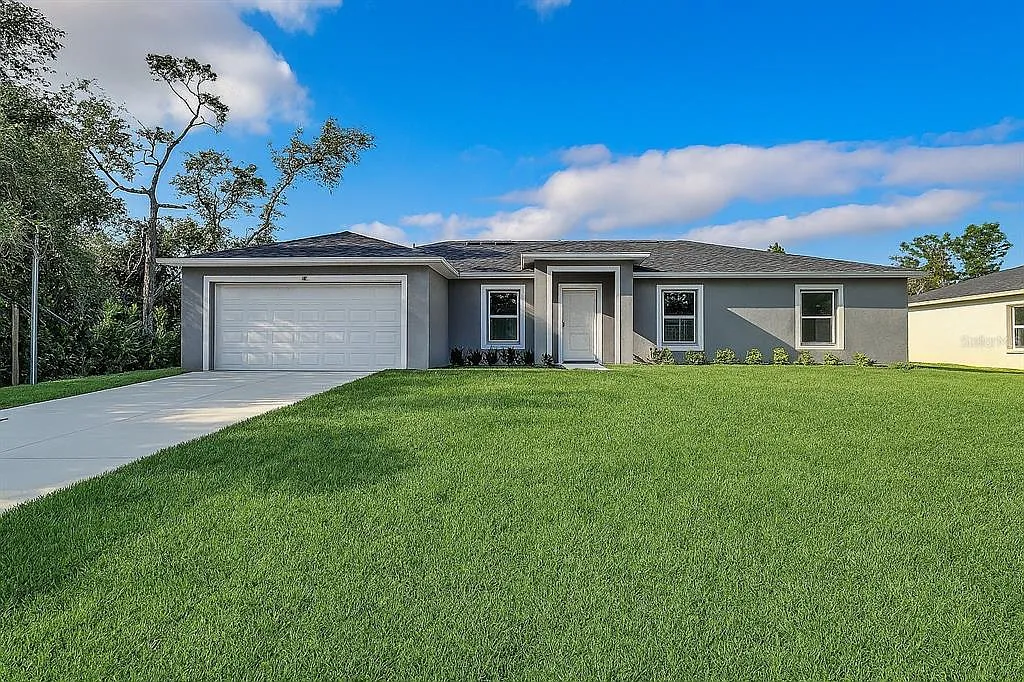
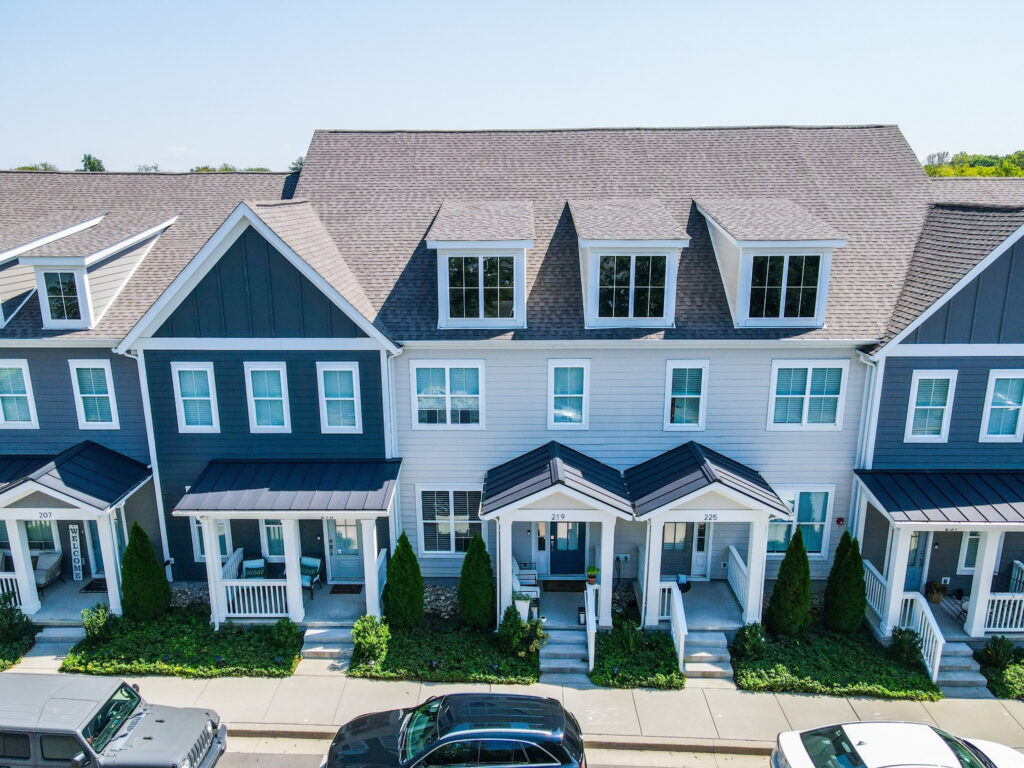
Out‑of‑State investors can compare Tennessee’s newer rental with higher NOI vs Florida’s A+ property with strong yield. Which fits YOUR investment strategy?
We have much more inventory available than what you see on our website – Let us know about your requirement.
📈 Choose Your Winner & Contact Us Today!
Speak to a Norada Investment Counselor (No Obligation):
(800) 611-3060
Mortgage rates remain high in 2026, but rental properties continue to deliver strong cash flow and appreciation. Savvy investors know that turnkey real estate is the path to passive income and long‑term wealth.
Norada Real Estate helps you secure turnkey rental properties designed for immediate cash flow and appreciation—so you can invest smartly regardless of interest rate trends.
Also Read:
- Mortgage Rates Predictions Backed by 7 Leading Experts: 2025–2026
- Mortgage Rate Predictions for the Next 3 Years: 2026, 2027, 2028
- 30-Year Fixed Mortgage Rate Forecast for the Next 5 Years
- 15-Year Fixed Mortgage Rate Predictions for Next 5 Years: 2025-2029
- Will Mortgage Rates Ever Be 3% Again in the Future?
- Mortgage Rates Predictions for Next 2 Years
- Mortgage Rate Predictions for Next 5 Years
- Mortgage Rate Predictions: Why 2% and 3% Rates are Out of Reach
- How Lower Mortgage Rates Can Save You Thousands?
- How to Get a Low Mortgage Interest Rate?
- Will Mortgage Rates Ever Be 4% Again?