Today, July 19, 2026, marks a day where the popular 30-year fixed refinance rate has taken a step back, climbing by 24 basis points from last week. This means if you've been thinking about refinancing your home, the cost just went up a notch. The national average for a 30-year fixed refinance rate is now sitting at 7.04%, according to Zillow. This uptick isn't just a random blip; it's part of a larger pattern we're seeing in the market, and understanding why is key to making smart financial moves. Let's dive into what's really going on with these rates and what it means for you.
Mortgage Rates Today, July 19, 2026: 30-Year Refinance Rate Rises by 24 Basis Points
What's Driving the Rate Hike Today?
It’s not just one thing causing these rates to creep up; it’s a mix of global and national factors. Think of it like a recipe: you need several ingredients to get the final dish.
- Global Jitters and Oil Prices: You’ve probably heard about the ongoing conflicts in the Middle East. These aren’t just headlines; they’re directly impacting global oil prices, which in turn affects everything else. When oil prices surge, it's like pouring fuel on the inflation fire.
- Inflation's Stubborn Grip: Because those energy costs are climbing, the prices for everyday goods and services are also on the rise. This stubborn inflation is keeping the Federal Reserve on its toes. They have a goal of keeping inflation around 2%, and right now, we're still comfortably above that.
- The Fed's Watchful Eye: The Federal Reserve is like the conductor of the economic orchestra. Because inflation isn't cooperating and the job market is still strong, they've put a pause on the rate cuts they started last year. In fact, some of the Fed's leaders are signaling that if inflation doesn't cool down, they might even have to raise rates again. This hawkish stance makes borrowing money more expensive.
- Bond Market's Nervousness: The 10-year Treasury yield is a big influencer of mortgage rates. Right now, it's staying high because investors are paying close attention to strong jobs reports and the Fed's signals that interest rates might not be coming down anytime soon. They want to see clearer signs of inflation easing before they feel comfortable lending money at lower rates.
A Look at Today's Refinance Rates (as of July 19, 2026)
Here’s a snapshot of what the refinance market looks like today, according to Zillow’s latest data. It’s important to see how different loan types are performing.
| Loan Type | Average Rate (%) | Change from Previous Week (Basis Points) |
|---|---|---|
| 30-Year Fixed Refinance | 7.04 | +24 |
| 15-Year Fixed Refinance | 6.17 | +27 |
| 5-Year ARM Refinance | 6.12 | N/A |
As you can see, not only the 30-year fixed rate is up, but the 15-year fixed refinance rate has also seen a significant jump of 27 basis points, moving from 5.90% to 6.17%. The 5-year adjustable-rate mortgage (ARM) refinance rate is holding steady at 6.12%.
Refinance Rates: Stuck in a Holding Pattern?
My take on this is that we’re in what I call an “elevated, rangebound pattern.” Rates did drop to a low earlier this year, which gave many homeowners a glimmer of hope. But since then, they’ve reversed course and are hovering in the mid-to-high 6% range. The big players in housing, like Fannie Mae and the Mortgage Bankers Association, are predicting that 30-year rates will likely stay between 6.3% and 6.5% for the rest of the year. A real drop below 6%? That’s probably something we’ll see late this year or even next year.
This means if you're thinking about refinancing, you need to be strategic. It’s not just about jumping on the first offer you see.
Key Things to Consider Before You Refinance
So, does refinancing make sense for you right now? It really depends on your personal situation. Here are the crucial points I always tell people to look at:
- Your Current Rate is King: Honestly, if you managed to lock in a rate below 5% – which feels like a lifetime ago now – refinancing probably isn’t going to save you much, if anything. But if you bought or refinanced when rates were at their peak, say between 2022 and 2025, and you're stuck with a rate above 7%, today's averages might actually help you lower your monthly payment. It’s all about the numbers!
- The Refi Premium: Keep in mind that refinance rates are usually a tiny bit higher than rates for buying a new home. This is what we call the “refi premium.” To figure out if it’s worth it, you need to calculate your break-even point. This means taking all your closing costs and dividing them by how much money you expect to save each month. If you’ll make your money back within a year or two, it’s likely a good move.
- Loan Type Matters: Government-backed loans, like those from the FHA or VA, are currently offering lower average rates than conventional loans. I've seen the 30-year FHA and VA refinance options averaging under 6% right now. If you qualify for one of these, they can be a fantastic way to cut down on costs.
- Shop Around, Seriously! This is probably the most important piece of advice I can give. Because rates are so up and down, and because lenders have different offers, you can save a ton of money by just comparing quotes. I’ve seen homeowners save tens of thousands of dollars over the life of their loan by simply getting loan estimates from at least three different lenders. Don't be shy about asking for quotes!
My Two Cents on Today's Market
From my perspective, this current environment calls for patience and smart shopping. We're not in a market where rates are dramatically falling, so refinancing is less of a no-brainer and more of a calculated decision. If you have a high rate and can find a significantly lower one after factoring in costs, it's worth exploring. But if your rate is already pretty good, it might be best to wait and see what happens later in the year or next.
The volatility we’re seeing is a direct result of these bigger economic forces – inflation, geopolitical events, and the Fed's actions. It’s a complex dance, and homeowners are often caught in the middle. The key is to stay informed, run your numbers carefully, and always, always compare offers. Don't let the headlines scare you; let the data and your own financial goals guide you.
VS
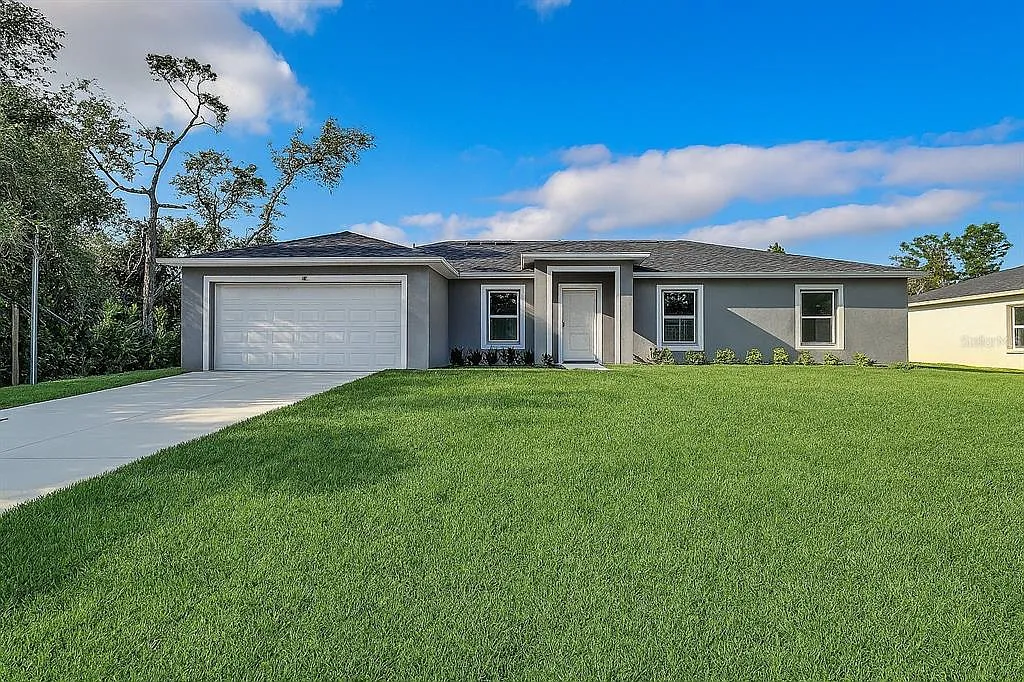
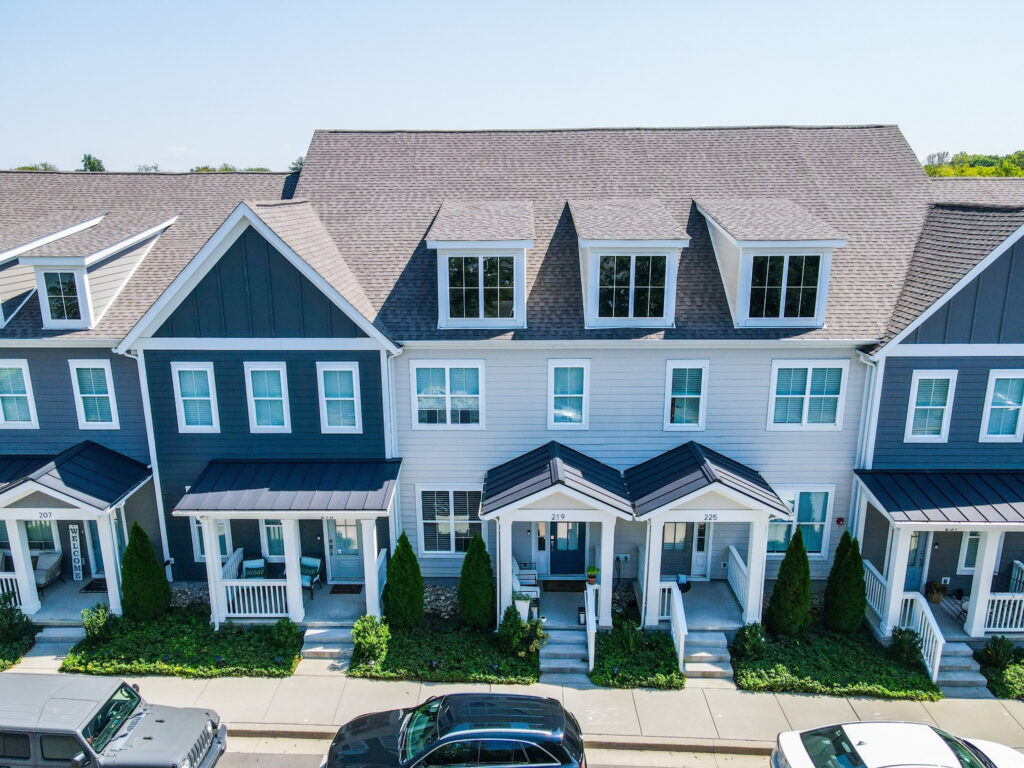
Out‑of‑State investors can compare Tennessee’s newer rental with higher NOI vs Florida’s A+ property with strong yield. Which fits YOUR investment strategy?
We have much more inventory available than what you see on our website – Let us know about your requirement.
📈 Choose Your Winner & Contact Us Today!
Speak to a Norada Investment Counselor (No Obligation):
(800) 611-3060
Mortgage rates remain high in 2026, but rental properties continue to deliver strong cash flow and appreciation. Savvy investors know that turnkey real estate is the path to passive income and long‑term wealth.
Norada Real Estate helps you secure turnkey rental properties designed for immediate cash flow and appreciation—so you can invest smartly regardless of interest rate trends.
Also Read:
- Mortgage Rates Predictions Backed by 7 Leading Experts: 2025–2026
- Mortgage Rate Predictions for the Next 3 Years: 2026, 2027, 2028
- 30-Year Fixed Mortgage Rate Forecast for the Next 5 Years
- 15-Year Fixed Mortgage Rate Predictions for Next 5 Years: 2025-2029
- Will Mortgage Rates Ever Be 3% Again in the Future?
- Mortgage Rates Predictions for Next 2 Years
- Mortgage Rate Predictions for Next 5 Years
- Mortgage Rate Predictions: Why 2% and 3% Rates are Out of Reach
- How Lower Mortgage Rates Can Save You Thousands?
- How to Get a Low Mortgage Interest Rate?
- Will Mortgage Rates Ever Be 4% Again?