Today, July 21, 2026, homeowners looking to refinance might find a small bit of breathing room as the average 30-year fixed refinance rate has dipped by 2 basis points, settling at 6.91% according to Zillow. While this is a modest drop, it's happening at a time when mortgage rates have been feeling like a stuck record, hovering near uncomfortable highs for months. This tiny decrease offers a glimmer of hope for those who've been patiently waiting for a better opportunity to lower their monthly payments.
Mortgage Rates Today, July 21, 2026: 30‑Year Refinance Rate Drops by 2 Basis Points
It's been a rollercoaster for mortgage rates lately. Remember back in February of this year? We saw rates hit a low point, around 5.98% for a 30-year fixed loan. It felt like a real win for homeowners! But then, as the year wore on, rates started their climb back up. By July, we're seeing them drift back into the mid-6% range, and frankly, that's where a lot of experts think they'll stay for the rest of 2026. I've been watching this market for years, and this kind of sticky situation, where rates go up and then just… sit there, can be frustrating for anyone trying to manage their homeownership costs.
What Does This Tiny Drop Mean for You?
A 2 basis point drop might sound like pocket change, but in the world of mortgages, even small shifts can add up. It's like finding a little extra change in your couch cushions – not life-changing, but nice to have! For a 30-year mortgage, a 0.02% difference might not feel huge on your monthly bill right away, but over the life of the loan, it could save you a few hundred dollars.
However, it’s important to be realistic. This isn't a signal for a massive rate drop, and the underlying reasons for these higher rates are still very much in play.
Current Refinance Rates Snapshot (July 21, 2026)
Here's a quick look at the numbers as of today, according to Zillow:
| Loan Type | Average Rate (July 21, 2026) | Previous Week's Average | Change (Basis Points) |
|---|---|---|---|
| 30-Year Fixed Refinance | 6.91% | 6.93% | -2 |
| 15-Year Fixed Refinance | 5.91% | (Stable) | (Stable) |
| 5-Year ARM Refinance | 6.34% | (Equal) | (Equal) |
As you can see, the 15-year fixed refinance rate and the 5-year ARM refinance rate are holding steady. The 15-year remains a more attractive option in terms of interest, but it comes with a higher monthly payment.
Why Are Rates Still So High (and Staying Put)?
It’s easy to get caught up in the day-to-day rate changes, but understanding the bigger picture is crucial. For me, looking at the economic forces at play is key to making smart financial decisions.
Last year, we saw the Federal Reserve do its best to cool down a rapidly heating economy by cutting interest rates several times. This helped push mortgage rates down to a sweet spot in February. But then, things got complicated.
Here are the main reasons why those lower rates didn't last:
- Geopolitical Woes and Oil Prices: A major blow came with the collapse of a ceasefire in the Middle East. This sent global oil prices soaring. When oil prices go up, so does inflation, and that makes investors nervous. They reacted by pushing up the yield on the 10-year Treasury note, which is basically a crystal ball for mortgage rates. They tend to move together. I've seen this happen before – global instability can quickly trickle down to our wallets.
- The Fed's “Pause and Maybe More” Stance: In response to the inflation worries caused by those rising energy costs, the Federal Reserve hit the brakes on its rate-cutting spree. They've kept their main interest rate steady. The new Fed Chair, Kevin Warsh, has been taking a more cautious, even “hawkish,” approach. This means traders are now thinking the Fed might raise rates later this year if inflation doesn't calm down and get back to their target of 2%. This uncertainty definitely keeps mortgage rates from dropping too much.
Major players in the housing world, like Fannie Mae and the Mortgage Bankers Association, are all pointing to the same thing: expect mortgage rates to stick in this mid-6% range for the rest of the year. It’s not the exciting news we might hope for, but it’s important to plan based on what’s likely to happen.
3 Smart Steps for Borrowers in This Rate Climate
So, with rates sitting where they are, what should you do? I always tell people to think like a savvy shopper.
- The “1% Rule” for Refinancing: A good rule of thumb I always keep in mind is the “1% Rule.” Generally, refinancing makes the most sense if you can get a new rate that's at least 1 full percentage point lower than your current rate. If you bought your home when rates were sky-high, say above 7% or 8% in 2023 or 2024, then dropping into the mid-6% range today can lead to significant monthly savings. But, if your current mortgage rate is already below 6%, trying to refinance right now probably won't save you enough money to make it worthwhile.
- Shorter Terms for Bigger Savings: If your main goal is to save money on total interest paid over the entire life of your loan, then a 15-year fixed refinance is usually the way to go. These are currently averaging under 6%. Yes, your monthly payments will be higher than with a 30-year loan, but you'll pay down your principal much faster, and that means less interest compounding over time. I've had clients who chose this route, and while they grumbled about the higher monthly payment at first, they were thrilled with how much less interest they ended up paying overall.
- Don't Forget Those Pesky Closing Costs: Refinancing isn't free. You'll have to pay closing costs, which can typically run you anywhere from 2% to 5% of your loan amount. This is a big deal! You need to figure out your “break-even point.” That’s the number of months it will take for your monthly savings to cover all those upfront costs. If you think you might sell your house or move before you hit that break-even point, then refinancing might actually cost you money in the long run. It's a calculation I always encourage people to do very carefully.
Looking Ahead
While today's small drop is a bit of good news, the overall picture for mortgage rates in 2026 remains one of stability in the mid-6% range. Understanding the economic forces at play and applying smart financial strategies will be your best bet for navigating these waters.
VS
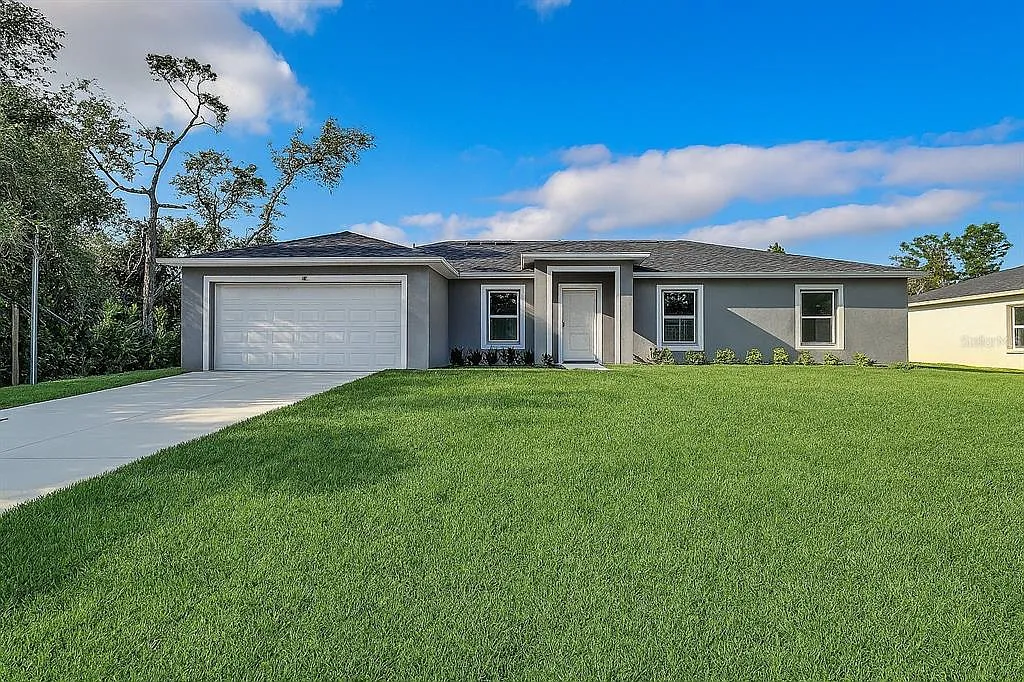
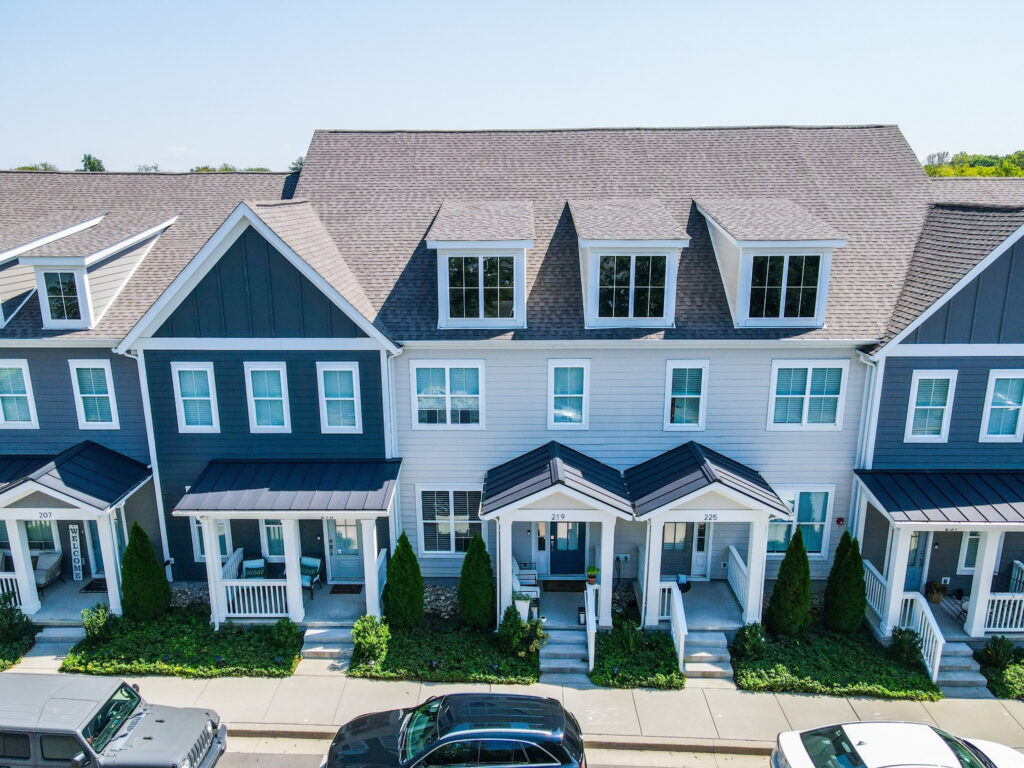
Out‑of‑State investors can compare Tennessee’s newer rental with higher NOI vs Florida’s A+ property with strong yield. Which fits YOUR investment strategy?
We have much more inventory available than what you see on our website – Let us know about your requirement.
📈 Choose Your Winner & Contact Us Today!
Speak to a Norada Investment Counselor (No Obligation):
(800) 611-3060
Mortgage rates remain high in 2026, but rental properties continue to deliver strong cash flow and appreciation. Savvy investors know that turnkey real estate is the path to passive income and long‑term wealth.
Norada Real Estate helps you secure turnkey rental properties designed for immediate cash flow and appreciation—so you can invest smartly regardless of interest rate trends.
Also Read:
- Mortgage Rates Predictions Backed by 7 Leading Experts: 2025–2026
- Mortgage Rate Predictions for the Next 3 Years: 2026, 2027, 2028
- 30-Year Fixed Mortgage Rate Forecast for the Next 5 Years
- 15-Year Fixed Mortgage Rate Predictions for Next 5 Years: 2025-2029
- Will Mortgage Rates Ever Be 3% Again in the Future?
- Mortgage Rates Predictions for Next 2 Years
- Mortgage Rate Predictions for Next 5 Years
- Mortgage Rate Predictions: Why 2% and 3% Rates are Out of Reach
- How Lower Mortgage Rates Can Save You Thousands?
- How to Get a Low Mortgage Interest Rate?
- Will Mortgage Rates Ever Be 4% Again?



