Norada Real Estate Investments

  • Home
  • Markets
  • Properties
  • Membership
  • Podcast
  • Learn
  • About
  • Contact

Today’s Mortgage Rates, Jan 20: 30-Year FRM Hits 5.90%, Down 82 Basis Points

January 20, 2026 by Marco Santarelli

Today's Mortgage Rates, June 23: Fixed Loans Ease While ARMs Hold Firm

The mortgage market has delivered some welcome news for anyone looking to buy a home or refinance an existing mortgage. As of January 20, 2026, interest rates have made a noticeable dip, especially when you compare them to where we were just a year ago. This is a significant shift that can make a real difference in how much you can afford and how much you save over the life of your loan.

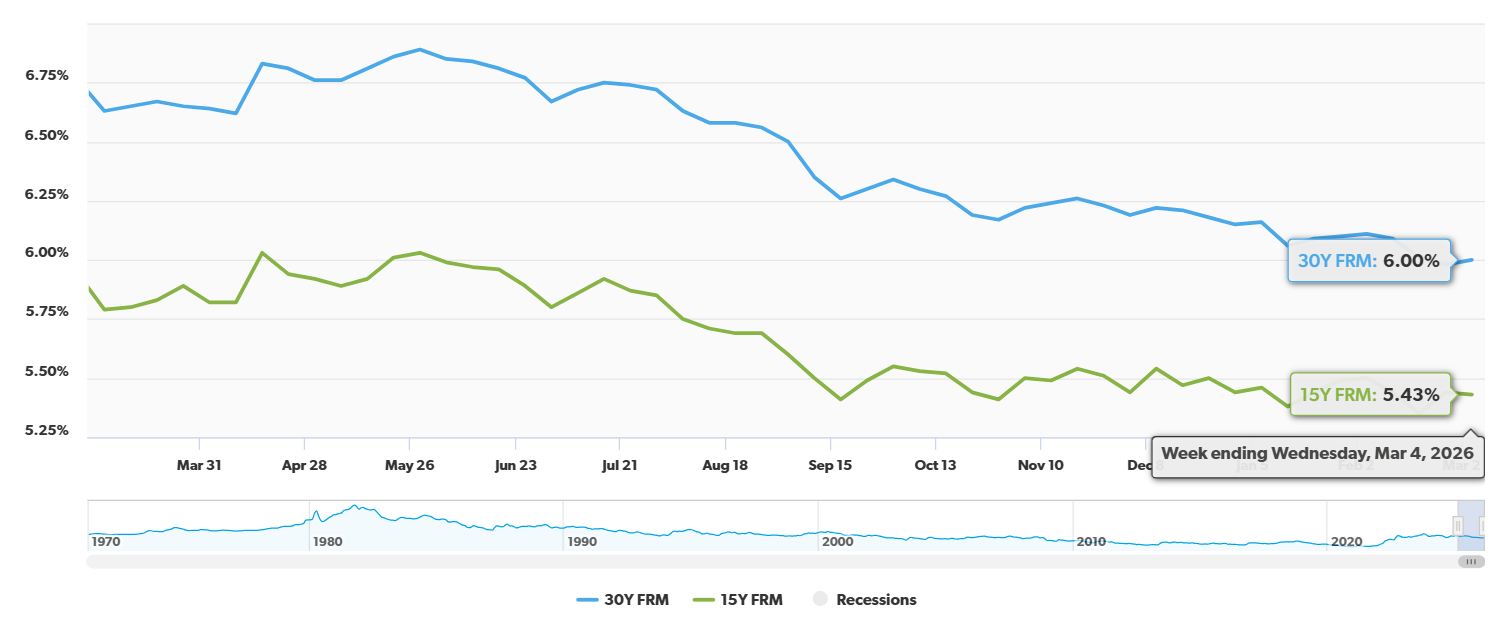
According to the latest data from Zillow, we're seeing some exciting numbers. The average 30‑year fixed mortgage rate has landed at 5.90%. That might not sound like a massive number to some, but it's a full 82 basis points (that's 0.82%) lower than it was at this time last year. Similarly, the 15‑year fixed rate has also seen a good decrease, coming in at 5.36%, which is 63 basis points less than last year. This drop makes buying a home much more approachable and refinancing a smart move for many homeowners looking to lower their monthly payments.

Today’s Mortgage Rates, Jan 20: 30-Year FRM Hits 5.90%, Down 82 Basis Points

Let's break down the numbers as of January 20, 2026. It's always helpful to have a clear picture of the options available:

Loan Type Current Rate
30‑Year Fixed 5.90%
20‑Year Fixed 5.84%
15‑Year Fixed 5.36%
5/1 ARM 6.11%
7/1 ARM 6.28%
30‑Year VA 5.48%
15‑Year VA 5.07%
5/1 VA 5.17%

As you can see, the 30‑year fixed-rate mortgage is sitting right at 5.90%. This is the go-to for so many people because it provides payment stability for three decades. The 15‑year fixed is even more attractive at 5.36%, which means you'll pay less interest over time, though your monthly payments will naturally be higher.

Checking In on the Weekly Trend

It's not just year-over-year changes that are interesting; the recent weekly movement is also telling. Here’s how things look compared to last week:

Loan Type Last Week Avg. Current Avg. Change (Basis Points)
30‑Year Fixed 5.93% 5.90% –3
15‑Year Fixed 5.40% 5.36% –4

Both of the popular fixed-rate loan types have edged down slightly this past week. This shows a continuing trend of rates moving in a favorable direction for borrowers. It's a small change, but it’s part of a larger, positive shift.

Diving Deeper into Key Loan Products

Let's take a closer look at some of the most common mortgage products and what these rates mean for you:

The Ever-Popular 30‑Year Fixed‑Rate Mortgage

  • The Rate: At 5.90% for purchases, this loan offers a predictable monthly payment for a full 30 years.
  • What it Means: This is fantastic news for buyers. If you were looking at a mortgage of, say, $300,000, your estimated monthly principal and interest payment would be around $1,779. That's a substantial amount of money each month, and lower rates directly translate to more affordability.
  • My Take: I've seen firsthand how this kind of stability means families can plan their finances with confidence. Knowing your biggest housing expense won't jump up unexpectedly is a huge relief for many.

The Smart Saver: 15‑Year Fixed‑Rate Mortgage

  • The Rate: Coming in at 5.36%, this option is all about saving money in the long run.
  • What it Means: While the monthly payments are higher (around $2,429 for that same $300,000 loan), the total interest you'll pay is drastically reduced. We're talking about saving over $200,000 in interest compared to the 30-year term. That’s a real game-changer for your financial future.
  • My Take: For those who can comfortably manage the higher monthly payments, the 15-year fixed is often my top recommendation. The sheer amount of money saved on interest over 15 years is incredibly significant. It’s a powerful way to build equity faster and be mortgage-free sooner.

The Unexpected Twist: Adjustable-Rate Mortgages (ARMs)

  • The Rate: The 5/1 ARM is currently at 6.11%.
  • The Oddity: This is where things get interesting. Typically, ARMs offer a lower introductory rate than fixed-rate mortgages to attract borrowers. But right now, the 5/1 ARM rate (6.11%) is actually higher than the 30-year fixed rate (5.90%). This is quite unusual and makes fixed-rate mortgages a much more appealing choice for most people looking for a home loan today.
  • My Take: As a seasoned observer of this market, I rarely see ARMs outpace fixed rates so clearly. It tells me that lenders are less concerned about short-term interest rate fluctuations right now and are offering attractive long-term stability. Unless you have a very specific short-term plan for selling your home before the ARM adjusts, the fixed rates are clearly the winner.

Key Things to Remember

So, what's the big picture here?

  • Rates are Down, Big Time: The year-over-year drop in mortgage rates is substantial, especially for the popular 30-year fixed (down 82 basis points) and 15-year fixed (down 63 basis points).
  • A Downward Trend Continues: Rates have also slightly decreased compared to last week, continuing a positive momentum for borrowers.
  • Fixed Rates Win Out: The unusual situation of ARMs having higher rates than fixed-rate loans makes locking in a fixed rate the more sensible choice for most buyers seeking predictable payments.
  • Buying Power Boost: These lower rates directly improve affordability, which is great news for potential homebuyers. It could also lead to an increase in people looking to refinance their existing mortgages.

Looking Ahead: What Might Happen Next?

While today's rates are great, it's natural to wonder about the future. Most experts believe that mortgage rates will likely stay around current levels or perhaps even inch down a bit more in the coming months. We might even see the average 30-year fixed rate dip below 6%.

However, the housing market and interest rates are influenced by a lot of moving parts. Here's what the experts are saying and what factors are at play:

Expert Forecasts for 2026

Many major housing organizations are predicting a slight dip in the average 30-year fixed mortgage rate, keeping it in the low 6% range.

  • Fannie Mae: They expect the 30-year fixed rate to average 6% for the year, finishing at 5.9%.
  • National Association of Realtors (NAR): Their forecast is also around an annual average of 6%.
  • Bankrate: They project an average of 6.1% for the year, with a possibility of dipping as low as 5.5%.
  • Mortgage Bankers Association (MBA): They have a more cautious view, expecting rates to hover around 6.4% throughout the year.

The Economic Factors to Watch

The actual path of mortgage rates will depend on several key economic indicators:

  • Inflation: If inflation continues to cool down and moves closer to the Federal Reserve's target of 2%, that’s good news for lower mortgage rates.
  • Federal Reserve Actions: The Fed is expected to make more interest rate cuts in 2026. Typically, this puts downward pressure on mortgage rates, although mortgage rates don't always perfectly mirror the Fed's adjustments. Market expectations play a big role.
  • Economic Health: If the economy slows down significantly or the job market weakens, investors might become more cautious and move their money into safer investments like bonds. This often leads to lower bond yields, which can then influence mortgage rates.
  • Housing Demand: If rates continue to fall, we could see more buyers jumping into the market. With currently limited housing supply, this increased demand could lead to more competition and potentially offset some of the affordability gains from lower rates.

Given that rates can be unpredictable, many advisors suggest it's not worth trying to perfectly “time the market.” Instead, they recommend focusing on when you're financially ready to buy and have found the right home. If rates drop further down the road, refinancing is always an option to take advantage of those lower numbers.

🏡 Two Amazing Properties Available for Investors

Port Charlotte, FL
🏠 Property: Aldridge Ave
🛏️ Beds/Baths: 3 Bed • 2 Bath • 1548 sqft
💰 Price: $339,900 | Rent: $2,195
📊 Cap Rate: 5.8% | NOI: $1,643
📅 Year Built: 2025
📐 Price/Sq Ft: $220
🏙️ Neighborhood: A+

and

Punta Gorda, FL
🏠 Property: Oceanic Rd
🛏️ Beds/Baths: 6 Bed • 4 Bath • 3032 sqft
💰 Price: $639,900 | Rent: $4,895
📊 Cap Rate: 6.9% | NOI: $3,685
📅 Year Built: 2025
📐 Price/Sq Ft: $212
🏙️ Neighborhood: B+

Florida’s A+ affordable rental vs Punta Gorda’s larger high‑yield property. Which fits YOUR investment strategy?

We have much more inventory available than what you see on our website – Let us know about your requirement.

📈 Choose Your Winner & Contact Us Today!

Talk to a Norada investment counselor (No Obligation):

(800) 611-3060


View All Properties 

Also Read:

  • Mortgage Rates Predictions Backed by 7 Leading Experts: 2025–2026
  • Mortgage Rate Predictions for the Next 3 Years: 2026, 2027, 2028
  • 30-Year Fixed Mortgage Rate Forecast for the Next 5 Years
  • 15-Year Fixed Mortgage Rate Predictions for Next 5 Years: 2025-2029
  • Will Mortgage Rates Ever Be 3% Again in the Future?
  • Mortgage Rates Predictions for Next 2 Years
  • Mortgage Rate Predictions for Next 5 Years
  • Mortgage Rate Predictions: Why 2% and 3% Rates are Out of Reach
  • How Lower Mortgage Rates Can Save You Thousands?
  • How to Get a Low Mortgage Interest Rate?
  • Will Mortgage Rates Ever Be 4% Again?
Filed Under: Financing, Mortgage Tagged With: Current Mortgage Rates, mortgage, mortgage rates, Today’s Mortgage Rates

Could 2026 Be the Year Mortgage Rates Finally Return to the 5% Mark?

January 20, 2026 by Marco Santarelli

Could 2026 Be the Year Mortgage Rates Finally Return to the 5% Mark?

It's a question on the minds of many looking to buy a home or refinance: will mortgage rates finally dip back into the coveted 5% range in 2026? While a definitive “yes” is still elusive, the signs are growing more optimistic, with projections leaning towards rates potentially approaching or even dipping below 6% and flirting with the 5% mark under favorable economic conditions.

Could 2026 Be the Year Mortgage Rates Finally Return to the 5% Mark?

So, what we've seen lately feels like a breath of fresh air after a period of significant tension. The average 30-year fixed mortgage rate is currently sitting at a promising 6.06%. This is a welcome drop from the peaks we saw above 7% last year, and it's the lowest we've experienced in over three years. While climbing back to the consistent 5% averages we enjoyed before the pandemic dip feels like a distant memory, this current trend is undeniably a step in the right direction.

A Look Back: From Record Lows to Recent Hikes

To really understand where we might be headed, it's helpful to remember how we got here. For decades, the average 30-year fixed mortgage rate hovered around 7.7%. We saw some wild spikes, like the astonishing 18.63% in 1981 fueled by high inflation. Then, rates gradually cooled, bringing us into the 2010s where they often danced between 3% and 5%. The pandemic era, with all its economic stimulus, pushed rates to historic lows, even hitting 2.65% in early 2021.

But as inflation reared its head, the Federal Reserve stepped in with interest rate hikes. This, in turn, sent mortgage rates soaring past 7% in 2023 and early 2025. This surge created a strange situation called the “lock-in effect,” where homeowners with super low-interest rates were hesitant to sell, worsening the shortage of homes for sale.

Here's a quick look at how mortgage rates have shifted over the years:

Year/Period Average Rate Key Events
1981 16.64% Inflation peak; Fed hikes
2010 4.69% Recovery from financial crisis
2021 2.96% Pandemic lows; stimulus effects
2025 (peak) ~7.04% Inflation cooling; Fed pauses
Early 2026 ~6.06% Current promising trend

As you can see, rates have been on a rollercoaster. The big question is, can we settle back into that more accessible 5% territory?

What's Driving the Current Trend?

Several factors are at play, and they're all pushing rates in a generally downward direction:

  • Cooling Inflation: This is the big one. When inflation comes down, the Federal Reserve has less pressure to keep interest rates high. And as inflation cools, it generally pulls down the yields on government bonds, which are closely tied to mortgage rates.
  • Federal Reserve Policy: While the Fed isn't directly setting mortgage rates, its actions have a significant impact. Many experts believe the Fed will maintain a neutral policy in 2026, possibly even cutting rates if unemployment starts to climb too high. Of course, any major shift in Fed leadership could introduce some unpredictability.
  • Government Support: In a move aimed at easing the market, directives have been given for agencies like Fannie Mae and Freddie Mac to purchase mortgage-backed securities. This basically injects money into the mortgage market, which can help push rates lower. This has already had a noticeable effect.

Expert Predictions: A Mixed Bag, But Hopeful

quarterly 30 year fixed mortgage rate forecast 2026

When I look at what the experts are saying, there's a general consensus that rates will continue to ease, but the exact destination for 2026 varies.

  • Some, like Fannie Mae, are calling for rates to hit 5.9% by the end of 2026.
  • Others, like Zillow, see potential for rates to dip to 5.8%, especially with the ongoing government purchases of mortgage-backed securities.
  • However, organizations like the Mortgage Bankers Association (MBA) are a bit more conservative, predicting rates closer to 6.4%, citing concerns about persistent inflation.
  • A few optimistic forecasts, like Morgan Stanley's, suggest rates could even touch 5.75% early in the year.

It's important to note that uncertainties still exist. Global events, unexpected shifts in the job market, or persistent government deficits could all put upward pressure on rates. Think of it as a tug-of-war between forces trying to push rates down and those trying to keep them elevated.

Here’s a quick overview of some predictions:

Organization 2026 Average Rate (Outlook) Notes
Bankrate ~6.1% Possible low of 5.5% with Fed cuts.
Fannie Mae ~5.9% (Q4) Gradual drop expected.
MBA ~6.4% Higher if inflation remains sticky.
Zillow ~5.8% (with MBS buys) Below 6% is psychologically significant for buyers.
Redfin/Realtor.com ~6.3% Affordability will improve, but slowly.
Morgan Stanley ~5.75% Potential for an earlier drop, then a slight rise.
S&P Global ~5.77% Linked to the growth in mortgage originations.

What Could This Mean for You?

If mortgage rates do indeed ease further, particularly if they get close to that 5% mark, it could significantly impact the housing market and individual buyers and sellers.

  • For Buyers: This is where the excitement lies. Lower rates mean lower monthly payments. If rates drop by just 1%, it could make homeownership affordable for millions more households. This would likely lead to an increase in home sales.
  • For Sellers: As the “lock-in effect” lessens, we might see more homes come onto the market, which could help ease the tight inventory we've been experiencing. However, with more competition, prices might not skyrocket as they have in recent years, potentially rising at a more modest pace.
  • Refinancing Opportunities: For those who bought or refinanced at higher rates in the last couple of years, a dip back towards 5% could open the door to significant savings through refinancing.

The Bottom Line: Hope, But Stay Realistic

So, could 2026 be the year mortgage rates return to the 5% mark? It's certainly looking more possible than it has in a long time. The current trend is encouraging, with rates already well below last year's peaks. Falling inflation, a steady Federal Reserve, and supportive government policies are all working in favor of lower mortgage costs.

However, I always advise caution. The economy is a complex beast, and unexpected events can always shift the trajectory. While a return to consistent 5% rates isn't a guarantee, I believe we'll see a continued gradual decline, with many forecasts placing us in the high 5% to low 6% range. This is a much more manageable environment for buyers than we've seen recently.

My advice to anyone looking to buy or sell? Keep a close eye on the economic news, work with a trusted mortgage lender to understand your options, and be prepared to act when the right opportunity arises. 2026 offers a hopeful outlook for the housing market, and for many, it could finally bring that coveted 5% mortgage rate within reach.

🏡 Two Amazing Properties Available for Investors

Port Charlotte, FL
🏠 Property: Aldridge Ave
🛏️ Beds/Baths: 3 Bed • 2 Bath • 1548 sqft
💰 Price: $339,900 | Rent: $2,195
📊 Cap Rate: 5.8% | NOI: $1,643
📅 Year Built: 2025
📐 Price/Sq Ft: $220
🏙️ Neighborhood: A+

and

Punta Gorda, FL
🏠 Property: Oceanic Rd
🛏️ Beds/Baths: 6 Bed • 4 Bath • 3032 sqft
💰 Price: $639,900 | Rent: $4,895
📊 Cap Rate: 6.9% | NOI: $3,685
📅 Year Built: 2025
📐 Price/Sq Ft: $212
🏙️ Neighborhood: B+

Florida’s A+ affordable rental vs Punta Gorda’s larger high‑yield property. Which fits YOUR investment strategy?

We have much more inventory available than what you see on our website – Let us know about your requirement.

📈 Choose Your Winner & Contact Us Today!

Talk to a Norada investment counselor (No Obligation):

(800) 611-3060


View All Properties 

Also Read:

  • What Leading Housing Experts Predict for Mortgage Rates in 2026
  • Mortgage Rate Predictions for 2026: What Leading Forecasters Expect
  • Mortgage Rate Predictions for the Next 3 Years: 2026, 2027, 2028
  • 30-Year Fixed Mortgage Rate Forecast for the Next 5 Years
  • 15-Year Fixed Mortgage Rate Predictions for Next 5 Years: 2025-2029
  • Will Mortgage Rates Ever Be 3% Again in the Future?
  • Mortgage Rates Predictions for Next 2 Years
  • Mortgage Rate Predictions for Next 5 Years
  • Mortgage Rate Predictions: Why 2% and 3% Rates are Out of Reach
  • How Lower Mortgage Rates Can Save You Thousands?
  • How to Get a Low Mortgage Interest Rate?
  • Will Mortgage Rates Ever Be 4% Again?

Filed Under: Financing, Mortgage Tagged With: mortgage, mortgage rates, Mortgage Rates Forecast

Today’s Mortgage Rates, January 19: Rates Go Down, Easing Pressure on Buyers

January 19, 2026 by Marco Santarelli

Today's Mortgage Rates, June 23: Fixed Loans Ease While ARMs Hold Firm

The good news for anyone looking to buy a home or refinance their existing mortgage is that today's mortgage rates, as of January 19, 2026, are showing a promising downward trend. According to Zillow, the national average for a 30-year fixed mortgage now sits at a very attractive 5.90%, dipping below that crucial 6% mark. This movement is more than just a number; it represents a significant opportunity for savings and a potential boost to the housing market.

Let's dive into what these numbers mean and why they matter.

Today’s Mortgage Rates, January 19: Rates Go Down, Easing Pressure on Buyers

Breaking Down Today's Mortgage Rates

Here's a clear look at the average rates for different loan types today, January 19, 2026, as reported by Zillow:

Loan Type Interest Rate APR
30-Year Fixed 5.90% 6.14%
15-Year Fixed 5.36% 5.64%
20-Year Fixed 5.84% 6.25%
30-Year FHA 5.63% 6.33%
30-Year VA 5.48% 5.92%
5/1 ARM 6.11% 6.52%
7/1 ARM 6.28% —

It's important to understand the difference between the interest rate and the APR (Annual Percentage Rate). The interest rate is what you pay on the principal loan amount. The APR includes the interest rate plus other fees and costs associated with the loan, giving you a more accurate picture of the total cost of borrowing.

A Look Back: Weekly Rate Trends

The positive movement we're seeing today isn't a fluke. Both the popular 30-year and 15-year fixed mortgage rates have been on a downward path over the past week and even over the last month. Zillow reports that the 30-Year Fixed Rate has decreased by about 19 basis points (0.19%) in the last month, and the 15-Year Fixed Rate has dropped by around 16 basis points (0.16%) from recent levels. This steady decline is exactly what many in the market have been hoping for.

Digging Deeper: Key Mortgage Types

Let's explore some of the most common loan types and what their current rates suggest:

1. The Ever-Popular 30-Year Fixed-Rate Mortgage

  • Today's Rate: 5.90%
  • Current APR: 6.14%
  • Weekly Change: This rate has been trending lower, falling by 8 basis points just yesterday.
  • My Take: This is the workhorse of mortgage loans for a reason. The 30-year fixed rate offers the lowest monthly payments, spreading the cost over three decades. Zillow's economists are right; rates falling below 6% have a significant psychological impact. When buyers see this threshold breached, it injects a fresh wave of confidence, leading to more purchase applications. For many, this means the dream of homeownership is suddenly within closer reach.

2. The 15-Year Fixed-Rate Mortgage: Faster Payoff, Bigger Savings

  • Today's Rate: 5.36%
  • Current APR: 5.64%
  • Weekly Change: This rate has seen a decrease of 16 basis points in the last month and continues its downward trajectory.
  • My Take: While the 15-year fixed rate comes with higher monthly payments compared to its 30-year cousin, it's a fantastic option for those who can manage it. You'll pay off your mortgage twice as fast and, crucially, save a substantial amount on total interest over the life of the loan. I often advise clients to look at their budget realistically. If they can comfortably afford the higher payments, the long-term financial benefits are immense.

3. Adjustable-Rate Mortgages (ARMs): A Strategic Choice

  • Today's Rate (5/1 ARM): 6.11%
  • Current APR (5/1 ARM): 6.52%
  • Weekly Change (5/1 ARM): This rate saw a 5 basis point decrease from yesterday.
  • My Take: ARMs, like the 5/1 ARM, are designed for homeowners who don't plan to stay in their homes for the long haul. If you anticipate selling or refinancing within the initial fixed-rate period (five years in this case), an ARM can offer a lower initial rate. However, it's worth noting that in the current climate, some ARM rates are actually higher than 30-year fixed rates. This is a shift from past trends and highlights how sensitive these rates are to Federal Reserve policy and broader economic uncertainty. It's a calculated risk, and one that requires careful consideration of future rate movements.

The Bigger Picture: Market Summary and Forecast

The economic outlook for 2026 is looking brighter for mortgage rates. One significant factor is the potential for a government plan to purchase mortgage-backed securities (MBS). If this plan goes through, it could lend a much-needed stability to average rates, potentially keeping them around 5.8% for much of the year.

This is incredibly good news for homeowners who might have bought at the peak rates back in 2024. As rates move towards the mid-5% range, these individuals now have a very real and advantageous opportunity to refinance and lower their monthly payments.

Key Insights: What's Driving These Trends?

There are several threads weaving together to create this favorable mortgage rate environment:

  • Recent Rate Drops: The average 30-year fixed-rate mortgage hitting its lowest point in over three years – averaging 6.06% as of January 15, 2026, according to Freddie Mac – is a major development. This isn't just a blip; it's a statistically significant drop.
  • Market Reaction: The impact of these lower rates is palpable. Potential buyers are seeing hundreds of dollars saved on monthly payments, which is clearly translating into increased activity. We saw a healthy 5.1% jump in existing-home sales in December, the strongest performance in nearly three years. This indicates a more active and optimistic housing market.
  • 2026 Forecast: While predicting the future is always tricky, the general consensus among experts is a gradual decline in mortgage rates. Most forecasts suggest the 30-year fixed rate will hover between 6.0% and 6.5% throughout 2026. Some, like Morgan Stanley strategists, are even more optimistic, predicting rates could reach as low as 5.75% by mid-2026.
  • Factors to Watch: The primary drivers for mortgage rates are the yield on 10-year Treasury notes and broader economic indicators, especially inflation. While the Federal Reserve's rate cuts in late 2025 certainly influenced the market, the Fed is expected to be more measured with cuts in 2026. This means we might see rates stay relatively steady or experience only minor, incremental decreases rather than sharp drops.
  • Borrower Power: Now is an excellent time for borrowers to take proactive steps to get the best possible rate. Improving your credit score, increasing your down payment, and most importantly, shopping around and comparing offers from multiple lenders can make a significant difference in your final interest rate and loan terms. Don't just accept the first offer you get!

My Opinion

From my perspective, these current mortgage rates present a golden opportunity. The sustained dip, especially below the 6% mark for the 30-year fixed, signals a shift towards a more accessible housing market. This isn't just about numbers; it's about empowering individuals and families to achieve their homeownership goals or to improve their financial standing by refinancing.

I strongly encourage anyone contemplating homeownership or refinancing to act now. While the forecast is positive, borrowing conditions can change. Taking advantage of these favorable rates today could lock in significant savings for years to come. Remember to do your homework, understand the loan options that best fit your financial situation, and work with trusted professionals.

🏡 Two Amazing Properties Available for Investors

Port Charlotte, FL
🏠 Property: Aldridge Ave
🛏️ Beds/Baths: 3 Bed • 2 Bath • 1548 sqft
💰 Price: $339,900 | Rent: $2,195
📊 Cap Rate: 5.8% | NOI: $1,643
📅 Year Built: 2025
📐 Price/Sq Ft: $220
🏙️ Neighborhood: A+

and

Punta Gorda, FL
🏠 Property: Oceanic Rd
🛏️ Beds/Baths: 6 Bed • 4 Bath • 3032 sqft
💰 Price: $639,900 | Rent: $4,895
📊 Cap Rate: 6.9% | NOI: $3,685
📅 Year Built: 2025
📐 Price/Sq Ft: $212
🏙️ Neighborhood: B+

Florida’s A+ affordable rental vs Punta Gorda’s larger high‑yield property. Which fits YOUR investment strategy?

We have much more inventory available than what you see on our website – Let us know about your requirement.

📈 Choose Your Winner & Contact Us Today!

Talk to a Norada investment counselor (No Obligation):

(800) 611-3060


View All Properties 

Also Read:

  • Mortgage Rates Predictions Backed by 7 Leading Experts: 2025–2026
  • Mortgage Rate Predictions for the Next 3 Years: 2026, 2027, 2028
  • 30-Year Fixed Mortgage Rate Forecast for the Next 5 Years
  • 15-Year Fixed Mortgage Rate Predictions for Next 5 Years: 2025-2029
  • Will Mortgage Rates Ever Be 3% Again in the Future?
  • Mortgage Rates Predictions for Next 2 Years
  • Mortgage Rate Predictions for Next 5 Years
  • Mortgage Rate Predictions: Why 2% and 3% Rates are Out of Reach
  • How Lower Mortgage Rates Can Save You Thousands?
  • How to Get a Low Mortgage Interest Rate?
  • Will Mortgage Rates Ever Be 4% Again?
Filed Under: Financing, Mortgage Tagged With: Current Mortgage Rates, mortgage, mortgage rates, Today’s Mortgage Rates

Mortgage Rates Hit Lowest in January 2026 After Prolonged Highs

January 19, 2026 by Marco Santarelli

Mortgage Rates Hit Lowest in January 2026 After Prolonged Highs

The wait is finally over for many prospective homeowners and those looking to refinance. According to Freddie Mac, the 30-year fixed-rate mortgage has officially dropped to its lowest point in more than three years, settling at an average of 6.06% as of January 15, 2026. This significant dip, a welcome change from the 7.04% seen a year ago, is already sparking a noticeable uptick in home buying and refinancing activity, signaling a potentially robust spring housing season.

It’s not just a number on a chart; it translates into real opportunities for people to achieve their homeownership dreams or improve their financial situation. This drop, according to Freddie Mac's survey, is a direct result of some smart financial plays and a hopeful outlook on interest rates from the Federal Reserve. It’s like the market is taking a collective deep breath and getting ready to spring into action.

Mortgage Rates Hit Lowest Level in 3 Years After Prolonged Highs

Why This Rate Drop Matters: Beyond the Numbers

You might be thinking, “Okay, rates are down, great!” But let's dive a bit deeper into what that 6.06% really means for you. For starters, it’s about making that dream home more affordable. Imagine what you could do with the savings from a lower monthly payment over the life of a 30-year loan. It's not just about getting into a house; it's about making homeownership sustainable and less of a financial strain.

And it’s not just for buyers. For those who are already homeowners but have been stuck with higher rates, this is a golden opportunity to refinance. This could mean lowering your monthly payments, freeing up cash for other financial goals, or even shortening your loan term. The Freddie Mac data shows a stunning 40% surge in refinance activity, which tells me many people are recognizing this immediate benefit.

The “Lock-In Effect” Begins to Thaw

One of the biggest topics in the housing market over the past couple of years has been the “lock-in effect.” This is where homeowners with super-low mortgage rates from the pandemic (think under 3%) are hesitant to sell because they'd have to buy a new home at much higher rates. However, this new low is changing the game. Freddie Mac notes that the share of homeowners with rates above 6% is now larger than those with rates below 3%. This is a crucial indicator! It suggests that more existing homeowners might now find it financially sensible to sell, which could lead to more homes hitting the market. More inventory is always good news for buyers, as it can help ease competition and potentially stabilize prices.

What's Driving These Falling Rates?

It's rarely just one thing, but in this case, there are some clear catalysts. As mentioned, expectations of further Federal Reserve rate cuts are a major influence. The Fed’s actions (or anticipated actions) ripple through the financial markets, and mortgage rates are highly sensitive to them.

But there was also a very specific, impactful announcement: President Trump's declaration that Fannie Mae and Freddie Mac would purchase $200 billion in mortgage bonds. This is a significant move. When these government-sponsored enterprises buy bonds, it increases demand for them. Higher demand for these bonds typically leads to lower yields, and lower mortgage-backed security yields directly translate to lower mortgage rates for consumers. It’s a direct intervention designed to make borrowing cheaper, and it’s clearly working.

Savings You Can See: A Table of Impact

Numbers can be dry, but let's make them relatable. Consider the difference in monthly payments and the total savings over 30 years for a hypothetical $300,000 mortgage:

Current Rate (Jan 15, 2026) Previous Rate (Last Week) Rate Savings per Month Total Savings Over 30 Years
6.06% (30-Yr FRM) 6.16% $51.50 $18,540
5.38% (15-Yr FRM) 5.46% $37.50 $6,750

Note: These are approximate savings and do not include potential changes in taxes, insurance, or HOA fees.

As you can see, even a small drop in interest rate makes a tangible difference. That $51.50 extra in your pocket each month on a 30-year loan adds up to nearly $18,540 over the loan's lifetime. That's money that can go towards renovations, savings, or simply enjoying life a little more.

Expert Opinions: What's Next for Mortgage Rates?

While I always advise readers not to try and perfectly time the market – it’s an incredibly difficult game to play – it’s helpful to hear what the experts are predicting. The general sentiment, according to Freddie Mac's survey and other market watchers, is that rates are likely to stay in the low 6% range. Some forecasts even suggest we could see them dip below 6% by the end of this year.

This is encouraging news for the spring housing market. A more stable and potentially lower interest rate environment can give buyers more confidence and make affordability a less daunting hurdle. While we might not see the frenzied, sub-3% rates of the pandemic era again anytime soon, this current climate is far more conducive to a healthy and active housing market.

A Boost for Various Loan Types

It's not just the conventional 30-year fixed mortgage that's seeing benefits. Other loan types are also reflecting this downward trend:

  • 30-Year FHA Loans: Averaging 5.70%, down from the previous week.
  • 30-Year VA Loans: Also averaging 5.72%, showing a similar decrease.

This means that a broader range of borrowers, including those who might use FHA or VA loans, can benefit from these lower borrowing costs.

My Take: Cautious Optimism, Real Opportunity

From my perspective, this is a welcome development after a period of uncertainty and higher costs. It’s not a signal that prices are about to skyrocket, but rather an indication that the market is finding a more balanced and accessible rhythm. For anyone who has been on the fence about buying or refinancing, now is definitely the time to get serious and start exploring your options. Get pre-approved, speak with lenders, and see what these lower rates can do for your personal financial picture. The 30-year fixed-rate mortgage hitting its lowest level in over three years is a significant event, and one that could pave the way for a much brighter housing outlook.

🏡 Two Amazing Properties Available for Investors

Port Charlotte, FL
🏠 Property: Aldridge Ave
🛏️ Beds/Baths: 3 Bed • 2 Bath • 1548 sqft
💰 Price: $339,900 | Rent: $2,195
📊 Cap Rate: 5.8% | NOI: $1,643
📅 Year Built: 2025
📐 Price/Sq Ft: $220
🏙️ Neighborhood: A+

and

Punta Gorda, FL
🏠 Property: Oceanic Rd
🛏️ Beds/Baths: 6 Bed • 4 Bath • 3032 sqft
💰 Price: $639,900 | Rent: $4,895
📊 Cap Rate: 6.9% | NOI: $3,685
📅 Year Built: 2025
📐 Price/Sq Ft: $212
🏙️ Neighborhood: B+

Florida’s A+ affordable rental vs Punta Gorda’s larger high‑yield property. Which fits YOUR investment strategy?

We have much more inventory available than what you see on our website – Let us know about your requirement.

📈 Choose Your Winner & Contact Us Today!

Talk to a Norada investment counselor (No Obligation):

(800) 611-3060


View All Properties 

Also Read:

  • What Leading Housing Experts Predict for Mortgage Rates in 2026
  • Mortgage Rate Predictions for 2026: What Leading Forecasters Expect
  • Mortgage Rate Predictions for the Next 3 Years: 2026, 2027, 2028
  • 30-Year Fixed Mortgage Rate Forecast for the Next 5 Years
  • 15-Year Fixed Mortgage Rate Predictions for Next 5 Years: 2025-2029
  • Will Mortgage Rates Ever Be 3% Again in the Future?
  • Mortgage Rates Predictions for Next 2 Years
  • Mortgage Rate Predictions for Next 5 Years
  • Mortgage Rate Predictions: Why 2% and 3% Rates are Out of Reach
  • How Lower Mortgage Rates Can Save You Thousands?
  • How to Get a Low Mortgage Interest Rate?
  • Will Mortgage Rates Ever Be 4% Again?

Filed Under: Financing, Mortgage Tagged With: Current Mortgage Rates, mortgage, mortgage rates, Today’s Mortgage Rates

Is the 30-Year Fixed Mortgage Rate Set to Break into the 5% Range?

January 19, 2026 by Marco Santarelli

Is the 30-Year Fixed Mortgage Rate Set to Break into the 5% Range?

While the idea of a 30-year fixed mortgage rate falling into the 5% range remains appealing, current data suggests it’s unlikely to happen in a sustained way during 2026. As of mid‑January, the average rate stands at 6.06%. Recent inflation readings and Federal Reserve commentary point to slower—but not decisive—disinflation. As a result, most forecasts now expect mortgage rates to ease only into the low-to-mid 6% range unless a sharper economic slowdown emerges.

Is the 30-Year Fixed Mortgage Rate Set to Break into the 5% Range?

You know, for years, the 30-year fixed mortgage rate has been the North Star for so many of us dreaming of owning a home. It’s that steady beacon that promises predictable payments and a path to putting down roots. As we wrap up 2025, with the average rate hovering around 6%, that question keeps popping up everywhere I go: “Are we going to see those rates finally dip below 5%?” It’s a question that could unlock a whole new world for buyers and sellers.

As someone who's been following housing and finance for a while, I can tell you this isn't a simple yes or no. There are a lot of moving parts, and what affects mortgage rates is far more complex than just liking the number 5. It’s about understanding the economy, what the big financial players are doing, and even what’s happening across the globe. So, let's dive deep and see if that 5% dream is a realistic hope or just a wish.

What's the Story Right Now? A Snapshot of 2025

As of January 15, 2026, U.S. weekly mortgage rate averages show the 30‑year fixed mortgage rate at approximately 6.06% (Freddie Mac). This is a bit of a welcome relief compared to earlier in the year, but it's still quite a bit higher than the rock-bottom rates we saw before 2022. Think of it like this: the price of something might have come down a little from its highest point, but it's still not as cheap as it used to be.

We've seen some ups and downs this year. Rates even touched close to 6.9% for a bit before coming back down as the Federal Reserve started to make some moves. It reminds us that this number can be pretty jumpy, reacting to the latest news and economic reports. For someone looking to buy a $400,000 house, that difference between 6.2% and, say, 5.5% can mean paying around $150 less each month for the principal and interest. That’s money that can go towards furniture, home improvements, or just everyday life.

Looking Back: The Rollercoaster Ride of Mortgage Rates

30-Year Fixed Mortgage Rates: Annual Averages

To figure out if 5% is on the cards, it helps to remember where we've been. The 30-year fixed mortgage rate has averaged around 7.71% since 1971, according to data compiled by Freddie Mac and others. We even saw rates soar above 18% back in the early 1980s when inflation was a major problem.

Then things changed. After the 2008 financial crisis, we entered a period of really low rates. But the real wild ride arguably started with the COVID-19 pandemic:

  • 2020: Stimulus money flowed like water, and mortgage rates dropped to a yearly average of 3.11%. This sent people scrambling to buy homes, and sales shot up by 16%.
  • 2021: This was the golden year for low rates, averaging 2.96%. Homeownership felt within reach for more people, but the lack of houses on the market led to bidding wars.
  • 2022: Inflation started biting hard. Rates climbed to an average of 5.34% for the year, hitting a peak of over 7% by October as the Federal Reserve started hiking its key interest rate to fight rising prices.
  • 2023: This year was tough, with an average rate of 6.81%. Many potential buyers were priced out, and home sales dropped by about 19%.
  • 2024: Rates sort of bounced around, ending up at an average of 6.95%. Some rate cuts late in the year gave a little glimmer of hope.
  • 2025: So far, rates have generally been in the mid-6% range, settling to an estimated annual average of 6.60% by year-end.

This history shows us that mortgage rates are super sensitive to what's happening in the economy. Dropping to 5% or below usually happens when the economy is pretty weak or when the Federal Reserve is making big efforts to boost things. Since the economy seems to be holding up fairly well, a dramatic drop might be capped.

What's Really Moving the Needle on Mortgage Rates?

It’s easy to think mortgage rates just magically appear, but they're actually tied to a bunch of bigger financial factors. The most important is the 10-year Treasury yield, which is basically what the government pays to borrow money for 10 years. Lenders then add a bit extra to that yield to cover their costs and make a profit, often around 1.8% to 2.3%.

Here are the main forces at play:

  • The Federal Reserve's Moves: The Fed controls a short-term interest rate called the federal funds rate. When they cut this rate, it tends to push longer-term rates, including mortgage rates, lower. In 2025, the Fed made about three cuts, totaling 0.75%, bringing their target rate down. This helped ease pressure on mortgages. However, even with these cuts, mortgage rates didn't drop as much as folks hoped because inflation was still a bit stubborn. If the Fed cuts rates two more times in 2026, and inflation keeps cooling, we could see mortgage rates drop by another 0.25% to 0.50%.
  • Inflation's Grip: As of late 2025, the core inflation rate (which measures price increases excluding food and energy) is around 2.7%. That's better than it was, but it's still higher than the Fed's target of 2%. If inflation continues to fall steadily, dipping below, say, 2.5%, that could help push mortgage rates closer to 5.5%. But if prices start creeping up again, maybe because of supply chain problems or rising wages, then those rate drops will stall.
  • The Economy's Health: Things like job growth and the overall growth of the economy (GDP) play a big role. When the economy is strong, with unemployment low (around 4.1% as of late 2025) and GDP growing at a decent clip (like 2.5% annualized), it tends to keep interest rates higher. Consumers spending money and people wanting to buy homes also add to this demand for borrowing, which can keep rates from falling too low.
  • What's Happening Globally: Big events happening worldwide can also affect things. For example, if there's a lot of fear or instability in the world, investors often move their money into safer investments like U.S. Treasury bonds, which can actually push their yields (and therefore mortgage rates) up. Also, in 2025, there were times when the market for mortgage-backed securities was a bit uncertain, causing lenders to widen the gap between their borrowing costs and the rates they offered to borrowers.

So, while the Fed cutting rates is a helpful nudge in the right direction, inflation's tendency to stick around is like a brake on how fast rates can fall. To really see rates dive below 5%, we'd probably need to see inflation come down consistently and the Fed feel confident enough to make more aggressive cuts.

What the Experts Are Saying About 2026

30-Year Fixed Rate Forecast for 2026

When I look at what the big financial institutions and real estate groups are predicting for 2026, there's a general feeling of some easing, but nobody is boldly shouting “5%!” here we come. The general consensus seems to be that rates will likely settle in the mid-6% range.

Here’s a quick rundown of some of those forecasts:

Source 2026 Average Rate Q4 2026 Projection Notes
Fannie Mae 6.0% 5.9% Predicts a steady drop each quarter, betting on Fed cuts.
Mortgage Bankers Assoc. (MBA) 6.4% 6.4% Expects rates to stay pretty much flat throughout the year.
National Assoc. of Realtors (NAR) 6.1% 6.0% Believes rates will hang out in the mid-6% range.
Redfin 6.3% N/A Suggests a slight easing compared to 2025.
S&P Global 5.77% N/A The most optimistic forecast, banking on significant Fed action.

Note: Some projections are based on specific scenarios and economic assumptions.

Fannie Mae has the most optimistic outlook, suggesting rates could end the year just shy of 5.9%. This scenario relies on the Fed making more cuts and inflation really cooperating. On the other hand, the MBA sees rates staying pretty much where they are. NAR and others are clustering in the low- to mid-6% zone. S&P Global's forecast of 5.77% is quite bullish and hinges on inflation cooling down faster than most expect.

Looking even further out, towards 2030, many forecasts suggest rates will hover in the 6.0% to 6.4% range, barring any major economic surprises. This suggests that the days of ultra-low rates might be behind us for a good while, at least without some significant economic upheaval.

If Rates Did Drop to 5%, What Would That Mean?

Now, let's imagine, just for a moment, that those rates did manage to dip into the 5% range. The impact would be pretty significant.

  • More Buyers Could Enter the Market: This is the big one. Affordability would jump dramatically. Using data from the National Association of Home Builders (NAHB), when rates are around 7.25%, only about 20% of households can afford the average new home. But if rates dropped to 6.25%, that number jumps to around 26% – a nice boost. If we got down to 5%, even more people would be able to afford starter homes or upgrade. Redfin estimates this could bring 5.5 million more potential buyers into the game.
  • Home Sales Could Get a Kickstart: With more buyers able to qualify for mortgages, we'd likely see a bump in overall home sales. We could be looking at a 10% to 15% increase in sales compared to what we're seeing now. The National Association of Realtors is already forecasting around 4 million existing-home sales in 2026, and a drop in rates could push that higher.
  • Prices Might Start Climbing Again: While lower rates make homes more affordable on a monthly basis, they can also lead to more demand. In areas where homes are already scarce, this increased competition could push prices up by 2% to 3% nationally, though some regions might see bigger jumps than others.
  • A Refinancing Frenzy: Homeowners who have higher-rate mortgages might rush to refinance, potentially freeing up tens of billions of dollars in household cash that could be spent elsewhere in the economy, giving GDP a little boost.

However, it's not all sunshine. If demand surges too quickly, it could put pressure on the limited supply of homes available. This could create bidding wars all over again and potentially push the Federal Reserve to rethink cutting rates further, or even raise them again if inflation starts to reheat.

My Take: Hope for Relief, But Keep Expectations in Check

From where I stand, looking at all the data and expert opinions, I feel there's good reason to expect some relief in mortgage rates during 2026. We’ll likely see those 30-year fixed rates move into the low- to mid-6% range. It’s not quite the 5% dream many are hoping for, but it’s still a step in the right direction and will make homeownership more attainable for a larger number of people.

Breaking into the 5% range is a much bigger ask. It would need inflation to cool off much faster and more consistently than it has been, and for the Federal Reserve to be very bold with their interest rate cuts. While it’s not entirely impossible, it seems like more of a long shot for 2026.

For anyone thinking about buying a home, my advice is to keep a close eye on the weekly mortgage rate reports from Freddie Mac and keep an eye on what’s happening with those Treasury yields. Think about your financial goals. If you see a rate that makes sense for you and locks in a payment you can comfortably afford, it might be worth considering. Waiting for 5% could mean missing out on a good opportunity if rates level off in the 6% range. In this market, being ready financially and making a strategic decision based on your own circumstances is key.

Invest Smartly in Turnkey Rental Properties

With rates dipping to their lowest levels, investors are locking in financing to maximize cash flow and long-term returns.

Norada Real Estate helps you seize this rare opportunity with turnkey rental properties in strong markets—so you can build passive income while borrowing costs remain historically low.

🔥 HOT NEW LISTINGS JUST ADDED! 🔥

Talk to a Norada investment counselor today (No Obligation):

(800) 611-3060

Get Started Now

Also Read:

  • Mortgage Rates Predictions Backed by 7 Leading Experts: 2025–2026
  • Mortgage Rate Predictions for the Next 3 Years: 2026, 2027, 2028
  • 30-Year Fixed Mortgage Rate Forecast for the Next 5 Years
  • 15-Year Fixed Mortgage Rate Predictions for Next 5 Years: 2025-2029
  • Will Mortgage Rates Ever Be 3% Again in the Future?
  • Mortgage Rates Predictions for Next 2 Years
  • Mortgage Rate Predictions for Next 5 Years
  • Mortgage Rate Predictions: Why 2% and 3% Rates are Out of Reach
  • How Lower Mortgage Rates Can Save You Thousands?
  • How to Get a Low Mortgage Interest Rate?
  • Will Mortgage Rates Ever Be 4% Again?

Filed Under: Financing, Mortgage Tagged With: Interest Rate, mortgage, Mortgage Rate Trends, mortgage rates

Today’s Mortgage Rates, January 18: Rates Steadily Hold Below 6% for 30-Year Loan

January 18, 2026 by Marco Santarelli

Today's Mortgage Rates, June 23: Fixed Loans Ease While ARMs Hold Firm

As of January 18, 2026, a sense of relief is washing over the housing market thanks to a noticeable dip in mortgage rates. My take? The average rate on a 30-year fixed mortgage is impressively hovering just below the 6% mark, a significant drop from where we were just a year ago. This is precisely the kind of news many have been waiting for, and it's already translating into more activity.

Today’s Mortgage Rates, January 18: Rates Steadily Hold Below 6% for 30-Year Loan

What the Numbers Tell Us Today

It’s always wise to get a clear picture of where things stand. Thanks to Zillow Home Loans, we have some solid figures for January 18, 2026.

Here’s a snapshot of the current average mortgage rates:

Loan Type Current Rate
30-Year Fixed 5.990%
15-Year Fixed 5.375%
20-Year Fixed 6.000%
10-Year Fixed 5.000%
30-Year FHA 5.625%
30-Year VA 5.625%
30-Year Jumbo 6.000%
7/6 ARM 5.875%

Looking at this table, you can see a few things jump out. The 30-year fixed, the most popular choice for many, is finally dipping below that psychological 6% barrier. It’s not a huge leap, but it’s a significant psychological win. I’m also noticing that the 10-year fixed rate, at 5.000%, is quite attractive if you’re looking for a short-term commitment and plan to refinance later or have a specific financial strategy in mind.

The Weekly Scoop: A Trend We Can Get Behind

Beyond the daily snapshot, it’s the trends that really tell a story. And right now, the story is a positive one for borrowers. Compared to just a week ago, fixed mortgage rates have generally been on the decline. Zillow Home Loans reports that the 30-year fixed rate has dropped by about 19 basis points (0.19%) over the past week and month. This decline has firmly pushed it below 6%. Similarly, the 15-year fixed has seen a decrease of approximately 16 basis points (0.16%) compared to the previous week.

This movement isn't just a blip; it’s part of a broader downward trend that started in mid-January. My experience tells me that when rates start consistently moving in one direction, especially downwards, lenders start to compete more intensely for business. This is great news for anyone looking to buy or refinance.

Why the Festive Drop? Understanding the Forces at Play

It’s not magic, of course. Several factors are converging to create this more favorable environment. Freddie Mac highlighted that as of January 15, 2026, the average 30-year fixed rate was around 6.06%. This was already near its lowest point in over three years.

So, what’s driving this?

  • Federal Directive on Mortgage Bonds: Apparently, there was a directive for the government to purchase mortgage bonds. Think of this as injecting money into the market to make it easier for lenders to offer lower rates. It’s a direct way to influence borrowing costs.
  • Anticipation of Fed Rate Cuts: The big one is the expectation that the Federal Reserve will be cutting its own interest rates later this year. When the Fed signals or is expected to cut rates, it often influences longer-term rates, including those for mortgages. Investors are essentially betting on future economic conditions and rate movements.
  • Yields on the 10-Year Treasury: This is really important to understand. Mortgage rates don't directly move with the Federal Reserve's overnight rate. Instead, they closely track the yield on the 10-year U.S. Treasury note. When investors feel uncertain about the economy, they often flock to safer investments like Treasury bonds. This increased demand drives up bond prices and, in turn, pushes their yields down. Lower Treasury yields directly translate to lower mortgage rates.
  • Slowing Inflation and Labor Market: Mixed economic signals, like a slower pace of job creation and a slight uptick in the unemployment rate, combined with signs of inflation cooling, all suggest the economy might be easing up a bit. Lower inflation is a key ingredient for lower interest rates overall.

A Look Back: How Far Have We Come?

The numbers we’re seeing today are a stark contrast to where we were. The average 30-year fixed rate was around 7.04% a year ago. Let that sink in. That’s a full percentage point higher! The last time rates were this low was back in September 2022. For anyone who bought a home or refinanced during the peak rate period, this current dip is a welcome change.

The Market’s Response: Picking Up Steam

It’s no surprise that lower rates are igniting activity. I’ve seen this pattern play out before. When borrowing becomes more affordable, people start moving.

  • Refinance Boom: There’s been a significant increase in refinance applications, reportedly up by 40% last week alone. People are looking to lock in lower payments or take cash out of their homes.
  • Home Purchase Surge: For those looking to buy, the news is equally encouraging. Home purchase applications have seen a healthy 16% increase in the past week. More buyers jumping into the market usually leads to a more dynamic real estate environment.

My Two Cents: What Does This Mean for You?

From my perspective, this is a sweet spot. The rates are down, but they haven’t hit rock bottom, and the experts aren’t predicting a return to the near-zero rates of the pandemic era. This means there’s still an opportunity to benefit from lower costs, but it also suggests that the market is stabilizing rather than going into an unsustainable frenzy.

If you’ve been on the fence about buying a home, now might be the time to explore your options. The lower monthly payments can significantly impact your budget and how much house you can afford.

For those of you who already own a home, this could be a fantastic opportunity to refinance. Even a small drop in your interest rate can save you thousands of dollars over the life of your loan. It’s worth at least running the numbers to see if it makes sense for your financial goals.

Looking Ahead: What’s the Forecast?

While today’s rates are a cause for celebration, it’s always good to have an eye on the future. Most experts seem to agree that rates will likely continue to gradually decline throughout 2026. Institutions like Fannie Mae and Morgan Stanley are projecting that the 30-year fixed rate could even dip down to around 5.50%–5.90% by the end of the year.

However, and this is a crucial point from my experience, we’re not expected to see a return to the sub-3% rates that were an anomaly during the pandemic. The economic landscape is different now, and those kinds of rates were driven by extraordinary circumstances.

Final Thoughts: Timing is Everything

Today, January 18, 2026, is a good day to be looking at mortgages. The combination of falling rates, government support measures, and cooling economic indicators has created a really favorable environment. Whether you're a first-time homebuyer, looking to upgrade, or considering a refinance, it's worth diving into the details and seeing how these current mortgage rates can work for you. Don't wait too long to explore these opportunities – market conditions can change, and locking in a lower rate today could be a smart financial move for years to come.

🏡 Two Amazing Properties Available for Investors

Port Charlotte, FL
🏠 Property: Aldridge Ave
🛏️ Beds/Baths: 3 Bed • 2 Bath • 1548 sqft
💰 Price: $339,900 | Rent: $2,195
📊 Cap Rate: 5.8% | NOI: $1,643
📅 Year Built: 2025
📐 Price/Sq Ft: $220
🏙️ Neighborhood: A+

and

Punta Gorda, FL
🏠 Property: Oceanic Rd
🛏️ Beds/Baths: 6 Bed • 4 Bath • 3032 sqft
💰 Price: $639,900 | Rent: $4,895
📊 Cap Rate: 6.9% | NOI: $3,685
📅 Year Built: 2025
📐 Price/Sq Ft: $212
🏙️ Neighborhood: B+

Florida’s A+ affordable rental vs Punta Gorda’s larger high‑yield property. Which fits YOUR investment strategy?

We have much more inventory available than what you see on our website – Let us know about your requirement.

📈 Choose Your Winner & Contact Us Today!

Talk to a Norada investment counselor (No Obligation):

(800) 611-3060


View All Properties 

Also Read:

  • Mortgage Rates Predictions Backed by 7 Leading Experts: 2025–2026
  • Mortgage Rate Predictions for the Next 3 Years: 2026, 2027, 2028
  • 30-Year Fixed Mortgage Rate Forecast for the Next 5 Years
  • 15-Year Fixed Mortgage Rate Predictions for Next 5 Years: 2025-2029
  • Will Mortgage Rates Ever Be 3% Again in the Future?
  • Mortgage Rates Predictions for Next 2 Years
  • Mortgage Rate Predictions for Next 5 Years
  • Mortgage Rate Predictions: Why 2% and 3% Rates are Out of Reach
  • How Lower Mortgage Rates Can Save You Thousands?
  • How to Get a Low Mortgage Interest Rate?
  • Will Mortgage Rates Ever Be 4% Again?

Filed Under: Financing, Mortgage Tagged With: Current Mortgage Rates, mortgage, mortgage rates, Today’s Mortgage Rates

Today’s Mortgage Rates, January 17: 30-Year Fixed Rate Drops to 5.99%

January 17, 2026 by Marco Santarelli

Today's Mortgage Rates, June 23: Fixed Loans Ease While ARMs Hold Firm

As of January 17, 2026, the 30-year fixed mortgage rate on Zillow is hovering around 5.99%, and the 15-year fixed rate is at 5.375%. These numbers might seem like just digits, but they have a real impact on how much home you can afford and how much you'll pay over time.

After a period of higher rates, we're finally seeing some relief. It's not a dramatic drop that sends rates plummeting, but it's enough to make a difference for a lot of people who have been priced out or waiting on the sidelines. This current rate environment, as reported by Zillow, is signaling a potentially more active spring housing season.

Today’s Mortgage Rates, January 17: 30-Year Fixed Rate Drops to 5.99%

Understanding the Numbers: Rates vs. APR

Before we dive deeper, it's important to understand the difference between the advertised interest rate and the Annual Percentage Rate (APR). The interest rate is what you pay on the loan itself. The APR, on the other hand, gives you a more complete picture because it includes not only the interest rate but also most of the fees and other costs associated with getting the loan, like points (which are essentially prepaid interest). Looking at the APR can often be a better way to compare loan offers from different lenders.

Here's a breakdown of the rates from Zillow as of January 17, 2026:

Product Interest Rate APR Points (Cost)
30-Year Fixed 5.990% 6.142% 1.613
15-Year Fixed 5.375% 5.643% 1.727
30-Year FHA 5.625% 6.330% 1.983
30-Year VA 5.625% 5.923% 1.958
7/6 ARM 5.875% 6.367% 1.981

Key Insights from Today's Mortgage Rates

What does this all mean for you?

  • Rates are near their 2025 lows: This is fantastic news for affordability. While we haven't quite seen a return to the ultra-low rates of a few years ago, being back near the lowest points of last year is a significant improvement. It means that for every dollar you borrow, you're paying less in interest each month.
  • Affordability is improving, but with caveats: Zillow economists are pointing out that in many major cities, people's incomes are starting to catch up with home prices, and easing interest rates are helping too. However, saving up for a down payment is still a big hurdle for many hopeful homeowners. This is something I see time and again – the upfront cost can be as daunting as the monthly payments.
  • The 6% mark is a key indicator: It looks like for most of 2026, we can expect the 30-year fixed mortgage rate to stay around or a bit above 6%. There's a gradual descent anticipated by the end of the year, but don't expect a sudden dive back into the 4% or 5% range anytime soon.

Digging into the Trends: What's Driving These Rates?

I'm often asked, “Why are rates moving?” It's usually a mix of economic signals and what the Federal Reserve is doing (or is expected to do).

The main players influencing these rates right now are:

  • Slowing Labor Market Data: When the job market isn't growing as fast, it can signal to the Federal Reserve that the economy might be cooling down. This often leads to expectations of interest rate cuts, which in turn can lower mortgage rates.
  • Anticipation of Federal Reserve Rate Cuts: This is a big one. Investors are watching the Fed closely. If they believe the Fed will lower its benchmark interest rate, they'll start adjusting prices on bonds, and that has a ripple effect on mortgage rates.
  • Government Directives: Sometimes, government actions, like directives for major mortgage companies to buy mortgage-backed securities, can directly influence the supply and demand for these loans, impacting rates.
  • Inflation Trends: Persistent inflation is a major concern for the economy. If inflation remains stubbornly high, the Fed might be hesitant to cut rates, which could keep mortgage rates elevated.

Popular Mortgage Terms: A Closer Look

Let's break down some of the most common mortgage options and what the current rates tell us:

The 30-Year Fixed Mortgage: The Steadfast Choice

  • Today's Rate: 5.99%
  • Trend: This is down from an average of 6.16% last week. It's a noticeable drop, and it's really bringing the cost of borrowing down.
  • Details: The current APR is around 6.14%. While it might have flickered up slightly over the weekend, the overall trend for the week is a welcome decrease.
  • My Take: This rate hitting a three-year low is significant. It's why we're seeing a jump in activity. Freddie Mac has noted that more people are applying for mortgages to buy homes and to refinance, which is a strong indicator that the spring sales season in 2026 is shaping up to be quite busy. For many families, the 30-year fixed rate offers the stability and predictable monthly payment they need.

The 15-Year Fixed Mortgage: Quick Payoff, Lower Costs

  • Today's Rate: 5.375%
  • Trend: Down from last week's 5.46%.
  • Details: You're looking at an APR of about 5.64%. This option continues to be a favorite for those who want to pay off their mortgage faster and minimize the total interest paid over the life of the loan.
  • My Take: The borrowing costs for a 15-year fixed mortgage are back to levels I haven't seen since late 2024. This makes it an incredibly attractive option for buyers who can handle the higher monthly payments. It's a smart financial move if your budget allows, as you'll save a substantial amount on interest over time. As Zillow points out, affordability is gradually improving in many areas, and this option helps capitalize on that.

Adjustable-Rate Mortgages (ARMs): A Different Kind of Calculation

  • Today's 7/6 ARM Rate: 5.875% (Zillow Offer)
  • Trend: While introductory rates for some ARMs can still be tempting, the specific Zillow offers for ARMs seem to be trailing the improvements seen in fixed rates. The national average for a 5/1 ARM is reportedly lower, around 5.45% with different lenders.
  • Details: The Zillow 7/6 ARM is at 5.875% with an APR of 6.367%. This is actually higher than the 30-year fixed rate currently offered by Zillow.
  • My Take: ARMs can be a bit more complex. A 7/6 ARM means the rate is fixed for seven years, then it adjusts every six months for the remainder of the loan term. While the initial rate can be lower than a fixed-rate mortgage, the risk is that when it starts to adjust, you could end up paying more if interest rates have gone up. It's a calculated gamble. For some people who plan to move or refinance before the fixed period ends, it might make sense. However, with fixed rates hovering near their lows, the security of a fixed payment is very appealing right now.

What Does This Mean for Homebuyers in 2026?

The Good News:

  • Increased Buying Power: Lower rates mean your monthly mortgage payment for the same loan amount will be less. This can either free up your budget for other expenses, allow you to save more, or enable you to qualify for a larger loan and potentially a more expensive home. As noted, a typical mortgage payment now uses about 32.6% of the median household income, which is the best it's been since August 2022.
  • Boosted Demand: All this positive news is translating into action. Mortgage applications have seen a significant surge – with refinance applications up 40% and purchase applications up 16% week-over-week. This means more people are actively looking for homes.

The Challenge:

  • High Home Prices: Even with improving rates, home prices in many areas remain stubbornly high. This is the persistent challenge that Zillow economists are highlighting. The down payment still represents a significant financial barrier for many first-time buyers.

Looking Ahead: The Mortgage Rate Forecast for 2026

So, where are we headed? The general consensus from forecasters, including Zillow economists, is that we're in for a period of relative stability, with rates likely to stay above 6% for the 30-year fixed mortgage for most of 2026. We might see a gradual dip towards the end of the year if the economy continues to cool, but a return to the extreme lows of 2020-2021 is not on the horizon.

This isn't a bad thing. It suggests a more sustainable market, where affordability is improving at a reasonable pace rather than being artificially propped up by historically low borrowing costs.

My Advice: If you're on the fence about buying or refinancing, now is a good time to get pre-approved and seriously consider your options. The current rates are favorable, and while they might not get much lower this year, the uncertainty of future market shifts is always a factor. Making an informed decision based on your personal financial situation and long-term goals is key.

🏡 Two Amazing Properties Available for Investors

Port Charlotte, FL
🏠 Property: Aldridge Ave
🛏️ Beds/Baths: 3 Bed • 2 Bath • 1548 sqft
💰 Price: $339,900 | Rent: $2,195
📊 Cap Rate: 5.8% | NOI: $1,643
📅 Year Built: 2025
📐 Price/Sq Ft: $220
🏙️ Neighborhood: A+

and

Punta Gorda, FL
🏠 Property: Oceanic Rd
🛏️ Beds/Baths: 6 Bed • 4 Bath • 3032 sqft
💰 Price: $639,900 | Rent: $4,895
📊 Cap Rate: 6.9% | NOI: $3,685
📅 Year Built: 2025
📐 Price/Sq Ft: $212
🏙️ Neighborhood: B+

Florida’s A+ affordable rental vs Punta Gorda’s larger high‑yield property. Which fits YOUR investment strategy?

We have much more inventory available than what you see on our website – Let us know about your requirement.

📈 Choose Your Winner & Contact Us Today!

Talk to a Norada investment counselor (No Obligation):

(800) 611-3060


View All Properties 

Also Read:

  • Mortgage Rates Predictions Backed by 7 Leading Experts: 2025–2026
  • Mortgage Rate Predictions for the Next 3 Years: 2026, 2027, 2028
  • 30-Year Fixed Mortgage Rate Forecast for the Next 5 Years
  • 15-Year Fixed Mortgage Rate Predictions for Next 5 Years: 2025-2029
  • Will Mortgage Rates Ever Be 3% Again in the Future?
  • Mortgage Rates Predictions for Next 2 Years
  • Mortgage Rate Predictions for Next 5 Years
  • Mortgage Rate Predictions: Why 2% and 3% Rates are Out of Reach
  • How Lower Mortgage Rates Can Save You Thousands?
  • How to Get a Low Mortgage Interest Rate?
  • Will Mortgage Rates Ever Be 4% Again?

Filed Under: Financing, Mortgage Tagged With: Current Mortgage Rates, mortgage, mortgage rates, Today’s Mortgage Rates

Will 50-Year Mortgages Become Available for Buyers in 2026?

January 17, 2026 by Marco Santarelli

Will 50-Year Mortgages Become Available for Buyers in 2026?

As of early 2026, there's no firm date for when you'll see 50-year mortgages widely available for homebuyers in the U.S. The idea has certainly sparked a lot of buzz, with discussions happening at high levels, but it’s still very much in the idea-and-policy-planning phase, not yet a standard offering from your local bank or mortgage company.

Will 50-Year Mortgages Become Available for Buyers in 2026?

It’s a concept that’s been on my mind a lot lately, especially seeing how many folks are struggling to afford a place to call their own. I’ve been in the mortgage world long enough to see trends come and go, and this one feels like it has some real potential, but also some significant hurdles to clear. Think about it – a 50-year mortgage could be a real game-changer for affordability, but we need to understand what that really means for the average homebuyer.

What's Happening with 50-Year Mortgages Right Now?

The conversation around 50-year mortgages picked up steam in late 2025. It's interesting because it seems to have originated as a proposal, and the Federal Housing Finance Agency (FHFA) has confirmed they are looking into it. They’ve even called it a potential “game-changer” for housing affordability, which certainly sets a hopeful tone.

However, and this is a big however, our current mortgage rules are pretty strict. The Dodd-Frank Act, which was put in place after the 2008 financial crisis, has rules about how long mortgages can be, and for standard loans, it's generally capped at 30 years under what's called the “Ability-to-Repay” rules. For 50-year loans to become a normal thing, those federal laws might need some tweaking. Plus, agencies like Fannie Mae and Freddie Mac, which buy a lot of mortgages from lenders to keep the housing market flowing, would need to figure out how to handle these longer loans. It’s not just a simple switch; it involves quite a bit of paperwork and rule changes.

You might hear about a few private lenders offering something that looks like a 50-year term, but these are usually very specific, niche products. They often have much harder requirements to qualify for, and they aren't what we call “conforming” loans – meaning they don't fit the standard mold that Fannie Mae and Freddie Mac deal with. So, for most people looking to buy their family home, these aren't quite the answer.

The Trade-Offs: What Would a 50-Year Mortgage Really Mean for You?

Let’s be honest, the idea of stretching your mortgage payments over 50 years sounds appealing because it could mean a lower monthly bill. And that's the biggest draw.

  • Lower Monthly Payments: Imagine a $400,000 to $500,000 loan. By extending the term from 30 years to 50 years, your monthly payment could drop by a noticeable amount, potentially in the range of $280 to $340. That could make the difference for a lot of families trying to get into a home. It’s like easing the immediate financial squeeze, which is something many people are desperate for.

But, and this is a crucial point of my expertise, you can’t get something for nothing in the world of finance. All that extra time to pay means you’ll be paying more interest over the life of the loan. We’re talking about potentially paying over $420,000 more in total interest compared to a 30-year loan on that same amount. That’s a significant chunk of change, and it’s important for homebuyers to weigh this deeply. It’s a classic trade-off: immediate affordability versus long-term cost.

  • Slower Equity Growth: When you have a shorter mortgage, your payments go more towards the principal (the actual amount you borrowed) earlier on. With a 50-year loan, a much larger portion of your early payments is just covering the interest. This means you’ll build up equity – the part of your home that you actually own – much, much slower. After the first 20 years on a 50-year loan, you might have only paid off about 11% of the principal. That’s a long time to wait before owning a significant stake in your home. This could impact your ability to refinance or sell in the future if you need to, without taking a loss.
  • Potentially Higher Interest Rates: To cover the increased risk they're taking by lending money out for such a long period, lenders might decide to charge a higher interest rate on 50-year mortgages. This would further increase the total cost of the loan. While they’re aiming for affordability, the interest rate is a key factor that could undermine some of that benefit.

So, Are There Any 50-Year Mortgages Available Now?

As of January 2026, the straightforward answer is no, not in any mainstream way for typical homebuyers in the U.S. While the idea generated excitement in late 2025, it’s still very much in the research and development stages. You won't find a major bank advertising 50-year mortgages as a standard product.

The reality is, the current system is built around 30-year terms. Most loans that fit the qualifications for being bought by Fannie Mae and Freddie Mac are capped at this duration due to federal rules like the Dodd-Frank Act. For 50-year loans to become widespread by banks, Fannie Mae and Freddie Mac would first need to adjust their guidelines to buy and guarantee these longer-term loans. The FHFA and the Department of Housing and Urban Development (HUD) are indeed looking into the proposal, as confirmed by officials who stated in late 2025 that “more research needs to be done” before anything can be implemented. This suggests it's a complex process, not an easy fix.

Are There Other Ways to Get Lower Monthly Payments Now?

Since a true, widely available 50-year mortgage isn't here yet, some lenders do offer alternatives for those seeking lower monthly payments. It’s good to know these options exist as we wait:

  • 40-Year Mortgages: Some private lenders do offer 40-year terms. These usually fall under Non-Qualified Mortgage (Non-QM) programs. They are more specialized and often come with stricter eligibility rules and higher interest rates compared to standard loans, but they can offer a bit of breathing room on the monthly payments.
  • Interest-Only Periods: Certain loans might offer an initial period where you only pay interest. This significantly lowers your monthly payment for the first few years. However, it's crucial to remember that you aren't building any equity during this time, and once the interest-only period ends, your payments will jump significantly to cover both principal and interest over the remaining term.
  • International Options: I've seen some lenders, like America Mortgages, that might offer 50-year programs, but these are often geared towards international investors or U.S. expats purchasing property. They aren’t typically designed for someone buying their primary residence within the U.S.

My Take on the Future of 50-Year Mortgages

From my perspective, the push for 50-year mortgages shows a real understanding of the affordability crisis facing many Americans. It's a creative approach to a tough problem. However, I believe its success hinges on how well the regulatory hurdles are overcome and if lenders can offer these loans without making the long-term cost truly prohibitive.

The key will be finding a balance. If 50-year mortgages can offer sustainable lower monthly payments without excessively higher interest rates or a drastically slowed equity build-up, they could be a valuable tool. But if they end up being too expensive over time or make it impossible for homeowners to build wealth, they may become just another interesting idea that didn't fully pan out for the average buyer. It's a complex puzzle, and I'll be watching closely to see how the pieces fit together.

🏡 Which Rental Property Would YOU Invest In?

Lebanon, TN
🏠 Property: Baltusrol Lane #852
🛏️ Beds/Baths: 4 Bed • 2.5 Bath • 2011 sqft
💰 Price: $369,990 | Rent: $2,400
📊 Cap Rate: 5.8% | NOI: $1,789
📅 Year Built: 2024
📐 Price/Sq Ft: $184
🏙️ Neighborhood: B

VS

San Antonio, TX
🏠 Property: Salz Way
🛏️ Beds/Baths: 3 Bed • 2 Bath • 2330 sqft
💰 Price: $384,999 | Rent: $2,375
📊 Cap Rate: 4.1% | NOI: $1,324
📅 Year Built: 2019
📐 Price/Sq Ft: $166
🏙️ Neighborhood: A

Tennessee’s balanced rental vs Texas’s larger home with lower cap rate. Which fits YOUR investment strategy?

We have much more inventory available than what you see on our website – Let us know about your requirement.

📈 Choose Your Winner & Contact Us Today!

Talk to a Norada investment counselor (No Obligation):

(800) 611-3060

Contact Us Now

Also Read:

  • Mortgage Rates Predictions Backed by 7 Leading Experts: 2025–2026
  • Mortgage Rate Predictions for the Next 3 Years: 2026, 2027, 2028
  • 30-Year Fixed Mortgage Rate Forecast for the Next 5 Years
  • 15-Year Fixed Mortgage Rate Predictions for Next 5 Years: 2025-2029
  • Will Mortgage Rates Ever Be 3% Again in the Future?
  • Mortgage Rates Predictions for Next 2 Years
  • Mortgage Rate Predictions for Next 5 Years
  • Mortgage Rate Predictions: Why 2% and 3% Rates are Out of Reach
  • How Lower Mortgage Rates Can Save You Thousands?
  • How to Get a Low Mortgage Interest Rate?
  • Will Mortgage Rates Ever Be 4% Again?

Filed Under: Financing, Mortgage Tagged With: 50-Year Mortgage, mortgage, mortgage rates

Mortgage Rates Reset 2026: End of Ultra-Low Rates, 6% Becomes New Normal

January 17, 2026 by Marco Santarelli

Mortgage Rates Reset 2026: End of Ultra-Low Rates, 6% Becomes New Normal

After years of historically low borrowing costs, the housing market is entering a new phase. Mortgage rates near 6%—once considered restrictive—are increasingly becoming the norm as inflation cools unevenly and policymakers resist a rapid return to aggressive rate cuts. The shift marks a clear break from the ultra-low-rate environment of 2020 and 2021, reshaping how buyers and homeowners think about affordability.

As the market enters 2026, economists and housing analysts are largely in agreement on one point: the era of sub-4% mortgage rates is effectively over. Instead, a range between roughly 5% and 6.5% is emerging as the baseline for the foreseeable future. As of now, the average 30-year fixed mortgage rate is hovering around 6.18%, underscoring a structural reset in borrowing costs that is forcing households to recalibrate expectations.

Mortgage Rates Reset 2026: End of Ultra-Low Rates, 6% Becomes New Normal

For years, fueled by an unprecedented global response to the pandemic, mortgage rates plunged to levels we'd frankly never seen before. I remember those days vividly, feeling like the housing market was on permanent “sale.” But those sub-3% rates of 2020 and 2021 were born out of crisis, a desperate attempt by the Federal Reserve to prop up a teetering economy. They were emergency measures, and expecting them to return without another seismic global event is, in my opinion, simply unrealistic. We're now in a different economic chapter, one that demands a more grounded perspective on interest rates.

Why the Party's Over: Unpacking the “Why” Behind Higher Rates

So, what exactly is keeping mortgage rates from dipping back into those dreamlike thirties? It's a blend of persistent economic forces that are unlikely to disappear overnight.

1. The Fed's Emergency Button is Off

You can't talk about mortgage rates without talking about the Federal Reserve. During the pandemic, they did everything they could to make borrowing cheap. They slashed the federal funds rate to basically zero and bought mountains of mortgage-backed securities. This flooded the market with money and drove rates down. But as I said, those were extreme times. Now, with the economy on firmer footing, that emergency toolkit is firmly shut. Those ultra-low rates were a historical anomaly, not a sustainable trend.

2. Inflation is Stubborn, and the Bond Market Knows It

This is a big one. Mortgage rates don't just magically appear; they're closely tied to something called the 10-year Treasury yield. Think of it as a bellwether for long-term borrowing costs. Even if the Fed fiddles with short-term rates, if investors expect inflation to stick around, they'll demand higher yields on those long-term bonds. And guess what? Inflation, while cooling from its peak, is still stubbornly above the Fed's 2% target. This “sticky” inflation means the Fed has to keep borrowing costs elevated to prevent prices from running wild again.

3. Uncle Sam's Big Pockets and a Resilient Economy

The government's spending habits also play a role. Our ever-growing federal deficit and national debt mean the government has to borrow more money. To entice investors to buy all that debt, they have to offer higher interest rates. It's simple supply and demand. On top of that, our economy has shown surprising resilience. The job market is still strong, and growth is steady. This signals to the Fed that they don't need to slash rates to goose the economy, allowing them to maintain their “higher-for-longer” stance.

The “New Normal”: What to Expect from 5-6% Mortgage Rates

So, what does this shift to a 5% to 6.5% mortgage rate environment mean for the housing market? From my perspective, it's not a doomsday scenario, but it is a move towards a more balanced and sustainable market.

Affordability: Better, But Still a Hurdle

Let's be honest, a 5% or 6% mortgage is still a significant chunk of change compared to the 2-3% rates some people got. However, it's a welcome improvement from the 7%+ peaks we saw in 2023 and early 2024. When you combine these somewhat lower rates with rising incomes, the monthly payment for a typical home becomes more manageable. In fact, for many, it's starting to fall back below that crucial 30% affordability threshold. This is a big deal for bringing more people back into the homeownership game.

Demand is Stirring Responsibly

This moderation in rates is expected to unlock a lot of pent-up buyer demand. Think about all those people who were priced out or waiting on the sidelines. A drop to around 6% could, according to some estimates, allow millions of qualified buyers to finally achieve homeownership. It’s not the frantic, bidding-war madness we saw before, but a more calculated return of serious buyers.

Price Growth: Cooling Off, Not Crashing

Don't expect home prices to plummet. The days of the extreme, double-digit annual appreciation seem to be behind us, thankfully. Instead, we're looking at more modest, historically normal price growth. Figures around 2-3% annually, as projected by sites like Realtor.com, are much more sustainable and allow incomes to catch up.

Inventory: A Gradual Welcome Mat

The number of homes available for sale is expected to tick up. This is good news for buyers, meaning more options and less of that frenzied competition. However, we're likely to remain below pre-pandemic levels. The “lock-in effect,” where homeowners with super-low rates are reluctant to sell and get a new, higher-rate mortgage, will continue to keep some inventory off the market.

Sales Volume: A Steady Upward Climb

Existing home sales hit some pretty low points in recent years. With some rate relief and a more balanced market, we're forecast to see a gradual increase in sales activity. Projections suggest the total number of homes sold could surpass 5 million in 2026 as more buyers find their comfort zone.

Here's a quick look at what the experts are saying about future mortgage rates:

Period Expected Rate Range
Late 2025 6.2% – 6.5%
Early 2026 6.0% – 6.4%
Late 2026 5.5% – 6.0%

Source: Various housing organizations and expert forecasts as of late 2025

My Take: Embracing the New Reality

From where I sit, this shift is a positive move towards a healthier housing market. The era of ultra-low rates was exciting, but it wasn't sustainable. A mortgage rate in the 5-6% range is still a significant borrowing cost, but it's a more realistic one for the current economic climate. It forces buyers to be more diligent in their search and sellers to be pragmatic about their pricing.

For buyers, this means revisiting your budget, understanding your true borrowing capacity at these rates, and being prepared for slightly longer closing times and more negotiation. For sellers, it means adjusting expectations and pricing your home competitively from the get-go. While the days of effortless multiple offers might be fewer, a well-priced home in a good location will still sell.

Ultimately, the “new normal” of 5-6% mortgage rates signifies a return to more traditional market dynamics. It's a market that rewards smart financial planning, patience, and a realistic understanding of the economic forces at play. It's time to ditch the rearview mirror and focus on navigating this evolved housing landscape with informed optimism.

Invest in Fully Managed Rentals for Smarter Wealth Building

With mortgage rates dipping to their lowest levels in months, savvy investors are seizing the opportunity to lock in financing.

By securing favorable terms now, you can also maximize immediate cash flow while positioning yourself for stronger long‑term returns.

Norada Real Estate helps you seize this rare opportunity with turnkey rental properties in strong markets—so you can build passive income while borrowing costs remain historically low.

🔥 HOT NEW LISTINGS JUST ADDED! 🔥

Talk to a Norada investment counselor today (No Obligation):

(800) 611-3060

Get Started Now

Also Read:

  • Mortgage Rates Predictions Backed by 7 Leading Experts: 2025–2026
  • Mortgage Rate Predictions for the Next 3 Years: 2026, 2027, 2028
  • 30-Year Fixed Mortgage Rate Forecast for the Next 5 Years
  • 15-Year Fixed Mortgage Rate Predictions for Next 5 Years: 2025-2029
  • Will Mortgage Rates Ever Be 3% Again in the Future?
  • Mortgage Rates Predictions for Next 2 Years
  • Mortgage Rate Predictions for Next 5 Years
  • Mortgage Rate Predictions: Why 2% and 3% Rates are Out of Reach
  • How Lower Mortgage Rates Can Save You Thousands?
  • How to Get a Low Mortgage Interest Rate?
  • Will Mortgage Rates Ever Be 4% Again?

Filed Under: Financing, Mortgage Tagged With: Interest Rate, mortgage, Mortgage Rate Trends, mortgage rates, Mortgage Rates Today

Today’s Mortgage Rates, Jan 16: Big Drop Means Huge Savings for Homebuyers

January 16, 2026 by Marco Santarelli

Today's Mortgage Rates, June 23: Fixed Loans Ease While ARMs Hold Firm

If you're thinking about buying a home or refinancing, now is a fantastic time to be looking. Today, January 16, 2026, mortgage rates have seen a significant drop, with the average 30-year fixed mortgage rate now sitting at 6.06%. This is a welcome change from this time last year when rates were hovering over 7%, marking a substantial decrease of 98 basis points. This downward trend has already sent a positive ripple through the market, evidenced by a considerable uptick in mortgage applications.

These kinds of drops are what many potential homeowners have been waiting for. It's not just a minor blip; it's a tangible shift that can make a real difference in monthly payments and overall affordability. It’s always smart to shop around for lenders, but the current environment makes that especially rewarding.

Today’s Mortgage Rates, Jan 16: Big Drop Means Huge Savings for Homebuyers

Key Takeaways:

  • Rates are significantly lower year-over-year, especially for 30-year fixed mortgages.
  • Market activity is up, showing buyer and refinancer confidence.
  • Policy decisions and economic outlook are the primary drivers.
  • Various loan types offer different benefits and risks, so understand your options.
  • Comparing lenders is essential to secure the best possible rate.

Let's dive a bit deeper into these figures, drawing from Freddie Mac's latest weekly data and Zillow's up-to-the-minute information.

According to Freddie Mac, as of the week ending January 15, 2026:

  • 30-year fixed mortgage rate: Averaging 6.06%. This is down from 6.16% last week and a stark contrast to the 7.04% average a year ago.
  • 15-year fixed mortgage rate: Currently at 5.38%, down from 5.46% last week and significantly lower than 6.27% a year ago.
  • 5/1 ARM (Adjustable-Rate Mortgage) for refinance: Coming in at 6.33%.

Zillow provides an even more granular look at current rates, which can vary slightly but offer a valuable snapshot. Keep in mind these are national averages and often rounded.

Current Mortgage Rates (Purchase):

Loan Type Average Rate
30-year fixed 5.86%
20-year fixed 5.82%
15-year fixed 5.33%
5/1 ARM 6.11%
7/1 ARM 6.14%
30-year VA 5.46%
15-year VA 5.09%
5/1 VA 5.16%

Current Mortgage Refinance Rates:

Loan Type Average Rate
30-year fixed 6.05%
20-year fixed 5.92%
15-year fixed 5.47%
5/1 ARM 6.39%
7/1 ARM 6.29%
30-year VA 5.41%
15-year VA 5.08%
5/1 VA 5.12%
30-year FHA 5.83%

Why the Drop? Unpacking the Influences

It's not by accident that we're seeing these lower rates. Several factors are at play. A significant driver was President Trump's recent announcement that Fannie Mae and Freddie Mac would buy an additional $200 billion in mortgage-backed securities. This move is designed to inject liquidity into the market and, crucially, help lower interest rates. When these government-sponsored enterprises buy more mortgage-backed securities, it increases demand for them, which in turn tends to push down the yields investors receive – and those yields are closely tied to mortgage rates.

Also, we are seeing the impact of broader economic signals. Inflation appears to be under control, and there's a general sense that the Federal Reserve's aggressive rate hikes from previous periods are having their desired effect. This creates a favorable environment for declining mortgage rates, as the central bank is less likely to feel the need to keep borrowing costs artificially high.

The Market's Reaction: A Surge in Activity

The housing market, being quite sensitive to interest rate changes, has definitely noticed. The data shows a clear and immediate response:

  • Purchase mortgage applications jumped by 16%. This means more people are actively looking to buy homes.
  • Refinance applications soared by a massive 40%. This indicates that a lot of homeowners are seeing the benefit of locking in a lower rate on their existing mortgage.

From my perspective, this surge in refinancing is particularly interesting. It tells me that many homeowners are recognizing the opportunity to save money on their biggest monthly expense. Whether it's to lower their payments, shorten their loan term, or tap into some equity, the current rate environment makes refinancing a very attractive proposition.

Looking Ahead: Forecasts for the Remainder of 2026

Forecasting mortgage rates is always a bit like predicting the weather – there are many variables, and opinions can differ. However, the general sentiment among experts right now is cautiously optimistic.

Some economists predict that rates will likely remain in the low-6% range for at least the first half of 2026. This is due to a few reasons: continued efforts to manage inflation without causing a recession, and the fact that the Federal Reserve might be taking a more measured approach to any further rate adjustments.

Others are more bullish, suggesting we could even see rates dip below 6% by the end of the year. This scenario would likely depend on a few key things:

  • Sustained low inflation: If inflation continues to cool down without signs of re-acceleration, the Fed has more room to consider rate cuts.
  • Economic growth: A steady, but not overheated, economy provides a stable backdrop for lower rates. If the economy falters significantly, that could also put downward pressure on rates.
  • Global economic stability: International events and economic performance can also influence U.S. markets and interest rates.

It’s a balancing act. While the recent policy moves are helping, the Fed will still be watching economic data very closely to ensure price stability.

Spotlight on Key Loan Types

15-Year Fixed Mortgages:
As mentioned, the 15-year fixed-rate mortgage has mirrored the downward trend, currently averaging 5.38% (Freddie Mac data). This is a substantially lower rate than last year's 6.27%. A 15-year mortgage typically comes with a lower interest rate than a 30-year loan because the lender's money is at risk for a shorter period. While the monthly payments are higher, borrowers pay significantly less interest over the life of the loan. This could be an excellent option for those who can comfortably afford the higher payments and want to pay off their home sooner.

Adjustable-Rate Mortgages (ARMs):
ARMs introduce a fascinating dynamic. While they tend to fluctuate more daily, the introductory rates on many ARMs are currently lower than those on most fixed-rate loans. For instance, the 5/1 ARM is listed at 5.41% (Freddie Mac data) in the refinance category.

Here's how ARMs work: You get a fixed interest rate for an initial period (like 5 or 7 years in a 5/1 or 7/1 ARM), and then the rate adjusts periodically based on market conditions. This can be a strategic choice for borrowers who:

  • Plan to sell their home or refinance before the fixed-rate period ends.
  • Anticipate their income to increase significantly in the future, making them comfortable with potentially higher payments later on.
  • Believe interest rates will likely fall in the future, making their adjusted payments more favorable.

However, it's crucial to understand the risks. If interest rates rise, your monthly payments will also increase, potentially making your mortgage more expensive than a fixed-rate loan.

Comparing Rates: Your Path to the Best Deal

It's always said, but it bears repeating: rates are subject to change. The numbers we're looking at today are a snapshot. What you'll actually be offered can depend on your credit score, loan-to-value ratio, and the specific lender.

This is why shopping around and comparing offers from multiple lenders is incredibly important. Don't just go with the first bank you talk to. Reach out to different mortgage brokers, credit unions, and online lenders. A small difference in the interest rate can add up to thousands of dollars saved over the life of your loan.

This is a promising time for those looking to enter or re-enter the housing market. Take advantage of these favorable conditions – do your research, get pre-approved, and get ready to make your homeownership dreams a reality.

🏡 Two Amazing Properties Available for Investors

Port Charlotte, FL
🏠 Property: Aldridge Ave
🛏️ Beds/Baths: 3 Bed • 2 Bath • 1548 sqft
💰 Price: $339,900 | Rent: $2,195
📊 Cap Rate: 5.8% | NOI: $1,643
📅 Year Built: 2025
📐 Price/Sq Ft: $220
🏙️ Neighborhood: A+

and

Punta Gorda, FL
🏠 Property: Oceanic Rd
🛏️ Beds/Baths: 6 Bed • 4 Bath • 3032 sqft
💰 Price: $639,900 | Rent: $4,895
📊 Cap Rate: 6.9% | NOI: $3,685
📅 Year Built: 2025
📐 Price/Sq Ft: $212
🏙️ Neighborhood: B+

Florida’s A+ affordable rental vs Punta Gorda’s larger high‑yield property. Which fits YOUR investment strategy?

We have much more inventory available than what you see on our website – Let us know about your requirement.

📈 Choose Your Winner & Contact Us Today!

Talk to a Norada investment counselor (No Obligation):

(800) 611-3060


View All Properties 

Also Read:

  • Mortgage Rates Predictions Backed by 7 Leading Experts: 2025–2026
  • Mortgage Rate Predictions for the Next 3 Years: 2026, 2027, 2028
  • 30-Year Fixed Mortgage Rate Forecast for the Next 5 Years
  • 15-Year Fixed Mortgage Rate Predictions for Next 5 Years: 2025-2029
  • Will Mortgage Rates Ever Be 3% Again in the Future?
  • Mortgage Rates Predictions for Next 2 Years
  • Mortgage Rate Predictions for Next 5 Years
  • Mortgage Rate Predictions: Why 2% and 3% Rates are Out of Reach
  • How Lower Mortgage Rates Can Save You Thousands?
  • How to Get a Low Mortgage Interest Rate?
  • Will Mortgage Rates Ever Be 4% Again?

Filed Under: Financing, Mortgage Tagged With: Current Mortgage Rates, mortgage, mortgage rates, Today’s Mortgage Rates

  • « Previous Page
  • 1
  • …
  • 21
  • 22
  • 23
  • 24
  • 25
  • …
  • 124
  • Next Page »

Real Estate

  • Birmingham
  • Cape Coral
  • Charlotte
  • Chicago

Quick Links

  • Markets
  • Membership
  • Notes
  • Contact Us

Blog Posts

  • 20 Best Small Cities to Invest in Real Estate in 2026
    June 23, 2026Marco Santarelli
  • Best Places to Buy a House in the USA for Investment in 2026
    June 23, 2026Marco Santarelli
  • Best Places to Invest in Real Estate in 2026
    June 23, 2026Marco Santarelli

Contact

Norada Real Estate Investments 30251 Golden Lantern, Suite E-261 Laguna Niguel, CA 92677

(949) 218-6668
(800) 611-3060
BBB
  • Terms of Use
  • |
  • Privacy Policy
  • |
  • Testimonials
  • |
  • Suggestions?
  • |
  • Home

Copyright 2018 Norada Real Estate Investments

Loading...