Norada Real Estate Investments

  • Home
  • Markets
  • Properties
  • Membership
  • Podcast
  • Learn
  • About
  • Contact

Archives for August 2024

Housing Market Trends 2024: Current Patterns and Predictions

August 28, 2024 by Marco Santarelli

Housing Market Trends 2024: Current Patterns and Predictions

The housing market trends are captivating as they reveal significant shifts in home prices, buyer behavior, and overall market dynamics. As we navigate through 2024, understanding these trends becomes crucial for potential buyers, investors, and policymakers. Recent reports showcase an intriguing upward trajectory in U.S. house prices, with a 5.7 percent increase noted over the past year, a reflection of sustained demand and varied regional influences.

Housing Market Trends 2024: Current Patterns and Predictions

Key Takeaways

  • Annual Appreciation: U.S. house prices have appreciated annually since 2012.
  • State Variations: Vermont leads the nation with a 13.4 percent increase in house prices.
  • Metropolitan Insights: 96 out of the top 100 largest U.S. metropolitan areas saw price increases in the past year.
  • Inventory Challenges: Elevated mortgage rates and housing inventory are affecting growth rates.

Over the last several quarters, the resilience of the housing market has been a subject of discussion among economists and analysts. The Federal Housing Finance Agency (FHFA) recently reported that U.S. house prices rose 5.7 percent between the second quarter of 2023 and the second quarter of 2024, marking a notable year-over-year growth trend.

Conversely, the FHFA noted a 0.1 percent decline in their seasonally adjusted monthly index for June when compared to May. This duality of trends—steadfast annual appreciation paired with minor quarterly fluctuations—points to a complex housing market scenario where underlying economic factors such as interest rates and inventory levels play a pivotal role.

Current State of the Housing Market

The current housing market demonstrates a series of intricate patterns, affected by various macroeconomic conditions. Interest rates remain elevated, contributing to increased mortgage costs for potential buyers. This scenario has resulted in a unique set of challenges, particularly for first-time buyers and those looking to upgrade their living situations.

According to Dr. Anju Vajja, Deputy Director at FHFA, “The slower pace of appreciation as of June end was likely due to higher inventory of homes for sale and elevated mortgage rates.” This statement encapsulates the intricate relationship between supply and demand in the housing sector. With more homes entering the market, buyers have a wider array of options, which, combined with higher borrowing costs, tempers the fierce competition that characterized earlier market phases.

Regional Insights on Housing Market Trends

When examining housing market trends, it is essential to consider geographical distinctions. Across the United States, we see substantial variation in house price appreciation among states and metropolitan areas. Notably, all 50 states and the District of Columbia recorded increases in house prices from 2023 to 2024. States like Vermont, West Virginia, and Rhode Island have outperformed others, with appreciation rates of 13.4 percent, 12.3 percent, and 10.1 percent, respectively.

Conversely, some markets exhibit contrasting trends. For example, the Austin-Round Rock-Georgetown area in Texas noted a 3.2 percent decline in housing prices over the past year. Understanding these nuances is critical for investors and homebuyers who must navigate varying market conditions depending on their specific regions of interest.

Metropolitan Areas and Their Trends

Delving deeper into housing market trends in metropolitan areas reveals significant insights about urban centers. The report indicates that 96 of the top 100 largest metropolitan areas in the United States experienced price increases, reflecting a robust demand for housing in these locations. Syracuse, NY recorded the most substantial annual price appreciation at 14.2 percent, which begs the question of what drives such demand in particular cities.

Analysts note that factors contributing to significant price movements in metropolitan areas often include local economic conditions, job opportunities, and demographic shifts. For instance, as remote work becomes more mainstream, many individuals are inclined to migrate to locations with lower living costs and abundant amenities, often leading to increased demand in those markets.

The Shift in Buyer Behavior

Amid the evolving housing market trends, buyer behavior has also shifted in response to economic factors such as mortgage rates and inflation. First-time homebuyers are particularly burdened by the current interest rates, which have substantially increased borrowing costs. Consequently, many potential buyers have adjusted their expectations regarding price points and the type of homes they can afford.

Affordability remains a pressing concern, compelling buyers to reevaluate their strategies. Those seeking affordable housing may be inclined to consider areas outside traditional urban centers, pursuing suburban markets or even rural settings that offer more value for their investment. However, this shift does not come without its challenges, as many suburban areas are also experiencing rising prices due to increased demand.

Inventory Dynamics in the Housing Market

A pivotal aspect of housing market trends is the inventory of homes available for sale. The dynamic of higher inventory levels has initiated a slowdown in the pace of price appreciation. According to the FHFA, the increased supply coupled with elevated mortgage rates signifies a transitional phase within the market. Home sellers may need to remain flexible in their pricing strategies as potential buyers weigh the implications of financing their purchases in a higher interest rate environment.

As of the latest reports, the Middle Atlantic region shows the strongest appreciation among census divisions, boasting an 8.5 percent increase. In contrast, the West South Central division recorded the least amount of change, with only a 2.8 percent increase. These disparities illustrate the complex interplay between local economies and housing supply-demand dynamics.

The Future of Housing Market

Looking forward, the housing market is positioned to face continued scrutiny as economists predict a range of outcomes influenced by interest rates, inflation, and job growth. While positive annual appreciation is expected to persist, particularly in states with increasing demand, the rate of growth may slow down due to external economic pressures.

As homeowners, investors, and policymakers monitor these variables, the ongoing dialogue about housing market trends will remain relevant and critical for informed decision-making. Everyone from first-time buyers to seasoned investors will have to navigate a market that continues to evolve, influenced by larger economic patterns and localized shifts.

In summary, the housing market as of 2024 is demonstrating both resilience and complexity, with regional variances, changing buyer behaviors, and inventory challenges that complicate traditional narratives. As stakeholders engage with these trends, their strategies and decisions will need to reflect an understanding of the underlying economic and social factors at play.


ALSO READ:

  • Housing Market Predictions for the Next 4 Years: 2024 to 2028
  • Real Estate Forecast Next 5 Years: Top 5 Predictions for Future
  • Is the Housing Market on the Brink in 2024: Crash or Boom?
  • 2008 Forecaster Warns: Housing Market 2024 Needs This to Survive
  • Housing Market Predictions for the Next 2 Years
  • Real Estate Forecast Next 10 Years: Will Prices Skyrocket?
  • Housing Market Predictions for Next 5 Years (2024-2028)
  • Housing Market Predictions 2024: Will Real Estate Crash?
  • Housing Market Predictions: 8 of Next 10 Years Poised for Gains
  • Trump vs Harris: Which Candidate Holds the Key to the Housing Market (Prediction)

Filed Under: Housing Market, Real Estate Market Tagged With: Home Price Forecast, Housing Market, housing market predictions, Housing Market Trends

Mortgage Rate Predictions for September 2024: What to Expect

August 28, 2024 by Marco Santarelli

Mortgage Rates Predictions for September 2024: What to Expect

As we approach September 2024, mortgage rates predictions are at the forefront of conversations among potential homebuyers and investors alike. With the Federal Reserve indicating a potential cut in interest rates, the landscape for mortgages may be shifting significantly. Understanding how these changes could affect mortgage rates is crucial for anyone considering a home purchase, refinance, or investment in real estate.

Mortgage Rates Predictions for September 2024

Key Takeaways

  • Current Average Rates: As of August 2024, the average mortgage rate for a 30-year fixed loan stands at approximately 6.53%.
  • Fed Rate Cut Anticipation: The Federal Reserve is expected to cut its benchmark interest rate during the September 17-18 meeting, which may lead to lower mortgage rates.
  • Projected Savings: A predicted drop of 0.25% in 30-year mortgage rates could save borrowers around $67 monthly on a $300,000 loan.
  • Long-Term Trends: Despite potential declines in September, rates are unlikely to return to the record lows seen during the pandemic, with averages projected to hover around 6.4% by late September.

Understanding Mortgage Rates

Mortgage rates are influenced by several factors, but a significant driver is the Federal Reserve's decisions regarding interest rates. The Fed does not set mortgage rates directly; however, when it changes the federal funds rate, banks adjust their loan rates accordingly. In essence, when the Fed lowers rates, it becomes cheaper for banks to borrow money, which can translate into lower mortgage rates for consumers.

As of August 2024, the average rate for a 30-year fixed mortgage has been reported at 6.53%. The Fed's anticipated rate cut could potentially lower this rate, providing much-needed relief for homebuyers. To quantify the impact, if the rate were to decrease to 6.28%, borrowers on a $300,000 loan would save approximately $67 a month, adding up to a substantial $17,700 over the life of the loan.

Fed's Upcoming Decisions and Their Impact

The upcoming Federal Reserve meeting scheduled for September 17-18 is crucial. Financial analysts are particularly interested in the insights that will follow this meeting. Several experts, including economists from various financial institutions, predict that the Fed will cut the benchmark rate by 25 basis points. Such a decision would be a significant first move towards adjusting rates in response to ongoing economic conditions.

Additionally, recent signals from Federal Reserve Chair Jerome Powell suggest a strong likelihood of a rate cut, which would prompt a ripple effect throughout the economy, influencing everything from consumer loans to mortgage interest rates. As noted by CBC News, while there is optimism surrounding a decrease in mortgage rates, prospective buyers should temper their expectations as rates will not likely drop to the historically low levels experienced during the pandemic.

Analyzing Long-Term Mortgage Rate Trends

While the anticipated rate cut in September might provide more leverage for homebuyers, the overall trajectory of mortgage rates is expected to remain elevated through the end of 2024. Predictions from multiple economic authorities indicate a slow erosion of mortgage rates rather than a sudden crash to previous lows. For example, the Mortgage Bankers Association (MBA) reports a forecast of 30-year mortgage rates settling around 6.4% by the end of the year, contingent on broader economic factors such as inflation and job growth.

Recent forecasts from various financial outlets depict a clear picture of expected rates:

  • Forbes mentions 6.9% as an average through 2024.
  • According to CNBC, the average could see slight improvements by late 2024.
  • Business Insider suggests rates may hover around 6.6% at the year's end.

This general consensus promotes the understanding that while there may be some relief in the short term, long-term mortgage rates are unlikely to descend back to levels experienced in 2020 and 2021.

The Broader Economic Context

As homeowners and investors assess their options in the current market, the understanding of the broader economic context becomes essential. The potential for a Fed rate cut is closely tied to ongoing economic indicators, particularly inflation rates, which have been showing signs of cooling after a turbulent few years. The Fed's approach suggests a responsive strategy aimed at stabilizing borrowing costs while encouraging economic growth.

Key metrics to watch leading up to the Fed meeting include inflation reports, employment data, and consumer spending trends. Analysts suggest that should the current trends continue, we may see a more favorable borrowing environment through 2025, although this improvement will likely unfold gradually.

Conclusion

The mortgage rates predictions for September 2024 come with cautious optimism. With potential cuts from the Federal Reserve looming, borrowers may see modest drops in mortgage rates, making now an ideal time to evaluate financing options. However, the broader economic environment remains uncertain, and aspiring homeowners and investors should stay informed of developments surrounding these crucial economic indicators.

Frequently Asked Questions (FAQ)

1. What are mortgage rates predictions for September 2024?

Current predictions suggest that mortgage rates may decline slightly, with the average 30-year fixed-rate mortgage expected to drop from approximately 6.53% to around 6.28% following potential cuts by the Federal Reserve.

2. How will Federal Reserve rate cuts affect mortgage rates?

While the Federal Reserve does not set mortgage rates directly, its decisions on benchmark interest rates have a significant influence. A rate cut can lower borrowing costs for banks, which often leads to reduced mortgage rates for consumers.

3. What date is the Federal Reserve meeting in September?

The Federal Reserve is scheduled to meet on September 17-18, 2024, where a potential cut in the federal funds rate is expected to be announced.

4. How much could a drop in mortgage rates save me?

If mortgage rates drop by 0.25%, a borrower with a $300,000 loan could save approximately $67 per month, which totals around $17,700 in interest over the life of the loan.

5. Should I wait to buy a home until mortgage rates drop?

While a drop in mortgage rates is anticipated, the overall consensus suggests that rates are unlikely to return to the record lows seen during the pandemic. It's advisable to continue exploring mortgage options now rather than waiting.

6. What are experts saying about the mortgage rates for the rest of 2024?

Experts generally expect mortgage rates to remain elevated throughout 2024, with forecasts indicating rates stabilizing around 6.4% to 6.9% by year’s end, even as slight declines are observed.

7. How often does the Federal Reserve meet to discuss rates?

The Federal Reserve meets several times a year. The scheduled meetings for the remainder of 2024 include November 6-7 and December 17-18.

8. What signals should I watch for concerning future mortgage rate changes?

Key indicators include inflation reports, unemployment rates, and overall economic growth. These economic metrics can help forecast whether the Fed will adjust rates in upcoming meetings.

9. Can I still secure a good mortgage rate now?

Yes, even amidst fluctuating rates, there are still competitive mortgage options available. It's advisable to compare different lenders and loan products to find the best rates suited to your financial situation.

10. What should homebuyers keep in mind during this period of fluctuating rates?

Homebuyers should consider the potential for lower rates but also the possibility that rates may stabilize at a higher level than previously experienced. Monitoring the Fed's actions and keeping an eye on market trends is essential in making informed decisions.


ALSO READ:

  • Mortgage Interest Rate Predictions After Powell's Jackson Hole Speech
  • Will Mortgage Rates Ever Be 3% Again: Future Outlook
  • Mortgage Rates Predictions for Next 2 Years
  • Mortgage Rate Predictions for Next 5 Years
  • Mortgage Rate Predictions for 2025: Expert Forecast
  • Prediction: Interest Rates Falling Below 6% Will Explode the Housing Market
  • Mortgage Rate Predictions: Why 2% and 3% Rates are Out of Reach
  • How Lower Mortgage Rates Can Save You Thousands?
  • How to Get a Low Mortgage Interest Rate?
  • Will Mortgage Rates Ever Be 4% Again?

Filed Under: Economy, Financing Tagged With: Interest Rate, mortgage rates, Mortgage Refinance Rates

US Housing Market Overvalued in 88% of Metropolitan Areas, Fitch Ratings Says

August 27, 2024 by Marco Santarelli

US Housing Market Overvalued in 88% of Metropolitan Areas

The US housing market is showing signs of a bubble, with Fitch Ratings estimating that 88% of metropolitan statistical areas (MSAs) had overvalued home prices in the second quarter of 2023. This is a significant increase from the 72% of MSAs that were overvalued in the first quarter of 2023.

Top Three Overvalued MSAs:

The top three overvalued MSAs were Charleston-North Charleston, SC; El Paso, TX; and Camden, NJ. These MSAs had home prices that were more than 20% above their estimated intrinsic values.

Fitch Ratings expects the trend of overvalued homes to continue in 2024 and 2025. Several factors are contributing to this, including:

  • Rising mortgage rates: As mortgage rates increase, it becomes more expensive to buy a home. This can lead to a decrease in demand and a drop in home prices.
  • Stagnant housing supply: The supply of new homes has not kept up with demand in recent years. This has led to a shortage of homes on the market, which can drive up prices.
  • Anticipated increase in the federal funds rate by the Federal Reserve: The Federal Reserve is expected to raise the federal funds rate in 2024 and 2025. This will make it more expensive for banks to borrow money, which could lead to higher mortgage rates.

The overvaluation of the US housing market is a cause for concern. If home prices were to fall, it could lead to a wave of defaults and foreclosures. This could have a negative impact on the economy as a whole.

It is important to note that not all MSAs are equally overvalued. Some MSAs, such as San Francisco and New York City, have a history of high home prices and may be less vulnerable to a correction. However, other MSAs, such as those in the Sun Belt, are more likely to see a decline in home prices if the market were to correct.

If you are considering buying a home, it is important to do your research and make sure that you are not paying too much. You should also consider getting a pre-approved mortgage so that you know how much you can afford to borrow.

Tips for Buyers in an Overvalued Housing Market

Navigating the US housing market right now feels like sailing through a storm. With 88% of MSAs deemed overvalued, many buyers are understandably hesitant. But don't despair! Even in choppy waters, there are still strategies to consider:

1. Assess your needs and priorities:

  • Essential versus aspirational: Before diving in, determine if buying a home is a need or a want. If it's essential, be willing to compromise on size, location, or amenities compared to your dream home.
  • Long-term commitment: Remember, buying a home is a long-term commitment. Can you afford the potential for a correction in your chosen market? Can you handle staying put for several years if prices dip?

2. Do your research, then research some more:

  • Know your market: Deeply research the specific MSA you're interested in. Analyze historical trends, price-to-income ratios, and inventory levels. Is it a Sun Belt boomtown susceptible to a sudden correction, or a coastal metro with limited supply offering more stability?
  • Compare and contrast: Look beyond your desired neighborhood. Are there nearby areas offering better value or more room for negotiation? Research different housing types, including condos, townhomes, or fixer-uppers, to expand your options.

3. Be a savvy negotiator:

  • Don't overpay: Arm yourself with data and comparable listings to ensure you're offering a fair price. Be prepared to walk away if the seller isn't budging.
  • Contingencies are your friends: Consider contingencies that protect you if unforeseen circumstances arise, like job loss or market changes.

4. Seek professional guidance:

  • Work with a qualified real estate agent: A good agent can provide valuable insights into the market, negotiate on your behalf, and guide you through the complexities of the buying process.
  • Talk to a financial advisor: Discuss your budget, affordability, and potential mortgage options. Getting pre-approved before house hunting can strengthen your offer and avoid disappointment later.

Remember: The housing market is cyclical. Overvaluation won't last forever. By prioritizing your needs, doing your research, and being patient, you can still find a safe harbor in this turbulent market.

With careful planning and strategic maneuvering, you can still navigate the stormy US housing market and find your dream home, even in these overvalued times.


Sources:

  • https://www.fitchratings.com/research/structured-finance/homes-prices-remain-overvalued-in-88-of-us-20-12-2023

Filed Under: Housing Market Tagged With: Housing Market

Mortgage & Refinance Interest Rates Drop Below 6%: Next Week’s Predictions

August 27, 2024 by Marco Santarelli

Mortgage & Refinance Interest Rates Drop Below 6%: Next Week's Predictions

In today's financial climate, the mortgage and refinance rates today, August 27, 2024, have once again made headlines, as rates dip below the 6% mark. This shift opens up new opportunities for homebuyers and those looking to refinance their existing mortgages, potentially saving significant amounts in interest payments. With various factors influencing these rates, including economic indicators and Federal Reserve decisions, understanding the current situation is essential for anyone interested in navigating the housing market.

Mortgage and Refinance Rates Today, August 27, 2024: Rates Back Below 6%

Key Takeaways

  • Current mortgage rates:
    • 30-Year Fixed: 5.91%
    • 30-Year Refinance: 5.81%
  • Federal Reserve rate cut anticipated on September 18, potentially leading to lower rates.
  • Historical context: Rates previously peaked above 7% in late 2023.
  • Types of mortgages: Fixed-rate and adjustable-rate mortgages offer different benefits.
  • Long-term savings: Shorter mortgage terms like 15 years offer lower rates but higher monthly payments.

Current Mortgage Rates Overview

As of August 27, 2024, mortgage rates have shown a notable decline across various types of loans, with fixed mortgage rates falling below 6% for the first time in a considerable while.

Mortgage Type Rate
30-Year Fixed Mortgage 5.91%
20-Year Fixed Mortgage 5.62%
15-Year Fixed Mortgage 5.31%
5/1 Adjustable-Rate Mortgage (ARM) 6.24%
7/1 ARM 6.07%
5/1 FHA Loan 4.91%

This table summarizes the current mortgage rates based on national averages, which can vary by region and individual financial circumstances.

Current Mortgage Refinance Rates

In the refinancing sector, the rates also reflect this positive trend, encouraging current homeowners to consider refinancing their existing mortgages. The latest refinancing rates are as follows:

Refinance Type Rate
30-Year Fixed Refinance 5.81%
20-Year Fixed Refinance 5.66%
15-Year Fixed Refinance 5.34%
5/1 ARM Refinance 6.16%
7/1 ARM Refinance 6.27%

These numbers serve as national averages, meaning rates in specific regions or based on individual circumstances may vary.

Understanding Mortgage Types

When analyzing “mortgage and refinance rates today, August 27, 2024,” it’s crucial to distinguish between different types of mortgages available in the market:

  • Fixed-Rate Mortgages: A fixed-rate mortgage offers a stable interest rate throughout the life of the loan. This option is beneficial for long-term budgeting and provides certainty amid fluctuating market conditions. Homeowners can rest assured that their rate will not change, aiding in financial planning.
  • Adjustable-Rate Mortgages (ARMs): ARMs typically offer lower initial rates than fixed-rate mortgages, but these rates can change after a set period. For example, with a 7/1 ARM, the rate remains fixed for the first seven years and then adjusts annually. Borrowers may initially enjoy lower payments, but it comes with the risk of future increases based on interest rate trends.

Current Economic Indicators

The recent decline in mortgage rates coincides with broader economic shifts, particularly core inflation data and Federal Reserve policy expectations. There is growing anticipation that the Federal Reserve will trim interest rates at their upcoming meeting on September 18. While the federal funds rate doesn't directly dictate mortgage rates, it serves as a crucial economic indicator that often influences lending costs.

As markets respond to these expectations, rates have trended downward. The better-than-anticipated inflation reports have reinforced these predictions, contributing to the optimism surrounding mortgage affordability. According to sources, the central bank recognizes that lower rates could stimulate the housing market and support economic recovery, which is a primary focus in the current climate.

Long-Term Perspective on Mortgage Rates

Looking back at the trends over the past year, mortgage rates soared past 7% by late 2023, creating a challenging environment for homebuyers and homeowners looking to refinance. The return to rates below 6% signals not only the potential for increased activity in the housing market but also a respite for existing homeowners.

For instance, consider a mortgage of $300,000 at the current 30-Year Fixed Rate of 5.91%. The estimated monthly payment would be around $1,776. In contrast, if a borrower opted for a 15-Year Fixed Mortgage at 5.31%, their monthly payment would rise significantly to $2,376, but they would save dramatically on interest in the long run (totaling about $119,081 in interest vs. $250,802 for the 30-year term).

This real-world scenario illustrates the balance between payment size, overall interest costs, and the time frame for payoff. Homebuyers must also consider their long-term plans; if they expect to stay in the home for a considerable period, locking in a lower rate through a fixed mortgage may be the wiser route.

Key Predictions for Next Week:

Based on the latest analyses and predictions, it is anticipated that mortgage rates may decrease next week (August 26-30, 2024). Several sources, indicate that a majority of mortgage market watchers expect rates to decline as economic conditions influence lending practices.

  • General Trend: Most analysts are forecasting a downward trend in mortgage rates. This shifting trend may be influenced by cautious market reactions to potential economic downturns.
  • Current Context: With today's average rates for a 30-year fixed mortgage hovering around 5.91% to 6.51%, the potential for a decline could provide buyers and refinancers with advantageous options.
  • Federal Reserve Impact: Expectations surrounding a possible interest rate cut by the Federal Reserve in mid-September are also contributing to the optimism regarding declining mortgage rates.
  • Market Sentiment: Majority of the financial experts believe rates will drop, which reflects a prevailing sentiment among rate watchers that economic pressures may compel lenders to lower rates further.

Impact of Future Rate Predictions

The question of whether mortgage rates will continue to decline hinges on various economic policies and key meetings, such as that of the Federal Reserve. Given the current trends, and the possibility of upcoming rate cuts, predictions point towards a likely decrease in mortgage and refinance rates throughout 2024 and into 2025. This anticipated decrease aligns with the Federal Reserve's objectives to support a growing economy and lower inflation while making it easier for consumers to access affordable housing options.

Frequently Asked Questions

What is today's 30-year fixed rate?

According to Zillow data, today's 30-year fixed rate is 5.91% and the 30-year refinance rate is 5.81%.

Are mortgage rates expected to drop?

Yes, economists predict a drop in mortgage rates, especially after the Federal Reserve meeting on September 18, 2024.

Will mortgage rates go down in 2024?

Most analysts agree that mortgage rates will likely continue to decrease, with a more significant impact expected in 2025.

In reviewing the latest mortgage and refinance rates on August 27, 2024, potential homeowners and those looking into refinancing options should recognize the moment's significance. Engaging with the market now may yield beneficial results as rates are currently favorable.


ALSO READ:

  • Mortgage Interest Rate Predictions After Powell's Jackson Hole Speech
  • Will Mortgage Rates Ever Be 3% Again: Future Outlook
  • Mortgage Rates Predictions for Next 2 Years
  • Mortgage Rate Predictions for Next 5 Years
  • Mortgage Rate Predictions for 2025: Expert Forecast
  • Prediction: Interest Rates Falling Below 6% Will Explode the Housing Market
  • Mortgage Rate Predictions: Why 2% and 3% Rates are Out of Reach
  • How Lower Mortgage Rates Can Save You Thousands?
  • How to Get a Low Mortgage Interest Rate?
  • Will Mortgage Rates Ever Be 4% Again?

Filed Under: Economy, Financing Tagged With: Interest Rate, mortgage rates, Mortgage Refinance Rates

Mortgage Refinance Interest Rates Fall to 7-Month Low: Key Predictions

August 26, 2024 by Marco Santarelli

Mortgage Refinance Interest Rates Fall to 7-Month Low: Key Predictions

Mortgage refinance rates dip again, nearing a seven-month low, becoming a beacon of hope for millions of homeowners aiming to lower their monthly payments. The average rate for a 30-year mortgage refinance plummeted to 6.58% on Friday, just slightly above the 6.55% recorded earlier in the week—the most favorable rate since late December 2023.

This decline in rates could significantly impact the refinancing landscape, enabling borrowers to rethink their mortgage strategies and explore more beneficial options in a relatively unstable economic environment.

Mortgage Refinance Rates Dip Again, Nearing 7-Month Low

Key Takeaways

  • Current Rate: The refinance rate for a 30-year mortgage averages at 6.58%.
  • Lowest Since: This figure marks the lowest average since December 2023.
  • Rate Variations: A variety of refinancing options, including 15-year, 20-year, and FHA loans, have seen minor fluctuations, with many rates decreasing between 3 to 6 basis points.
  • Economic Influences: The current dip is primarily influenced by macroeconomic factors such as bond market performance and Federal Reserve policies related to interest rates.
  • Potential for Lower Rates: Analysts are cautiously optimistic regarding future declines in mortgage rates as economic conditions develop.

The dynamics that influence mortgage rates are multifaceted, interwoven with broader economic indicators. Recent trends show that homeowners who were previously hesitant may feel emboldened to seize the moment and refinance their loans, potentially saving thousands over the life of their mortgages.

Current Mortgage Refinance Rates Overview

A look at the latest national averages for various refinancing options reveals the following:

Loan Type Refinance Rate Daily Change
30-Year Fixed 6.58% -0.02
FHA 30-Year Fixed 6.20% No Change
VA 30-Year Fixed 5.65% -0.26
20-Year Fixed 6.27% -0.03
15-Year Fixed 5.45% -0.04
10-Year Fixed 5.63% +0.18
7/6 ARM 7.62% +0.04
5/6 ARM 7.67% +0.04
Jumbo 30-Year Fixed 6.65% -0.06
Jumbo 15-Year Fixed 6.69% -0.11

Data Source: Zillow.

Factors Affecting Mortgage Refinance Rates

Understanding the recent dip in mortgage refinance rates requires delving into several critical factors that shape this financial landscape:

  1. Bond Market Movements:
    • Mortgage rates are intricately tied to government bond yields. A decline in the yields, particularly the 10-year Treasury bond, typically leads to lower mortgage rates, allowing homeowners more opportunities to refinance at favorable terms. The bond market has recently softened, and as a result, the surge of refinancing opportunities is evident.
  2. Federal Reserve Interest Rate Policy:
    • The Federal Reserve's actions concerning interest rates remain pivotal in shaping the mortgage market. Through a series of strategic decisions, the Fed holds a substantial influence over the economic environment that dictates mortgage rates. Recently, the Fed has maintained the federal funds rate at its current level, indicating a cautious stance given ongoing inflation concerns. With the next meeting on September 18 approaching, many anticipate further implications for mortgage rates.
  3. Inflation Trends:
    • Inflation plays a conflicting role in influencing mortgage rates. As inflation levels begin to settle, there could be potential for rates to lower, but persistent inflation above the Fed’s target could prevent significant cuts. The balancing act between controlling inflation and encouraging borrowing through lower rates is a central focus for economists and policymakers alike.
  4. Market Competition:
    • The competitive nature of the mortgage industry means lenders often adjust their rates to attract borrowers, potentially leading to lower rates across the board. Increased marketing efforts by lenders to promote refinancing options may further pressure rates downward, presenting homeowners with viable alternatives for managing their mortgages.

Current Economic Context

To better understand the context in which mortgage refinance rates dip again, it is vital to consider the broader economic landscape. The recovery from the pandemic has influenced interest rates significantly, contributing to fluctuations in mortgage rates over the last few years. The Federal Reserve had engaged in extensive bond-buying during the pandemic to mitigate economic fallout, a move that led to historically low rates. However, following consistent interest rate hikes beginning in 2021, rates began to surge.

Throughout 2023, the Fed has maintained a complex balance in adjusting rates while navigating economic recovery and persistent inflation. The aim of these adjustments has not only been to stabilize the economy but also to foster a favorable borrowing climate. With inflation beginning to ease, signs point to a potentially favorable environment for lower rates in the near future.

The Future of Mortgage Refinance Rates

The upcoming Federal Reserve meeting will be pivotal in directing the future of mortgage refinance rates. Analysts speculate that a steady holding pattern on rates may continue, as concern about inflation persists. However, it is equally important for potential refinancers to remain vigilant as they navigate the mortgage landscape.

Should economic conditions continue on a favorable trajectory, experts predict a gradual decline in mortgage rates. This anticipated decline can create an excellent opportunity for homeowners to capitalize on lower rates, especially as the market adapts to changing economic signals.

Factors such as improved employment statistics and moderate inflation trends are crucial indicators that homeowners should monitor when considering refinancing options.

Making Informed Decisions

As mortgage refinance rates dip again, homeowners are encouraged to evaluate their financial situations critically. Utilizing tools such as mortgage calculators and consulting with financial advisers can help determine whether refinancing is in their best interest. The benefits of refinancing—a lower interest rate or a smaller monthly payment—can have lasting effects on long-term financial health, making it essential to make informed decisions.

By keeping an eye on macroeconomic factors that influence mortgage rates, homeowners can better position themselves for potential refinancing opportunities that align with their financial goals. With rates now hovering at their lowest in months, the window to refinance may not remain open for long, indicating a crucial time for homeowners to act.


ALSO READ:

  • Mortgage Interest Rate Predictions After Powell's Jackson Hole Speech
  • Will Mortgage Rates Ever Be 3% Again: Future Outlook
  • Mortgage Rates Predictions for Next 2 Years
  • Mortgage Rate Predictions for Next 5 Years
  • Mortgage Rate Predictions for 2025: Expert Forecast
  • Prediction: Interest Rates Falling Below 6% Will Explode the Housing Market
  • Mortgage Rate Predictions: Why 2% and 3% Rates are Out of Reach
  • How Lower Mortgage Rates Can Save You Thousands?
  • How to Get a Low Mortgage Interest Rate?
  • Will Mortgage Rates Ever Be 4% Again?

Filed Under: Economy, Financing Tagged With: Interest Rate, mortgage rates, Mortgage Refinance Rates

Why is Mississippi So Dangerous: Exploring Crime Rates

August 25, 2024 by Marco Santarelli

Why is Mississippi So Dangerous: Exploring Crime Rates

You're probably wondering: Is Mississippi a dangerous place to live? The truth is, like any state, Mississippi has its challenges, including crime. But painting a complete picture requires a nuanced look beyond simple headlines.

We'll explore the state's crime statistics, focusing on the violent crime rate, as well as factors contributing to crime, and how Mississippi compares to other states. We'll also look at areas within the state where safety concerns are particularly high. By the end of this article, you'll have a better understanding of the reality of crime in Mississippi and what it means for you.

Is Mississippi So Dangerous? Exploring Crime Rates and Safety

The Mississippi Department of Public Safety (MDPS) is the source of crime statistics in the state. It compiles data from all law enforcement agencies, making it a valuable resource for understanding crime trends. However, it's crucial to interpret these statistics with caution. As the MDPS notes, the number of reporting agencies is continually increasing, potentially skewing year-over-year comparisons.

The Big Picture: Mississippi's Crime Rate in 2023

Let's examine the current landscape. In 2023, violent crime in Mississippi, which encompasses murder, non-consensual sex offenses, robbery, and aggravated assault, saw a significant drop compared to the previous year. This is encouraging news, with the state experiencing a -23.07% decrease compared to 2022. However, it's important to note that this overall decrease is primarily driven by a decline in aggravated assault.

Here's a breakdown of 2023 crime statistics by category:

Crime Category Number of Crimes Clearance Rate % Change from 2022
Violent Crime 3,568 32.32% -23.07%
Murder 117 64.96% -13.33%
Non-Consensual Sex Offenses 785 16.18% -14.86%
Robbery 336 24.40% -24.32%
Aggravated Assault 2,330 37.25% -25.73%

While the overall violent crime rate decreased, the clearance rate, which represents the percentage of crimes that are solved, remains a concern. Across all categories, the clearance rate for violent crimes is 32.32%, indicating that a large portion of violent crimes go unsolved.

The Role of Homicides in Mississippi's Crime Landscape

While the overall violent crime rate in Mississippi has shown a downward trend in recent years, the homicide rate stands out as a significant concern. It’s crucial to distinguish between the overall violent crime rate and the homicide rate. While the overall violent crime rate has declined, the homicide rate has unfortunately been on an upward trajectory.

The MDPS data shows a significant 66 percent increase in homicides between 2017 and 2020. This spike is far more rapid than any other state, indicating a serious issue. This trend raises critical questions about the root causes behind this increase, and it underscores the need for targeted solutions to address this specific problem.

The Impact of Jackson, Mississippi

Jackson, the state's capital city, plays a significant role in shaping Mississippi's crime statistics. While representing less than 6 percent of the state's population, Jackson accounts for over 50 percent of all homicides. This disparity highlights the concentration of crime in urban areas and the unique challenges faced by cities like Jackson.

Factors Contributing to Crime in Mississippi

Mississippi’s crime rates are influenced by a complex interplay of factors. Understanding these factors is crucial for developing effective strategies to reduce crime.

  • Poverty: Mississippi consistently ranks among the poorest states in the nation. High poverty rates can lead to a cycle of crime, as individuals struggle to meet basic needs and turn to illegal activities.
  • Access to Resources: Limited access to education, job training, and healthcare opportunities can perpetuate poverty and contribute to crime.
  • Drug Use and Trafficking: The prevalence of drug use and trafficking is a significant contributor to crime in Mississippi. Drug-related crimes, including theft, robbery, and violence, are common.
  • Gang Activity: Gang activity is present in many Mississippi communities, particularly in urban areas. Gangs are involved in various criminal activities, including drug trafficking, violence, and property crimes.
  • Gun Violence: Mississippi has relatively lax gun laws, which may contribute to the higher rate of gun violence in the state.
  • Lack of Law Enforcement Resources: Limited law enforcement resources in some areas, particularly in rural communities, can make it challenging to effectively address crime and maintain public safety.

Mississippi's Crime Rate Compared to Other States

To get a better understanding of Mississippi's crime situation, it’s helpful to compare it to other states. The following data, compiled by the FBI's Uniform Crime Reporting program, provides insight into how Mississippi stacks up. Data in this table are from the FBI and for the year 2022 (Wikipedia).

State Violent Crime Rate (per 100,000 people)
Mississippi 245.0
Alabama 409.1
Louisiana 628.6
Arkansas 645.3
Tennessee 621.6
United States 380.7

Notably, Mississippi's violent crime rate is lower than the national average and also lower than neighboring states like Alabama, Louisiana, and Tennessee. However, the state's homicide rate (7.8) remains a concern, as it exceeds the national average (6.3).

Areas of Concern and Safety Tips

While Mississippi has seen progress in reducing crime, specific areas and cities remain more vulnerable than others. Jackson continues to be a focal point for crime in the state, with high rates of violent crime and homicide. Other cities, including Gulfport, Hattiesburg, and Greenville, also have higher crime rates than the state average.

Here are some practical tips for staying safe in Mississippi:

  • Be Aware of Your Surroundings: Pay attention to your surroundings, especially when walking alone at night.
  • Avoid Isolated Areas: Try to avoid walking or driving in isolated areas, particularly after dark.
  • Travel in Groups: When possible, travel with friends or family members, especially in unfamiliar areas.
  • Trust Your Instincts: If you feel uncomfortable or threatened, remove yourself from the situation.
  • Report Suspicious Activity: If you see something suspicious, report it to the police.

Resources and Support

For those seeking information and support related to crime and safety, the following resources are available:

  • Mississippi Department of Public Safety: Provides crime statistics, safety tips, and information on law enforcement agencies.
  • Mississippi Bureau of Investigation: Offers resources for crime victims, including victim advocacy services and information about the criminal justice system.
  • Mississippi Crime Stoppers: Provides a platform for citizens to anonymously report crime tips.

Moving Forward: A Collaborative Approach to Reducing Crime

Addressing the challenges of crime in Mississippi requires a multi-faceted approach. It’s crucial to address the root causes of crime by promoting economic development, improving access to education and healthcare, and investing in community-based programs that address youth violence.

Law enforcement agencies play a critical role in combating crime, but their efforts are most effective when combined with community engagement and collaboration.

By working together, Mississippians can create a safer and more prosperous future for all.


Also Read:

  • Top 20 Most Dangerous Cities in Mississippi 2024: High Crime Index
  • Best Places to Live in Mississippi for Families and Retirees
  • Should You Invest In The Mississippi Gulf Coast Real Estate?
  • Top 50 Most Dangerous Cities in the World by Homicide Rates (2024)

Filed Under: Worst Places Tagged With: Dangerous Cities, Mississippi

Stock Market is Predicted to Surge Regardless of the Election Outcome

August 25, 2024 by Marco Santarelli

Stock Market is Predicted to Surge Regardless of the Election Outcome

The world of finance often feels like a labyrinthine puzzle, especially when it comes to stock market prediction. As investors grapple with myriad factors influencing their portfolios, understanding how certain elements intertwine with market dynamics is crucial. Stock market prediction is not merely a speculative exercise; it's an intricate analysis that can shape financial futures.

Stock Market Prediction: Insights for the Coming Year

Key Takeaways

  • Historical Trends: Stock markets have shown different performances under various political administrations.
  • Impact of External Factors: Economic indicators such as inflation, unemployment rates, and technology trends play a significant role in market movements.
  • Political Climate: The upcoming 2024 election's influence on the economy and stock market is widely discussed but may be overstated.
  • Positive Outlook: Current economic conditions suggest a bullish trend for the stock market in the next year.

The correlation between the political climate and stock market performance often overshadows more critical economic fundamentals. Investors frequently ask themselves: “Will my investments thrive depending on who sits in the White House?” While politics can affect policy, the undercurrents that drive the market are often more complex than simply aligning with party lines.

Historical Performance and Political Influence

Historical performance of the stock market under different presidential administrations provides a foundational understanding of these dynamics. Since the inception of the S&P 500 in 1957, the index has yielded an average compound annual growth rate (CAGR) of 7.4% without accounting for dividends. However, this average masks significant variations depending on the political leadership in place:

  • Democratic presidents have overseen a CAGR of 9.8%.
  • Conversely, Republican presidents have an average CAGR of 6.0%, with a median return of 10.2% as opposed to Democrats' 8.9%.

These statistics suggest that while Democrats may achieve a higher average return, Republicans can exhibit stronger median performances. A deeper dive reveals that during periods of unified control—when one party holds both Congress and the presidency—the stock market's performance becomes more closely tied to economic cycles rather than political affiliation.

Research indicates that from 1926 to today, when Republicans controlled both the White House and Congress, the S&P 500 returned an average of 14.5%, and Democratic control yielded about 14.0%. During times of split government, Democratic presidents have seen the S&P return 16.6% compared to 7.3% under Republican presidents. This indicates that governance style and economic conditions may influence market performance just as much, if not more, than party affiliation.

Current Economic Conditions Impacting Stock Market Prediction

Presently, macroeconomic indicators are vital for stock market prediction. Recent data shows that inflation is nearing the Federal Reserve's target of 2%, a welcome deviation from the 40-year high faced earlier. However, challenges remain. For instance, the housing sector is grappling with a 4.5 million home shortage, complicating affordability despite inflation stabilizing (Motley Fool).

Low unemployment, currently at 4.3%, also fuels optimism about consumer spending and corporate profits—key drivers of stock market growth. The significant role of artificial intelligence (AI) in augmenting corporate earnings cannot be overlooked. Companies like Nvidia and Microsoft have already reaped substantial benefits from AI advancements, creating a ripple effect through investments and innovations across various sectors. Such positive developments in technology lend credence to a bullish market forecast in the coming year.

The Role of the Federal Reserve

A significant influencer that often goes unnoticed in stock market predictions is the Federal Reserve. Its control over monetary policy—particularly interest rates—substantially impacts market sentiment. Analysts predict that the Federal Reserve may begin lowering interest rates soon, creating more favorable borrowing conditions and possibly boosting the economy (Motley Fool).

Lower interest rates typically encourage spending and investment, driving up stock prices as businesses expand. Moreover, with inflation gathering steam in recent months but projected to remain manageable, favorable economic conditions likely support sustained growth in the stock market.

Predictions for the Next Twelve Months

Looking ahead, stock market prediction for the next twelve months presents an encouraging outlook. Despite the uncertainty surrounding the 2024 elections, many experts argue that the fundamental drivers of the economy—the growth in technology and resilient consumer confidence—will play a more significant role in shaping market trajectories. Market analysts maintain that irrespective of the electoral outcome, the conditions appear ripe for a bullish run. Here are some potential scenarios:

  • Economic Growth: Continued investments in AI and technology sectors may lead to substantial corporate earnings.
  • Interest Rates: If predicted cuts in interest rates materialize, we may witness a heightened appetite for investments, driving stock prices up further.
  • Consumer Spending: Sustained low unemployment might stimulate consumer spending, bolstering economic performance.

In summary, while political narratives often dominate discussions about stock market prediction, the more substantial influences lie within economic fundamentals, corporate performance, and technological advancements. As we enter the new financial year, stakeholders and investors would do well to focus on these metrics, acknowledging that while politics and policies matter, they are just parts of a larger picture.


ALSO READ:

  • Echoes of 1987: Is Today’s Stock Market Crash Leading to a Recession?
  • Is the Bull Market Over? What History Says About the Stock Market Crash
  • Wall Street Bear Predicts a Historic Stock Market Crash Like 1929
  • Economist Predicts Stock Market Crash Worse Than 2008 Crisis
  • Stock Market Forecast Next 6 Months
  • Next Stock Market Crash Prediction: Is a Crash Coming Soon?
  • 65% Stock Market Crash: Top Economists Share Scary Predictions for 2024
  • Stock Market Crash: 30% Correction Predicted by Top Forecaster

Filed Under: Economy, Stock Market Tagged With: Stock Market, Stock Market Predictions

Wall Street Bear Predicts a Historic Stock Market Crash Like 1929

August 25, 2024 by Marco Santarelli

Wall Street Bear Predicts a Historic Stock Market Crash Like 1929

Is a historic stock market crash on the horizon? Unease is brewing amongst some experts, with hedge fund manager John Spitznagel drawing parallels between the current economic climate and the conditions that led to the Great Depression's devastating market crash of 1929.

While predicting the exact timing of a downturn is a fool's errand, taking steps to safeguard your finances is a wise move. Let's delve into strategies that can potentially help you navigate a significant market correction, should one occur.

So, Will the Stock Market Crash Like 1929?

Understanding the Crash Concerns

Spitznagel argues that the Federal Reserve's continuous intervention in the market, akin to perpetually extinguishing small fires, has merely postponed a necessary correction. He suggests that allowing these “corrections” to happen occasionally acts as a pressure release valve, preventing them from snowballing into a much larger, more destructive issue down the line. By constantly suppressing these market fluctuations, we potentially create an environment where any future correction becomes far more severe.

Diversification: The Bedrock of a Resilient Portfolio

The cornerstone of surviving a market downturn is diversification. This means strategically spreading your investments across various asset classes, not putting all your eggs in one basket. Stocks, bonds, real estate, and even alternative assets like gold and art can all play a role. By doing this, you're not solely reliant on the performance of the stock market.

If one area experiences a decline, others may hold steady or even appreciate, potentially offsetting any losses and mitigating the overall impact on your portfolio. Consider your risk tolerance and investment goals when choosing how to allocate your assets. A financial advisor can help you craft a personalized diversification strategy.

Gold: A Time-Tested Hedge

Gold boasts a long and illustrious history as a safe haven investment during economic turmoil. Its price often rises when the stock market falls. Currently, gold prices are at multi-year highs, making it an attractive option for some investors seeking to hedge against potential losses in other areas of their portfolio. Remember, gold isn't without its drawbacks. It doesn't generate income and its price can be volatile. However, it can add a layer of stability to your portfolio during uncertain times.

Real Estate: Stability and Professional Management

Real estate can be a powerful tool for portfolio diversification. Platforms like First National Realty Partners (FNRP) offer a gateway to strategically chosen properties such as grocery stores or healthcare facilities. These essential businesses are leased by national brands, making them likely to remain desirable tenants even during economic downturns.

Furthermore, FNRP handles the property management after your investment, freeing you up to focus on other aspects of your financial strategy. Investing in real estate directly requires significant capital and carries its own set of management responsibilities. FNRP offers a way to participate in the potential benefits of real estate ownership without the hassle of direct management.

Broadening Your Horizons Beyond Stocks and Bonds

Looking to diversify beyond traditional investments like real estate? Alternative assets like fine art offer intriguing possibilities. Masterworks, for instance, allows you to invest in ownership shares of valuable artwork, previously only accessible to the ultra-wealthy.

This platform empowers you to benefit from the potential appreciation of art without needing millions of dollars upfront. Investing in alternative assets can be complex and may not be suitable for all investors. Carefully research any alternative asset class before investing.

Cash: A Buffer in Times of Trouble

Having a healthy cash reserve can be a game-changer during a market downturn. It allows you to hold onto your investments and avoid being forced to sell at a loss simply because you need immediate cash.

A cash buffer provides you with valuable breathing room, giving you the time to wait for the market to recover and potentially minimize your losses. How much cash you should hold depends on your individual circumstances and risk tolerance. A financial advisor can help you determine an appropriate cash allocation for your portfolio.

Remember, preparing for a potential market crash is about proactive risk management, not about guaranteeing returns. By strategically diversifying your portfolio and having a well-defined plan, you can be better equipped to weather any economic storm, even if it rivals the severity of the 1929 crash.

It's important to consult with a financial advisor to create a personalized strategy that aligns with your risk tolerance and financial goals. Don't let fear paralyze you, but take action to build a resilient portfolio that can weather whatever the market throws your way.


ALSO READ:

  • Economist Predicts Stock Market Crash Worse Than 2008 Crisis
  • Stock Market Forecast Next 6 Months
  • Next Stock Market Crash Prediction: Is a Crash Coming Soon?
  • 65% Stock Market Crash: Top Economists Share Scary Predictions for 2024
  • Stock Market Crash: 30% Correction Predicted by Top Forecaster

Filed Under: Economy, Stock Market Tagged With: Stock Market

Is the Bull Market Over? What History Says About the Stock Market Crash

August 25, 2024 by Marco Santarelli

Is the Bull Market Over? What History Says About the Stock Market Crash

Let's face it, the stock market's been on a tear lately. The S&P 500 has skyrocketed nearly 60% since late 2022, and other major indexes have seen impressive gains too. But with all this good news, a common question pops into every investor's mind: is a crash lurking around the corner?

Is the Bull Market Over? What History Says About the Stock Market Crash

The truth is, nobody has a crystal ball. Predicting the exact timing of a downturn is impossible. However, according to a recent Motley Fool article, we can glean valuable insights from historical trends.

Bulls vs. Bears: Understanding Market Cycles

Imagine the stock market as a weather system, with bull markets representing sunshine and clear skies. During these periods, the economy expands, businesses flourish, and investor confidence is high. This optimism fuels demand for stocks, driving prices upwards.

Conversely, bear markets are like stormy weather – economic downturns take hold, pessimism prevails, and stock prices fall. The good news for long-term investors is that sunshine (bull markets) tends to last much longer than storms (bear markets).

Historically, bull markets average nearly three years, while bear markets linger for a little over eight months. That's a significant difference! So, while a downturn is inevitable at some point, it's likely just a temporary blip on the radar in the grand scheme of your investment journey.

The Current Market Landscape and Historical Context

The current bull market kicked off in October 2022. By July 2024, that translates to roughly 641 days. Interestingly, this already surpasses the median bull market duration. But here's another wrinkle to consider – recent bull markets seem to have a longer lifespan. Half of the bull markets since 1970 lasted over 1,000 days, compared to the earlier years where many fizzled out before reaching even 200 days.

This suggests a potential shift in the market's behavior. Perhaps factors like globalization, technological advancements, and more sophisticated investment strategies are contributing to extended periods of growth.

However, it's important to remember that past performance is not indicative of future results. Economic cycles are fluid, and unforeseen events can trigger a downturn. The takeaway here is that while the current bull market might have more runway left compared to historical averages, complacency is never a wise investment strategy.

Characteristic Bull Market Bear Market
Average Duration Nearly 3 years About 8 months
Market Trend Upward Downward
Economic Conditions Expansion Downturn
Investor Sentiment Optimistic Pessimistic
Stock Prices Rising Falling

Focus on the Long Term: Building a Resilient Portfolio

While these historical comparisons offer some perspective, they shouldn't be the sole focus of your investment strategy. Experts might make predictions about the market's direction, but the short-term remains inherently uncertain. Here's the key takeaway: the stock market has a remarkable track record of bouncing back from crashes.

Even during the worst downturns, the S&P 500 has always recovered. So, unless you're planning to cash out immediately, a temporary dip shouldn't be cause for panic.

The key to weathering any storm lies in building a portfolio brimming with quality stocks and holding onto them for the long haul. Strong companies with solid fundamentals, a history of profitability, and a clear path for future growth are better equipped to navigate rough economic waters.

By staying invested during a downturn, you'll be positioned to profit when the market inevitably rebounds. Remember, you don't actually lose money unless you sell your investments at a loss.

Beyond the Bull vs. Bear Mentality: Building a Strategy for All Seasons

Market cycles are a natural part of the investment landscape, and while the historical trends offer some reassurance, the reality is that the market can be unpredictable. Instead of fixating on the fear of a potential crash, consider a more proactive approach.

By adopting a long-term perspective and building a well-diversified portfolio, you can position yourself to weather the inevitable ups and downs.

Diversification means spreading your investments across various asset classes, such as stocks, bonds, and real estate. This approach helps mitigate risk because when one asset class dips, another may hold steady or even appreciate, helping to balance out your portfolio's overall performance.

There are different diversification strategies, and an investment professional can help you craft a mix that aligns with your risk tolerance and financial goals. Remember, diversification is not about picking the perfect investments or timing the market perfectly. It's about creating a balanced portfolio that can grow steadily over time and provide some protection against unexpected downturns.

Consulting with a financial advisor can also be a wise move. They can help you assess your risk tolerance, investment goals, and create a personalized investment plan that aligns with your financial objectives.

Remember, the most important takeaway is this: don't let the fear of a potential crash cloud your investment strategy. Focus on quality, diversify your holdings, stay invested for the long term, and you'll be well on your way to achieving your financial goals. After all, successful investing is more about marathon running than sprinting.


ALSO READ:

  • Wall Street Bear Predicts a Historic Stock Market Crash Like 1929
  • Economist Predicts Stock Market Crash Worse Than 2008 Crisis
  • Stock Market Forecast Next 6 Months
  • Next Stock Market Crash Prediction: Is a Crash Coming Soon?
  • 65% Stock Market Crash: Top Economists Share Scary Predictions for 2024
  • Stock Market Crash: 30% Correction Predicted by Top Forecaster

Filed Under: Economy, Stock Market Tagged With: Stock Market

20 Cities Where Home Prices Can Rise the Most in 2024

August 25, 2024 by Marco Santarelli

Home Price Forecast

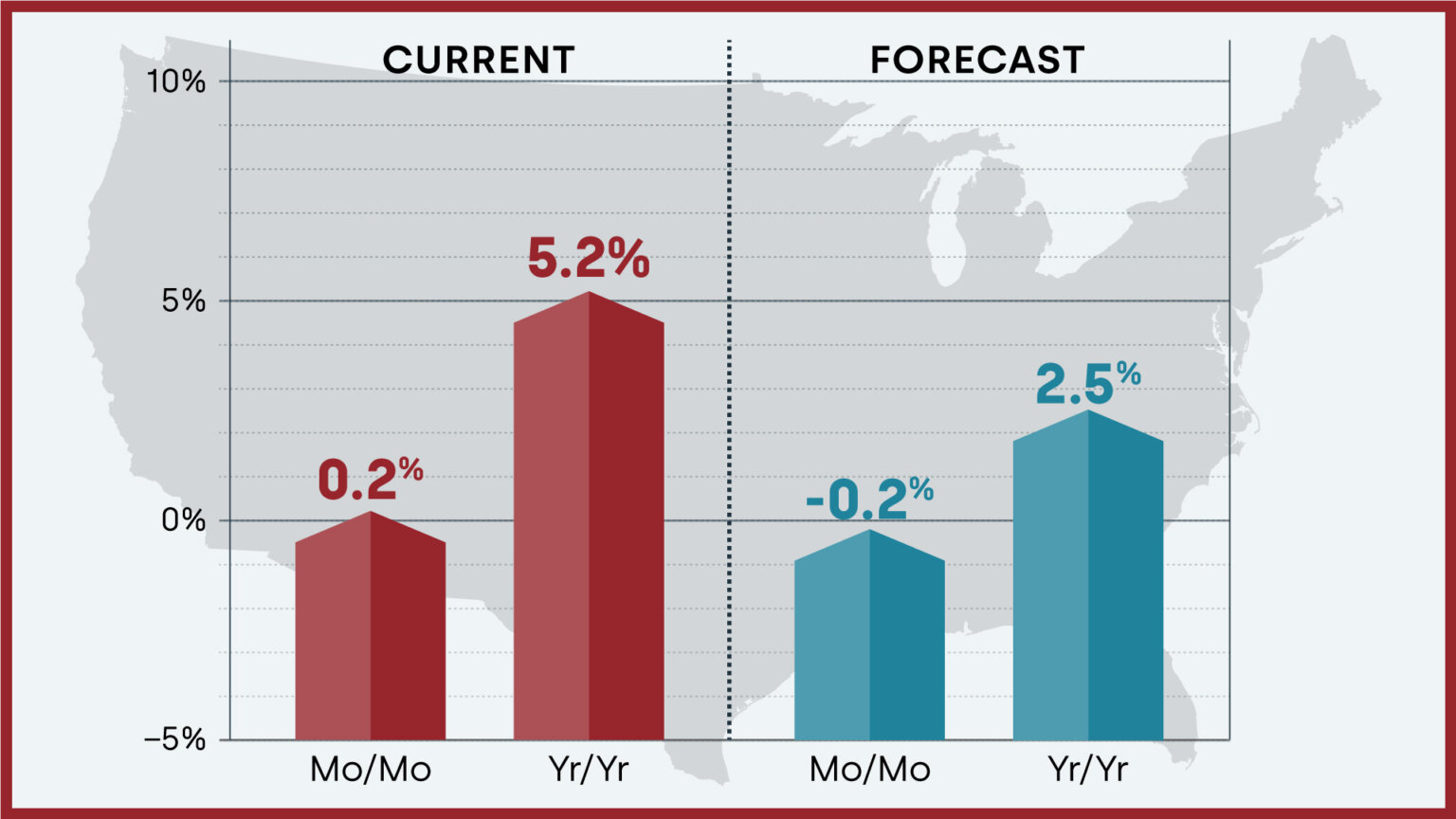
Home prices nationwide, inclusive of distressed sales, witnessed a 5.2% year-over-year increase in November 2023 compared to the same period in 2022, according to the latest report by CoreLogic. Moreover, on a month-over-month basis, there was a marginal 0.2% uptick in home prices in November 2023 when juxtaposed with October 2023.

The CoreLogic HPI Forecast presents a nuanced projection, indicating a slight decrease of -0.2% in home prices from November 2023 to December 2023. However, looking at the broader picture, there is a positive forecast for the entire year, with an anticipated year-over-year increase of 2.5% from November 2023 to November 2024.

Interestingly, for homeowners in certain cities like Redding, California, and Fairbanks, Alaska, this growth is expected to be more than double, providing a silver lining despite the challenges posed by soaring mortgage rates.

Driving Forces Behind the Housing Market

Despite the hurdles created by rising mortgage rates, housing prices have remained stubbornly high. CoreLogic Chief Economist Dr. Selma Hepp notes that this resilience is remarkable in the face of the nation's affordability crunch. The chief economist attributes this strength to pent-up demand, which continues to drive home prices higher.

Markets experiencing prolonged inventory shortages, exacerbated by a lack of new homes for sale, recorded notable price gains throughout 2023. The demand, fueled by the scarcity of available properties, has kept the housing market competitive, particularly impacting first-time buyers.

Home Price Forecast
Source: CoreLogic

Northeastern States Lead Annual Home Price Growth

Examining regional trends, Northeastern states have consistently led in annual single-family home price growth. In November, Rhode Island, Connecticut, and New Jersey recorded double-digit growth percentages of 11.6%, 10.6%, and 10.5%, respectively. Additionally, 24 other states outpaced the national rate in year-over-year home price gains.

The Northeast, South, and Midwest, where relative affordability continues to drive demand, posted the most significant home price increases. Many of the fastest-appreciating real estate markets, which lagged in price growth during the pandemic, have recently benefited from job gains, with legislative acts such as The Inflation Reduction Act and the CHIPs Act stimulating housing demand.

The Top 20 Cities Poised for Remarkable Growth in 2024

Looking ahead, here are the top 20 cities where home prices are expected to experience the most significant growth in 2024:

  1. Redding, CA: 7.30%
  2. Santa Maria-Santa Barbara, CA: 6.81%
  3. Bremerton-Silverdale, WA: 6.51%
  4. Coeur d’Alene, ID: 6.49%
  5. Fairbanks, AK: 6.38%
  6. Santa Rosa, CA: 6.37%
  7. Corvallis, OR: 6.36%
  8. Merced, CA: 6.32%
  9. Bend-Redmond, OR: 6.29%
  10. Mount Vernon-Anacortes, WA: 6.20%
  11. Grand Junction, CO: 6.09%
  12. Longview, WA: 6.07%
  13. Pocatello, ID: 6.00%
  14. Casper, WY: 5.99%
  15. Walla Walla, WA: 5.88%
  16. Lewiston, ID-WA: 5.87%
  17. Santa Cruz-Watsonville, CA: 5.81%
  18. Prescott, AZ: 5.70%
  19. Lakeland-Winter Haven, FL: 5.67%
  20. Kahului-Wailuku-Lahaina, HI: 5.63%

While these cities are poised for growth, it's essential to acknowledge the other side of the spectrum. Florida dominates the list of markets that appear primed for a price decline, taking up the top positions in the predicted decreases.

Markets to Watch: Top Markets at Risk of Home Price Decline

While the overall outlook for the real estate market in 2024 is optimistic, it's crucial to be aware of markets that may face challenges. According to CoreLogic data, certain metro areas are identified with the highest likelihood of home price reductions. These markets, characterized by potential declines, include:

  1. Palm Bay-Melbourne-Titusville, FL: Identified as a market with a risk of home price decline.
  2. West Palm Beach-Boca Raton-Delray Beach, FL: Noted for potential home price reductions.
  3. Tampa-St. Petersburg-Clearwater, FL: Flagged as a market with a higher likelihood of home price decline.
  4. Deltona-Daytona Beach-Ormond Beach, FL: Recognized as a market where home prices may face reductions.
  5. Atlanta-Sandy Springs-Roswell, GA: Indicated as a market with an increased risk of home price decline.

Understanding the dynamics of these markets is essential for prospective buyers, sellers, and investors. Factors such as local economic conditions, job markets, and inventory levels can contribute to the vulnerability of home prices in these areas.

Florida, in particular, seems to be at the forefront of markets facing potential home price declines. The state features prominently in both lists—the top 20 cities poised for growth and the markets at risk of home price decline. This dichotomy underscores the diverse nature of the real estate landscape within the state.

It's worth noting that despite the general trend of price growth in various cities, certain factors unique to each market can influence outcomes. Local policies, economic shifts, and external events play pivotal roles in shaping the trajectory of home prices.

While the overall forecast indicates growth in many cities, the cautionary note about potential declines emphasizes the need for vigilance. Whether one is a prospective homebuyer, seller, or investor, staying informed about market trends and localized dynamics is crucial. By keeping an eye on cities poised for growth and markets at risk of home price decline, stakeholders can make informed decisions in this ever-evolving real estate landscape.

About CoreLogic

CoreLogic is a leading global property information, analytics, and data-enabled solutions provider. The company’s combined data from public, contributory, and proprietary sources includes over 4.5 billion records spanning over 50 years, providing detailed coverage of property, mortgages and other encumbrances, consumer credit, tenancy, location, hazard risk, and related performance information.

CoreLogic HPI Forecasts™ is based on a two-stage, error-correction econometric model that combines the equilibrium home price—as a function of real disposable income per capita—with short-run fluctuations caused by market momentum, mean-reversion, and exogenous economic shocks like changes in the unemployment rate.


Sources:

  • https://www.corelogic.com/category/intelligence/reports/home-price-insights/

Filed Under: Housing Market, Real Estate Market

  • « Previous Page
  • 1
  • 2
  • 3
  • 4
  • …
  • 13
  • Next Page »

Real Estate

  • Birmingham
  • Cape Coral
  • Charlotte
  • Chicago

Quick Links

  • Markets
  • Membership
  • Notes
  • Contact Us

Blog Posts

  • Fed Meeting on Interest Rate Decision Begins Today: Key Developments and Expectations
    December 9, 2025Marco Santarelli
  • Today’s Mortgage Rates, Dec 9: 30-Year FRM Drops Slightly in Anticipation of Fed Rate Cut
    December 9, 2025Marco Santarelli
  • Best Florida Real Estate Investment Hotspots for 2026
    December 9, 2025Marco Santarelli

Contact

Norada Real Estate Investments 30251 Golden Lantern, Suite E-261 Laguna Niguel, CA 92677

(949) 218-6668
(800) 611-3060
BBB
  • Terms of Use
  • |
  • Privacy Policy
  • |
  • Testimonials
  • |
  • Suggestions?
  • |
  • Home

Copyright 2018 Norada Real Estate Investments

Loading...