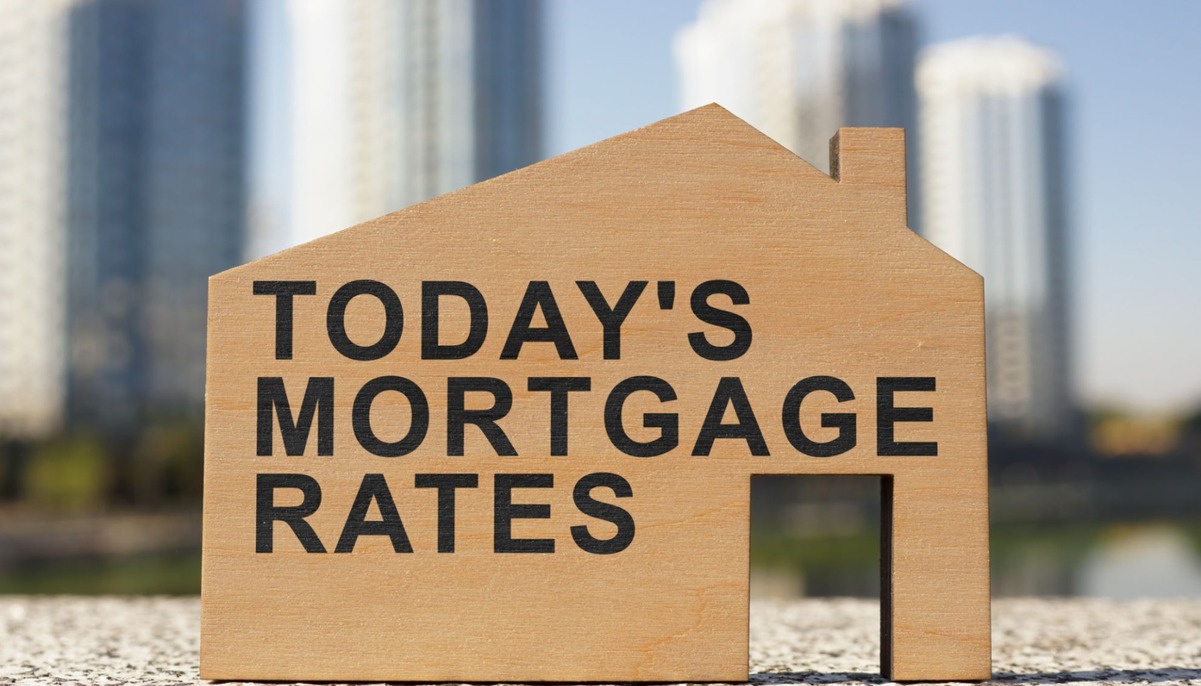
If you're thinking about buying a home, you're likely wondering about mortgage rates. Today, July 22, 2026, the benchmark 30-year fixed mortgage rate is hovering around 6.56%, showing a slight increase from where we were last week. This means that, for now, buying a home has become a bit more expensive, especially since rates have climbed to their highest point in about a year, undoing some of the good news we saw earlier in 2026.
Today's Mortgage Rates, July 22: Affordability Concerns Grow as Rates Climb Higher
What Are Today's Mortgage Rates?
Let's break down the numbers as of Wednesday, July 22, 2026, according to Zillow's data. Remember, these are averages, and your specific rate might be a little different based on your credit score, down payment, and other factors.
Here's a snapshot:
| Loan Type | Average Rate (%) |
|---|---|
| 30-year fixed | 6.56 |
| 20-year fixed | 6.36 |
| 15-year fixed | 5.98 |
| 5/1 ARM | 6.49 |
| 7/1 ARM | 6.26 |
| 30-year VA | 5.99 |
| 15-year VA | 5.57 |
| 5/1 VA | 5.83 |
Note: Rates are rounded to two decimal points for clarity.
As you can see, the 30-year fixed-rate mortgage, the most popular choice for many, is sitting at 6.56%. This is a step up from yesterday, with an increase of about 0.16%. The 15-year fixed is also a bit higher, and adjustable-rate mortgages (ARMs) are seeing some movement too.
Why Are Rates Going Up? The Big Picture
It's easy to get caught up in the daily ups and downs of mortgage rates, but a few major forces are really pulling the strings right now. Think of it like a few big engines powering the movement.
1. Global Unrest and Fuel Prices
Events happening far away, like the conflicts in the Middle East, can have a surprisingly big impact right here at home. When there's trouble in places that produce oil, the price of gas and fuel tends to go up. This isn't just about filling up your car; higher fuel costs make it more expensive for everything to be made and shipped. This ripple effect, known as an energy shock, can push up overall inflation, and that, in turn, makes borrowing money more expensive, which includes mortgages.
2. Stubborn Inflation and the Federal Reserve
Even though prices haven't been going up as fast as they were, inflation is still higher than what the Federal Reserve (the central bank of the U.S.) wants. Their goal is to keep inflation at around 2%, but it's currently sitting at about 3.5%. Because of this, the Fed has put a pause on lowering interest rates. They're being cautious, and this makes people worry that they might keep rates high for longer, or even consider raising them again if inflation heats up. This uncertainty puts upward pressure on all kinds of borrowing costs, including mortgages.
3. The 10-Year Treasury Yield Jumps
You might hear that mortgage rates don't follow the Fed directly. That's true! Instead, they tend to follow the 10-year U.S. Treasury yield. Think of the Treasury yield as a benchmark for longer-term borrowing costs. Lately, this yield has been climbing, recently reaching around 4.57%. Why? Well, when investors get nervous about inflation or expect the government to borrow a lot more money (issue more Treasury bonds), they tend to sell off bonds. Selling bonds drives their price down, and their yield up. Since mortgage rates are closely tied to this yield, they climb along with it.
What This Means for You as a Homebuyer
Seeing mortgage rates tick up can feel like a punch to the gut, especially if you've been saving for a down payment and dreaming of homeownership. It's definitely made things tougher for affordability.
- Monthly Payments Are Higher: For the same loan amount, your monthly mortgage payment will be larger with a 6.56% rate compared to, say, a 6.00% rate. This could mean you qualify for a smaller loan amount or need to adjust your budget.
- Your Buying Power is Reduced: With higher rates, the amount of house you can afford goes down. You might need to look at homes in a lower price range or consider a smaller property than you initially hoped for.
- ARMs Might Look More Attractive (But Be Careful!): Adjustable-rate mortgages (ARMs), like the 5/1 or 7/1 options, often start with lower rates than fixed-rate mortgages. However, their rates can change after the initial period, and if rates go up further, your payments could become much higher. It's a gamble, and you need to be comfortable with that risk.
My Take on the Current Market
From my perspective, this isn't a time to panic, but it is a time to be strategic. The market is dynamic, and while rates are up now, they don't stay in one place forever.
- Shop Around: Always, always compare offers from different lenders. Even a quarter-percent difference can save you thousands over the life of the loan.
- Improve Your Credit Score: A higher credit score can unlock lower interest rates. If you have some time, focus on improving your score.
- Consider a Shorter Loan Term: If you can comfortably afford it, a 15-year or 20-year fixed mortgage will have a lower interest rate and save you a lot on interest over time, though your monthly payments will be higher.
- Explore All Loan Options: Don't rule out VA loans if you're a veteran, or FHA loans if you have a lower credit score or smaller down payment.
The key is to stay informed and make decisions based on your personal financial situation and risk tolerance. While today's rates present a challenge, opportunities in the housing market still exist for those who are prepared and make smart choices. Don't let the numbers alone dictate your dream; let them inform your strategy.
VS
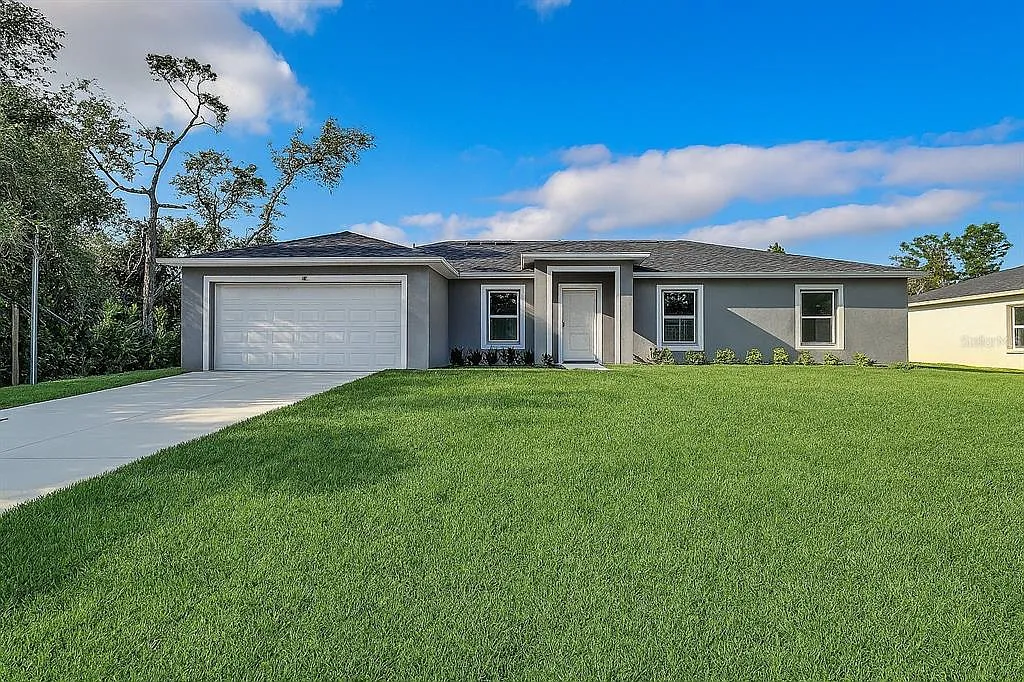
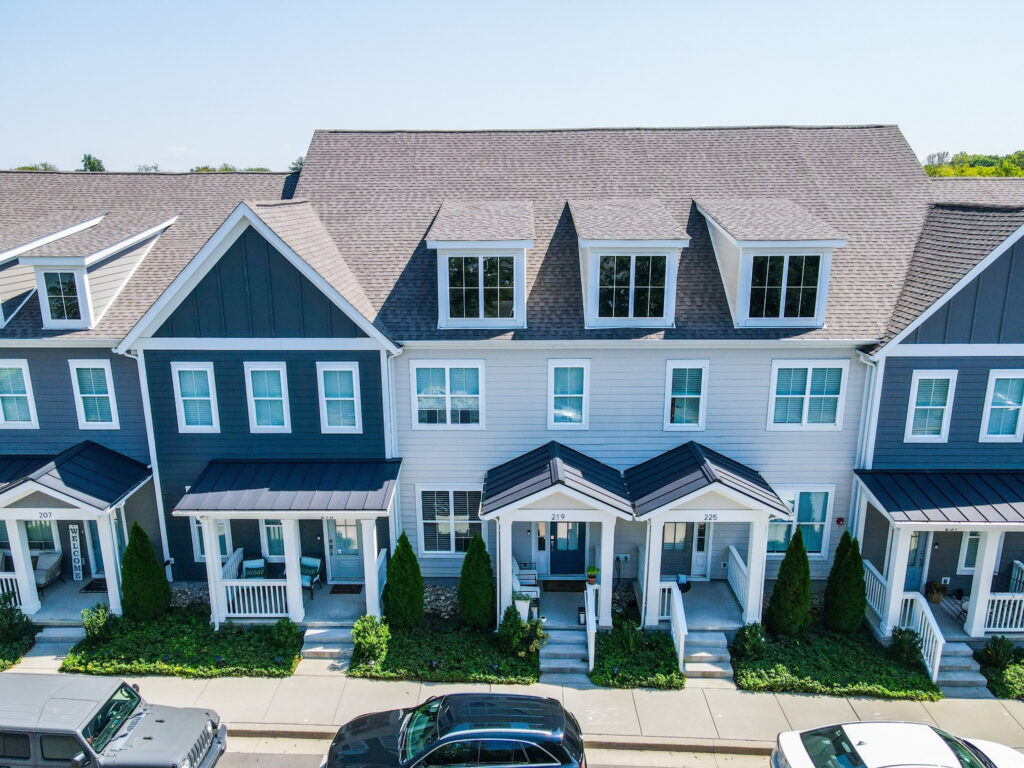
Out‑of‑State investors can compare Tennessee’s newer rental with higher NOI vs Florida’s A+ property with strong yield. Which fits YOUR investment strategy?
We have much more inventory available than what you see on our website – Let us know about your requirement.
📈 Choose Your Winner & Contact Us Today!
Speak to a Norada Investment Counselor (No Obligation):
(800) 611-3060
Mortgage rates remain high in 2026, but rental properties continue to deliver strong cash flow and appreciation. Savvy investors know that turnkey real estate is the path to passive income and long‑term wealth.
Norada Real Estate helps you secure turnkey rental properties designed for immediate cash flow and appreciation—so you can invest smartly regardless of interest rate trends.
Also Read:
- Mortgage Rates Predictions Backed by 7 Leading Experts: 2025–2026
- Mortgage Rate Predictions for the Next 3 Years: 2026, 2027, 2028
- 30-Year Fixed Mortgage Rate Forecast for the Next 5 Years
- 15-Year Fixed Mortgage Rate Predictions for Next 5 Years: 2025-2029
- Will Mortgage Rates Ever Be 3% Again in the Future?
- Mortgage Rates Predictions for Next 2 Years
- Mortgage Rate Predictions for Next 5 Years
- Mortgage Rate Predictions: Why 2% and 3% Rates are Out of Reach
- How Lower Mortgage Rates Can Save You Thousands?
- How to Get a Low Mortgage Interest Rate?
- Will Mortgage Rates Ever Be 4% Again?