Norada Real Estate Investments

  • Home
  • Markets
  • Properties
  • Membership
  • Podcast
  • Learn
  • About
  • Contact

Today’s Mortgage Rates April 5, 2025: Rates Plunge Amid Tariffs Led Recession Fears

April 5, 2025 by Marco Santarelli

Today's Mortgage Rates April 5, 2025: Rates Drop Amid Tariffs Led Recession Fears

Mortgage rates today stand around 6.40% for a 30-year fixed mortgage, indicating a slight decline compared to previous months. This drop in mortgage rates comes as market analysts increase their predictions of a potential recession driven by tariffs imposed earlier this week. Borrowers should be cautious, as while rates are falling, financial stability is crucial for making significant financial decisions, especially in unpredictable economic conditions.

Today's Mortgage Rates April 5, 2025: Rates Plunge Amid Tariffs Led Recession Fears

Key Takeaways

  • Current 30-Year Fixed Rate: Approximately 6.40%, lower than last month's average of 6.45%.
  • Current 15-Year Fixed Rate: Around 5.80%, consistent with previous months.
  • Refinance Rates: Similar to purchase rates; 30-year refinance averages are about 6.49%.
  • Market Influence: Concerns over a tariff-induced recession are impacting rates.
  • Financial Preparation: It's important to maintain emergency savings when considering buying or refinancing a home.

Current Mortgage Rates Overview

Understanding the current mortgage rates is essential for homebuyers and those looking to refinance. As of April 5, 2025, mortgage rates indicate a downward trend, attributed to broader economic concerns regarding tariff-induced recessions.

Here’s a quick overview of the current mortgage rates, according to data from Zillow:

Mortgage Type Average Rate Today
30-Year Fixed Rate 6.40%
15-Year Fixed Rate 5.80%
30-Year Refinance Rate 6.49%
15-Year Refinance Rate 5.80%

Trend Analysis

Historically, mortgage rates are sensitive to economic sentiment and government policy. The potential for a recession often leads to lower interest rates, as lenders adjust to reduce risk and stimulate borrowing. For instance, when the economy slows down, such as during a recession, demand for loans typically decreases, leading to lower rates as lenders seek to attract borrowers.

In recent weeks, JPMorgan analysts have raised their recession expectations from 40% to 60%, which has caused a ripple effect in the mortgage market. As bond yields fall—evidenced by the 10-year Treasury yield dipping below 4%—mortgage rates typically follow suit. (Source: Business Insider, Today's Mortgage Rates | Rates Fall as a Tariff-Induced Recession Looks More Likely.)

Understanding Mortgage Types and Their Rates

1. 30-Year Fixed Mortgages

The 30-year fixed mortgage is one of the most common home loan types. Its allure lies in providing extended repayment periods, which facilitate lower monthly payments. However, borrowers often pay higher interest over the life of the loan due to the extended term.

The current average rate is 6.40%, down from 6.45% last month. For a typical mortgage of $344,400 with a 20% down payment, your monthly payment would be approximately $1,161.

Amortization Example

To better understand the impact of these rates, let's look at a payment example. Suppose you secure a 30-year mortgage for $344,400 at 6.40%. Your first payment would be around $1,161. Initially, a larger portion of this payment, approximately $1,625, goes to interest, while only about $271 reduces the principal. Over time, this shifts, and after 20 years of consistent payments, about $992 would go towards the principal, significantly lowering the outstanding balance and the amount paid in interest over the life of the loan.

2. 15-Year Fixed Mortgages

A 15-year fixed mortgage is attractive due to its shorter term and lower interest rates. With an average rate of 5.80%, this mortgage type often results in significant savings over its duration. However, the monthly payments are generally higher compared to a 30-year fixed mortgage.

Using the same home value of $344,400, a 15-year fixed mortgage would have a significantly higher monthly payment due to the shortened duration of the loan, but you would save thousands in interest over the life of the loan. For example, a 15-year mortgage at $344,400 might cost around $2,317 a month initially, but you will clear the mortgage in half the time and pay much less total interest.

Current Refinance Rates

For those considering refinancing, the rates remain competitive. The average 30-year refinance rate stands at 6.49%, obtaining favorable rates for existing homeowners looking to reduce their monthly payments or tap into equity.

Refinance Type Average Rate Today
30-Year Refinance 6.49%
15-Year Refinance 5.80%

The refinancing decision is often evaluated based on how much one could save monthly. Experts suggest that refinancing is worthwhile if you can reduce your rate by at least 1%. This calculation is essential to ensure savings outweigh the costs associated with refinancing.

For example, if refinancing costs total $3,000 and your savings in monthly payments amount to $200, your break-even point would be 15 months to recoup those costs.

Factors Influencing Mortgage Rates

Several factors affect mortgage rates, including:

  • Economic Conditions: Fluctuations in economic indicators such as unemployment rates and inflation can cause mortgage rates to rise or fall. When job growth slows or inflation increases, rates typically respond.
  • Federal Reserve Policy: Adjustments to the federal funds rate can eventually influence mortgage rates. The Fed's decisions reflect its dual mandate of promoting maximum employment and stable prices. In 2022 and 2023, the Fed increased rates significantly to curb inflation, but they have since eased policy to ensure economic growth remains steady.
  • Investor Demand: The market's demand for mortgage-backed securities directly impacts rates. When investors are eager to buy these securities, it can lower the rates lenders need to offer. Conversely, if the market becomes cautious, mortgage rates might increase.
  • Personal Financial Profile: Your individual credit score, debt-to-income ratio, and loan-to-value ratio will impact the rate you can secure. Higher credit scores typically yield lower rates, making it beneficial to work on your financial health before applying for a loan.

Recommended Read:

Mortgage Rates Trends as of April 4, 2025

Will Mortgage Rates Go Down in April 2025? Here's What the Experts Say

Expect High Mortgage Rates Until 2026: Fannie Mae's 2-Year Forecast

Will Mortgage Rates Rise Back Above 7% or Go Down in 2025?

How Mortgage Interest Rates Work

To understand mortgage interest rates better, let's consider what happens with each payment you make. Each month, your mortgage payment will be applied partly to interest and partly to the principal amount borrowed. This process is known as amortization.

For example, say you take out a mortgage of $300,000 at a 6.40% interest rate. Initially, a significant portion of your monthly payment goes to interest. Over the first month, about $1,900 of your payment will be interest, and only a small fraction reduces your principal. Over time, as you pay down the principal, the interest portion decreases, and more of your payment is applied toward reducing the loan balance.

Future Projections for Mortgage Rates

Looking ahead, forecasts suggest that mortgage rates may continue to experience slight decreases but are unlikely to revert to the historic lows seen during 2020 and 2021, when rates often fell below 3%.

According to the National Association of REALTORS and Fannie Mae, rates at the end of 2025 are predicted to hover around 6.3% to 6.4% (Source: National Association of REALTORS, Nationwide Forecast). This trend could affect home sales and refinancing activity, as many potential buyers may feel pressured to act quickly due to expected changes in rates.

A significant piece of uncertainty lies in government policy regarding tariffs and trade, which could shift market dynamics further. For instance, if tariff impacts lead to higher inflation, the Fed may have to react by adjusting rates in the other direction.

How Borrowers Can Prepare

As someone interested in purchasing or refinancing a home, it's imperative to remain financially organized. Adequate savings to cover three to six months of living expenses is advisable. This cushion will help maintain financial stability, allowing you to take advantage of lower rates when market conditions dictate.

Navigating the Mortgage Process for Success

Understanding the mortgage process can be daunting. Here are some insights into how to navigate it effectively:

  1. Shop Around: Lenders offer different rates and terms, so getting quotes from multiple sources is crucial. Aim to apply for preapproval with at least three lenders to see the range of available rates and options.
  2. Consider the Overall Offer: Focus on the total cost of the loan rather than just the interest rate. Some offers may have higher fees that could negate the benefits of a lower rate. Evaluate the APR (Annual Percentage Rate), which includes additional fees.
  3. Learn the Fine Print: Understanding the specifics of your loan agreement, including potential penalties for early repayment or adjustable-rate terms, can prevent surprises down the line.
  4. Stay Informed: Mortgage rates can fluctuate due to market volatility. Following financial news and market indicators can equip you for making informed decisions at the right time.

By understanding these aspects and preparing well in advance, you can significantly increase your chances of securing a favorable mortgage rate, whether you’re buying your first home or refinancing your existing mortgage.

Summary:

Today's mortgage rates have seen a moderate decrease, influenced largely by looming recession fears linked to global tariffs. For prospective homebuyers and those looking to refinance, understanding the current rates and market conditions is crucial. As the economic climate continues to evolve, staying informed and prepared will help you navigate these developments effectively.

Work With Norada, Your Trusted Source for

Real Estate Investment in the U.S.

Investing in turnkey real estate can help you secure consistent returns with fluctuating mortgage rates.

Expand your portfolio confidently, even in a shifting interest rate environment.

Speak with our expert investment counselors (No Obligation):

(800) 611-3060

Get Started Now

Also Read:

  • Will Mortgage Rates Go Down in 2025: Morgan Stanley's Forecast
  • Mortgage Rate Predictions 2025 from 4 Leading Housing Experts
  • Mortgage Rates Forecast for the Next 3 Years: 2025 to 2027
  • 30-Year Mortgage Rate Forecast for the Next 5 Years
  • 15-Year Mortgage Rate Forecast for the Next 5 Years
  • Why Are Mortgage Rates Going Up in 2025: Will Rates Drop?
  • Why Are Mortgage Rates So High and Predictions for 2025
  • Will Mortgage Rates Ever Be 3% Again in the Future?
  • Mortgage Rates Predictions for Next 2 Years
  • Mortgage Rate Predictions for Next 5 Years
  • Mortgage Rate Predictions: Why 2% and 3% Rates are Out of Reach
  • How Lower Mortgage Rates Can Save You Thousands?
  • How to Get a Low Mortgage Interest Rate?
  • Will Mortgage Rates Ever Be 4% Again?
Filed Under: Financing, Mortgage Tagged With: Interest Rate, mortgage, Mortgage Rate Trends, mortgage rates, Mortgage Rates Predictions, Mortgage Rates Today

Today’s Mortgage Rates April 4, 2025: Rates Go Down After Tariffs Imposed

April 4, 2025 by Marco Santarelli

Today's Mortgage Rates April 4, 2025: Rates Go Down After Tariffs Imposed

On April 4, 2025, mortgage rates have dropped below 6.50%, a shift largely prompted by the recent economic reaction to new tariffs announced earlier in the week. This decrease provides a unique opportunity for potential homebuyers and those looking to refinance their existing mortgages. While current conditions appear favorable, there’s a possibility that inflation could reverse this trend in the next months.

Today's Mortgage Rates April 4, 2025: Rates Go Down After Tariffs Imposed

Key Takeaways

  • Current Mortgage Rates: 30-year rates have decreased below 6.50%, and 15-year rates are approximately 5.90%.
  • Economic Influence: The recent tariff announcement has intensified market uncertainty, causing a decline in mortgage rates but leading to inflation concerns.
  • Refinance Rates: Similar to purchasing rates, refinance rates have also dropped, now averaging 6.49% for 30-year mortgages.
  • Market Forecasts: Market experts are divided; some predict continued low rates while others caution about potential rises due to inflationary pressure.

What Are Today's Mortgage Rates?

According to Zillow, here's a summary of the current mortgage and refinance rates:

Mortgage Rates Overview

Mortgage Type Average Rate Today March Average
30-Year Fixed 6.45% 6.50%
15-Year Fixed 5.90% 5.79%

This decline in mortgage rates is critical for both potential buyers and homeowners contemplating refinancing, as even a small percentage decrease translates to substantial financial savings over the long term.

Current Refinance Rates

Refinancing can be a strategic move, especially when interest rates fall. Here’s a breakdown of today’s refinance rates:

Refinance Type Average Rate Today March Average
30-Year Refinance 6.49% 6.49%
15-Year Refinance 5.80% 5.80%

These rates allow homeowners to save considerably through refinancing, particularly if they secure a rate lower than their existing loan.

Understanding Mortgage Rate Trends

The reduction in mortgage rates on April 4, 2025, can be traced back to developments in the financial sector. In response to the recent announcement of tariffs imposed by the government, there has been a noticeable shift in the market. When uncertainty prevails in the economy, investors typically gravitate toward safer, less volatile assets like U.S. Treasuries, leading to a decline in interest rates, including those for mortgages.

Yet, even amidst falling rates, inflation emerges as a critical concern. Historically, rising inflation pushes mortgage rates upward as lenders aim to preserve their profits in an inflation-heavy environment. This current dip in rates might only be a temporary respite, as inflation—fueled by tariffs—could prompt lenders to increase rates again.

Factors Influencing Current Rates

Mortgage rates don’t operate in isolation; various factors contribute to their fluctuations, including:

  • Economic Indicators: The overall health of the economy, including employment rates and consumer confidence, plays a crucial role in determining mortgage rates.
  • Federal Reserve Policies: Although mortgage rates don’t move in direct correlation with federal interest rates, changes in Fed policy can influence rates. The Fed has raised rates significantly to combat inflation, causing lenders to reassess their mortgage offerings.
  • Market Sentiment: Investor reactions to economic news—such as tariffs, trade agreements, or changes in the stock market—affect the demand for mortgage-backed securities, subsequently impacting mortgage rates.
  • Personal Financial Profile: Individual borrowers can influence their rates based on their credit scores, debt-to-income ratios, and the size of their down payments.

How Does the Fed Rate Affect Mortgage Rates?

While mortgage rates do not directly follow the Federal Reserve's interest rate changes, they can influence them. The Fed raised rates substantially over the past couple of years to curb inflation, creating a ripple effect throughout various borrowing costs in the economy. Although inflation data has shown signs of stabilization, it still seeps into the markets, prompting potential spikes in mortgage rates if consumer prices continue to rise.

Recent analyses suggest that we might see mortgage rates remain relatively stable over the next several months, with estimates projecting that 30-year mortgage rates could try to settle in a range around 6.3% to 6.4% by the end of 2025. This uncertainty means buyers should remain vigilant and informed, ready to act when opportunities arise.

Recent Trends in Mortgage Rates

Over the past few months, mortgage rates have portrayed a somewhat stable trajectory with gradual decreases.

  • 30-Year Fixed Mortgage: This option remains the most popular among homebuyers. Following rates that hovered around 6%–6.5%, borrowers can secure loans with longer terms, spreading their financial responsibilities over three decades.
  • 15-Year Fixed Mortgage: For those looking to reduce interest payments significantly over the life of the loan, the 15-year option is attractive. The lower rates available—5.90% currently—paired with a shorter payoff period enable borrowers to save substantial amounts in accumulated interest.

Five-Year Rate Trend Comparison

To visualize how mortgage rates have evolved, consider the last five years as a frame of reference:

Year 30-Year Rate 15-Year Rate
2021 Below 3.00% Around 2.40%
2022 3.70% 2.90%
2023 5.10% 4.00%
2024 6.00% 5.00%
2025 6.45% 5.90%

As illustrated, there has been considerable fluctuation in rates, with the low point in 2021 reflecting unique pandemic conditions that encouraged lower borrowing costs. The escalating rates in the following years have continued to shape borrowing behaviors among consumers.

Recommended Read:

Mortgage Rates Trends as of April 3, 2025

Will Mortgage Rates Go Down in April 2025? Here's What the Experts Say

Expect High Mortgage Rates Until 2026: Fannie Mae's 2-Year Forecast

Will Mortgage Rates Rise Back Above 7% or Go Down in 2025?

Outlook for Mortgage Rates in 2025

Major forecasts presented by trusted agencies offer insights regarding the future of mortgage rates:

  • The National Association of REALTORS® projects a modest rise in existing home sales by 6% in 2025. This indicator reflects underlying demand even in the face of fluctuating rates.
  • Fannie Mae anticipates that mortgage rates will stabilize around 6.3% by the end of the year. They've revised their predictions, projecting a slight improvement over previous forecasts as economic conditions evolve.

As the economy shifts, market experts emphasize the need for potential buyers to stay informed. With the ebb and flow of interest rates, opportunities arise for savvy consumers willing to keep tabs on the broader economic landscape. It’s crucial as misinformation can lead to missed chances for advantageous deals.

Understanding Refinance Opportunities

For many homeowners contemplating refinancing, the decreased rates signal an ideal time to consider re-evaluating their current mortgage agreements. The decision to refinance hinges on several factors, including:

  • Financial Benefits: Homeowners should consider the potential savings that come with refinancing into a lower interest rate. If you can secure a rate that's at least a percentage point lower than your current rate, it might make financial sense to pursue refinancing.
  • Break-even Period: When evaluating whether to refinance, it’s essential to look at how long it takes to recoup the costs associated with the refinancing process. Homeowners should calculate the closing costs and divide that by the monthly savings to understand how many months it will take to break even.
  • Long-term Goals: If you plan on staying in your home long enough, refinancing to a lower rate could enhance your long-term savings, potentially allowing you to pay off your mortgage sooner or increase cash flow for other financial goals.

Summary:

As of today, potential homebuyers and those contemplating refinancing can take a moment to appreciate the opportunity created by mortgage rates dropping below 6.50%. While the current conditions portray favorability for borrowers, the consideration of looming inflation and potential economic impacts demands a proactive stance.

As personal financial situations and economic conditions evolve, remaining informed and adaptable will ensure that prospective buyers and homeowners alike can take full advantage of favorable lending circumstances.

Work With Norada, Your Trusted Source for

Real Estate Investment in the U.S.

Investing in turnkey real estate can help you secure consistent returns with fluctuating mortgage rates.

Expand your portfolio confidently, even in a shifting interest rate environment.

Speak with our expert investment counselors (No Obligation):

(800) 611-3060

Get Started Now

Also Read:

  • Will Mortgage Rates Go Down in 2025: Morgan Stanley's Forecast
  • Mortgage Rate Predictions 2025 from 4 Leading Housing Experts
  • Mortgage Rates Forecast for the Next 3 Years: 2025 to 2027
  • 30-Year Mortgage Rate Forecast for the Next 5 Years
  • 15-Year Mortgage Rate Forecast for the Next 5 Years
  • Why Are Mortgage Rates Going Up in 2025: Will Rates Drop?
  • Why Are Mortgage Rates So High and Predictions for 2025
  • Will Mortgage Rates Ever Be 3% Again in the Future?
  • Mortgage Rates Predictions for Next 2 Years
  • Mortgage Rate Predictions for Next 5 Years
  • Mortgage Rate Predictions: Why 2% and 3% Rates are Out of Reach
  • How Lower Mortgage Rates Can Save You Thousands?
  • How to Get a Low Mortgage Interest Rate?
  • Will Mortgage Rates Ever Be 4% Again?
Filed Under: Financing, Mortgage Tagged With: Interest Rate, mortgage, Mortgage Rate Trends, mortgage rates, Mortgage Rates Predictions, Mortgage Rates Today

How Much Lower Can Mortgage Rates Drop in 2025?

April 3, 2025 by Marco Santarelli

How Much Lower Can Mortgage Rates Drop in 2025?

Thinking about buying a home in 2025? One of the biggest things on your mind is likely where mortgage rates are headed. Right now, the average rate for a 30-year fixed mortgage is around 6.73%. So, the big question is: how much lower can mortgage rates drop in 2025? Based on expert predictions right now, we could see mortgage rates drop by as much as 0.7 percentage points, potentially bringing them down to around 6.03%.

However, keep in mind that the actual drop might be a bit smaller, somewhere between 0.3 and 0.5 percentage points, because the economy is always throwing curveballs like inflation and changes in government policies. Some experts are even hoping rates could dip to the 6.0% mark, while others think they might stay a bit higher – showing that even the pros don't have a crystal ball!

I remember back in the day, trying to figure out mortgage rates felt like trying to predict the weather. You look at all the signs, but you never really know for sure what's going to happen. And honestly, even with all the data and expert opinions out there, it's still a bit of a guessing game. But let's dive into what's influencing these rates and what the smart folks are saying for 2025.

So, How Much Lower Can Mortgage Rates Drop in 2025?

Understanding Today's Mortgage Rate Picture

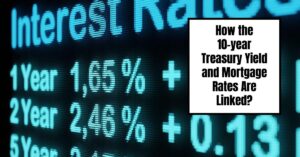
As we sit here in late March 2025, that 6.73% average for a 30-year fixed mortgage doesn't just pop out of thin air. It's tied to a few key things. One big one is the yield on the 10-year U.S. Treasury bond, which is currently around 4.27%. Think of this bond yield as a benchmark – it's what investors get for lending money to the government for 10 years.

Mortgage rates tend to follow this, but they're usually a bit higher because banks and lenders need to cover their costs and make a profit. That difference between the mortgage rate and the Treasury yield is called the spread, and right now it's about 2.46 percentage points. Historically, this spread has been tighter, usually between 1 and 2 points, but things have been a little different lately.

Another major player is the Federal Reserve (often just called the Fed). This group controls something called the federal funds rate, which is the rate banks charge each other for lending money overnight. While this isn't directly your mortgage rate, it has a ripple effect on all sorts of interest rates, including the ones you pay.

Right now, the Fed's target range for this rate is 4.25% to 4.50%. The overall health of the economy, especially things like inflation (how quickly prices are going up) and how much the economy is growing, also plays a big role. If the economy is strong and prices are rising fast, mortgage rates tend to be higher.

What the Federal Reserve is Planning

The Fed has been working hard to get inflation under control, and their plans for the rest of 2025 are a key piece of the puzzle for where mortgage rates might go. In their latest meeting in March, they decided to keep the federal funds rate where it is, but they also gave us a peek at their thinking for the future. They're currently projecting two rate cuts sometime in 2025. If these cuts happen, it would bring their target range down, with a midpoint of around 3.875% by the end of the year.

Now, why does this matter for your mortgage? When the Fed cuts rates, it generally puts downward pressure on longer-term interest rates, like the ones that determine mortgage costs. So, these projected cuts are a big reason why experts are predicting that mortgage rates could come down in 2025. It's like the Fed is gently nudging rates lower.

How Much Lower Could We Realistically Go? Expert Opinions

This is where things get interesting because, as I said earlier, even the experts have different ideas. Based on the data we have, the most optimistic view is that mortgage rates could drop by up to 0.7 percentage points, taking us from that current 6.73% down to around 6.03%. This is the upper end of the potential decrease.

However, life rarely goes exactly as planned, especially when it comes to the economy. There are a lot of things that could keep rates from falling that much. For example, if inflation proves to be stickier than the Fed hopes, they might not be able to cut rates as much as they're currently projecting. Or, if there are unexpected changes in government policies or the global economy, that could also throw a wrench in the works.

Because of these uncertainties, many experts believe a more realistic drop would be somewhere in the range of 0.3 to 0.5 percentage points. This would mean that by the end of 2025, we might see average 30-year fixed mortgage rates somewhere between 6.23% and 6.43%. While that's still higher than the rock-bottom rates we saw a few years ago, it would definitely be a welcome relief for potential homebuyers.

It's also worth noting the range of individual expert predictions. Some are hoping to see rates fall to as low as 6.0%, which would be a significant drop. On the other hand, some are predicting rates might hover a bit higher, perhaps around 6.35% or even a bit more, especially if the economy stays stronger than anticipated or if inflation doesn't cool down as much as hoped. This just goes to show that there's a real mix of opinions out there.

Looking at Historical Trends and the Treasury Spread

To get a bit more insight, let's think about how mortgage rates have behaved in the past relative to those 10-year Treasury yields. Historically, as I mentioned, the spread between these has been around 1 to 2 percentage points. Right now, at 2.46%, it's a bit wider.

If the 10-year Treasury yield were to decrease, say by 0.5% (which would bring it down to 3.77%), and if the spread stayed the same, then mortgage rates would likely fall by a similar amount, landing around 6.23% (a 0.5 percentage point drop).

However, things can get a bit more complex. In a slowing economy, that spread between Treasury yields and mortgage rates could potentially narrow. This could happen if investors become more cautious and demand a smaller premium for investing in mortgage-backed securities (the things that bundle together a bunch of mortgages). If the spread narrowed to, say, 2.0%, and the Treasury yield dropped by 0.5%, then mortgage rates could fall even further, potentially down to 5.77% (a 0.96 percentage point drop).

But again, this is all based on different scenarios. Given what the experts are predicting for the Treasury yield (a more likely drop of around 0.3% to 0.5%), and considering that the spread might not narrow dramatically, a drop in mortgage rates to somewhere in that 6.23% to 6.43% range seems like a reasonable expectation.

Recommended Read:

Mortgage Rates Drop: Can You Finally Afford a $400,000 Home?

Expect High Mortgage Rates Until 2026: Fannie Mae's 2-Year Forecast

Key Factors That Will Shape Mortgage Rates in 2025

So, what are the main things I'll be keeping an eye on to see where mortgage rates actually land in 2025? Here's my list:

  • Federal Reserve Actions: Those two projected rate cuts are a big deal. If the Fed follows through, it will likely put downward pressure on mortgage rates. But if inflation stays high or the economy shifts unexpectedly, those cuts might not happen as planned.
  • Inflation Trends: Right now, inflation is at 2.8%. The Fed wants to see that come down further. If inflation remains stubborn, it could limit how much the Fed can cut rates, and it could also keep longer-term interest rates (and therefore mortgage rates) higher. The current projection for average inflation in 2025 is around 3.2%, which is something to watch.
  • Economic Growth and Policy Uncertainty: How strong the economy is and any big changes in government policies (like trade tariffs, for example) can also influence rates. A stronger-than-expected economy might lead to higher rates, while significant uncertainty could also cause volatility.
  • Market Dynamics: You might not think about this much, but how much demand there is for mortgage-backed securities compared to safer investments like Treasury bonds can also affect the spread we talked about. If investors are less interested in mortgage-backed securities, that spread could widen, keeping mortgage rates higher.

A Look at Some Expert Forecasts in Black and White

To give you a clearer picture, here's a summary of what some different sources are predicting for mortgage rates by the end of 2025:

Source Predicted Rate (%) Important Notes
National Association of Home Builders (NAHB) ~6.2 Below 6% by end of 2026, around 6.5% in mid-2025
Realtor.com 6.2 Adjusted for potential economic growth under a Trump administration
Expert Prediction (Mark Zandi) 6.0 Potential decline to this level by year-end
Expert Prediction (Selma Hepp) 6.35 Average around 6.6% for 2025, ending lower
Long Forecast (Year-End Average) ~6.4 Based on monthly predictions that fluctuate throughout the year

When you look at these different predictions, you can see that most experts are expecting some decrease in mortgage rates in 2025. The average of these predictions comes out to around 6.23%, which would be a drop of about 0.5 percentage points from where we are now. The most optimistic forecast here is 6.0%, suggesting that a drop of 0.73 percentage points is within the realm of possibility.

What This Means for You

If you're thinking about buying a home in 2025, even a small drop in mortgage rates can make a big difference in your monthly payments and how much house you can afford. For example, on a $300,000 mortgage, a 0.5 percentage point decrease in your interest rate could save you a significant amount of money over the life of the loan.

Of course, interest rates are just one piece of the puzzle. Home prices, the availability of homes for sale, and your own financial situation are also crucial factors to consider. But knowing what the potential trajectory of mortgage rates might be can help you plan and make informed decisions.

My Final Thoughts

While I don't have a crystal ball, and the economy can be unpredictable, based on the current information and expert analysis, it seems likely that we will see some relief in mortgage rates in 2025. That 0.3 to 0.5 percentage point drop feels like a reasonable expectation right now. That said, I'll be keeping a close eye on those key factors – especially what the Fed does with interest rates and how inflation behaves.

My advice to anyone looking to buy a home in 2025 is to stay informed, talk to a mortgage professional, and be prepared to act when the time feels right for you. The housing market can change quickly, and staying on top of these trends will put you in the best position to achieve your homeownership goals.

Work With Norada, Your Trusted Source for

Real Estate Investments

With mortgage rates fluctuating, investing in turnkey real estate

can help you secure consistent returns.

Expand your portfolio confidently, even in a shifting interest rate environment.

Speak with our expert investment counselors (No Obligation):

(800) 611-3060

Get Started Now

Also Read:

  • Are Ultra-Low 2% and 3% Mortgage Rates Ever Coming Back?
  • Will Mortgage Rates Go Down in 2025: Morgan Stanley's Forecast
  • Mortgage Rate Predictions 2025 from 4 Leading Housing Experts
  • Mortgage Rates Forecast for the Next 3 Years: 2025 to 2027
  • 30-Year Mortgage Rate Forecast for the Next 5 Years
  • 15-Year Mortgage Rate Forecast for the Next 5 Years
  • Will Mortgage Rates Ever Be 3% Again in the Future?
  • Mortgage Rates Predictions for Next 2 Years
  • Mortgage Rate Predictions for Next 5 Years
  • How Lower Mortgage Rates Can Save You Thousands?
  • How to Get a Low Mortgage Interest Rate?
  • Will Mortgage Rates Ever Be 4% Again?
  • Mortgage Interest Rates Forecast for Next 10 Years

Filed Under: Financing, Mortgage Tagged With: Interest Rate, mortgage, Mortgage Rate Trends, mortgage rates, Mortgage Rates Predictions, Mortgage Rates Today

Today’s Mortgage Rates April 3, 2025: Rates Go Down After Tariff News

April 3, 2025 by Marco Santarelli

Today's Mortgage Rates April 3, 2025: Rates Go Down After Tariff News

As of April 3, 2025, mortgage rates have dipped slightly to around 6.40%, influenced by recent economic events, including tariff announcements from the White House. This decline is relevant for both new mortgage borrowers and those considering refinancing their existing loans. With this in mind, let’s explore current rates, what they mean for you, and the broader economic context shaping these changes.

Today's Mortgage Rates April 3, 2025: Rates Go Down After Tariff News

Key Takeaways

  • Current Mortgage Rate: Approximately 6.40% for a 30-year fixed-rate mortgage.
  • Refinance Rates: Average rate for 30-year fixed refinance is about 6.48%.
  • Economic Influences: Rates decreased due to economic uncertainties and tariff announcements.
  • Rate Trends: The market might see fluctuations as economic conditions evolve.

Understanding Today's Mortgage Rates

Mortgage rates are crucial in determining how much you’ll pay for a home over the life of your loan. As of today, here are the average rates from Zillow:

Mortgage Type Average Rate
30-Year Fixed-Mortgage 6.56%
20-Year Fixed Mortgage 6.22%
15-Year Fixed Mortgage 5.90%
7/1 Adjustable Rate Mortgage 6.49%
5/1 Adjustable Rate Mortgage 6.63%
30-Year FHA Mortgage 5.95%
30-Year VA Mortgage 6.02%

For refinancing, rates are similarly competitive. Here’s a snapshot of current refinance rates:

Refinance Type Average Rate
30-Year Fixed Refinance 6.48%
20-Year Fixed Refinance 6.18%
15-Year Fixed Refinance 5.92%
7/1 ARM Refinance 6.41%
5/1 ARM Refinance 6.67%
30-Year FHA Refinance 6.02%
30-Year VA Refinance 6.50%

These rates indicate a minor decrease compared to recent averages, where the 30-year fixed mortgage was around 6.45% in March.

Current Economic Context

The recent dip in rates can be attributed to the announcement of tariffs by President Donald Trump, who proposed a 10% tariff on imports, impacting market stability and investor confidence. When tariffs are introduced on imported goods, they can complicate the economy, potentially sparking fears of a recession. As a result, the bond market responded by lowering the 10-year Treasury yield, which is typically linked with mortgage rates.

The concern following these tariff announcements is twofold. First, while it may lead to a temporary decrease in mortgage rates, it could also result in an uptick in inflation. If inflation rises, it could negate any benefits gained from the lowered mortgage rates, creating a complex environment for homebuyers and investors. It's vital to stay updated on these developments as they unfold, as they have direct implications for affordability in the housing market.

A Closer Look at Mortgage Types and Rates

30-Year Fixed Mortgage

The 30-year fixed-rate mortgage remains the most popular option for homebuyers and is currently averaging 6.56%. This type of mortgage allows borrowers to repay their loan over 30 years, providing stability and predictability in monthly payments.

Utilizing an example, if a homebuyer takes out a mortgage of $300,000 at a 6.56% interest rate, the monthly payment would be approximately $1,896. Initially, a large portion of this payment would cover interest, but as time progresses, a greater portion will go toward the principal.

Here’s a breakdown of what the monthly payments might look like in the early years versus later years:

  • Year 1:
    • Monthly Payment: $1,896
    • Interest in First Payment: $1,553
    • Principal Payment: $343
  • Year 10:
    • Monthly Payment: $1,896
    • Interest Portion: $1,372
    • Principal Payment: $524

As illustrated, the longer you hold the mortgage, the more your payments will contribute to the principal rather than just interest.

15-Year Fixed Mortgage

The 15-year fixed-rate mortgage is also a popular choice, especially among buyers looking to minimize interest costs. Currently averaging around 5.90%, this option allows for quicker equity building in the home and is preferable for those who can handle larger monthly payments.

For our example of a $300,000 mortgage at 5.90%, the monthly payment calculates to approximately $2,537, significantly more than a 30-year loan but with one key benefit: the total interest paid over life of the loan is substantially less.

Here’s what the payment breakdown might look like for the 15-year mortgage:

  • Year 1:
    • Monthly Payment: $2,537
    • Interest in First Payment: $1,473
    • Principal Payment: $1,064
  • Year 5:
    • Monthly Payment: $2,537
    • Interest Portion: $949
    • Principal Payment: $1,588

The strategy with shorter-term loans like the 15-year option is to pay less interest overall, allowing homeowners to cleanly pay off their mortgage sooner.

Why Refinance Now?

While it might not seem the perfect moment to refinance due to rates still being relatively high, if you are currently paying a significantly higher interest rate, it could still be worthwhile. Homeowners with interest rates above 6.50% might find substantial savings by refinancing at today’s rates.

Consider this simple scenario:

  • Current Mortgage Amount: $300,000 at 6.75% interest
  • Monthly Payments: Approximately $1,948
  • New Rate with Refinance: 6.40%
  • New Monthly Payments: Approximately $1,896

In this situation, refinancing would lower monthly payments, and those savings could be substantial over time. This demonstrates how refinancing under favorable conditions can significantly benefit homeowners.

Influences on Mortgage Rates

Several factors determine mortgage rates:

  • Economic Trends: Insights from economic data such as inflation rates, employment figures, and overall consumer spending can heavily influence mortgage rates. The anticipation of continued inflation can lead to higher mortgage rates, impacting affordability.
  • Federal Reserve Policy: The Federal Reserve's decisions concerning interest rate changes tend to influence mortgage rates indirectly. As the Fed raised the federal funds rate through 2022 and 2023, it aimed to control inflation. The expectation of further cuts to combat a potential recession could shape future mortgage rates.
  • Personal Factors: Lenders assess individual financial profiles, such as credit scores, employment statuses, and down payment sizes. Borrowers who make efforts to improve their credit scores can significantly affect the rates they qualify for.

Recommended Read:

Mortgage Rates Trends as of April 2, 2025

Will Mortgage Rates Go Down in April 2025? Here's What the Experts Say

Expect High Mortgage Rates Until 2026: Fannie Mae's 2-Year Forecast

Will Mortgage Rates Rise Back Above 7% or Go Down in 2025?

Future Predictions on Mortgage Rates

Looking ahead, experts anticipate that mortgage rates will ease as the economy stabilizes. However, major fluctuations in inflation, tariffs, and broader economic policies will be key determinants in that trajectory. While rates may dip slightly more in the near term, they are not expected to plummet back to the historic lows seen in 2020 and 2021.

Current predictions suggest a stabilization around 6% to 6.5%, but keep in mind these estimations are influenced by unfolding economic conditions. It's essential to remain informed about potential shifts that could impact consumer confidence and buying power.

How to Navigate the Mortgage Process Today

As prospective homebuyers or refinancers consider securing a mortgage during these fluctuating rates, being informed is crucial. Here are essential strategies for navigating the mortgage landscape:

  • Stay Informed: Regularly check mortgage rate fluctuations and economic trends. Understanding market movements empowers you to make informed decisions.
  • Shop Around: Lenders often provide a range of rates and terms. Reach out to multiple lenders, and don’t hesitate to negotiate terms based on the offers you receive. Getting pre-approved can provide a clearer picture of your options.
  • Understanding Fees: Be thorough in understanding any lender fees associated with obtaining a mortgage. Ensure that the overall cost of the loan, including fees, is justified by the rates being offered.
  • Consider Timing: Although rates are fluctuating, timing your mortgage application can save you money. If you feel confident about potential declines in rates, it may be worth waiting. Conversely, if you find a rate that meets your needs, moving forward could be beneficial.
  • Use Technology: Online mortgage calculators are powerful tools to project your potential mortgage payments based on different rates, terms, and loan amounts. They help you visualize your long-term commitment.

Summary:

Today’s mortgage rates reflect a slight decrease in light of recent economic developments. Keeping an eye on these rates and understanding the underlying influences can help inform your decisions, whether you are purchasing a new home or refinancing. Staying proactive and well-informed is essential in today’s financial climate, enabling you to navigate the intricacies of mortgage financing effectively.

Work With Norada, Your Trusted Source for

Real Estate Investment in the U.S.

Investing in turnkey real estate can help you secure consistent returns with fluctuating mortgage rates.

Expand your portfolio confidently, even in a shifting interest rate environment.

Speak with our expert investment counselors (No Obligation):

(800) 611-3060

Get Started Now

Also Read:

  • Will Mortgage Rates Go Down in 2025: Morgan Stanley's Forecast
  • Mortgage Rate Predictions 2025 from 4 Leading Housing Experts
  • Mortgage Rates Forecast for the Next 3 Years: 2025 to 2027
  • 30-Year Mortgage Rate Forecast for the Next 5 Years
  • 15-Year Mortgage Rate Forecast for the Next 5 Years
  • Why Are Mortgage Rates Going Up in 2025: Will Rates Drop?
  • Why Are Mortgage Rates So High and Predictions for 2025
  • Will Mortgage Rates Ever Be 3% Again in the Future?
  • Mortgage Rates Predictions for Next 2 Years
  • Mortgage Rate Predictions for Next 5 Years
  • Mortgage Rate Predictions: Why 2% and 3% Rates are Out of Reach
  • How Lower Mortgage Rates Can Save You Thousands?
  • How to Get a Low Mortgage Interest Rate?
  • Will Mortgage Rates Ever Be 4% Again?

Filed Under: Financing, Mortgage Tagged With: Interest Rate, mortgage, Mortgage Rate Trends, mortgage rates, Mortgage Rates Predictions, Mortgage Rates Today

How Long Should You Wait for Mortgage Rates to Go Down?

April 2, 2025 by Marco Santarelli

How Long Should You Wait for Mortgage Rates to Go Down?

Trying to figure out the perfect moment to buy a house can feel like trying to predict the weather months in advance. One of the biggest questions swirling around in potential homebuyers' minds is: How long should you wait for mortgage rates to go down?

The short answer, based on current expert predictions, is that while we might see some slight dips in mortgage rates by the end of 2025, potentially around the 6% mark, waiting for a significant drop might not be the best strategy. This is because home prices are also expected to rise, which could eat away any savings from a lower interest rate.

It's a tricky situation, and if you're anything like me, you've probably spent hours staring at charts and reading countless articles trying to make sense of it all. I remember when I was looking to buy my first place – the constant back and forth about whether to jump in or hold off was enough to give me a headache! So, let's dive into what the experts are saying and what factors you should really be considering.

How Long Should You Wait for Mortgage Rates to Go Down? Making Sense of the Market

Understanding Today's Mortgage Rate Landscape

As of early April 2025, the average rate for a 30-year fixed mortgage sits around 6.72%, according to data from Bankrate. Now, to put this into perspective, that's lower than the long-term average of 7.73% we've seen since way back in 1971. We also need to remember the incredibly low rates of 2.65% we saw in 2020 and 2021 – those were truly exceptional times.

Right now, we're in a sort of middle ground. Rates have come down from their peak of 7.22% in May 2024, but they're still higher than what many of us got used to during the pandemic. What's interesting is what the forecasts are telling us.

What the Experts Predict for Mortgage Rates in 2025

If you're hoping for a big drop in mortgage rates this year, you might need to temper your expectations. While several reputable sources suggest a slight downward trend, it's unlikely to be dramatic.

  • Fannie Mae predicts mortgage rates to be around 6.3% by the end of 2025 and then easing slightly further to 6.2% in 2026.
  • Experian suggests we might see rates hovering around the 6% mark by the close of 2025.
  • On the other hand, some experts at Forbes Advisor believe rates will remain somewhat sticky, with only gradual easing.

These predictions are heavily influenced by the Federal Reserve's actions and the overall economic climate, particularly inflation. The Fed has hinted at potentially making a couple of interest rate cuts in 2025, which could bring the federal funds rate down to somewhere between 3.75% and 4% by year-end, as reported by Forbes. However, with inflation still a concern – currently projected at around 3.2% for 2025 by the HomeOwners Alliance – these rate reductions might be more modest than some might hope.

The Housing Market Wildcard: Rising Home Prices

Here's where things get a bit more complicated. Even if mortgage rates do come down a bit, the savings you might get could be offset by rising home prices. Forecasts from sources like CoreLogic and Business Insider indicate that home prices are expected to increase by 2% to 4% in 2025.

Let's think about what that means in real terms. If you're looking at a $300,000 house today, a 3% price increase would mean that same house could cost you $309,000 a year from now. Suddenly, that potential small saving from a slightly lower mortgage rate doesn't look so significant anymore.

To illustrate, let's do some rough numbers (remember, these are just examples and actual figures will vary):

Scenario Home Price Mortgage Rate Estimated Monthly Payment (Principal & Interest – rough estimate)
Today $300,000 6.72% $1,938
End of 2025 (Lower Rate) $309,000 6.3% $1,906

As you can see, even with a lower interest rate on a more expensive home, the monthly payment difference might not be as substantial as you'd hoped – in this simplified scenario, it's a saving of only about $32 per month.

The Hidden Costs of Waiting: Missing Opportunities and Increased Competition

Beyond just the numbers, there are other potential downsides to waiting. The housing market can be competitive, and delaying your purchase could mean missing out on a home you love. When and if rates do drop even slightly, it could bring more buyers into the market, potentially leading to increased competition and even pushing prices up further. It's a bit of a Catch-22.

I've heard stories from friends who waited, hoping for that perfect rate, only to find that the houses they were looking at were either gone or had gone up in price significantly by the time rates dipped a little. It's a risk you have to consider.

What the Experts Say About Timing the Market (Spoiler: Don't)

If there's one piece of advice that consistently comes from financial experts, it's this: don't try to time the market. Whether it's stocks or real estate, predicting the exact peaks and valleys is incredibly difficult, even for the professionals.

  • Ramsey Solutions advises that if you're financially ready to buy a house, you should go ahead and do it, rather than trying to wait for the perfect rate. They suggest you can always look into refinancing later if rates do drop significantly.
  • Bankrate and The Truth About Mortgage echo this sentiment, highlighting the unpredictability of mortgage rate movements.
  • Even CBS News points out the historical volatility of rates, making timing a very risky game.

The Refinance Option: A Safety Net

One thing that can provide some peace of mind is the option to refinance your mortgage in the future. If you buy a home now and interest rates do eventually fall considerably, you can always look into refinancing your existing loan at a lower rate.

However, it's important to remember that refinancing isn't free. There are costs involved, such as appraisal fees, closing costs, and origination fees, so you'll need to weigh those against the potential savings to make sure it makes financial sense.

Recommended Read:

How to Get the Lowest Mortgage Interest Rate in 2025?

Will Mortgage Rates Go Down in April 2025? Here's What the Experts Say

Expect High Mortgage Rates Until 2026: Fannie Mae's 2-Year Forecast

Will Mortgage Rates Rise Back Above 7% or Go Down in 2025?

The Most Important Factor: Your Personal Financial Situation

Ultimately, the decision of when to buy a home shouldn't hinge solely on trying to predict interest rate movements. The most critical factor is your own financial readiness.

  • Can you comfortably afford the monthly payments (including principal, interest, taxes, and insurance) at the current interest rates?
  • Do you have a stable income and a healthy emergency fund?
  • Are you planning to stay in the area for the foreseeable future?

If you can answer “yes” to these questions and you find a home that meets your needs, it might be the right time for you to buy, regardless of whether rates might dip slightly in the future. As U.S. News points out, if the payments are manageable and cover all your housing costs, it might be better to proceed.

On the other hand, if you're not in a rush and your current living situation is stable, waiting a bit longer might be an option, especially if you can use that time to save more for a down payment. However, as Forbes Advisor suggests, if you do choose to wait, it's crucial to keep a close eye on economic indicators and Federal Reserve announcements.

My Two Cents: Buying When It's Right for You

Having gone through the home buying process myself, and after following the market for years, my personal take is this: focus on what you can control. You can't control where interest rates will go with absolute certainty, and you can't control exactly how much home prices will rise. What you can control is your own financial situation and your readiness to take on homeownership.

If you find a home you love, in a location that works for you, and the numbers make sense for your budget right now, then it might be the right time to make a move. Don't let the fear of slightly higher interest rates paralyze you, especially when the cost of waiting could be higher home prices and missed opportunities.

Think of it this way: you're buying a home, not just a mortgage rate. While the interest rate is definitely an important factor, it's just one piece of the puzzle. Your long-term happiness and financial well-being in your new home are what truly matter.

In Conclusion: Don't Wait Indefinitely

While experts predict a potential slight decrease in mortgage rates towards the end of 2025, waiting for a significant drop is a gamble. Rising home prices are likely to offset any minor savings, and you risk missing out on your ideal home. The best approach is to assess your personal financial situation, determine what you can comfortably afford at current rates, and make a decision based on your own readiness, rather than trying to time the unpredictable mortgage market. If the numbers work for you now and you find the right home, it might be the right time to buy.

Work With Norada, Your Trusted Source for

Real Estate Investment in the U.S.

Investing in turnkey real estate can help you secure consistent returns with fluctuating mortgage rates.

Expand your portfolio confidently, even in a shifting interest rate environment.

Speak with our expert investment counselors (No Obligation):

(800) 611-3060

Get Started Now

Also Read:

  • Will Mortgage Rates Go Down in 2025: Morgan Stanley's Forecast
  • Mortgage Rate Predictions 2025 from 4 Leading Housing Experts
  • Mortgage Rates Forecast for the Next 3 Years: 2025 to 2027
  • 30-Year Mortgage Rate Forecast for the Next 5 Years
  • 15-Year Mortgage Rate Forecast for the Next 5 Years
  • Why Are Mortgage Rates So High and Predictions for 2025
  • Will Mortgage Rates Ever Be 3% Again in the Future?
  • Mortgage Rates Predictions for Next 2 Years
  • Mortgage Rate Predictions for Next 5 Years
  • Mortgage Rate Predictions: Why 2% and 3% Rates are Out of Reach
  • How Lower Mortgage Rates Can Save You Thousands?
  • How to Get a Low Mortgage Interest Rate?
  • Will Mortgage Rates Ever Be 4% Again?

Filed Under: Financing, Mortgage Tagged With: Interest Rate, mortgage, Mortgage Rate Trends, mortgage rates, Mortgage Rates Predictions, Mortgage Rates Today

50 Passive Income Ideas for Making Money While You Sleep

April 2, 2025 by Marco Santarelli

50 Passive Income Ideas for Making Money While You Sleep

The pursuit of passive income is a siren song, luring us with the promise of financial freedom and a life less ordinary. Earning money while you sleep, travel, or pursue your passions is a dream for many. While it often requires upfront work and investment, building passive income streams can lead to financial freedom and long-term wealth.

But navigating the vast sea of passive income ideas can feel overwhelming, especially with so many resources offering seemingly similar, yet often unproven, suggestions.

This article aims to cut through the noise, providing a comprehensive and insightful exploration of 50 passive income ideas. We'll delve beyond the typical blog posts, exploring both well-established and unconventional avenues, analyzing their potential, pitfalls, and how they might fit your unique skillset and financial situation.

The Foundation of Passive Income

Before diving into specific ideas, let's establish a clear understanding of what constitutes passive income. In essence, passive income is money generated from investments or assets that require minimal ongoing effort on your part. It's not about being entirely hands-off, but rather about creating a system that works for you, allowing you to focus on other pursuits while your money continues to grow.

Factors to Consider When Choosing Passive Income Streams:

  1. Time Commitment: Some passive income opportunities require a significant upfront investment of time, while others demand ongoing maintenance and management.
  2. Financial Investment: The amount of capital you need to start and sustain a passive income stream can vary wildly.
  3. Risk Tolerance: Passive income strategies come with varying degrees of risk.
  4. Your Skills & Interests: Choose avenues that align with your existing knowledge, abilities, and passions.

So, let us explore 50 diverse passive income ideas, categorized for easy navigation, to help you start building your path to financial independence.

🔥 50 Passive Income Ideas for Making Money While You Sleep

Category Idea Description
Digital Products Create and Sell Online Courses Share your expertise through platforms like Udemy or Skillshare.
Investing Dividend Investing Invest in dividend-paying stocks for regular passive income.
Real Estate Rental Property Own and rent out property for consistent income.
Affiliate Marketing Affiliate Marketing on Your Website Promote products on your platform and earn commissions.
Creative & Skill-Based Photography Licensing License your photos for use in publications or websites.
Automation Create and Sell Online Tools Develop useful online tools and sell them to a targeted audience.
Membership & Subscription Create a Membership Website Offer exclusive content to members for a recurring fee.
Offline & Service-Based Vending Machines Stock and place vending machines in high-traffic areas.
Unique & Emerging NFT Creation Create and sell unique digital assets as NFTs.

I. Digital Products & Online Ventures

1. Create and Sell Online Courses: Share your expertise or passion by creating comprehensive online courses on platforms like Udemy, Skillshare, or Teachable.

2. Write and Sell E-books: Package your knowledge into an e-book and sell it through platforms like Amazon Kindle Direct Publishing (KDP).

3. Design and Sell Templates: Create and sell templates for resumes, websites, social media, and more on platforms like Etsy or Creative Market.

4. Develop and Sell Software or Apps: If you have coding skills, develop software or apps that solve problems or entertain users. Monetize through app stores, subscriptions, or one-time purchases.

5. Build and Monetize a Niche Website or Blog: Create a website focused on a specific niche, create valuable content, and monetize through advertising, affiliate marketing, or selling your own products.

6. Start a Podcast and Offer Sponsorships: Share your insights or interview experts on a podcast. Once you build an audience, you can generate passive income through sponsorships or listener donations.

7. Create and Sell Stock Photos or Videos: If you have a knack for photography or videography, sell your work on stock platforms like Shutterstock, iStockphoto, or Adobe Stock.

8. Sell Music or Sound Effects Online: Musicians and sound designers can sell their creations on platforms like Bandcamp, SoundCloud, or AudioJungle.

9. Create and Sell Digital Art or Designs: Platforms like Etsy, Society6, and Redbubble allow artists and designers to sell digital prints, merchandise featuring their work, or design assets.

10. Build and Sell Websites or Online Businesses: Create, grow, and then sell websites or online businesses on platforms like Flippa.

II. Investing & Financial Strategies

11. Dividend Investing: Invest in dividend-paying stocks or ETFs to generate regular passive income from your investments.

12. Peer-to-Peer (P2P) Lending: Lend money to borrowers through platforms like LendingClub or Prosper and earn interest payments.

13. Real Estate Crowdfunding: Invest in real estate projects with lower capital requirements through crowdfunding platforms like Fundrise or RealtyMogul.

14. High-Yield Savings Accounts and CDs: While not the most lucrative, parking your money in these accounts generates modest passive income.

15. Invest in REITs (Real Estate Investment Trusts): REITs offer a way to invest in real estate without directly owning property, generating dividends from rental income.

III. Real Estate & Property

16. Rental Property: Owning and renting out property can provide consistent rental income, although it requires upfront investment and ongoing management.

17. Rent Out a Room on Airbnb: Utilize platforms like Airbnb to rent out a spare room or your entire property for short-term stays.

18. Storage Unit Rental: Invest in storage units and rent them out for a consistent stream of passive income.

19. Parking Space Rental: If you have a parking space in a high-demand area, rent it out through apps like SpotHero or ParkWhiz.

20. Land Leasing: Lease your land for purposes like farming, cell towers, or billboards.

IV. Affiliate Marketing & Online Sales

21. Affiliate Marketing on Your Website or Blog: Partner with brands and promote their products or services on your platform, earning a commission for every sale made through your unique affiliate link.

22. Social Media Affiliate Marketing: Leverage your social media following to promote products or services as an affiliate, earning commissions on successful referrals.

23. Create and Sell Products on Amazon FBA: Utilize Amazon's fulfillment program to sell your own products or source and sell products from other manufacturers.

24. Dropshipping: Start an e-commerce store without holding inventory. Partner with dropshipping suppliers who handle storage and shipping directly to customers.

25. Sell Products on Etsy: Create and sell handmade goods, vintage items, or craft supplies on the Etsy platform.

V. Creative & Skill-Based Income

26. Photography Licensing: License your photographs for use in publications, websites, or marketing materials.

27. Music Licensing: Earn royalties by licensing your music for use in films, TV shows, video games, or commercials.

28. Write and Sell Articles or Content: Freelance writers can earn passive income by writing articles for online publications or creating content for businesses.

29. Voice-Over Work: Lend your voice to commercials, animations, audiobooks, or explainer videos.

30. Online Tutoring or Coaching: Share your knowledge and expertise by offering online tutoring or coaching services in your field.

VI. Automation & Online Services

31. Create and Sell Online Calculators or Tools: Develop and sell useful online tools or calculators that cater to a specific audience.

32. Build and Sell Chatbots: Create chatbots that automate customer service, lead generation, or other tasks for businesses.

33. Offer Virtual Assistant Services: Provide administrative, technical, or creative support to clients remotely.

34. Social Media Management: Manage social media accounts for businesses, creating content, engaging with followers, and running ads.

35. SEO Consulting: Help businesses improve their website ranking and online visibility through search engine optimization (SEO) strategies.

VII. Membership & Subscription Services

36. Create a Membership Website: Offer exclusive content, resources, or community access to members for a recurring fee.

37. Subscription Box Service: Curate and ship boxes filled with niche products to subscribers on a monthly or quarterly basis.

38. Online Coaching or Consulting Program: Deliver structured coaching or consulting services through an online platform with recurring subscription payments.

39. Start a Patreon: Allow fans or patrons to support your creative work through monthly memberships in exchange for exclusive content or perks.

40. Offer Premium Content or Services: Create premium content, tools, or services that you offer for a recurring subscription on top of your free offerings.

VIII. Offline & Service-Based Ideas

41. Vending Machines: Purchase and stock vending machines with snacks, beverages, or other products in high-traffic locations.

42. Car Washing or Detailing: Offer mobile car washing or detailing services to customers at their homes or workplaces.

43. Pet Sitting or Dog Walking: Provide pet care services to busy pet owners.

44. House Cleaning: Offer professional house cleaning services to homeowners or renters.

45. Laundry and Ironing Services: Provide convenient laundry and ironing services for busy individuals or families.

IX. Unique & Emerging Opportunities

46. NFT (Non-Fungible Token) Creation: Create and sell unique digital assets like art, music, or collectibles as NFTs on marketplaces like OpenSea or Rarible.

47. Play-to-Earn Gaming: Participate in blockchain-based games that allow you to earn cryptocurrency or NFTs through gameplay.

48. Rent Out Your Car: Use platforms like Turo to rent out your car to others when you're not using it.

49. Participate in Paid Online Surveys or Research Studies: Earn small amounts of cash or rewards by sharing your opinions or participating in research studies.

50. Become a Silent Business Partner: Invest in a promising business and receive a share of the profits without actively participating in day-to-day operations.

Disclaimer: The information provided in this article is for general knowledge and informational purposes only, and does not constitute professional financial or investment advice. It is essential to conduct thorough research and seek advice from qualified professionals before making any financial decisions.

FAQs

1. What is passive income?

Passive income refers to earning money with minimal effort or time invested after the initial setup. It's about creating income streams that continue to generate revenue without requiring constant active involvement.

2. How much money can I make with passive income?

The earning potential with passive income varies greatly depending on the chosen method, effort invested, and market factors. Some passive income streams generate modest supplemental income, while others have the potential to replace a full-time job's income or even more.

3. Is passive income truly passive?

While the term “passive” might suggest complete effortlessness, most passive income streams require some initial work and ongoing maintenance. However, the goal is to minimize the time and effort required to maintain these income sources over the long term.

4. What are some realistic passive income ideas for beginners?

For beginners, starting with lower-investment options like affiliate marketing, selling digital products or services online, or exploring online platforms for freelance work can be a good starting point.

5. How long does it take to build passive income?

Building passive income streams takes time and effort. It's essential to have realistic expectations and understand that it may take months or even years to see significant returns. Consistency, patience, and continuous learning are crucial for success in the world of passive income generation.

Read More:

  • Passive Income Streams: Make $1000 in Passive Income
  • How to Make Passive Income Online: Examples for 2025
  • Passive Income Investments: The Best Ways to Build Wealth
  • Passive Income Ideas With Little or No Money
  • 19 Passive Income Ideas: For Young Adults
  • How to Generate Passive Income With No Initial Funds?
  • How to Make Passive Income with Rental Property: Tips and Strategies

Filed Under: Making Money Online, Passive Income Tagged With: 50 Passive Income Ideas, Passive Income

How to Profit or Get Rich From Rising Interest Rates?

April 2, 2025 by Marco Santarelli

How to Profit From Rising Interest Rates?

Are you looking for ways to make the most out of the current economic climate? With interest rates on the rise, it's important to understand how this shift can impact your investments and financial planning. Whether you're a seasoned investor or just starting, learning how to navigate the changing interest rate environment can help you achieve your financial goals. In this article, we'll explore some strategies you can use to profit from rising interest rates and make the most out of your investments.

Where to Invest When Interest Rates Rise?

When interest rates start to rise, it can be challenging for investors to determine where to put their money to work. But while increasing interest rates can hurt some areas of the economy, they can also create new opportunities for investors to earn higher returns and protect against inflation.

To help you navigate this complex landscape, we've compiled a list of investment strategies that you can use to profit from rising interest rates. From fixed-income securities with short durations to dividend-paying stocks and real estate investment trusts (REITs), there is a range of options to choose from, each with its risks and potential rewards.

By considering these different strategies and evaluating how they fit into your overall investment plan, you can take advantage of rising interest rates and potentially boost your portfolio returns. Here are some strategies that you can implement to profit from rising interest rates:

1. Invest in Fixed-income Securities With a Short Duration

One way to potentially profit from rising interest rates is by investing in fixed-income securities with a short duration. Short-term bonds typically have less exposure to interest rate risk than longer-term bonds because their prices are less sensitive to changes in interest rates. When interest rates rise, the prices of longer-term bonds tend to fall more than the prices of shorter-term bonds. By investing in short-term fixed-income securities, you may be able to reduce your exposure to this risk and protect your portfolio from losses.

However, it's important to keep in mind that short-term fixed-income securities may offer lower yields than longer-term bonds. This means that you may not earn as much income from your investments as you would with longer-term bonds. Additionally, not all short-term fixed-income securities are created equal. You'll want to research and select high-quality bonds with solid credit ratings and low default risks.

2. Consider Dividend-Paying Stocks

Another strategy to consider when interest rates are on the rise is investing in dividend-paying stocks. As interest rates rise, bond yields also tend to rise, making fixed-income investments more attractive. This can cause investors to shift their focus away from stocks and toward bonds, potentially leading to a decline in the stock market.

However, investing in dividend-paying stocks can provide a steady stream of income that can be attractive to investors looking for yield in a rising interest rate environment. Additionally, companies that pay dividends tend to be well-established and financially stable, which can make them more resilient to economic downturns.

When selecting dividend-paying stocks, it's important to consider the company's financial health, dividend history, and dividend yield. You'll want to look for companies with a track record of paying consistent and increasing dividends, as well as a healthy balance sheet and strong earnings growth potential.

However, it's important to keep in mind that dividend-paying stocks may not be appropriate for all investors. They can carry risks, such as fluctuations in stock prices and potential changes to dividend policies. It's important to evaluate your risk tolerance and investment goals before making any investment decisions.

3. Invest in Sectors That Tend to Perform Well in a Rising Interest-rate Environment

Investing in sectors that tend to perform well in a rising interest rate environment can be a smart strategy for maximizing returns during periods of increasing rates. Certain sectors, such as financials, real estate, and consumer staples, have historically performed well in a rising interest rate environment.

Financials, for example, can benefit from higher interest rates because it increases their net interest margins, which is the difference between the interest income earned on loans and the interest expense paid on deposits. Real estate can also be attractive because rising rates can be a sign of a healthy economy, which can lead to increased demand for commercial and residential properties.

Consumer staples, on the other hand, tend to perform well in a rising interest rate environment because they provide essential goods and services that people need regardless of the economic climate. Additionally, companies in this sector typically have strong cash flows and lower levels of debt, making them less sensitive to rising interest rates.

When investing in sectors that tend to perform well in a rising interest rate environment, it's important to select high-quality companies with strong fundamentals and solid growth prospects. It's also important to diversify your investments across multiple sectors to reduce risk and potentially maximize returns.

It's important to remember that historical performance is not a guarantee of future performance. Investing in specific sectors can carry risks, and it's important to carefully evaluate your options and do your research before making any investment decisions.

4. Consider Inflation-protected Securities Like Treasury Inflation-protected Securities (Tips)

When interest rates are rising, inflation can also become a concern. To protect your investments against inflation, you may want to consider inflation-protected securities like Treasury Inflation-Protected Securities (TIPS). TIPS are government-issued bonds that are designed to keep pace with inflation, which can help protect your portfolio from the erosive effects of inflation.

TIPS provides a fixed rate of return, plus a portion that adjusts for inflation. This can be especially attractive during periods of rising inflation because the principal value of the bond is adjusted to reflect changes in the Consumer Price Index (CPI), which measures inflation.

Additionally, TIPS can provide a steady income stream, as they pay interest twice a year. They are also considered to be relatively low-risk investments because they are backed by the U.S. government. It's important to keep in mind that TIPS may not be appropriate for all investors. They can carry risks, such as fluctuations in the bond market and potential changes in inflation rates. Additionally, the yields on TIPS may be lower than yields on traditional bonds.

5. Refinance Your Existing Debt at a Fixed Rate

When interest rates rise, it can be a good time to consider refinancing your existing debt at a fixed rate. This can be especially attractive for those who have variable-rate debt, such as credit card balances, home equity lines of credit (HELOCs), or adjustable-rate mortgages (ARMs).

By refinancing at a fixed rate, you can lock in a lower interest rate and potentially save money on interest payments over the life of the loan. Additionally, fixed-rate loans provide stability and predictability in monthly payments, which can be helpful for budgeting purposes.

When considering refinancing, it's important to evaluate the costs associated with refinancing, such as closing costs and origination fees. You'll also want to compare the interest rates and terms of your existing debt to the rates and terms of the new loan to ensure that refinancing is a cost-effective option.

Additionally, it's important to consider your overall financial situation and whether refinancing makes sense given your long-term financial goals. Refinancing can be a useful tool for reducing debt and saving money on interest, but it may not be appropriate for all individuals.

Overall, refinancing your existing debt at a fixed rate can be a smart strategy for managing debt and saving money on interest during periods of rising interest rates. But as with any financial decision, it's important to carefully evaluate your options and consider the potential costs and benefits before making any decisions.

6. Invest in Real Estate Properties

Investing in real estate properties such as rental properties can be a viable strategy to profit during rising interest rates. When interest rates increase, it can become more difficult for people to obtain mortgages, which can lead to a greater demand for rental properties. Additionally, rental rates may increase as well, leading to higher cash flows for property owners.

When interest rates rise, it becomes more expensive for borrowers to take out loans, including mortgages. This can lead to a drop in home buying demand and lower home prices. However, rental demand may increase as fewer people can afford to buy homes. Therefore, investing in rental properties during rising interest rates can be profitable.

Purchase rental properties at a lower price due to reduced demand for buying homes and rent them out to tenants at a higher rate. This can result in higher rental income and potentially higher property value over time. It's advisable to consider fixed-rate loans to ensure your mortgage payments remain the same, reducing the impact of rising interest rates on your investment.

If interest rates start to decline slowly after obtaining a fixed-rate loan, your mortgage payment will remain the same. While your fixed-rate loan may have a slightly higher interest rate than the prevailing rates at the time, the advantage of a fixed-rate loan is that it offers stability and predictability in your mortgage payment, which can be beneficial for budgeting and cash flow management.

In the case of declining interest rates, you can choose to refinance your mortgage to a lower interest rate. Refinancing a fixed-rate loan can be more challenging than refinancing an adjustable-rate mortgage, as you may need to pay a penalty for breaking the fixed-rate contract. However, if interest rates have declined significantly, refinancing may still be worthwhile, as it could lead to significant savings on your mortgage payments over the long term. It's important to carefully consider the market conditions and potential risks before investing in real estate.

7. Invest in Real Estate Investment Trusts (REITs)

Investing in Real Estate Investment Trusts (REITs) can be a smart strategy for profiting from rising interest rates. REITs are companies that own and operate income-generating real estate properties, such as apartment buildings, office buildings, shopping centers, and hotels. By investing in REITs, you can gain exposure to the real estate market without the hassles of property management.

One advantage of investing in REITs during periods of rising interest rates is that they tend to be less sensitive to interest rate fluctuations than other types of bonds and stocks. This is because REITs typically have long-term leases with their tenants, which can provide a stable income stream regardless of short-term interest rate movements.

Additionally, REITs are required by law to pay out at least 90% of their taxable income to shareholders in the form of dividends, which can provide a steady income stream for investors.

However, it's important to keep in mind that not all REITs are created equal, and some may be more sensitive to interest rate movements than others. It's important to carefully evaluate the underlying real estate assets of the REIT, as well as its management team and financial performance, before investing.

8. Consider Investing in Commodities or Natural Resources

Investing in commodities or natural resources can be a smart strategy for profiting from rising interest rates. Commodities are tangible goods, such as metals, energy, and agricultural products, that are traded on various markets. Natural resources, on the other hand, are the raw materials used to produce goods and services, such as oil, gas, and minerals.

When interest rates rise, the value of the US dollar tends to increase, which can lead to a decrease in commodity prices. However, some commodities and natural resources, such as precious metals and oil, may be less affected by rising interest rates due to their unique properties and market dynamics.

Investing in commodities or natural resources can provide diversification to a portfolio and potentially protect against inflation, as prices for these goods tend to increase during periods of inflation. Additionally, commodities and natural resources can provide a hedge against geopolitical and economic uncertainties, as their prices can be impacted by global events.

However, investing in commodities and natural resources also comes with its own risks, such as volatility and fluctuations in supply and demand. It's important to carefully evaluate the risks and potential rewards before investing and to diversify your investments across various commodities and natural resources.

9. Look for Opportunities to Earn Higher Interest Rates on Your Savings and Cash Reserves

If you're looking to profit from rising interest rates, one simple strategy is to look for opportunities to earn higher interest rates on your savings and cash reserves. With interest rates on the rise, many banks and financial institutions are increasing the rates they offer on savings accounts, certificates of deposit (CDs), and other cash-based investments.

One way to take advantage of these higher rates is to shop around for the best deals. Many online banks and credit unions offer competitive rates on savings accounts and CDs, often with lower fees than traditional brick-and-mortar banks. Additionally, some financial institutions offer promotional rates or bonuses for new account holders, which can provide even higher returns.

Another option is to consider investing in short-term bond funds or money market funds, which can offer higher yields than traditional savings accounts or CDs. However, it's important to keep in mind that these types of investments do carry some risks, such as fluctuations in interest rates and credit risk.

Regardless of the investment vehicle you choose, it's important to carefully evaluate the risks and potential rewards before investing. And while earning a higher interest rate on your savings can be a useful strategy for profiting from rising interest rates, it's important to ensure that your investment strategy aligns with your overall financial goals and risk tolerance.

Sectors That Benefit From Rising Interest Rates?

Rising interest rates can have a significant impact on the stock market and the broader economy. However, while higher interest rates can make borrowing more expensive and reduce consumer spending, they can also create opportunities for investors in certain sectors. By understanding which sectors tend to perform well in a rising interest rate environment, investors can potentially profit from this trend and make informed investment decisions. Here are some sectors that are generally considered to benefit from rising interest rates:

  • Financials: Financial stocks, such as banks, insurance companies, and asset managers, are often seen as beneficiaries of rising interest rates. This is because higher interest rates can boost their net interest margins, which is the difference between the interest earned on loans and the interest paid on deposits. Financial companies can also benefit from increased loan demand, as borrowers rush to lock in lower rates before they rise further.
  • Consumer Discretionary: Although rising interest rates can lead to reduced consumer spending, certain consumer discretionary stocks may still benefit. Companies in this sector that offer high-end or luxury goods may see increased demand during a period of rising rates, as consumers with higher incomes may be less affected by the higher borrowing costs.
  • Materials: Materials companies, such as those in the mining or chemical industries, may also benefit from rising interest rates. This is because rising rates can often signal an improving economy, which can lead to increased demand for raw materials and other commodities.
  • Technology: While the technology sector may not be a traditional beneficiary of rising interest rates, some companies within the sector may still benefit. Tech companies with large cash reserves may benefit from higher interest rates, as they can earn higher returns on their cash holdings. Additionally, some technology companies may benefit from increased business investment, as rising rates can encourage companies to invest in more productive assets.

Conclusion

It's important to remember that no investment strategy is foolproof, and it's always important to carefully evaluate each investment opportunity before making any decisions. By understanding which sectors tend to perform well in a rising interest rate environment, however, investors can potentially profit from this trend and build a more resilient portfolio.

To sum it up, rising interest rates can create both challenges and opportunities for investors. While they can lead to higher borrowing costs and slower economic growth, they can also provide the chance to earn higher returns on investments and protect against inflation. To profit from rising interest rates, there are several strategies that investors can consider.

These include investing in fixed-income securities with short durations, dividend-paying stocks, and sectors that tend to perform well in a rising interest-rate environment. Additionally, investors can explore inflation-protected securities like Treasury Inflation-Protected Securities (TIPS), refinancing existing debt at a fixed rate, investing in Real Estate Investment Trusts (REITs), and looking for opportunities to earn higher interest rates on savings and cash reserves.

However, it's crucial to keep in mind that each investment option comes with its risks and rewards. It's important to carefully evaluate each option and make sure it aligns with your overall financial goals and risk tolerance. In short, profiting from rising interest rates requires a thoughtful and diversified investment approach that takes into account the current economic climate and long-term financial objectives. By carefully weighing your options and staying disciplined in your investment approach, you can potentially reap the benefits of rising interest rates and achieve greater financial security over time.

Filed Under: Economy, Financing Tagged With: How to Profit From Rising Interest Rates, interest rates, Rising Interest Rates, Where to Invest When Interest Rates Rise

Today’s Mortgage Rates April 2, 2025: 30-Year Fixed Rate Drops to 6.5%

April 2, 2025 by Marco Santarelli

Today's Mortgage Rates April 2, 2025: Rates Finally Go Down by 5 Basis Points

There's some welcome news on the mortgage front today, April 2, 2025. The average rate for a 30-year fixed mortgage has finally dipped, offering a bit of relief to those watching rates closely. We're seeing rates edge down, which could make homeownership a little more attainable.

Today's Mortgage Rates April 2, 2025: 30-Year Fixed Rate Drops to 6.5%

Key Takeaways:

  • 30-Year Fixed Mortgage Rate: Dropped to 6.50%, a decrease of five basis points.
  • Reason for the Drop: Likely influenced by the recent U.S. Bureau of Labor Statistics jobs report showing lower job openings, indicating a potentially cooling economy.
  • Refinance Rates: Generally slightly higher than purchase rates, but also reflecting similar downward trends.
  • Adjustable-Rate Mortgages (ARMs): Introductory rates can be attractive, but fixed rates currently look more appealing due to market conditions.
  • Looking Ahead: While rates have decreased today, the future remains uncertain, with economic factors like tariffs and inflation still in play.

Let's break down what these rate changes mean for you, whether you're buying your first home, moving to a new one, or considering refinancing your existing mortgage.

Current Mortgage Rate Snapshot

For those of you keeping a close eye on the housing market, you know how much mortgage rates can fluctuate. It feels like just yesterday we were seeing rates climb and climb. But today's data from Zillow offers a little breather. Let's look at the specifics for today's mortgage rates:

Loan Type Rate
30-Year Fixed 6.50%
20-Year Fixed 6.18%
15-Year Fixed 5.86%
5/1 ARM 6.60%
7/1 ARM 6.38%
30-Year VA 6.06%
15-Year VA 5.62%
5/1 VA 6.07%
30-Year FHA 5.95%
5/1 FHA 5.69%

As you can see, the benchmark 30-year fixed-rate mortgage is averaging 6.50% nationally. It's a small dip, but for many potential homebuyers, any decrease is a step in the right direction. We're also seeing movement in other popular fixed-rate terms like the 15-year and 20-year mortgages. Interestingly, some Adjustable-Rate Mortgages (ARMs), particularly the 5/1 ARM, are showing rates that are actually higher than the 30-year fixed. This is a bit unusual because ARMs are often promoted for their lower initial rates.

The data also includes rates for VA and FHA loans, which are government-backed mortgages often favored by veterans and first-time homebuyers, respectively. These rates are also reflecting the general downward trend.

Refinance Rates Today: Is it Time to Refinance?

Refinancing your mortgage can be a smart move if you can secure a lower interest rate, shorten your loan term, or tap into your home equity. So, what do refinance rates look like today? Let's check the latest from Zillow:

Loan Type Rate
30-Year Fixed 6.54%
20-Year Fixed 6.19%
15-Year Fixed 5.88%
5/1 ARM 6.71%
7/1 ARM 6.97%
30-Year VA 6.00%
15-Year VA 5.68%
5/1 VA 6.01%
30-Year FHA 5.86%
15-Year FHA 5.50%
5/1 FHA 6.63%

Generally, refinance rates are often a tad higher than rates for new home purchases, and that trend holds true today. For example, the average 30-year fixed refinance rate is at 6.54%, slightly above the 6.50% for purchases. However, the overall direction is still downward. If you've been waiting for a dip in rates to refinance, today's numbers might be encouraging. It's always a good idea to crunch the numbers and see if refinancing makes sense for your individual financial situation. Factors like closing costs and how long you plan to stay in your home play a big role in whether refinancing will save you money in the long run.

Understanding 30-Year Fixed Mortgage Rates: The Popular Choice

The 30-year fixed-rate mortgage is arguably the most common type of home loan, and for good reason. It offers predictability and generally lower monthly payments compared to shorter-term loans. Let's think about why this is such a popular choice.

One of the biggest advantages of a 30-year fixed mortgage is the lower monthly payment. By spreading your loan repayment over three decades, you reduce the amount you pay each month. This can be particularly helpful for first-time homebuyers or those with tighter budgets. Imagine you're borrowing $300,000. With a 30-year loan, your monthly payments will be significantly less than if you chose a 15-year loan for the same amount.

Another key benefit is payment predictability. With a fixed-rate mortgage, your interest rate stays the same for the entire 30-year term. This means your principal and interest payment will remain consistent, making budgeting much easier. Life throws enough curveballs as it is; knowing your mortgage payment won't suddenly increase gives you peace of mind. Of course, property taxes and homeowners insurance can fluctuate, which might slightly change your total monthly housing costs, but the core mortgage payment remains stable.

However, it's important to be aware of the downside: total interest paid. Because you're paying over a longer period, and usually at a slightly higher interest rate compared to shorter-term loans, you'll end up paying significantly more interest over the 30 years. Think of it like this: you're paying less each month, but you're paying for a much longer time, so the interest adds up. It's a trade-off between lower monthly payments and higher overall cost.

Exploring 15-Year Fixed Mortgage Rates: Pay it Off Faster, Save on Interest

On the other end of the spectrum, we have the 15-year fixed-rate mortgage. This option is all about speed and savings. While your monthly payments will be higher, you'll own your home in half the time and save a bundle on interest.

The biggest draw of a 15-year mortgage is the massive interest savings. Because you're paying off the loan much faster, and typically at a lower interest rate than a 30-year loan, the total interest you pay over the life of the loan is dramatically reduced. We're talking potentially tens or even hundreds of thousands of dollars saved, depending on the loan amount and interest rate. If your main goal is to minimize the total cost of your mortgage, a 15-year loan is the way to go.

Another advantage is building equity faster. Equity is the portion of your home that you actually own. With each mortgage payment, you pay down the principal (the original loan amount) and interest. With a 15-year loan, a larger portion of each payment goes towards the principal compared to a 30-year loan. This means you build equity much more quickly. Building equity is crucial for long-term financial health, as it increases your net worth and gives you more financial flexibility down the road.

The main drawback, and it's a significant one for many, is the higher monthly payment. To pay off the same loan amount in half the time, your monthly payments will be considerably higher than with a 30-year mortgage. This can strain your monthly budget and might make it harder to qualify for the loan in the first place. It's a balancing act: can you comfortably afford the higher payments to reap the long-term benefits?

Adjustable-Rate Mortgages (ARMs): A Different Kind of Loan

Adjustable-rate mortgages (ARMs) are a bit different from fixed-rate loans. They start with a fixed interest rate for a set period, and then the rate can change periodically based on market conditions. A 5/1 ARM, for example, has a fixed rate for the first five years, and then the rate adjusts once a year for the remaining 25 years of the loan term. There are also 7/1 ARMs, 10/1 ARMs, and others with different fixed-rate periods.

The primary appeal of ARMs has traditionally been the lower initial interest rate. In the past, ARMs often started with lower rates than comparable fixed-rate mortgages, making them attractive to buyers looking for lower monthly payments in the early years of homeownership. However, as we see in today's rates, this isn't always the case. Currently, some ARMs are actually showing higher rates than fixed-rate options. This is a reminder that mortgage markets are dynamic, and the “rules of thumb” don't always hold true.

Recommended Read:

Mortgage Rates Trends as of April 1, 2025

Will Mortgage Rates Go Down in April 2025? Here's What the Experts Say

Expect High Mortgage Rates Until 2026: Fannie Mae's 2-Year Forecast

Will Mortgage Rates Rise Back Above 7% or Go Down in 2025?

The risk with ARMs is rate increases. After the initial fixed-rate period, your interest rate can go up, potentially significantly. This can lead to higher monthly payments that you may not have budgeted for. The amount your rate can increase is usually capped, both annually and over the life of the loan, but even with caps, payment shocks are possible.

However, ARMs can be a good choice in certain situations. If you plan to move or refinance before the fixed-rate period ends, you might benefit from the lower initial rate without ever experiencing a rate adjustment. For example, if you know you'll only be in a home for 3-5 years, a 5/1 ARM could save you money in the short term. But it's crucial to have a plan and understand the potential risks before choosing an ARM.

What's Influencing Mortgage Rates Right Now?

So, why are we seeing mortgage rates edge down today? The data points to the latest jobs report from the U.S. Bureau of Labor Statistics. February showed fewer job openings than January, and the lowest numbers since last September. This is a sign that the economy might be cooling down a bit. Generally, when the economy slows, mortgage rates tend to decrease. It's all connected – economic activity, inflation, and interest rates.

But the picture is complex. Looking ahead to April, several factors could influence where rates go next. Tariffs are one of them. New tariffs are scheduled to take effect soon, and while there's talk of “flexibility,” the impact of tariffs on inflation and economic growth is uncertain. Tariffs can push prices up (inflation) and potentially slow down economic growth. Depending on how these factors play out, mortgage rates could move in either direction.

We're also expecting more labor market data this week. Any surprises in these reports could also sway mortgage rates. The market is constantly reacting to economic news and trying to anticipate future trends.

Experts predict that mortgage rates are likely to remain elevated in the near future, even with potential slight decreases. Don't expect a return to the rock-bottom rates we saw in 2020 and 2021 anytime soon. Those were historically low and driven by very unusual economic circumstances. Instead, we might see rates settle somewhere in the 6% range over the next couple of years.

Home prices, on the other hand, are not expected to drop significantly. In fact, most forecasts suggest they will continue to rise, albeit at a more moderate pace. The ongoing low housing supply is a major factor here. There simply aren't enough homes on the market to meet demand in many areas, which keeps upward pressure on prices. Fannie Mae researchers anticipate a 3.5% increase in home prices in 2025, while the Mortgage Bankers Association projects a 1.3% increase.

While economists don't foresee dramatic rate drops in the immediate future, the direction today is encouraging. If you're thinking about a mortgage, it's always wise to shop around and get quotes from multiple lenders. This helps ensure you get the best possible rate, even in a market that can feel unpredictable.

Work With Norada, Your Trusted Source for

Real Estate Investment in the U.S.

Investing in turnkey real estate can help you secure consistent returns with fluctuating mortgage rates.

Expand your portfolio confidently, even in a shifting interest rate environment.

Speak with our expert investment counselors (No Obligation):

(800) 611-3060

Get Started Now

Also Read:

  • Will Mortgage Rates Go Down in 2025: Morgan Stanley's Forecast
  • Mortgage Rate Predictions 2025 from 4 Leading Housing Experts
  • Mortgage Rates Forecast for the Next 3 Years: 2025 to 2027
  • 30-Year Mortgage Rate Forecast for the Next 5 Years
  • 15-Year Mortgage Rate Forecast for the Next 5 Years
  • Why Are Mortgage Rates Going Up in 2025: Will Rates Drop?
  • Why Are Mortgage Rates So High and Predictions for 2025
  • Will Mortgage Rates Ever Be 3% Again in the Future?
  • Mortgage Rates Predictions for Next 2 Years
  • Mortgage Rate Predictions for Next 5 Years
  • Mortgage Rate Predictions: Why 2% and 3% Rates are Out of Reach
  • How Lower Mortgage Rates Can Save You Thousands?
  • How to Get a Low Mortgage Interest Rate?
  • Will Mortgage Rates Ever Be 4% Again?
Filed Under: Financing, Mortgage Tagged With: Interest Rate, mortgage, Mortgage Rate Trends, mortgage rates, Mortgage Rates Predictions, Mortgage Rates Today

Interest Rate Predictions for Next 5 Years: Mortgages, Loans, & Savings

April 1, 2025 by Marco Santarelli

Interest Rate Predictions for the Next 5 Years

Trying to figure out where interest rates are headed can feel like trying to predict the weather – lots of smart folks making educated guesses, but nobody knows for sure! However, based on the information I've gathered and my understanding of how the economy works, it looks like we might see some changes in the next five years. For those of you keeping an eye on your mortgage, car loan, or savings account, the big question is: what's going to happen with interest rates?

Over the next five years, it's anticipated that mortgage rates will likely start in the range of 6.5%-7% in 2025 and could potentially decrease to around 5.5%-6% by 2030 if long-term yields come down.

Loan rates are expected to follow the trend of the federal funds rate, possibly dropping from about 7%-10% for auto loans in 2025 to lower figures by 2030.

Meanwhile, savings account rates are likely to remain on the lower side, with high-yield options potentially offering around 2.5%-3% if the federal funds rate stabilizes. Let's dive deeper into why these predictions are being made and what it could mean for you.

Interest Rate Predictions for Next 5 Years: Mortgages, Loans, & Savings

Peeking at Today's Financial Picture

Right now, in the spring of 2025, we're in a bit of a balancing act. The folks at the Federal Reserve are working hard to keep inflation in check while also trying to make sure the economy keeps growing. It's a tricky situation! As a result, mortgage rates for a standard 30-year fixed loan are sitting somewhere around 6.5%-7%.

This is influenced quite a bit by what's happening with long-term U.S. Treasury bonds. When it comes to borrowing money for things like cars or personal needs, the rates you see are often linked to something called the prime rate, which generally moves in step with the federal funds rate. Right now, that federal funds rate is estimated to be around 4.5%-5.0%.

Now, if you're trying to save money, you've probably noticed that interest rates on savings accounts aren't exactly booming. If you have a regular savings account, you might be getting less than 1% interest. However, there are high-yield savings accounts out there that are offering a bit more, currently up to 4%-5%. This difference often comes down to how competitive banks are and what the overall interest rate environment looks like.

What Could Shift Things in the Next Few Years?

To understand where interest rates might be going, we need to think about the big forces that push them up or pull them down. Here are some key things I'm keeping an eye on:

  • Inflation, Inflation, Inflation: This is probably the biggest buzzword right now. If the price of goods and services keeps going up faster than the Federal Reserve's comfort level (which is around 2%), they might keep interest rates higher to try and cool things down. On the other hand, if inflation starts to ease, they might feel more comfortable lowering rates. Recent data suggests that a key measure of inflation, called the core PCE inflation, was around 2.8% recently and is expected to come down to around 2.2% by 2026. That's a move in the right direction!
  • How Fast is the Economy Growing? A strong economy usually means more people are borrowing money to expand businesses or buy things. This increased demand for credit can sometimes push interest rates up. However, if the economy starts to slow down, the Fed might lower rates to encourage borrowing and get things moving again. Projections seem to suggest that economic growth might cool off a bit to around 1.8% by 2026.
  • What the Federal Reserve Does: The Fed's decisions about the federal funds rate are a huge deal. This is the rate at which banks lend money to each other overnight. When the Fed raises this rate, it generally makes borrowing more expensive across the board. When they lower it, borrowing tends to get cheaper. Their moves have a direct impact on short-term rates and also influence longer-term rates based on what the market expects.
  • What's Happening Around the World: We live in a global economy, and what happens in other countries can definitely affect interest rates here. For example, if there's economic trouble elsewhere, it could lead to investors putting their money into safer U.S. assets, which can affect our bond yields and, in turn, our interest rates. Trade policies and global inflation trends also play a role.
  • Government Decisions: Things like government spending and tax policies can influence how fast the economy grows and how much inflation we see. These fiscal policies can indirectly impact interest rates, especially in the current political climate where things can change relatively quickly.

Digging into Mortgage Rate Predictions

If you're a homeowner or thinking about buying a house, you're probably very interested in where mortgage rates are headed. Mortgage rates are closely linked to the yield on the 10-year U.S. Treasury bond, which is seen as a benchmark for long-term borrowing costs. Here's what some research suggests:

  • What 2025 Might Look Like: Experts at U.S. News believe that 30-year fixed mortgage rates will likely be in the 6.5% to 7% range throughout 2025. This reflects the ongoing uncertainty in the market as the Fed navigates its policies. Another forecast I looked at from Long Forecast gives a more detailed month-by-month prediction, suggesting rates might start a bit higher but could dip down to around 6.00% by the end of the year.
  • Looking Further Out (2026-2030): If the Federal Reserve does indeed continue to cut interest rates – and some projections suggest the federal funds rate could come down to around 2.9% by 2026 or 2027 – then we could see long-term bond yields decrease as well. Surveys by Bankrate have experts forecasting the 10-year Treasury yield to potentially fall to around 3.5% to 4.14% by the end of 2025. Assuming the typical difference (or spread) between mortgage rates and the 10-year Treasury yield stays somewhere between 1.5% and 2%, this could mean that mortgage rates might come down to the 5.5% to 6% range by 2030. Of course, this all depends on the economy staying relatively stable and inflation being brought under control.

It's important to remember that unexpected policy changes, like shifts in trade agreements, could throw a wrench in these predictions and potentially keep rates higher than expected, as some analysts at Kiplinger have pointed out.

What About Loan Rates for Cars and Other Things?

When you borrow money for things other than a house, like a car or a personal loan, the interest rate you pay is usually tied more closely to short-term interest rates and the prime rate. The prime rate is generally about 3% higher than the federal funds rate. Here's a possible path for these rates:

  • Predictions for 2025: Given that the federal funds rate is estimated to be around 3.9% in 2025, the prime rate could be roughly 6.9%. This could translate to auto loan rates in the range of 7% to 10% initially, and personal loan rates potentially ranging from 10% to 15%, depending on your credit score. However, Bankrate's analysis suggests that the Fed might make a few more rate cuts in 2025, which could bring the federal funds rate down to the 3.5%-3.75% range by the end of the year. If this happens, we might see some downward pressure on these loan rates sooner rather than later.
  • Looking Towards 2030: As the federal funds rate is projected to decrease further and possibly settle around 2.9% by 2027, the cost of borrowing for things like cars and personal needs should also gradually decline. This could offer some relief to borrowers. However, the exact pace and extent of this decline will depend on how the economy performs and the overall health of the credit markets. Your individual creditworthiness will also continue to play a significant role in the specific interest rate you're offered.

The Outlook for Savings Account Rates

If you're trying to grow your savings, you're likely wondering if you'll start earning more interest. Savings account rates are typically linked to short-term interest rates, with high-yield savings accounts generally offering more competitive rates than traditional accounts. Here's what the future might hold:

  • What to Expect in 2025: With the federal funds rate potentially averaging around 3.9% in 2025, high-yield savings accounts might offer interest rates in the range of 4% to 5%. Meanwhile, standard savings accounts are likely to continue offering less than 1%. However, if Bankrate's prediction of further Fed rate cuts in 2025 comes true, we could see these savings rates start to edge downwards.
  • The Long-Term Picture (2026-2030): If the federal funds rate stabilizes around 2.9% by 2027, it's likely that high-yield savings accounts will offer rates somewhere in the neighborhood of 2.5% to 3%. Standard savings accounts will probably remain below 1%. The exact rates you'll see will depend on how aggressively banks compete for your deposits and what the overall interest rate environment looks like. It's worth noting that even with potential increases from today's lows, savings account rates might not reach the higher levels we've seen in the past.

Putting It All Together: A Summary

To give you a clearer picture, here's a table summarizing the potential ranges for interest rates over the next five years based on the information I've looked at:

Year Mortgage Rates (30-Year Fixed, %) Loan Rates (Auto, %) Savings Rates (High-Yield, %)
2025 6.5-7.0 7.0-10.0 4.0-5.0
2026 6.0-6.5 6.5-9.5 3.5-4.5
2027 5.5-6.0 6.0-9.0 3.0-4.0
2028 5.5-6.0 5.5-8.5 2.5-3.5
2029 5.5-6.0 5.0-8.0 2.5-3.0
2030 5.5-6.0 5.0-8.0 2.5-3.0

Keep in mind that these are just projections based on the information available right now. The actual rates could end up being higher or lower depending on how the economy evolves and the decisions made by the Federal Reserve and other financial institutions.

Final Thoughts

Predicting the future of interest rates is never an exact science. There are so many interconnected factors at play, and unexpected events can always change the course. However, by looking at current trends and expert forecasts, we can get a reasonable idea of what the next five years might hold. It seems likely that we'll see a gradual downward trend in interest rates across mortgages and loans as the Federal Reserve potentially eases its monetary policy. Savings rates, however, are likely to remain relatively low.

For anyone making big financial decisions, like buying a home or taking out a loan, it's crucial to stay informed and consider how these potential interest rate changes might affect you. It's also always a good idea to talk to a qualified financial advisor who can help you navigate these uncertainties and make the best choices for your individual circumstances.

Recommended Read:

  • Interest Rate Predictions for the Next 3 Years
  • Interest Rate Predictions for Next 2 Years: Expert Forecast
  • Interest Rate Predictions for Next 10 Years: Long-Term Outlook
  • When is the Next Fed Meeting on Interest Rates?
  • Interest Rate Cuts: Citi vs. JP Morgan – Who is Right on Predictions?
  • More Predictions Point Towards Higher for Longer Interest Rates

Filed Under: Economy, Financing Tagged With: Fed, Interest Rate, Interest Rate Predictions, mortgage

How 10-year Treasury Yield and Mortgage Rates Are Linked?

April 1, 2025 by Marco Santarelli

How 10-year Treasury Yield and Mortgage Rates Are Linked?

Ever wondered why mortgage rates fluctuate the way they do? The connection between mortgage rates and the 10-year Treasury yield is significant, making it a vital topic for potential homebuyers and investors alike. Understanding this relationship can empower you to make better financial decisions regarding home purchases and refinancing options.

How the 10-year Treasury Yield and Mortgage Rates Are Linked?

Key Takeaways

  • Mortgage rates generally move in tandem with the 10-year Treasury yield.
  • Economic indicators such as inflation and employment rates significantly impact both metrics.
  • Mortgage-backed securities (MBS) also play a role in determining rates.
  • Fixed-rate mortgages specifically reflect the dynamics of the 10-year Treasury yield.
  • Keeping an eye on Treasury yields can help you predict mortgage rate movements.

Understanding the Basics: The 10-Year Treasury Yield

The 10-year Treasury yield is the return on investment, expressed as a percentage, on the U.S. government's debt obligations that mature in ten years. Widely regarded as a benchmark for many interest rates in the economy, it serves as a critical indicator for the health of the financial markets and the broader economy.

When the U.S. Treasury issues 10-year bonds, it does so to attract capital from investors seeking a secure return on their investments. The appeal of these securities lies in their low risk since they are backed by the U.S. government. However, when investors buy more Treasuries, demand increases, causing yields to drop. Conversely, when demand falls, yields rise. Therefore, the movement in Treasury yields serves as a key guide for understanding shifts in mortgage rates.

The Connection Between Mortgage Rates and the 10-Year Treasury

Fixed-rate mortgages are generally correlated with the 10-year Treasury yield. According to Bankrate, “fixed-rate mortgages are tied to the 10-year Treasury yield. When that goes up or down, fixed-rate mortgage rates follow suit.” This direct relationship provides a useful gauge for prospective homebuyers, as the movement in Treasury yields is often a precursor to changes in mortgage rates.

  1. Fixed-rate Mortgages: Since these mortgages lock in a specific interest rate for the life of the loan, they are particularly sensitive to changes in the long-term interest rates of Treasury securities. As the 10-year yield increases, mortgage lenders adjust their rates to ensure that they remain competitive with the returns available from Treasuries.
  2. Adjustable Rate Mortgages (ARMs): While ARMs typically rely on shorter-term rates, their initial rates can also be influenced by movements in the 10-year Treasury yield. This relationship is not as direct, but fluctuations in the Treasury market can create ripples across different types of mortgage products.

Factors Influencing Mortgage Rates

While the 10-year Treasury yield serves as a crucial benchmark, several external factors influence mortgage rates:

  • Inflation Rates: When inflation rises, purchasing power decreases. Lenders usually increase mortgage rates to maintain profitability. Conversely, when inflation is low, mortgage rates tend to be more favorable.
  • Federal Reserve Policies: The central bank's decisions on interest rates affect Treasury yields. For instance, if the Federal Reserve raises short-term interest rates to combat inflation, it often leads to rising yields on longer-term bonds, thereby impacting mortgage rates.
  • Economic Growth: A robust economy tends to boost consumer confidence and demand for mortgages, leading to increased rates. Conversely, during economic downturns, demand diminishes, resulting in lower rates.

Mortgage-Backed Securities: The Role They Play

Another significant influence in the mortgage rate landscape is mortgage-backed securities (MBS). These are financial instruments that pool together a collection of mortgages and sell shares to investors, providing them with a stream of income based on the mortgage payments made by borrowers.

  • Yield Relationship: MBS yields tend to follow the 10-year Treasury yield closely, as both are long-term investments. As noted by the Richmond Fed, “mortgage interest rates typically follow the yield of the 10-year U.S. Treasury closely.” Thus, when the yield on the Treasury rises, MBS yields usually increase, which in turn affects mortgage interest rates.
  • Investor Sentiment: When risk appetite among investors changes, it can lead to substantial movements in MBS pricing and, consequently, mortgage rates. In times of financial instability, investors may flock to the safety of U.S. Treasuries, pushing yields lower and similarly affecting mortgages.

Striking a Balance: The Spread Between Treasury Yields and Mortgage Rates

It's essential to understand that while there is a strong correlation between the 10-year Treasury yield and mortgage rates, they do not move in perfect synchronization. The spread—or difference—between these two can vary based on several conditions, including:

  • Market Confidence: In uncertain economic times, investors tend to demand a higher risk premium on MBS compared to Treasury bonds, leading to wider spreads.
  • Investor Sentiment: Market perceptions regarding future economic conditions can affect both Treasury yields and mortgage rates independently, causing temporary divergences between the two.

A recent report indicates that statistically, the correlation stands at about 0.85, meaning there's a strong relationship but it’s not absolute (Price Mortgage).

What This Means for Homebuyers

Understanding this intricate relationship is crucial for homebuyers. If the yield is forecasted to rise, it might be wise to lock in a mortgage rate sooner rather than later. Conversely, should the yields start to decline, potential buyers may benefit from waiting to secure a better deal.

Monitoring Trends and Making Informed Decisions

In conclusion, keeping an eye on the 10-year Treasury yield can provide a wealth of information about potential movements in mortgage rates. Homebuyers, investors, and homeowners considering refinancing should keep these metrics in mind while aligning their financial strategies accordingly.

Frequently Asked Questions

1. How are the 10-year Treasury Yield and Mortgage Rates Linked?

The 10-year Treasury yield serves as a benchmark for fixed mortgage rates. When the yield fluctuates due to economic conditions, mortgage rates typically follow suit since lenders adjust rates to remain competitive with Treasury returns.

2. How does the 10-Year Treasury Yield Affect Mortgage Rates?

When the 10-year Treasury yield rises, it indicates higher returns on government debt, prompting lenders to increase mortgage rates. Conversely, a drop in the yield often results in lower mortgage rates, as lenders can afford to offer more attractive rates.

3. What Index are Mortgage Rates Tied To?

While mortgage rates are commonly tied to the 10-year Treasury yield, they can also be influenced by indices like the LIBOR (London Interbank Offered Rate) for adjustable-rate mortgages or other economic indicators perceived to impact the cost of borrowing.

4. Does the Fed Rate Affect Mortgage Rates?

Yes, the Federal Reserve's rate decisions impact short-term interest rates and can influence long-term rates, including mortgage rates. For example, when the Fed increases its target rate, it often leads to higher yields on Treasuries, thereby raising mortgage rates as well.

5. Why do mortgage rates closely follow the 10-year Treasury yield?

Mortgage rates are influenced by the 10-year Treasury yield because both are long-term loans. Lenders want to ensure that the interest rates they offer are competitive when compared to the returns from Treasury securities.

6. How often do mortgage rates change?

Mortgage rates fluctuate daily based on a variety of factors, including market conditions, economic data releases, and changes in the bond market, particularly U.S. Treasuries.

7. What other factors can impact mortgage rates?

In addition to the 10-year Treasury yield, other factors include inflation, the Federal Reserve’s monetary policy, economic growth indicators, unemployment rates, and even geopolitical events.

8. Should I lock in my mortgage rate?

If you anticipate rising rates due to increasing Treasury yields or other economic indicators, locking in a rate can be a smart decision. Conversely, if you suspect rates may decrease, waiting could be beneficial.

Read More:

  • Will Mortgage Rates Ever Be 3% Again: Future Outlook
  • Mortgage Rates Predictions for Next 2 Years
  • Mortgage Rate Predictions for Next 5 Years
  • Mortgage Rate Predictions for 2025: Expert Forecast
  • Prediction: Interest Rates Falling Below 6% Will Explode the Housing Market
  • Mortgage Rate Predictions: Why 2% and 3% Rates are Out of Reach
  • How Lower Mortgage Rates Can Save You Thousands?
  • How to Get a Low Mortgage Interest Rate?
  • Will Mortgage Rates Ever Be 4% Again?
Filed Under: Economy, Financing Tagged With: Interest Rate, mortgage rates

  • « Previous Page
  • 1
  • …
  • 118
  • 119
  • 120
  • 121
  • 122
  • …
  • 313
  • Next Page »

Real Estate

  • Birmingham
  • Cape Coral
  • Charlotte
  • Chicago

Quick Links

  • Markets
  • Membership
  • Notes
  • Contact Us

Blog Posts

  • Top 10 Housing Markets Set to Deliver High ROI in 2026
    December 28, 2025Marco Santarelli
  • Small Investors Are Taking Over Housing Markets From Detroit to Las Vegas
    December 28, 2025Marco Santarelli
  • Housing Market Sees a Surprise Jump in Home Sales Despite Headwinds
    December 28, 2025Marco Santarelli

Contact

Norada Real Estate Investments 30251 Golden Lantern, Suite E-261 Laguna Niguel, CA 92677

(949) 218-6668
(800) 611-3060
BBB
  • Terms of Use
  • |
  • Privacy Policy
  • |
  • Testimonials
  • |
  • Suggestions?
  • |
  • Home

Copyright 2018 Norada Real Estate Investments

Loading...