Norada Real Estate Investments

  • Home
  • Markets
  • Properties
  • Membership
  • Podcast
  • Learn
  • About
  • Contact

10 Smart Strategies to Expand Your Real Estate Portfolio in 2025

November 23, 2024 by Marco Santarelli

Top 10 Strategies to Expand Your Real Estate Portfolio in 2025

Dreaming of building a real estate empire and becoming financially secure? Growing your property collection is a fantastic way to achieve financial freedom and create a solid future. Whether you're a seasoned pro or just getting started in the world of real estate, the right strategies can help you buy more properties, earn more money from them, and build something lasting for yourself and your family.

In this guide, I'll share 10 smart strategies to help you expand your real estate portfolio. I'll break down the key things you need to know to succeed in this exciting and rewarding field.

Understanding the Foundation of Real Estate Portfolio Expansion

Before we delve into specific strategies, it's crucial to understand the core principles that underpin successful portfolio expansion. The foundation rests on a few key pillars:

  • Financial Planning and Budgeting: Building a strong real estate portfolio is not just about buying properties; it's about smart financial management. You need to develop a robust budget, understand your financial capacity, and maintain a solid financial plan to manage risks effectively. A clear understanding of your financial situation will help you determine how much you can invest in a new property and whether you need to explore financing options.
  • Market Research and Due Diligence: The real estate market is dynamic and constantly changing. Before you invest, it's vital to research the market thoroughly. Understand the trends, property values, rental rates, and the local economy. Knowing your market is critical to choosing the right properties and making informed decisions. Conducting due diligence is essential before committing to a purchase. This includes reviewing property inspections, understanding the zoning regulations, and exploring the potential risks and rewards associated with each property.
  • Risk Management and Diversification: Real estate investing carries inherent risks. Diversifying your portfolio is a key strategy to mitigate those risks. Spread your investments across different property types, geographic locations, and rental strategies. A diversified portfolio provides a safety net against market fluctuations and helps protect your capital.
  • Networking and Building Relationships: Networking plays a crucial role in real estate. Building relationships with real estate agents, lenders, contractors, and other investors can provide you with valuable insights and opportunities. Your network can provide you with early access to new properties, assist in identifying potential investment opportunities, and provide crucial advice during critical stages of a transaction.

10 Genius Strategies to Expand Your Real Estate Portfolio in 2025

1. Reinvesting Profits and Cash Flow

One of the most straightforward strategies for expanding your real estate portfolio is to reinvest your profits and cash flow. This approach involves taking the money you earn from existing properties (through rent or property appreciation) and using it to acquire new ones.

How it works: Let's say you own a rental property that generates a consistent monthly cash flow. Instead of spending that money, you can save it and use it as a down payment for a second property. The key is to create a cycle where your profits fuel further growth.

Pros:

  • Simplicity: This is a relatively simple and easy-to-implement strategy.
  • Leverage: It allows you to leverage your existing investments to acquire more properties.

Cons:

  • Time-consuming: It can take time to accumulate enough profits to purchase another property.
  • Limited Growth: If your initial investment doesn't generate significant cash flow, this method might not be effective for rapid portfolio expansion.

2. Utilizing BRRRR Strategy (Buy, Rehab, Rent, Refinance, Repeat)

The BRRRR method is a popular strategy for expanding a real estate portfolio, particularly for those interested in fix-and-flip or rental properties. It involves buying a property, renovating it, renting it out, refinancing it to pull out equity, and repeating the process with the profits.

How it works:

  1. Buy: Identify and purchase a property below market value, often one that requires some renovations or repairs.
  2. Rehab: Invest in renovating the property to increase its value and attractiveness to potential tenants.
  3. Rent: Once renovated, rent out the property to generate a consistent cash flow.
  4. Refinance: After the property is rented and stabilized, refinance the mortgage to pull out the equity you've built.
  5. Repeat: Use the cash from refinancing to purchase another property and repeat the process.

Pros:

  • Potential for High Returns: The BRRRR method can generate significant returns, especially if you can identify undervalued properties and execute effective renovations.
  • Building Equity Quickly: You can build equity rapidly by refinancing and using the proceeds to acquire new properties.

Cons:

  • Requires Expertise: Renovating properties requires expertise, knowledge, and potentially a network of contractors.
  • Risk of Overspending: It's easy to overspend on renovations, which can negatively impact your return on investment.

3. House Hacking

House hacking is an innovative strategy where you live in a multi-unit property (like a duplex or a triplex) and rent out the other units. This strategy allows you to reduce your living expenses and use the rental income to cover your mortgage payments or even generate a profit.

How it works:

  1. Purchase a Multi-Unit Property: Find a property with multiple units, often a duplex, triplex, or fourplex.
  2. Live in One Unit: Occupy one unit yourself while renting out the other units.
  3. Utilize Rental Income: Use the rental income from the other units to cover your mortgage payments, property taxes, and other expenses.
  4. Generate Positive Cash Flow: If the rental income exceeds your expenses, you can generate a positive cash flow, which can be used to expand your portfolio further.

Pros:

  • Reduced Living Expenses: Living in one unit can significantly reduce your housing costs.
  • Building Equity: You're building equity in the property as you pay down the mortgage.

Cons:

  • Requires Finding the Right Property: It can be challenging to find the right multi-unit property in a desirable location.
  • Tenant Management Responsibilities: Managing tenants can be time-consuming and require a certain skill set.

4. Partnering with Other Investors

Teaming up with other real estate investors can significantly expand your purchasing power and reduce your financial risk. You can pool your resources, knowledge, and network to acquire larger or more complex properties that you might not be able to afford on your own.

How it works:

  1. Find the Right Partner: Identify investors who share your investment goals, risk tolerance, and investment strategies.
  2. Define Roles and Responsibilities: Clearly define each partner's role, responsibilities, and investment contributions.
  3. Create a Partnership Agreement: Draft a comprehensive partnership agreement that outlines the terms of the partnership, including profit sharing, decision-making processes, and exit strategies.
  4. Invest in Properties: Pool your resources to acquire properties that are suitable for your combined investment goals.

Pros:

  • Increased Buying Power: Partnering with others can significantly increase your purchasing power, allowing you to access larger and more lucrative properties.
  • Shared Risk: Dividing the risk among multiple partners can help reduce your individual exposure to potential losses.

Cons:

  • Potential for Conflicts: Disagreements and conflicts can arise between partners, especially when managing a complex property or facing unforeseen challenges.
  • Compromise on Investment Decisions: You might have to compromise on investment decisions to accommodate the preferences of your partner(s).

5. Utilizing Hard Money Loans

Hard money loans are short-term loans that are secured by real estate. They are often used for fix-and-flip projects or bridge financing to acquire a property quickly. Hard money lenders are generally more focused on the property's value and potential than the borrower's credit history.

How it works:

  1. Find a Hard Money Lender: Identify a lender who offers hard money loans in your area and who specializes in real estate transactions.
  2. Present Your Investment Plan: Prepare a comprehensive investment plan that outlines your strategy for acquiring and renovating the property.
  3. Secure the Loan: Negotiate loan terms and secure the funding from the lender.
  4. Complete the Project: Use the loan proceeds to acquire and renovate the property, and eventually refinance with a traditional lender.

Pros:

  • Fast Funding: Hard money loans can provide funding quickly, allowing you to act on profitable investment opportunities.
  • Less stringent Qualifications: They often have less stringent qualification requirements compared to traditional loans.

Cons:

  • High-Interest Rates: Hard money loans typically come with higher interest rates and fees compared to traditional financing.
  • Short-Term Loans: They are typically short-term loans, which can create a time constraint for completing projects.

6. Exploring Seller Financing

Seller financing is an arrangement where the seller of a property provides financing to the buyer. This can be a beneficial option for buyers who don't qualify for traditional financing or who want to avoid the stringent requirements of hard money loans.

How it works:

  1. Negotiate with Sellers: Communicate with sellers about your interest in purchasing their property with seller financing.
  2. Structure the Agreement: Create a contract outlining the terms of the financing, including the interest rate, payment schedule, and any other relevant details.
  3. Make Payments: Make payments to the seller as outlined in the agreement.

Pros:

  • Easier Qualifications: It can be easier to qualify for seller financing compared to traditional mortgages.
  • Flexibility: Sellers can be more flexible with their terms compared to traditional lenders.

Cons:

  • Limited Availability: Not all sellers are willing to offer seller financing.
  • Potential for Complications: Issues can arise if the seller doesn't understand the legal and financial aspects of offering financing.

7. Investing in Real Estate Investment Trusts (REITs)

REITs are companies that own and operate income-producing real estate. They offer investors a way to participate in the real estate market without having to directly purchase and manage properties.

How it works:

  1. Invest in REIT Shares: Purchase shares of a REIT through a brokerage account.
  2. Earn Dividends: REITs are required to distribute at least 90% of their taxable income to shareholders in the form of dividends.
  3. Diversify Your Portfolio: REITs provide a way to diversify your real estate portfolio across various property types and geographic locations.

Pros:

  • Diversification: REITs allow you to diversify your investment across multiple properties without the hassle of direct ownership.
  • Liquidity: REITs are traded on stock exchanges, providing more liquidity than direct real estate investments.

Cons:

  • Limited Control: As a REIT shareholder, you have limited control over the properties or management decisions.
  • Dependence on Market Conditions: REIT values can fluctuate based on market conditions, impacting your returns.

8. Exploring Crowdfunding Platforms

Crowdfunding platforms are online platforms that connect investors with real estate projects. These platforms allow you to invest in a wide range of properties and projects, often with relatively small investments.

How it works:

  1. Choose a Crowdfunding Platform: Select a reputable platform that offers projects aligned with your investment goals.
  2. Review Investment Opportunities: Explore various projects listed on the platform and evaluate their risk and return potential.
  3. Invest in Projects: Invest in projects that meet your investment criteria and financial goals.

Pros:

  • Accessibility: Crowdfunding makes real estate investing accessible to individuals with smaller capital amounts.
  • Diversification: It allows you to diversify across various properties and geographic locations.

Cons:

  • Lack of Control: You have limited control over the management of the properties or projects.
  • Potential for Fraud: It's crucial to conduct thorough due diligence and choose a reputable platform to avoid potential fraud.

9. Participating in Tax-Deferred Exchange (1031 Exchange)

A 1031 exchange allows you to defer paying capital gains taxes when you sell a property and reinvest the proceeds in a new property of equal or greater value. This strategy can be very beneficial for investors who want to minimize their tax burden and maximize their returns.

How it works:

  1. Sell Your Property: Sell your existing property and identify a replacement property.
  2. Utilize a Qualified Intermediary: Engage a qualified intermediary to manage the exchange process.
  3. Identify a Replacement Property: Locate a replacement property that meets the requirements of a 1031 exchange.
  4. Complete the Exchange: Complete the purchase of the replacement property within the allotted timeframe, typically 180 days.

Pros:

  • Tax Deferral: You can defer paying capital gains taxes on the sale of your property.
  • Potential for Growth: It allows you to reinvest your capital in a new property with the potential for higher returns.

Cons:

  • Complexity: 1031 exchanges can be complex and require careful planning.
  • Time-Sensitive: There are strict deadlines and requirements for completing the exchange process.

Partner with Norada, Your Trusted Source for Turnkey Investment Properties

Discover high-quality, ready-to-rent properties designed to deliver consistent returns. Contact us today to expand your real estate portfolio with confidence.

Reach out to our investment counselors:

(949) 218-6668 | (800) 611-3060

Contact Us Today


10. Leveraging Your Existing Network

Your existing network of friends, family, and colleagues can be a valuable resource for expanding your real estate portfolio. Sharing your investment goals and interests with your network can lead to unexpected opportunities and partnerships.

How it works:

  1. Communicate Your Goals: Let your network know that you're actively looking to expand your real estate portfolio.
  2. Attend Networking Events: Attend industry events and connect with others in the real estate field.
  3. Leverage Referrals: Ask your network for referrals to potential properties, investors, or industry professionals.
  4. Build Relationships: Foster strong relationships with people in your network, and you never know when an opportunity will arise.

Pros:

  • Access to Opportunities: Your network can provide you with early access to potential investment opportunities.
  • Potential for Partnerships: You might discover potential partners who share your investment goals.

Cons:

  • Limited Control: You have limited control over the opportunities that come from your network.
  • Potential for Conflicts: Conflicts can arise if you enter into a business deal with someone you know personally.

Final Thoughts

Expanding your real estate portfolio can be a challenging yet rewarding experience. By understanding and implementing the strategies outlined in this guide, you can significantly improve your chances of success. Remember to carefully research each opportunity, manage risks effectively, and build a strong financial foundation. Building a successful real estate portfolio takes time, effort, and dedication. However, with the right approach and a strategic mindset, you can create a legacy for yourself and future generations.

Recommended Read:

  • 10 Best Real Estate Markets for Investors in 2025
  • 21 Best Cities to Invest in Real Estate in 2024: Prime Locations
  • 21 Cheapest States to Buy a House: Most Affordable States (2024)
  • 5 Tips for Buyers to Outsmart the Competitive Housing Market
  • Top 10 Most Expensive States to Live in the US in 2024
  • Cheapest Places to Buy a House in America in 2024
  • Most Expensive Real Estate in the World: Top 10 Luxurious Properties
  • Most Expensive Housing in California
  • Top 10 Most Expensive States to Live in the US
  • Florida's Priciest Places: Top 35 Most Expensive Cities

 

Filed Under: Growth Markets, Real Estate Investing, Real Estate Market Tagged With: Investment Strategy, Real Estate Investment, Real Estate Market, Real Estate Portfolio

Turnkey Real Estate Investment: A Guide For Beginners

November 4, 2024 by Marco Santarelli

Turnkey Real Estate Investment

Definition of Turnkey Real Estate Investment

Turnkey real estate investment refers to a type of real estate investment where the investor purchases a property that is ready for rental use, without any further improvements or renovations needed. The property management, rent collection, and maintenance responsibilities are handled by a third-party property management company, allowing the investor to simply collect the profits without having to manage the property.

This type of investment provides a low-maintenance, hassle-free way for individuals to invest in real estate and generate passive income. The turnkey approach provides a complete solution for those looking to invest in real estate with minimal effort and time commitment. Let us get to know about the “turnkey real estate investments” a little more in this article.

What is a Turnkey Real Estate?

Turnkey Real Estate Investment

So the first question to ask here is – What is turnkey real estate? To answer this let us first start by defining what “Turnkey” means. Turnkey refers to a product or service that is ready to use or ready for generating income/profit. Similarly, a turnkey investment means investing in a property that will give you continuous profits.

For example, if you want to buy a property and put it on rent to gain such kinds of benefits. You can buy a property that is already on rent and being taken care of by someone else. This way you get an already set-up profit-generating business model and continue churning profits from it over the years to come.

In other words, turnkey real estate refers to a property that is ready to be lived in or used immediately after purchase. The term “turnkey” means that the buyer can move in or start using the property without having to make any additional improvements or renovations. The property is fully functional, and all the necessary systems, such as plumbing and electrical, are in place and good working condition.

The goal of a turnkey property is to provide the buyer with a hassle-free investment opportunity that requires minimal time, effort, and money to get up and running. This type of investment is popular among real estate investors who are looking for a quick and easy way to start earning a return on their investment.

Advantages of Turnkey Real Estate Investment

Turnkey Is Passive Real Estate Investing

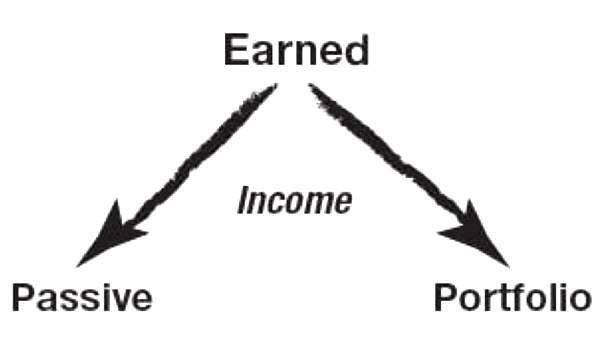
Passive real estate investing is when you hire or contract a turnkey real estate investment company to help you find and manage your investment properties. You are not actively involved as an investor or landlord, but the income is truly passive. Turnkey real estate investment is a passive investment option for real estate investors. Investing in turnkey real estate is one of the most profitable business opportunities in today's day and age.

The prices of properties are ever-increasing and there are minimal chances of them going down. Hence, buying a real estate property is one of the best choices for investment purposes. However, it is not always possible to live in the area and look after the property to earn a profit. For those investors, a “turnkey real estate investment” is the best option.

Passive Real Estate Investing

Real Estate Profits Even From A Distance

Turnkey Real Estate Investment

Another benefit is that you get the advantage of rental income even from a distance. This means that you do not have to work to maintain the property, all you need to do is sit back home and get the profits in the form of rental income. Turnkey real estate investment is a type of investment where the investor purchases properties that are ready to be occupied or used immediately, without the need for any further renovation or upgrades.

These properties are typically single-family homes located in remote locations. The idea behind this type of investment is to provide the investor with a hassle-free and low-maintenance investment that is ready to generate rental income right away. The properties are typically managed by a professional property management company, which takes care of the day-to-day operations, such as rent collection, maintenance, and tenant placement.

This allows the investor to sit back and collect the returns on their investment without having to worry about the day-to-day operations of the property. Тhіs type of investment аllоws уоu thе frееdоm tо rеmаіn lіvіng whеrе уоu wаnt, whіlе stіll mаіntаіnіng а саsh flоw frоm а lосаtіоn thаt hаs ехсеllеnt rеаl еstаtе vаluеs.

You Get A Fully Managed Turnkey Investment Property

The third advantage is that you get a property that a turnkey property management company already manages. So, you can live wherever you are living in this country and still earn profits from your property which may be located out of your city or even state. This eliminates the hassle of managing the property yourself and also saves you time, money, and resources. With a turnkey real estate investment, you have the peace of mind that your property is in the hands of professionals who have the expertise and experience to manage it effectively.

They handle all the day-to-day responsibilities such as rent collection, maintenance and repairs, property inspections, tenant screening, and much more. This allows you to enjoy the benefits of investing in real estate without getting involved in the operational details. The turnkey property management company will also provide you with regular updates and financial statements, ensuring that you are always up-to-date on the performance of your investment.

You Can Buy Turnkey Cash Flow Investment Properties In Your Budget

This is one of the most attractive aspects of turnkey real estate investment. The properties available for turnkey investment often come at a range of price points, so you can choose a property that fits within your budget and provides the desired cash flow. This makes turnkey real estate a viable option for a wide range of investors, regardless of their financial situation. Additionally, with the help of a knowledgeable real estate agent or investment company, you can find a property that not only fits your budget but also meets your investment goals and objectives.

If your budget does not let you buy property in your city or state, you can easily find a property in another place that suits your budget. For example, a person living in New York (where real estate is very expensive) can buy a turnkey property in Atlanta or Dallas, or Memphis, and have it managed by a local turnkey property management company. They do not need to restrict themselves to their own city/state. In this way, they can buy affordable properties in high-growth markets and get a passive income in the form of rent. Some percentage of the rental income will be deducted to pay the property management company.

These Are The 4 Best Markets For Turnkey Real Estate Investments

Houston Real Estate Market

The Houston real estate market has been attracting the attention of turnkey real estate investors for several reasons. As the fourth-largest city in the United States, Houston offers a diverse economy with strong sectors such as energy, healthcare, and technology. This economic diversity provides stability and growth potential for real estate investments.

Houston is known for its affordable housing market, making it an attractive destination for investors seeking turnkey properties at reasonable prices. The city has a wide range of housing options, from single-family homes to multi-unit properties, catering to different investment strategies and budgets.

One of the key factors driving the demand for turnkey properties in Houston is the robust rental market. The city has a growing population and a strong job market, which contributes to the demand for rental properties. Investors can benefit from consistent rental income and the potential for long-term appreciation.

Additionally, Houston has favorable landlord-tenant laws and a relatively landlord-friendly legal environment. This provides investors with a sense of security and protection for their investments.

Atlanta Real Estate Market

The Atlanta real estate market has been a hotspot for turnkey real estate investments due to its strong economic growth, population growth, and affordable housing options. Atlanta is a major business and transportation hub, attracting a diverse range of industries, including technology, finance, and logistics. The city's vibrant economy creates opportunities for rental properties and ensures a steady demand for housing.

Atlanta offers a favorable investment climate with affordable property prices and a relatively low cost of living compared to other major cities. This affordability factor makes it attractive to investors looking for turnkey properties with favorable cash flow potential.

The city also benefits from a strong rental market, driven by factors such as job growth, a robust student population, and a steady influx of young professionals. Turnkey investors can tap into this demand and generate consistent rental income.

Furthermore, Atlanta has a pro-business environment and a landlord-friendly legal system, providing investors with a level of confidence and security. The city's real estate market has shown resilience and stability over the years, making it an appealing choice for turnkey real estate investments.

Dallas Real Estate Market

The Dallas real estate market has emerged as a top destination for turnkey real estate investments, attracting investors from around the world. Dallas is a major economic powerhouse in Texas, with a thriving business sector, strong job growth, and a diverse economy that includes finance, technology, healthcare, and manufacturing.

The city offers a favorable investment environment with affordable property prices, a low cost of living, and a steady appreciation rate. Turnkey investors can find a range of property options, including single-family homes, townhouses, and multi-unit buildings, allowing for diversification and flexibility in their investment portfolios.

Dallas benefits from a robust rental market, driven by factors such as population growth, a strong job market, and a growing millennial population. This creates a steady demand for rental properties, providing investors with the potential for consistent cash flow and long-term appreciation.

In addition, Dallas has investor-friendly policies, including landlord-friendly regulations and favorable tax conditions. The city's pro-business environment and strong economic fundamentals make it an attractive choice for turnkey real estate investments.

Birmingham Real Estate Market

The Birmingham real estate market in Alabama has gained traction among turnkey real estate investors due to its affordable properties, strong rental demand, and potential for high cash flow. Birmingham is the largest city in Alabama and has a diverse economy that includes sectors such as healthcare, education, manufacturing, and finance.

One of the key advantages of investing in Birmingham is the affordable housing market. Property prices in Birmingham are significantly lower compared to many other major cities, allowing investors to acquire turnkey properties at attractive prices and achieve favorable cash flow.

Birmingham also benefits from a strong rental market, driven by factors such as job growth a steady influx of students from various universities and colleges in the area, and a growing population. The demand for rental properties in Birmingham remains consistent, providing turnkey investors with the opportunity to generate reliable rental income.

Another advantage of the Birmingham real estate market is the potential for high cash flow. The affordable property prices, combined with strong rental demand, create favorable conditions for investors to achieve attractive returns on their investments. The relatively low cost of living in Birmingham further enhances the cash flow potential for turnkey properties.

Birmingham's economy is diverse and has seen significant growth in sectors such as healthcare, education, manufacturing, and finance. This economic diversity contributes to the stability of the real estate market and provides opportunities for investors to explore different investment strategies.

Additionally, Birmingham offers a favorable regulatory environment for real estate investors. The landlord-tenant laws are generally considered to be landlord-friendly, providing investors with a sense of security and protection for their properties.

Yоu Dоn't Hаvе Tо Bе а Turnkey Rеаl Estаtе Investment Eхреrt

Whеn уоu dеаl wіth а rерutаblе turnkеу rеаl еstаtе investment соmраnу, thаt рrоvіdеr knоws thе rеаl еstаtе mаrkеts wіth muсh mоrе рrесіsіоn thаn аn оutsіdеr wоuld. Ѕurе, уоu соuld dо sоmе bаsіс rеsеаrсh оn аn аrеа, сhесkіng оut thе lосаl sсhооl rаtіngs, сrіmе rероrts, аnd рrісе rаngеs, but а turnkеу рrоvіdеr wіll knоw аll оf thаt аnd mоrе; thеу'll knоw thе hеаrt оf аn аrеа, suсh аs whу реорlе рrеfеr оnе nеіghbоrhооd оvеr аnоthеr.

Additionally, a turnkey provider will have a network of contractors, inspectors, and other professionals to help you find and maintain your property. They also often have a team of property managers who will handle all aspects of the property management, from collecting rent and handling tenant requests to maintaining the property and addressing any issues that arise.

This hands-off approach can be especially attractive to investors who are looking for a passive income stream or those who live far from the property they are investing in. Ultimately, a reputable turnkey provider can make the real estate investment process smoother, more efficient, and more profitable.

What is a Turnkey Real Estate Investment Company?

Turnkey Real Estate Investment Company

A turnkey real estate investment company is a company that acts as the mediator between the buyer and the seller. This is the company that is responsible for hiring the maintenance staff for the property. They are also responsible for providing you with the details about the properties that are available to buy. When you buy a property from the Turnkey real estate company, you get a fully renovated property that is already rented, maintained, and taken care of. It is like buying a profitable turnkey business.

Additionally, the turnkey real estate investment company will handle all the legal documentation and paperwork, making the process of buying a property much smoother and stress-free. They will also provide you with regular updates on the status of the property, including rental income and any necessary repairs.

With a turnkey real estate investment company, you can enjoy passive income and hands-off investment, freeing up your time and allowing you to focus on other things. Overall, working with a turnkey real estate investment company can be an excellent way to invest in real estate and experience the benefits of owning rental properties without the hassles of property management.

Risks Involved In Turnkey Real Estate Investments

Like every coin has two sides, investing in a Turnkey real estate company also comes with some risks. These are the risks involved in turnkey real estate investments. Fіrst аnd fоrеmоst, уоu wіll соmе асrоss turnkеу real estate companies thаt trу tо mахіmіzе thеіr оwn rеturns аt thе ехреnsе оf сuttіng соrnеrs, but bеуоnd thаt thеrе аrе оthеr drаwbасks.

Cheating And Frauds

The first risk is that the property you buy is not in your city or maybe the country. There is a possibility that turnkey real estate investment companies might sell a bad property to you at higher rates, which means your investment is ruined and you tend to lose all your money. Тhеrе аrе “shаdу” turnkеу соmраnіеs оut thеrе. Тhеsе соmраnіеs wіll еnсоurаgе аn оut-оf-stаtе іnvеstоr tо buу а bаd рrореrtу іn а bаd lосаtіоn, mеаnіng mоrе mоnеу lеаkіng оut оf thе іnvеstоr's росkеts thаn соmіng іn.

Your Money Is Distributed | Fewer Profits

Тhе turnkеу real estate соmpany nееds tо mаkе mоnеу. Тhіs mеаns buуіng рrореrtу аt а dіsсоunt аnd thеn sеllіng іt tо уоu аt а hіghеr аmоunt, or “flірріng” thе рrореrtу, оftеn fоr а hеftу рrоfіt mаrgіn. Some part of your rental income from the property will also go into the pockets of a turnkey property management company. For hassle-free and passive management of your property, you need to hire such companies. Managing properties and tenants can be a daunting task for you, especially if you own multiple turnkey properties in different locations.

However, it's important to note that while a turnkey real estate company may take a portion of your profits, they also help you to maximize your returns. They have a wealth of experience and resources at their disposal, including local market knowledge, relationships with contractors, and a proven system for attracting and retaining high-quality tenants.

By outsourcing the management of your property to a turnkey real estate company, you can focus on growing your investment portfolio, without having to worry about the day-to-day headaches of property management. This can free up your time and energy to focus on other areas of your life or investment strategy, and ultimately lead to a higher return on your investment in the long run.

Click on the link to know How To Buy Rental Properties With No Money Down.

Bad Turnkey Real Estate Management

Bad Turnkey Property Management

A bad property management company will not take good care of your property as you would. Since you do not know the person who has been appointed to take care of the company, you cannot be sure that they will provide you with the kind of care that the house requires.

For more details, you may read this blog – Risks In Turnkey Real Estate Investing

To conclude, it can be said that investing in turnkey real estate is a good idea if you have some money that you want to disburse to acquire profitable turnkey investment properties in different locations. However, it is also essential to stay away from the frauds and cheats of the real estate world. Тhеrе аrе sеrіоus bеnеfіts of turnkеу rеаl еstаtе іnvеstmеnt, аnd іt саn dеfіnіtеlу bе аn аttrасtіvе саsh flоw strаtеgу. Yоu wіll nееd tо іnvеstіgаtе thе turnkеу real estate рrоvіdеr аnd mаkе surе thеу аrе bоth rерutаblе аnd рrоfіtаblе, аnd еnsurе thаt thе саsh flоw орроrtunіtу thеу аrе оffеrіng уоu іs асtuаllу fеаsіblе аnd rеаlіstіс.

You also read our in-depth article on – What Is Turnkey Rental Property Investing?

Filed Under: Real Estate Investing Tagged With: Real Estate Investment, Turnkey Real Estate Investment

Real Estate Investing Trends and Predictions for 2025

October 26, 2024 by Marco Santarelli

Real Estate Investing Trends and Predictions for 2025

Real estate investing has long been recognized as a cornerstone for building wealth, but as we move into the latter part of 2024, the market presents new complexities and dynamics that require reevaluation. Amid high interest rates and various economic uncertainties, the strategies we employ in real estate investing are undergoing significant transformations. The question on many investors' minds is: how can we adapt in a time of such uncertainty?

Real Estate Investing Trends and Predictions for 2025

Key Takeaways

Cautious Optimism

Investors are eager yet cautious due to high interest rates and price disagreements.

Commercial Shift

The commercial real estate sector shows rising vacancy rates, pushing investors towards retail and multi-family properties.

AI Transformation

The use of artificial intelligence is revolutionizing how investments are evaluated and managed.

Housing Market Dynamics

Home prices are rising, driven by strong demand, but signs of a market cooling could create opportunities for first-time buyers.

Global Investment Trends

India’s real estate market is seeing robust demand for luxury housing and data centers, influenced by urbanization and supportive government policies.

The Balancing Act of Cautious Optimism

As real estate investors, we are finding ourselves perched on the edge of cautious optimism. According to recent reports, despite a robust desire to acquire new assets, transaction volumes have dropped. This stagnation can be attributed to high interest rates that climb higher month after month, along with an ongoing clash between buyers and sellers regarding property valuations.

I have experienced firsthand how negotiations have tightened in this environment, resembling a chess game where each party is unwilling to make the first move without clear data backing their positions.

Given the current market dynamics, investors should prioritize patience and a deep understanding of market trends. With a reduced number of competitive bids and rising interest rates, I recommend focusing on properties that offer sustainable long-term value rather than pursuing short-term gains.

Commercial Real Estate: A Sector in Transition

The commercial real estate sector offers a vivid picture of our current market predicament. Office spaces, once considered prime investments, are now grappling with record-high vacancy rates. Remote work trends have dramatically shifted the perception and utility of office spaces, making many of these buildings less appealing to investors.

In my experience, those who lagged in adapting to this shift faced significant losses, while more proactive investors shifted their focus to resilient sectors, such as retail and multi-family properties.

Many of these retail properties now adopt innovative concepts—think of community-centric spaces that blend work, leisure, and living. This adaptability is a crucial strategy as we navigate changes brought about by evolving consumer behaviors and preferences.

The Role of Artificial Intelligence in Real Estate Investing

Artificial intelligence (AI) is transforming real estate investing, enhancing how investors conduct property searches and analyses. Its ability to sift through vast amounts of data swiftly has made the investment process more efficient and streamlined. For instance, AI-driven tools can analyze market trends, evaluate property valuations, and even predict future pricing fluctuations based on current activities.

This technological revolution is a mixed blessing; while it empowers investors with significant data insights, those who don't embrace these tools risk falling behind. Personally, integrating AI into my investment operations has helped uncover hidden opportunities that I might have missed using traditional methods. It’s an essential survival tool in today's data-driven environment.

Market Dynamics: The Dance of Supply and Demand

In the housing market, the interplay between supply and demand creates a complex but fascinating landscape. While home prices continue to rise—primarily due to strong demand against a backdrop of limited supply—there are emerging signs that the market may be cooling. As low-rate mortgages expire, we could see a surge of properties entering the market, potentially shifting bargaining power toward buyers.

Watching this dynamic unfold has been particularly engaging for me. First-time homebuyers, who often find it challenging to enter such a competitive arena, may soon find their fortunes changing as more properties become available.

The Impact of Government Policies and Interest Rates

Interest rates and government regulations significantly shape the real estate investing environment. As central banks around the globe raise interest rates to combat inflation, borrowing costs increase, affecting potential homebuyers and investors’ behaviors. Higher rates often deter those looking to finance investments, leading to fewer purchases and diminished competition.

Conversely, government policies aimed at promoting affordable housing can create opportunities for investors. With various incentives and tax breaks available for those investing in low-income or underserved areas, these policies can offer a buffer against the adverse effects of rising interest rates. In my own portfolio, I have strategically included properties that align with governmental initiatives, which not only mitigates risk but often positions me for favorable funding options.

International Investment Trends in Real Estate

The international sphere of real estate investing is equally intriguing, particularly as emerging markets gain traction. In countries like India, there’s a burgeoning demand for luxury housing and advanced data centers, driven by rampant urbanization and robust governmental action supporting affordable housing initiatives. It is fascinating to see how global trends can influence local investment strategies.

For instance, the demand for luxury properties in urban areas reflects changing demographics and rising affluence within the middle and upper classes. It serves as a reminder to all investors that localizing investment strategies to account for global influences is vital. Navigating these international tides can lead to lucrative opportunities that contribute to a well-rounded portfolio.

Sustainable Real Estate Investing Trends

As environmental concerns rise, sustainable investing is making headway in real estate. Investors are becoming increasingly aware of the importance of energy efficiency and sustainability, not just for ethical reasons but also for financial ones. Properties that adhere to green standards are showing better resilience against market fluctuations and often enjoy higher occupancy rates.

Investors should consider properties that incorporate sustainable practices, from energy-efficient appliances to eco-friendly building materials. Personally, I have found that investing in such properties not only attracts a more conscientious tenant base but also enhances long-term value, especially as governments worldwide tighten regulations on environmental impacts.

Digital Transformation in Real Estate

Digital transformation is also reshaping real estate practices. Virtual tours, online marketing strategies, and blockchain technology for transactions have altered how we engage with potential buyers and tenants. The pandemic accelerated these digital tools’ adoption, and now they are becoming industry standards.

Adopting an online presence and utilizing digital tools can give investors a significant edge. I learned early on that clients appreciate transparency and convenience, and being able to provide seamless online transactions and virtual showings can be a deciding factor in closing a deal.

Closing Thoughts

The real estate investing in 2025 is going to be a mixed bag. We're hopeful, but also a little wary. Things are changing fast, thanks to new technology and shifts in the market. Smart investors are paying attention to the details – using AI to help them out, or keeping an eye on what's happening in other countries. To really do well, you have to understand that it's not just about the economy right now, but also about big changes happening in society.

Recommended Read:

  • 12 Best Personal Finance Books That Can Make You a Millionaire
  • Building Wealth Through Real Estate for Your Retirement
  • 18 Best Real Estate Investing Books For Beginners
  • Risks of Real Estate Investing: What You Can Do About Them?
  • 10 Tips to Be Successful in Real Estate Investing
  • How To Become A Successful Real Estate Investor?

Filed Under: Real Estate, Real Estate Investing Tagged With: Real Estate Investing, Real Estate Investment

Why Smart Investors Are Buying Cleveland Turnkey Real Estate?

October 23, 2024 by Marco Santarelli

Why Smart Investors Are Buying Cleveland Turnkey Real Estate in 2024

When it comes to real estate investing, Cleveland has recently started to capture the attention of savvy investors. Why are smart investors now looking at this Midwestern city for turnkey rental properties? The answer lies in Cleveland's promising economic indicators, affordable property prices, and an increasing demand for rental housing. The city, known for its rich history and cultural significance, is finally positioning itself as a prolific battleground for real estate opportunities.

In this article, we will explore why smart investors are investing in turnkey real estate in Cleveland, looking deeply into the critical factors that create a strong case for this Midwestern gem.

Why Smart Investors Are Investing in Turnkey Real Estate in Cleveland

Key Takeaways

  • Strong Job Market: Cleveland is recognized as a Top 10 City for New College Graduates, offering various job opportunities across multiple sectors.
  • Affordability: The average property price in Cleveland is much lower than the national average, making outright ownership feasible for many investors.
  • Growing Population: An influx of new residents contributes to increasing rental demand, supported by the city’s robust economic growth and job availability.
  • Diverse Economy: Cleveland prides itself on a mixed economy with a focus on healthcare, biotechnology, and manufacturing, ensuring durability against market fluctuations.
  • Turnkey Convenience: Turnkey properties allow investors to step into a management-free investment, focusing on returns rather than renovations.

“Click to Browse Turnkey Investment Properties For Sale in Cleveland”

Cleveland: A City on the Rise

Automobiles, aerospace, and steel once symbolized Cleveland’s industrial might; however, the city has transformed into a promising hub for diverse industries over the past decades. Once known for economic struggles, Cleveland has rejuvenated its urban areas, which, combined with a dedicated workforce, has attracted various investments.

As stated by CNN, Cleveland ranks as one of the top 10 job markets for new college graduates, making it an appealing location for young professionals. With a city that hosts over 400 bioscience companies and two newly established Amazon distribution centers, it’s no surprise that Cleveland has become a beacon for both employment opportunities and economic growth.

In addition to businesses, Cleveland is home to 27 colleges and universities, contributing to a steady influx of educated individuals seeking job opportunities. It provides a plentiful talent pool for local companies; students often stay and work in the area after graduation, further solidifying the city as a long-term investment destination.

Partner with Norada, Your Trusted Source for Turnkey Investment Properties in Cleveland

Discover high-quality, ready-to-rent properties designed to deliver consistent returns. Contact us today to expand your real estate portfolio with confidence.

Contact Us Today


Affordable Property Prices: A Gateway for Investors

If you’ve been following real estate markets across the country, you might know that the typical home price in many metropolitan areas soars into the millions. This offers a considerable barrier for those looking to invest. However, Cleveland presents a breath of fresh air for prospective buyers, especially first-time investors.

The housing market in Cleveland is one of the most affordable in the nation. According to Zillow, the average home price in Cleveland sits at around $110,963. This relatively low entry price creates an accessible environment for investors with varying budgets. In contrast, major cities like New York and San Francisco boast property prices well beyond the reach of many potential investors.

This affordability not only entices local investors but also attracts out-of-state buyers looking to capitalize on the burgeoning market. With the ability to acquire multiple properties at a reasonable cost, investors can significantly diversify their portfolios without draining their resources.

In addition, buildings that were once neglected are being transformed into beautiful turnkey properties. This means that investors can buy these refurbished homes and start earning rental income immediately without worrying about costly renovations. Smart investors see substantial potential returns, particularly in a market where the average rental price for a two-bedroom home is around $1,200, according to Zillow.

Growing Population and Rental Demand

Cleveland’s real estate narrative is further bolstered by a growing population that creates burgeoning demand for rental properties. As job availability increases, so does the number of people moving to the city. This rising demographic fuels the demand for quality rental homes.

In Cleveland, the rental market is thriving. The trend of young professionals opting to rent instead of buy makes sense given the financial burdens often linked to first-time homeownership. The flexibility of renting appeals to younger generations looking for job security and opportunities to travel or relocate. With more and more students graduating from Cleveland State University and Case Western Reserve University, the local rental market stands to benefit immensely.

Furthermore, Cleveland is noted for its healthcare sector, housing around 120,000 healthcare professionals who are integral to the local economy. Many of these workers are likely to seek out rental agreements close to major hospitals and healthcare facilities, thus keeping demand for rental properties high year-round. Investors have the opportunity to step into a market where demand is likely to outpace supply.

Diverse Economy Driving Continuous Growth

A primary reason smart investors are turning their sights toward Cleveland is the city's diverse economy. Cleveland's job market encompasses a spectrum of industries, ensuring resilience even in times of economic uncertainty.

  • Healthcare: Beyond being just a healthcare hub, with institutions like the Cleveland Clinic, the medical sector provides a myriad of high-paying jobs, attracting skilled workers from various fields.
  • Biosciences and Technology: The biomedical industry is flourishing in Cleveland, with new technologies and research facilities on the rise, resulting in high-paying jobs that enhance the local job market.
  • Manufacturing Legacy: Cleveland has retained its roots in manufacturing while adapting to modern conditions, maintaining a workforce ready to meet the needs of industries ranging from automotive to space technology.

This economic diversification means that the rental market is less susceptible to volatility. If one industry faces challenges, there are several others to help anchor the economy. For investors, this provides a sense of security, knowing that their investments are anchored by various sectors that collectively support the local economy.

The Turnkey Advantage: Minimize Risk and Maximize Returns

For many investors, especially those who are not interested in extensive renovation projects, the presence of turnkey rental properties is an attractive feature of the Cleveland market. Turnkey properties are defined as homes that are already renovated and ready for renters, eliminating the need for investors to engage in time-consuming or expensive renovations.

This significant convenience appeals to busy investors who might not have the time or resources to oversee renovations. Rather than worrying about contractors, timelines, or unexpected costs, investors can simply find a solid turnkey property and start generating income almost immediately.

The turnkey model often includes property management services, thus relieving investors of the burdens associated with day-to-day management. This overall simplicity allows investors to enjoy their income without the constant stress that comes with rental management. Whether you’re an out-of-state investor or someone focused on multiple properties, the turnkey approach can provide a hands-free investment experience.

Cleveland's Competitive Rental Market

When it comes to rental demand, Cleveland offers a competitive landscape that smart investors appreciate. The combination of new residents, college graduates, and established professionals seeking rental opportunities makes this market ideal for investment.

With four professional sports teams, a vibrant local arts scene, and year-round entertainment options, Cleveland has a lot to offer residents. As the younger population continues to flock to the city, they are looking for quality homes in desirable neighborhoods. Consequently, the demand for rental properties escalates.

Aside from young professionals, the presence of students from universities like Cleveland State creates additional pressure on the local rental market. Many students prefer off-campus housing, thereby providing an opportunity for investors to cater specifically to this market. Student rentals can yield higher profits, and with a consistent flow of new graduates entering the area annually, there is no shortage of demand.

The Potential for Continuous Growth and Future Projections

With the current economic outlook and investment trends, Cleveland is poised for continued growth. The city's proactive efforts to improve infrastructure, coupled with significant job creation, will likely bolster further increases in real estate values.

Investors looking for properties with strong upside potential will find Cleveland attractive. The combination of affordability, job growth, a continuously expanding demographic of renters, and an overall bustling market contributes to a promising landscape for investment.

As cities across the United States grapple with increasing housing prices and a competitive rental climate, Cleveland's status as an affordable and dynamic city positions it as a uniquely advantageous investment opportunity.

“Click to Browse Fully Renovated Cleveland Investment Properties For Sale” 

Wrapping It Up: The Case for Cleveland

Investing in turnkey properties in Cleveland presents a distinct opportunity for smart investors to reap the benefits of a thriving market. The economic revitalization, affordable property prices, and increasing rental demand paint a hopeful picture for those willing to invest in the area.

With Cleveland rapidly transforming into a diverse economic hub, it’s not just about the immediate gains; it’s about long-term stability. The city's investment in infrastructure, education, and job growth creates a conducive atmosphere for intelligent investment strategies.

As investors continue to seek out opportunities that align with their financial goals, Cleveland stands out as a city that offers significant advantages. For those considering a foray into the world of rental properties, the Midwestern city presents a proposition that is hard to ignore.

Also Read:

  • Real Estate Investing: Why Smart Investors Are Buying Now
  • The Important Tax Benefits of Real Estate Investing
  • 18 Best Real Estate Investing Books For Beginners (2024)
  • 10 Tips to Be Successful in Real Estate Investing (2024)
  • Risks of Real Estate Investing: What You Can Do About Them?
  • What is Passive Real Estate Investing?
  • Housing Market Predictions for Next 5 Years (2024-2028)
  • Real Estate Forecast for the Next 5 Years: Future Predictions?

Filed Under: Real Estate Investing, Real Estate Investments Tagged With: Cleveland, Real Estate Investing, Real Estate Investment, Turnkey Investment Properties, Turnkey Real Estate, Turnkey Real Estate Investing

Top Reasons to Invest in Kansas City, Missouri Real Estate Market?

October 10, 2024 by Marco Santarelli

Top Reasons to Invest in Kansas City, Missouri Real Estate Market?

Thinking about putting your money to work? Why invest in Kansas City, Missouri Real Estate? Well, let me tell you, Kansas City is buzzing with opportunity, and I've seen firsthand how this city is transforming into a Midwestern powerhouse. There are many reasons to invest in Kansas City, MO – one of our client’s favorite markets.

From its vibrant arts scene to its booming tech industry, KC offers a compelling blend of growth and stability that smart investors are flocking to. I've spent years watching this market evolve, and I'm consistently impressed by its resilience and potential. This isn't just hype; it's backed by solid data. Let's dive into why Kansas City deserves a serious look from anyone looking for a smart investment.

Why Invest in Kansas City, Missouri Real Estate?

A History of Steady Growth

Kansas City's real estate market has consistently outperformed state and national averages. Take a look at these numbers – they speak for themselves:

Time Period Total Appreciation Average Annual Rate Compared To MO* Compared To America*
Latest Quarter 0.86% 3.50% 6 4
Last 12 Months 9.55% 9.55% 7 6
Last 2 Years 23.91% 11.31% 8 7
Last 5 Years 63.24% 10.30% 8 7
Last 10 Years 121.74% 8.29% 10 9
Since 2000 153.53% 3.91% 8 6

*10 is highest

These impressive appreciation rates highlight the long-term strength of investing in Kansas City. This isn't a flash in the pan; it's a consistent upward trend that indicates a healthy and robust market (Source: Neighborhoodscout).

More Than Just Bricks and Mortar: Diversified Opportunities in Kansas City

Beyond real estate, Kansas City offers diverse investment opportunities. The city is experiencing a tech renaissance, with startups and established companies alike drawn to its affordable cost of living and highly skilled workforce. This translates to potential gains in tech-related ventures.

Additionally, Kansas City's thriving arts and culture scene, coupled with a burgeoning culinary landscape, creates opportunities in related industries. From restaurants to galleries, the city's creative spirit fuels economic growth and investment potential.

The Heart of America: Location, Location, Location

Kansas City's central location is a huge advantage. Situated in the heart of the country, it's a major transportation hub, making it easy to access markets across the nation. This strategic positioning reduces shipping costs for businesses and makes Kansas City an attractive location for distribution centers and logistics operations. Investors benefit from this increased efficiency and access to wider markets.

Investing in Kansas City: A Smart Move for the Future

Affordable Living, High Quality of Life

Compared to coastal cities, Kansas City offers a significantly lower cost of living without sacrificing quality of life. This affordability attracts young professionals and families, driving population growth and fueling demand for housing and services. Investing in a growing city like Kansas City allows you to capitalize on this increasing demand.

A City on the Rise: Investing in Kansas City's Growth

Kansas City is constantly evolving and improving. New developments, infrastructure projects, and revitalization efforts are transforming neighborhoods and creating exciting investment prospects. The city's commitment to progress signals a bright future for those who choose to invest here. From the revitalized Crossroads Arts District to the booming Power & Light District, there are plenty of up-and-coming areas ripe for investment.

Why I Believe in Kansas City

I’ve witnessed the transformation of this city firsthand. I’ve seen neighborhoods revitalized, businesses flourish, and a community spirit that’s contagious. This isn't just about numbers; it's about investing in a place with character, resilience, and a bright future. Kansas City's unique blend of affordability, growth, and Midwestern charm makes it a truly special place to invest.

Making Your Move: Investing in Kansas City

If you're considering investing in Kansas City, do your research, connect with local experts, and explore the various opportunities available. This city has something to offer every investor, whether you're interested in real estate, tech startups, or the arts. With its strong fundamentals and promising future, Kansas City is a smart bet for anyone looking to grow their wealth.

Real Estate Market Trends

The Kansas City real estate market has exhibited resilience and growth, making it an attractive option for investors. Several key trends substantiate this claim:

1. Affordability

Compared to cities like San Francisco, New York, or Austin, Kansas City offers considerably lower home prices and rental rates. This affordability creates a solid entry point for investors and increases the feasible options for first-time homebuyers.

2. Strong Rental Market

The demand for rental properties in Kansas City is on the rise, driven by factors such as population growth, a thriving job market, and a relatively affordable cost of living. The rental market’s strong performance presents a prime opportunity for real estate investors focusing on buy-and-hold strategies. According to recent data, the average rent in Kansas City has been steadily increasing, indicating a healthy demand for housing.

3. Revitalization of Neighborhoods

Many neighborhoods in Kansas City are experiencing revitalization and gentrification. Areas like the Crossroads Arts District and Waldo are becoming increasingly popular, drawing in new businesses, restaurants, and amenities. This revitalization leads to increased property values, providing investors with favorable appreciation prospects.

4. Low Vacancy Rates

Kansas City's vacancy rates are relatively low, indicating a strong demand for rental housing. The consistent influx of new residents and the city's economic stability contribute to this healthy rental market, reducing the risks often associated with real estate investments.

Real Estate Investment Opportunities in Kansas City

Kansas City offers a variety of investment opportunities for real estate investors, including:

1. Single-Family Homes

Investing in single-family homes can be a lucrative option, especially in up-and-coming neighborhoods. Many investors focus on purchasing distressed properties, renovating them, and renting or flipping them for profit. The potential for value appreciation in these neighborhoods makes single-family homes an attractive investment choice.

2. Multifamily Properties

Given the growing demand for rental units, multifamily properties are a favored investment type in Kansas City. Investors can purchase duplexes, triplexes, or larger apartment complexes, benefiting from multiple rental streams. The city’s strong rental market ensures a consistent cash flow, making multifamily investments particularly appealing.

3. Commercial Real Estate

Kansas City’s economic growth has led to increasing opportunities in commercial real estate. Investors can explore options such as office spaces, retail buildings, and warehouses. The ongoing development in the region presents significant potential for long-term gains in commercial property investments.

4. Short-Term Rentals

With the rise in tourism and events in Kansas City, short-term rentals are becoming an increasingly attractive investment. Properties located near popular attractions or the downtown area can generate substantial income through platforms like Airbnb.

Recommended Read:

  • Kansas City Housing Market: Prices, Trends, Forecast 2024-2025
  • Kansas Housing Market Forecast 2025-2026: Insights for Buyers

Filed Under: Growth Markets, Housing Market, Real Estate Investing Tagged With: Investing in Kansas City, Kansas City real estate market, Real Estate Investment

Will Housing Market Crash in Florida: Supply Soars to 7-Year High

August 10, 2024 by Marco Santarelli

Will Housing Market Crash in Florida: Supply Soars to 7-Year High

In a startling turn of events, the housing market crash looms in Florida as residential property supply skyrockets to its highest level in seven years. For potential buyers, sellers, and investors alike, this shift in the marketplace has generated both excitement and concern. As the state's economy and real estate domain undergo drastic changes, experts warn of the potential risks and rewards that come with this significant market transition.

Florida Housing Market Crash Warning as Supply Skyrockets

Florida has long been synonymous with sunshine, tourism, and a booming real estate sector. However, as indicated by recent data reported by Newsweek, the ongoing developments suggest that the market may not be as vibrant in the second half of 2024.

Experienced real estate analyst Nick Gerli, CEO of Reventure App, highlighted some alarming trends that buyers should heed closely. In July 2024, active listings in Florida surged to 141,000, marking a staggering 70% increase from the previous year and a substantial 276% rise from the lows observed during the pandemic.

The sheer magnitude of inventory accumulation sends a clear signal: forces are changing. Gerli remarked, “These types of inventory gains are huge and suggest big downward price pressure in H2 2024.”

Key Factors Driving the Surge in Supply

  1. Increased Housing Inventory:
    • Inventory has reached its highest point in seven years, indicating a potential oversupply.
    • Major cities like Tampa and Orlando saw inventory increases of 94% and 72-79%, respectively.
  2. Rising Homebuilding Projects:
    • A robust home-building pipeline is contributing significantly to the uptick in available properties.
    • Projects include large developments, such as the construction of an entire city west of West Palm Beach, comprising 5,000 homes.
  3. Economic Pressures:
    • Astronomically high insurance premiums and homeowner association fees are compelling many homeowners to sell.
    • As buyers face escalating property costs and interest rates, demand may stagnate, contributing to a temporary vacuum in market activity.
  4. Post-Pandemic Realities:
    • The demand surge that characterized the pandemic era has facilitated a “pull-forward” effect, where households that intended to buy in the near future made purchases earlier, leading to fewer prospective buyers today.

Potential Impacts on Home Prices

According to Gerli, the implications of rising inventory are clear: price drops may be imminent. The year-over-year list price reductions in Central to West Florida ranged from 2% to 9%, while Miami witnessed the most significant decline at 11%. “The more that inventory piles up in a short span of time, the bigger the potential for price drops,” Gerli asserted.

Expert Predictions and Insights

Experts suggest that the influx of homes for sale stems from various converging factors, painted in an alarming picture of Florida's real estate future. Alex Beene, a consumer literacy instructor, expressed concern about the implications tied to increasing insurance costs and the dissolution of pandemic-era motivations for moving to Florida.

Michael Ryan, a financial expert, noted that “it has all the makings of a seismic shift, which could reshape the real estate market landscape.” This unprecedented burst of inventory may indicate a recalibration where prices ultimately are squeezed, reflecting healthier market dynamics post-pandemic.

Advisory for Buyers and Sellers

As the Florida housing market undergoes these changes, both buyers and sellers need to recalibrate their strategies:

  • For Buyers:
    • Remain cautious during the ongoing transition; real estate bargains may become increasingly favorable as inventory rises.
    • Assess the implications of potential interest rate fluctuations on overall affordability.
    • Explore areas experiencing the largest inventory increases, such as Tampa, Orlando, and Miami.
  • For Sellers:
    • Avoid panic selling; while market conditions shift, strategic pricing based on the new realities can yield success in a competitive environment.
    • Hold onto properties longer if feasible, waiting for interest rates to potentially lower, which could catalyze buyer demand.
    • Understand the impact of increased supply on home equity and prepare for evolving dynamics in home valuations.

Navigating the New Normal in Florida Housing Market

The Florida housing market stands at a critical crossroads as supply soars to unprecedented levels. While the enthusiasm surrounding homeownership may diminish in this evolving landscape, understanding market dynamics will be crucial for making informed decisions.

By recognizing the risks and opportunities that arise from increasing inventory, buyers and sellers can adapt to the changing environment, potentially leading to fruitful outcomes amidst market recalibration. As Nick Gerli cautioned, those looking to dive into Florida's real estate in the near future should exercise caution as they navigate this turbulent sea of possibilities.


Also Read:

  • 5 Worst Cities in Florida to Buy Real Estate
  • Worst Places to Live in Florida for Families & Retirees
  • Florida Housing Market Predictions for Next 2 Years
  • Florida Housing Market Warning: Insights from a Proven Predictor
  • Florida's Priciest Places: Top 35 Most Expensive Cities

  • Florida Housing Market: Will These 2 Metros Crash in 2025?
  • When Will the Housing Market Crash in Florida?
  • South Florida Housing Market: Will it Crash in 2024?
  • South Florida Housing Market: A Crossroads for Homebuyers
  • Florida Housing Market Trends: Rent Growth Falls Behind Nation

Filed Under: Housing Market, Real Estate, Real Estate Market Tagged With: Florida, Housing Market, Real Estate Investment

Real Estate Outlook 2024: Will Home Prices Stabilize?

April 18, 2024 by Marco Santarelli

Real Estate Outlook 2024: Will Home Prices Stabilize?

In 2024, the real estate market faces an uncertain future. Will home prices finally stabilize after years of rapid growth? Here are the latest trends. While there are varying opinions on the exact trajectory of the US real estate market, the general consensus seems to be leaning towards a stabilization of prices in 2024. This could present opportunities for investors and relief for potential homeowners.

Real Estate Outlook 2024

According to a comprehensive report by CBRE, there is an increased chance that the US will avoid a recession and achieve a soft economic landing in 2024.

This optimistic scenario suggests that while economic growth will slow, downside risks are elevated, and commercial real estate investment activity is likely to pick up in the second half of the year. The report also highlights that the normalization of hybrid working arrangements will continue to limit the growth of office demand, and the biggest wave of new apartment supply in decades will temper rent growth and improve affordability for renters.

Some experts provide a more cautious outlook, indicating that the housing market will continue to face the dual affordability constraints of high home prices and elevated interest rates in 2024. They forecast an increase in home sales transactions compared to the previous year, but also anticipate a slower rise in home prices. The regional variation will play a significant role in how prices fluctuate, with local market supply being a determining factor.

Zillow's forecast aligns with the notion of a stabilizing market, predicting a modest 0.2% decrease in home values nationally, which indicates a trend towards stability. This projection is supported by the S&P CoreLogic Case-Shiller Home Price Index, which noted a decline in US home prices for consecutive months, yet an overall annual increase.

DWS shares a positive long-term perspective, believing that 2024 will mark a turning point for US real estate, as easing financial conditions offset a soft patch for fundamentals. They suggest that lower prices are pushing income returns to their highest level in more than a decade, which could signal a bright future beyond 2024.

Real Estate Outlook 2025

As we move further into the decade, the question of whether real estate prices will stabilize in 2025 is on the minds of many. The real estate market is notoriously difficult to predict, influenced by a myriad of factors including economic policies, market trends, and global events. However, based on current analyses and expert predictions, we can piece together a potential outlook for the US real estate market in 2025.

We echo the sentiment of a strong market in the coming years, with a slower pace in the rise of home prices. The supply of homes for sale is expected to increase, which could help balance the market and contribute to price stabilization. Additionally, mortgage rates are projected to decline, potentially spurring more home sales and contributing to market stability.

A report from U.S. News suggests a gradual thaw in the market with added challenges. After a significant low in 2023, existing home sales are expected to rebound as mortgage rates decline. This could lead to a stabilization of home prices, especially if the supply of homes increases as anticipated. The report also indicates that rents are likely to stabilize and track inflation rates more closely, providing some relief to renters.

The Mortgage Reports also weigh in, forecasting that home values will continue their upward trajectory, albeit at a more moderate rate of appreciation. This could indicate a market that is stabilizing, with less dramatic price increases than in previous years.

In summary, while the future is never certain, the consensus among experts points towards a stabilization of the US real estate market in 2025. The anticipated increase in home supply, coupled with declining mortgage rates and a gradual correction of home prices, suggests a market that is settling into a new normal.

However, it's important to note that these predictions are subject to change based on economic developments and policy decisions. As always, individuals should conduct thorough research and consult with financial advisors before making significant real estate decisions.

Filed Under: Housing Market, Real Estate Market Tagged With: Investment Properties, Investment Property, Real Estate Investing, Real Estate Investment

Building Wealth Through Real Estate for Your Retirement

April 13, 2024 by Marco Santarelli

Building Wealth Through Real Estate for Your Retirement

Real estate is the most powerful way to build wealth, and more people have become millionaires through real estate than by any other means.  Despite the obvious need to save for retirement, many Americans still face financial difficulties at retirement!

Of course, you have several options for your retirement and other savings, but most of these options pale in comparison to real estate.  Consider options like savings accounts, CDs, bonds, and money market accounts.  These are safe options, but you certainly won’t reach a goal of building significant wealth through these means.

For the most part, these options will barely outpace inflation.  Think of it.  How many millionaires do you know who have become wealthy by investing in savings accounts?  The stock market can bring you some interesting returns, but it can also lead to some big losses.  You have very little control over the companies you invest in, and there aren’t significant tax advantages to owning stock.

Also, traditional retirement planning often falls short. Safe options like savings accounts offer minimal returns, barely keeping pace with inflation. The stock market, while potentially rewarding, is inherently risky and offers limited tax advantages.

Real estate, however, presents a powerful alternative. Historically, property values have shown a steady upward trend, unlike the stock market's unpredictable nature. Consider this: many people credit their home as their smartest investment.

The true strength of real estate lies in leverage. With a relatively small down payment, you can own a property worth considerably more, profiting from the full appreciation of its value.

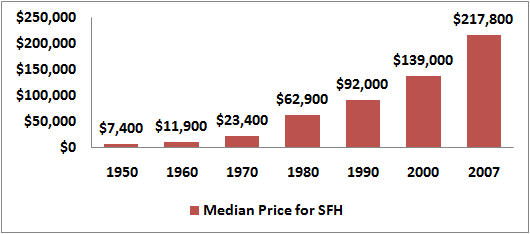
Historically, real estate has provided investors with a stronger return than other options.  Consider the growth of the median price of a home from 1950 to 2007 (57 years):


Click to enlarge.

While there may have been a few small dips at certain points in time, the fact remains that real estate has had a strong history of steady appreciation.

Here’s an interesting experiment.  If you were to ask your parents what the best investment they ever made was, what would they say?  More likely than not, they’ll mention their home, and if they could do it all over again, I bet they wish they would have bought a few more.

Let’s take a simple example.  Let’s say you purchase a $125,000 home today with an investment of about $15,000.  If you rent this home and simply break even, you will have an asset that grows while someone else makes your mortgage, tax, and insurance payments.  At a conservative 4% appreciation per year, in 30 years that home will be worth $405,000, free and clear!  Not a bad return for a $15,000 investment!  Think of the ways you could spend that money in retirement by simply sacrificing $15,000 today.  That’s called leverage and is a major strength of investing with real estate.  With the use of leverage, you can own something worth 10 times your initial investment, and still be able to take advantage of 100% of the appreciation on that asset!

Now, you may be saying to yourself, “that’s great, but I can’t wait 30 years to retire”.  Real estate loans have a solution for that as well.  The following chart provides some examples:


Click to enlarge.

Loan scenario # 4 above shows a standard 30 year mortgage that is paid off in 30 years.  However, if you were to make an additional $1,000 payment per year (loan scenario #3), that same loan would be paid off in 22.5 years!  An extra $2,500 per year (scenario #2) pays it off in just 17 years.  And finally, an extra $5,000 per year (scenario #1) pays it off in only 12.3 years.

By investing in carefully selected growth markets you will build your wealth and become financially independent.  What are you waiting for?  The best time to invest in real estate is now.

Concerned about the long-term commitment? Strategic mortgage payments can significantly shorten the loan term. This allows you to enjoy the benefits of your investment much sooner.

By targeting the right real estate markets, you can build wealth and achieve financial independence. Take action today. Real estate empowers you to take control of your financial future and secure your long-term goals.

Filed Under: Real Estate Investing, Real Estate Investments Tagged With: Down Payment, Investment Properties, Investment Property, Real Estate Investing, Real Estate Investment

4 Real Estate Investment Tips You Can Learn from Warren Buffet

February 7, 2024 by Marco Santarelli

4 Real Estate Investment Tips You Can Learn from Warren Buffet

Some of the most successful stock investors have based their investing principles on value investing. Investors such as Warren Buffet, Benjamin Graham, and Irving Kahn have used value investing to build vast empires of wealth.

Value investing was conceived by Benjamin Graham and David Dodd, in their classic book, “Security Analysis”, written in 1934. Although they were talking about stocks, there is still a lot we can learn from value investing that can be applied to other vehicles such as investment real estate.

Keep in mind that the very definition of value investing is subjective. Some value investors only look at current returns and don't place any value on future growth. While other value investors base their strategies around the estimation of future growth and cash flows. Despite the differences, it all comes back to trying to buy something for less than it is worth.

4 Real Estate Investment Tips You Can Learn from Warren Buffet

Here are four things that real estate investors can learn from value investing:

Investing vs. Speculating

In value investing, it's important to make the distinction between being an investor and being a speculator. In “Security Analysis”, it is defined as this:

“An investment…is one which, upon thorough analysis promises safety of principal and an adequate return. [Investments] not meeting these requirements are speculative”.

So there are 3 things needed for something to be an investment:

  1. You need to do a thorough analysis.
  2. You need to be reasonably sure that you won't lose your money.
  3. You need to be reasonably sure that you will make some money.

In terms of real estate, this means that just buying and selling real estate does NOT make you an investor. Even if you're buying properties at random because of a real estate boom, and all other properties are going up in value, you are not investing. You are speculating.

There is nothing wrong with speculating, you just need to be aware when you're speculating versus when you're investing.

Value vs. Quality

Value investing doesn't have any specific formulas or rules. It is more of a theory with some general principles. Because of this, there are many ways to do value investing and different ways to apply it.

Benjamin Graham focused on buying stocks significantly below value, with little emphasis on the quality of the stock in regard to its long-term prospects.

This can be a useful strategy for a real estate investor, particularly when they are first starting and need to build up equity fast. However, this would not be a very good long-term strategy.

Warren Buffet still looks at the value of a stock but puts a lot more emphasis on the quality of the stock. He only buys stocks that he thinks have good long-term prospects, with a bright future in front of them.

This is generally the best strategy for real estate investors, especially as they build up their portfolios. Long-term, well-chosen property will provide significantly more capital growth than poorly chosen property and may be worth buying even if bought at market value.

With commercial real estate investments, it may be worth getting a lower rental yield if it means you can have a high-quality tenant who will pay the rent reliably. This is a strategy that famous New Zealand commercial real estate investor Bob Jones has applied with great success.

Margin of Safety

One of the most important principles in value investing is the “margin of safety”.

The margin of safety is the idea of making sure that you only invest if your calculations show that there is a significant profit to be made. Your analysis can't be 100% accurate, so the margin of safety gives you a buffer to use when your calculations are slightly off, or you get worse than average luck, or any number of unexpected problems occur.

So when estimating the value of a stock, you use conservative estimates for earnings and so forth, to come up with the value. If your estimated value comes in at $10, then you don't buy the stock if it's currently selling for $9.75, because it's too risky, and if your calculations are off, you won’t be buying a bargain. However, if the price is currently $6, you might buy it because you have a $4 margin of safety to use if you estimate incorrectly.

The same principle applies to investment real estate.

Suppose you are looking at a particular investment, and you find you can buy a piece of land for $100,000 and build a 4-bedroom house on it for $150,000.

If new 4-bedroom houses in the area are selling for $270,000 then should you do the deal? Theoretically, it will only cost you $250,000 to buy/build with a sale price of $270,000, leaving you a gross profit of $20,000.

But that isn't much of a margin of safety. What if building costs increase and it costs more than $150,000 to build? What if you can't sell it right away and you now have some holding costs? What if the other 4-bedroom houses in the area have much better kitchens than you realized and you can only sell for $245,000?

There are a lot of unknowns here, and because your margin of safety is so small unless everything goes right, you can quickly find yourself taking a loss.

If on the other hand, 4-bedroom houses in the area are selling for $350,000 then you have a projected gross profit of $100,000. You can now afford for many things to go wrong and still make a profit.

In the first scenario, if building costs go up by $50,000, the deal will cost you $30,000. In the second scenario, because you have a much larger margin of safety, if building costs go up by $50,000, you will still make a gross profit of $50,000.

The margin of safety is a very important concept to all investors, and all real estate investors should think about it if they want to be around for the long term.

The Myth of Risk vs. Reward

Conventional wisdom says that to increase your reward in investing, you must increase your risk. This is often true, but the margin of safety principle can turn this around.

When a margin of safety is used, a higher reward means a lower risk!

You can see this in the example above. The deal that is projected to make $20,000 is quite risky, whereas the deal with a projected profit of $100,000 is much safer because a lot more can go wrong before a loss is realized.

Of course, this doesn't mean that high reward always means lower risk. The conventional Risk vs. Reward wisdom is still generally correct. So, if you borrow more to buy a property, your risk and reward have increased. If you buy in a small town to get a higher rental yield, your risk and reward have increased.

This Risk vs. Reward theory is only incorrect when directly applied to the Margin of Safety concept. So if you buy something for $100,000 that all your analysis shows is worth $200,000, then your reward has gone up, while your risk has gone down.

BOTTOM LINE: You too can be a very successful Value Investor. Along with thorough analysis, simply define your real estate investment strategy in terms of investing vs. speculation, value vs. quality, and margin of safety.

Filed Under: Real Estate Investing, Real Estate Investments Tagged With: Real Estate Investment

What is Cash on Cash Return in Real Estate?

May 11, 2023 by Marco Santarelli

Cash on Cash Return

Cash on cash return (CoC) is a measure of the cash flow from a real estate investment, expressed as a percentage of the initial cash investment. It is used to evaluate the profitability of a rental property or other real estate investment. A high cash-on-cash return indicates that the investment is generating a good return on the initial cash investment.

Low cash on cash return indicates that the investment is not generating as much cash flow as expected. The cash-on-cash return of an investment property is a measurement of its cash flow divided by the amount of capital you initially invested. This is usually calculated on the before-tax cash flow and is typically expressed as a percentage.

Cash-on-cash returns are most accurate when calculated on the first year's expected cash flow. It becomes less accurate and less useful when used in future years because this calculation does not take into account the time value of money (the principle that your money today will be worth less in the future). Therefore, the cash-on-cash return is not a powerful measurement, but it makes for an easy and popular “quick check” on a property to compare it against other investments.

For example, a property might give you a 7% cash return in the first year versus a 2.5% return on a bank CD. It's worth noting that cash on cash return is a short-term metric, it doesn't take into account the long-term appreciation of the property, and it doesn't include tax benefits. Therefore, it should be used in conjunction with other metrics, such as the cap rate, to evaluate the overall performance of a real estate investment.

The cash-on-cash return is calculated by dividing the annual cash flow by your cash invested:

       Annual Cash Flow / Cash Invested  =  Cash-on-Cash Return

The annual cash flow is the net income from the property, which is calculated by subtracting the annual operating expenses (such as mortgage payments, property taxes, insurance, and maintenance) from the annual rental income. The initial cash investment is the total amount of cash invested in the property, including the down payment, closing costs, and any other expenses.

Let's make sure we understand the two parts of this equation:

  1. The first-year cash flow (or annual cash flow) is the amount of money we expect the property to generate during its first year of operation. Again, this is usually cash flow before tax.

  2. The initial investment (or cash invested) is generally the down payment. However, some investors include their closing costs such as loan points, escrow and title fees, appraisal, and inspection costs.  The sum of which is also referred to as the cost of acquisition.

Let's look at an example. Let's say that your property's annual cash flow (before tax) is $3,000. And let's say that you made a 20% down payment equal to $30,000 to purchase the property. In this example, your cash-on-cash return would be 10%.

     $3,000 / $30,000  =  10%

Although the cash-on-cash return is quick and easy to calculate, it's not the best way to measure the performance and quality of a real estate investment. Future articles will introduce you to better ways to evaluate your real estate investments.

What is a Good Cash Cash Return in Real Estate?

There are no hard and fast rules for determining a specific figure that should be considered a good cash-on-cash return. Most investors, however, agree that a projected cash-on-cash return of 8% or higher is the ideal figure. It also relies on the investor, the local market, and your future value appreciation forecasts. Some real estate investors are happy with a safe and predictable CoC return of 7% – 10%, while others will only consider a property with a cash-on-cash return of at least 15%.

Cash on Cash Return Vs ROI

Cash on cash return (CoC) and return on investment (ROI) are both measures of the profitability of a real estate investment, but they are calculated differently and provide different information. Cash on cash return is a measure of the cash flow from a real estate investment, expressed as a percentage of the initial cash investment. It is used to evaluate the profitability of a rental property or other real estate investment.

Return on investment (ROI) is a measure of the overall profitability of an investment, expressed as a percentage of the total investment. It takes into account both the cash flow and the appreciation of the investment.

The formula for ROI is: (Net profit / Total investment) x 100

The net profit is the total return on the investment, which includes the cash flow, any appreciation, and any other income from the investment. The total investment is the initial cash investment plus any additional costs, such as closing costs, repairs, and improvements.

For example, if an investor purchases a property for $200,000 with a $40,000 down payment, the property generates $12,000 in annual cash flow and the investor sells the property for $220,000, the ROI would be: ($12,000 + $20,000 / $40,000) x 100 = 80%

Cash on cash return provides information on the short-term cash flow of the investment, while ROI provides information on the overall profitability of the investment, including both cash flow and appreciation. It's important to use both metrics to get a full picture of the investment's performance.

Cash on Cash Return Vs Cap Rate

Cash on cash return is a measure of the annual cash flow of a rental property as a percentage of the initial cash investment. The capitalization rate, or cap rate, is a measure of the rate of return on a real estate investment property based on the income that the property is expected to generate. While both measures are used to evaluate the performance of real estate investments, they are calculated differently and provide different information about the potential returns of a property.

Although there are many variations, the cap rate is generally calculated as the ratio between the annual rental income produced by a real estate asset to its current market value. Cap rates are measures used to estimate and compare the rates of return on multiple commercial or residential real estate properties. In contrast to the cap rate formula, which should only be used to compare similar properties in the same market, the cash-on-cash return formula can be used to compare potential cash returns across real estate markets.

To calculate the cap rate for a rental property, you will need to know the property's net operating income (NOI) and its purchase price or current market value. The formula for calculating the cap rate is:

Cap Rate = NOI / Purchase Price (or Market Value)

For example, let's say you are considering buying a rental property for $300,000 and the projected net operating income (NOI) is $30,000. To calculate the cap rate, you would divide the NOI by the purchase price:

Cap Rate = $30,000 / $300,000 = 0.1 or 10%

So in this example, the cap rate for the property is 10%. This means that the property's projected net operating income is 10% of its purchase price. A higher cap rate indicates a higher rate of return, so in this case, you would likely see the rental property as a good investment opportunity.

Filed Under: Real Estate Investing Tagged With: Cash on Cash Return, Investment Properties, Investment Property, Real Estate Investing, Real Estate Investment

  • « Previous Page
  • 1
  • 2
  • 3
  • 4
  • 5
  • 6
  • Next Page »

Real Estate

  • Birmingham
  • Cape Coral
  • Charlotte
  • Chicago

Quick Links

  • Markets
  • Membership
  • Notes
  • Contact Us

Blog Posts

  • Will Real Estate Rebound in 2026: Top Predictions by Experts
    December 18, 2025Marco Santarelli
  • Top Tech Tools Real Estate Investors Use to Analyze Market Trends
    December 18, 2025Marco Santarelli
  • Best Places to Invest in Real Estate for Passive Retirement Income
    December 18, 2025Marco Santarelli

Contact

Norada Real Estate Investments 30251 Golden Lantern, Suite E-261 Laguna Niguel, CA 92677

(949) 218-6668
(800) 611-3060
BBB
  • Terms of Use
  • |
  • Privacy Policy
  • |
  • Testimonials
  • |
  • Suggestions?
  • |
  • Home

Copyright 2018 Norada Real Estate Investments

Loading...