Norada Real Estate Investments

  • Home
  • Markets
  • Properties
  • Membership
  • Podcast
  • Learn
  • About
  • Contact

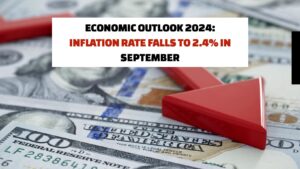
Economic Outlook 2024: Inflation Rate Falls to 2.4% in September

October 11, 2024 by Marco Santarelli

Economic Outlook 2024: Inflation Rate Falls to 2.4% in September

The US inflation rate fell to 2.4% in September 2024, marking a significant improvement in the nation's economic landscape. This is the lowest inflation rate recorded since February 2021, as reported by various sources, including the U.S. Bureau of Labor Statistics (BLS) and CNBC. This decrease in inflation is crucial for U.S. households, as it suggests a more stable economic environment where consumer prices are not rising as quickly as in previous years.

Economic Outlook 2024: US Inflation Rate Falls to 2.4% in September

Key Takeaways:

  • Inflation Rate: US inflation eased to 2.4% in September.
  • Lowest Level: This is the lowest rate since February 2021.
  • Consumer Prices: Consumer prices increased just 2.4% year-over-year.
  • Analyst Predictions: The US inflation rate is expected to average around 2.4% in 2024.
  • Morningstar expects inflation to average 2.4% in 2024, with core PCE inflation hitting 2.0% in the first quarter of 2025.
  • Trading Economics predicts the annual inflation rate to slow to 2.3% in September 2024, the lowest since February 2021.
  • Federal Planning Bureau Forecasts average consumer price inflation to be 3.1% in 2024.

Understanding Inflation and Its Importance

Inflation is measured by the Consumer Price Index (CPI), which tracks the price changes of a basket of goods and services over time. Keeping inflation in check is vital for economic health because it affects everything from purchasing power to interest rates. A lower inflation rate can indicate a recovering economy, where prices become more stable, and wages can keep pace with costs.

In September, the CPI reported a year-over-year increase of 2.4%. This figure was down from 2.5% in August, suggesting that the upward pressure on prices is easing. According to the BLS, this consistent decline in inflation marks six consecutive months of reductions, indicating that policies aimed at controlling inflation are starting to take effect (CBS News).

A Breakdown of the Numbers

Let’s explore the details surrounding this significant drop in inflation. The CPI analyses various categories of goods, and in recent months, some categories have seen minor price increases while others have shown stability. For instance, while prices for food and energy have been volatile, many other sectors experienced minimal change, contributing to the overall decrease in inflation.

  • Core CPI: This measure excludes food and energy prices to present a clearer view of inflation trends. The core CPI has also shown modest increases, indicating that persistent inflation is not entirely absent but is becoming more manageable.
  • Energy Prices: After experiencing significant surges earlier in the year, energy prices have stabilized, contributing to lower overall inflation rates.

What Does This Mean for Consumers?

For consumers, a lower inflation rate is a welcome change. It means that everyday expenses like groceries and housing are not rising as fast as they recently have. As reported by various analyses, the average American household has seen its income outpace inflation—this is a positive sign of economic recovery (PBS News). When inflation decreases, consumer purchasing power generally improves, allowing families to spend more on discretionary items and savings.

Moreover, this decreased inflation can influence Federal Reserve policies, which often make decisions about interest rates based on inflationary trends. Lower inflation may lead to more stable interest rates, benefiting consumers looking to borrow, such as for mortgages or auto loans.

Market Reactions to Inflation Trends

The financial markets closely monitor inflation data. A drop to 2.4% may prompt reactions from investors as they reassess risk and potential returns. Optimistic projections for inflation may stimulate spending and investment, while lower inflation may ease pressure on the Federal Reserve to raise interest rates aggressively.

The stock market generally responds positively to easing inflation, as companies can project better profit margins when prices stabilize. Additionally, consumers with improved purchasing power may stimulate further economic growth, creating a cycle of beneficial economic performance.

Economic Indicators Moving Forward

Looking ahead, several indicators suggest that inflation may continue to stabilize. Analysts are predicting a gradual decline by late 2024, as the economic fundamentals appear strong. Wage growth, unemployment rates, and consumer confidence are all considered barometers of future inflation trajectories.

According to economists, if inflation continues on this downward path, it could significantly shape U.S. monetary policy. The Federal Reserve, which has been grappling with inflationary pressures, may not need to implement severe measures to curtail inflationary behavior. Instead, moderate interest rate adjustments could suffice, fostering a more resilient economy.

The Bigger Picture: Global Economic Trends

U.S. inflation trends do not exist in a vacuum. It is vital to consider how global economic conditions influence domestic inflation rates. Supply chain issues, geopolitical tensions, and international trade dynamics all play a role in shaping consumer prices.

In recent months, the global economy has seen changes that could affect inflation, including energy price fluctuations due to conflicts in energy-rich regions and variability in shipping costs. These external factors could continue influencing the U.S. economy, affecting inflation trends even as domestic conditions improve.

My Opinion on Inflation

As an observer of economic trends, it is encouraging to see signs of inflation returning to normal levels. The impacts of high inflation can be devastating for families and businesses alike. The ability for the U.S. economy to balance inflation demonstrates resilience and a commitment to fostering a healthy financial environment.

The markets will remain vigilant, but as inflation decreases, there's a greater opportunity for innovation and investment, which can propel the economy further.

Also Read:

  • Inflation Trends 2024: Are We Winning the Battle Against Rising Prices?
  • Inflation Drops to 3-Year Low as Fed Eyes Interest Rate Cuts
  • US in Economic Crisis: Causes, Effects, and Preparedness Strategies
  • How Strong is the US Economy Today in 2024?
  • Economic Forecast: Will Economy See Brighter Days in 2024?
  • Will the Economy Recover in 2024?
  • Economic Forecast for Next 10 Years
  • Economic Forecast for the Next 5 Years
  • How Close Are We to Total Economic Collapse?

Filed Under: Economy, Trending News Tagged With: consumer prices, economic trends, Economy, inflation

Maine Housing Market: Trends and Forecast 2024-2025

October 11, 2024 by Marco Santarelli

Maine Housing Market

Thinking about buying or selling a home in Maine? You're probably wondering, “How is the Maine housing market doing currently?” Well, let's look at the latest trends and find out!

Maine Housing Market in 2024

The Maine housing market is currently experiencing steady growth, but it's still a bit of a puzzle. The average Maine home value is $407,143, which is a 4.7% increase from last year. Homes are selling fast, going pending in about 12 days. This tells us that there are plenty of buyers out there! However, even with this strong demand, there are some signs that the market might be cooling down a bit.

Maine Housing Market Trends

Here are a few key trends that are shaping the Maine housing market right now:

1. Rising Home Values:

  • Home values have been going up steadily, with a 4.7% increase over the past year. This means that if you own a home in Maine, your investment is likely growing.
  • The median sale price in July 2024 was $393,333, while the median list price in August 2024 was $424,967. This indicates that homes are generally selling close to their asking price.

2. Fast-Paced Sales:

  • Homes in Maine are selling quickly, with a median time to pending of just 12 days. This means that buyers need to be ready to act fast when they find a home they like.

3. Increasing Inventory:

  • While inventory is still relatively low, it has been increasing. In August 2024, there were 5,565 homes for sale in Maine. This is good news for buyers, as it gives them more options to choose from.

4. Competitive Bidding:

  • With strong demand and limited inventory, many homes in Maine are receiving multiple offers. In July 2024, 43.6% of sales were above the list price, while 40% were below the list price. This suggests that buyers are often willing to pay a premium to secure their dream home.

5. Regional Variations:

  • Real estate is all about location, and Maine is no exception. Home values and market conditions can vary significantly depending on the city or town. For example, the median home value in Sebec is $296,378, while in Dover-Foxcroft, it's $240,380. It's important to research specific areas to understand the local market trends.

What's Driving These Trends?

Several factors are contributing to the current state of the Maine housing market:

1. Low Mortgage Rates:

  • Mortgage rates have been historically low in recent years, making it more affordable for people to buy homes. While rates have been rising lately, they're still relatively attractive, supporting continued demand.

2. Strong Economy:

  • Maine's economy has been performing well, with low unemployment rates and job growth in several sectors. This economic stability is encouraging people to invest in real estate.

3. Population Growth:

  • Maine has seen a modest increase in population in recent years, driven by both domestic migration and an influx of people from other states. This population growth is adding to the demand for housing.

4. Limited New Construction:

  • The pace of new home construction in Maine has not kept up with the growing demand, contributing to the limited inventory and rising prices.

Maine Housing Market Forecast 2024-2025

  • All four MSAs in Maine show minimal price growth in the short term (September and November 2024).
  • However, by August 2025, all four MSAs are projected to experience significant price appreciation.

Augusta, ME is forecasted to have the highest growth at 4.4%, followed by Lewiston, ME at 3.8%. Portland, ME, and Bangor, ME, are projected to see growth rates of 3.3% and 3%, respectively (Zillow).

Predictions for the Future

It's always tough to predict the future of the housing market with certainty. However, based on current trends and expert opinions, here's what we might expect in Maine:

1. Continued Growth, but at a Slower Pace:

  • Home values are likely to continue rising, but the rate of appreciation may slow down compared to the recent past.

2. Increased Inventory:

  • As more sellers enter the market, inventory is expected to continue to rise, giving buyers more options.

3. More Balanced Market:

  • The Maine housing market is expected to gradually shift towards a more balanced market, with neither buyers nor sellers having a significant advantage.

4. Importance of Local Market Knowledge:

  • As always, it's crucial to understand the specific market conditions in the area where you're looking to buy or sell. Working with a knowledgeable local real estate agent can be invaluable in navigating the complexities of the market.

It is important to note that forecasts are subject to change and should not be considered definitive predictions.

Maine Housing Market – Key Data Points

Here's a quick overview of some key data points about the Maine housing market as of August 2024:

Metric Value
Typical Home Values $407,143
1-Year Value Change +4.7%
For Sale Inventory 5,565
New Listings 2,084
Median Sale to List Ratio 1.000
Median Sale Price $393,333
Median List Price $424,967
Percent of Sales Over List Price 43.6%
Percent of Sales Under List Price 40.0%
Median Days to Pending 12

Maine Real Estate Activity – Recent Past

While data from Zillow indicates a median time to pending of 12 days, information from the Maine Association of REALTORS® paints a slightly different picture. In August 2024, 1,535 single-family existing homes were sold, a 1.66% increase compared to August 2023. The median sales price for August 2024 reached $400,000, marking a 7.53% rise from the previous year.

Regional Variations:

Housing market trends in Maine are not uniform across the state. For example, while Cumberland County experienced a 4.88% increase in home sales during the rolling quarter (June-August 2024), Lincoln and Oxford counties saw declines of 18.06% and 13.57%, respectively. Median sales prices also varied widely, with Cumberland County reaching $592,000 while Aroostook County had a median sales price of $168,500.

Factors Influencing the Market:

Several factors contribute to these trends, including low mortgage rates (although they have been rising), a strong economy, and population growth. Limited new construction has also played a role in the limited inventory and rising prices.

Paul McKee, President of the Maine Association of REALTORS®, acknowledges the challenges posed by the supply-and-demand imbalance in the Maine housing market. He notes that while the number of homes for sale has almost doubled since February 2024, the 3.2-month supply level is still well below the six-month supply that indicates a balanced market.

Experts predict continued growth in the Maine housing market, but at a potentially slower pace. Increased inventory is expected as more sellers enter the market, leading to a more balanced market over time. The sources do not contain information on a possible forecast for 2026.

Recommended Read:

  • Housing Market Predictions for Next Year: Prices to Rise by 4.4%
  • Housing Market Predictions for the Next 4 Years: 2024 to 2028
  • Housing Market Predictions: Will Trump or Harris' Policies Help You?
  • Housing Market Predictions for Next 5 Years: 2025 to 2029
  • Housing Market Predictions After 2024 US Elections Are Over
  • Housing Market Predictions 2027 by Moodys and Goldman Sachs

Filed Under: Growth Markets, Housing Market Tagged With: Maine Home Prices, Maine Housing Market, Maine Housing Market Forecast, Maine Real Estate Market

Is It a Buyer’s Market Right Now?

October 11, 2024 by Marco Santarelli

Is It a Buyer's Market Right Now?

Is it really a good time to buy a house right now as we approach the last quarter of 2024? Lots of experts say yes, it's a buyer's market. Basically, there are more houses for sale and interest rates are changing, giving buyers more power. But it's not that simple. A lot of other things are happening too, which makes the whole housing situation kind of confusing. This article is going to break it all down. We'll look at the latest trends, the numbers, and some expert advice to help you figure out what's going on in the real estate world.

Is It a Buyer's Real Estate Market Right Now?

Key Takeaways

  • Increased Inventory: An uptick in available homes offers buyers more choices.
  • Interest Rate Fluctuations: Recent interest rate cuts give buyers hope for better affordability.
  • Negotiating Power: Buyers are gaining leverage as sellers adjust their expectations.
  • Regional Variability: Market conditions can vary greatly depending on local factors.

Understanding the Current Market Dynamics

In September 2024, the housing market can be described as somewhat favorable for buyers, showcasing a move away from the intense seller's market seen in prior years. The rise in inventory levels is a primary factor contributing to this shift. According to a recent report from the National Association of Realtors, there has been a considerable increase in the number of homes available for sale, marking a dramatic turn in market dynamics.

1. Inventory Levels

The current environment has seen a 14% rise in housing inventory compared to last year. This increase is significant, as it provides home buyers with a wider range of options. A report from CoreLogic highlights that not only has inventory increased, but many homes are being listed at a more reasonable price point compared to just a year ago. This newfound availability is helping mitigate the extreme bidding wars that punctuated the prior years, granting buyers the opportunity to take their time in making crucial decisions.

However, it's essential to remember that while inventory levels have risen, they are not yet at pre-pandemic levels. Some markets still experience tight competition, and quality inventory may still be limited to desirable neighborhoods.

2. Interest Rates and Affordability

Interest rates are a pivotal factor in the housing market. Currently averaging around 6.4%, these rates remain high compared to historic lows experienced in prior years. However, experts are beginning to report a potential easing of these rates, which could further spur buyer interest. According to predictions, if rates drop further, it may fuel not only buyer enthusiasm but also a boost in home affordability.

This is critical because home affordability continues to be one of the biggest hurdles for buyers in today's market. As homes become gradually more attainable, buyers may feel more encouraged to act, leading to stronger sales figures.

3. Buyer Negotiating Position

One of the most notable developments in September 2024 is the shift in negotiating power towards buyers. While sellers used to hold all the cards—often getting multiple offers and selling above asking price—the current market dynamics suggest that sellers are becoming more flexible. Reports indicate that homes are sitting longer on the market, allowing buyers the opportunity to negotiate terms that are more favorable to them.

According to Bankrate, this newfound leverage means buyers can often negotiate lower prices, request contingencies, or seek seller concessions, such as closing costs. This shift signifies a notable recovery for buyers, especially those who may have felt sidelined in past markets.

Current Challenges for Buyers

While indications point toward a buyer's market, buyers should not overlook the challenges that still exist. Despite increased inventory and some potential easing of interest rates, housing prices remain high from a historical perspective. Furthermore, many prospective buyers continue to grapple with the reality of a more complicated application process for mortgages influenced by stricter lender requirements.

Additionally, even amidst reports of rising inventory, the demand for housing in certain desirable locations remains vigorous. Although inventory is climbing, it hasn’t reached the point where prices may begin to decline significantly. Many sellers are still listing homes based on high expectations, which can result in price stagnation.

As influenced by economic conditions, unexpected shifts could impact this buyer-friendly environment. If inflation remains persistent or if there's any sign of a recession, the Fed may choose to make policy changes that could unexpectedly tighten mortgage access or raise interest rates again.

Regional Differences

It's important to note that the buyer's market conditions are not universally applicable throughout the country. Geographically, real estate markets are influenced by various factors, including local economies, job availability, and regional population trends. For example, strong employment growth in urban centers may continue to stimulate demand, as workers flock to areas with richer job prospects. Conversely, rural and suburban areas may show signs of sluggishness.

Cities like Seattle, as reported by The Madrona Group, are experiencing a stable housing market despite slight fluctuations, while areas with declining populations might disagree with these trends. Buyers should always consider local listings and market averages when assessing their purchasing options.

Market Predictions Moving Forward

Looking ahead to the last quarter of 2024, experts are divided on how the market will trend as it evolves. Many anticipate that the current buyer-friendly conditions may not last indefinitely. The Bankrate report indicates that as economic indicators stabilize, there is potential for increased buyer competition later this year.

If interest rates continue to dip, buyer sentiment could rise, leading to increased market activity. However, the interplay between job growth, economic resilience, and inventory levels will continue determining the market's direction.

As the season shifts toward the busiest time of the year for real estate transactions, there is an implied understanding that home prices could stabilize, leading to a more balanced marketplace—one that does not unduly favor sellers or buyers.

My Opinion: From my perspective, it’s an exciting time for buyers as they regain some leverage in the housing market. While it's crucial to approach the market with awareness, those ready to act can find significant value in today's environment.

Conclusion

In summary, as of September 2024, conditions appear primarily favorable for buyers. The increase in available homes, slight improvements in interest rates, and increased negotiating power all suggest a landscape conducive to home purchasing. Nevertheless, challenges such as persistent high prices, variable regional conditions, and broader economic factors indicate that caution remains necessary.

Recommended Read

  • Why Are Houses So Expensive in 2024: Trends and Economic Influences
  • Housing Market Predictions for Next Year: Prices to Rise by 4.4%
  • Housing Market Predictions for the Next 4 Years: 2024 to 2028
  • Real Estate Forecast Next 5 Years: Top 5 Predictions for Future
  • Real Estate Market Predictions 2025: What to Expect
  • Is the Housing Market on the Brink in 2024: Crash or Boom?

Filed Under: Housing Market, Real Estate Market Tagged With: Home Price Forecast, Housing Market, housing market predictions, Housing Market Trends, Real Estate Market Predictions

Top Reasons to Invest in Kansas City, Missouri Real Estate Market?

October 10, 2024 by Marco Santarelli

Top Reasons to Invest in Kansas City, Missouri Real Estate Market?

Thinking about putting your money to work? Why invest in Kansas City, Missouri Real Estate? Well, let me tell you, Kansas City is buzzing with opportunity, and I've seen firsthand how this city is transforming into a Midwestern powerhouse. There are many reasons to invest in Kansas City, MO – one of our client’s favorite markets.

From its vibrant arts scene to its booming tech industry, KC offers a compelling blend of growth and stability that smart investors are flocking to. I've spent years watching this market evolve, and I'm consistently impressed by its resilience and potential. This isn't just hype; it's backed by solid data. Let's dive into why Kansas City deserves a serious look from anyone looking for a smart investment.

Why Invest in Kansas City, Missouri Real Estate?

A History of Steady Growth

Kansas City's real estate market has consistently outperformed state and national averages. Take a look at these numbers – they speak for themselves:

Time Period Total Appreciation Average Annual Rate Compared To MO* Compared To America*
Latest Quarter 0.86% 3.50% 6 4
Last 12 Months 9.55% 9.55% 7 6
Last 2 Years 23.91% 11.31% 8 7
Last 5 Years 63.24% 10.30% 8 7
Last 10 Years 121.74% 8.29% 10 9
Since 2000 153.53% 3.91% 8 6

*10 is highest

These impressive appreciation rates highlight the long-term strength of investing in Kansas City. This isn't a flash in the pan; it's a consistent upward trend that indicates a healthy and robust market (Source: Neighborhoodscout).

More Than Just Bricks and Mortar: Diversified Opportunities in Kansas City

Beyond real estate, Kansas City offers diverse investment opportunities. The city is experiencing a tech renaissance, with startups and established companies alike drawn to its affordable cost of living and highly skilled workforce. This translates to potential gains in tech-related ventures.

Additionally, Kansas City's thriving arts and culture scene, coupled with a burgeoning culinary landscape, creates opportunities in related industries. From restaurants to galleries, the city's creative spirit fuels economic growth and investment potential.

The Heart of America: Location, Location, Location

Kansas City's central location is a huge advantage. Situated in the heart of the country, it's a major transportation hub, making it easy to access markets across the nation. This strategic positioning reduces shipping costs for businesses and makes Kansas City an attractive location for distribution centers and logistics operations. Investors benefit from this increased efficiency and access to wider markets.

Investing in Kansas City: A Smart Move for the Future

Affordable Living, High Quality of Life

Compared to coastal cities, Kansas City offers a significantly lower cost of living without sacrificing quality of life. This affordability attracts young professionals and families, driving population growth and fueling demand for housing and services. Investing in a growing city like Kansas City allows you to capitalize on this increasing demand.

A City on the Rise: Investing in Kansas City's Growth

Kansas City is constantly evolving and improving. New developments, infrastructure projects, and revitalization efforts are transforming neighborhoods and creating exciting investment prospects. The city's commitment to progress signals a bright future for those who choose to invest here. From the revitalized Crossroads Arts District to the booming Power & Light District, there are plenty of up-and-coming areas ripe for investment.

Why I Believe in Kansas City

I’ve witnessed the transformation of this city firsthand. I’ve seen neighborhoods revitalized, businesses flourish, and a community spirit that’s contagious. This isn't just about numbers; it's about investing in a place with character, resilience, and a bright future. Kansas City's unique blend of affordability, growth, and Midwestern charm makes it a truly special place to invest.

Making Your Move: Investing in Kansas City

If you're considering investing in Kansas City, do your research, connect with local experts, and explore the various opportunities available. This city has something to offer every investor, whether you're interested in real estate, tech startups, or the arts. With its strong fundamentals and promising future, Kansas City is a smart bet for anyone looking to grow their wealth.

Real Estate Market Trends

The Kansas City real estate market has exhibited resilience and growth, making it an attractive option for investors. Several key trends substantiate this claim:

1. Affordability

Compared to cities like San Francisco, New York, or Austin, Kansas City offers considerably lower home prices and rental rates. This affordability creates a solid entry point for investors and increases the feasible options for first-time homebuyers.

2. Strong Rental Market

The demand for rental properties in Kansas City is on the rise, driven by factors such as population growth, a thriving job market, and a relatively affordable cost of living. The rental market’s strong performance presents a prime opportunity for real estate investors focusing on buy-and-hold strategies. According to recent data, the average rent in Kansas City has been steadily increasing, indicating a healthy demand for housing.

3. Revitalization of Neighborhoods

Many neighborhoods in Kansas City are experiencing revitalization and gentrification. Areas like the Crossroads Arts District and Waldo are becoming increasingly popular, drawing in new businesses, restaurants, and amenities. This revitalization leads to increased property values, providing investors with favorable appreciation prospects.

4. Low Vacancy Rates

Kansas City's vacancy rates are relatively low, indicating a strong demand for rental housing. The consistent influx of new residents and the city's economic stability contribute to this healthy rental market, reducing the risks often associated with real estate investments.

Real Estate Investment Opportunities in Kansas City

Kansas City offers a variety of investment opportunities for real estate investors, including:

1. Single-Family Homes

Investing in single-family homes can be a lucrative option, especially in up-and-coming neighborhoods. Many investors focus on purchasing distressed properties, renovating them, and renting or flipping them for profit. The potential for value appreciation in these neighborhoods makes single-family homes an attractive investment choice.

2. Multifamily Properties

Given the growing demand for rental units, multifamily properties are a favored investment type in Kansas City. Investors can purchase duplexes, triplexes, or larger apartment complexes, benefiting from multiple rental streams. The city’s strong rental market ensures a consistent cash flow, making multifamily investments particularly appealing.

3. Commercial Real Estate

Kansas City’s economic growth has led to increasing opportunities in commercial real estate. Investors can explore options such as office spaces, retail buildings, and warehouses. The ongoing development in the region presents significant potential for long-term gains in commercial property investments.

4. Short-Term Rentals

With the rise in tourism and events in Kansas City, short-term rentals are becoming an increasingly attractive investment. Properties located near popular attractions or the downtown area can generate substantial income through platforms like Airbnb.

Recommended Read:

  • Kansas City Housing Market: Prices, Trends, Forecast 2024-2025
  • Kansas Housing Market Forecast 2025-2026: Insights for Buyers

Filed Under: Growth Markets, Housing Market, Real Estate Investing Tagged With: Investing in Kansas City, Kansas City real estate market, Real Estate Investment

Idaho Housing Market: Trends and Forecast 2024-2025

October 10, 2024 by Marco Santarelli

Idaho Housing Market Forecast

Idaho's housing market has shown remarkable resilience and growth over the past year, despite various economic pressures affecting the broader national real estate landscape. Several key trends have emerged across various cities and regions in Idaho, with notable increases in home values and shifts in buyer behavior. This article delves into the significant trends shaping Idaho’s housing market as of October 2024.

Current Idaho Housing Market Trends

Current Market Conditions

Based on the latest reports:

  • Home Prices: As of August 2024, the median home price in Idaho has risen to approximately $481,500, reflecting a year-over-year increase of about 2.0% (Redfin). Zillow also reports an average home value in Idaho of $454,300, which is a 2.1% increase over the past year.
  • Activity Levels: The overall number of homes sold in Idaho has experienced a notable decline. While this suggests a cooling down of the market, the sustained increase in prices indicates that demand persists despite the availability of properties being less robust than in previous years.
  • Days on Market: According to Realtor.com, the median days on the market have decreased, indicating that properties are selling faster than they have in the past, a trend that signals continued buyer interest.

Regional Housing Market Trends in Idaho

The dynamics of the housing market can vary significantly across different areas within Idaho. Here’s a closer look at several key cities:

  1. Boise: Boise continues to be a hotspot for real estate, with high demand leading to increased home values. Recent trends suggest that the Boise market is competitive, with many homes selling within days of listing.
  2. Idaho Falls: The median price in Idaho Falls increased by 3.0% from the prior year. The local market has seen a sharp decrease in the time listings spend on the market, which is indicative of strong buyer activity.
  3. Meridian and Nampa: Both cities are experiencing growth in home prices, although local data suggest slight variations in sales volume compared to earlier periods. Buyers seem to favor areas that offer a balance of affordability and accessibility to urban amenities.
  4. Sun Valley: Recognized for its luxurious real estate, the average home value in Sun Valley is approximately $1,197,516, having increased by 3.3% over the past year (Zillow). This area remains attractive to affluent buyers and out-of-state investors.
  5. Pocatello and Twin Falls: These areas are seeing stable growth, with values in Pocatello rising by 3.1% and a mix of new listings in Twin Falls which has seen a rise in the average days on the market.

Buyer Trends and Preferences

  • Migration Patterns: The demand for housing is driven partly by migration from other states, as people seek lower living costs and a desirable quality of life. Commuters from larger cities are increasingly looking at Idaho's more suburban and rural areas for home purchases.
  • Changing Buyer Demographics: There is a noticeable shift toward younger buyers entering the market, influenced by remote work opportunities that allow them to buy homes outside of urban centers.
  • First-time Buyers: First-time homebuyers are particularly active in the current market; however, affordability remains a concern given the rising interest rates and home prices.

Challenges and Future Outlook

Despite the positive trends, challenges loom for both buyers and sellers in Idaho's housing market:

  • Affordability: The continual rise in home prices poses significant barriers for first-time buyers and lower-income families. This has led to discussions about the need for affordable housing initiatives.
  • Interest Rates: With increasing interest rates, potential buyers may become more cautious. This could lead to a slowdown in sales if rates continue to climb.
  • Economic Factors: Broader economic conditions, including inflation and employment rates, will also play crucial roles in the housing market's future trajectory.

Idaho Housing Market Forecast 2025

The Idaho Housing Market Forecast 2025 indicates steady growth in many regions across the state, with specific cities like Coeur d'Alene and Pocatello expected to see positive price hikes. As Idaho's economy fluctuates, home values may stabilize or slowly rise over the coming year.

Key Takeaways

  • Growth Regions: Coeur d'Alene and Pocatello likely to experience increases in home prices.
  • Decline Regions: Boise City and Moscow may see stagnant or slightly decreasing prices initially.
  • Long-Term Outlook: By August 2025, an overall increase in home values is anticipated across most of Idaho.
  • Market Stability: Factors include strong local economies and ongoing housing demand.

Idaho Housing Market Snapshot

Key Highlights

Average Home Price: $454,300 (Projected 2.1% growth)

Boise Forecast Change: +0.8%

Coeur d'Alene Forecast Change: +2.7%

Regions on the Rise

Region Forecasted Growth by 2025
Coeur d'Alene +2.7%
Pocatello +3.5%
Sandpoint +3.6%

Regions Facing Challenges

Region Forecasted Decline
Boise City -0.7%
Moscow -0.4%

Overall Market Sentiment

Sales Trends: Expect show slight upward movement post 2024.

Market Outlook: Continued stability predicted following early 2025 adjustments. 

According to Zillow's latest forecast data, the median home price in Idaho is estimated at $454,300. This represents a 2.1% increase compared to the previous year. The market has showcased a robust performance despite facing some headwinds like rising mortgage rates and economic uncertainty.

  • Local Economic Growth: Regions in Idaho have seen a steady influx of residents, contributing to demand for housing. Cities like Boise and Coeur d'Alene attract newcomers with their vibrant communities and beautiful surroundings. As more people move in, the demand for homes rises, naturally affecting prices.

Forecast Summary for Idaho Regions

Here's what we can expect in various regions of Idaho by August 2025 based on data from Zillow:

City / Region Name Home Price Change Forecast (Sep 2024) Home Price Change Forecast (Nov 2024) Home Price Change Forecast (Aug 2025)
Boise City, ID 0.0% -0.7% +0.8%
Coeur d'Alene, ID 0.0% -0.2% +2.7%
Idaho Falls, ID +0.1% -0.2% +2.1%
Twin Falls, ID +0.1% -0.2% +2.3%
Pocatello, ID +0.1% +0.3% +3.5%
Rexburg, ID +0.1% -0.5% +2.1%
Lewiston, ID -0.1% -0.3% +1.4%
Blackfoot, ID +0.2% +0.3% +2.9%
Sandpoint, ID +0.2% +0.2% +3.6%
Burley, ID 0.0% -0.2% +3.0%
Moscow, ID -0.2% -0.4% +1.4%
Mountain Home, ID +0.1% -0.5% +3.7%
Hailey, ID 0.0% -0.5% +3.2%

This table highlights the expected home price changes across various regions of Idaho, providing clear insights for potential homeowners and investors.

In Boise City, expectations are set for a modest increase of 0.8% in home prices from 2024 to 2025. Meanwhile, Coeur d'Alene is anticipated to lead the charge with a projected 2.7% rise, showcasing its appeal amidst growing urbanization.

On the other hand, areas like Moscow and Burley might initially face slight stagnation, with forecasted declines as residents navigate the impacts of rising living costs and potential economic challenges.

Market Dynamics and Price Adjustments

The fluctuating nature of mortgage rates and consumer demand significantly impacts this housing market forecast. As interest rates stabilize, potential homebuyers are expected to re-enter the market, which can help counteract any price drops witnessed in specific cities.

Will home prices drop? In cities like Boise, where a slight reduction of 0.7% is forecast early in the next quarter, the improvement is projected to commence in subsequent months. Similarly, areas like Moscow also show drops anticipated before a recovery kicks in.

Are crashes on the horizon? While some fear a potential market crash reminiscent of past housing collapses, industry experts suggest the chances are low due to Idaho's stable job market and population growth. Zillow predicts a decent recovery trajectory leading to augmentations in most regions after August 2025.

Looking Ahead to 2026 for Idaho Housing Market

Peering toward 2026, analysts believe Idaho's housing market will continue on an upward trajectory overall, assuming no significant disruptions or changes in economic policy that might influence homebuyer confidence. Price appreciation trends are anticipated to rise as demand stays strong, and more homes may become available, potentially easing some pressure on pricing.

My Opinion on the Forecast

In my opinion, currently, the Idaho housing market is a mixed bag depending on the region. While some areas will undoubtedly see growth, others may struggle initially. However, I am optimistic that the overall market will rebound and stabilize as economic conditions improve and consumer confidence rebuilds.

Conclusion

In summary, the Idaho Housing Market Forecast 2025 presents a landscape of cautious optimism with expected growth in numerous regions, although some areas could initially struggle. As economic conditions shift and market dynamics evolve, both buyers and sellers need to stay informed and proactive.

Overall, the outlook is mostly positive with notable differences across various Idaho regions.

Recommended Read:

  • Boise Housing Market is Booming: Expert Predictions for Prices
  • Boise Housing Market Trends and Forecast for 2024
  • Idaho Falls Housing Market Trends and Forecast for 2024

Filed Under: Growth Markets, Housing Market Tagged With: Idaho Housing Market, Idaho Housing Prices, Idaho Real Estate, Idaho Real Estate Market

Refinancing Your Mortgage Today Could Mean $400 Less Monthly

October 10, 2024 by Marco Santarelli

Refinancing Your Mortgage Today Could Mean $400 Less Monthly

Have you ever found yourself wondering about the possibility of saving a substantial amount of money every month? If so, you're not alone! Many homeowners are beginning to realize that refinancing at today’s mortgage rate could save you close to $400 per month. Given the fluctuations in the mortgage market, this could be your golden opportunity to reduce your monthly payments significantly.

If you purchased your home in 2023, there’s a good chance you might be paying a higher interest rate than what is currently available. As the market shifts, it’s essential to understand how refinancing works, what potential savings you could reap, and the factors to consider before jumping in.

Refinancing at Today’s Mortgage Rate Could Save You Close to $400 Per Month

Key Takeaways

  • Current Rates: Mortgage rates have dropped to approximately 6.6% from higher levels earlier this year, creating an opportunity for potential savings.
  • Monthly Savings: Homeowners who bought in 2023 can save an average of $391 per month through refinancing.
  • Potential Loss: About 275,000 households missed out on refinancing opportunities recently, resulting in a combined loss of $6.2 billion in potential savings.
  • Consider Costs: It’s crucial to evaluate the costs associated with refinancing, including origination fees and closing costs, as they can impact your overall savings.

Understanding Refinancing

Refinancing your mortgage means taking out a new loan to pay off your existing mortgage. This is often done to obtain a lower interest rate, adjust the loan term, or switch from an adjustable-rate mortgage (ARM) to a fixed-rate mortgage. The principal aim of refinancing is to lower your monthly payments and overall interest expenses, making your financial life more manageable.

The current scenario has demonstrated that homeowners who bought their houses in 2023 are in a prime position to reap significant rewards from refinancing.

According to Zillow's analysis, many of these homeowners likely secured their mortgages at rates that are now considered high compared to the current average of 6.6%. If you happened to secure a mortgage at 7.6% or above, there’s an opportunity for you to save, on average, $391 each month through refinancing. When you look at it over five years, that’s a whopping $23,460—a sum that can help boost savings, pay down debt, or cover other essential expenses.

Current Market Dynamics

The journey through the mortgage market can often feel like a roller coaster ride—full of twists, turns, and unexpected drops. Just a few weeks ago, mortgage rates were hovering around 6.8%, but they have since fallen to approximately 6.1% as of October 3. This drop creates a window of opportunity for refinancing that homeowners should pay close attention to.

However, it’s important to note that the window for refinancing opportunities can close quickly. A recent Zillow analysis revealed that around 275,000 homeowners missed the chance to refinance effectively due to spikes in mortgage rates. The missed savings collectively amount to an unprecedented $6.2 billion over the next five years for those homeowners who were in the market at the time.

This changing mortgage rate landscape not only affects new homebuyers but also has a profound impact on existing homeowners. With rates fluctuating, understanding the timing and your options is crucial. Refinancing isn't just about getting a great rate; it’s also about being strategic and ensuring that you make the best decision for your financial future.

How Much Can Homeowners Save?

When considering how much you can save from refinancing, the specifics of your situation play a significant role. For instance:

  • In high-cost areas like San Jose, California, homeowners can expect substantial savings. If you bought a home in 2023 and are paying about $8,229 in monthly mortgage payments, refinancing could save you approximately $785 each month—a substantial amount that can drastically reduce your financial stress.
  • Conversely, if you're in a more affordable city like Pittsburgh, where the typical mortgage payment was around $1,188 last October, your estimated savings from refinancing would be closer to $113 per month. While this amount might seem small in comparison, any savings are worth considering when budgeting for life’s necessary expenses.

The potential savings really highlight the financial benefits of taking action sooner rather than later. For instance, a homeowner who secured a loan in October 2023 at peak interest rates, averaging $1,989 in monthly payments, can reduce that payment to around $1,799 by refinancing at 6.6%. This translates to a monthly saving of about $190—a notable decrease that can have significant effects on disposable income.

Navigating Costs of Refinancing

Although the potential for savings is enticing, it’s essential to keep in mind that refinancing is not without its costs. Homeowners often overlook these expenses, which can include origination fees, escrow fees, and closing costs. Generally, these costs can accumulate to several thousand dollars, which can diminish the apparent benefits of refinancing if not carefully calculated.

When considering refinancing, it’s prudent to ask yourself:

  • How long do you plan to stay in your home? If you intend to sell within a few years, the immediate savings may not outweigh the upfront refinancing costs.
  • Do your potential monthly savings exceed the refinancing costs? For example, if refinancing saves you $100 per month, but your upfront costs total $6,000, it would take 60 months (5 years) to break even, making refinancing a less attractive option if you plan on moving sooner.

Most financial experts agree that refinancing is usually worthwhile if you can obtain a new rate that is at least 1% lower than your existing mortgage rate. By following this guideline, approximately one in ten recent homebuyers may find that refinancing is advantageous.

Future Considerations for Recent Buyers

Looking ahead, it’s vital to acknowledge that the mortgage market is inherently unpredictable. As the Federal Reserve continues to exercise its influence over interest rates, it’s not clear if mortgage rates will continue to drop or rise again. Current trends show that markets are already anticipating further cuts from the Fed, but if those adjustments don’t materialize, it could lead to a rise in mortgage rates.

For homeowners who purchased a home in 2023 and might be eligible for refinancing, waiting too long could be a risky gamble. Keeping a watchful eye on mortgage rate changes and acting decisively when favorable conditions arise can make a meaningful difference to your monthly budget.

To help evaluate whether refinancing is the best course of action, homeowners can utilize tools like Zillow’s refinance calculator. This calculator allows you to enter relevant details about your current and future loans, helping you see if refinancing is in your best interest. By understanding how your monthly payments could decrease and how you can adjust loan terms and potentially eliminate mortgage insurance, you can make informed decisions that align with your financial goals.

The Importance of Information

In a rapidly changing financial landscape, knowledge truly is power. By staying informed and being proactive about your refinancing options, you can take control of your financial future. Many homeowners fear that if they don’t act quickly, they might miss out on significant savings.

With an average potential savings of $391 per month for those who bought homes in 2023, it’s clear that refinancing offers not just a chance to reduce payments, but also an opportunity to transform your financial outlook. For those navigating the varying costs of living and mortgage rates, this could mean the difference between simply making ends meet and having a little extra cushion each month.

Understanding these dynamics puts homeowners in a better position to capitalize on the current market conditions. Take the time to research, weigh your options, and assess whether now is the right time for you to refinance.

Conclusion: Strategic Financial Moves

While we’re not giving tips or advice here, it’s worth emphasizing the critical financial decisions facing homeowners today. With so many variables at play regarding mortgage rates, refinancing could provide substantial savings for those willing to explore the possibility.

By making informed decisions, understanding the potential for savings, and being aware of associated costs, homeowners can navigate their finances strategically. Whether you’re looking to save hundreds of dollars each month or simply seeking to stabilize your financial situation, the objective remains the same: take control of your mortgage and financial future.

Recommended Read:

  • Will Mortgage Rates Ever Be 3% Again: Future Outlook
  • Mortgage Rates Predictions for Next 2 Years
  • Mortgage Rate Predictions for Next 5 Years
  • Mortgage Rate Predictions for 2025: Expert Forecast
  • Prediction: Interest Rates Falling Below 6% Will Explode the Housing Market
  • Mortgage Rate Predictions: Why 2% and 3% Rates are Out of Reach
  • How Lower Mortgage Rates Can Save You Thousands?
  • How to Get a Low Mortgage Interest Rate?
  • Will Mortgage Rates Ever Be 4% Again?

Filed Under: Economy, Financing Tagged With: Interest Rate, mortgage rates, Mortgage Refinance Rates, mortgage refinancing, Refinancing

Housing Market Update: October 2024 Trends and Predictions

October 10, 2024 by Marco Santarelli

Housing Market Update: August 2024 Trends and Predictions

As we enter October 2024, the housing market is buzzing with changes, trends, and predictions that can significantly affect buyers, sellers, and investors alike. With a mixture of excitement and caution, many are eager to understand what this month's market behavior means for them.

If you're thinking about buying or selling a place, it's especially important to understand what's going on. So, what's the deal with the housing market this month? Let's break it down and see what's happening.

Housing Market Update: October 2024 Trends and Predictions

Key Takeaways

  • Declining Home Prices: Median listing prices have dropped by 0.7% year over year.
  • Increased Active Listings: There are 31.9% more homes for sale compared to last year.
  • Falling Mortgage Rates: Current mortgage rates are at a two-year low, improving affordability.
  • New Listings on the Rise: New listings have increased by 1.7% compared to the previous year.
  • Homes Taking Longer to Sell: Properties are spending an average of seven days longer on the market than last year.

Current State of the Housing Market

As we reflect on the data available from the week ending on September 28, 2024, we can see that the U.S. housing market is showing signs of cooling down compared to the frenzy of the previous years. According to Realtor.com, for the 18th week in a row, the median listing price has either dropped or remained stable compared to the same week in 2023.

This trend indicates a shift in seller strategies, with price cuts now affecting about 18.6% of listings. Sellers are recognizing that to compete in a market with increasing inventory, they need to provide attractive pricing to draw in buyers.

The number of new listings in the market has also increased by 1.7% over last year. This growth comes at a crucial time as the Federal Reserve has hinted at possible rate cuts, encouraging sellers to act before they perceive a more favorable market. However, while more homes are coming onto the market, it's essential to consider how this influx will affect prices and buyer competition in the coming months.

Inventory Surge and Home Sales

One of the more notable trends is the active inventory, now standing 31.9% higher than just a year ago. This increase means that homebuyers have more options available than they have seen since pre-pandemic times in early 2020. Interestingly, homes are now spending an average of seven days longer on the market, signaling that buyers are still cautious and waiting for more favorable conditions before making purchases. This mix of more listings and longer sale times showcases a delicate balance in buyer sentiment.

Historically, homes tend to move quickly during the fall months, especially if the conditions favor buyers. It will be interesting to see how the anticipated further decline in mortgage rates impacts buyer activity in the remainder of 2024. As mortgage rates have recently dropped to a two-year low, buyers may begin to re-enter the market with greater confidence, knowing their buying power has improved.

Impact of Mortgage Rates on the Housing Market

Mortgage rates play a vital role in shaping the housing landscape. As they continue to fall, potential home buyers are likely to see an increase in their buying power, which, according to recent analyses, has improved by over $74,000 compared to October 2023. This significant change creates a more compelling case for those considering purchasing a home, especially first-time buyers who might have been sidelined in this market previously marked by high interest rates.

With the Federal Reserve's recent actions, the atmosphere surrounding mortgage rates has shifted towards optimism. Anticipation of further rate cuts before the end of the year has galvanized many sellers who had previously been unwilling to enter the market. The trend suggests that as sellers feel more “unlocked” with decreased rates, they are more likely to list their homes, adding even more inventory just as buyers may be returning.

Long-Term Price Trends and Predictions

Looking ahead, while current conditions show declining prices, several factors lead many experts to predict a potential reversal in the trend as we move into 2025. According to the CoreLogic Home Price Index, although home price gains slowed during the peak of interest rates, there’s an expectation for prices to increase by about 4.6% on average in 2024. This projection is supported by a combination of factors including increased buyer demand, decreased mortgage rates, and the historical seasonality of the housing market, which often sees price increases in spring.

It's important to understand that this projected growth won't be uniform across the country. Markets like New York, Las Vegas, and Los Angeles continue to show strong annual gains, forecasting resilience in those areas even as other regions experience slower growth.

Regional Variances in Home Price Appreciation

The diversity of home appreciation across various metropolitan areas further illustrates the complexity of the current housing market. For instance, Cleveland has presented the strongest price growth in recent months, whereas Denver and Portland have lagged with minimal appreciation. Such geographical disparities suggest that buyers and sellers should stay informed about their specific markets rather than relying solely on national trends.

Moreover, the mismatch in supply and demand continues to exert pressure on prices. While buyers are increasing in number due to favorable borrowing conditions, the pace is likely to be tempered by concerns about affordability. The looming question remains: will enough buyers act quickly enough to alleviate the excess inventory and push prices back up?

The bottom line?

As the housing market evolves in October 2024, numerous trends are shaping the landscape for both buyers and sellers. Overall, the housing market is navigating a significant transition characterized by falling prices, increased inventory, and lower mortgage rates.

Whether you're a homeowner looking to sell or a potential buyer considering entering the market, being aware of these trends can help you make informed decisions in this dynamic environment.

Also Read:

  • Housing Market Predictions for Next Year: Prices to Rise by 4.4%
  • Housing Market Predictions for the Next 4 Years: 2024 to 2028
  • Real Estate Forecast Next 5 Years: Top 5 Predictions for Future
  • Real Estate Market Predictions 2025: What to Expect
  • Is the Housing Market on the Brink in 2024: Crash or Boom?
  • 2008 Forecaster Warns: Housing Market 2024 Needs This to Survive
  • Housing Market Predictions for the Next 2 Years
  • Real Estate Forecast Next 10 Years: Will Prices Skyrocket?
  • Housing Market Predictions for Next 5 Years (2024-2028)
  • Housing Market Predictions 2024: Will Real Estate Crash?
  • Trump vs Harris: Which Candidate Holds the Key to the Housing Market (Prediction)

Filed Under: Housing Market, Real Estate Market Tagged With: Home Price Forecast, Housing Market, housing market predictions, Housing Market Trends, Real Estate Market Predictions

Seattle Housing Market Forecast 2025: What to Expect

October 9, 2024 by Marco Santarelli

Seattle Housing Market Forecast 2025: What to Expect

When considering real estate investment, understanding the Seattle housing market forecast 2025 serves as a vital compass in navigating this complex terrain. As we move deeper into 2024, Seattle's housing market showcases intriguing trends that could profoundly impact buyers, sellers, and investors alike.

Seattle Housing Market Forecast 2025

Key Takeaways

  • Average Home Value: As of mid-2024, the average home value in Seattle is $869,584, reflecting a 3.8% increase over the past year (Zillow).
  • Market Dynamics: Homes are going pending in as little as 9 days on average, indicating a robust demand.
  • Median Sale Price: The median sale price for homes is recorded at $867,167 as of June 30, 2024.
  • Price Trends: Projections suggest a slight decline, with home values expected to decrease by 0.6% by the end of 2024, stabilizing further into 2025.
  • Availability Challenge: The Seattle-Tacoma-Bellevue region is facing limited housing inventory, putting upward pressure on prices.

Current State of the Seattle Housing Market

As we examine the current state of the Seattle housing market, it’s important to recognize the unique dynamics at play. The average home value has seen a notable rise, but this trend is accompanied by an increasingly competitive market. Home listings are not lasting long; the average time for a home to receive an offer is down to about 9 days.

This rapid pace showcases the high demand for housing in Seattle, which is characterized by a dense population and a flourishing tech industry. The median sale price for homes in Seattle has reached $867,167 as of mid-2024, a figure that represents both the growth of the market and the challenges facing potential homeowners.

The Seattle-Tacoma-Bellevue area exhibits similar trends with an average home value of $746,560, indicating a 5.6% increase over the past year. As housing inventory remains low, buyers often find themselves in bidding wars, leading to inflated prices and properties often selling above asking.

Forecast for 2025

Looking towards 2025, we can anticipate a more stabilized market. With projected declines of 0.6% in home values by late 2024, Zillow predicts that prices may drop even slightly further into early 2025. A key factor contributing to this forecast is the potential for increased housing inventory, which could relieve some of the price pressure.

Overall, the national housing market forecasts indicate that while some regions might experience growth, the restrictive affordability issues that plague areas like Seattle could lead to stiffer competition in keeping prices in check. In fact, external economic factors, including shifts in mortgage rates and general inflation, will also play a pivotal role in influencing the market dynamics.

Are Home Prices Dropping?

The question on many potential buyers’ minds revolves around whether home prices are indeed dropping or will drop in the coming months. Reports indicate that while there may be a minor decline projected for 2024, the rates of decrease are not significant at this time. In fact, national trends indicate a resilience in home prices despite rising interest rates. As predicted by various housing market analysts, prices have previously exhibited fluctuations due to economic conditions but are expected to remain relatively stable.

Interestingly, the Seattle market is marked by peculiarities that can dampen the direct impacts of these broader trends. The area's desirability, particularly for technology professionals and affluent buyers, suggests continued competition, which will likely keep prices from dropping too drastically.

Final Thoughts on Seattle's Market Forecast

In conclusion, the Seattle housing market forecast for 2025 is characterized by a subtle balancing act between rising demand and slight projected declines. While current statistics highlight robust housing values, future projections hint at stabilization that could provide relief for buyers feeling the pinch of skyrocketing prices.

The continued strength of Seattle's economic underpinnings—especially in technology—will remain influential in dictating the housing dynamics moving forward.

It's crucial to stay informed about market trends, economic indicators, and local developments to navigate the complexities of buying or selling a home in such a vigorous market. Those keeping an eye on the Seattle housing market may find that patience and vigilance pay off as the landscape gradually transitions towards a more balanced state.


ALSO READ:

  • Seattle Housing Market: Prices, Trends, Predictions
  • Seattle Housing Market: Prices Sizzle, Ranking Among Nation’s Hottest
  • Seattle Real Estate Investment: Is it a Good Place to Invest?
  • The Hottest Housing Markets in Seattle Area (2024)
  • Real Estate Forecast Next 10 Years: Will Prices Skyrocket?
  • Housing Market Predictions for Next 5 Years (2024-2028)
  • Housing Market Predictions for the Next 2 Years

Filed Under: Housing Market, Real Estate Market Tagged With: Housing Market, Real Estate Market, Seattle

Is Bank of America Safe From Collapse or Trouble?

October 9, 2024 by Marco Santarelli

Is Bank of America Safe From Collapse or Trouble?

The safety of banks from collapse has always been a concern for customers, investors, and regulators. Given recent bank failures, such as SVB and Signature Bank, many people are wondering about the safety of their money in banks, especially Bank of America. In this article, we will analyze the current financial health of Bank of America and evaluate its safety from collapse, with a focus on the keywords “Is Bank of America safe from collapse” and “Is Bank of America in trouble.”

Bank of America's Financial Health

Bank of America is one of the largest banks in the United States, with over $2.8 trillion in assets. It operates in all 50 states and serves more than 66 million customers. Its financial health is crucial to the stability of the US banking system.

In recent years, Bank of America's financial performance has been relatively stable. In 2022, the bank reported a net income of $20.4 billion, a decrease from the previous year's $27.4 billion. However, its revenue increased from $91.2 billion in 2021 to $95.2 billion in 2022. The bank's return on equity (ROE) was 11.1% in 2022, which is considered healthy for a large bank.

Bank of America's balance sheet shows that it has $1.4 trillion in deposits and $998 billion in loans. The bank's loan portfolio is diversified, with consumer loans accounting for 38% of total loans, commercial loans accounting for 40%, and residential mortgages accounting for 22%. The bank has maintained a healthy level of capital, with a Tier 1 capital ratio of 11.6%, which is well above the regulatory requirement of 6%.

Bank of America's Risk Profile

Bank of America, like any other bank, is exposed to various risks that could affect its financial health. The primary risks faced by Bank of America are credit risk, market risk, and operational risk.

Credit risk is the risk that the bank's borrowers may not be able to repay their loans. Bank of America has a diverse loan portfolio, which helps mitigate the risk of default. The bank has a rigorous credit risk management process that assesses the creditworthiness of borrowers before approving loans.

Market risk is the risk of losses due to changes in market conditions, such as interest rates, foreign exchange rates, and commodity prices. Bank of America has a large portfolio of trading assets and liabilities, which exposes the bank to market risk. However, the bank has a robust risk management framework that monitors and manages market risk exposures.

Operational risk is the risk of losses due to inadequate or failed internal processes, human errors, or external events. Bank of America has implemented several measures to mitigate operational risk, including robust internal controls, information security measures, and disaster recovery plans.

Bank of America's Regulatory Compliance

Bank of America is subject to various regulatory requirements, including capital requirements, liquidity requirements, and stress testing. The bank is also subject to the supervision of the Federal Reserve and other regulatory bodies.

In recent years, Bank of America has faced several regulatory fines and lawsuits related to its business practices. However, the bank has implemented several measures to improve its compliance program and strengthen its risk management framework.

Is Bank of America Safe From Collapse?

Bank of America is one of the largest financial institutions in the world, with trillions of dollars in assets and a wide range of services offered to its customers. However, recent news of the collapse of Silicon Valley Bank (SVB) has sparked concerns about the stability of the banking industry, with many wondering whether Bank of America is safe from collapse.

In the wake of the collapse of Silicon Valley Bank, Bank of America has seen a surge in deposits as customers seek a safe haven for their funds. According to reports, Bank of America has taken in more than $15 billion in deposits, with startups and venture capitalists among those scrambling to get their money into the safe hands of a reputable financial institution.

This influx of deposits is a clear indication that customers and investors have confidence in Bank of America's ability to weather financial storms and maintain stability in the face of economic volatility. It suggests that Bank of America is perceived as a safe and reliable financial institution, capable of protecting its customers' funds even in times of crisis.

For customers and investors, this trend towards depositing money with Bank of America is a sensible move. The bank has undergone significant restructuring since the 2008 financial crisis and has taken steps to improve its financial position, including shedding non-core assets and strengthening its balance sheet. Moreover, Bank of America has been subject to ongoing regulatory oversight and stress testing, which are designed to ensure the safety and soundness of financial institutions.

The surge in deposits following the collapse of Silicon Valley Bank is a positive sign for Bank of America, indicating that customers and investors trust the bank to manage their funds and protect their interests. It is a testament to the bank's reputation for stability and reliability and suggests that Bank of America is a safe and secure option for those seeking a trusted financial partner.

Furthermore, Bank of America has a strong presence in the United States and a diverse customer base, which helps to spread risk across different sectors and regions. The bank also has a strong capital position, which provides a cushion against unexpected losses.

Overall, Bank of America appears to be in a relatively healthy financial position and is not currently in imminent danger of collapse. However, as with any financial institution, there are always risks involved, and customers and investors should always monitor the bank's financial health and risk profile.

Conclusion: Is Bank of America in Trouble

Based on the analysis of Bank of America's financial health, risk profile, and regulatory compliance, we can conclude that the bank is relatively safe from any trouble or collapse. The bank's financial performance has been stable, and its balance sheet shows a healthy level of capital and a diversified loan portfolio. The bank has implemented several measures to mitigate various risks, and its regulatory compliance program is robust.

While there are always risks involved in the banking industry, Bank of America does not appear to be in imminent danger of collapse. However, customers and investors should always monitor the bank's financial health and risk profile and stay informed of any changes or developments that may affect the bank's stability. It is important to note that no bank is entirely immune to financial shocks, and customers should always be aware of the risks associated with their investments.


References:

  • https://www.cnbc.com/2022/12/27/how-bofa-came-back-from-the-brink-of-collapse.html
  • https://fortune.com/2023/03/15/winner-silicon-valley-bank-collapse-bank-of-america-jpmorgan-goldman-sachs-deposits/
  • https://seekingalpha.com/article/4590414-bank-of-america-a-safe-haven-amidst-banking-turbulence
  • https://www.rebellionresearch.com/is-bank-of-america-safe-from-collapse

Filed Under: Banking, Economy, Financing Tagged With: Bank of America, Is Bank of America in Trouble, Is Bank of America Safe From Collapse

Billionaire Warns of Stock Market Crash If Harris Wins Elections

October 9, 2024 by Marco Santarelli

John Paulson Warns of Stock Market Crash If Harris Wins Elections

What if a billionaire investor made a bold prediction that the entire stock market could crash if a specific political candidate wins the upcoming election? This is the alarming warning from John Paulson, an influential hedge fund manager known for his strategic investments and unique viewpoints. Paulson's prediction centers on his belief that if Kamala Harris is elected in 2024, her economic policies could lead us to a turbulent financial storm.

Billionaire John Paulson Warns of Market Crash If Harris Wins 2024 Elections

Key Takeaways

  • John Paulson, billionaire hedge fund manager, foresees a market crash if Kamala Harris wins the 2024 elections.
  • He opposes Harris's plans to significantly raise taxes, including a new tax on unrealized capital gains.
  • Paulson emphasizes that such policies could spark massive sell-offs in various asset classes, leading to immediate recession.
  • His predictions echo concerns from other Wall Street analysts about the impact of elevated corporate taxes on market stability.
  • Paulson’s past success in predicting market shifts adds weight to his warnings.

Understanding Paulson’s Perspective on Harris

John Paulson is no stranger to making waves in the world of finance. He gained fame during the 2008 housing market crash when he made a staggering $15 billion by betting against the housing market. Educated at Harvard, Paulson is known for his keen insights into market dynamics and strategic financial moves. His recent comments challenging Kamala Harris’s potential presidency focus on her proposed tax policies, which he believes could be detrimental to economic stability.

Paulson points out several alarming proposals from Harris. She aims to increase the corporate tax rate from 21% to 28% and raise capital gains taxes for high-income earners from 20% to 39%. Furthermore, her push for a billionaire minimum tax on unrealized capital gains of 25% has raised eyebrows.

In Paulson's view, these tax hikes would deter investment and trigger a significant downturn in the market. He believes that if such policies were enacted, we would witness a drastic reaction from investors. “If they implement those policies,” Paulson asserts, “we'll see a crash in the markets, no question about it.”

The Implications of Paulson’s Predictions

So, what exactly is at stake if Harris wins the election? Paulson argues that the proposed tax policies could lead affluent individuals and corporations to pull their investments from the market at an alarming rate. He suggests that the anticipated rise in taxes would cause investors to liquidate their holdings in anticipation of lower future profits, which could significantly deflate stock prices.

He starkly states, “If Harris is elected, I would pull money from the market.” This illustrates his lack of confidence in the stability of the market should these tax reforms take effect. This perspective resonates with the fears of many investors who understand the intricate relationship between government policies and market performance.

Another crucial point Paulson raises is the potential for massive selling across various asset classes. If capital gains taxes are implemented, investors might race to sell homes, stocks, companies, and even art before the new taxes take effect. Paulson warns that this could swiftly plunge the economy into a recession, reminiscent of the market crash of 1929.

Are Other Analysts in Agreement?

Paulson's views do not exist in a vacuum. Many on Wall Street share concerns about the implications of increasing corporate taxes and their effects on market performance. While some analysts argue that higher taxes might affect corporate earnings, they can also create a ripple effect throughout the economy.

However, strikingly, none of the major S&P 500 companies have publicly voiced serious concerns about Harris's tax proposals. This disparity in viewpoints raises questions about the validity of Paulson's predictions and whether they represent a broader consensus among investors.

A Look at Political and Economic Dynamics

The economic landscape is intricately linked to political decisions, and the stakes have never been higher as the 2024 elections approach. John Paulson’s outlook reflects an understanding that financial markets thrive on certainty, and dramatic tax policy shifts can create an environment of unpredictability.

Historically, markets have reacted strongly to changes in leadership and policy direction. Investors often assess the likelihood of new laws affecting their portfolios, weighing risks against potential returns. So it is understandable why Paulson’s comments resonate strongly with those closely following economic and political developments.

Paulson’s Support for Trump and His Policies

It is also important to consider Paulson's political leanings. He has been a staunch supporter of former President Donald Trump, serving as one of the biggest financial backers for Trump's campaigns. Paulson appreciates Trump’s approach to economic policies, especially the tariffs aimed at fostering domestic manufacturing and reducing dependency on foreign nations.

Although Trump's methods may incite controversy, Paulson supports the idea of promoting American industry. “I think there's a desire, a need to decouple from China,” he argues, emphasizing the importance of prioritizing domestic manufacturing. This, in Paulson's eyes, not only strengthens the U.S. economy but also encourages local job growth.

Recent Economic and Market Context

As we delve further into these predictions, it’s essential to consider the wider economic context. The U.S. economy has seen fluctuations in growth rates, inflation, and job creation recently. Investors are closely monitoring these indicators, hoping for positive signs while remaining cautious about potential policy shifts.

With the economic recovery from the COVID-19 pandemic underway, many investors are feeling more optimistic. However, Paulson’s statement serves as a stark reminder of the fragility of market confidence. A change in administration, paired with aggressive tax reforms, could challenge this recovery, leading to significant consequences for everyday investors and large firms alike.

The Bottom Line on Paulson’s Market Predictions

As the 2024 elections draw closer, John Paulson's predictions remain a topic of heated discussions. The apprehension surrounding Kamala Harris's potential presidency and her tax policies raises fundamental questions about the future of the U.S. economy. Will her proposed changes truly spark a market crash as Paulson predicts?

While opinions vary within the investment community, Paulson remains a formidable voice due to his past successes, large investments, and insightful analyses. His warnings underscore the importance of keeping a close eye on political developments and their possible impact on financial markets moving forward.

Recommended Read:

  • Stock Market is Predicted to Surge Regardless of the Election Outcome
  • Echoes of 1987: Is Today’s Stock Market Crash Leading to a Recession?
  • Is the Bull Market Over? What History Says About the Stock Market Crash
  • Wall Street Bear Predicts a Historic Stock Market Crash Like 1929
  • Economist Predicts Stock Market Crash Worse Than 2008 Crisis
  • Stock Market Forecast Next 6 Months
  • Next Stock Market Crash Prediction: Is a Crash Coming Soon?
  • 65% Stock Market Crash: Top Economists Share Scary Predictions for 2024
  • Stock Market Crash: 30% Correction Predicted by Top Forecaster

Filed Under: Economy, Stock Market Tagged With: economic analysis, Stock Market, Stock Market Predictions, Wall Street

  • « Previous Page
  • 1
  • …
  • 263
  • 264
  • 265
  • 266
  • 267
  • …
  • 378
  • Next Page »

Real Estate

  • Birmingham
  • Cape Coral
  • Charlotte
  • Chicago

Quick Links

  • Markets
  • Membership
  • Notes
  • Contact Us

Blog Posts

  • Today’s Mortgage Rates, July 26: 30-Year Dips Slightly to 6.46% as 5/1 ARM Falls to 6.22%
    July 26, 2026Marco Santarelli
  • 20 Best U.S. Cities to Invest in Real Estate in 2026
    July 26, 2026Marco Santarelli
  • Interest Rate Predictions for the Next 5 Years: 2026-2030
    July 26, 2026Marco Santarelli

Contact

Norada Real Estate Investments 30251 Golden Lantern, Suite E-261 Laguna Niguel, CA 92677

(949) 218-6668
(800) 611-3060
BBB
  • Terms of Use
  • |
  • Privacy Policy
  • |
  • Testimonials
  • |
  • Suggestions?
  • |
  • Home

Copyright 2018 Norada Real Estate Investments

Loading...