As of Sunday, August 2nd, 2026, mortgage rates are sending a mixed signal: the benchmark 30-year fixed rate has dipped to 6.65%, down 10 basis points from last week, but it now matches the 5/1 ARM rate exactly — a rare alignment, since adjustable-rate loans typically start lower than fixed ones. For potential homebuyers, that means the usual trade-off between a stable rate and a lower initial payment has temporarily disappeared, and it's worth understanding what's behind it before deciding which loan type makes sense for you.
Today's Mortgage Rates, August 2: Fixed and Adjustable Rates Are Now the Same
Here's a snapshot of today's mortgage rates, according to the latest data from Zillow:
| Loan Type | Interest Rate |
|---|---|
| 30-Year Fixed | 6.65% |
| 20-Year Fixed | 6.33% |
| 15-Year Fixed | 6.01% |
| 5/1 ARM | 6.65% |
| 7/1 ARM | 6.18% |
| 30-Year VA | 6.11% |
| 15-Year VA | 5.83% |
It's interesting to note that the 30-year fixed rate is currently the same as the 5/1 ARM (Adjustable-Rate Mortgage). This is unusual and worth paying attention to if you're considering an ARM. Typically, ARMs start with a lower rate than fixed-rate mortgages.
What's Moving the Current Interest Rates?
It's a complex dance, isn't it? Trying to figure out why mortgage rates move the way they do can feel like trying to solve a puzzle. From my experience, several key factors are always at play, and today is no different.
- The Federal Reserve's Stance: The Federal Reserve recently decided to keep its benchmark interest rate right where it is, between 3.5% and 3.75%. Some folks on the inside are even talking about a possible hike! This “hawkish” attitude from the Fed tends to put upward pressure on the cost of borrowing money, which, in turn, affects mortgage rates. It’s like they’re holding back a bit, making it slightly more expensive for us to get loans.
- Global Worries: You know how when there's a bit of a stir in places like the Middle East, the markets get a little jumpy? Well, that geopolitical stress has a direct impact on 10-year Treasury yields. And guess what? Mortgage rates tend to follow those Treasury yields very closely. So, when there's global uncertainty, our mortgage rates can tick up.
- Looking Ahead to Year-End: Experts at places like Fannie Mae and the Mortgage Bankers Association are making their best guesses for the rest of 2026. They're predicting that rates will slowly drift downwards, settling somewhere around 6.4% to 6.5% by the time we ring in the new year. This offers a glimmer of hope for those waiting for a better rate environment.
Understanding the Numbers: Interest Rate vs. APR
This is where things can get a little confusing if you're not careful. The numbers you often see advertised are just the interest rates. They don't tell the whole story because they don't include all the upfront costs that come with getting a mortgage.
When I'm looking at loans, I always ask for the ***Annual Percentage Rate (APR)***. Think of the APR as the true annual cost of your loan. It takes into account not just the interest rate but also things like broker fees and closing costs. This gives you a much more accurate way to compare different loan offers side-by-side. It's the number that truly matters for comparison.
How Today's Rates Impact Your Wallet
Let's crunch some numbers to see what a 6.65% interest rate on a 30-year fixed mortgage could mean for you. Imagine you're looking to borrow $300,000.
| Mortgage Term | Interest Rate | Estimated Monthly P&I | Total Interest Paid Over Loan Life |
|---|---|---|---|
| 30-Year Fixed | 6.65% | $1,926 | $393,313 |
| 15-Year Fixed | 6.01% | $2,533 | $156,013 |
As you can see, stretching your loan out over 30 years makes your monthly payments more manageable. However, if you can swing it, choosing a 15-year term could save you a whopping $237,300 in interest over the life of the loan. That’s a significant amount of money!
Your Action Plan: Securing the Best Rate
Knowing the rates is one thing, but actually getting the best one is another. Based on what I've seen work for people, here are a couple of key strategies:
- Polish Your Financial Profile: Lenders love borrowers who look like a sure bet. To snag those lowest advertised rates, you generally need a credit score above 740, a debt-to-income ratio under 36%, and be ready to put down 20% for your down payment. The better your financial picture, the more leverage you have.
- Shop Around – Smartly: Don't just walk into the first bank you see. My advice is to submit mortgage applications to three or four different lenders. The trick here is to do it all within a short 14-day window. This way, your credit score only takes a small hit from multiple inquiries, and you can really use the competing offers to your advantage. It's about making them work for your business.
VS
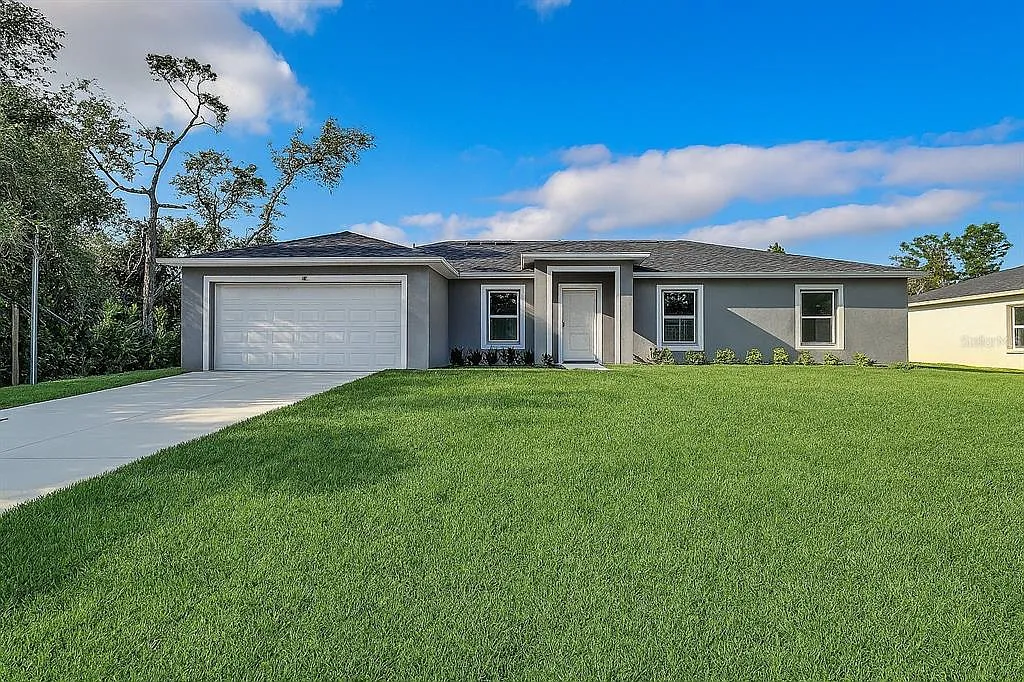
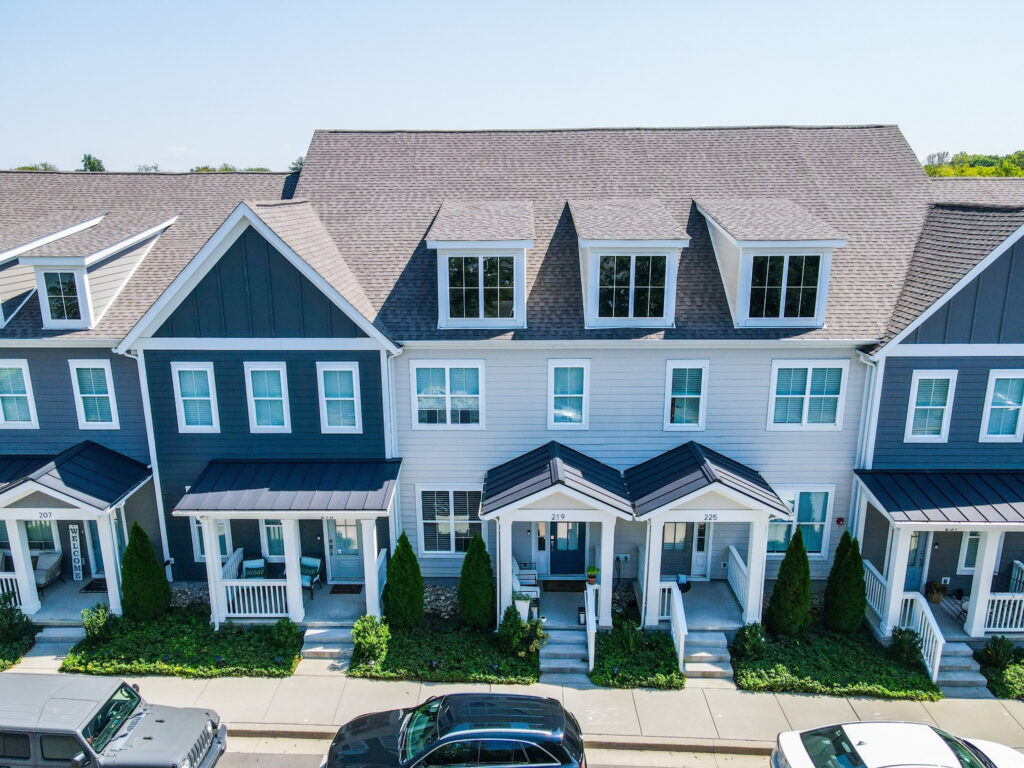
Out‑of‑State investors can compare Tennessee’s newer rental with higher NOI vs Florida’s A+ property with strong yield. Which fits YOUR investment strategy?
We have much more inventory available than what you see on our website – Let us know about your requirement.
📈 Choose Your Winner & Contact Us Today!
Speak to a Norada Investment Counselor (No Obligation):
(800) 611-3060
Mortgage rates remain high in 2026, but rental properties continue to deliver strong cash flow and appreciation. Savvy investors know that turnkey real estate is the path to passive income and long‑term wealth.
Norada Real Estate helps you secure turnkey rental properties designed for immediate cash flow and appreciation—so you can invest smartly regardless of interest rate trends.
Also Read:
- Mortgage Rates Predictions Backed by 7 Leading Experts: 2025–2026
- Mortgage Rate Predictions for the Next 3 Years: 2026, 2027, 2028
- 30-Year Fixed Mortgage Rate Forecast for the Next 5 Years
- 15-Year Fixed Mortgage Rate Predictions for Next 5 Years: 2025-2029
- Will Mortgage Rates Ever Be 3% Again in the Future?
- Mortgage Rates Predictions for Next 2 Years
- Mortgage Rate Predictions for Next 5 Years
- Mortgage Rate Predictions: Why 2% and 3% Rates are Out of Reach
- How Lower Mortgage Rates Can Save You Thousands?
- How to Get a Low Mortgage Interest Rate?
- Will Mortgage Rates Ever Be 4% Again?