Norada Real Estate Investments

  • Home
  • Markets
  • Properties
  • Membership
  • Podcast
  • Learn
  • About
  • Contact

Today’s Mortgage Rates, May 17: Borrowing Costs Rise Sharply Across Loan Types

May 17, 2026 by Marco Santarelli

Today's Mortgage Rates, June 24: Fed Policy and Inflation Push Rates Higher Across Loan Types

If you're thinking about buying a home or refinancing, you've likely noticed that mortgage rates have taken a significant jump today, May 17, 2026. The average rate for a 30-year fixed mortgage is now hovering around 6.51% APR, a noticeable increase that's making many potential buyers pause. It seems those earlier hopes for rates to dip back below 6.0% are quickly fading as economic signals and global events push borrowing costs higher.

Today's Mortgage Rates, May 17: Borrowing Costs Rise Sharply Across Loan Types

Why Are Rates Climbing Again?

It's easy to feel a bit dizzy with mortgage rates fluctuating like they have been. From my experience working in this space, when rates start moving up, it's usually for a few key reasons, and today is no different.

  • Inflation is Still Stubborn: The latest Consumer Price Index (CPI) report for April showed that prices are still rising, up 3.8% compared to a year ago. This is a fair bit higher than the Federal Reserve's ideal target of 2%. Because of this, the Fed has kept its benchmark interest rate steady in the 3.5%–3.75% range. This means we shouldn't expect any quick rate cuts from them anytime soon, which directly impacts mortgage rates.
  • Treasury Yields Are Surging: This is a big one that many people overlook. Mortgage rates tend to follow the yields on U.S. Treasury bonds, especially the 10-year Treasury yield. Today, that yield has pushed past 4.50%. When Treasury yields go up, lenders often raise their mortgage rates to keep their profit margins healthy. Think of it this way: if it costs lenders more to borrow money (which is tied to Treasury yields), they have to charge you more when you borrow from them.

Current Mortgage Rates (May 17, 2026)

To give you a clearer picture of where things stand, here are the latest rates for various loan types, according to Zillow. As you can see, pretty much everything has moved up:

Loan Type Interest Rate
30-Year Fixed 6.41%
20-Year Fixed 6.07%
15-Year Fixed 5.80%
5/1 ARM 6.63%
7/1 ARM 6.21%
30-Year VA 5.83%
15-Year VA 5.49%
5/1 VA 5.47%

Should You Buy Now or Wait? Navigating the Current Market

This is the million-dollar question for many people right now. Seeing these rising rates can be disheartening, but it's also important to look at the broader market picture.

Option 1: Buy a Home Now

  • The Upside:
    • Less Competition: With rates higher, some buyers are stepping back. This could mean less competition for the homes you're interested in.
    • More Time on Market: Homes are generally staying on the market longer. The average time a home is listed before selling is now around 70 days. This gives you more breathing room to make a decision.
    • Price Reductions: A significant portion of active listings, about 15.5%, have seen price cuts. This suggests sellers might be more open to negotiation.
  • The Downside:
    • Higher Monthly Payments: Unfortunately, the immediate cost of borrowing is higher. The national average monthly mortgage payment has pushed past $2,005.
  • My Advice: If you're set on buying, consider getting a rate lock with a float-down option. This protects you if rates continue to climb before you close, but if they happen to drop, you can get that lower rate. Also, remember that you can always refinance later if rates become more favorable. Many homeowners who bought in this range have successfully refinanced when rates eventually dipped.

Option 2: Wait for a Better Market

  • The Upside:
    • Growing Inventory: The number of homes for sale is increasing, up 7.9% year-over-year. More choices could lead to better deals.
    • More Time to Save: Waiting gives you more time to boost your savings for a larger down payment. A bigger down payment means a smaller loan-to-value (LTV) ratio, which can often lead to better loan terms and potentially a lower interest rate.
  • The Downside:
    • Rates Might Not Drop Dramatically Soon: Forecasters are suggesting that rates might stay in the 6.1%–6.3% range for a while, possibly through late 2026 and into 2027. Waiting for a huge drop might mean waiting a long time, and you could miss out on the benefits of homeownership.

Smart Strategies to Lower Your Borrowing Costs

Even with higher rates, there are always ways to be a savvy borrower. Don't just accept the first offer you get!

  • Shop Around, Seriously: I can't stress this enough. Get quotes from at least three to five different lenders. This includes traditional banks, credit unions, and online mortgage companies. Small differences in rates can add up to thousands of dollars over the life of your loan. You could save up to 0.50% just by comparing offers.
  • Consider Buying Down the Rate: This involves paying “discount points” upfront. One point typically costs 1% of your loan amount. In exchange, it can permanently lower your interest rate. You'd want to calculate how long it will take for the savings from the lower payment to recoup the cost of the points. Sometimes, sellers are willing to contribute to this, especially in a slower market.
  • Explore Assumable Mortgages: This is a fantastic, though less common, strategy. If a seller has an FHA or VA loan, you might be able to “assume” their existing mortgage. If they have a really low interest rate from a few years ago, this could be a game-changer for affordability. It's definitely worth asking about if you see listings with these loan types.

The Bottom Line

As of May 17, 2026, we're seeing a significant upward trend in mortgage rates across the board, with the 30-year fixed rate now at 6.41%. Persistent inflation, rising Treasury yields, and ongoing geopolitical uncertainties are keeping borrowing costs elevated. Buyers are faced with a tough decision: jump in now with protective strategies or wait and hope for a more favorable market, which might not materialize as quickly as hoped. For those considering refinancing, it's crucial to compare your current rate to today's averages. If your rate isn't at least 0.75%–1% higher than what's available today, refinancing might not make financial sense right now.

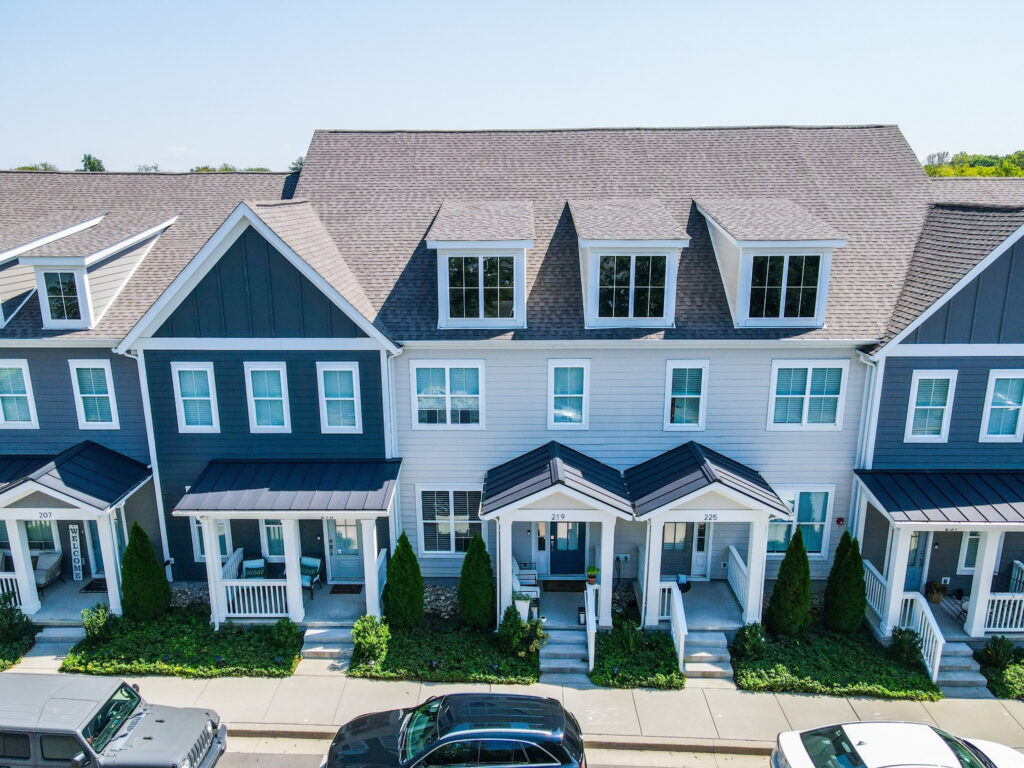
🏡 Two Rental Properties Generating Consistent Cash Flow

Rincon, GA
🏠 Property: Founders Dr
🛏️ Beds/Baths: 3 Bed • 2 Bath • 1600 sqft
💰 Price: $275,000 | Rent: $2,200
📊 Cap Rate: 7.0% | NOI: $1,613
📅 Year Built: 2025
📐 Price/Sq Ft: $172
🏙️ Neighborhood: B+

VS

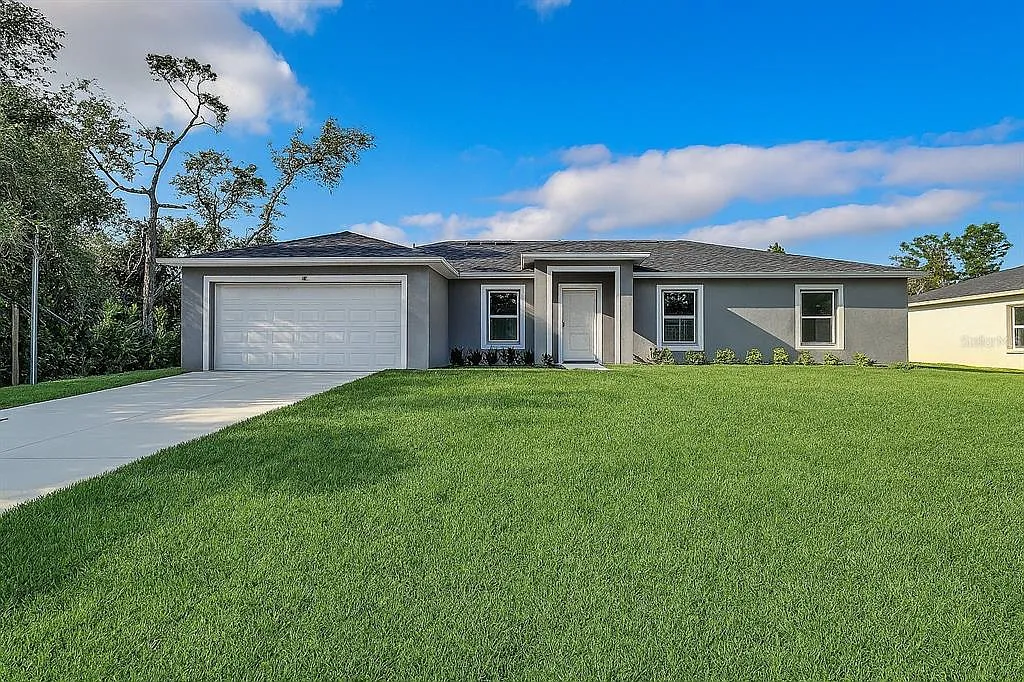
Port Charlotte, FL
🏠 Property: Prineville St
🛏️ Beds/Baths: 4 Bed • 2 Bath • 1914 sqft
💰 Price: $349,900 | Rent: $2,100
📊 Cap Rate: 5.0% | NOI: $1,457
📅 Year Built: 2025
📐 Price/Sq Ft: $183
🏙️ Neighborhood: A

Georgia’s affordable rental with higher cap rate vs Florida’s A‑rated property with stability. Which fits YOUR investment strategy?

We have much more inventory available than what you see on our website – Let us know about your requirement.

📈 Choose Your Winner & Contact Us Today!

Speak to a Norada Investment Counselor (No Obligation):

(800) 611-3060

View All Properties

Build Passive Income & Wealth with Turnkey Rentals in 2026

Mortgage rates remain high in 2026, but rental properties continue to deliver strong cash flow and appreciation. Savvy investors know that turnkey real estate is the path to passive income and long‑term wealth.

Norada Real Estate helps you secure turnkey rental properties designed for immediate cash flow and appreciation—so you can invest smartly regardless of interest rate trends.

🔥 HOT 2026 INVESTMENT LISTINGS JUST ADDED! 🔥
Request a Callback / Fill Out the Form Online

Contact Us

Also Read:

  • Mortgage Rates Predictions Backed by 7 Leading Experts: 2025–2026
  • Mortgage Rate Predictions for the Next 3 Years: 2026, 2027, 2028
  • 30-Year Fixed Mortgage Rate Forecast for the Next 5 Years
  • 15-Year Fixed Mortgage Rate Predictions for Next 5 Years: 2025-2029
  • Will Mortgage Rates Ever Be 3% Again in the Future?
  • Mortgage Rates Predictions for Next 2 Years
  • Mortgage Rate Predictions for Next 5 Years
  • Mortgage Rate Predictions: Why 2% and 3% Rates are Out of Reach
  • How Lower Mortgage Rates Can Save You Thousands?
  • How to Get a Low Mortgage Interest Rate?
  • Will Mortgage Rates Ever Be 4% Again?

Filed Under: Financing, Mortgage Tagged With: mortgage, mortgage rates, Today’s Mortgage Rates

Today’s Mortgage Rates, May 16: Inflation, Oil Prices, and Treasury Yields Keep Rates Elevated

May 16, 2026 by Marco Santarelli

Today's Mortgage Rates, June 24: Fed Policy and Inflation Push Rates Higher Across Loan Types

It's a bit of a mixed bag out there for anyone looking to get a mortgage right now. As of today, May 16, 2026, the average rate for a 30-year fixed mortgage has ticked up to 6.41%. This isn't just a random number; it's a reflection of what's happening in the bigger economic picture, and it means buying a home is a little more expensive than it was just yesterday.

Today's Mortgage Rates, May 16: Inflation, Oil Prices, and Treasury Yields Keep Rates Elevated

The numbers are in, and according to Zillow, here's where we stand today, May 16, 2026:

Loan Type Current Rate (May 16, 2026)
30-Year Fixed 6.41%
20-Year Fixed 6.07%
15-Year Fixed 5.80%
5/1 ARM 6.63%
7/1 ARM 6.21%
30-Year VA 5.83%
15-Year VA 5.49%
5/1 VA 5.47%

As you can see, most loan types are nudging upward. The 30-year fixed rate, the most popular choice for homebuyers, has climbed to 6.41% APR. This movement is directly linked to the rise in Treasury yields, which tend to move in the same direction as mortgage rates.

What’s Causing These Rate Swings?

It feels like just yesterday we were talking about rates potentially heading down, but a few key economic factors are pushing them in the other direction. As someone who watches these trends closely, I can tell you it’s a combination of persistent inflation and global events.

  • Inflation Isn't Budging: The latest Consumer Price Index (CPI) report for April showed inflation holding steady at 3.8%, which is still significantly higher than the Federal Reserve’s target of 2%. The Producer Price Index (PPI), which measures costs for businesses, jumped by 6.0% annually. On top of that, global oil prices have now surpassed $104 per barrel, largely due to ongoing conflicts in the Middle East. This means the cost of goods and transportation is going up, and that feeds directly into inflation.
  • The Fed is Holding Tight: Because inflation remains stubbornly high, the Federal Reserve is keeping its benchmark federal funds rate unchanged. This cautious approach means investors are becoming less optimistic about rate cuts happening anytime soon in 2026. In fact, some are even starting to consider the possibility of another rate hike if inflation continues to be a problem.
  • The 10-Year Treasury Yield is Key: A big indicator for mortgage rates is the yield on the 10-year Treasury note. It recently climbed to 4.55%. When this yield goes up, mortgage lenders typically have to charge more for loans to remain profitable, which is exactly what we're seeing now.

Navigating the Spring Housing Market

Even with rising rates, the spring housing market has its own set of dynamics that can impact buyers and sellers.

  • More Homes on the Market: One positive sign is that homes are staying on the market longer – the average is now around 70 days. Experts predict that the number of homes available for sale could increase by nearly 9% this year. This is great news for buyers, as it means more choices and potentially less competition.
  • Sellers Are Being More Realistic: Instead of listing homes at sky-high prices and hoping for the best, sellers are starting to price their properties more realistically from the get-go. This is a smart move in a market where buyer demand is a bit more sensitive to price due to higher interest rates.
  • The “Rate Lock” Effect is Easing (Slightly): A significant number of homeowners, over 80%, have mortgages with rates below 6%. This has historically made them hesitant to sell because they’d have to take out a new loan at a much higher rate. However, as life events like needing more space or relocating occur, some of these homeowners are starting to put their homes on the market. This gradual increase in existing home supply is helping to ease some of the inventory crunch.

My Take: Affordability is the Name of the Game

Looking at today’s mortgage rates – May 16, 2026 – the uptick to 6.41% for a 30-year fixed mortgage is a clear signal that we’re still in a “higher-for-longer” interest rate environment. While the housing market is showing some encouraging signs for buyers, like increasing inventory and more sensible pricing from sellers, affordability remains a major challenge.

From my perspective, trying to time the market for a return to the super-low rates of the past is likely a losing game. Instead, I’d advise borrowers to focus on strategies that improve their long-term affordability. This includes:

  • Shopping Around Aggressively: Don't just go with the first lender you talk to. Compare offers from multiple banks, credit unions, and mortgage brokers to find the best rate and terms.
  • Considering Shorter Loan Terms: While a 30-year mortgage keeps your monthly payments lower, a 15-year or 20-year mortgage will save you a significant amount of money in interest over the life of the loan, even with a higher monthly payment.
  • Negotiating Builder Buydowns: If you're looking at new construction, many builders are offering incentives like mortgage rate buydowns. This can temporarily lower your interest rate for the first few years of your loan, making your payments more manageable.

It's crucial to remember that buying a home is a significant financial decision. Understanding the current mortgage rate environment and developing a solid strategy will be key to making your homeownership dreams a reality in 2026.

🏡 Two Rental Properties Generating Consistent Cash Flow

Rincon, GA
🏠 Property: Founders Dr
🛏️ Beds/Baths: 3 Bed • 2 Bath • 1600 sqft
💰 Price: $275,000 | Rent: $2,200
📊 Cap Rate: 7.0% | NOI: $1,613
📅 Year Built: 2025
📐 Price/Sq Ft: $172
🏙️ Neighborhood: B+

VS

Port Charlotte, FL
🏠 Property: Prineville St
🛏️ Beds/Baths: 4 Bed • 2 Bath • 1914 sqft
💰 Price: $349,900 | Rent: $2,100
📊 Cap Rate: 5.0% | NOI: $1,457
📅 Year Built: 2025
📐 Price/Sq Ft: $183
🏙️ Neighborhood: A

Georgia’s affordable rental with higher cap rate vs Florida’s A‑rated property with stability. Which fits YOUR investment strategy?

We have much more inventory available than what you see on our website – Let us know about your requirement.

📈 Choose Your Winner & Contact Us Today!

Speak to a Norada Investment Counselor (No Obligation):

(800) 611-3060

View All Properties

Build Passive Income & Wealth with Turnkey Rentals in 2026

Mortgage rates remain high in 2026, but rental properties continue to deliver strong cash flow and appreciation. Savvy investors know that turnkey real estate is the path to passive income and long‑term wealth.

Norada Real Estate helps you secure turnkey rental properties designed for immediate cash flow and appreciation—so you can invest smartly regardless of interest rate trends.

🔥 HOT 2026 INVESTMENT LISTINGS JUST ADDED! 🔥
Request a Callback / Fill Out the Form Online

Contact Us

Also Read:

  • Mortgage Rates Predictions Backed by 7 Leading Experts: 2025–2026
  • Mortgage Rate Predictions for the Next 3 Years: 2026, 2027, 2028
  • 30-Year Fixed Mortgage Rate Forecast for the Next 5 Years
  • 15-Year Fixed Mortgage Rate Predictions for Next 5 Years: 2025-2029
  • Will Mortgage Rates Ever Be 3% Again in the Future?
  • Mortgage Rates Predictions for Next 2 Years
  • Mortgage Rate Predictions for Next 5 Years
  • Mortgage Rate Predictions: Why 2% and 3% Rates are Out of Reach
  • How Lower Mortgage Rates Can Save You Thousands?
  • How to Get a Low Mortgage Interest Rate?
  • Will Mortgage Rates Ever Be 4% Again?
Filed Under: Financing, Mortgage Tagged With: mortgage, mortgage rates, Today’s Mortgage Rates

Today’s Mortgage Rates, May 15: A Slight Drop in Rates Offers Fleeting Hope

May 15, 2026 by Marco Santarelli

Today's Mortgage Rates, June 24: Fed Policy and Inflation Push Rates Higher Across Loan Types

Here we are, mid-May 2026, and the mortgage rate dance continues. For those of you eyeing a new home or looking to refinance, the big headline today is that the 30-year fixed mortgage rate has edged down to 6.27%. This is a welcome, albeit small, drop from yesterday's 6.34%, potentially offering a sliver of breathing room for borrowers. However, as is often the case, not all rates are moving in the same direction, with some shorter-term options seeing a slight tick up.

Today's Mortgage Rates, May 15: A Slight Drop in Rates Offers Fleeting Hope

Breaking Down Today's Numbers

Let's get straight to it. Here's what the numbers are telling us for today, May 15, 2026:

Loan Type Rate
30-Year Fixed 6.27%
20-Year Fixed 6.17%
15-Year Fixed 5.72%
5/1 ARM 6.49%
7/1 ARM 6.14%
30-Year VA 5.79%
15-Year VA 5.51%
5/1 VA 5.41%

As you can see, the 30-year fixed is the star of the show today, making that downward move. The 20-year fixed also saw a minor decrease. But notice the 15-year fixed, which actually nudged up a bit. This highlights that while the headline rate might be good news, the best option for you depends heavily on your specific needs and financial goals.

The Bigger Picture: What's Really Moving Rates?

Why is the 30-year fixed rate dipping today? It's often a complex puzzle, but a few key pieces are always in play.

  • The 10-Year Treasury Yield Connection: Mortgage rates tend to follow the 10-year Treasury yield like a shadow. When this yield goes up, mortgage rates typically follow, and vice versa. Right now, this yield has been a bit jumpy, recently exceeding 4.3%. This rise is largely due to worries about inflation that just won't quit.
  • The Fed's Tight Grip: The Federal Reserve is laser-focused on getting inflation under control. They've made it pretty clear that broad rate cuts aren't on the table anytime soon. This creates a “higher-for-longer” environment, meaning we're likely to see interest rates stay elevated for an extended period compared to the ultra-low rates we saw a few years back.
  • Inflation Isn't Budging: Even though we're in mid-2026, inflation is still a hot topic. The latest numbers show headline inflation at 3.8%. This stubbornly high figure is a major reason why the Fed is hesitant to lower rates.
  • Global Ripples: Things happening halfway across the world can impact your mortgage. Conflicts in the Middle East, for example, have sent oil prices soaring past $100 a barrel. This directly impacts energy costs, which feeds into inflation and makes bond markets nervous, pushing yields (and mortgage rates) higher.
  • More Than Just Inflation: Other factors like the growing U.S. debt and ongoing trade tariffs also put upward pressure on yields. Plus, in the construction world, we're still dealing with high material costs and labor shortages, which keeps new home prices up and maintains demand for the homes already on the market.

Looking Ahead: The Rest of 2026 and Beyond

So, what can we expect for the rest of the year? Based on what I'm seeing and what economists are projecting, it’s unlikely we’ll see a dramatic drop back to the 3% or 4% rates of the past.

  • A Stable Trading Range: The consensus is that 30-year mortgage rates will likely stay within the 6.0% to 6.5% range for the remainder of 2026. This suggests we're settling into a “new normal” where affordability, not just chasing the lowest possible rate, will be the main strategy for homebuyers.
  • The End of “Cheap Money”: Frankly, it’s highly improbable that rates will dip below 5% anytime in the foreseeable future. This shift means we need to adjust our expectations and focus on smart financial planning rather than waiting for a magical return to the past.
  • Housing Market Resilience: Despite these higher rates, I don't foresee a housing market crash. The fundamentals are still pretty solid. Employment is stable, and there's strong demand from first-time homebuyers. Home prices are expected to see moderate growth, perhaps 2%–4% annually. We are seeing more inventory come onto the market, which is a good sign for buyers, as sellers adjust to the fact that the era of ultra-low rates is over.

My Take: Focus on What You Can Control

Today's dip in the 30-year fixed mortgage rate to 6.27% is a welcome bit of positive news, but it’s important to remember that it's just one piece of the puzzle. For anyone navigating the mortgage market right now, whether you're buying your dream home or looking to refinance, my advice is to focus on what you can control.

  • Long-Term Affordability: Think about your budget over the entire life of the loan, not just the initial payment.
  • Explore Your Options: Don't shy away from shorter loan terms if they fit your finances. Look into builder buydowns if you're buying new construction.
  • Boost Your Credit: A strong credit score can make a significant difference in the rate you qualify for.
  • Work with Professionals: A good mortgage broker or loan officer can help you understand all your options and find the best fit for your unique situation.

The market is always evolving, and while today offers a slight reprieve, the underlying economic forces suggest a period of sustained, higher rates. By focusing on smart, long-term strategies, you can still achieve your homeownership goals.

🏡 Two Rental Properties Generating Consistent Cash Flow

Rincon, GA
🏠 Property: Founders Dr
🛏️ Beds/Baths: 3 Bed • 2 Bath • 1600 sqft
💰 Price: $275,000 | Rent: $2,200
📊 Cap Rate: 7.0% | NOI: $1,613
📅 Year Built: 2025
📐 Price/Sq Ft: $172
🏙️ Neighborhood: B+

VS

Port Charlotte, FL
🏠 Property: Prineville St
🛏️ Beds/Baths: 4 Bed • 2 Bath • 1914 sqft
💰 Price: $349,900 | Rent: $2,100
📊 Cap Rate: 5.0% | NOI: $1,457
📅 Year Built: 2025
📐 Price/Sq Ft: $183
🏙️ Neighborhood: A

Georgia’s affordable rental with higher cap rate vs Florida’s A‑rated property with stability. Which fits YOUR investment strategy?

We have much more inventory available than what you see on our website – Let us know about your requirement.

📈 Choose Your Winner & Contact Us Today!

Speak to a Norada Investment Counselor (No Obligation):

(800) 611-3060

View All Properties

Build Passive Income & Wealth with Turnkey Rentals in 2026

Mortgage rates remain high in 2026, but rental properties continue to deliver strong cash flow and appreciation. Savvy investors know that turnkey real estate is the path to passive income and long‑term wealth.

Norada Real Estate helps you secure turnkey rental properties designed for immediate cash flow and appreciation—so you can invest smartly regardless of interest rate trends.

🔥 HOT 2026 INVESTMENT LISTINGS JUST ADDED! 🔥
Request a Callback / Fill Out the Form Online

Contact Us

Also Read:

  • Mortgage Rates Predictions Backed by 7 Leading Experts: 2025–2026
  • Mortgage Rate Predictions for the Next 3 Years: 2026, 2027, 2028
  • 30-Year Fixed Mortgage Rate Forecast for the Next 5 Years
  • 15-Year Fixed Mortgage Rate Predictions for Next 5 Years: 2025-2029
  • Will Mortgage Rates Ever Be 3% Again in the Future?
  • Mortgage Rates Predictions for Next 2 Years
  • Mortgage Rate Predictions for Next 5 Years
  • Mortgage Rate Predictions: Why 2% and 3% Rates are Out of Reach
  • How Lower Mortgage Rates Can Save You Thousands?
  • How to Get a Low Mortgage Interest Rate?
  • Will Mortgage Rates Ever Be 4% Again?

Filed Under: Financing, Mortgage Tagged With: mortgage, mortgage rates, Today’s Mortgage Rates

Today’s Mortgage Rates, May 14: 30‑Year Fixed Hits Highest Level Since March

May 14, 2026 by Marco Santarelli

Today's Mortgage Rates, June 24: Fed Policy and Inflation Push Rates Higher Across Loan Types

Thinking about buying a home or refinancing your current mortgage? If so, you're probably wondering what's happening with interest rates today, May 14, 2026. Well, I've got some news for you: Today's mortgage rates are trending higher, with the popular 30-year fixed rate hitting 6.34%. This is a bit of a climb from yesterday, and it means that for many aspiring homeowners, affordability is still a significant hurdle.

We're seeing a confluence of factors that are pushing rates upwards, making borrowing more expensive. It’s a delicate dance between economic signals, global events, and the Federal Reserve's careful balancing act.

Today's Mortgage Rates, May 14: 30‑Year Fixed Hits Highest Level Since March

Current Mortgage Rates

To give you a clear picture, let's break down the rates as reported by Zillow for today, May 14, 2026.

Loan Type Interest Rate
30-Year Fixed 6.34%
20-Year Fixed 6.19%
15-Year Fixed 5.67%
5/1 ARM 6.16%
7/1 ARM 6.10%
30-Year VA 5.86%
15-Year VA 5.41%
5/1 VA 5.49%

As you can see, the 30-year fixed mortgage rate rose to 6.34%. This is the highest it's been in a single day since late March, when it briefly touched 6.47%. It's important to note that rates for most loan types are remaining elevated, which is a direct reflection of the ongoing economic pressures and the choppy waters in the bond market.

Primary Impacting Factors

So, what's driving these rates higher? It’s a combination of things, and understanding them can help you navigate this market.

  • Bond Market Volatility: Think of mortgage rates as being closely tied to the performance of longer-term bonds, particularly the 10-year Treasury yield. Right now, this yield is sitting firmly above 4.3%. Why does this matter? Lenders use these yields as a benchmark to price their mortgages. When Treasury yields climb, mortgage rates tend to follow suit so that lenders can maintain their desired profit margins. It’s a direct link, and right now, that link is pulling rates up.
  • Sticky Inflation Dynamics: Inflation is still proving to be a stubborn beast. Even though we're not seeing the sky-high numbers of the recent past, certain inflation indicators, like the PCE index being above 3%, are keeping the pressure on. When inflation is high, investors want a higher return on their investments to compensate for the fact that their money is losing purchasing power. This demand for higher returns pushes bond yields up, and consequently, mortgage rates up.
  • Fed Interest Rate Policy: The Federal Reserve has been very deliberate in its approach to interest rates. Recently, they decided to keep their benchmark rate steady. This isn't a sign of imminent rate cuts. In fact, their cautious stance suggests that borrowing costs are likely to remain elevated for the foreseeable future. The Fed isn't expected to make any rapid moves to lower rates, so we should anticipate this higher cost of borrowing to stick around.
  • Geopolitical Strains: The world isn't exactly a calm place right now. Global conflicts and instability in key markets, especially for energy, have been pushing crude oil prices higher. When oil prices go up, it has a ripple effect across the economy, contributing to inflation. This added inflationary pressure also makes lenders more cautious. They have to price in a greater risk premium to account for potential economic disruptions and market uncertainty, which again, leads to higher mortgage rates.

2026 Mortgage Rate Forecast

Looking ahead, what can we expect for the rest of 2026? While it’s always tough to predict with certainty, analysts have some insights.

  • Stable, High Boundaries: The general consensus among experts is that 30-year fixed rates will likely stay within a range of 6.0% to 6.5% for most of the year. This suggests we're not going to see a dramatic drop back down to the super-low rates of the past. Instead, it seems we're settling into a higher normal for borrowing.
  • Gradual Relief Signals: There are some signs that suggest a slight easing might be possible later in the year. The Mortgage Bankers Association (MBA) anticipates rates will plateau near 6.4%. Fannie Mae, on the other hand, has a slightly more optimistic outlook, forecasting a slow decline towards 5.9% by the fourth quarter. However, this forecast is heavily dependent on inflation continuing to cool down. If inflation remains sticky, those lower numbers might be harder to achieve.
  • The “New Normal”: One of the most crucial takeaways from the experts is that we shouldn’t expect to see mortgage rates dipping back below 4% anytime soon, if ever. 2026 is shaping up to be a transitional year, where we move into a structurally higher rate environment. This means buyers and homeowners need to adjust their expectations and financial planning accordingly.

Essential Information for Mortgage Borrowers

Navigating this market can be tricky. Here are a few points that I think are really important for anyone looking to get a mortgage or refinance.

  • Pricing vs. Fed Action: It's a common misconception that mortgage rates directly follow the Federal Reserve's benchmark rate. The truth is, mortgage rates are priced based on market expectations, and these expectations are often factored in weeks before the Fed even makes an announcement. Trying to time your mortgage application perfectly around a Fed meeting is usually a risky gamble. The market is already ahead of the curve.
  • The “Lock-In” Effect: This is a huge factor impacting the housing market right now. A massive 86% of homeowners are currently sitting on mortgages with rates below 6%. What does this mean? Most people are understandably hesitant to sell their homes because doing so would mean giving up their low interest rate and likely taking on a much higher one for their next purchase. This reluctance to list properties is a major reason why housing inventory remains tight, and home prices are staying surprisingly resilient, even when buyer demand might be softening due to higher rates.
  • Mitigation Strategies: Given the current affordability challenges, many buyers are getting creative. We're seeing a noticeable increase in borrowers opting for Adjustable-Rate Mortgages (ARMs). These often have a lower introductory rate for the first few years, which can help with initial affordability. Another popular strategy is negotiating builder-funded buydowns. This is where the home builder contributes to lowering your interest rate, usually for the first one to three years of the loan. These tactics are essential for making homeownership more accessible in this high-rate climate.

Bottom Line

As of May 14, 2026, the mortgage market is continuing its upward trajectory, with the 30-year fixed rate climbing to 6.34%. Persistent inflation, the ongoing volatility in Treasury yields, and the lingering effects of geopolitical instability are all contributing to these elevated rates. For those looking to buy a home, affordability remains a significant concern. However, by understanding these influencing factors and exploring strategies like ARMs, builder buydowns, and considering long-term refinancing options, borrowers can still find ways to manage costs and achieve their homeownership dreams in this challenging, but not insurmountable, high-rate environment.

🏡 Two Rental Properties Generating Consistent Cash Flow

Rincon, GA
🏠 Property: Founders Dr
🛏️ Beds/Baths: 3 Bed • 2 Bath • 1600 sqft
💰 Price: $275,000 | Rent: $2,200
📊 Cap Rate: 7.0% | NOI: $1,613
📅 Year Built: 2025
📐 Price/Sq Ft: $172
🏙️ Neighborhood: B+

VS

Port Charlotte, FL
🏠 Property: Prineville St
🛏️ Beds/Baths: 4 Bed • 2 Bath • 1914 sqft
💰 Price: $349,900 | Rent: $2,100
📊 Cap Rate: 5.0% | NOI: $1,457
📅 Year Built: 2025
📐 Price/Sq Ft: $183
🏙️ Neighborhood: A

Georgia’s affordable rental with higher cap rate vs Florida’s A‑rated property with stability. Which fits YOUR investment strategy?

We have much more inventory available than what you see on our website – Let us know about your requirement.

📈 Choose Your Winner & Contact Us Today!

Speak to a Norada Investment Counselor (No Obligation):

(800) 611-3060

View All Properties

Build Passive Income & Wealth with Turnkey Rentals in 2026

Mortgage rates remain high in 2026, but rental properties continue to deliver strong cash flow and appreciation. Savvy investors know that turnkey real estate is the path to passive income and long‑term wealth.

Norada Real Estate helps you secure turnkey rental properties designed for immediate cash flow and appreciation—so you can invest smartly regardless of interest rate trends.

🔥 HOT 2026 INVESTMENT LISTINGS JUST ADDED! 🔥
Request a Callback / Fill Out the Form Online

Contact Us

Also Read:

  • Mortgage Rates Predictions Backed by 7 Leading Experts: 2025–2026
  • Mortgage Rate Predictions for the Next 3 Years: 2026, 2027, 2028
  • 30-Year Fixed Mortgage Rate Forecast for the Next 5 Years
  • 15-Year Fixed Mortgage Rate Predictions for Next 5 Years: 2025-2029
  • Will Mortgage Rates Ever Be 3% Again in the Future?
  • Mortgage Rates Predictions for Next 2 Years
  • Mortgage Rate Predictions for Next 5 Years
  • Mortgage Rate Predictions: Why 2% and 3% Rates are Out of Reach
  • How Lower Mortgage Rates Can Save You Thousands?
  • How to Get a Low Mortgage Interest Rate?
  • Will Mortgage Rates Ever Be 4% Again?

Filed Under: Financing, Mortgage Tagged With: mortgage, mortgage rates, Today’s Mortgage Rates

Today’s Mortgage Rates, May 13, 2026: Buyers Face Rising Rates Across the Board

May 13, 2026 by Marco Santarelli

Today's Mortgage Rates, June 24: Fed Policy and Inflation Push Rates Higher Across Loan Types

As of Wednesday, May 13, 2026, if you're looking to buy a home or refinance, you'll find that mortgage rates have seen an increase across the board for conventional loans. The benchmark 30-year fixed-rate mortgage is now sitting at 6.26%, a rise of 7 basis points from yesterday. This isn't just a small blip; it's part of a broader trend influenced by several significant economic factors.

Today's Mortgage Rates, May 13, 2026: Buyers Face Rising Rates Across the Board

Understanding Today's Rate Movements

Let's break down what's happening with mortgage rates today, based on information from Zillow:

  • 30-Year Fixed: Currently at 6.26%, up by 7 basis points. This is the most popular loan type for homebuyers.
  • 20-Year Fixed: At 6.22%, marking a more substantial jump of 16 basis points.
  • 15-Year Fixed: Stands at 5.76%, showing an increase of 11 basis points. Many homeowners opt for this shorter term to pay off their mortgage faster.
  • 5/1 ARM: This adjustable-rate mortgage is now at 6.47%, up by 17 basis points.
  • 7/1 ARM: Comes in at 6.30%, an increase of 13 basis points. ARMs can offer lower initial rates but come with the risk of future adjustments.

It's clear that all major conventional mortgage products have moved higher. This upward trend is a direct reflection of persistent inflationary pressures, surging Treasury yields, and a general increase in geopolitical uncertainty.

Why Are Rates Climbing? The Big Picture

It's easy to get caught up in the daily numbers, but understanding why rates are moving is crucial for making informed decisions. Three main forces are at play:

  1. The Bond Market Connection: Many people think mortgage rates are directly tied to the Federal Reserve's benchmark rate, but that's not entirely accurate. Instead, mortgage rates tend to follow the 10-year U.S. Treasury yield. When inflation data remains stubbornly high, investors who buy bonds demand higher returns (yields) to compensate for the decreasing purchasing power of their money. This increased demand for higher yields on Treasury bonds directly translates into higher mortgage rates for borrowers.
  2. Federal Reserve's Cautious Stance: The Federal Reserve recently met and decided to keep the federal funds rate steady in the 3.5%–3.75% range. While they aren't raising rates, they also aren't signaling any immediate plans to cut them. With the economy still showing resilience and inflation proving to be “sticky” (meaning it's not falling as quickly as hoped), the Fed is maintaining a cautious approach. This lack of aggressive rate-cut signals from the Fed dampens expectations for significantly lower mortgage rates in the near future.
  3. Geopolitical Ripples: We're seeing global instability, particularly with ongoing conflicts in the Middle East. This has pushed global crude oil prices above $110 per barrel. Higher oil prices contribute to inflation across the board, making goods and services more expensive. Lenders, in turn, often add a higher “risk premium” to their rates, especially for fixed-rate products, to account for this economic uncertainty and potential for further inflation.

What Experts Are Saying About the Housing Market in 2026

Looking ahead, various housing authorities have offered their projections for mortgage rates through the end of 2026. While no one has a crystal ball, the consensus paints a picture of stability within a certain range.

Forecaster Expected 30-Year Fixed Rate (Late 2026) Notes
Fannie Mae 5.9% Expects a gradual decline
National Association of Home Builders 6.17% A more moderate outlook
Mortgage Bankers Association (MBA) 6.4% Predicts rates holding near current highs

The general agreement is that we're unlikely to see a dramatic drop back to the ultra-low rates of the pandemic era unless a severe recession hits the economy. Instead, expect rates to likely fluctuate within a relatively tight band for the remainder of the year.

Smart Strategies for Today's Buyers

Given this environment, how can buyers make the best moves?

  • The “Lock-In” Effect is Real: It's estimated that a significant 86% of homeowners currently have mortgages with rates below 6%. This makes them hesitant to sell and move, as they'd face much higher payments on a new mortgage. This “lock-in effect” is a major reason why housing inventory remains tight, even if buyer demand isn't as strong as it once was. It also helps explain why we aren't seeing a dramatic crash in home prices.
  • Comparison Shopping is Key: I can't stress this enough: shop around! Different lenders offer different rates and fees. Don't just go with the first lender you talk to. Consider looking into ARMs if you plan to move or refinance before the fixed period ends, or explore options like builder buydowns, where the home builder subsidizes your interest rate. By diligently comparing offers, you could save between $600 to $1,200 annually on your mortgage payments.
  • “Date the Rate, Marry the Home”: This is a popular saying in real estate for a reason. If you find a home that truly fits your needs and budget right now, don't let the current interest rate deter you completely. Secure the home you love. The strategy is to date the rate (meaning accept the current rate for now) and marry the home (commit to the property). If rates do ease towards the end of 2026 or into 2027, you'll always have the option to refinance into a lower rate down the line.

My Take on Today's Market

From my perspective, the market on May 13, 2026, is presenting a challenge, but not an insurmountable one. The rise in 30-year fixed mortgage rates to 6.26% is a clear signal that we're still navigating economic headwinds. Inflation isn't cooperating as much as we'd like, Treasury yields are sensitive to every piece of economic news, and global events add a layer of unpredictability.

While the days of 3% mortgages are likely behind us for the foreseeable future, that doesn't mean homeownership is out of reach. It just means we need to be smarter, more strategic, and more patient. My advice remains to focus on finding the right home at a price you can comfortably afford. Locking in a property you love and then exploring refinancing options in the future if rates improve is a sound long-term strategy. Don't let the current rate deter you if the home is the right fit.

🏡 Two Rental Properties Generating Consistent Cash Flow

Rincon, GA
🏠 Property: Founders Dr
🛏️ Beds/Baths: 3 Bed • 2 Bath • 1600 sqft
💰 Price: $275,000 | Rent: $2,200
📊 Cap Rate: 7.0% | NOI: $1,613
📅 Year Built: 2025
📐 Price/Sq Ft: $172
🏙️ Neighborhood: B+

VS

Port Charlotte, FL
🏠 Property: Prineville St
🛏️ Beds/Baths: 4 Bed • 2 Bath • 1914 sqft
💰 Price: $349,900 | Rent: $2,100
📊 Cap Rate: 5.0% | NOI: $1,457
📅 Year Built: 2025
📐 Price/Sq Ft: $183
🏙️ Neighborhood: A

Georgia’s affordable rental with higher cap rate vs Florida’s A‑rated property with stability. Which fits YOUR investment strategy?

We have much more inventory available than what you see on our website – Let us know about your requirement.

📈 Choose Your Winner & Contact Us Today!

Speak to a Norada Investment Counselor (No Obligation):

(800) 611-3060

View All Properties

Build Passive Income & Wealth with Turnkey Rentals in 2026

Mortgage rates remain high in 2026, but rental properties continue to deliver strong cash flow and appreciation. Savvy investors know that turnkey real estate is the path to passive income and long‑term wealth.

Norada Real Estate helps you secure turnkey rental properties designed for immediate cash flow and appreciation—so you can invest smartly regardless of interest rate trends.

🔥 HOT 2026 INVESTMENT LISTINGS JUST ADDED! 🔥
Request a Callback / Fill Out the Form Online

Contact Us

Also Read:

  • Mortgage Rates Predictions Backed by 7 Leading Experts: 2025–2026
  • Mortgage Rate Predictions for the Next 3 Years: 2026, 2027, 2028
  • 30-Year Fixed Mortgage Rate Forecast for the Next 5 Years
  • 15-Year Fixed Mortgage Rate Predictions for Next 5 Years: 2025-2029
  • Will Mortgage Rates Ever Be 3% Again in the Future?
  • Mortgage Rates Predictions for Next 2 Years
  • Mortgage Rate Predictions for Next 5 Years
  • Mortgage Rate Predictions: Why 2% and 3% Rates are Out of Reach
  • How Lower Mortgage Rates Can Save You Thousands?
  • How to Get a Low Mortgage Interest Rate?
  • Will Mortgage Rates Ever Be 4% Again?

Filed Under: Financing, Mortgage Tagged With: mortgage, mortgage rates, Today’s Mortgage Rates

How to Get a 5% Mortgage Rate in 2026?

May 13, 2026 by Marco Santarelli

How to Get a 5% Mortgage Rate in 2026?

In 2026, with benchmark rates hovering between 6.5% and 7%, aiming for that coveted 5% mortgage rate can feel like an uphill challenge. However, by thinking outside the typical 30-year fixed loan box and employing a few smart strategies, securing a rate at or even below 5% is absolutely achievable. It's not about luck; it's about knowing where to look and how to negotiate.

Having spent years working with borrowers, I’ve seen how even small shifts in strategy can make a big difference in monthly payments and the total interest over the life of a loan. Here’s how you could position yourself to secure a 5% mortgage rate in 2026.”

How to Get a 5% Mortgage Rate in 2026?

The dream of a 5% mortgage rate, especially when average rates are higher, feels like finding a hidden gem. Based on my experience and current market trends, this often means stepping away from the standard 30-year fixed mortgage and exploring more creative avenues.

1. Harnessing New Construction Builder Incentives

Builders are often your biggest allies when trying to secure a lower rate, especially on new homes. They have a vested interest in selling quickly, and they have the capital to make it happen.

  • Permanent Rate Buydowns: Many large homebuilders partner with mortgage companies or have their own to offer permanent rate buydowns. This is where the builder pays a portion of the interest upfront, permanently lowering your rate for the entire life of the loan. I've seen these offers frequently in the 4.99% to 5.25% range on 30-year fixed mortgages. It's a fantastic way to get a low rate without significantly altering your monthly payment structure.
  • Temporary Buydowns: Another strategy is a temporary buydown, often structured as a 2-1 or 3-1. For example, a 3-1 buydown means your interest rate is reduced by 3% for the first year, then 2% for the second year, and 1% for the third year, before settling at the full contract rate. While not a permanent 5% rate, it significantly lowers your payments in those crucial early years, giving you time to refinance or build equity.

2. The Power of Shorter Loan Terms

It’s a simple principle: less risk for the lender generally means a better rate for you.

  • 15-Year Fixed Mortgage: Opting for a 15-year fixed loan instead of a 30-year term can typically shave off 0.5% to 1.0% from your interest rate. This means if the average 30-year rate is 6.5%, a 15-year term might put you in the 5.5% to 6.0% range, much closer to your 5% goal. While the monthly payments will be higher due to the shorter repayment period, the overall interest savings are substantial.

3. Considering Adjustable-Rate Mortgages (ARMs)

ARMs can be a powerful tool if you plan to move or refinance before the initial fixed period ends.

  • Initial Fixed Period: Products like a 5/1, 7/1, or 10/1 ARM offer a fixed interest rate for the first 5, 7, or 10 years, respectively. After that period, the rate adjusts annually based on market conditions.
  • Rate Discount: These introductory ARM rates are almost always significantly lower than their 30-year fixed counterparts. This makes hitting a 5% rate much more attainable upfront. My advice here is to carefully assess your long-term plans and the potential risks of rate increases down the line.

4. Buying Down Your Rate with Discount Points

This is a more direct way to lower your rate, but it requires an upfront investment.

  • Upfront Fees: You can pay discount points directly to the lender at closing. One discount point typically costs 1% of your loan amount and can lower your interest rate by approximately 0.25%.
  • The Math: If you're aiming for a 5% rate and the best available rate is 5.75%, you might need to purchase about 3 discount points (3% of the loan value) to get down to 5%. It's crucial to calculate your break-even point – how long you need to stay in the home for the savings from the lower rate to offset the upfront cost of the points. If you plan to sell or refinance before this point, it might not be the best strategy.

5. Leveraging Government-Backed Programs

Certain government-backed loans are designed to make homeownership more accessible, often with more favorable rates.

  • Assumable Loans: FHA and VA loans can be assumable. This means if you find a seller who has one of these loans with a rate at or below 5% (which is quite possible if they secured it a few years ago), you may be able to take over their existing mortgage. This is a fantastic way to bypass current market rates entirely. However, you'll still need to cover the seller's equity.
  • Government Rate Baselines: Even without an assumable loan, FHA, VA, and USDA loans generally have lower baseline interest rates and more flexible qualification requirements compared to conventional loans.

6. Maximizing Your Financial Profile

Your financial health is a huge factor in the rate you'll be offered. Lenders see a strong financial profile as less risk.

  • Credit Optimization: A FICO score of 780 or higher is generally considered excellent and will unlock the best available interest rates. If your score is lower, focus on paying down debt and ensuring on-time payments to boost it before applying.
  • Bank Relationships: Sometimes, deepening your relationship with a bank where you already have significant assets can pay off. Some institutions offer preferential rates or waive fees for their premier or high-balance depositors.
  • The 20% Down Payment: While not always necessary for a 5% rate, putting 20% down eliminates Private Mortgage Insurance (PMI) and signals to lenders that you are a very low-risk borrower, often qualifying you for their best pricing tiers.

Comparing Paths to a 5% Mortgage Rate

To help visualize the different approaches, here’s a quick comparison:

Strategy Property Type Upfront Cash Required Rate Type Risk Profile Notes
Builder Incentive New Construction Often $0 (paid by builder) 30-Year Fixed Very Low (rate locked for life) Look for permanent buydowns; check builder's preferred lender.
15-Year Fixed + Points Existing Property 2.5% – 3% of loan amount (for points) 15-Year Fixed Low (higher monthly payment) Calculate break-even point carefully.
Seller Concession Buydown Existing Property $0 (paid by seller, negotiated) 30-Year Fixed Low (requires motivated seller) Negotiate as part of the purchase agreement.
Temporary Buydown Either Varies (builder or seller can fund) 30-Year Fixed Low initially, increases over time Great for first few years; ensure you can afford rate after period.
ARM (e.g., 7/1) Either Often $0 Adjustable Medium (rate is variable after fixed period) Best if you plan to move or refinance before rate adjusts.
Assumable Loan Existing Property Varies (equity gap to seller) FHA/VA (Existing) Low (if current rate is good) Requires finding a specific type of listing and seller.

Remember, hitting a 5% mortgage rate isn't guaranteed and often involves trade-offs. It might mean compromising on the exact house you want, accepting a shorter loan term, or paying more upfront. However, by understanding these strategies and working closely with your real estate agent and loan officer, you can significantly increase your chances of securing that favorable interest rate in 2026.

🏡 turnkey Rental Properties For With Cash Flow

Rincon, GA
🏠 Property: Founders Dr
🛏️ Beds/Baths: 3 Bed • 2 Bath • 1600 sqft
💰 Price: $275,000 | Rent: $2,200
📊 Cap Rate: 7.0% | NOI: $1,613
📅 Year Built: 2025
📐 Price/Sq Ft: $172
🏙️ Neighborhood: B+

VS

Port Charlotte, FL
🏠 Property: Prineville St
🛏️ Beds/Baths: 4 Bed • 2 Bath • 1914 sqft
💰 Price: $349,900 | Rent: $2,100
📊 Cap Rate: 5.0% | NOI: $1,457
📅 Year Built: 2025
📐 Price/Sq Ft: $183
🏙️ Neighborhood: A

Georgia’s affordable rental with higher cap rate vs Florida’s A‑rated property with stability. Which fits YOUR investment strategy?

We have much more inventory available than what you see on our website – Let us know about your requirement.

📈 Choose Your Winner & Contact Us Today!

Speak to a Norada Investment Counselor (No Obligation):

(800) 611-3060

View All Properties

Build Passive Income & Wealth with Turnkey Rentals in 2026

Mortgage rates remain high in 2026, but rental properties continue to deliver strong cash flow and appreciation. Savvy investors know that turnkey real estate is the path to passive income and long‑term wealth.

Norada Real Estate helps you secure turnkey rental properties designed for immediate cash flow and appreciation—so you can invest smartly regardless of interest rate trends.

🔥 HOT 2026 INVESTMENT LISTINGS JUST ADDED! 🔥
Request a Callback / Fill Out the Form Online

Contact Us

Also Read:

  • Mortgage Rates Predictions Backed by 7 Leading Experts: 2025–2026
  • Mortgage Rate Predictions for the Next 3 Years: 2026, 2027, 2028
  • 30-Year Fixed Mortgage Rate Forecast for the Next 5 Years
  • 15-Year Fixed Mortgage Rate Predictions for Next 5 Years: 2025-2029
  • Will Mortgage Rates Ever Be 3% Again in the Future?
  • Mortgage Rates Predictions for Next 2 Years
  • Mortgage Rate Predictions for Next 5 Years
  • Mortgage Rate Predictions: Why 2% and 3% Rates are Out of Reach
  • How Lower Mortgage Rates Can Save You Thousands?
  • How to Get a Low Mortgage Interest Rate?
  • Will Mortgage Rates Ever Be 4% Again?

Filed Under: Financing, Mortgage Tagged With: Current Mortgage Rates, mortgage, mortgage rates

Mortgage Rate Predictions This Week: May 11th – 17th

May 13, 2026 by Marco Santarelli

Mortgage Rate Predictions This Week: May 11th – 17th

For anyone eyeing a new home or thinking about refinancing, the big question on everyone's mind is: what's going to happen with mortgage rates this week, from May 11th to May 17th? Based on what I'm seeing in the market, it’s likely rates will stay pretty much where they are, or perhaps inch up just a tiny bit.

Mortgage Rate Predictions This Week: May 11th – 17th

It’s tough to give a definitive prediction with absolute certainty because the financial world is always a bit of a rollercoaster. However, the general consensus among experts and the data I’ve been looking at suggest that we won’t see dramatic swings this week. While some national averages are hovering around the 6.43% to 6.47% mark for a 30-year fixed loan – a slight bump from recent averages like Freddie Mac's 6.37% – the overall trend seems to be one of stability, with a slight lean towards a modest increase.

Why the Jitters (or Lack Thereof) This Week?

Think of mortgage rates like a sensitive thermometer for the economy. They react to all sorts of signals, from inflation worries to what the Federal Reserve is doing. This week, a few key things are keeping things from really moving one way or the other.

The Inflation Watch Continues

One of the biggest drivers of mortgage rates is inflation. When prices are going up too fast, the Federal Reserve might raise interest rates to cool things down. This, in turn, tends to push mortgage rates higher. This week, there's a lingering concern about inflation, and that’s keeping some upward pressure on rates. In fact, a significant chunk of the experts I follow – about 44% – are predicting that rates will actually go up this week. This is largely tied to the idea that if inflation stays stubborn, lenders will need to charge more to make their loans worthwhile.

The Fed's Steady Hand

On the flip side, the Federal Reserve itself isn't signaling any immediate changes to its key interest rate. They recently kept it steady, and the market isn't expecting them to slash rates anytime soon. This means there’s a natural “bottom” preventing mortgage rates from dropping too much. It's like a safety net, keeping them from falling off a cliff. Because of this, about a third of the analysts I’ve consulted believe rates will stay put this week. They figure that without a big announcement from the Fed or some shocking economic news, mortgage rates will likely just bounce around in that 6.2% to 6.6% zone for the rest of May.

A Glimmer of Hope for Lower Rates?

Now, not everyone is expecting rates to climb. A smaller group, around 22% of experts, are holding out hope for a slight dip. For that to happen, we’d need to see some good news on the inflation front. If the upcoming reports from the Bureau of Labor Statistics show that prices aren't rising as fast as people feared, that could calm the markets and allow mortgage rates to ease down a bit. It’s a possibility, but it’s not the most likely scenario for this specific week.

What’s Actually Happening with Rates Right Now?

As of Monday, May 11th, 2026, here’s a snapshot of where we stand:

Loan Type Average Rate Trend
30-Year Fixed 6.33% – 6.47% Slightly Up
15-Year Fixed 5.55% – 5.80% Mixed
30-Year Refinance 6.45% – 6.66% Steady
  • (Note: These are approximate averages and can vary by lender and borrower qualifications.)

As you can see, the most common loan type, the 30-year fixed-rate mortgage, is showing a slight upward trend. The 15-year fixed is a bit all over the place, which is common as it's often more sensitive to market shifts. Refinancing rates are looking pretty steady, which might mean it’s not the best time to refinance unless you have a very specific reason.

Digging Deeper: The Big Picture Influences

It's not just about this week's headlines. Several underlying factors are playing a crucial role in shaping mortgage rates:

  • The Fed's Stance is Key: As I mentioned, the Federal Reserve’s decision to keep the federal funds rate at its current level (3.50%–3.75% as of their last meeting) is a major anchor. This rate influences all other borrowing costs. Since there's no sign of them cutting rates, it puts a firm “floor” under mortgage rates. They aren’t going to plummet drastically as long as the Fed is holding steady.
  • Global Jitters and Energy Prices: The world isn't exactly a picture of calm right now. Geopolitical issues and fluctuations in energy prices can create a lot of uncertainty in the financial markets. When the bond market gets jumpy, mortgage rates tend to follow suit. This volatility is a big reason why we haven't seen rates dip back below the 6% mark, which feels like ages ago for many of us.
  • Looking Ahead: What the Experts Predict Long-Term

Even though this week might be a bit of a holding pattern, it’s helpful to know what the big players are forecasting for the rest of the year. Organizations like Fannie Mae and the Mortgage Bankers Association are generally predicting that mortgage rates will settle down a bit by the end of the second quarter of 2026, aiming to land around 6.30%. This suggests that while we might see some ups and downs in the short term, the overall trend for the next few months is expected to be one of gradual stabilization.

My Take on This Week's Mortgage Rates

From my perspective, this week is going to be about observing. We're in a bit of a holding pattern, waiting for more concrete economic data to emerge. If you’re looking to buy, don't expect a huge drop in rates this week. If anything, a small increase is more probable, but it’s unlikely to be drastic. For those considering refinancing, it seems like a good time to wait and see if rates might tick down slightly in the coming weeks or months. The key is to stay informed and not make any hasty decisions based on daily fluctuations. Keep an eye on those inflation reports – they are the real storytellers for mortgage rates right now.

🏡 turnkey Rental Properties For With Cash Flow

Rincon, GA
🏠 Property: Founders Dr
🛏️ Beds/Baths: 3 Bed • 2 Bath • 1600 sqft
💰 Price: $275,000 | Rent: $2,200
📊 Cap Rate: 7.0% | NOI: $1,613
📅 Year Built: 2025
📐 Price/Sq Ft: $172
🏙️ Neighborhood: B+

VS

Port Charlotte, FL
🏠 Property: Prineville St
🛏️ Beds/Baths: 4 Bed • 2 Bath • 1914 sqft
💰 Price: $349,900 | Rent: $2,100
📊 Cap Rate: 5.0% | NOI: $1,457
📅 Year Built: 2025
📐 Price/Sq Ft: $183
🏙️ Neighborhood: A

Georgia’s affordable rental with higher cap rate vs Florida’s A‑rated property with stability. Which fits YOUR investment strategy?

We have much more inventory available than what you see on our website – Let us know about your requirement.

📈 Choose Your Winner & Contact Us Today!

Speak to a Norada Investment Counselor (No Obligation):

(800) 611-3060

View All Properties

Build Passive Income & Wealth with Turnkey Rentals in 2026

Mortgage rates remain high in 2026, but rental properties continue to deliver strong cash flow and appreciation. Savvy investors know that turnkey real estate is the path to passive income and long‑term wealth.

Norada Real Estate helps you secure turnkey rental properties designed for immediate cash flow and appreciation—so you can invest smartly regardless of interest rate trends.

🔥 HOT 2026 INVESTMENT LISTINGS JUST ADDED! 🔥
Request a Callback / Fill Out the Form Online

Contact Us

Also Read:

  • Mortgage Rates Predictions Backed by 7 Leading Experts: 2025–2026
  • Mortgage Rate Predictions for the Next 3 Years: 2026, 2027, 2028
  • 30-Year Fixed Mortgage Rate Forecast for the Next 5 Years
  • 15-Year Fixed Mortgage Rate Predictions for Next 5 Years: 2025-2029
  • Will Mortgage Rates Ever Be 3% Again in the Future?
  • Mortgage Rates Predictions for Next 2 Years
  • Mortgage Rate Predictions for Next 5 Years
  • Mortgage Rate Predictions: Why 2% and 3% Rates are Out of Reach
  • How Lower Mortgage Rates Can Save You Thousands?
  • How to Get a Low Mortgage Interest Rate?
  • Will Mortgage Rates Ever Be 4% Again?

Filed Under: Financing, Mortgage Tagged With: mortgage, mortgage rates, Mortgage Rates Forecast

Today’s Rising Mortgage Rates: What’s Driving the Cost of Home Loans?

May 13, 2026 by Marco Santarelli

Today's Mortgage Rates, June 24: Fed Policy and Inflation Push Rates Higher Across Loan Types

If you've been following the housing market, you've likely noticed that getting a mortgage is becoming pricier. We're seeing US mortgage rates climb, generally sitting between 6.3% and 6.5%, and frankly, it’s making many potential homebuyers and homeowners looking to refinance pause. The simple truth is that a perfect storm of factors, from stubborn inflation and rising government borrowing costs to global unease, is pushing mortgage rates higher, and it looks like this trend might stick around for a while.

As someone who's navigated these markets, I can tell you it's not just one thing; it's a complex interplay of forces. It feels like just when we thought we had a handle on things, new developments keep throwing a wrench in the works. Let's dive into what's really driving these mortgage rates up.

Today's Rising Mortgage Rates: What's Driving the Cost of Home Loans?

1. Inflation Isn't Playing Nice, and the Fed is Stuck

One of the biggest culprits behind rising mortgage rates is resurgent inflation. We're not talking about tiny bumps; consumer inflation has picked up, hovering around 3.8% year-on-year. Think about your grocery bill or the cost of filling up your car – these everyday expenses are climbing.

A major reason for this is the energy cost shock. Recent geopolitical conflicts have disrupted vital shipping routes, like the Strait of Hormuz. This has sent crude oil prices soaring, and when fuel gets more expensive, it has a ripple effect. Higher fuel costs directly translate to higher prices for almost everything, from the goods you buy in stores to the transportation costs involved in getting them there.

This sticky inflation puts the Federal Reserve in a tough spot. They are the ones who can influence interest rates to try and cool down the economy. But with inflation proving stubborn and economic data not cooperating as much as they'd like, they can't just cut rates to make borrowing cheaper. This “higher-for-longer” stance means investors aren't betting on the Fed stepping in to lower rates anytime soon. My take is that the Fed is walking a tightrope; they need to fight inflation without tipping the economy into a full-blown recession. It’s a delicate balance, and right now, their hands are somewhat tied.

2. The 10-Year Treasury Yield: Mortgage Rates' Shadow

You might wonder how government debt affects your home loan. Well, there's a direct correlation between mortgage rates and the yield on the 10-year US Treasury note. Think of the 10-year Treasury yield as a benchmark for longer-term borrowing costs in the economy. When this yield goes up, mortgage rates almost always follow suit.

Recently, we've seen this yield escalate, pushing toward the 4.3% mark. What’s driving this climb? Again, it’s a mix of factors. Geopolitical tensions create uncertainty, and concerns about the government's own finances can also play a role. When investors feel less confident about the future, they often demand a higher return for lending their money.

This has led to a bond selloff. Essentially, investors are dumping bonds because they're worried about inflation eroding the value of their fixed-income investments. When a lot of people sell bonds, their prices fall, and bond prices and yields move in opposite directions. So, falling bond prices mean rising yields, and consequently, rising mortgage rates. It’s a bit of a vicious cycle for borrowers.

3. Geopolitical Jitters and Risk Premiums

The world feels a bit more unpredictable these days, doesn't it? This geopolitical volatility is injecting a significant amount of instability into global debt markets, and that absolutely impacts mortgage rates. When there's a lot of uncertainty about international conflicts or political situations, investors tend to get nervous.

To protect themselves from this instability, investors demand a higher return – this is known as an elevated market risk premium. They are essentially saying, “If things are going to be this uncertain, I need to be compensated more for taking on the risk of lending my money.”

This means investors are reassessing macroscopic default risks, and they want a bigger cushion to hold onto mortgage-backed securities (which are essentially bundles of mortgages that investors buy and sell). As a result, the spread widening – the gap between the yield on safe government bonds and the yield on riskier mortgage products – is becoming historically wide. This wider gap means lenders need to charge more to originate mortgages, which directly translates to higher rates for you and me.

4. The Unrelenting Spring Housing Market Demand

Even with higher rates, the housing market itself is showing some interesting dynamics. We’re seeing a traditional spring buying surge. This is when the weather gets nicer, and more people traditionally start their home searches.

What’s interesting is that there’s also a significant amount of pent-up demand. Many households put their home-buying plans on hold over the past couple of years due to the uncertainty and previous rate hikes. Now, some of those buyers are returning to the market, despite the elevated rates.

However, there’s a major supply issue: inventory constraints. Many existing homeowners who secured incredibly low fixed-rate mortgages during the pandemic are hesitant to sell. Why would they give up a 3% or 4% interest rate to buy another home at 6.5% or higher? This reluctance to sell means fewer homes are hitting the market, and this sustained pricing power for sellers keeps upward pressure on overall housing costs, even as mortgage rates climb. It’s a classic supply and demand situation, and right now, supply is severely limited.

What This Means for You

The recent upward trajectory of mortgage rates, climbing from around 6.30% at the start of spring to hitting 6.56% recently, highlights a significant shift. We're seeing rapid repricing from lenders, with some changing their offered rates multiple times a day to keep up with the volatile Treasury market. This makes it crucial to lock in a rate quickly once you find one you're comfortable with, as quote lifespans are getting shorter, sometimes as little as three to four days.

For those looking to buy, it means being more strategic with your budget and understanding that your monthly payment will be higher than it might have been just a few months ago. For homeowners considering refinancing, the ultra-low rates of the past are likely out of reach for now, and it's important to weigh the costs and benefits carefully.

🏡 Two Rental Properties Generating Consistent Cash Flow

Rincon, GA
🏠 Property: Founders Dr
🛏️ Beds/Baths: 3 Bed • 2 Bath • 1600 sqft
💰 Price: $275,000 | Rent: $2,200
📊 Cap Rate: 7.0% | NOI: $1,613
📅 Year Built: 2025
📐 Price/Sq Ft: $172
🏙️ Neighborhood: B+

VS

Port Charlotte, FL
🏠 Property: Prineville St
🛏️ Beds/Baths: 4 Bed • 2 Bath • 1914 sqft
💰 Price: $349,900 | Rent: $2,100
📊 Cap Rate: 5.0% | NOI: $1,457
📅 Year Built: 2025
📐 Price/Sq Ft: $183
🏙️ Neighborhood: A

Georgia’s affordable rental with higher cap rate vs Florida’s A‑rated property with stability. Which fits YOUR investment strategy?

We have much more inventory available than what you see on our website – Let us know about your requirement.

📈 Choose Your Winner & Contact Us Today!

Speak to a Norada Investment Counselor (No Obligation):

(800) 611-3060

View All Properties

Build Passive Income & Wealth with Turnkey Rentals in 2026

Mortgage rates remain high in 2026, but rental properties continue to deliver strong cash flow and appreciation. Savvy investors know that turnkey real estate is the path to passive income and long‑term wealth.

Norada Real Estate helps you secure turnkey rental properties designed for immediate cash flow and appreciation—so you can invest smartly regardless of interest rate trends.

🔥 HOT 2026 INVESTMENT LISTINGS JUST ADDED! 🔥
Request a Callback / Fill Out the Form Online

Contact Us

Also Read:

  • Mortgage Rates Predictions Backed by 7 Leading Experts: 2025–2026
  • Mortgage Rate Predictions for the Next 3 Years: 2026, 2027, 2028
  • 30-Year Fixed Mortgage Rate Forecast for the Next 5 Years
  • 15-Year Fixed Mortgage Rate Predictions for Next 5 Years: 2025-2029
  • Will Mortgage Rates Ever Be 3% Again in the Future?
  • Mortgage Rates Predictions for Next 2 Years
  • Mortgage Rate Predictions for Next 5 Years
  • Mortgage Rate Predictions: Why 2% and 3% Rates are Out of Reach
  • How Lower Mortgage Rates Can Save You Thousands?
  • How to Get a Low Mortgage Interest Rate?
  • Will Mortgage Rates Ever Be 4% Again?

Filed Under: Financing, Mortgage Tagged With: mortgage, mortgage rates, Today’s Mortgage Rates

Today’s Mortgage Rates, May 12: Rates Drop Slightly, 30-Year Fixed Down to 6.19%

May 12, 2026 by Marco Santarelli

Today's Mortgage Rates, June 24: Fed Policy and Inflation Push Rates Higher Across Loan Types

If you're thinking about buying a home or refinancing your current mortgage, you've likely been glued to the news about interest rates. Today, May 12, 2026, brings a bit of a mixed picture, but there's some good news: the popular 30-year fixed mortgage rate has dipped to 6.19%, offering a slight sigh of relief for many potential borrowers.

However, it's crucial to understand that the overall borrowing cost for a mortgage is still hovering closer to the 6.4% mark. This means that while there's a glimmer of hope, we're not quite back to the super-low rates we saw briefly in February. Let's dive into what these numbers mean for you right now.

Today's Mortgage Rates, May 12: Rates Drop Slightly, 30-Year Fixed Down to 6.19%

A Look at Today's Rates

It’s always helpful to see the numbers laid out clearly. Here's a snapshot of what mortgage rates are looking like today, based on data from Zillow:

Loan Type Rate Change from Yesterday/Monday
30-Year Fixed 6.19% Down 6 basis points
20-Year Fixed 6.06% Up 11 basis points
15-Year Fixed 5.65% Down 1 basis point
5/1 ARM 6.30% Down 11 basis points
7/1 ARM 6.17% Not provided
30-Year VA 5.65% Not provided
15-Year VA 5.24% Not provided
5/1 VA 5.39% Not provided

Note: Basis points are small increments used in finance. 100 basis points equal 1 percent.

As you can see, the 30-year fixed rate, the most common type of mortgage, has seen a welcome decrease. However, the 20-year fixed rate has edged up, showing that not all loan types are following the same trend. This is a perfect example of the market's volatility.

What Does This Mean for You, the Borrower?

Understanding these rates is more than just looking at a number. It's about how these numbers affect your ability to afford a home and your long-term financial health.

  • The “Lock-In” Effect is Still Strong: I've seen this time and time again. When rates are high, people who already have lower mortgage rates are hesitant to sell their homes because they don't want to trade their old, low rate for a much higher one. This is called the “lock-in effect,” and it's a major reason why we're seeing limited inventory in the housing market. Home prices remain stubbornly high because there just aren't enough homes for sale.
  • Government-Backed Loans Offer Savings: If you're a veteran or eligible for an FHA loan, you're in a good spot. These loans continue to offer some of the best rates available, typically averaging around 5.88% to 5.99%. For eligible buyers, this can mean significant savings compared to conventional loans, making homeownership more accessible.
  • Refinancing Opportunities are Fleeting: While a massive rush to refinance isn't expected, these small dips in rates can create short windows of opportunity. If you took out a mortgage in the past year or two at a rate that felt high then (say, in the 7% range), and you see a noticeable drop like today's, it might be worth exploring a refinance. However, you need to act quickly, as these dips can disappear as fast as they arrive.

Current Rate Ranges to Keep in Mind

While Zillow provides average rates, the actual rate you'll be offered can vary based on your credit score, down payment, and the lender. Here are some typical ranges you might encounter today:

  • 30-Year Fixed: Expect to see rates generally falling between 6.40% and 6.44%.
  • 15-Year Fixed: These tend to be lower, with rates often in the 5.54% to 5.63% range.
  • FHA 30-Year Fixed: For those who qualify, this is hovering around 6.07%.
  • Jumbo 30-Year Fixed: For larger loan amounts, rates are typically higher, around 6.67%.

Looking Ahead: What to Expect

Predicting interest rates is like trying to catch lightning in a bottle, but housing experts do offer some insights.

  • Short-Term Outlook (Rest of Q2 2026): Major housing organizations like Fannie Mae and the Mortgage Bankers Association (MBA) are predicting that rates will likely stay put, hovering around the 6.3% mark through the end of June. This suggests that we won't see a dramatic drop anytime soon.
  • Long-Term Outlook (2026-2027): Don't hold your breath for a return to the super-low 3% or 4% rates of the past. Experts believe that a gradual cooling down into the high 5% range is only possible if inflation stays consistently under control. This is a marathon, not a sprint.

What's Driving These Rate Movements?

It’s not just random chance that dictates mortgage rates. Several big factors are at play:

  • Geopolitical Events: Unfortunately, global conflicts can have a ripple effect. Tensions involving places like Iran, which have sometimes led to events like “Operation Epic Fury,” can push oil and gas prices up. Higher energy costs often lead to fears of increased inflation, which in turn makes lenders hesitant and pushes mortgage rates higher.
  • Inflation is Still a Concern: Inflation is the silent killer of purchasing power and a major driver of interest rates. Even though it's been somewhat contained, inflation is still hovering around 3%. This makes bond investors nervous, and their caution directly impacts the 10-year Treasury yield, which is currently sitting near 4.38%. Mortgage rates tend to follow these yields quite closely.
  • The Federal Reserve's Balancing Act: The Federal Reserve (often called “the Fed”) has been making careful moves. After cutting rates a few times in late 2024 and 2025, they're in a more cautious phase in 2026. They're trying to avoid stimulating the economy too much, which could reignite inflation, or slowing it down too much, which could lead to a recession. This neutral stance keeps borrowing costs from falling too drastically.
  • Government Borrowing Costs: When the U.S. government needs to borrow money, it issues Treasury bonds. If the cost for the government to borrow is high (due to higher yields and what's called “term premiums”), that also puts upward pressure on the rates that consumers like you and me pay for things like mortgages.

The Bottom Line on May 12, 2026

So, what's the takeaway for today, May 12, 2026? Mortgage rates are showing some movement, with the 30-year fixed rate offering a slight dip to 6.19%. However, the overall market remains volatile, influenced by inflation concerns, global events, and the careful policy decisions of the Federal Reserve.

My advice to anyone looking to buy or refinance right now is to stay informed and be prepared. Weigh the pros and cons of locking in a rate today versus waiting for potential future dips. Always consider your personal financial situation and your long-term goals. The best rate for you is the one that allows you to comfortably afford your home and achieve your financial dreams.

🏡 Two Rental Properties Generating Consistent Cash Flow

Rincon, GA
🏠 Property: Founders Dr
🛏️ Beds/Baths: 3 Bed • 2 Bath • 1600 sqft
💰 Price: $275,000 | Rent: $2,200
📊 Cap Rate: 7.0% | NOI: $1,613
📅 Year Built: 2025
📐 Price/Sq Ft: $172
🏙️ Neighborhood: B+

VS

Port Charlotte, FL
🏠 Property: Prineville St
🛏️ Beds/Baths: 4 Bed • 2 Bath • 1914 sqft
💰 Price: $349,900 | Rent: $2,100
📊 Cap Rate: 5.0% | NOI: $1,457
📅 Year Built: 2025
📐 Price/Sq Ft: $183
🏙️ Neighborhood: A

Georgia’s affordable rental with higher cap rate vs Florida’s A‑rated property with stability. Which fits YOUR investment strategy?

We have much more inventory available than what you see on our website – Let us know about your requirement.

📈 Choose Your Winner & Contact Us Today!

Speak to a Norada Investment Counselor (No Obligation):

(800) 611-3060

View All Properties

Build Passive Income & Wealth with Turnkey Rentals in 2026

Mortgage rates remain high in 2026, but rental properties continue to deliver strong cash flow and appreciation. Savvy investors know that turnkey real estate is the path to passive income and long‑term wealth.

Norada Real Estate helps you secure turnkey rental properties designed for immediate cash flow and appreciation—so you can invest smartly regardless of interest rate trends.

🔥 HOT 2026 INVESTMENT LISTINGS JUST ADDED! 🔥
Request a Callback / Fill Out the Form Online

Contact Us

Also Read:

  • Mortgage Rates Predictions Backed by 7 Leading Experts: 2025–2026
  • Mortgage Rate Predictions for the Next 3 Years: 2026, 2027, 2028
  • 30-Year Fixed Mortgage Rate Forecast for the Next 5 Years
  • 15-Year Fixed Mortgage Rate Predictions for Next 5 Years: 2025-2029
  • Will Mortgage Rates Ever Be 3% Again in the Future?
  • Mortgage Rates Predictions for Next 2 Years
  • Mortgage Rate Predictions for Next 5 Years
  • Mortgage Rate Predictions: Why 2% and 3% Rates are Out of Reach
  • How Lower Mortgage Rates Can Save You Thousands?
  • How to Get a Low Mortgage Interest Rate?
  • Will Mortgage Rates Ever Be 4% Again?

Filed Under: Financing, Mortgage Tagged With: mortgage, mortgage rates, Today’s Mortgage Rates

Today’s Mortgage Rates, May 11: Rates Steady, Buyers Face Affordability Pressures

May 11, 2026 by Marco Santarelli

Today's Mortgage Rates, June 24: Fed Policy and Inflation Push Rates Higher Across Loan Types

On this bright Monday, May 11th, 2026, if you're thinking about buying a home or refinancing, you'll find that today's mortgage rates are holding relatively steady. The average rate for a 30-year fixed mortgage is currently sitting at 6.25%, according to data from Zillow. This stability offers a bit of predictability in what has been a dynamic market over the past year. While rates aren't at the rock-bottom levels we saw a few years back, they've softened from the peaks of early 2025, giving many potential buyers a clearer path forward.

Today's Mortgage Rates, May 11: Rates Steady, Buyers Face Affordability Pressures

A Closer Look at Today's Numbers

Let's break down what these numbers mean for different loan types:

  • 30-Year Fixed: 6.25% – Still the workhorse for many, offering predictable monthly payments.
  • 20-Year Fixed: 5.95% – A good option if you want to pay off your mortgage faster and save on interest, with a slightly lower rate.
  • 15-Year Fixed: 5.66% – The fastest way to own your home outright, and you'll see the best rates here.
  • 5/1 ARM: 6.41% – An adjustable-rate mortgage where the rate is fixed for the first five years. It's a bit higher now, suggesting lenders expect rates might go up down the line.
  • 7/1 ARM: 6.02% – Similar to the 5/1 ARM, but with a longer initial fixed period.
  • 30-Year VA: 5.71% – Excellent news for our veterans and eligible service members! This rate is quite competitive.
  • 15-Year VA: 5.28% – Even better for VA borrowers looking for the fastest payoff.
  • 5/1 VA: 5.39% – A strong option for VA borrowers who might consider refinancing or selling within a few years.

It's fascinating to see how these rates have settled. Just last year, many of us were looking at averages well over 7%. So, while 6.25% might not sound like a party starter, it's a definite improvement and a sign that the market is finding its equilibrium.

The Weekly Wobble: What Happened Last Week?

The market is a bit like a seesaw sometimes, and last week was no exception. We saw the 30-year fixed rate inching upwards, while the 20-year fixed actually decreased slightly. The 15-year fixed took a breather, staying pretty much the same. This kind of mixed movement is common when the market is trying to figure out its next big move. It’s not uncommon to see these smaller shifts as economic indicators come out and global events unfold.

What to Keep Your Eyes On This Week

Looking ahead, I don't expect a dramatic swing in rates this week, but we're definitely in a period where we need to be attentive. The big players that could shake things up are the upcoming inflation reports and jobs data. If inflation proves stickier than expected, or if the job market stays super strong, the Federal Reserve might feel pressured to keep interest rates higher for longer, which usually pushes mortgage rates up.

Many of my colleagues in the lending world are advising clients to consider locking in their rates now if they're ready to buy. The thinking is that while rates could dip a little more, the risk of them climbing back towards the 6.5% mark feels more substantial than the potential for a significant drop. It's always a tough call between “floating” (waiting to lock) and “locking,” but with the current economic sentiment, leaning towards locking seems like the safer bet for peace of mind. I’m personally seeing rates likely to stay in that 6.1% to 6.4% range for the 30-year fixed, unless something truly unexpected happens on the global stage.

The Pulse of the Market: Buyer Activity and Affordability

It's encouraging to see that despite these rates, people are still buying homes. The activity around rate locks for home purchases has been more robust this year compared to last. This tells me that buyers are determined and are making moves when they find a property that truly fits their needs and budget.

However, I can’t ignore the affordability crunch. When the 30-year fixed rate pushes past that 6.5% psychological barrier, you can feel buyer confidence dip. It just makes those monthly payments that much more daunting. On a brighter note, we are seeing some positive signs. Housing inventory has seen modest improvements in many areas, and the median price of new homes has actually dipped slightly. These are small wins, but they do help to offset some of the affordability challenges that higher rates bring.

The Big Picture: What's Driving These Rates?

So, what's the ‘why' behind these rates? Several big factors are at play:

  • Federal Reserve's Balancing Act: The Fed decided to keep the federal funds rate steady in April. They're in a tough spot, balancing the need to cool inflation with the desire to avoid tipping the economy into a recession. High energy prices are also making their job harder.
  • The “Risk Premium” Factor: You can't ignore what's happening in the world. Ongoing global conflicts and uncertainty around government policies, like tariff debates or potential tax changes, add a kind of “risk premium” to borrowing costs. This means mortgage rates are often higher than what economic fundamentals alone would suggest.
  • Treasury Yields: The Canary in the Coal Mine: Mortgage rates have a very close relationship with the yields on the 10-year Treasury note. Right now, those yields are staying elevated. A big reason for this is the sheer amount of government debt being issued. When there's a lot of government borrowing, it can push up the cost of borrowing for everyone.

My Take: Navigating Today's Mortgage Market

As of May 11th, 2026, the 30-year fixed mortgage rate is at 6.25%. This, along with the 20-year at 5.95% and the 15-year at 5.66%, means that homeownership is still achievable, though it requires careful planning. We're not in the era of ultra-low rates anymore, but the market is showing signs of stabilization. Buyers have a bit more breathing room thanks to slightly better inventory and cooling home prices.

My personal opinion? This week, with the potential for rate volatility, if you've found your dream home and your finances are in order, seriously consider locking in your rate. It’s about securing your piece of mind and your budget for the long haul. It's a complex economic picture, but by staying informed and working with a trusted lender, you can make the best decision for your financial future.

🏡 Two Rental Properties Generating Consistent Cash Flow

Rincon, GA
🏠 Property: Founders Dr
🛏️ Beds/Baths: 3 Bed • 2 Bath • 1600 sqft
💰 Price: $275,000 | Rent: $2,200
📊 Cap Rate: 7.0% | NOI: $1,613
📅 Year Built: 2025
📐 Price/Sq Ft: $172
🏙️ Neighborhood: B+

VS

Port Charlotte, FL
🏠 Property: Prineville St
🛏️ Beds/Baths: 4 Bed • 2 Bath • 1914 sqft
💰 Price: $349,900 | Rent: $2,100
📊 Cap Rate: 5.0% | NOI: $1,457
📅 Year Built: 2025
📐 Price/Sq Ft: $183
🏙️ Neighborhood: A

Georgia’s affordable rental with higher cap rate vs Florida’s A‑rated property with stability. Which fits YOUR investment strategy?

We have much more inventory available than what you see on our website – Let us know about your requirement.

📈 Choose Your Winner & Contact Us Today!

Speak to a Norada Investment Counselor (No Obligation):

(800) 611-3060

View All Properties

Build Passive Income & Wealth with Turnkey Rentals in 2026

Mortgage rates remain high in 2026, but rental properties continue to deliver strong cash flow and appreciation. Savvy investors know that turnkey real estate is the path to passive income and long‑term wealth.

Norada Real Estate helps you secure turnkey rental properties designed for immediate cash flow and appreciation—so you can invest smartly regardless of interest rate trends.

🔥 HOT 2026 INVESTMENT LISTINGS JUST ADDED! 🔥
Request a Callback / Fill Out the Form Online

Contact Us

Also Read:

  • Mortgage Rates Predictions Backed by 7 Leading Experts: 2025–2026
  • Mortgage Rate Predictions for the Next 3 Years: 2026, 2027, 2028
  • 30-Year Fixed Mortgage Rate Forecast for the Next 5 Years
  • 15-Year Fixed Mortgage Rate Predictions for Next 5 Years: 2025-2029
  • Will Mortgage Rates Ever Be 3% Again in the Future?
  • Mortgage Rates Predictions for Next 2 Years
  • Mortgage Rate Predictions for Next 5 Years
  • Mortgage Rate Predictions: Why 2% and 3% Rates are Out of Reach
  • How Lower Mortgage Rates Can Save You Thousands?
  • How to Get a Low Mortgage Interest Rate?
  • Will Mortgage Rates Ever Be 4% Again?

Filed Under: Financing, Mortgage Tagged With: mortgage, mortgage rates, Today’s Mortgage Rates

  • « Previous Page
  • 1
  • …
  • 4
  • 5
  • 6
  • 7
  • 8
  • …
  • 124
  • Next Page »

Real Estate

  • Birmingham
  • Cape Coral
  • Charlotte
  • Chicago

Quick Links

  • Markets
  • Membership
  • Notes
  • Contact Us

Blog Posts

  • Bay Area Housing Market Forecast for the Next 2 Years: 2026-2027
    June 24, 2026Marco Santarelli
  • Today’s Mortgage Rates, June 24: Fed Policy and Inflation Push Rates Higher Across Loan Types
    June 24, 2026Marco Santarelli
  • Best Places to Invest in Real Estate in 2026
    June 24, 2026Marco Santarelli

Contact

Norada Real Estate Investments 30251 Golden Lantern, Suite E-261 Laguna Niguel, CA 92677

(949) 218-6668
(800) 611-3060
BBB
  • Terms of Use
  • |
  • Privacy Policy
  • |
  • Testimonials
  • |
  • Suggestions?
  • |
  • Home

Copyright 2018 Norada Real Estate Investments

Loading...