If you're looking to buy a home or refinance, today, July 17, 2026, brings a bit of a mixed bag for mortgage rates. The popular 30-year fixed-rate mortgage has nudged up slightly, while shorter-term options and the 15-year fixed have seen small dips. Understanding these shifts is key to making the best financial decision for your homeownership dreams.
Today's Mortgage Rates, July 17: Buyers Face Mid‑6% Rates Amid Market Shifts
What Are Today's Rates?
Let's break down the numbers we’re seeing today, courtesy of Zillow. It's important to remember these are averages, and your personal rate could be a bit different based on your credit score, down payment, and other factors.
| Loan Type | Average Rate (July 17, 2026) |
|---|---|
| 30-Year Fixed | 6.52% |
| 20-Year Fixed | 6.31% |
| 15-Year Fixed | 5.95% |
| 5/1 ARM | 6.75% |
| 7/1 ARM | 6.26% |
| 30-Year VA | 5.90% |
| 15-Year VA | 5.71% |
| 5/1 VA | 5.83% |
As you can see, the 30-year fixed-rate mortgage is sitting at 6.52%, which is a tiny bit higher than yesterday. This is the rate most people think of when they talk about mortgages because it spreads your payments out over a long time, making them smaller each month.
On the flip side, the 15-year fixed-rate mortgage has dipped to 5.95%. This loan type is great if you want to pay off your house faster and save money on interest, but your monthly payments will be higher.
Adjustable-rate mortgages, like the 5/1 ARM at 6.75%, are also seeing small movements. These loans start with a lower interest rate for the first five years and then adjust based on market conditions. They can be a good option for some, but you need to be prepared for potential rate increases down the line.
For our heroes in uniform and veterans, the VA loans are showing some really attractive rates, with the 30-year fixed at 5.90% and the 15-year fixed at 5.71%. These are fantastic options designed to help those who serve our country achieve homeownership.
What's Making Rates Wobble? Let's Talk Money Talk
It's easy to just look at the numbers, but I find it so much more helpful to understand why they are the way they are. Think of it like this: mortgage rates aren't just pulled out of a hat. They're influenced by a whole bunch of things happening in the bigger economy, both here and around the world.
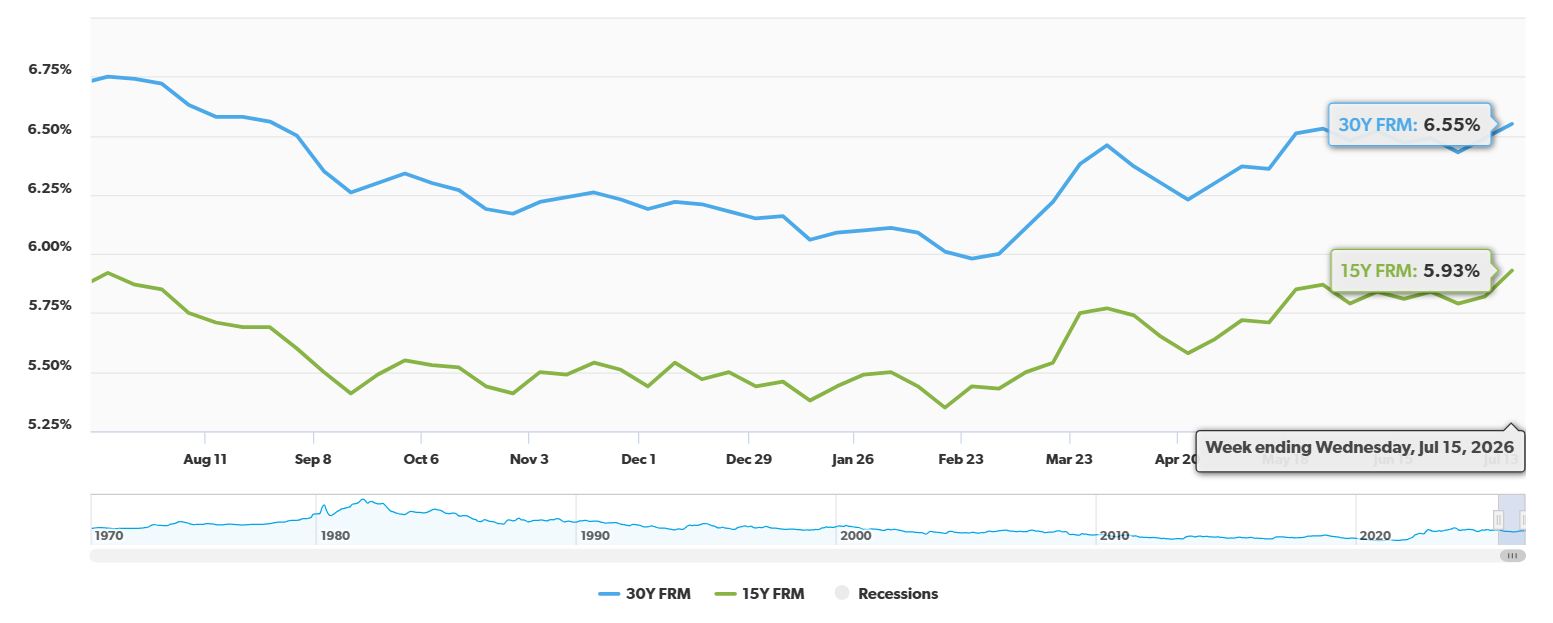
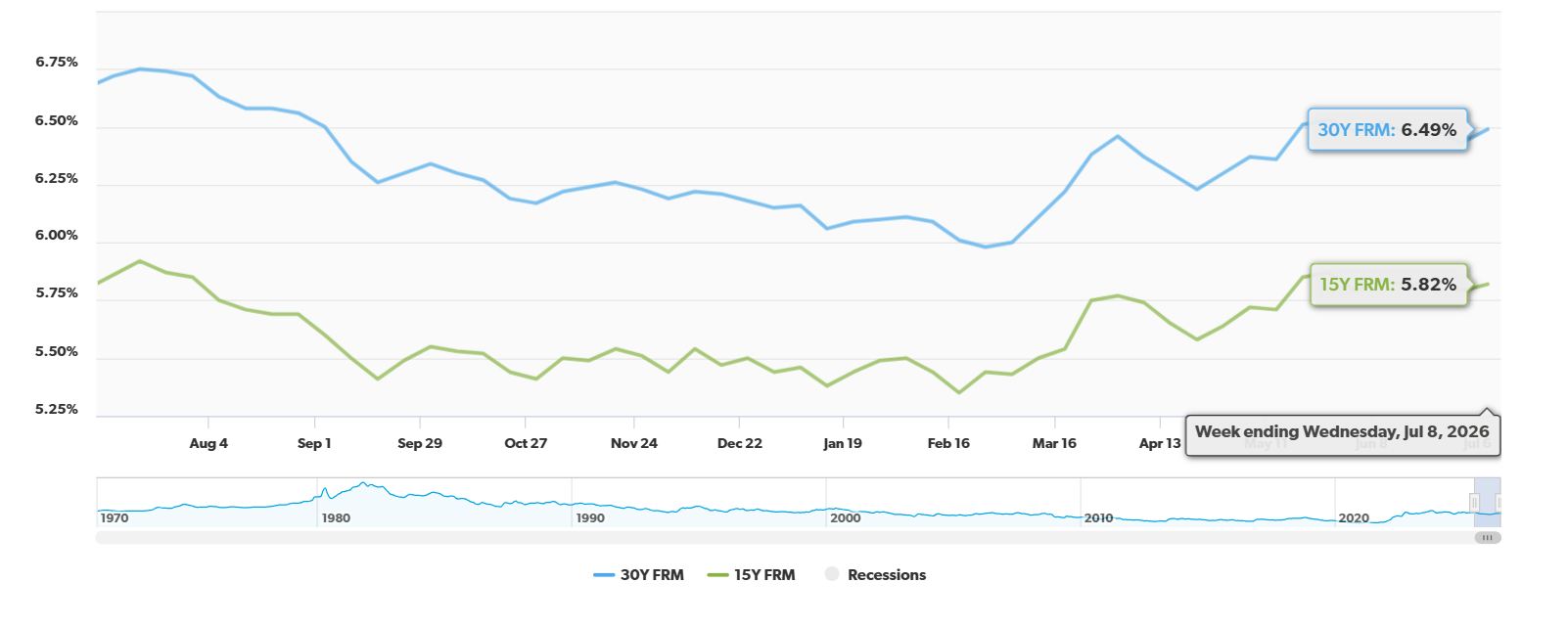
Right now, the big story is that U.S. mortgage rates are generally trending higher. The average 30-year fixed-rate mortgage is actually at its highest point in almost a year, hovering around 6.55% in recent weekly trends. This is a big shift from earlier in 2026 when we saw rates dip below the 6% mark.
So, what's causing lenders to ask for more money for loans? It's a combination of things:
- Treasury Yields are Climbing: You might hear about the 10-year U.S. Treasury yield. This is super important because mortgage rates tend to follow it very closely. Right now, that yield is climbing, sitting somewhere between 4.57% and 4.60%. This is a noticeable jump from where it was just a few months ago. Why is it going up? Well, the government is borrowing a lot of money, and when there's a lot of something available, people want more money for it. So, investors are demanding higher yields to buy all those government bonds.
- Inflation is Still a Concern: While some numbers might look like inflation is cooling down, the bigger picture shows that people are still expecting prices to rise faster than the Federal Reserve wants them to. The Fed's goal is to keep inflation around 2%. Because prices are proving to be a bit “sticky,” the people in charge at the Federal Reserve are staying cautious. They've paused cutting interest rates, and some are even talking about raising them again if things don't calm down on the price front.
- Global Events and Oil Prices: This is a big one right now. We're seeing some renewed conflict in the Middle East. This kind of global friction can really shake up the energy markets. When oil prices jump, it's like a little warning sign for inflation. Investors see this and worry about how it will affect the cost of goods and services. They then factor that “hidden inflation tax” into their bond prices, which pushes up those Treasury yields and, in turn, makes mortgage lenders charge more for loans.
What Should You Expect Next?
Based on what I'm seeing and what the experts are saying, it feels like we're in a period where rates might stay higher for a while. Groups like Fannie Mae and the Mortgage Bankers Association are forecasting that the 30-year fixed rate might come down just a little by the end of the year, maybe averaging between 6.3% and 6.5%.
However, any real, lasting relief for mortgage rates is really going to depend on things like finding peace in the Middle East and seeing those energy costs come down. It's a bit of a waiting game right now.
My Two Cents on Today's Rates
From my experience, these kinds of fluctuations can feel a bit unsettling. But remember, your personal situation is unique. If you were pre-approved for a mortgage a few months ago when rates were lower, and you're looking to buy now, it's worth talking to your lender about what that means for your monthly payments.
Also, if you're thinking about buying, don't get discouraged by the slight uptick. Shopping around is still one of the most powerful tools you have. Even a small difference in interest rate can save you thousands of dollars over the life of your loan. Getting quotes from a few different lenders is always a smart move.
For those who might be looking to refinance, it's a tougher market right now for a cash-out refinance, but if you can get a rate that's significantly lower than what you currently have, it might still make sense.
Ultimately, buying a home is a big decision, and the mortgage rate is just one piece of the puzzle. Focus on what you can control: your credit score, your down payment, and making sure you’re working with a lender you trust.
VS
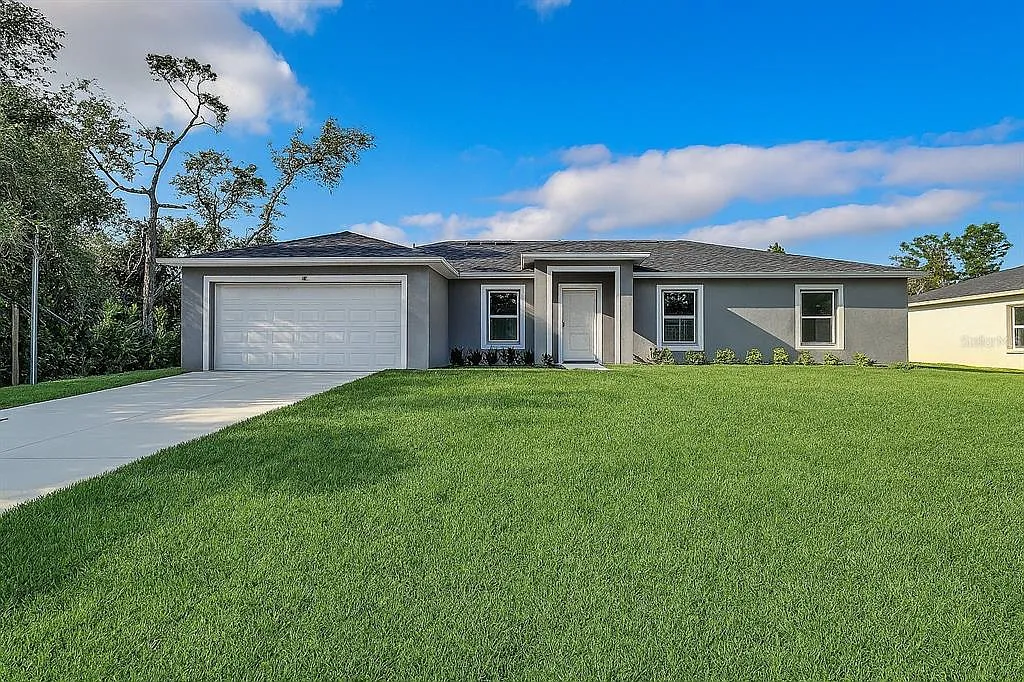
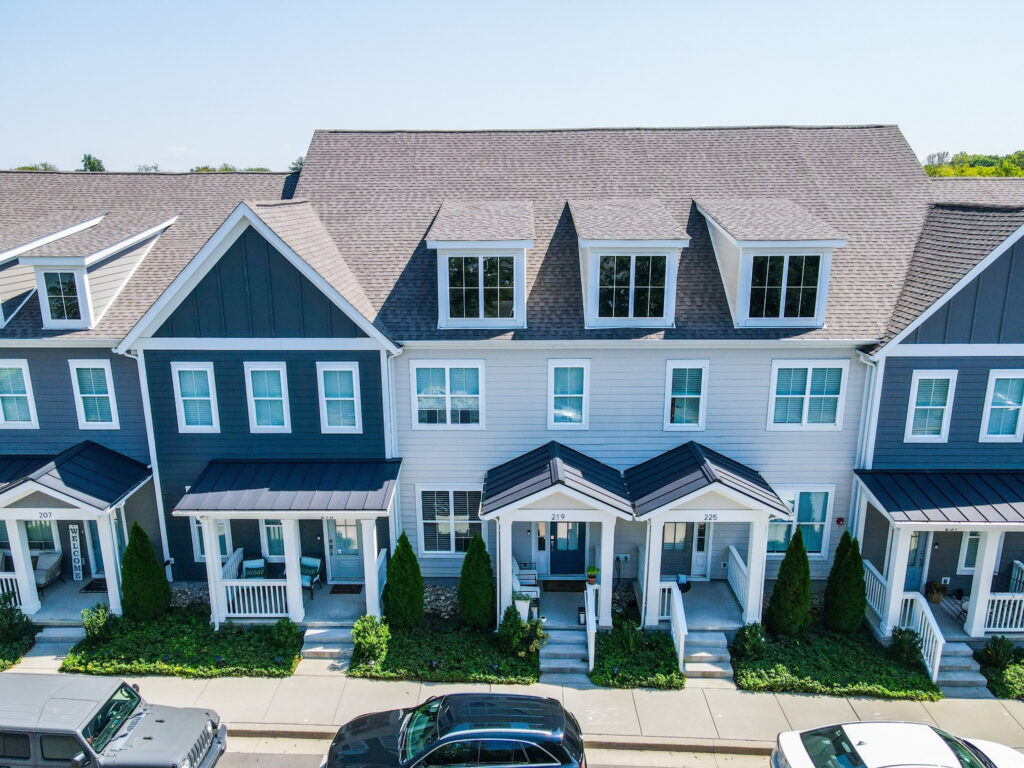
Out‑of‑State investors can compare Tennessee’s newer rental with higher NOI vs Florida’s A+ property with strong yield. Which fits YOUR investment strategy?
We have much more inventory available than what you see on our website – Let us know about your requirement.
📈 Choose Your Winner & Contact Us Today!
Speak to a Norada Investment Counselor (No Obligation):
(800) 611-3060
Mortgage rates remain high in 2026, but rental properties continue to deliver strong cash flow and appreciation. Savvy investors know that turnkey real estate is the path to passive income and long‑term wealth.
Norada Real Estate helps you secure turnkey rental properties designed for immediate cash flow and appreciation—so you can invest smartly regardless of interest rate trends.
Also Read:
- Mortgage Rates Predictions Backed by 7 Leading Experts: 2025–2026
- Mortgage Rate Predictions for the Next 3 Years: 2026, 2027, 2028
- 30-Year Fixed Mortgage Rate Forecast for the Next 5 Years
- 15-Year Fixed Mortgage Rate Predictions for Next 5 Years: 2025-2029
- Will Mortgage Rates Ever Be 3% Again in the Future?
- Mortgage Rates Predictions for Next 2 Years
- Mortgage Rate Predictions for Next 5 Years
- Mortgage Rate Predictions: Why 2% and 3% Rates are Out of Reach
- How Lower Mortgage Rates Can Save You Thousands?
- How to Get a Low Mortgage Interest Rate?
- Will Mortgage Rates Ever Be 4% Again?