If you're thinking about buying a home or refinancing your current one, you're probably wondering about today's mortgage rates. Well, here's the quick answer: As of July 12, most mortgage rates are looking a little bit lower than they were just last week, which is good news for potential buyers! It’s always smart to keep a close eye on these numbers because they can change faster than you might think.
While other loan types like the 15-year and 20-year fixed have seen small decreases, the increase in the 30-year rate means potential buyers might face slightly higher monthly payments. This movement highlights the importance of staying informed about daily rate changes when making significant financial decisions like buying a home.
Today's Mortgage Rates, July 12: Buyers Face Higher Refinance Costs as 30-Year Rate Rises
Where Do Today's Rates Stand?
It's important to know where we're getting our information. The rates I'm sharing today are based on data from Zillow, and it's always a good idea to cross-reference with other reliable sources like Freddie Mac.
Here’s a look at some of the key mortgage rates as of July 12, according to Zillow:
| Mortgage Product | Today's Rate (July 12th) | Last Week's Rate (Approx.) | Change from Last Week |
|---|---|---|---|
| 30-Year Fixed | 6.44% | 6.40% | +0.04% |
| 20-Year Fixed | 6.21% | 6.29% | -0.08% |
| 15-Year Fixed | 5.86% | 5.90% | -0.04% |
| 5/1 ARM | 6.21% | 6.29% | -0.08% |
(Note: ARM stands for Adjustable-Rate Mortgage. The “5/1” means the rate is fixed for the first five years, then adjusts annually.)
Looking at this table, you can see that while the popular 30-year fixed rate nudged up a tiny bit, other options like the 20-year fixed, 15-year fixed, and the 5/1 ARM have actually become a little cheaper. This can give borrowers more choices depending on how long they plan to stay in their home.
Why Are Rates Doing What They're Doing?
Now, let’s dive a little deeper than just the numbers. What’s making these rates move? It's a combination of things happening in our country and around the world.
1. The Bigger Picture: Global Worries and Oil Prices
Sometimes, things happening far away can affect our wallets right here at home. Recently, there's been some renewed tension in other parts of the world, specifically around the Middle East. When there's worry about instability in oil-producing regions, oil prices tend to go up. This can make us all nervous about how much things like gas and electricity will cost, which is called inflation. When people worry about inflation, it can push mortgage rates up a bit.
2. The 10-Year Treasury Yield: The Real Driver
It's a common misconception that the Federal Reserve's interest rates directly control mortgage rates. While they play a role, the 10-year U.S. Treasury yield is a much closer match for what happens with mortgage rates. Think of it like this: when investors are willing to accept lower returns on these government bonds, mortgage lenders can offer lower rates.
As of July 12th, the 10-year Treasury yield has seen a slight jump. This is often because of those inflation worries we just talked about. When the yield goes up, mortgage rates tend to follow suit. It’s like a partnership between these two numbers.
3. Inflation: Still a Bit Stubborn
The government keeps a close eye on how much prices are going up for everyday things, and they use a special report called the PCE (Personal Consumption Expenditures) Index. According to the latest reports, inflation is still higher than what the Federal Reserve (the people in charge of keeping our money stable) wants. They aim for inflation to be around 2%. When inflation is sticking around, it means the Fed might keep interest rates higher for longer, or even consider raising them again. This makes the bond market a bit jumpy, and that can nudge mortgage rates upward.
4. What the Fed is Thinking (and Saying!)
The Federal Reserve has a big job: to keep our economy healthy and prices steady. The people in charge of the Fed, especially the new Chair, have been talking about needing to keep things tight to control prices. This means they might be less likely to lower interest rates anytime soon. When the Fed sounds like they’re leaning towards keeping borrowing costs high, it tells the market that mortgage rates might not drop significantly in the near future.
My Take: What Does This Mean for You?
As someone who has worked in this business for a while, I see these small shifts as normal. It’s not a drastic change, but it’s enough to pay attention to.
- For Buyers: If you've been pre-approved for a mortgage, now might be a good time to lock in a rate if you see one you're comfortable with, especially if you were eyeing a 15-year or 20-year fixed. These rates are looking quite attractive. For those who need the lower monthly payment that a 30-year fixed offers, the slight increase might feel a bit discouraging, but remember, rates are still relatively good compared to historical averages.
- For Refinancers: If you're looking to refinance, it’s always a good idea to compare your current rate to today’s rates. Even a small drop can save you a lot of money over the life of your loan. However, with the slight upward tick in the 30-year fixed, it's crucial to do the math and see if refinancing makes financial sense for your specific situation.
- Arm Yourself with Knowledge: The most important thing you can do is stay informed. These numbers can change daily, so I always encourage my clients to have conversations with their lenders and understand their options. Don't be afraid to ask questions!
Looking Ahead
The mortgage market is always moving. What seems like a small change today could be a sign of bigger shifts to come. My advice? Keep an eye on inflation reports and what the Federal Reserve says. These will continue to be the main storytellers for mortgage rates in the coming weeks and months.
It’s an exciting time to be in the housing market, and understanding mortgage rates is a big part of that excitement. I hope this breakdown of today's mortgage rates on July 12th has been helpful!
VS
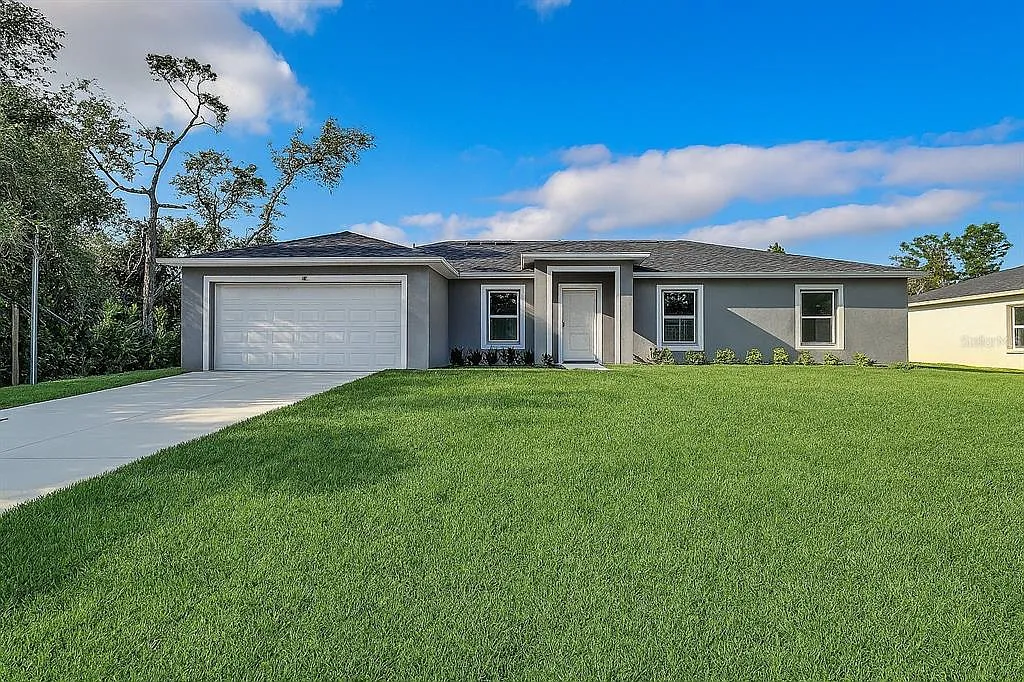
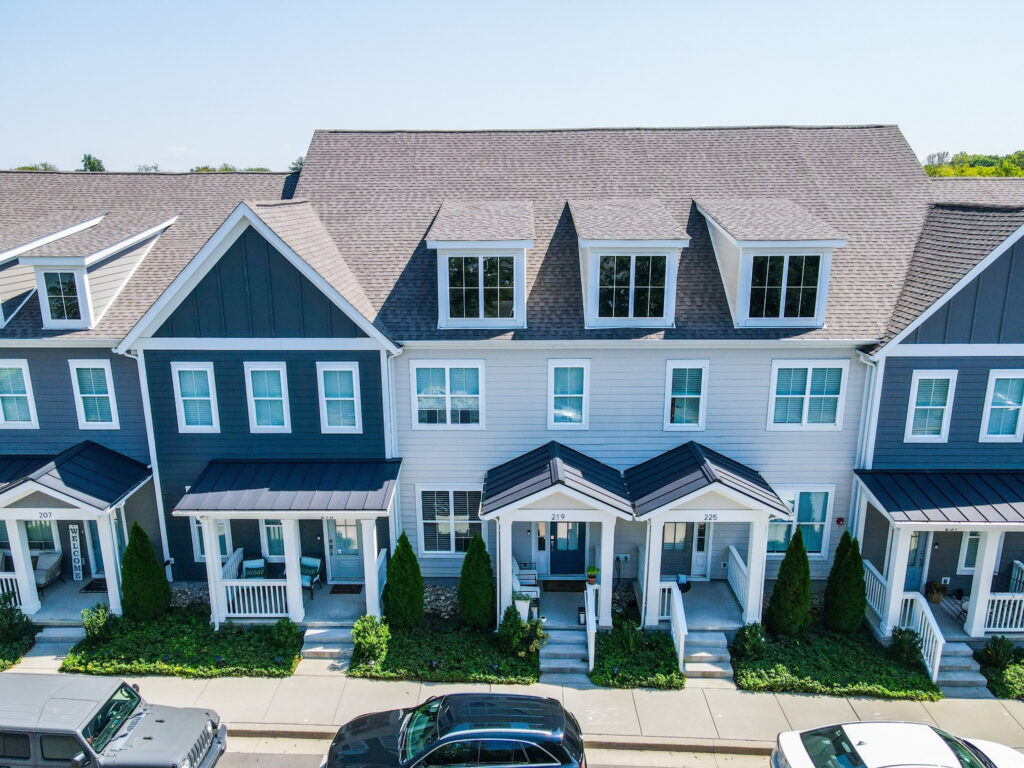
Out‑of‑State investors can compare Tennessee’s newer rental with higher NOI vs Florida’s A+ property with strong yield. Which fits YOUR investment strategy?
We have much more inventory available than what you see on our website – Let us know about your requirement.
📈 Choose Your Winner & Contact Us Today!
Speak to a Norada Investment Counselor (No Obligation):
(800) 611-3060
Mortgage rates remain high in 2026, but rental properties continue to deliver strong cash flow and appreciation. Savvy investors know that turnkey real estate is the path to passive income and long‑term wealth.
Norada Real Estate helps you secure turnkey rental properties designed for immediate cash flow and appreciation—so you can invest smartly regardless of interest rate trends.
Also Read:
- Mortgage Rates Predictions Backed by 7 Leading Experts: 2025–2026
- Mortgage Rate Predictions for the Next 3 Years: 2026, 2027, 2028
- 30-Year Fixed Mortgage Rate Forecast for the Next 5 Years
- 15-Year Fixed Mortgage Rate Predictions for Next 5 Years: 2025-2029
- Will Mortgage Rates Ever Be 3% Again in the Future?
- Mortgage Rates Predictions for Next 2 Years
- Mortgage Rate Predictions for Next 5 Years
- Mortgage Rate Predictions: Why 2% and 3% Rates are Out of Reach
- How Lower Mortgage Rates Can Save You Thousands?
- How to Get a Low Mortgage Interest Rate?
- Will Mortgage Rates Ever Be 4% Again?