If you've been keeping an eye on mortgage rates, you might have noticed things are shifting a bit. As of today, July 12, 2026, the 30-year fixed refinance rate has gone up by 31 basis points, landing at an average of 7.06%. This means if you're thinking about refinancing your home loan, it's costing a little more than it did last week. This jump in rates isn't a small blip; it's a noticeable move that's important for anyone planning to refinance their home.
Mortgage Rates Today, July 12, 2026: 30‑Year Refinance Rate Rises by 31 Basis Points
What's Happening with Refinance Rates Right Now?
Let's break down what the numbers are telling us, according to Zillow.
- 30-Year Fixed Refinance Rate: This is the big one for many people. It's now sitting at an average of 7.06%. Just last week, it was at 6.75%, so that's a jump of 31 basis points.
- 15-Year Fixed Refinance Rate: If you're looking at a shorter loan term, this rate has also nudged up. It's now at 5.97%, an increase of 9 basis points from 5.88%.
- 5-Year Adjustable-Rate Mortgage (ARM) Refinance Rate: These rates have stayed steady at 6.25%. ARMs can be a good option if you plan to move or refinance again before the rate starts to adjust, but they come with their own set of risks.
Here's a quick look at the numbers from Zillow:
| Refinance Product | Average Interest Rate (July 12, 2026) | Change from Previous Week |
|---|---|---|
| 30-Year Fixed Refinance | 7.06% | +31 basis points |
| 15-Year Fixed Refinance | 5.97% | +9 basis points |
| 5-Year ARM Refinance | 6.25% | No change |
Why Are Rates Going Up? It's Not Just One Thing!
It's easy to feel a bit confused when rates suddenly take a turn. From my experience, it's rarely just one single reason. Several things are happening at once that are pushing mortgage rates higher.
First off, things are getting a little tense in the world. Over the past week, a ceasefire between the U.S. and Iran has fallen apart. This is a big deal because it affects important shipping routes, like the Strait of Hormuz. When these routes are threatened, people start worrying about oil supplies, and that can lead to higher oil prices.
And when oil prices go up, it affects almost everything. Think about how much it costs to fill up your car or how much it costs to transport goods. This directly impacts the prices we see at the stores, which is what economists call inflation. The U.S. Consumer Price Index (CPI) has seen an annual growth rate of 4.2%, which is higher than many hoped for.
Because of this stubborn inflation, the Federal Reserve (often called “the Fed”) is rethinking its plans. Earlier this year, there was talk of them lowering interest rates. But now, with prices still climbing, they're likely going to keep their main interest rate higher for longer. This is super important because mortgage rates tend to follow what the Fed does with its benchmark rates, and they also track the interest rates on U.S. Treasury bonds. When those go up, so do our mortgage rates.
What Does This Mean for You When Refinancing?
Knowing why rates are moving is helpful, but what does it mean for your wallet and your plans? It means we all need to be a bit more careful and do our homework.
- The 1% Rule Still Matters: A good rule of thumb I often share is to refinance only if you can get a rate that's at least 1.00 percentage point lower than your current mortgage rate. If you locked in a mortgage last year at, say, 7.5% or higher, you might still find savings by refinancing now, even with today's rates. But if your rate is already pretty good, this might not be the time to jump.
- Look Closely at the APR: When lenders give you loan estimates, they'll show you the interest rate and the Annual Percentage Rate (APR). The interest rate is just part of the story. The APR is a more complete picture because it includes fees and other costs associated with the loan. Always compare the APRs when you're looking at different offers. It gives you a truer sense of the total cost of borrowing.
- Shop Around – Seriously! I can't stress this enough. Different lenders will offer different rates and fees. Studies have shown that talking to at least three different lenders can save you a significant amount of money over the life of your loan. Don't be afraid to ask for quotes and negotiate.
- Underwriting is Tougher: With higher interest rates, lenders are being more careful about who they lend to. They look very closely at your debt-to-income ratio (how much you owe compared to how much you earn). So, before you apply, make sure your credit score is as high as it can be and try to pay down any short-term debts. This will make you a much stronger candidate and help you avoid being turned down automatically.
Here’s a quick look at some general refinance rate ranges you might see today, keeping in mind that your personal rate will depend on many factors:
| Refinance Product | Average Interest Rate Range | Average APR Range |
|---|---|---|
| 30-Year Fixed Refi | 6.52% – 6.58% | 6.65% |
| 20-Year Fixed Refi | 6.11% – 6.38% | 6.49% |
| 15-Year Fixed Refi | 5.82% – 5.95% | 6.05% |
| 30-Year FHA Refi | 5.94% | 6.34% |
Note: These rates are estimates based on information from Bankrate, Zillow, and Fortune as of July 11-12, 2026. Your actual rate will vary based on your credit score, loan type, and other factors.
The Takeaway
So, while the news about the 30-year refinance rate rising by 31 basis points might be a bit of a bummer, it's not the end of the world. It just means we need to be smart about our decisions. Stay informed, do your research, and compare your options carefully. The housing market is always on the move, and understanding these changes is the first step to making the best financial choices for your home.

VS
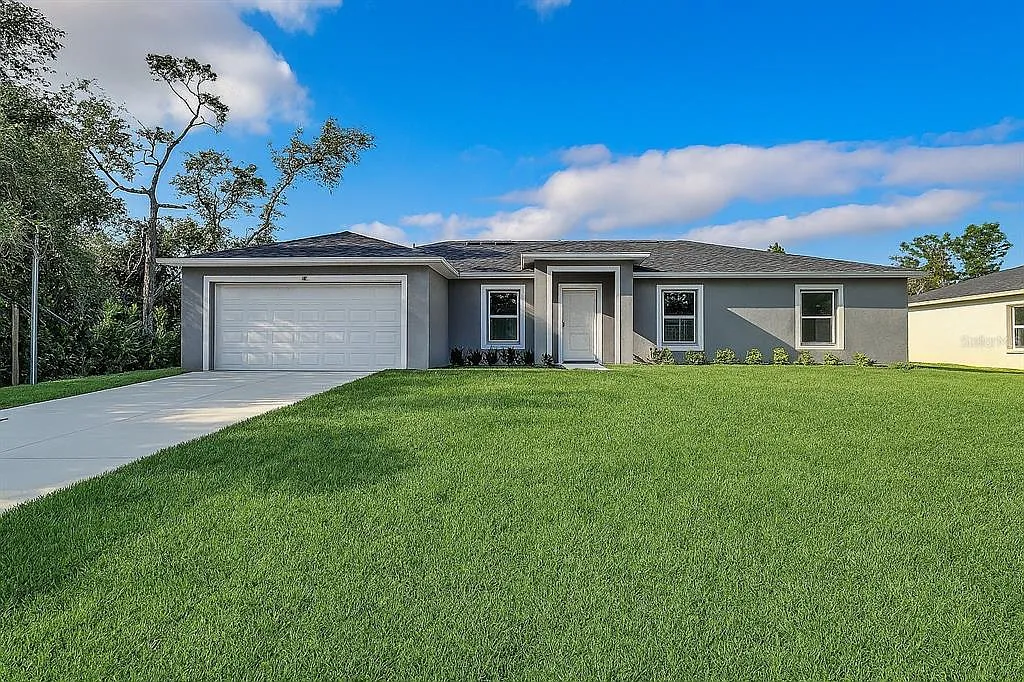
Out‑of‑State investors can compare Tennessee’s newer rental with higher NOI vs Florida’s A+ property with strong yield. Which fits YOUR investment strategy?
We have much more inventory available than what you see on our website – Let us know about your requirement.
📈 Choose Your Winner & Contact Us Today!
Speak to a Norada Investment Counselor (No Obligation):
(800) 611-3060
Mortgage rates remain high in 2026, but rental properties continue to deliver strong cash flow and appreciation. Savvy investors know that turnkey real estate is the path to passive income and long‑term wealth.
Norada Real Estate helps you secure turnkey rental properties designed for immediate cash flow and appreciation—so you can invest smartly regardless of interest rate trends.
Also Read:
- Mortgage Rates Predictions Backed by 7 Leading Experts: 2025–2026
- Mortgage Rate Predictions for the Next 3 Years: 2026, 2027, 2028
- 30-Year Fixed Mortgage Rate Forecast for the Next 5 Years
- 15-Year Fixed Mortgage Rate Predictions for Next 5 Years: 2025-2029
- Will Mortgage Rates Ever Be 3% Again in the Future?
- Mortgage Rates Predictions for Next 2 Years
- Mortgage Rate Predictions for Next 5 Years
- Mortgage Rate Predictions: Why 2% and 3% Rates are Out of Reach
- How Lower Mortgage Rates Can Save You Thousands?
- How to Get a Low Mortgage Interest Rate?
- Will Mortgage Rates Ever Be 4% Again?