Norada Real Estate Investments

  • Home
  • Markets
  • Properties
  • Membership
  • Podcast
  • Learn
  • About
  • Contact

30-Year Fixed Mortgage Rate Drops by 36 Basis Points Year-Over-Year

June 1, 2026 by Marco Santarelli

30-Year Fixed Mortgage Rate Drops by 36 Basis Points Year-Over-Year

The average 30-year fixed mortgage rate has dipped by 36 basis points compared to this time last year, currently sitting at 6.53% as of May 28, 2026. While this annual improvement is encouraging, it's important to understand the nuances of the current market, especially with short-term rates showing an upward trend. As someone who's been following the housing market closely, I can tell you this slight annual decrease, while seemingly small, has a ripple effect that can mean significant savings and a more accessible path to homeownership for many.

30-Year Fixed Mortgage Rate is Down 36 Basis Points Year-Over-Year

Understanding the Numbers: A Snapshot of Mortgage Rate Movements

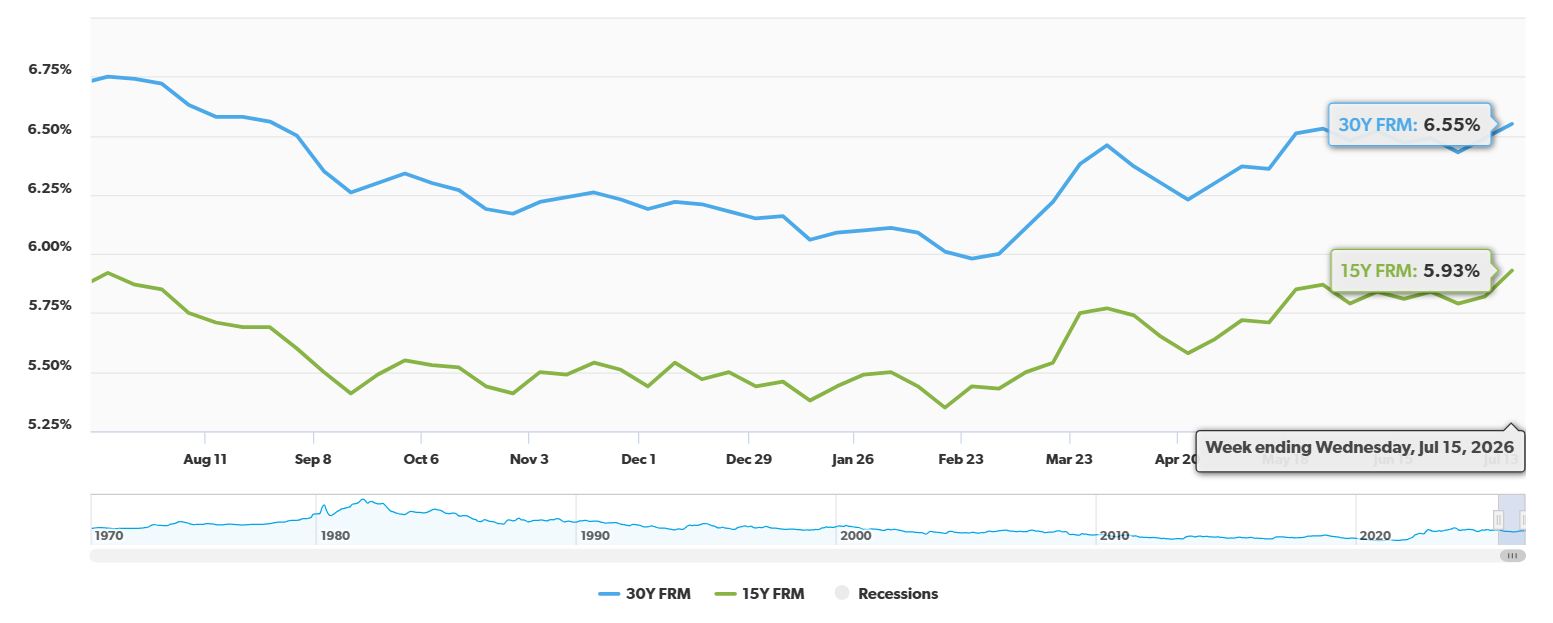
Freddie Mac's Primary Mortgage Market Survey® provides a clear picture of how rates have been moving. The average 30-year fixed-rate mortgage (FRM) for the week ending May 28, 2026, is indeed 6.53%. This is a decrease from 6.89% a year ago, marking that 36-basis-point drop year-over-year. However, it's also a slight increase from last week's 6.51%, highlighting the recent upward pressure.

Here's a breakdown of the key figures:

Mortgage Type Current Avg. (05/28/2026) 1-Wk Change 1-Yr Change Monthly Avg. 52-Wk Avg. 52-Wk Range
30-Yr Fixed FRM 6.53% +0.02% -0.36% 6.44% 6.36% 5.98% – 6.85%
15-Yr Fixed FRM 5.87% +0.02% -0.16% 5.79% 5.62% 5.35% – 5.99%

As you can see, the 15-year fixed-rate mortgage has also seen a year-over-year decrease, though not as pronounced as the 30-year.

30-Year Fixed Mortgage Rate Down 36 Basis Points Year-Over-Year

What Does a 36 Basis Point Drop Really Mean for You?

On the surface, a 0.36% difference might not sound like much. But when you're talking about a mortgage, which is typically a loan taken out over 15, 20, or 30 years, this difference translates into substantial savings. Let's break down the tangible benefits:

1. Real Monthly Savings

A lower interest rate directly impacts your monthly mortgage payment. For instance, on a $400,000 loan, a decrease from 6.89% to 6.53% can save you approximately $96 per month. This might seem modest initially, but over the lifespan of a 30-year mortgage, these monthly savings add up significantly.

2. Thousands Saved Over the Life of the Loan

The impact of that 36-basis-point reduction is even more dramatic when you look at the total interest paid over the life of the loan. For that same $400,000 loan, the total interest paid could decrease from roughly $547,460 to $512,987. That's a saving of over $34,000! This is money that can go towards other financial goals, home improvements, or simply provide greater financial flexibility.

3. A “Glass Half Full” Perspective on Market Trends

While it's true that mortgage rates have seen some recent upticks, driven by factors like persistent inflation and geopolitical pressures, the year-over-year decline offers a more optimistic outlook. It suggests that despite short-term volatility, the overall trend is still moving in a direction that's more favorable for borrowers than it was a year ago. This annual improvement is a crucial reminder that even in a fluctuating market, conditions can improve, making the dream of homeownership more attainable.

The Current Headwinds: Why Rates Are Bumping Up in the Short Term

It's important to acknowledge the factors causing the recent rise in mortgage rates. My understanding, informed by market analysis, points to a few key drivers:

  • Geopolitical Volatility: The ongoing conflict in Iran and its impact on oil passages in the Persian Gulf have directly contributed to rising energy prices. This, in turn, fuels inflation concerns, which lenders often price into mortgage rates.
  • Rising Bond Yields: Mortgage rates tend to move in tandem with long-term bond yields, particularly the 10-year Treasury yield. Inflation anxieties have caused these yields to become more volatile, pushing mortgage rates higher.
  • Federal Reserve Leadership Transition: With a new Chair at the helm of the Federal Reserve, markets are keenly observing how the central bank will navigate the current high-inflation environment. This uncertainty can lead to increased market volatility.

These factors have created a bit of a “nerve-wracking spring spike”, causing rates to climb rapidly in recent weeks.

The Housing Market's Response: Sidelined Buyers and Tight Inventory

The rapid fluctuations in mortgage rates, with rates climbing nearly a half-percentage point in less than a month, have understandably disoriented many potential buyers. This has led to a cooling in purchase demand. Zillow, for example, has revised its 2026 home sales growth projection downward to 1.2% from an initial 4% due to these elevated rates and energy prices.

However, there's a glimmer of hope: pending home sales have actually increased for three consecutive months. Sam Khater, Freddie Mac's Chief Economist, points out that this indicates a significant amount of latent demand. Many potential buyers are ready to re-enter the market as soon as rates show more sustained signs of easing.

The Lock-In Effect: Why We Aren't Seeing a Refinance Boom

Despite the year-over-year improvement, the current rate of 6.53% isn't quite enough to unlock a widespread refinancing boom or significantly increase housing inventory. The primary reason for this is the lock-in effect. Most current homeowners secured their mortgages when rates were exceptionally low, often below 4% or 5%. For these individuals, a rate of 6.53% doesn't offer enough incentive to sell their current home and move, as their new mortgage payment would likely be higher. This lack of inventory keeps home prices elevated, even as mortgage rates have seen some annual improvement.

Looking Ahead: What This Means for Your Homebuying Journey

The current mortgage rate environment is a complex mix of positive year-over-year trends and short-term volatility. While the 36-basis-point drop offers tangible savings and a more hopeful long-term perspective, it's crucial to stay informed about the factors influencing rates.

If you're a buyer, this might mean being patient and waiting for more favorable conditions, or it could present an opportunity if you've found the perfect home and the current rate fits your budget. For those looking to refinance, the current rate might not be compelling enough to break free from a low existing rate.

🏡 Rental Real Estate Investment: Indiana vs Florida

Indianapolis, IN
🏠 Property: Balboa Dr
🛏️ Beds/Baths: 4 Bed • 2 Bath • 1925 sqft
💰 Price: $190,000 | Rent: $1,600
📊 Cap Rate: 8.1% | NOI: $1,277
📅 Year Built: 1963
📐 Price/Sq Ft: $99
🏙️ Neighborhood: C+

VS

Port Charlotte, FL
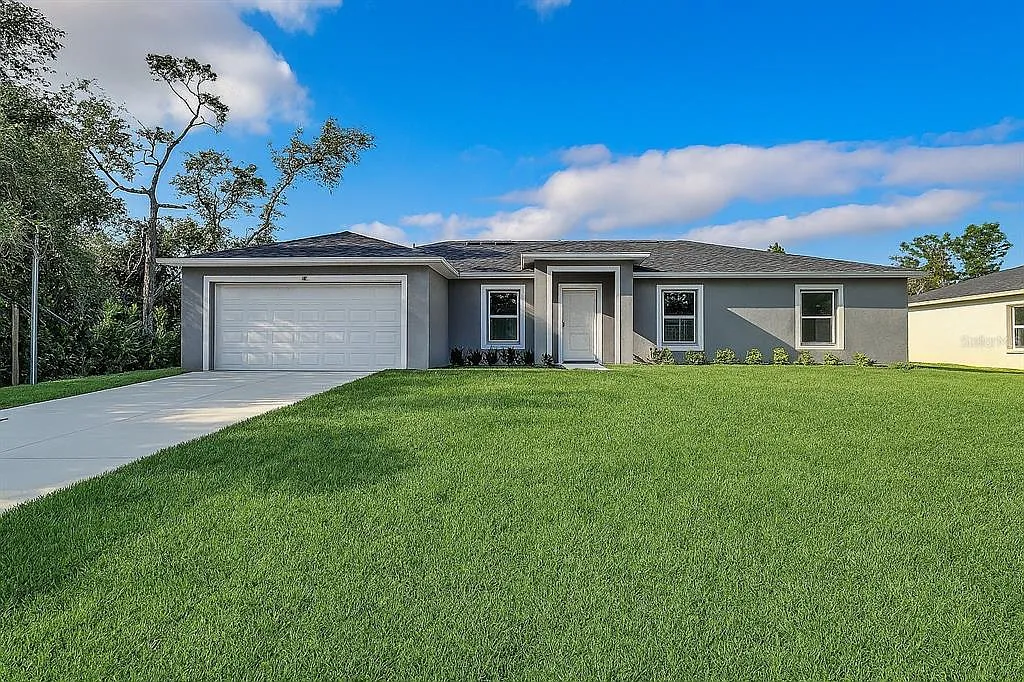
🏠 Property: Tyler Ave
🛏️ Beds/Baths: 4 Bed • 2 Bath • 1617 sqft
💰 Price: $274,900 | Rent: $1,845
📊 Cap Rate: 5.4% | NOI: $1,231
📅 Year Built: 2023
📐 Price/Sq Ft: $171
🏙️ Neighborhood: A+

Out‑of‑State investors can compare Indiana’s affordable rental with higher cap rate vs Florida’s newer A+ property with stability. Which fits YOUR investment strategy?

We have much more inventory available than what you see on our website – Let us know about your requirement.

📈 Choose Your Winner & Contact Us Today!

Speak to a Norada Investment Counselor (No Obligation):

(800) 611-3060

View All Properties

Build Passive Income & Wealth with Turnkey Rentals

Mortgage rates remain near 6%, but rental properties continue to deliver strong cash flow and appreciation. Savvy investors know that turnkey real estate is the path to passive income and long‑term wealth.

Norada Real Estate helps you secure turnkey rental properties designed for immediate cash flow and appreciation—so you can invest smartly regardless of interest rate trends.

🔥 HOT INVESTMENT Properties JUST ADDED! 🔥
Request a Callback / Fill Out the Form Online

Contact Us

Also Read:

  • Will Mortgage Rates Drop to 5% in 2026: Expert Forecast
  • How to Get a 3% Mortgage Rate in 2026 With Assumable Mortgages?
  • How to Get a 4% Interest Rate on a Mortgage in 2026?
  • What Leading Housing Experts Predict for Mortgage Rates in 2026
  • Mortgage Rate Predictions for 2026: What Leading Forecasters Expect
  • Mortgage Rate Predictions for the Next 3 Years: 2026, 2027, 2028
  • 30-Year Fixed Mortgage Rate Forecast for the Next 5 Years
  • 15-Year Fixed Mortgage Rate Predictions for Next 5 Years: 2025-2029
  • Will Mortgage Rates Ever Be 3% Again in the Future?
  • Mortgage Rates Predictions for Next 2 Years
  • Mortgage Rate Predictions for Next 5 Years
  • Mortgage Rate Predictions: Why 2% and 3% Rates are Out of Reach
  • How Lower Mortgage Rates Can Save You Thousands?
  • How to Get a Low Mortgage Interest Rate?
  • Will Mortgage Rates Ever Be 4% Again?
Filed Under: Financing, Mortgage Tagged With: 30-Year Fixed Mortgage Rate, mortgage, mortgage rates

Today’s Mortgage Rates, May 31: Buyers See Stability, 30-Year Fixed Remains in Mid‑6%

May 31, 2026 by Marco Santarelli

Today's Mortgage Rates, June 23: Fixed Loans Ease While ARMs Hold Firm

Thinking about buying a home or refinancing? Today, May 31st, the interest rates for mortgages are hovering in a pretty predictable spot, generally sitting in the low to mid-6% range for most common loans, according to Zillow. This means if you're looking for a 30-year fixed-rate loan, you're likely seeing rates around 6.33%. While these numbers might seem a bit high compared to a few years ago, understanding them is the first step to making a smart move.

Today's Mortgage Rates, May 31: Buyers See Stability, 30-Year Fixed Remains in Mid‑6%

What Are the Mortgage Rates Today?

It’s always helpful to have a clear picture of where things stand. Based on the latest information from Zillow, here’s a snapshot of what mortgage rates look like today, May 31st:

Loan Type Rate
30-year fixed 6.33%
20-year fixed 6.26%
15-year fixed 5.79%
5/1 ARM 6.45%
7/1 ARM 6.17%
30-year VA 5.80%
15-year VA 5.43%
5/1 VA 5.68%

You'll notice that the 30-year fixed rate has dipped slightly, which is good news for buyers. However, the 5/1 Adjustable-Rate Mortgage (ARM) has nudged up a bit. ARMs can be tricky – they start with a lower rate but can change later. The 5/1 ARM has been moving around quite a bit lately, which makes it something to watch closely if you're considering it.

Why Are Rates Doing What They're Doing?

It might seem like mortgage rates just appear out of nowhere, but they’re actually influenced by a few big things happening in the world and in our economy.

  • The Economy is Like a Big Engine: Think of the economy as a huge machine. When things are running smoothly and prices are going up (that’s called inflation), the folks in charge, like the Federal Reserve (or “the Fed”), might make borrowing money a little more expensive to cool things down. This is exactly what's happening now. Inflation hasn’t quite settled down to their target, so they’re keeping interest rates higher for longer.
  • What’s Happening Around the World Matters: Sometimes, big events far away, like conflicts in other countries, can make the cost of things like oil go up. When oil prices rise, it can make everything a little more expensive, which also adds to that inflation pressure. This, in turn, can make mortgage rates tick up because they’re often tied to how the government’s big borrowing costs (like the 10-year Treasury yield) are doing.
  • The Fed's Strategy: The Federal Reserve is currently holding steady on interest rates. They’ve paused their plan to lower rates because inflation is still a little too high. This means borrowing costs for things like mortgages are likely to stay in this higher range for a while.

Where Are Rates Heading Next?

Looking ahead, experts are pretty much saying that mortgage rates will likely stay in the low to mid-6% range for the rest of the year. Major housing groups, like Fannie Mae, agree with this. They predict rates will probably bounce around between 6.1% and 6.5%.

Unless the economy takes a really sharp downturn (which nobody really wants!), it's unlikely we'll see rates drop below 6% anytime soon. The best guess for the next few years is that rates will be somewhere around 6.1% to 6.2%.

What This Means for You Today

Understanding these rates isn't just about numbers; it's about making smart choices for your homeownership dreams.

  • The “Wait and See” Game: A lot of people who already have homes and got great, low mortgage rates from a few years ago are hesitant to sell. Why? Because if they buy a new home, they'll have to get a new, higher mortgage. This is keeping the number of homes for sale a bit low, which helps keep home prices from falling too much, even with higher rates. If you’re waiting for a big drop in rates, you might have to wait a long, long time. And if rates do suddenly drop, a lot of eager buyers will jump in, which could push prices back up.
  • Shop Around, Seriously! This is probably the most important tip I can give you. Mortgage rates can be very different from one bank or lender to another. You could save a good chunk of money – maybe even half a percent (0.50%) on your rate – just by comparing offers from different places. Don't be afraid to ask for quotes from a few different lenders or use online tools that let you compare them easily.
  • Is Refinancing a Good Idea Right Now? If you bought your home when rates were super high, like over 7.5%, you might still be able to save some money by refinancing. However, current refinance rates are often a bit higher than rates for buying a new home. You really need to look at the closing costs involved in refinancing to see if the monthly savings are worth it.
  • Short-Term Tricks: If you need a bit of breathing room now but plan to move or refinance in a few years (say, 5 to 7 years), an Adjustable-Rate Mortgage (ARM) or working with a builder on a temporary rate buydown could be options. These can lower your monthly payments for the first few years.

My Take on Today's Rates

As someone who’s been following the housing market for a while, I see today’s rates as a steady presence. They’re not drastically changing day by day, which is actually a good thing for planning. The biggest takeaway for me is the importance of being an informed buyer. Don't just accept the first rate you're offered. Get quotes, understand the different loan types, and really think about your long-term goals.

While the rates might feel a bit higher than we’d all like, they also represent a market that’s trying to find its balance. For serious buyers, this can still be a time to make a move, especially if you find the right home and negotiate a good deal. Just remember, your loan officer is your best friend in navigating all these options. Ask them everything!

🏡 Two Rental Properties Generating Consistent Cash Flow

Rincon, GA
🏠 Property: Founders Dr
🛏️ Beds/Baths: 3 Bed • 2 Bath • 1600 sqft
💰 Price: $275,000 | Rent: $2,200
📊 Cap Rate: 7.0% | NOI: $1,613
📅 Year Built: 2025
📐 Price/Sq Ft: $172
🏙️ Neighborhood: B+

VS

Port Charlotte, FL
🏠 Property: Prineville St
🛏️ Beds/Baths: 4 Bed • 2 Bath • 1914 sqft
💰 Price: $349,900 | Rent: $2,100
📊 Cap Rate: 5.0% | NOI: $1,457
📅 Year Built: 2025
📐 Price/Sq Ft: $183
🏙️ Neighborhood: A

Georgia’s affordable rental with higher cap rate vs Florida’s A‑rated property with stability. Which fits YOUR investment strategy?

We have much more inventory available than what you see on our website – Let us know about your requirement.

📈 Choose Your Winner & Contact Us Today!

Speak to a Norada Investment Counselor (No Obligation):

(800) 611-3060

View All Properties

Build Passive Income & Wealth with Turnkey Rentals in 2026

Mortgage rates remain high in 2026, but rental properties continue to deliver strong cash flow and appreciation. Savvy investors know that turnkey real estate is the path to passive income and long‑term wealth.

Norada Real Estate helps you secure turnkey rental properties designed for immediate cash flow and appreciation—so you can invest smartly regardless of interest rate trends.

🔥 HOT 2026 INVESTMENT LISTINGS JUST ADDED! 🔥
Request a Callback / Fill Out the Form Online

Contact Us

Also Read:

  • Mortgage Rates Predictions Backed by 7 Leading Experts: 2025–2026
  • Mortgage Rate Predictions for the Next 3 Years: 2026, 2027, 2028
  • 30-Year Fixed Mortgage Rate Forecast for the Next 5 Years
  • 15-Year Fixed Mortgage Rate Predictions for Next 5 Years: 2025-2029
  • Will Mortgage Rates Ever Be 3% Again in the Future?
  • Mortgage Rates Predictions for Next 2 Years
  • Mortgage Rate Predictions for Next 5 Years
  • Mortgage Rate Predictions: Why 2% and 3% Rates are Out of Reach
  • How Lower Mortgage Rates Can Save You Thousands?
  • How to Get a Low Mortgage Interest Rate?
  • Will Mortgage Rates Ever Be 4% Again?
Filed Under: Financing, Mortgage Tagged With: mortgage, mortgage rates, Today’s Mortgage Rates

Today’s Mortgage Rates, May 30: Rates Drop Slightly, 30‑Year Fixed Dips to 6.33%

May 30, 2026 by Marco Santarelli

Today's Mortgage Rates, June 23: Fixed Loans Ease While ARMs Hold Firm

If you're thinking about buying a home or refinancing, you're probably keeping a close eye on mortgage rates. And for May 30th, it looks like we're seeing a slight dip in the most common type of mortgage – the 30-year fixed rate. It's now sitting at 6.33%, down a tiny bit from yesterday.

While this might not sound like a huge change, it's a welcome sign for many hoping for a little more wiggle room in their housing budgets. We've seen rates climb pretty high lately, even hitting a nine-month high just recently. So, even this small drop can feel like a significant shift when you're making such a big financial decision.

Today's Mortgage Rates, May 30: Rates Drop Slightly, 30‑Year Fixed Dips to 6.33%

What Are Today's Mortgage Rates, Exactly?

To give you the clearest picture, let's break down the numbers straight from Zillow, which is a trusted source for this kind of data. These are the rates as of today, May 30th:

Loan Type Today's Average Rate
30-Year Fixed 6.33%
20-Year Fixed 6.26%
15-Year Fixed 5.79%
5/1 ARM 6.45%
7/1 ARM 6.17%
30-Year VA 5.80%
15-Year VA 5.43%
5/1 VA 5.68%

As you can see, the 30-year fixed rate is what most people think of when they talk about mortgages. It's stayed popular because it offers predictable payments over a long time. The 15-year fixed is still a bit lower, which is great if you can manage the higher monthly payments and want to pay off your home faster.

Why the Small Dip, and What's Still Making Things Tricky?

So, why is the 30-year fixed rate nudging down a little today? It's a complex dance, but a big piece of the puzzle is tied to something called the 10-year U.S. Treasury yield. Think of this Treasury yield as a major signal for lenders. When investors feel like the economy is a bit shaky or risky, they demand more money back for lending their money to the government (that's the yield going up). When that happens, lenders have to charge more for mortgages to keep their business going. Lately, those yields have been climbing, pushing mortgage rates higher. Today, it seems there might have been a little bit of calm in that market, allowing mortgage rates to ease slightly.

However, we can't ignore the bigger picture. Inflation is still a strong force. The government's target for inflation is 2%, but it's been running higher than that. When inflation is high, the money you pay back on a loan in the future is worth less than the money you borrowed today. So, lenders and investors want to be paid more now to make up for that.

On top of that, we've got global events that are making things unpredictable. Things happening in other parts of the world can affect oil prices, and when oil prices go up, it costs more to make and move things, which adds to that inflation we're trying to fight. Sometimes, there are rumors or small pieces of news that can make rates jump around a bit, like a brief hope that certain shipping routes might open up.

What This Means for You: The “Rate Lock-in” Effect and Affordability

Now, let's talk about what all this means for people like you and me who are trying to navigate the housing market. This situation has created what we call a “rate lock-in” effect. A lot of homeowners out there got their mortgages when rates were much, much lower – often below 5%. They're now in a position where they'd have to pay a lot more for a mortgage if they sold their current home and bought a new one. This means fewer people are selling, which makes it harder for buyers to find homes.

This is a big reason why, even with rates coming down a little, buying a home is still a tough nut to crack for many. When you combine the current mortgage rates with home prices that haven't come down much, the monthly payment for the average person can be really high. It's like the goalposts have moved, and it takes a bigger paycheck to afford a home now than it did even a year or two ago. This is making it hard for many families who are just trying to get a piece of the American dream.

Thinking About Your Next Move?

If you're thinking about buying, refinancing, or just keeping an eye on the market, remember that these rates can change daily. It's always a good idea to talk to a mortgage professional who can explain exactly what these numbers mean for your personal situation. They can help you understand your options and figure out the best path forward.

For today, May 30th, we're seeing a slight positive movement in the 30-year fixed rate, but the underlying factors that have been driving rates up are still very much in play. It’s a good reminder that while we celebrate small wins, staying informed and prepared is key in this ever-changing market.

🏡 Two Rental Properties Generating Consistent Cash Flow

Rincon, GA
🏠 Property: Founders Dr
🛏️ Beds/Baths: 3 Bed • 2 Bath • 1600 sqft
💰 Price: $275,000 | Rent: $2,200
📊 Cap Rate: 7.0% | NOI: $1,613
📅 Year Built: 2025
📐 Price/Sq Ft: $172
🏙️ Neighborhood: B+

VS

Port Charlotte, FL
🏠 Property: Prineville St
🛏️ Beds/Baths: 4 Bed • 2 Bath • 1914 sqft
💰 Price: $349,900 | Rent: $2,100
📊 Cap Rate: 5.0% | NOI: $1,457
📅 Year Built: 2025
📐 Price/Sq Ft: $183
🏙️ Neighborhood: A

Georgia’s affordable rental with higher cap rate vs Florida’s A‑rated property with stability. Which fits YOUR investment strategy?

We have much more inventory available than what you see on our website – Let us know about your requirement.

📈 Choose Your Winner & Contact Us Today!

Speak to a Norada Investment Counselor (No Obligation):

(800) 611-3060

View All Properties

Build Passive Income & Wealth with Turnkey Rentals in 2026

Mortgage rates remain high in 2026, but rental properties continue to deliver strong cash flow and appreciation. Savvy investors know that turnkey real estate is the path to passive income and long‑term wealth.

Norada Real Estate helps you secure turnkey rental properties designed for immediate cash flow and appreciation—so you can invest smartly regardless of interest rate trends.

🔥 HOT 2026 INVESTMENT LISTINGS JUST ADDED! 🔥
Request a Callback / Fill Out the Form Online

Contact Us

Also Read:

  • Mortgage Rates Predictions Backed by 7 Leading Experts: 2025–2026
  • Mortgage Rate Predictions for the Next 3 Years: 2026, 2027, 2028
  • 30-Year Fixed Mortgage Rate Forecast for the Next 5 Years
  • 15-Year Fixed Mortgage Rate Predictions for Next 5 Years: 2025-2029
  • Will Mortgage Rates Ever Be 3% Again in the Future?
  • Mortgage Rates Predictions for Next 2 Years
  • Mortgage Rate Predictions for Next 5 Years
  • Mortgage Rate Predictions: Why 2% and 3% Rates are Out of Reach
  • How Lower Mortgage Rates Can Save You Thousands?
  • How to Get a Low Mortgage Interest Rate?
  • Will Mortgage Rates Ever Be 4% Again?
Filed Under: Financing, Mortgage Tagged With: mortgage, mortgage rates, Today’s Mortgage Rates

Today’s Mortgage Rates, May 29: Fixed Loans Edge Up, Adjustable Rates Hold Steady

May 29, 2026 by Marco Santarelli

Today's Mortgage Rates, June 23: Fixed Loans Ease While ARMs Hold Firm

As of Friday, May 29, 2026, today's mortgage rates are showing a slight uptick, with the popular 30-year fixed rate standing at 6.36%, according to Zillow. This modest increase, up by 2 basis points from yesterday, reflects a market that’s still finding its footing after a period of fluctuation. While it's not a dramatic shift, it’s important for anyone in the market for a home, or looking to refinance, to understand what these numbers signify and how they might impact your financial decisions.

Today's Mortgage Rates, May 29: Fixed Loans Edge Up, Adjustable Rates Hold Steady

We saw rates dip to what felt like historic lows not too long ago, making homeownership feel incredibly accessible. But then, like a rollercoaster, they started climbing again, and for a while, they were hovering uncomfortably above 7%. Now, we're in this interesting phase where rates have eased a bit but are still experiencing some choppiness. It’s a far cry from the rapid declines many hoped for earlier this year.

The Current Snapshot: What the Numbers Say

It’s always best to have the latest figures readily available, so here’s a breakdown of today's mortgage rates, as reported by Zillow for Friday, May 29, 2026:

Loan Type Rate
30-year fixed 6.36%
20-year fixed 6.29%
15-year fixed 5.97%
5/1 ARM 6.21%
7/1 ARM 6.20%
30-year VA 5.83%
15-year VA 5.52%
5/1 VA 5.68%

Note: These are national averages provided by Zillow. Your specific rate may vary based on your credit score, down payment, and lender.

Looking at this table, you can see that the 15-year fixed-rate is currently the most attractive option, sitting below 6% at 5.97%. This isn’t surprising, as shorter loan terms generally come with lower interest rates because the lender’s money is tied up for a shorter period. For those who can manage the higher monthly payments, this can be a significant way to save on interest over the life of the loan.

VA loans, designed for our brave veterans and active-duty service members, also continue to offer competitive rates, particularly the 15-year VA at 5.52%. This is a fantastic benefit for those who qualify.

Where Are Rates Heading Next?

Predicting the future of mortgage rates is a bit like trying to predict the weather – there are a lot of factors at play, and things can change quickly. However, by looking at the trends and expert opinions, we can get a clearer picture.

Near-Term Volatility: A Bumpier Road Ahead?

Right now, we're seeing some upward pressure on mortgage rates. This is largely due to a few key factors:

  • Inflation Concerns: When inflation is high, it tends to make investors nervous. This often leads them to seek safer investments, and that can push up the yields on things like the 10-year Treasury note, which is a benchmark for mortgage rates.
  • Geopolitical Factors: Global events can have a ripple effect. For instance, tensions in regions that are major oil producers can impact energy prices, which in turn can feed into inflation concerns and affect interest rates.

These forces have been putting the brakes on the rapid decline in home loan rates that many had hoped for. Instead of a smooth downward trend, we're experiencing a more bumpy and volatile path.

The “Higher-for-Longer” Reality: A New Normal?

A lot of financial experts have shifted their thinking. The idea of rates plummeting back to the ultra-low levels we saw during the pandemic is becoming less likely. The consensus now points towards a period of plateauing rates, where they might stay within a relatively narrow range, likely around the mid-6% mark. This suggests that we might need to adjust our expectations for what constitutes a “normal” mortgage rate in the current economic climate.

Long-Term Forecasts: A Glimmer of Hope?

Looking further out, some organizations like Fannie Mae and the Mortgage Bankers Association are offering a more optimistic outlook. Their predictions suggest that if inflation continues to cool down gradually and the Federal Reserve eventually starts cutting interest rates later in the year, we might see 30-year fixed rates slowly drift down towards the high 5% to low 6% range by the end of 2026. This is still a significant jump from pandemic lows, but it would represent a welcome improvement from current levels.

Key Insights for Borrowers Today: My Take on Navigating the Market

As someone who has seen many market cycles, I want to offer some practical advice based on my experience and understanding of these trends.

  • Don't Try to Time the Market: This is probably the most crucial piece of advice I can give. Waiting on the sidelines for rates to magically drop back to 3% or 4% is a gamble. Most economists believe that rates in the 5% to 6% range are more likely to be our baseline for the foreseeable future. If you find a home you love and can afford now, it's often better to buy than to wait indefinitely.
  • Competition Can Trump Lower Rates: If rates do drop significantly, you can bet that a lot of people who have been waiting will jump back into the market. This surge in buyer demand often leads to increased competition, which can, in turn, drive up home prices. So, while a lower rate is great, it might be offset by a higher purchase price, negating some of your savings.
  • “Marry the House, Date the Rate”: This is a saying I often share with clients. If you find a home that truly fits your needs and your budget, and you can see yourself living there happily, it's often a smart move to secure that property. You can always explore refinancing options down the line if interest rates fall. The joy and stability of owning a home you love shouldn't be sacrificed for the perfect rate if it means missing out on a great opportunity.
  • Shop Around, Shop Around, Shop Around! I can't stress this enough. National averages are just that – averages. The actual mortgage rate you're offered can vary significantly from one lender to another. Your creditworthiness, your financial history, the type of loan you're seeking, and even the specific lender's current business needs all play a role. Take the time to get quotes from at least three to five different lenders. Compare not just the interest rate but also the fees and closing costs.
  • Leverage the Power of the 15-Year Loan: As I mentioned earlier, if your monthly budget can handle it, seriously consider the 15-year fixed-rate mortgage. The current difference between the 30-year and 15-year rates is substantial. For example, on a $300,000 loan, opting for the 15-year fixed at 5.97% instead of the 30-year fixed at 6.36% could save you hundreds of thousands of dollars in interest over the life of the loan. It's a commitment, but the long-term financial rewards are immense.

The mortgage market is dynamic, and staying informed is key. By understanding today's rates, considering the influencing factors, and following sound financial advice, you can make more confident decisions about your homeownership journey.

🏡 Two Rental Properties Generating Consistent Cash Flow

Rincon, GA
🏠 Property: Founders Dr
🛏️ Beds/Baths: 3 Bed • 2 Bath • 1600 sqft
💰 Price: $275,000 | Rent: $2,200
📊 Cap Rate: 7.0% | NOI: $1,613
📅 Year Built: 2025
📐 Price/Sq Ft: $172
🏙️ Neighborhood: B+

VS

Port Charlotte, FL
🏠 Property: Prineville St
🛏️ Beds/Baths: 4 Bed • 2 Bath • 1914 sqft
💰 Price: $349,900 | Rent: $2,100
📊 Cap Rate: 5.0% | NOI: $1,457
📅 Year Built: 2025
📐 Price/Sq Ft: $183
🏙️ Neighborhood: A

Georgia’s affordable rental with higher cap rate vs Florida’s A‑rated property with stability. Which fits YOUR investment strategy?

We have much more inventory available than what you see on our website – Let us know about your requirement.

📈 Choose Your Winner & Contact Us Today!

Speak to a Norada Investment Counselor (No Obligation):

(800) 611-3060

View All Properties

Build Passive Income & Wealth with Turnkey Rentals in 2026

Mortgage rates remain high in 2026, but rental properties continue to deliver strong cash flow and appreciation. Savvy investors know that turnkey real estate is the path to passive income and long‑term wealth.

Norada Real Estate helps you secure turnkey rental properties designed for immediate cash flow and appreciation—so you can invest smartly regardless of interest rate trends.

🔥 HOT 2026 INVESTMENT LISTINGS JUST ADDED! 🔥
Request a Callback / Fill Out the Form Online

Contact Us

Also Read:

  • Mortgage Rates Predictions Backed by 7 Leading Experts: 2025–2026
  • Mortgage Rate Predictions for the Next 3 Years: 2026, 2027, 2028
  • 30-Year Fixed Mortgage Rate Forecast for the Next 5 Years
  • 15-Year Fixed Mortgage Rate Predictions for Next 5 Years: 2025-2029
  • Will Mortgage Rates Ever Be 3% Again in the Future?
  • Mortgage Rates Predictions for Next 2 Years
  • Mortgage Rate Predictions for Next 5 Years
  • Mortgage Rate Predictions: Why 2% and 3% Rates are Out of Reach
  • How Lower Mortgage Rates Can Save You Thousands?
  • How to Get a Low Mortgage Interest Rate?
  • Will Mortgage Rates Ever Be 4% Again?

Filed Under: Financing, Mortgage Tagged With: mortgage, mortgage rates, Today’s Mortgage Rates

Today’s Mortgage Rates, May 28: Buyers Get Relief, Fixed Loans Ease, ARMs Drop by 18 Points

May 28, 2026 by Marco Santarelli

Today's Mortgage Rates, June 23: Fixed Loans Ease While ARMs Hold Firm

As of May 28th, 2026, the mortgage rate market is showing a small but welcome sign of easing. Today, the average 30-year fixed mortgage rate has dipped to 6.34%, down four basis points from yesterday. This follows a trend of declining rates for the third consecutive day, with the 15-year fixed rate also falling four basis points to 5.77%, and the 5/1 ARM dropping a more significant eighteen basis points to 6.27%. While these are modest movements, they provide a much-needed breath of fresh air for potential homebuyers and those looking to refinance.

Today's Mortgage Rates, May 28: Buyers Get Relief, Fixed Loans Ease, ARMs Drop by 18 Points

It’s important to note that while today’s numbers offer a slight reprieve, the broader outlook remains one of sustained volatility. Major players in the housing industry, like Fannie Mae and the Mortgage Bankers Association, are still projecting that rates will likely stay above 6% for the rest of the year. This means that while we might see these small dips, a dramatic plunge back to the sub-6% era isn't expected anytime soon. This makes understanding the current market and acting strategically more crucial than ever.

What's Driving Today's Mortgage Rates?

To understand why rates have eased slightly this week, we need to look at a couple of key factors that have recently influenced the market. After hitting a nine-month high, mortgage rates pulled back due to a combination of declining oil prices and easing Treasury yields.

  • Declining Oil Prices: West Texas Intermediate (WTI) crude prices have seen a noticeable drop. Since energy costs are a significant part of overall inflation, a decrease in oil prices helps calm market worries about rising consumer expenses. This, in turn, can lead to a more favorable environment for lenders.
  • Easing Treasury Yields: Geopolitical tensions have seen some cooling, and softer commodity prices have contributed to a drop in the benchmark 10-year U.S. Treasury yield. This yield fell from over 4.6% to around 4.46%. Because long-term fixed mortgage rates tend to follow the movements of the 10-year Treasury yield, this compression has allowed lenders to slightly lower their mortgage pricing.

Understanding the Bigger Picture: Factors Affecting Rates

While today’s dip is encouraging, it’s essential to keep the larger economic forces at play in mind. Mortgage rates are a complex interplay of various global and domestic factors. Here’s a look at what's pushing rates up versus what's bringing them down:

⬆️ Factors Pushing Rates Up:

  • Geopolitical Conflict: Ongoing tensions and military actions, particularly involving Iran, have caused sudden spikes in energy costs. This injects significant volatility into the bond markets, which can lead to higher borrowing costs.
  • Sticky Inflation: Inflation, as measured by the Consumer Price Index (CPI) and Personal Consumption Expenditures (PCE) numbers, remains stubbornly above the Federal Reserve's target of 2%. This persistent inflation forces lenders to keep borrowing costs elevated to protect the value of their money.
  • The Federal Reserve's “Higher-for-Longer” Stance: Although the Fed started cutting its benchmark rate in late 2024, the economy has shown consistent strength. This economic resilience has prompted the central bank to repeatedly pause further rate cuts during its 2026 meetings, keeping overall borrowing costs higher.
  • Surging National Debt: Concerns about the expansive and growing U.S. public debt are structurally pressuring long-term bond yields upward.

⬇️ Factors Pushing Rates Down:

  • Cooling Economic Data: Any signs of softening in employment numbers or minor dips in monthly consumer spending can signal to the market that the economy is cooling. This can, in turn, drag bond yields down, potentially leading to lower mortgage rates.
  • Rising Housing Supply: We're finally seeing active housing inventory recover towards more normal, pre-pandemic levels. This is helping to temper the previously uncontrollable home price appreciation and may naturally soften broader economic demand, which could also influence rates positively.

Today's Mortgage Rates at a Glance (May 28, 2026)

To give you a clear picture of where things stand today, here's a breakdown of the average rates, according to the latest data from Zillow:

Loan Type Average Rate
30-year fixed 6.34%
20-year fixed 6.26%
15-year fixed 5.77%
5/1 ARM 6.27%
7/1 ARM 6.39%
30-year VA 5.85%
15-year VA 5.51%
5/1 VA 5.54%

Expert Advice for Navigating the Current Market

As your guide through the world of real estate and mortgages, I often see buyers and homeowners feeling a bit anxious about the current rate environment. It’s a sentiment I share – this market requires a smart, proactive approach. Here’s what I and other experts recommend:

  • “Marry the House, Date the Rate”: This is a mantra I’ve been sharing for a while, and it’s more relevant now than ever. Waiting for rates to drop significantly below 6% might mean missing out on the perfect home. History shows that when rates do drop, a flood of sidelined buyers re-enters the market, leading to increased competition and, inevitably, higher home prices. My advice? Buy when you find a home that fits your needs and your budget. If rates drop substantially in the future, you can always refinance.
  • Shop Around, Seriously: Don't just go with the first lender you talk to. Rates can vary significantly between financial institutions, and these differences can add up to thousands of dollars over the life of your loan. I always advise my clients to get quotes from at least three different lenders. It takes a little extra effort, but the savings can be substantial.
  • Consider Temporary Buydowns: This is a fantastic strategy that many buyers overlook. You can ask sellers to contribute to a “2-1 buydown” or purchase discount points upfront. This can effectively lower your mortgage rate by 1% to 2% for the first few years of your loan, making your initial payments more manageable.
  • Explore Adjustable-Rate Mortgages (ARMs): We’re seeing a surge in ARM applications, and for good reason. The share of ARM applications has climbed to nearly 10% of the market. Currently, standard 5/1 ARMs are priced roughly 80 basis points lower than comparable 30-year fixed contracts. If you plan to move or refinance before the rate on the ARM adjusts, this can offer significant near-term affordability.

The current mortgage rate environment is certainly complex, but by staying informed and employing smart strategies, you can still achieve your homeownership goals. Today's slight dip is a reminder that markets are dynamic, and opportunities exist even in challenging times.

🏡 Two Rental Properties Generating Consistent Cash Flow

Rincon, GA
🏠 Property: Founders Dr
🛏️ Beds/Baths: 3 Bed • 2 Bath • 1600 sqft
💰 Price: $275,000 | Rent: $2,200
📊 Cap Rate: 7.0% | NOI: $1,613
📅 Year Built: 2025
📐 Price/Sq Ft: $172
🏙️ Neighborhood: B+

VS

Port Charlotte, FL
🏠 Property: Prineville St
🛏️ Beds/Baths: 4 Bed • 2 Bath • 1914 sqft
💰 Price: $349,900 | Rent: $2,100
📊 Cap Rate: 5.0% | NOI: $1,457
📅 Year Built: 2025
📐 Price/Sq Ft: $183
🏙️ Neighborhood: A

Georgia’s affordable rental with higher cap rate vs Florida’s A‑rated property with stability. Which fits YOUR investment strategy?

We have much more inventory available than what you see on our website – Let us know about your requirement.

📈 Choose Your Winner & Contact Us Today!

Speak to a Norada Investment Counselor (No Obligation):

(800) 611-3060

View All Properties

Build Passive Income & Wealth with Turnkey Rentals in 2026

Mortgage rates remain high in 2026, but rental properties continue to deliver strong cash flow and appreciation. Savvy investors know that turnkey real estate is the path to passive income and long‑term wealth.

Norada Real Estate helps you secure turnkey rental properties designed for immediate cash flow and appreciation—so you can invest smartly regardless of interest rate trends.

🔥 HOT 2026 INVESTMENT LISTINGS JUST ADDED! 🔥
Request a Callback / Fill Out the Form Online

Contact Us

Also Read:

  • Mortgage Rates Predictions Backed by 7 Leading Experts: 2025–2026
  • Mortgage Rate Predictions for the Next 3 Years: 2026, 2027, 2028
  • 30-Year Fixed Mortgage Rate Forecast for the Next 5 Years
  • 15-Year Fixed Mortgage Rate Predictions for Next 5 Years: 2025-2029
  • Will Mortgage Rates Ever Be 3% Again in the Future?
  • Mortgage Rates Predictions for Next 2 Years
  • Mortgage Rate Predictions for Next 5 Years
  • Mortgage Rate Predictions: Why 2% and 3% Rates are Out of Reach
  • How Lower Mortgage Rates Can Save You Thousands?
  • How to Get a Low Mortgage Interest Rate?
  • Will Mortgage Rates Ever Be 4% Again?
Filed Under: Financing, Mortgage Tagged With: mortgage, mortgage rates, Today’s Mortgage Rates

30-Year Mortgage Rate Predictions for the Next 12 Months

May 27, 2026 by Marco Santarelli

30-Year Mortgage Rate Predictions for the Next 12 Months

It's a bit of a tricky time for anyone looking to buy a home or refinance their mortgage over the next 12 months. Based on what the big financial players are saying, it looks like we'll be seeing 30-year mortgage rates hover between 6.0% and 6.4% from June 2026 through May 2027. Those earlier hopes of rates dipping back into the 5% range seem to be fading, mostly because inflation is sticking around longer than expected and global events, particularly in the Middle East, are keeping the Federal Reserve from lowering interest rates as quickly as some had anticipated.

30-Year Mortgage Rate Predictions for the Next 12 Months

As someone who's been watching the housing market for a while, I've seen these cycles before. It's easy to get caught up in the headlines about rising or falling rates, but the reality for most of us trying to make a big financial decision like buying a home is much more nuanced. This upcoming year, from June 2026 to May 2027, is shaping up to be a period where we need to be smart and strategic with our mortgage decisions.

What the Experts Are Saying: A Look at the Forecasts

I've gathered some of the latest predictions from major housing finance institutions, and they paint a pretty consistent picture. It's not the exciting drop some were hoping for, but rather a steady, elevated rate environment.

Here’s a breakdown of what different groups are forecasting:

Institution Estimated 12-Month Average Forecast Primary Driver Behind Forecast
Fannie Mae 6.30% Elevated energy prices due to the Strait of Hormuz closure.
Mortgage Bankers Association (MBA) 6.40% Sticky inflation keeping secondary market yields high.
Wells Fargo Economics 6.17% Conflict premium driving up the 10-year Treasury yield.
National Assoc. of Home Builders (NAHB) 6.08% Gradual cooling of building material costs and labor.

As you can see, most of these respected institutions are in agreement: expect rates to stay in that 6.0% to 6.4% range for the next twelve months. This is a shift from earlier optimism, and it's important to understand why.

Why Are Rates Staying High? The Economic Forces at Play

It boils down to a few key economic factors that are keeping mortgage rates from dipping significantly.

  • The Federal Reserve's Tight Grip: The Federal Reserve has been holding steady on interest rates, and it looks like they'll continue to do so for a while. When the Fed keeps its benchmark rate higher for longer, it puts a cap on how low mortgage rates can go. They're really focused on taming stubborn inflation.
  • Bond Market Pressure: Mortgage rates tend to follow the 10-year Treasury yield. Right now, ongoing government spending and inflation that's still above the Fed's target are keeping that yield elevated. Think of it as a “term premium” – investors want more return for holding those longer-term bonds when there's uncertainty.
  • The “Lock-In Effect”: This is a big one for the housing market itself. Many homeowners who bought or refinanced when rates were incredibly low (like 3% during the pandemic) aren't selling their homes. Why would they give up that low rate to buy another home at a much higher rate? This lack of inventory means fewer homes on the market, which helps keep home prices from dropping and even pushes them up slightly, projected at 2% to 3% for 2026-2027.

My Take: What This Means for You

From my perspective, this data confirms what I’ve been observing. The market isn't going to magically shift into a 5% rate environment overnight. The Fed is cautious, inflation is proving resilient, and the ripple effects of global events are tangible.

This means we need to adjust our expectations and our strategies. Waiting for that mythical 5% rate might mean missing out on buying a home at today's prices, only to face much higher prices later if rates do eventually drop and demand surges.

Action Plan: Strategies for Borrowers (June 2026 – May 2027)

So, what should you do if you're looking to buy or refinance in the next year? I recommend a three-pronged approach:

  1. Negotiate Seller Credits for Rate Buydowns: Sellers are motivated when rates are high because it keeps buyers away. See if they’ll help you by funding a 2-1 rate buydown. This can lower your interest rate by 2% in the first year and 1% in the second, giving you significant breathing room and lower initial payments. It’s a great way to make your monthly budget more manageable while you wait for potential rate drops.
  2. Focus on the Purchase Price, Not Just the Rate: If you find a home you absolutely love that fits your budget at a 6.3% rate, don't let the perfect be the enemy of the good. Buy that home! If rates do fall later in 2027 or 2028, you can refinance to a lower rate. It's often easier and more financially sound to buy the house you want now and refinance later, rather than waiting for a rate that might come with a much higher price tag. This is what we call the “buy and refinance” tactic: marry the house, date the rate.
  3. Optimize Your Financial Profile: Lenders are becoming more selective in this volatile market. To get the best possible rate within that 6.0%-6.4% range, aim for a credit score above 740 and a 20% down payment. This will help you secure the lowest margin available from lenders and potentially beat the national averages.

Buying vs. Refinancing: Two Different Paths

It's important to look at these two scenarios – buying a new home and refinancing an existing loan – with different financial strategies in mind.

Strategy 1: Buying a New Home

If you're buying a new home between June 2026 and May 2027, you're accepting that rates will be in the 6.0% to 6.4% range. However, remember that home prices are still projected to climb by 2% to 3% due to that low inventory we discussed.

  • The Risk of Waiting: If you hold out for rates to drop to 5%, you might face a flood of pent-up buyer demand. This could lead to intense bidding wars and push home prices even higher, potentially negating any savings from a lower rate.
  • The “Buy and Refinance” Tactic: As I mentioned, this is a solid strategy. Secure your ideal home now to avoid future price hikes, and have a plan to refinance if rates become more favorable later.
  • Negotiation Power: Because some buyers are sitting on the sidelines due to higher rates, you might have more leverage to negotiate with sellers for things like rate buydowns.

Strategy 2: Refinancing an Existing Loan

Refinancing only makes sense if the numbers truly work in your favor today.

  • The Break-Even Rule: A refinance is generally a good idea if you can lower your current interest rate by at least 0.5% to 1.0%. You'll also want to make sure you plan to stay in the home long enough for the monthly savings to cover the closing costs, which can be anywhere from 2% to 5% of your loan amount.
  • Who Should Consider Refinancing: If you bought a home in late 2024 or 2025 when rates were higher (say, 7.5% or more), refinancing into a loan around 6.1% could save you hundreds of dollars each month immediately. It’s a smart move to cut down on your interest payments.
  • Who Should Probably Wait: If you have a mortgage from the pandemic era with a rate under 5%, refinancing now would likely increase your monthly payments significantly. It just doesn't make financial sense to give up those rock-bottom rates.

Ultimately, the next twelve months present a unique set of challenges and opportunities. By staying informed, being strategic, and focusing on your long-term financial goals, you can navigate this market successfully.

🏡 Two Real Estate Investments: Alabama vs Tennessee

Helena, AL
🏠 Property: Village Pkwy
🛏️ Beds/Baths: 3 Bed • 2.5 Bath • 1500 sqft
💰 Price: $300,000 | Rent: $1,925
📊 Cap Rate: 6.4% | NOI: $1,608
📅 Year Built: 2025
📐 Price/Sq Ft: $200
🏙️ Neighborhood: B

VS

Nashville, TN
🏠 Property: Winton Dr
🛏️ Beds/Baths: 3 Bed • 2.5 Bath • 1688 sqft
💰 Price: $360,000 | Rent: $2,100
📊 Cap Rate: 5.5% | NOI: $1,662
📅 Year Built: 2001
📐 Price/Sq Ft: $214
🏙️ Neighborhood: A

Out‑of‑State real estate investors can weigh Alabama’s newer rental with solid cap rate against Tennessee’s established A‑rated property with stability. Which fits YOUR investment strategy?

We have much more inventory available than what you see on our website – Let us know about your requirement.

📈 Choose Your Winner & Contact Us Today!

Speak to a Norada Investment Counselor (No Obligation):

(800) 611-3060

View All Properties

Build Passive Income & Wealth with Turnkey Rentals

Mortgage rates remain near 6%, but rental properties continue to deliver strong cash flow and appreciation. Savvy investors know that turnkey real estate is the path to passive income and long‑term wealth.

Norada Real Estate helps you secure turnkey rental properties designed for immediate cash flow and appreciation—so you can invest smartly regardless of interest rate trends.

🔥 HOT INVESTMENT Properties JUST ADDED! 🔥
Request a Callback / Fill Out the Form Online

Contact Us

Also Read:

  • 30-Year Mortgage Rate Predictions for 2026
  • Will Mortgage Rates Drop to 5% in 2026: Expert Forecast
  • How to Get a 3% Mortgage Rate in 2026 With Assumable Mortgages?
  • How to Get a 4% Interest Rate on a Mortgage in 2026?
  • What Leading Housing Experts Predict for Mortgage Rates in 2026
  • Mortgage Rate Predictions for 2026: What Leading Forecasters Expect
  • Mortgage Rate Predictions for the Next 3 Years: 2026, 2027, 2028
  • 30-Year Fixed Mortgage Rate Forecast for the Next 5 Years
  • 15-Year Fixed Mortgage Rate Predictions for Next 5 Years: 2025-2029
  • Will Mortgage Rates Ever Be 3% Again in the Future?
  • Mortgage Rates Predictions for Next 2 Years
  • Mortgage Rate Predictions for Next 5 Years
  • Mortgage Rate Predictions: Why 2% and 3% Rates are Out of Reach
  • How Lower Mortgage Rates Can Save You Thousands?
  • How to Get a Low Mortgage Interest Rate?
  • Will Mortgage Rates Ever Be 4% Again?

Filed Under: Financing, Mortgage Tagged With: 30-Year Fixed Mortgage Rate, mortgage, Mortgage Rate Predictions, mortgage rates

Today’s Mortgage Rates, May 27: 30‑Year Fixed at 6.46%, Treasury Yields Drive Volatility

May 27, 2026 by Marco Santarelli

Today's Mortgage Rates, June 23: Fixed Loans Ease While ARMs Hold Firm

As of May 27, 2026, the average interest rate for a 30-year fixed-rate mortgage for home purchases is hovering around 6.46%, according to data from Zillow. This means if you're looking to buy a home today, you can expect rates in this general ballpark. It's a number that impacts many decisions, from whether to buy to how much house you can afford. While this national average gives us a solid starting point, it's crucial to remember that your personal rate can vary.

Today's Mortgage Rates, May 27: 30‑Year Fixed at 6.46%, Treasury Yields Drive Volatility

What the Numbers Tell Us: A Breakdown of Current Rates

Here’s a snapshot of what consumers are seeing, on average (Zillow's data):

  • 30-Year Fixed: Interest Rate around 6.39% (6.40% APR)
  • 15-Year Fixed: Interest Rate around 5.77% (5.79% APR)
  • 5-Year Adjustable-Rate Mortgage (ARM): Interest Rate around 6.45% (6.51% APR)
  • 30-Year FHA: Interest Rate around 5.38% (6.11% APR)
  • 30-Year VA: Interest Rate around 5.92% (6.25% APR)

For those looking directly through the Zillow Home Loans platform, you'll find slightly different numbers, as these reflect specific lender offerings and points:

Loan Type Interest Rate APR Average Points
30-Year Fixed 6.490% 6.677% 1.915
30-Year FHA 6.125% 6.824% 1.778
30-Year VA 6.000% 6.282% 1.720
30-Year Jumbo 6.250% 6.409% 1.657
20-Year Fixed 6.500% 6.730% 1.792
15-Year Fixed 5.875% 6.169% 1.865
10-Year Fixed 5.875% 6.146% 1.775
7/6 ARM 6.625% 6.688% 1.865

Refinancing rates are also a key consideration for many homeowners. The data for May 27, 2026, shows:

  • 30-Year Fixed Refi: Around 6.62%
  • 15-Year Fixed Refi: Around 5.81%
  • 5-Year ARM Refi: Around 7.38%

As you can see, refinance rates are often a touch higher than purchase rates. This is something I've observed consistently, as lenders factor in different risks and services for refinances.

Why Are Rates Where They Are Today?

It’s not just random numbers! Mortgage rates are influenced by a complex mix of economic factors. Right now, stubborn inflation data has played a big role, keeping things a bit unsettled. The yields on the 10-year Treasury note, which mortgage rates tend to follow, have been fluctuating. Plus, global events, especially those impacting energy prices, can send ripples through the economy and, consequently, through mortgage rates. Yahoo Finance points out that these factors are making the market a bit unpredictable.

The Federal Reserve's stance on interest rates is another major player. They've adopted a cautious approach, signaling a “higher-for-longer” strategy until inflation consistently hits their 2% target. This has a direct impact on the cost of borrowing money, including mortgages.

Where Are We Headed? Expert Predictions for the Rest of 2026

Looking ahead, the general consensus among major housing authorities like Fannie Mae and the Mortgage Bankers Association (MBA) is that we'll likely see a gradual, modest decline in mortgage rates towards the end of 2026. They project the 30-year fixed rate to average somewhere between 6.0% and 6.5% for the remainder of the year. Some optimists even believe that if inflation continues to cool down, we might see rates dip below 6% by the fourth quarter.

However, I always caution against taking these forecasts as gospel. The market is incredibly volatile, and unexpected events can quickly change the trajectory. Geopolitical tensions and their impact on energy prices are a significant wildcard, capable of causing sharp, short-term swings in the bond market and, by extension, mortgage rates.

Vital Insights for Borrowers Today

Navigating the current mortgage market can feel like a puzzle, but I've found a few strategies always serve borrowers well.

  • Date the Rate, Marry the Home: Trying to perfectly time the bottom of the mortgage rate market is a gamble. In my experience, if you find a home that truly fits your needs and budget, it’s often wiser to lock in that rate and purchase the home. You can always look into refinancing down the line if rates drop significantly.
  • Expanded Inventory Means More Options: One silver lining to higher rates is that the housing market has seen a healthier supply of homes. This means buyers often face less frantic competition and fewer bidding wars than in years past. This can give you more leverage for negotiations or to ask for seller concessions, which can help offset higher borrowing costs.
  • Shop Around – It Pays Off! This is perhaps the most crucial piece of advice I can give. Because market conditions can lead to wider variations in offers, getting quotes from multiple lenders is essential. Don't just stick to your primary bank. Compare offers from retail banks, credit unions, and online brokers. Using platforms that allow you to compare rates from various lenders can save you thousands of dollars over the life of your loan. I’ve seen firsthand how much difference this makes.
  • Explore Rate Buydowns: A clever strategy to consider is asking sellers if they're open to funding a temporary rate buydown. A common structure is a 2-1 buydown, which lowers your interest rate by 2% in the first year and 1% in the second year. This can significantly ease your initial monthly payments as you adjust to homeownership.

The mortgage market is always evolving, but by staying informed and employing smart strategies, you can make the best decisions for your financial future.

🏡 Two Rental Properties Generating Consistent Cash Flow

Rincon, GA
🏠 Property: Founders Dr
🛏️ Beds/Baths: 3 Bed • 2 Bath • 1600 sqft
💰 Price: $275,000 | Rent: $2,200
📊 Cap Rate: 7.0% | NOI: $1,613
📅 Year Built: 2025
📐 Price/Sq Ft: $172
🏙️ Neighborhood: B+

VS

Port Charlotte, FL
🏠 Property: Prineville St
🛏️ Beds/Baths: 4 Bed • 2 Bath • 1914 sqft
💰 Price: $349,900 | Rent: $2,100
📊 Cap Rate: 5.0% | NOI: $1,457
📅 Year Built: 2025
📐 Price/Sq Ft: $183
🏙️ Neighborhood: A

Georgia’s affordable rental with higher cap rate vs Florida’s A‑rated property with stability. Which fits YOUR investment strategy?

We have much more inventory available than what you see on our website – Let us know about your requirement.

📈 Choose Your Winner & Contact Us Today!

Speak to a Norada Investment Counselor (No Obligation):

(800) 611-3060

View All Properties

Build Passive Income & Wealth with Turnkey Rentals in 2026

Mortgage rates remain high in 2026, but rental properties continue to deliver strong cash flow and appreciation. Savvy investors know that turnkey real estate is the path to passive income and long‑term wealth.

Norada Real Estate helps you secure turnkey rental properties designed for immediate cash flow and appreciation—so you can invest smartly regardless of interest rate trends.

🔥 HOT 2026 INVESTMENT LISTINGS JUST ADDED! 🔥
Request a Callback / Fill Out the Form Online

Contact Us

Also Read:

  • Mortgage Rates Predictions Backed by 7 Leading Experts: 2025–2026
  • Mortgage Rate Predictions for the Next 3 Years: 2026, 2027, 2028
  • 30-Year Fixed Mortgage Rate Forecast for the Next 5 Years
  • 15-Year Fixed Mortgage Rate Predictions for Next 5 Years: 2025-2029
  • Will Mortgage Rates Ever Be 3% Again in the Future?
  • Mortgage Rates Predictions for Next 2 Years
  • Mortgage Rate Predictions for Next 5 Years
  • Mortgage Rate Predictions: Why 2% and 3% Rates are Out of Reach
  • How Lower Mortgage Rates Can Save You Thousands?
  • How to Get a Low Mortgage Interest Rate?
  • Will Mortgage Rates Ever Be 4% Again?

Filed Under: Financing, Mortgage Tagged With: mortgage, mortgage rates, Today’s Mortgage Rates

Today’s Mortgage Rates, May 26: 30‑Year Fixed Rises to 6.46%, ARMs Jump Sharply

May 26, 2026 by Marco Santarelli

Today's Mortgage Rates, June 23: Fixed Loans Ease While ARMs Hold Firm

As of May 26, 2026, the average 30-year fixed mortgage rate has ticked up to 6.46%, according to Zillow. This slight increase means buying a home might feel a bit more costly this weekend, but it's crucial to understand the bigger picture behind these numbers.

I know when I see mortgage rates move, my first thought is always about how it affects people trying to buy or refinance a home. It’s not just a number; it’s a significant part of someone’s dream of owning their own place. Seeing these rates go up, even by a little, can make anyone pause. But I’ve been watching this market for a while, and I can tell you that what’s happening now isn't as simple as just a random jump. There are real reasons why these rates are behaving the way they are.

Today's Mortgage Rates, May 26: 30‑Year Fixed Rises to 6.46%, ARMs Jump Sharply

A Quick Look at Today's Numbers

Let's break down what Zillow is showing us for May 26, 2026:

  • 30-year fixed: 6.46% (This is the most common type of mortgage people get, and it's up 12 basis points from yesterday)
  • 20-year fixed: 6.34%
  • 15-year fixed: 5.91% (Just a tiny bit higher, up 1 basis point)
  • 5/1 ARM: 6.68% (This is a big jump, up 39 basis points from yesterday)
  • 7/1 ARM: 6.45%
  • 30-year VA: 5.83%
  • 15-year VA: 5.52%
  • 5/1 VA: 5.5%

What's Really Driving These Mortgage Rates?

It might seem like mortgage rates are just doing their own thing, but they’re actually tied to a lot of bigger events happening around the world. Think of it like this: when there’s a lot of uncertainty in the world, people get a bit more nervous about their money, and that can make mortgage rates go up.

Remember the early part of 2026? We saw some really good news, with rates dipping below 6% in February and March. It felt like a great time to lock in a mortgage. But as spring went on, things started to change. The past few weeks have seen those early gains disappear as rates have climbed. Over the last couple of weeks, that average 30-year fixed rate has gone up by about 15 to 20 basis points. It dipped a little over the long weekend, but it’s still higher than we’d hoped.

Why the Sudden Upward Push?

There are a few key things that are making lenders price their loans higher right now:

  1. Global Worries and Oil Prices: You’ve probably heard about the ongoing conflicts happening in places like Iran. These kinds of events can really shake up the global oil market. When oil prices go up, it makes everything more expensive. Think about how much it costs to ship things or how much gas costs for cars – these are all things that go into making other products and services. So, higher oil prices can lead to inflation, which means prices for everything start to rise.
  2. Inflation Isn't Cooling Down Enough: Inflation is like a slow burn that makes your money buy less over time. The government releases reports on how prices are changing, and the latest one from April showed that prices have gone up by 3.8% over the year. This is still higher than what the people at the Federal Reserve (our country's central bank) want to see. When inflation stays high, it makes investors worry that their money won't grow as much, and they look for ways to protect it.
  3. The 10-Year Treasury Yield is Climbing: This is a really important connection. Mortgage rates tend to follow what’s happening with the 10-year U.S. Treasury yield. This is basically the interest rate the government pays on its long-term loans. Right now, this yield has jumped up to around 4.6%. Why? Because people are worried about inflation and the government having a lot of debt. When this yield goes up, lenders have to charge more for mortgages to make their own profit.
  4. What the Fed Might Do: The Federal Reserve has been trying to control inflation by keeping its main interest rate steady. They had their meeting in April and didn't change their rate. However, people who watch the economy closely are starting to think the Fed might not be able to cut rates as much as they hoped later this year. Some are even starting to wonder if they might have to raise rates if inflation doesn't calm down before their next big meeting in June. This uncertainty can make lenders more cautious.

The Rise of ARMs

Because fixed mortgage rates have been staying stubbornly high, more and more people are looking at adjustable-rate mortgages (ARMs). You might have noticed the 5/1 ARM rate jumped by a significant 39 basis points today. An ARM usually starts with a lower interest rate than a fixed-rate mortgage, but that rate can change over time. Right now, about 10% of all the home loans people are applying for are ARMs. That’s the most we’ve seen since October of last year! This tells me that people are willing to take on a bit more risk with their mortgage payments to get a lower rate upfront, especially when fixed rates are this high.

My Two Cents on What This Means for You

From my perspective, this upward trend in mortgage rates isn't a sign that the housing market is crashing or anything like that. It's more of a sign that the economy is still figuring things out. We’re seeing the effects of global events and lingering inflation.

If you’re thinking about buying a home, it means you might need to adjust your budget slightly or be prepared for higher monthly payments than you might have expected a few months ago. It doesn’t mean you should give up on your dream, but it does mean being extra careful and shopping around for the best deal you can find. Don't just go with the first lender you talk to. Get quotes from several different banks and mortgage brokers.

If you’re already a homeowner with a mortgage, this might be a good time to think about refinancing, especially if you have a higher interest rate. The 15-year fixed rate is still under 6%, which is a pretty good rate historically. Even the 30-year VA rate at 5.83% is quite attractive for those who qualify.

Looking Ahead

It's hard to say exactly what will happen with mortgage rates in the coming days and weeks. They can change quickly based on new economic reports or world events. The key is to stay informed and be ready to act when the time is right for you.

Remember, these rates are from Zillow. It’s always a good idea to check with multiple sources and talk to a trusted mortgage professional who can help you understand what these numbers mean for your specific situation.

🏡 Two Rental Properties Generating Consistent Cash Flow

Rincon, GA
🏠 Property: Founders Dr
🛏️ Beds/Baths: 3 Bed • 2 Bath • 1600 sqft
💰 Price: $275,000 | Rent: $2,200
📊 Cap Rate: 7.0% | NOI: $1,613
📅 Year Built: 2025
📐 Price/Sq Ft: $172
🏙️ Neighborhood: B+

VS

Port Charlotte, FL
🏠 Property: Prineville St
🛏️ Beds/Baths: 4 Bed • 2 Bath • 1914 sqft
💰 Price: $349,900 | Rent: $2,100
📊 Cap Rate: 5.0% | NOI: $1,457
📅 Year Built: 2025
📐 Price/Sq Ft: $183
🏙️ Neighborhood: A

Georgia’s affordable rental with higher cap rate vs Florida’s A‑rated property with stability. Which fits YOUR investment strategy?

We have much more inventory available than what you see on our website – Let us know about your requirement.

📈 Choose Your Winner & Contact Us Today!

Speak to a Norada Investment Counselor (No Obligation):

(800) 611-3060

View All Properties

Build Passive Income & Wealth with Turnkey Rentals in 2026

Mortgage rates remain high in 2026, but rental properties continue to deliver strong cash flow and appreciation. Savvy investors know that turnkey real estate is the path to passive income and long‑term wealth.

Norada Real Estate helps you secure turnkey rental properties designed for immediate cash flow and appreciation—so you can invest smartly regardless of interest rate trends.

🔥 HOT 2026 INVESTMENT LISTINGS JUST ADDED! 🔥
Request a Callback / Fill Out the Form Online

Contact Us

Also Read:

  • Mortgage Rates Predictions Backed by 7 Leading Experts: 2025–2026
  • Mortgage Rate Predictions for the Next 3 Years: 2026, 2027, 2028
  • 30-Year Fixed Mortgage Rate Forecast for the Next 5 Years
  • 15-Year Fixed Mortgage Rate Predictions for Next 5 Years: 2025-2029
  • Will Mortgage Rates Ever Be 3% Again in the Future?
  • Mortgage Rates Predictions for Next 2 Years
  • Mortgage Rate Predictions for Next 5 Years
  • Mortgage Rate Predictions: Why 2% and 3% Rates are Out of Reach
  • How Lower Mortgage Rates Can Save You Thousands?
  • How to Get a Low Mortgage Interest Rate?
  • Will Mortgage Rates Ever Be 4% Again?

Filed Under: Financing, Mortgage Tagged With: mortgage, mortgage rates, Today’s Mortgage Rates

Today’s Mortgage Rates, May 25: 30‑Year Fixed Drops to 6.34%, 15‑Year at 5.9%, 5/1 ARM at 6.29%

May 25, 2026 by Marco Santarelli

Today's Mortgage Rates, June 23: Fixed Loans Ease While ARMs Hold Firm

If you're thinking about buying a home or refinancing your mortgage, you're probably wondering about today's mortgage rates. As of May 25, today's mortgage rates are showing a slight dip after a week of ups and downs, with the average 30-year fixed rate from Zillow currently at 6.34%. This news might offer a small breath of relief for some, but it's important to understand the bigger picture and what's driving these numbers.

While the recent small decrease in rates is welcome, it’s crucial to look at the context. We’re not back to the super-low rates we saw earlier in the year, and affordability is still a big concern for many families right now.

Today's Mortgage Rates, May 25: 30‑Year Fixed Drops to 6.34%, 15‑Year at 5.90%, 5/1 ARM at 6.29%

Let's break down what these numbers mean for you and what's influencing them.

Where Rates Stand Today

Here's a snapshot of current mortgage rates based on the latest data from Zillow. Keep in mind these are averages, and your personal rate can vary based on your credit score, down payment, and other factors.

Loan Type Average Rate (as of May 25)
30-year fixed 6.34%
20-year fixed 6.26%
15-year fixed 5.90%
5/1 ARM 6.29%
7/1 ARM 6.46%
30-year VA 5.98%
15-year VA 5.65%
5/1 VA 5.68%

Note: ARM stands for Adjustable-Rate Mortgage.

The Short-Term Trend: A Gentle Dip, Not a Dive

What I'm seeing is that mortgage rates have been a bit of a rollercoaster lately. They went up a bit last week and then came down a little each day to finish the week. Right now, the trend feels like it’s moving sideways, with only small drops of a few “basis points” (that's just a small percentage).

However, if you zoom out, the bigger story is a volatile consolidation pattern. This means rates are kind of bouncing around within a certain range, not making huge leaps in either direction. It's important to remember that these current rates are still higher than the low points we saw at the beginning of the year, which were around 6.09% for the 30-year fixed. This sustained higher level puts a squeeze on how much house people can afford, especially as we head into the busy spring and summer home-buying seasons.

What's Really Moving Lender Prices?

Lenders don't just pull rates out of thin air. They have to consider a lot of different things to figure out the prices they offer you. Right now, three big things are really dictating what lenders are charging:

  • The 10-Year Treasury Yield: This is like the big brother of mortgage rates. When the government borrows money for 10 years, the interest rate they pay is a key benchmark. Lenders look at this yield and add a bit extra on top (called a “spread”) to cover their own risks and make a profit. So, when the 10-year yield goes up, mortgage rates usually follow.
  • Oil Prices and Stubborn Inflation: We've seen inflation numbers that are higher than we'd like. Recently, the consumer price index was around 3.8%, and a lot of that is because of problems in global energy markets. When prices for things like gas and oil go up, it tends to push inflation higher. And when inflation is high, it usually forces bond yields – including those for the 10-year Treasury – and therefore mortgage rates, to go up too. It's a cycle.
  • The Federal Reserve's Game Plan: The Federal Reserve is the central bank of the U.S., and they play a huge role in the economy. Because inflation has been so persistent, they’ve decided to pause their efforts to lower interest rates for now. They’ve kept their main benchmark interest rate steady. The market is currently guessing that the Fed will likely keep rates the same at their next meeting in June. This signals that borrowing costs might not be coming down quickly anytime soon.

Why Did We See a Small Dip in Rates Recently?

If all these factors point to rates going up, why did we see that little downward wiggle in the average numbers over the last few days? I think there are a couple of key reasons:

  • Calmer Headlines and Oil Prices: A while back, there was some serious worry about conflict involving Iran, which really shook up global energy markets and sent mortgage rates soaring. The recent small drop in rates is a direct result of some renewed hope that peace talks might be progressing. When the immediate anxiety about global events cools down, oil prices can ease up, and that, in turn, gives bond yields a little breather.
  • Treasury Yields Took a Break: The 10-year Treasury yield, which we talked about, had been climbing pretty high. Recently, it softened a bit, dipping back down to around the 4.55% mark. When the cost of borrowing for the government goes down even a little, lenders tend to pass that saving on to consumers by lowering their mortgage rates.
  • Pre-Holiday Quiet in the Market: Sometimes, right before a holiday weekend, there isn't a lot of big economic news coming out. This can lead to the bond market being a bit quieter, or what some folks call “light trading.” When there's not much new data to react to, the market can hit a brief pause. I see this tiny step back as more of a temporary stabilization, a moment for the market to catch its breath, rather than the start of a big, long-term drop in rates.

What This Means for You

So, what should you take away from all of this?

  • Don't Panic, But Be Prepared: While rates have ticked up from their lowest points, they haven't shot through the roof. However, they are higher, and that means your monthly payments will be larger for the same loan amount compared to a few months ago.
  • Shop Around: This is always my biggest piece of advice. Even small differences in rates can add up to thousands of dollars over the life of your loan. Get quotes from multiple lenders, including banks, credit unions, and mortgage brokers.
  • Focus on Your Financial Health: Your credit score is a major factor in the rate you'll be offered. If you’re looking to buy soon, take steps to improve your credit if you can. Also, think about how much of a down payment you can comfortably make. A larger down payment can often lead to a better interest rate.
  • Consider Different Loan Types: If you’re comfortable with a bit more risk for a potentially lower initial rate, an Adjustable-Rate Mortgage (ARM) might be something to look into. However, be sure you understand how the rate can change over time. For those who plan to stay in their home for a long time, a fixed-rate mortgage offers stability.

The mortgage market is constantly reacting to global events, economic indicators, and the Federal Reserve’s decisions. While today's rates offer a slight reprieve, it’s crucial to stay informed and make smart, well-researched decisions.

🏡 Two Rental Properties Generating Consistent Cash Flow

Rincon, GA
🏠 Property: Founders Dr
🛏️ Beds/Baths: 3 Bed • 2 Bath • 1600 sqft
💰 Price: $275,000 | Rent: $2,200
📊 Cap Rate: 7.0% | NOI: $1,613
📅 Year Built: 2025
📐 Price/Sq Ft: $172
🏙️ Neighborhood: B+

VS

Port Charlotte, FL
🏠 Property: Prineville St
🛏️ Beds/Baths: 4 Bed • 2 Bath • 1914 sqft
💰 Price: $349,900 | Rent: $2,100
📊 Cap Rate: 5.0% | NOI: $1,457
📅 Year Built: 2025
📐 Price/Sq Ft: $183
🏙️ Neighborhood: A

Georgia’s affordable rental with higher cap rate vs Florida’s A‑rated property with stability. Which fits YOUR investment strategy?

We have much more inventory available than what you see on our website – Let us know about your requirement.

📈 Choose Your Winner & Contact Us Today!

Speak to a Norada Investment Counselor (No Obligation):

(800) 611-3060

View All Properties

Build Passive Income & Wealth with Turnkey Rentals in 2026

Mortgage rates remain high in 2026, but rental properties continue to deliver strong cash flow and appreciation. Savvy investors know that turnkey real estate is the path to passive income and long‑term wealth.

Norada Real Estate helps you secure turnkey rental properties designed for immediate cash flow and appreciation—so you can invest smartly regardless of interest rate trends.

🔥 HOT 2026 INVESTMENT LISTINGS JUST ADDED! 🔥
Request a Callback / Fill Out the Form Online

Contact Us

Also Read:

  • Mortgage Rates Predictions Backed by 7 Leading Experts: 2025–2026
  • Mortgage Rate Predictions for the Next 3 Years: 2026, 2027, 2028
  • 30-Year Fixed Mortgage Rate Forecast for the Next 5 Years
  • 15-Year Fixed Mortgage Rate Predictions for Next 5 Years: 2025-2029
  • Will Mortgage Rates Ever Be 3% Again in the Future?
  • Mortgage Rates Predictions for Next 2 Years
  • Mortgage Rate Predictions for Next 5 Years
  • Mortgage Rate Predictions: Why 2% and 3% Rates are Out of Reach
  • How Lower Mortgage Rates Can Save You Thousands?
  • How to Get a Low Mortgage Interest Rate?
  • Will Mortgage Rates Ever Be 4% Again?

Filed Under: Financing, Mortgage Tagged With: mortgage, mortgage rates, Today’s Mortgage Rates

Today’s Mortgage Rates, May 24: 30‑Year Fixed at 6.34%, ARMs Drop Significantly

May 24, 2026 by Marco Santarelli

Today's Mortgage Rates, June 23: Fixed Loans Ease While ARMs Hold Firm

Thinking about buying a home or refinancing? Well, as of May 24th, the main mortgage rates are a mixed bag, with some going down and others inching up. The 30-year fixed rate is currently sitting at 6.34%, which is a little bit lower than it was last week. This means that if you're looking to buy a house and plan to stay there for a long time, things might be slightly more affordable than they were just a few days ago. But it's not all good news for everyone, as other loan types are seeing different movements.

Today's Mortgage Rates, May 24: 30‑Year Fixed at 6.34%, ARMs Drop Significantly

What's Happening with the Numbers Today?

Let's break down what the numbers are telling us for May 24th, based on Zillow's latest data.

Here's a snapshot of what you can expect:

Loan Type Interest Rate
30-year fixed 6.34%
20-year fixed 6.26%
15-year fixed 5.90%
5/1 ARM 6.29%
7/1 ARM 6.46%
30-year VA 5.98%
15-year VA 5.65%
5/1 VA 5.68%

As you can see, the 30-year fixed rate is currently at 6.34%. This is the most popular choice for many homebuyers because it means your monthly payment stays the same for the entire 30 years you have the loan. It's down a bit from last week, which is good news if you're looking to buy a home and want that predictable payment.

But notice how the 15-year fixed rate is a bit higher this week, at 5.90%. While the interest rate is lower than the 30-year, meaning you'll pay less interest over time, the monthly payments will be higher. It's always a trade-off, isn't it?

And then we have the Adjustable-Rate Mortgages, or ARMs. The 5/1 ARM has actually dropped quite a bit, down to 6.29%. This type of loan has a fixed rate for the first five years, and then it can change based on market conditions. It might seem tempting now, but you need to be aware that your payments could go up later.

Why Are Rates Doing This Crazy Dance?

You might be wondering why these rates are jumping around. It's a question on everyone's mind, from people trying to buy their first home to experienced investors. Right now, there's a lot of talk about things feeling a bit “choppy” and that “sticker shock” when people see the numbers.

Just a little while ago, rates had been going down, and then, bam! They shot up quite a bit, hitting some of the highest points we've seen since last summer. Some experts are even saying there's a good chance rates could climb even higher later this year, maybe even touching 6.8% or 7%. That's a big jump!

This volatility is making things tricky. Lenders aren't just relying on people refinancing their homes anymore because fewer people are doing that. Now, they're really fighting to get new homebuyers. It's like they're having a big sale, and you can actually get lenders to compete for your business. You can go to websites where lots of lenders will see your loan request and offer you their best deal. It's a good time to shop around!

What's Pushing Rates Up?

It’s not just one thing that makes mortgage rates go up or down. They don't follow the Federal Reserve's every move exactly. Instead, they tend to track something called the 10-year U.S. Treasury yield. And right now, a few big things are making that yield go up:

  • World Troubles: Things happening in other parts of the world, like conflicts in the Middle East, can make global markets a bit nervous. This can push up the price of oil, and when that happens, it can influence interest rates.
  • Prices Still Rising: We've seen some reports showing that prices for things people buy (consumer prices) and prices for things businesses sell (producer prices) have been going up more than people expected. When prices rise, people who lend money want to get paid more to make sure their money is still worth something later.
  • What the Fed is Doing (and Not Doing): The Federal Reserve, which is like the boss of the country's money, decided to keep its main interest rate the same. This means they're not planning to lower rates quickly in the next few months. This makes people think that borrowing money might not get cheaper anytime soon.

My 4 Tips for Navigating Today's Mortgage Market

As someone who's been through this myself and helped others, I've learned a few things that can really make a difference when you're looking for a mortgage.

  1. Don't Just Go to Your Regular Bank: Seriously, don't stop at the first place you think of. Because lenders are so eager to lend money for home purchases right now, you should try to get at least three to five quotes on the exact same day. Use online tools or apps where many lenders can see your request all at once. If Lender A gives you a great deal, you can show that to Lender B and see if they can beat it or offer you better terms. This “easy compete” thing is your friend!
  2. Think About Locking Your Rate with a “Float-Down” Option: Since some predictions say rates might go up, trying to guess the absolute lowest point to lock your rate is super risky. If you find a house you love, locking your rate will protect your monthly payment from going up if rates do climb. Crucially, make sure your lender offers a “float-down” option. This is a lifesaver because it means if rates go down between when you lock and when you close on your home, you can get that lower rate.
  3. Look for “Assumable” Mortgages: This is a hidden gem, especially if you're looking at houses that have been on the market for a bit. Some sellers have older loans, like FHA, VA, or USDA loans, that you can actually take over. This is called an “assumable mortgage.” Imagine inheriting a mortgage from the pandemic era with a rate near 3%! You'll have to pay the seller the difference between their loan balance and the house's value, but you could save a ton of money on interest over the life of the loan.
  4. Consider the Long Run, But Focus on Today's Payment: Big organizations that study the housing market think that rates will probably stay somewhere between 6.1% and 6.5% for the rest of the year. Because there aren't many homes for sale, it's unlikely that home prices will drop a lot. So, when you're looking at houses, do the math to see if you can comfortably afford the monthly payment right now. Remember, if rates go down significantly later (like if the Fed starts cutting rates in 2027), you can always refinance to get a better deal.

Getting a mortgage can feel overwhelming, but by understanding what's going on and using smart strategies, you can make the best decision for your financial future.

🏡 Two Rental Properties Generating Consistent Cash Flow

Rincon, GA
🏠 Property: Founders Dr
🛏️ Beds/Baths: 3 Bed • 2 Bath • 1600 sqft
💰 Price: $275,000 | Rent: $2,200
📊 Cap Rate: 7.0% | NOI: $1,613
📅 Year Built: 2025
📐 Price/Sq Ft: $172
🏙️ Neighborhood: B+

VS

Port Charlotte, FL
🏠 Property: Prineville St
🛏️ Beds/Baths: 4 Bed • 2 Bath • 1914 sqft
💰 Price: $349,900 | Rent: $2,100
📊 Cap Rate: 5.0% | NOI: $1,457
📅 Year Built: 2025
📐 Price/Sq Ft: $183
🏙️ Neighborhood: A

Georgia’s affordable rental with higher cap rate vs Florida’s A‑rated property with stability. Which fits YOUR investment strategy?

We have much more inventory available than what you see on our website – Let us know about your requirement.

📈 Choose Your Winner & Contact Us Today!

Speak to a Norada Investment Counselor (No Obligation):

(800) 611-3060

View All Properties

Build Passive Income & Wealth with Turnkey Rentals in 2026

Mortgage rates remain high in 2026, but rental properties continue to deliver strong cash flow and appreciation. Savvy investors know that turnkey real estate is the path to passive income and long‑term wealth.

Norada Real Estate helps you secure turnkey rental properties designed for immediate cash flow and appreciation—so you can invest smartly regardless of interest rate trends.

🔥 HOT 2026 INVESTMENT LISTINGS JUST ADDED! 🔥
Request a Callback / Fill Out the Form Online

Contact Us

Also Read:

  • Mortgage Rates Predictions Backed by 7 Leading Experts: 2025–2026
  • Mortgage Rate Predictions for the Next 3 Years: 2026, 2027, 2028
  • 30-Year Fixed Mortgage Rate Forecast for the Next 5 Years
  • 15-Year Fixed Mortgage Rate Predictions for Next 5 Years: 2025-2029
  • Will Mortgage Rates Ever Be 3% Again in the Future?
  • Mortgage Rates Predictions for Next 2 Years
  • Mortgage Rate Predictions for Next 5 Years
  • Mortgage Rate Predictions: Why 2% and 3% Rates are Out of Reach
  • How Lower Mortgage Rates Can Save You Thousands?
  • How to Get a Low Mortgage Interest Rate?
  • Will Mortgage Rates Ever Be 4% Again?

Filed Under: Financing, Mortgage Tagged With: mortgage, mortgage rates, Today’s Mortgage Rates

  • « Previous Page
  • 1
  • 2
  • 3
  • 4
  • 5
  • 6
  • …
  • 124
  • Next Page »

Real Estate

  • Birmingham
  • Cape Coral
  • Charlotte
  • Chicago

Quick Links

  • Markets
  • Membership
  • Notes
  • Contact Us

Blog Posts

  • 20 Best Small Cities to Invest in Real Estate in 2026
    June 23, 2026Marco Santarelli
  • Best Places to Buy a House in the USA for Investment in 2026
    June 23, 2026Marco Santarelli
  • Best Places to Invest in Real Estate in 2026
    June 23, 2026Marco Santarelli

Contact

Norada Real Estate Investments 30251 Golden Lantern, Suite E-261 Laguna Niguel, CA 92677

(949) 218-6668
(800) 611-3060
BBB
  • Terms of Use
  • |
  • Privacy Policy
  • |
  • Testimonials
  • |
  • Suggestions?
  • |
  • Home

Copyright 2018 Norada Real Estate Investments

Loading...