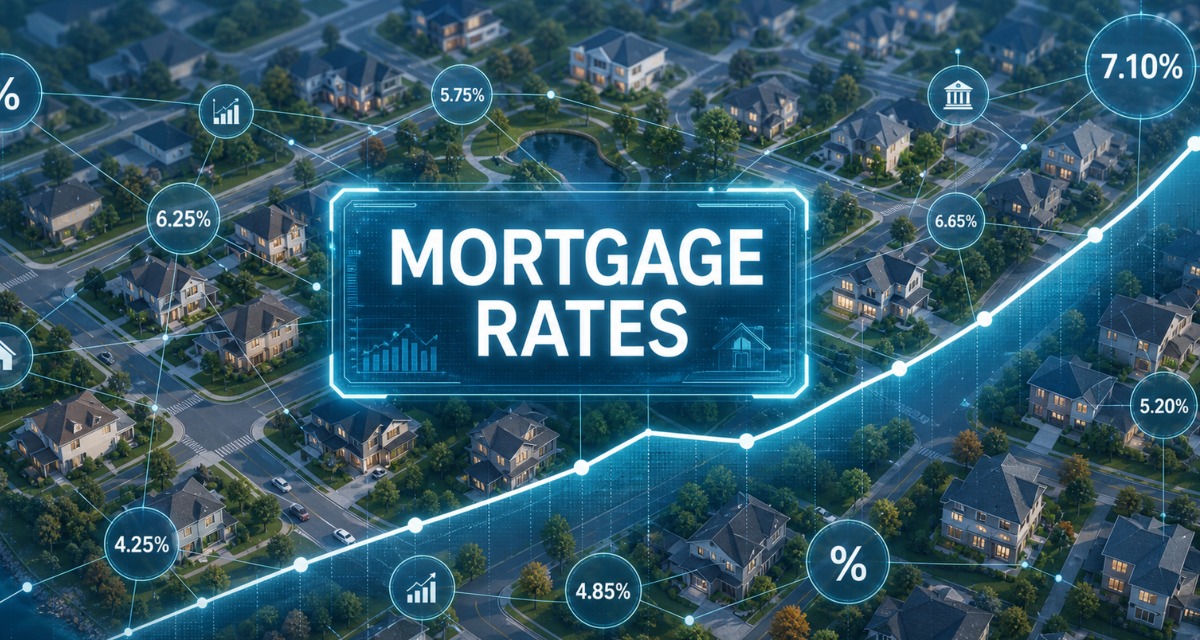
If you're looking to buy a home or thinking about refinancing your current mortgage, here's the scoop: mortgage rates are likely to stay pretty much where they are right now for the next three months, hovering in the mid-6% range. While we might see some small ups and downs, don't expect any big drops or huge jumps through September.
Mortgage Rates Forecast for Next 90 Days: July to September 2026
What's Happening with Mortgage Rates Today?
Right now, in mid-July 2026, getting a 30-year fixed mortgage means you're probably looking at rates around 6.49%. That's according to Freddie Mac's latest survey. Some other daily surveys show it's even a little higher, maybe 6.55% to 6.65%. If you're looking at a 15-year fixed mortgage, those rates are a bit lower, usually in the high-5% to low-6% range.
These numbers are a far cry from the super-low rates we saw back in 2020 and 2021, when they were under 3%! Even earlier this year, rates were dipping into the mid-5% range. After a little dip in February, rates have climbed up about half a percent. This has happened because energy prices have been going up, and people are thinking differently about what the Federal Reserve might do. Because of this, fewer people are applying to buy homes, and refinancing isn't as popular unless you already have a rate much higher than today's.
What Experts Think Will Happen Next (July – September 2026)
Most of the big names in housing and mortgages agree: not much will change with rates over the next 90 days.
- Fannie Mae believes that the 30-year fixed mortgage rate will stick around 6.4% for the rest of 2026.
- The Mortgage Bankers Association (MBA) thinks rates will be close to 6.5% for both the third and fourth quarters of the year.
- A poll of property experts by Reuters suggested rates might creep down just a tiny bit, to about 6.4% in the third quarter and 6.3% in the fourth.
- Other predictions from places like Wells Fargo and various industry analysts are pretty similar, placing rates in the 6.2% to 6.5% range for the second half of the year.
So, the general feeling is that rates will stay in that mid-6% neighborhood until September. It's unlikely we'll see rates drop below 6% or shoot up past 7% unless something really big happens with the economy or world events.
Why Do Mortgage Rates Change?
It's important to know that mortgage rates don't just follow the federal funds rate set by the Federal Reserve. They are more closely tied to the 10-year Treasury yield. Think of it like this: the 10-year Treasury yield is the base, and then a little extra is added on top to cover things like the risk of people paying off their mortgages early, the risk of people not paying them back, and how much investors want to buy mortgage-backed securities. Right now, the 10-year yield is trading around 4.5% to 4.6%, which is why we're seeing mortgage rates in the mid-6% range.
Here are the main things that will affect this relationship over the next few months:
- Federal Reserve Actions: The Fed has kept its main interest rate between 3.5% and 3.75% since early 2026. They've paused any further rate cuts because they want to see how earlier changes are affecting things and are keeping an eye on inflation, especially with energy costs going up due to issues in the Middle East. Right now, the chances of the Fed cutting rates in July seem low, but there's a growing chance they might even raise them later in the year if inflation doesn't cool down. Any hints from the Fed after their late-July meeting could shake up Treasury yields and, in turn, mortgage rates.
- Inflation Numbers: The latest reports on consumer prices showed a slight drop from the month before, bringing the yearly inflation rate down to 3.5%. The core inflation (which excludes food and energy) also eased. When inflation numbers are softer, it means the Fed might not need to raise rates, and this can push Treasury yields down. However, if energy prices jump again or wages grow faster than expected, it could push rates back up.
- Economy and Jobs: The economy is still doing okay, but the job market is slowly cooling down. If the economy slows down more quickly, it usually leads to lower long-term yields. If the job market stays strong, yields might stay higher.
- Housing Market Stuff: Even though prices are high and there aren't many homes for sale, this is actually keeping mortgage spreads (that extra bit added to the Treasury yield) relatively high. Because it's harder for people to afford homes right now, fewer are buying, which can affect how much investors want to buy mortgage securities.
What Could Happen Through September?
Let's break down the possibilities:
- The Most Likely Scenario: Rates will probably stay pretty much where they are, moving between 6.3% and 6.6%. We might see small swings of 0.10% to 0.20% each week when new economic reports come out, but the average for the whole quarter should be similar to what we're seeing now.
- If Rates Go Down: If we see more good news on the inflation front, if the Fed sounds more relaxed about raising rates, or if the economy shows signs of slowing down significantly, it could push the 10-year Treasury yield down to around 4.2% to 4.3%. This could bring 30-year mortgage rates closer to 6.1% to 6.3%.
- If Rates Go Up: If energy prices surge again, if inflation reports are worse than expected, or if the Fed signals a more aggressive stance on fighting inflation, it could push the 10-year Treasury yield above 4.7% to 4.8%. This might send 30-year mortgage rates up towards 6.7% to 6.9%.
What This Means for You
For Home Buyers: With rates in the mid-6% range, your monthly mortgage payment will be quite a bit higher than it was a couple of years ago. For example, on a $400,000 loan, a difference between a 5.5% rate and a 6.5% rate is about $250 more per month. Many buyers are dealing with this by putting down more money, looking for smaller homes, or hoping for more homes to become available instead of waiting for rates to drop dramatically.
For Homeowners Thinking of Refinancing: Refinancing will likely still be a good option only for a specific group of people. If your current rate is above 7%, you might still find a good deal if rates dip even a little. This could be a chance to lower your payment or get rid of private mortgage insurance. However, if you're looking to take cash out from your home's equity, it might be tougher due to current home values and your debt levels.
Smart Moves for the Next Few Months
Here are some practical things you can do:
- Shop Around: Don't just go with the first lender you talk to. You can often find differences of 0.25% to 0.50% between lenders.
- Think About Rate Locks: If you have a closing date coming up in the next 30 to 60 days, locking your rate can protect you if rates go up. Some lenders offer “float-down” options, which give you a little protection if rates fall after you've locked.
- Understand Points and Credits: Paying “points” to lower your interest rate makes more sense if you plan to stay in your home for a long time. Seller or lender credits can help with your upfront costs.
- Consider Different Loan Types: A 15-year fixed mortgage could save you money on interest over time. A hybrid adjustable-rate mortgage (ARM) might seem appealing with a lower initial rate, but remember that your rate could go up in the future.
- Keep an Eye on Key Data: The consumer price index (CPI), jobs reports, and the Federal Reserve's meeting at the end of July are the main things to watch that could influence rates.
Looking Ahead
The next three months probably won't bring the big drop in mortgage rates that many people are hoping for. It looks like we're headed for a period of pretty steady rates in the mid-6% range, with some normal bumps along the way based on economic news. My advice? If you need to buy or refinance, focus on what you can afford right now, what's available in your local housing market, and your personal financial situation. Trying to perfectly time a big drop in rates is tough, and most forecasts aren't pointing to that happening anytime soon.
Rates can change fast when the economy does. Staying aware of what's happening with Treasury yields, inflation, and what the Federal Reserve is saying is the best way to navigate the rest of the summer and early fall.
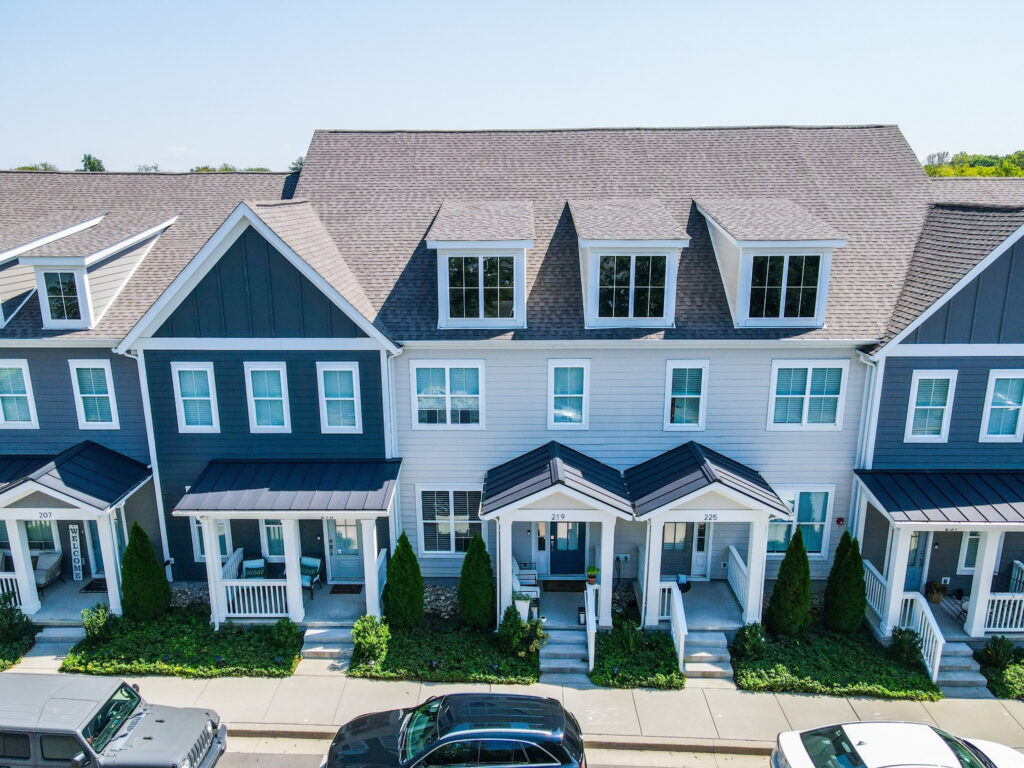
VS
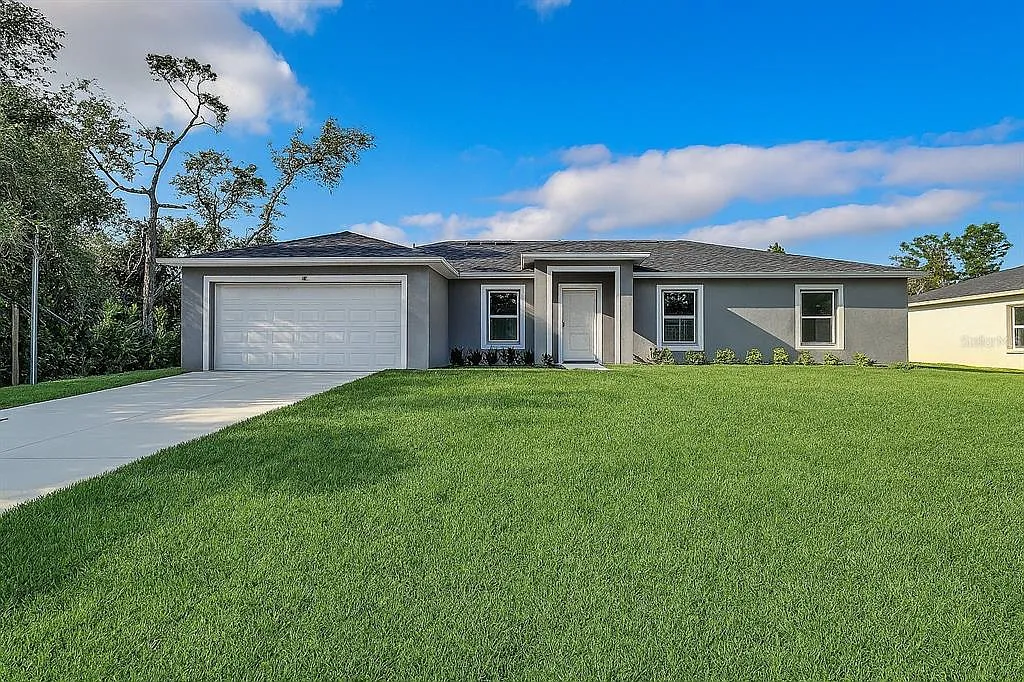
Out‑of‑State investors can compare Tennessee’s newer rental with higher NOI vs Florida’s A+ property with strong yield. Which fits YOUR investment strategy?
We have much more inventory available than what you see on our website – Let us know about your requirement.
📈 Choose Your Winner & Contact Us Today!
Speak to a Norada Investment Counselor (No Obligation):
(800) 611-3060
Mortgage rates remain high in 2026, but rental properties continue to deliver strong cash flow and appreciation. Savvy investors know that turnkey real estate is the path to passive income and long‑term wealth.
Norada Real Estate helps you secure turnkey rental properties designed for immediate cash flow and appreciation—so you can invest smartly regardless of interest rate trends.
Also Read:
- Mortgage Rates Predictions Backed by 7 Leading Experts: 2025–2026
- Mortgage Rate Predictions for the Next 3 Years: 2026, 2027, 2028
- 30-Year Fixed Mortgage Rate Forecast for the Next 5 Years
- 15-Year Fixed Mortgage Rate Predictions for Next 5 Years: 2025-2029
- Will Mortgage Rates Ever Be 3% Again in the Future?
- Mortgage Rates Predictions for Next 2 Years
- Mortgage Rate Predictions for Next 5 Years
- Mortgage Rate Predictions: Why 2% and 3% Rates are Out of Reach
- How Lower Mortgage Rates Can Save You Thousands?
- How to Get a Low Mortgage Interest Rate?
- Will Mortgage Rates Ever Be 4% Again?



