Today, Tuesday, July 21, 2026, we're seeing a slight dip in mortgage rates, but don't mistake it for a big party. The average rate for a 30-year fixed mortgage is now around 6.40%, according to Zillow. That's a little bit down from yesterday, and the 15-year fixed loan is also a tiny bit lower at 5.86%. It's like the interest rate clock is ticking just a hair slower, but it's still keeping us on our toes.
As a homeowner and someone who's spent years watching the housing market, I can tell you that these numbers, while seeming small, mean a lot to people trying to buy a home or refinance. It's not just about the big numbers you see; it's about how they affect your monthly bills and your dream of owning a place.
Today's Mortgage Rates, July 21: Buyers Catch a Small Break as 30‑Year Fixed Dips to 6.40%
What's Happening with the Rates Right Now?
Think of mortgage rates like the temperature outside. Sometimes it's a bit warmer, sometimes a bit cooler. Today, it's feeling a little cooler, which is good news for borrowers.
Here's a quick look at the average rates from Zillow:
| Loan Type | Average Rate |
|---|---|
| 30-year fixed | 6.40% |
| 20-year fixed | 6.24% |
| 15-year fixed | 5.86% |
| 5/1 ARM | 6.39% |
| 7/1 ARM | 6.34% |
| 30-year VA | 5.85% |
| 15-year VA | 5.65% |
| 5/1 VA | 5.72% |
Note: These rates are averages and can change based on your specific situation and the lender.
It's important to remember that these are just averages. Your actual rate could be a little higher or lower depending on things like your credit score, how much you're putting down, and the type of loan you choose.
Why Are Rates Doing What They're Doing?
This is where things get interesting. Mortgage rates don't just decide to go up or down on their own. They're like a big boat being pushed and pulled by different currents.
Things Pushing Rates Up (Making them more expensive):
- Global Jitters: There's a lot of news about conflicts in the Middle East, and that makes money markets a bit nervous. When people are worried, they often move their money around, which can affect interest rates.
- Oil Prices: When oil prices go up, it's like a chain reaction. It costs more to move things, and that can make prices for many things go up too, including the cost of borrowing money.
- Government Bonds: The government sells special IOUs called Treasury bonds. When these bonds aren't as popular, their “yield” (which is like the interest they pay) goes up. Mortgage rates often follow these yields.
- The Fed's Decision: The Federal Reserve, the big bank of the U.S., has been pausing its efforts to make borrowing cheaper. They want to keep inflation in check, and sometimes that means keeping interest rates a bit higher.
Things Pulling Rates Down (Making them a little cheaper):
- Inflation Cooling Down (Mostly): While some prices are still high, especially for things like gas, other prices are starting to calm down a bit. This can help ease the pressure on interest rates.
- Stock Market Swings: When the stock market gets rocky, people get scared and want to put their money in safer places, like bonds. When more people buy bonds, it can make interest rates go down a little.
What Do the Big Experts Think?
It’s not just me saying this; the smart folks at places like Fannie Mae and the Mortgage Bankers Association are also looking at these numbers. They think that for the rest of 2026, mortgage rates will likely stay in the mid-6% range. They don't expect them to drop dramatically anytime soon. Wells Fargo has a slightly more optimistic view, but the general feeling is that borrowing will stay above 6% for a while.
It's like trying to plan a picnic: you know the weather might change, but you can plan for a range of temperatures.
My Advice: For Homebuyers
If you're dreaming of buying a home, it's easy to get caught up in trying to snag the absolute lowest interest rate. But I always tell people:
- Love the House, Not Just the Rate: Focus on finding a house that you truly love and that fits your life and your budget right now. Don't put your dreams on hold forever trying to perfectly time the market for the lowest rate.
- Ask Builders for Help: Homebuilders often have ways to help you with mortgage rates, especially if they want to sell a house quickly. Ask about “rate buydowns” where they help lower your interest rate for a period of time.
- Check Your Debt: Lenders look at how much of your income goes to debt. If you have a lot of credit card debt or car payments, try to pay some of that down before you apply for a mortgage. It can make a big difference.
- Shop Around: Don't just go to one bank! Every lender is a little different, and you can find much better rates if you compare offers from several places.
- Plan for the Long Run: Make sure you can comfortably afford the monthly payment with today's rates. Think of getting a lower rate later as a nice bonus, not something you can absolutely count on.
My Advice: For Homeowners
If you already own a home, you might be thinking about refinancing to get a better rate.
- Look at Your Equity: You might have a lot of money tied up in your home's value. If you need cash, see if a Home Equity Line of Credit (HELOC) makes more sense than refinancing your whole mortgage.
- Don't Refinance Just Because: If you got your mortgage when rates were super low (like below 5%), refinancing now probably doesn't make financial sense. You'll likely pay more in fees than you save in interest.
- Track the Drop: If you bought your home when rates were high (like near 7%), keep an eye on the market. If rates drop by at least half a percent (0.5%) to a full percent (1%), it might be worth looking into refinancing again.
In my experience, the housing market is always a bit of a puzzle. Today's rates are showing us that things are moving, but slowly. It's a good time to be informed, make smart choices, and not get too caught up in trying to predict the future perfectly.
VS
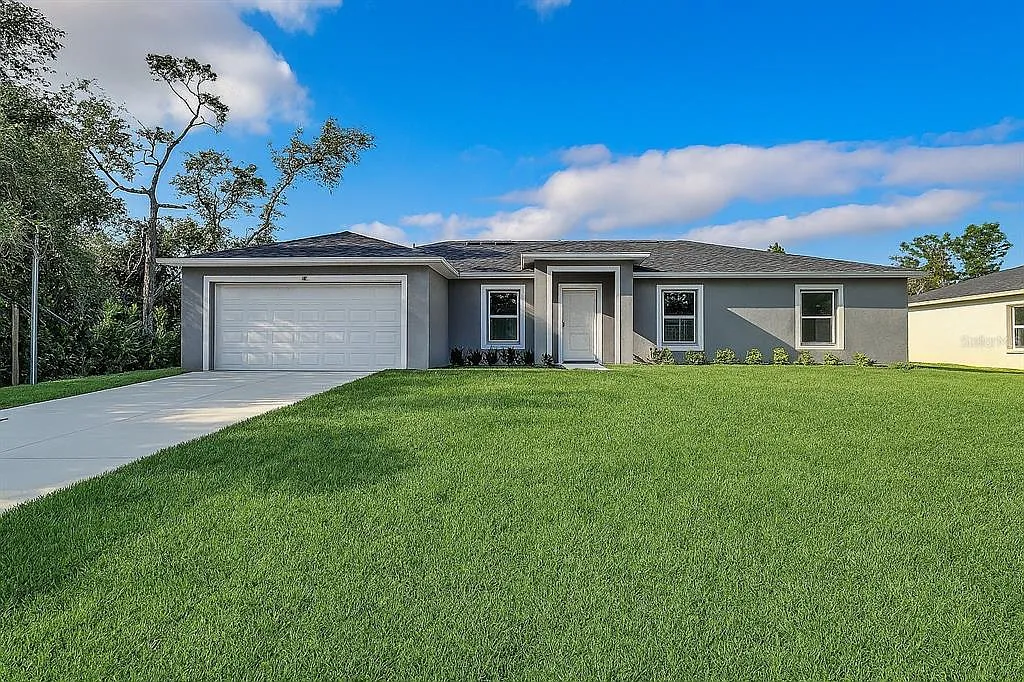
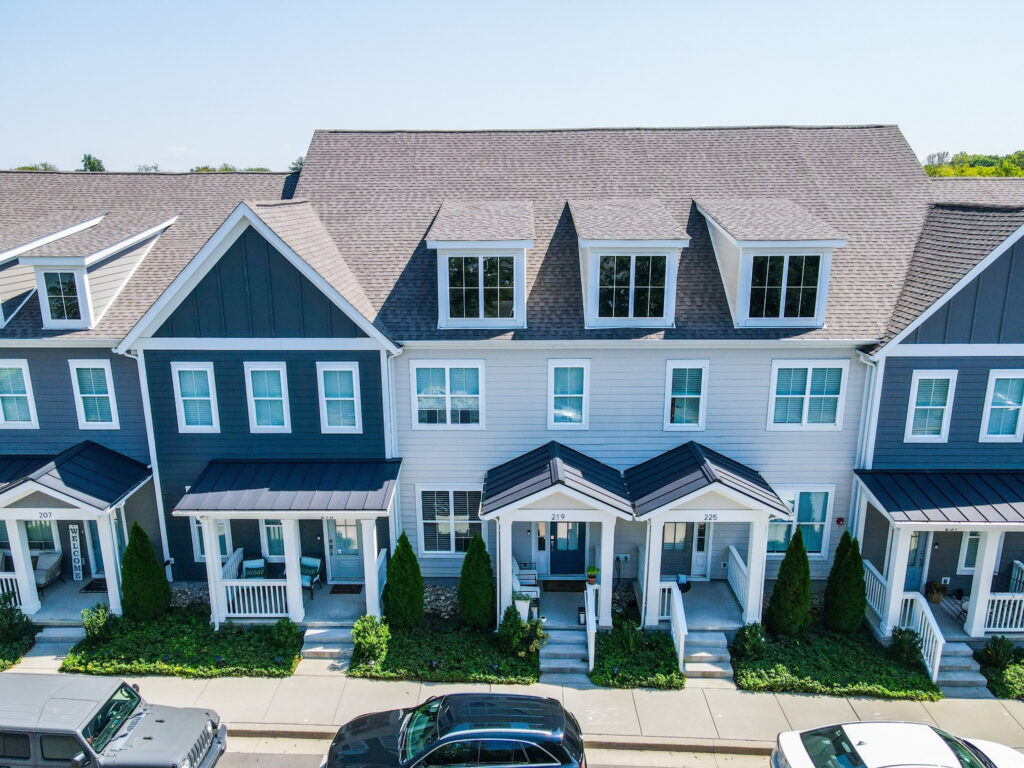
Out‑of‑State investors can compare Tennessee’s newer rental with higher NOI vs Florida’s A+ property with strong yield. Which fits YOUR investment strategy?
We have much more inventory available than what you see on our website – Let us know about your requirement.
📈 Choose Your Winner & Contact Us Today!
Speak to a Norada Investment Counselor (No Obligation):
(800) 611-3060
Mortgage rates remain high in 2026, but rental properties continue to deliver strong cash flow and appreciation. Savvy investors know that turnkey real estate is the path to passive income and long‑term wealth.
Norada Real Estate helps you secure turnkey rental properties designed for immediate cash flow and appreciation—so you can invest smartly regardless of interest rate trends.
Also Read:
- Mortgage Rates Predictions Backed by 7 Leading Experts: 2025–2026
- Mortgage Rate Predictions for the Next 3 Years: 2026, 2027, 2028
- 30-Year Fixed Mortgage Rate Forecast for the Next 5 Years
- 15-Year Fixed Mortgage Rate Predictions for Next 5 Years: 2025-2029
- Will Mortgage Rates Ever Be 3% Again in the Future?
- Mortgage Rates Predictions for Next 2 Years
- Mortgage Rate Predictions for Next 5 Years
- Mortgage Rate Predictions: Why 2% and 3% Rates are Out of Reach
- How Lower Mortgage Rates Can Save You Thousands?
- How to Get a Low Mortgage Interest Rate?
- Will Mortgage Rates Ever Be 4% Again?