Norada Real Estate Investments

  • Home
  • Markets
  • Properties
  • Membership
  • Podcast
  • Learn
  • About
  • Contact

Today’s Mortgage Rates, May 23: Rates Go Down Slightly as Treasury Yields Ease

May 23, 2026 by Marco Santarelli

Today's Mortgage Rates, July 21: Buyers Catch a Small Break as 30‑Year Fixed Dips to 6.40%

If you're looking to buy a home or refinance your existing mortgage, the good news is that mortgage rates saw a welcome dip on May 23, 2026. According to Zillow's latest data, the 30-year fixed rate has fallen to 6.34%, a noticeable drop from yesterday. This little bit of relief comes after a period of volatility, and while it’s not a dramatic shift, it's a positive sign for potential buyers.

Seeing rates tick lower, even slightly, can bring a much-needed sigh of relief for many. While the average 30-year fixed rate for late May 2026 sits around 6.51%, hitting a nine-month high, the recent downward trend in daily trading offers a glimmer of hope as we head into the weekend.

Today's Mortgage Rates, May 23: Rates Go Down Slightly as Treasury Yields Ease

What's Driving Today's Rate Movement?

You might be wondering what's causing these daily shifts. It’s a complex mix, but two main factors seem to be at play right now.

First, there's been a positive movement in the bond market. The 10-year Treasury yield, which mortgage rates tend to follow, has dropped from 4.62% down to 4.55%. When this yield goes down, it directly influences how lenders price their mortgages, usually leading to lower rates.

Second, we're seeing a dip in oil prices. The West Texas Intermediate (WTI) crude has fallen by nearly $5 a barrel, coming in around $95. Cheaper energy prices can ease broader concerns about inflation, which in turn makes investors more comfortable with lower bond yields. It’s a good reminder of how interconnected global events can be with something as personal as your mortgage rate.

Mortgage Rates at a Glance (May 23, 2026)

Here's a quick look at today's rates, based on Zillow's data, compared to yesterday's figures:

Loan Type Today's Rate
30-year fixed 6.34%
20-year fixed 6.26%
15-year fixed 5.90%
5/1 ARM 6.29%
7/1 ARM 6.46%
30-year VA 5.98%
15-year VA 5.65%
5/1 VA 5.68%

A Peek into the Summer: What to Expect

Looking ahead, it seems like we'll continue to see some volatility through the summer months. Don't expect a return to those super-low rates we saw a few years back anytime soon.

Major industry groups, like the Mortgage Bankers Association (MBA), are projecting that the 30-year fixed rate will likely stick between 6.3% and 6.5% through September. The Federal Reserve has also paused its rate cuts, keeping the federal funds rate steady. This means that any significant drops in mortgage rates will likely depend on major shifts, like a lasting ceasefire in ongoing geopolitical conflicts or a noticeable cooling in the domestic job market.

Navigating Today's Housing Market

The current spring housing market is definitely one where buyers need to be selective. The higher rates we've seen have kept overall mortgage application volumes a bit sluggish. In fact, home purchase loan applications saw a 2.3% drop week-over-week as the mid-May rate spike made some buyers hesitate.

However, demand hasn't disappeared entirely. It's just shifted. We're seeing more activity in more affordable regions where home prices are more in line with what buyers can afford. On the flip side, some of those popular areas that boomed during the pandemic are now seeing homes sit on the market longer.

On an interesting note, new homebuilder sentiment actually rose this month. Builders are finding success by offering temporary rate buy-downs, something traditional home sellers often can't match. This has led to a late-spring surge in demand for new constructions.

My Advice for Homebuyers Today

If you're in the market for a home right now, here’s how I suggest you approach it:

  • “Marry the House, Rate-Shop the Loan”: This is a mantra I often share. While a small drop in interest rates can save you a lot of money over time, waiting for that perfect rate might mean you miss out on a home you love, or face even more competition later. My best advice is to find the home you truly want and then shop around aggressively for your mortgage. Compare offers from at least three different lenders. The difference in the rate, even a small one, can add up significantly.
  • Explore Rate Locks with Float-Down Options: Given the current uncertainty, trying to time the market perfectly is a risky game. Talk to your lender about a rate lock with a float-down option. This secures today's rate for you, but if rates drop before you close, you can take advantage of the lower rate. It’s like having a safety net.
  • Think Carefully About ARMs: Adjustable-Rate Mortgages (ARMs) are currently averaging around 6.48%. When you compare this to the 30-year fixed rate, the difference isn't huge. For most people, the potential short-term savings just aren't worth the risk of your rate going up later. I generally advise caution with ARMs in a rising or volatile rate environment.
  • Leverage Seller Concessions: If you're looking at homes that have been on the market for a while, you might have some negotiating power. See if you can ask the seller for concessions at closing. This could be money towards your closing costs or, even better, a contribution towards a 2-1 temporary rate buy-down. This can significantly lower your interest rate for the first year of homeownership, making those initial payments more manageable.

The mortgage market can feel like a rollercoaster, but with the right information and strategy, you can still make smart decisions. Keep an eye on these rates, but don't let the daily ups and downs paralyze you.

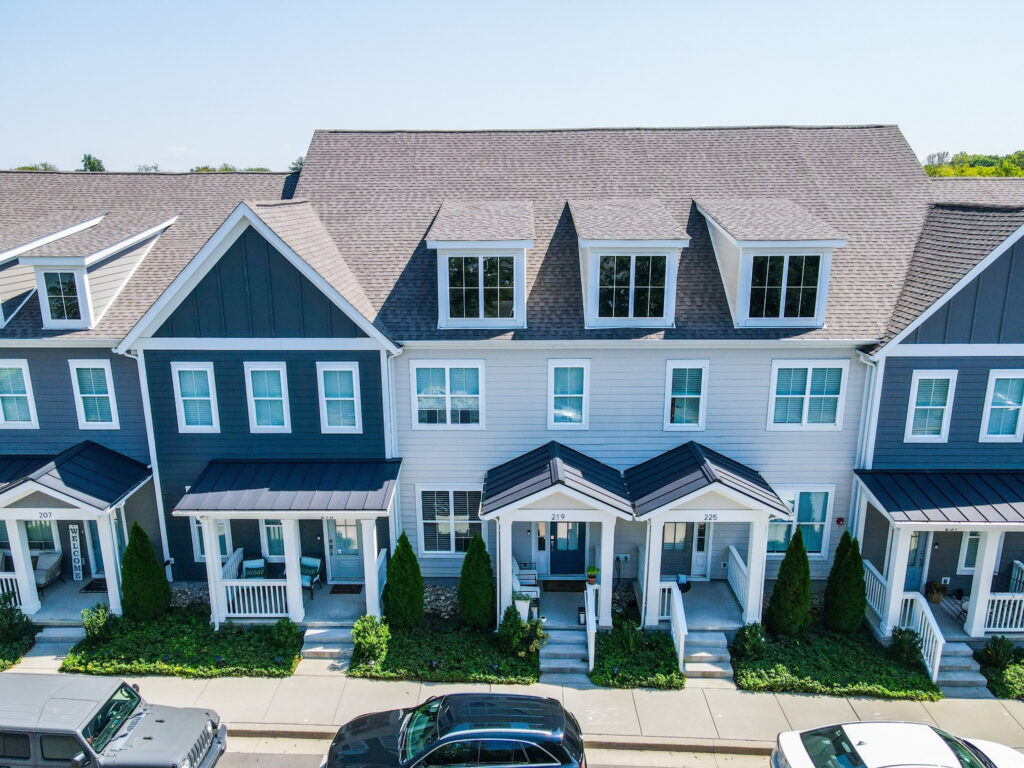
🏡 Two Rental Properties Generating Consistent Cash Flow

Rincon, GA
🏠 Property: Founders Dr
🛏️ Beds/Baths: 3 Bed • 2 Bath • 1600 sqft
💰 Price: $275,000 | Rent: $2,200
📊 Cap Rate: 7.0% | NOI: $1,613
📅 Year Built: 2025
📐 Price/Sq Ft: $172
🏙️ Neighborhood: B+

VS

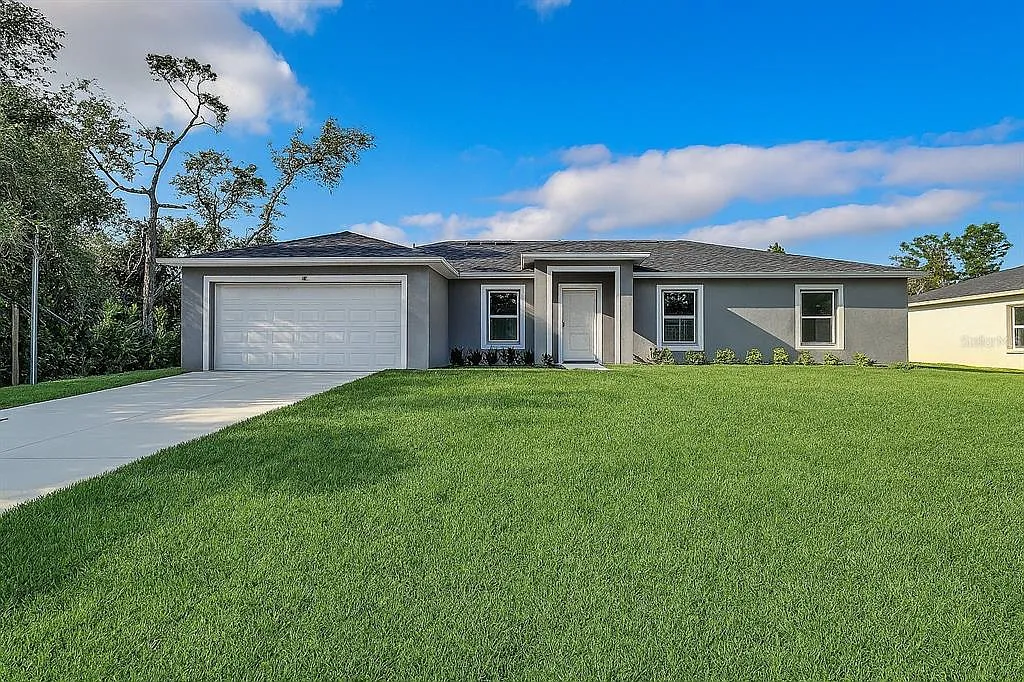
Port Charlotte, FL
🏠 Property: Prineville St
🛏️ Beds/Baths: 4 Bed • 2 Bath • 1914 sqft
💰 Price: $349,900 | Rent: $2,100
📊 Cap Rate: 5.0% | NOI: $1,457
📅 Year Built: 2025
📐 Price/Sq Ft: $183
🏙️ Neighborhood: A

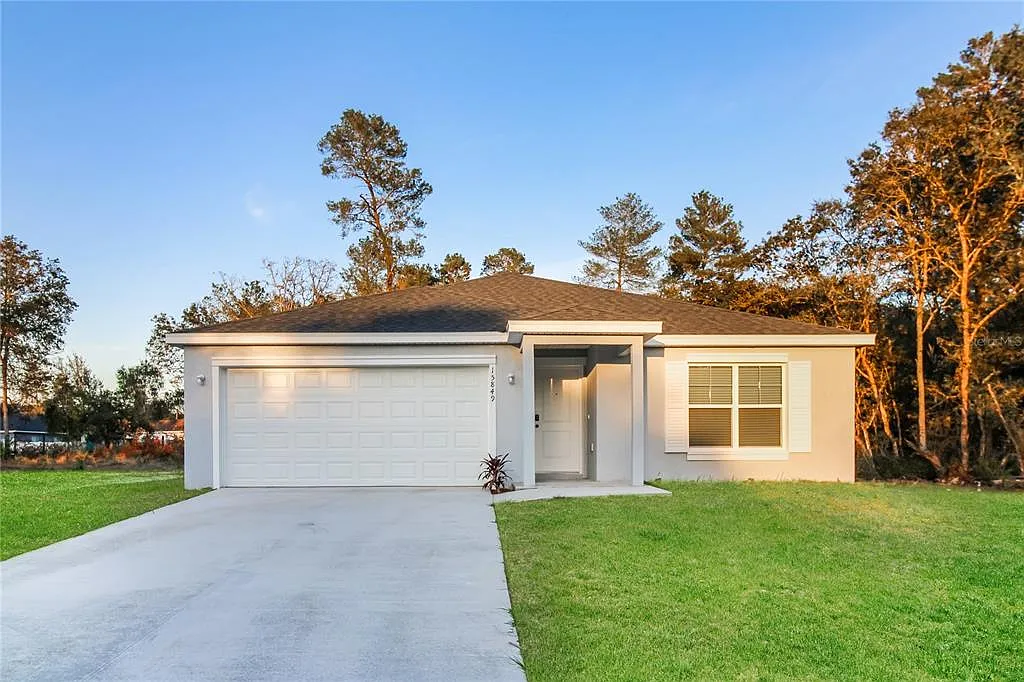
Georgia’s affordable rental with higher cap rate vs Florida’s A‑rated property with stability. Which fits YOUR investment strategy?

We have much more inventory available than what you see on our website – Let us know about your requirement.

📈 Choose Your Winner & Contact Us Today!

Speak to a Norada Investment Counselor (No Obligation):

(800) 611-3060

View All Properties

Build Passive Income & Wealth with Turnkey Rentals in 2026

Mortgage rates remain high in 2026, but rental properties continue to deliver strong cash flow and appreciation. Savvy investors know that turnkey real estate is the path to passive income and long‑term wealth.

Norada Real Estate helps you secure turnkey rental properties designed for immediate cash flow and appreciation—so you can invest smartly regardless of interest rate trends.

🔥 HOT 2026 INVESTMENT LISTINGS JUST ADDED! 🔥
Request a Callback / Fill Out the Form Online

Contact Us

Also Read:

  • Mortgage Rates Predictions Backed by 7 Leading Experts: 2025–2026
  • Mortgage Rate Predictions for the Next 3 Years: 2026, 2027, 2028
  • 30-Year Fixed Mortgage Rate Forecast for the Next 5 Years
  • 15-Year Fixed Mortgage Rate Predictions for Next 5 Years: 2025-2029
  • Will Mortgage Rates Ever Be 3% Again in the Future?
  • Mortgage Rates Predictions for Next 2 Years
  • Mortgage Rate Predictions for Next 5 Years
  • Mortgage Rate Predictions: Why 2% and 3% Rates are Out of Reach
  • How Lower Mortgage Rates Can Save You Thousands?
  • How to Get a Low Mortgage Interest Rate?
  • Will Mortgage Rates Ever Be 4% Again?

Filed Under: Financing, Mortgage Tagged With: mortgage, mortgage rates, Today’s Mortgage Rates

Mortgage Rates Today, May 23, 2026: 30‑Year Refinance Rate Rises by 17 Basis Points

May 23, 2026 by Marco Santarelli

Mortgage Rates Today, July 21, 2026: 30-Year Refinance Rate Drops by 2 Basis Points

As of today, May 23, 2026, the national average for a 30-year fixed refinance rate has climbed to 6.85%, marking a 17 basis point increase from the previous week. This uptick reflects a broader trend of rising interest rates driven by persistent inflation and global economic uncertainties.

Mortgage Rates Today, May 23, 2026: 30‑Year Refinance Rate Rises by 17 Basis Points

Today, May 23, 2026, brings another shift in the housing market as the national average for a 30-year fixed refinance rate has nudged up to 6.85%. This represents a 17 basis point jump from where we stood last week, continuing a trend that’s been making waves for the past few weeks. For anyone considering refinancing, this rise is a signal to pay close attention to the factors influencing these numbers and to act strategically.

I’ve been following the mortgage market for years, and what we’re seeing now is a complex interplay of economic forces that are fundamentally different from the low-rate environment many of us grew accustomed to. The days of sub-3% refinance rates are, by all expert accounts, a thing of the past.

Why Are Refinance Rates on the Move?

Several key factors are contributing to this upward trend in mortgage rates:

  • Resurgent Inflation: The April Consumer Price Index (CPI) showed a significant jump to 3.8%, largely due to climbing fuel costs. This figure is a clear indicator that the economy is still struggling to reach the Federal Reserve's target of 2% inflation. When inflation is high, the Fed often keeps interest rates elevated, which, in turn, influences mortgage rates.
  • Spiking Bond Yields: Mortgage rates have a strong correlation with the 10-year U.S. Treasury yield. This yield has recently climbed to around 4.6%. When investors become worried about inflation remaining high for an extended period, they tend to sell off bonds, pushing yields higher. Higher Treasury yields directly translate to higher mortgage rates for consumers.
  • Geopolitical Crises: The current geopolitical tensions, particularly those involving Iran, are creating significant ripples in global energy markets. The resulting spike in oil prices directly contributes to rising core economic inflation, adding another layer of pressure on interest rates.
  • Shifted Fed Expectations: The financial markets are now factoring in a reduced likelihood of the Federal Reserve cutting interest rates by the end of the year. In fact, some economists are even discussing a small, but growing, possibility of a rate hike in the fall if inflation continues to run hot. This uncertainty and the potential for rates to go even higher is a major driver behind current rate movements.

What the Numbers Tell Us: Today's Average Refinance Rates

According to the latest data compiled by Zillow and Bankrate, here's where we stand today, May 23, 2026:

Loan Type Average Interest Rate
30-Year Fixed Refinance 6.85%
15-Year Fixed Refinance 5.94%
5/1 ARM Refinance 6.81%

Note: The table above reflects the national average rates for May 23, 2026. Specific rates can vary based on lender, borrower creditworthiness, and loan details.

It’s important to note that the 30-year fixed refinance rate has climbed 5 basis points just today, from 6.80% to 6.85%. This illustrates just how quickly these rates can change. The 15-year fixed refinance rate has also seen a slight increase, moving up 1 basis point to 5.94%.

Expert Insights: Navigating the “New Normal”

Housing economists from Fannie Mae and the Mortgage Bankers Association (MBA) are in agreement: we’re likely to see mortgage rates stay above 6% through the end of 2026 and into 2027. The era of 2% to 3% rates is a chapter that has definitively closed.

This “new normal” has significantly impacted refinance demand, which has reportedly dropped by about 15% recently. Why? Because over 80% of current homeowners have mortgages with rates below 6%. For this majority, refinancing today at current rates simply doesn't make financial sense.

However, for those who purchased their homes during the peak rate periods of 2023–2024, when rates were sometimes approaching 8%, refinancing into the mid-6% range can still offer substantial monthly savings. It’s no longer about chasing drastically lower rates, but about optimizing your current financial situation.

Beyond Traditional Refinancing: A Shift in Strategy

With the current rate environment, many homeowners are rethinking their approach to accessing home equity. Experts from Refi.com are observing a trend where homeowners are moving away from cash-out refinancing. Instead, they are increasingly turning to Home Equity Lines of Credit (HELOCs) and home equity loans. This strategy allows them to tap into their home's equity for funds while preserving their existing, lower primary mortgage rates. It's a smart move for those who don't need to change their primary mortgage terms but still require access to capital.

Crucial Considerations for Potential Refinancers

If you’re considering refinancing in this market, here are some key things I believe are vital to keep in mind:

  • Target the Sub-6% Buyers: If your current mortgage rate is significantly higher than today's offerings, even a drop into the mid-6% range can be a game-changer for your monthly budget. Don't dismiss the savings just because the rates aren't at historic lows.
  • Run the Math, Ignore “Rules of Thumb”: The old advice of waiting for a 1% or 2% rate drop is outdated. In today's market, a 0.25% to 0.50% reduction could be enough to justify refinancing, especially when considering your loan size and how long you plan to stay in your home. Calculate your personal break-even point.
  • Account for Closing Costs: Remember that refinancing involves upfront fees, typically ranging from 2% to 5% of the loan amount. Your monthly savings need to outweigh these costs within a reasonable timeframe for the refinance to be truly beneficial. This is your break-even point.
  • Utilize a Rate Lock: Given the daily market volatility, especially around inflation reports, securing a mortgage rate lock is essential. This protects you from sudden rate increases while your loan application is being processed, giving you peace of mind.

The mortgage market is dynamic, and staying informed is key. While today's rates may seem high compared to recent history, understanding the underlying economic drivers and carefully evaluating your personal financial goals will help you make the best decision for your situation.

🏡 Out-of-state turnkey real estate investments

Helena, AL
🏠 Property: Village Pkwy
🛏️ Beds/Baths: 3 Bed • 2.5 Bath • 1500 sqft
💰 Price: $300,000 | Rent: $1,925
📊 Cap Rate: 6.4% | NOI: $1,608
📅 Year Built: 2025
📐 Price/Sq Ft: $200
🏙️ Neighborhood: B

VS

Nashville, TN
🏠 Property: Winton Dr
🛏️ Beds/Baths: 3 Bed • 2.5 Bath • 1688 sqft
💰 Price: $360,000 | Rent: $2,100
📊 Cap Rate: 5.5% | NOI: $1,662
📅 Year Built: 2001
📐 Price/Sq Ft: $214
🏙️ Neighborhood: A

Alabama’s newer rental with solid cap rate vs Tennessee’s established A‑rated property with stability. Which fits YOUR investment strategy?

We have much more inventory available than what you see on our website – Let us know about your requirement.

📈 Choose Your Winner & Contact Us Today!

Speak to a Norada Investment Counselor (No Obligation):

(800) 611-3060

View All Properties

Build Passive Income & Wealth with Turnkey Rentals in 2026

Mortgage rates remain high in 2026, but rental properties continue to deliver strong cash flow and appreciation. Savvy investors know that turnkey real estate is the path to passive income and long‑term wealth.

Norada Real Estate helps you secure turnkey rental properties designed for immediate cash flow and appreciation—so you can invest smartly regardless of interest rate trends.

🔥 HOT 2026 INVESTMENT LISTINGS JUST ADDED! 🔥
Request a Callback / Fill Out the Form Online

Contact Us

Also Read:

  • Mortgage Rates Predictions Backed by 7 Leading Experts: 2025–2026
  • Mortgage Rate Predictions for the Next 3 Years: 2026, 2027, 2028
  • 30-Year Fixed Mortgage Rate Forecast for the Next 5 Years
  • 15-Year Fixed Mortgage Rate Predictions for Next 5 Years: 2025-2029
  • Will Mortgage Rates Ever Be 3% Again in the Future?
  • Mortgage Rates Predictions for Next 2 Years
  • Mortgage Rate Predictions for Next 5 Years
  • Mortgage Rate Predictions: Why 2% and 3% Rates are Out of Reach
  • How Lower Mortgage Rates Can Save You Thousands?
  • How to Get a Low Mortgage Interest Rate?
  • Will Mortgage Rates Ever Be 4% Again?
Filed Under: Financing, Mortgage Tagged With: mortgage rates, Mortgage Rates Today, Refinance Rates

Today’s Mortgage Rates, May 22: 30-Year FRM Climbs to 6.51% Amidst High Volatility

May 22, 2026 by Marco Santarelli

Today's Mortgage Rates, July 21: Buyers Catch a Small Break as 30‑Year Fixed Dips to 6.40%

It's a bit of a rollercoaster out there for anyone looking to get a mortgage right now. As of Friday, May 22, 2026, the 30-year fixed mortgage rate has jumped up by 20 basis points, hitting a concerning 6.51% according to Freddie Mac. This is a significant move, especially considering how much relief we'd seen over the past year. It feels like the spring homebuying season, which usually kicks off with a bang, is getting a bit of a cold shower.

Personally, I've seen these kinds of shifts before, and they can be jarring. It’s easy to get discouraged, but understanding why this is happening is the first step to navigating it.

Today's Mortgage Rates, May 22: 30-Year FRM Climbs to 6.51% Amidst High Volatility

What's Pushing Mortgage Rates Higher?

It's not as simple as the Federal Reserve just deciding to hike rates. Mortgage rates are much more closely tied to the 10-year U.S. Treasury yield. Think of it like this: when investors are worried about the future, they demand a higher return for lending their money, and that pushes those yields up, which in turn nudges mortgage rates higher.

Several factors are contributing to this current upward pressure:

  • Global Tensions: The ongoing conflict in the Middle East is creating a lot of uncertainty. When investors get nervous about global stability and the potential for things like higher oil prices and inflation, they tend to pull back, and that instability affects the bond market.
  • Stubborn Inflation: Inflation in the U.S. just isn't budging below the Federal Reserve's target of 2%. With energy and other costs staying high, people expect inflation to remain elevated, which means lenders need to charge more to make loans.
  • The Fed's Stance: Based on the latest Fed minutes, they're being very cautious. Many economists now believe the Fed won't be cutting interest rates at all this year, which signals a “higher for longer” rate environment.
  • Domestic Policy Ripples: Changes in tariffs, tax policies, and other economic agendas are still causing waves in the market, adding to the volatility in long-term bond yields.

Mortgage Rates Today, May 22, 2026: A Snapshot

While Freddie Mac reports the average 30-year fixed at 6.51%, it’s important to look at the broader picture. Zillow, a source I often check for a quick pulse on the market, shows slightly different numbers for Friday, May 22, 2026:

Loan Type Rate Change from Previous Day
30-year fixed 6.46% -9 basis points
20-year fixed 6.39% –
15-year fixed 5.97% -5 basis points
5/1 ARM 6.48% -32 basis points
7/1 ARM 6.44% –
30-year VA 5.84% –
15-year VA 5.45% –
5/1 VA 5.54% –

It's interesting to see that even though the overall trend is upward according to Freddie Mac, Zillow's data shows some rates actually fell from the day before, like the 30-year fixed and the 5/1 ARM. This just highlights how much fluctuation we’re seeing on a day-to-day basis. It's not a straight line up or down.

The Housing Market Paradox: Demand Remains Strong

Now, here’s where things get really interesting. Despite the jump in mortgage rates, buyer demand is surprisingly resilient. It's a bit of a head-scratcher, isn't it? High costs are definitely making affordability a challenge, but many buyers seem to be pushing through the uncertainty.

The Mortgage Bankers Association reported that purchase applications recently went up by 4% week-over-week. Homebuilders are certainly noticing this. Instead of slashing prices, they're getting creative, offering incentives and mortgage rate buy-downs to attract buyers who are actively looking.

My Take: What This Means for You

From my experience, these are the critical takeaways for anyone in the market for a home or thinking about refinancing:

  1. Embrace the “New Normal”: Forget about those ultra-low 3% or 4% rates from the pandemic days. Major housing authorities like Fannie Mae and the MBA are predicting that 30-year fixed rates will likely stay in the 6.2% to 6.5% range for the rest of the year and into next. This is the environment we need to plan for.
  2. The Cost of Waiting: Last year, a lot of people hit the pause button on their home search, hoping rates would plummet. That number has dropped significantly, with many realizing that waiting often means facing higher home prices and potentially still high rates. It’s a tough lesson, but one many are learning.
  3. Consider a Rate Lock: Because headlines about geopolitical events can cause bond yields to swing wildly overnight, if you find a home you love and it fits your budget, securing a rate lock with your lender is a smart move. Many lenders also offer float-down options, which means if rates drop before you close, you can potentially benefit from that decrease.
  4. Budget by Payment, Not Price: With rates constantly moving, even a small 0.25% change can significantly impact your monthly payment and even disqualify you for a particular home. Always figure out your absolute maximum monthly payment, including taxes and insurance, not just what you can afford based on the sticker price of the house.
  5. Keep Your Finances Clean: Before you even start seriously house hunting or applying for a mortgage, avoid taking on any new debt. That means holding off on new car loans or running up credit card balances. Keeping your debt-to-income ratio low and your credit score in top shape is your golden ticket to getting the best possible rate.

It's a complex time in the mortgage market, but by staying informed and making strategic financial decisions, you can still achieve your homeownership goals.

🏡 Two Rental Properties Generating Consistent Cash Flow

Rincon, GA
🏠 Property: Founders Dr
🛏️ Beds/Baths: 3 Bed • 2 Bath • 1600 sqft
💰 Price: $275,000 | Rent: $2,200
📊 Cap Rate: 7.0% | NOI: $1,613
📅 Year Built: 2025
📐 Price/Sq Ft: $172
🏙️ Neighborhood: B+

VS

Port Charlotte, FL
🏠 Property: Prineville St
🛏️ Beds/Baths: 4 Bed • 2 Bath • 1914 sqft
💰 Price: $349,900 | Rent: $2,100
📊 Cap Rate: 5.0% | NOI: $1,457
📅 Year Built: 2025
📐 Price/Sq Ft: $183
🏙️ Neighborhood: A

Georgia’s affordable rental with higher cap rate vs Florida’s A‑rated property with stability. Which fits YOUR investment strategy?

We have much more inventory available than what you see on our website – Let us know about your requirement.

📈 Choose Your Winner & Contact Us Today!

Speak to a Norada Investment Counselor (No Obligation):

(800) 611-3060

View All Properties

Build Passive Income & Wealth with Turnkey Rentals in 2026

Mortgage rates remain high in 2026, but rental properties continue to deliver strong cash flow and appreciation. Savvy investors know that turnkey real estate is the path to passive income and long‑term wealth.

Norada Real Estate helps you secure turnkey rental properties designed for immediate cash flow and appreciation—so you can invest smartly regardless of interest rate trends.

🔥 HOT 2026 INVESTMENT LISTINGS JUST ADDED! 🔥
Request a Callback / Fill Out the Form Online

Contact Us

Also Read:

  • Mortgage Rates Predictions Backed by 7 Leading Experts: 2025–2026
  • Mortgage Rate Predictions for the Next 3 Years: 2026, 2027, 2028
  • 30-Year Fixed Mortgage Rate Forecast for the Next 5 Years
  • 15-Year Fixed Mortgage Rate Predictions for Next 5 Years: 2025-2029
  • Will Mortgage Rates Ever Be 3% Again in the Future?
  • Mortgage Rates Predictions for Next 2 Years
  • Mortgage Rate Predictions for Next 5 Years
  • Mortgage Rate Predictions: Why 2% and 3% Rates are Out of Reach
  • How Lower Mortgage Rates Can Save You Thousands?
  • How to Get a Low Mortgage Interest Rate?
  • Will Mortgage Rates Ever Be 4% Again?
Filed Under: Financing, Mortgage Tagged With: mortgage, mortgage rates, Today’s Mortgage Rates

Georgia Housing Market: Trends and Forecast 2026

May 22, 2026 by Marco Santarelli

Georgia Housing Market

In 2026, the Georgia housing market is presenting a fascinating picture, one that offers a more balanced environment than we've seen in recent years. For those looking to buy, sell, or rent, understanding these shifts is key to making smart decisions. The Georgia housing market in 2026 is characterized by a significant increase in active listings and a slight increase in the time homes spend on the market, creating a more buyer-friendly atmosphere compared to the intense seller's markets of the past. This shift means more choices and potentially more room for negotiation for buyers, while sellers will need to price strategically and present their homes effectively.

Current Georgia Housing Market Trends 

Looking at the statewide data from Realtor.com as of May 2026, we see a median listing price of $390,000, which has seen a very modest increase of just 0.03% over the past year. The median sold price is slightly lower at $366,475, showing a 1.24% increase year-over-year. This subtle difference between listing and sold prices indicates that while homes are still generally selling, they might not be fetching the absolute asking price in every instance, a departure from the bidding wars of previous years. The price per square foot stands at $187, a figure that has actually seen a slight decrease of -0.53% over the last year, suggesting a stabilization or even a minor correction in pricing for some areas.

One of the most telling indicators of a cooling market is the rise in active listings, which have jumped by 8.08% in the last year, and a substantial 44.60% over the last three years. This means there are considerably more homes available for buyers to consider. Correspondingly, the median days on market has also increased, now sitting at 51 days, a 6.25% rise year-over-year and a significant 37.84% increase over three years. This longer market time is a clear signal that the frenzy has subsided, giving buyers more breathing room to make informed decisions without the intense pressure of immediate offers.

What This Means for Buyers in 2026

For buyers, this evolving market is quite welcome. The increase in active listings means you have a wider selection of homes to choose from. You're less likely to be competing with a dozen other offers on the same property. The longer days on market also give you more time to conduct thorough inspections, secure financing, and negotiate on price and terms.

I've seen firsthand how this shift can empower buyers, allowing them to find homes that truly fit their needs and budgets rather than settling for the first thing available. The median sold price being slightly below the median listing price also suggests that negotiating power is shifting towards the buyer. Homes are selling for, on average, about 1.02% below the asking price, with a sale-to-list price ratio of 99% in May 2026, according to Realtor.com. This indicates a balanced market, where neither buyers nor sellers have an overwhelming advantage.

What This Means for Sellers in 2026

Sellers, this doesn't mean the market is unfavorable, but it does require a more strategic approach. With more homes on the market, standing out is crucial. Proper staging, high-quality photography, and competitive pricing are more important than ever. While the market is cooling, it's not stagnant. Homes that are well-priced and well-presented will still attract strong interest.

My advice is to work closely with your real estate agent to understand the specific trends in your target neighborhood. Don't overprice your home; a realistic listing price, informed by current comparable sales, will attract more qualified buyers and lead to a quicker sale. The slight increase in median listing price month-over-month (1.30%) suggests that short-term upward pressure can still exist, so timing your listing effectively can be beneficial.

The Rental Market: A Haven for Some

The rental market in Georgia is also showing interesting dynamics in 2026. With 35,381 rental properties listed, an increase of 14.11% year-over-year and a massive 61.80% over three years, renters have more options than before. This surge in rental inventory has put downward pressure on prices. The median rent has declined by 1.53% year-over-year to $1,797 per month, and even more significantly, by 7.13% over the last three years. This is fantastic news for renters, offering some much-needed relief from rising housing costs and potentially making renting a more attractive option compared to buying, especially for those who are not ready for homeownership or prefer flexibility.

Key Georgia Market Data: A Snapshot

Here's a quick look at some key indicators as of May 2026, compiled from Realtor.com:

Metric Statewide 1Y Change 3Y Change
Median Listing $ $390,000 0.03% 0.03%
Median Sold $ $366,475 1.24% 3.23%
$ per sq ft $187/sq ft -0.53% 3.89%
Active Listings 89,097 8.08% 44.60%
Median Days on Market 51 days 6.25% 37.84%
Rental Properties 35,381 14.11% 61.80%
Median Rent $1,797/mo -1.53% -7.13%

Source: Realtor.com® Economic Research

Looking Ahead: Georgia Housing Market Forecast for the Remainder of 2026

Based on these trends, I anticipate the Georgia housing market in the latter half of 2026 to remain relatively stable and balanced. The increased inventory will likely continue to prevent rapid price escalations, giving buyers a more predictable market. We might see a slight uptick in home sales as buyers, reassured by the market conditions and increased choices, make their move. For sellers, success will hinge on accurate pricing and effective marketing.

Cities like Atlanta, Savannah, Marietta, and Augusta will likely follow these broader state trends, though local economic factors, job growth, and specific neighborhood amenities will always play a significant role. For instance, a thriving job market in one city might see slightly more demand and faster sales than another. The rental market is expected to remain competitive for renters, with continued availability and potentially more stable or even slightly decreasing rents, offering a welcome respite.

In my professional opinion, 2026 is shaping up to be a year where thoughtful decision-making prevails. The days of blindly rushing into offers are largely behind us. Buyers have the upper hand in terms of choice and negotiation, while sellers need to be strategic and realistic. The Georgia housing market is maturing, offering opportunities for those who are well-informed and prepared.

Want Stronger Returns? Invest Where the Housing Market’s Growing

In 2026, select U.S. cities are projected to see surging demand, rising rents, and appreciation—creating prime opportunities for investors seeking passive income and long‑term wealth.

Work with Norada Real Estate to find stable, cash-flowing markets beyond the bubble zones—so you can build wealth without the risks of ultra-competitive areas.

🔥 HOT 2026 INVESTMENT LISTINGS JUST ADDED! 🔥
Talk to a Norada Investment Counselor (No Obligation):
(800) 611-3060

Get Started Now

Filed Under: Growth Markets, Housing Market Tagged With: Georgia Housing Market, Georgia Housing Market Forecast, Georgia Housing Prices, Georgia Real Estate, Georgia Real Estate Market

Mortgage Rates Today, May 22, 2026: 30‑Year Refinance Rate Rises by 20 Basis Points

May 22, 2026 by Marco Santarelli

Mortgage Rates Today, July 21, 2026: 30-Year Refinance Rate Drops by 2 Basis Points

As of today, May 22, 2026, the national average for a 30-year fixed refinance rate has settled at 6.88%, according to Zillow. While this figure represents a stable point for today, it's crucial to note that this is a jump of 20 basis points from the average rate seen just last week, which stood at 6.68%. This uptick means that homeowners looking to refinance might find themselves facing slightly higher borrowing costs than they did a week ago.

Mortgage Rates Today, May 22, 2026: 30‑Year Refinance Rate Rises by 20 Basis Points

This recent 20-basis-point rise in the 30-year fixed refinance rate, bringing it to 6.88% as reported by Zillow, is a prime example. It’s a stark reminder that the mortgage market is constantly shifting, influenced by a complex web of economic factors. For many homeowners, especially those who bought in the peak years of 2023 and 2024 when rates were much higher, even small increases can impact the potential savings from a refinance.

Why the Shift? Unpacking the Factors Behind Today's Rates

Understanding why mortgage rates move the way they do is key to navigating this market. It’s not just about a whim; these rates are deeply connected to the broader economic picture.

  • The 10-Year Treasury Yield is King: Think of the 10-year U.S. Treasury yield as mortgage rates' older, more influential sibling. When Treasury yields climb, so do mortgage rates. Right now, persistent worries about inflation and the rising tide of global public debt are pushing these yields higher, taking mortgage rates along for the ride.
  • Global Tensions and Energy Prices: Unfortunately, the world doesn't always cooperate with our desire for low interest rates. Ongoing geopolitical events, particularly in the Middle East, have kept global oil and energy prices elevated. This energy shock feeds into inflation, making it harder for us to see sustained rate relief.
  • The Federal Reserve's Balancing Act: The Federal Reserve has been carefully managing interest rates. While they've signaled potential rate cuts in the past, stubborn inflation readings are making market watchers nervous. This has led to predictions that rate cuts might be delayed, or in some scenarios, we could even see a rate hike later this year or in 2027. This uncertainty plays a significant role in how mortgage rates are priced.

Who's Refinancing and Who's Not?

The refinance market today is a tale of two very different groups of homeowners.

  • The “Recent Buyer” Surge: The primary drivers of refinance demand right now are those who purchased their homes in 2023 and 2024. During those years, rates were hovering much higher, often between 7% and 8%. When rates briefly dipped earlier this year, it opened the door for about 5 million borrowers to potentially save money. These are people looking to lower their monthly payments through a rate-and-term refinance.
  • The Pandemic Golden Handcuffs: On the flip side, there's virtually no refinance activity from homeowners who secured incredibly low rates (between 2.5% and 4%) during the pandemic. They are effectively locked into their current mortgages. The only reason they might consider refinancing is if they need to access their home's equity through a cash-out refinance.

Current Refinance Application Snapshot

It's worth looking at the numbers to see how this all shakes out in terms of actual applications:

Loan Type Current Average Rate (Zillow) Previous Week Average Rate (Zillow) Change
30-Year Fixed Refinance 6.88% 6.68% +20 basis points
15-Year Fixed Refinance 5.98% Stable Stable
5-Year ARM Refinance 7.38% Stable Stable

As you can see, the 30-year fixed refinance rate is the one that has seen a notable increase. The 15-year fixed and 5-year ARM rates, while also important, have remained steady for now.

The overall share of refinance applications has also seen a dip. Currently, refinancing accounts for about 40.8% of all mortgage applications. This is down from earlier peaks, a direct result of the recent rate spike making the savings less attractive for many conventional borrowers.

Expert Predictions: What's Next for Mortgage Rates?

The big question on everyone's mind is: what's the outlook? Even major housing and financial institutions have been adjusting their predictions, acknowledging that higher rates might be here to stay longer than initially thought.

Expert Source 2026 Mortgage Rate Prediction Market Outlook
Fannie Mae ~6.3% (through year-end) Revised upward; expects higher borrowing costs to curb home sales.
Mortgage Bankers Assoc. (MBA) 6.1% to 6.3% Modest easing predicted only if energy-driven inflation cools.
Morgan Stanley ~5.75% (by year-end) More optimistic, assuming softer labor market and inflation.
Bankrate / Industry Consensus 5.5% to 6.5% trading range Experts agree sub-4% mortgages are a thing of the past; 5.5%-6% is the new normal.

It's clear from these predictions that the era of ultra-low mortgage rates is firmly behind us. Many experts now see a range of 5.5% to 6.5% as the new normal for mortgage rates. While some are more optimistic than others, the consensus is that borrowing costs will remain higher than what we saw during the pandemic.

My Take on the Current Market

From my perspective, this period calls for careful consideration. The 20-basis-point jump in the 30-year refinance rate is significant enough to make a difference in monthly payments, especially for those with larger loan balances. If you bought your home recently and rates were high, it’s still worth exploring your options, but do so with realistic expectations. The days of saving hundreds of dollars a month might be fewer and farther between.

It’s essential to look at your individual financial situation and compare today’s refinance rates not just to last week’s, but to the rate you’re currently paying. If you locked in a rate above 7% or 8%, even with today's 6.88%, there could still be value in refinancing, though perhaps not as dramatic as when rates were in the 6% range.

For those who benefited from pandemic-era low rates, it’s likely best to sit tight unless you have a compelling reason for a cash-out refinance. The cost of giving up a 3% or 4% rate for even a 6.88% rate would be substantial.

Ultimately, staying informed about economic news and expert forecasts is your best bet. Don't make a snap decision based on a single day's rate. Instead, focus on the broader trends and what makes sense for your long-term financial goals.

🏡 Out-of-state turnkey real estate investments

Helena, AL
🏠 Property: Village Pkwy
🛏️ Beds/Baths: 3 Bed • 2.5 Bath • 1500 sqft
💰 Price: $300,000 | Rent: $1,925
📊 Cap Rate: 6.4% | NOI: $1,608
📅 Year Built: 2025
📐 Price/Sq Ft: $200
🏙️ Neighborhood: B

VS

Nashville, TN
🏠 Property: Winton Dr
🛏️ Beds/Baths: 3 Bed • 2.5 Bath • 1688 sqft
💰 Price: $360,000 | Rent: $2,100
📊 Cap Rate: 5.5% | NOI: $1,662
📅 Year Built: 2001
📐 Price/Sq Ft: $214
🏙️ Neighborhood: A

Alabama’s newer rental with solid cap rate vs Tennessee’s established A‑rated property with stability. Which fits YOUR investment strategy?

We have much more inventory available than what you see on our website – Let us know about your requirement.

📈 Choose Your Winner & Contact Us Today!

Speak to a Norada Investment Counselor (No Obligation):

(800) 611-3060

View All Properties

Build Passive Income & Wealth with Turnkey Rentals in 2026

Mortgage rates remain high in 2026, but rental properties continue to deliver strong cash flow and appreciation. Savvy investors know that turnkey real estate is the path to passive income and long‑term wealth.

Norada Real Estate helps you secure turnkey rental properties designed for immediate cash flow and appreciation—so you can invest smartly regardless of interest rate trends.

🔥 HOT 2026 INVESTMENT LISTINGS JUST ADDED! 🔥
Request a Callback / Fill Out the Form Online

Contact Us

Also Read:

  • Mortgage Rates Predictions Backed by 7 Leading Experts: 2025–2026
  • Mortgage Rate Predictions for the Next 3 Years: 2026, 2027, 2028
  • 30-Year Fixed Mortgage Rate Forecast for the Next 5 Years
  • 15-Year Fixed Mortgage Rate Predictions for Next 5 Years: 2025-2029
  • Will Mortgage Rates Ever Be 3% Again in the Future?
  • Mortgage Rates Predictions for Next 2 Years
  • Mortgage Rate Predictions for Next 5 Years
  • Mortgage Rate Predictions: Why 2% and 3% Rates are Out of Reach
  • How Lower Mortgage Rates Can Save You Thousands?
  • How to Get a Low Mortgage Interest Rate?
  • Will Mortgage Rates Ever Be 4% Again?

Filed Under: Financing, Mortgage Tagged With: mortgage rates, Mortgage Rates Today, Refinance Rates

30-Year Mortgage Rate Predictions for 2026

May 22, 2026 by Marco Santarelli

30-Year Mortgage Rate Predictions for 2026

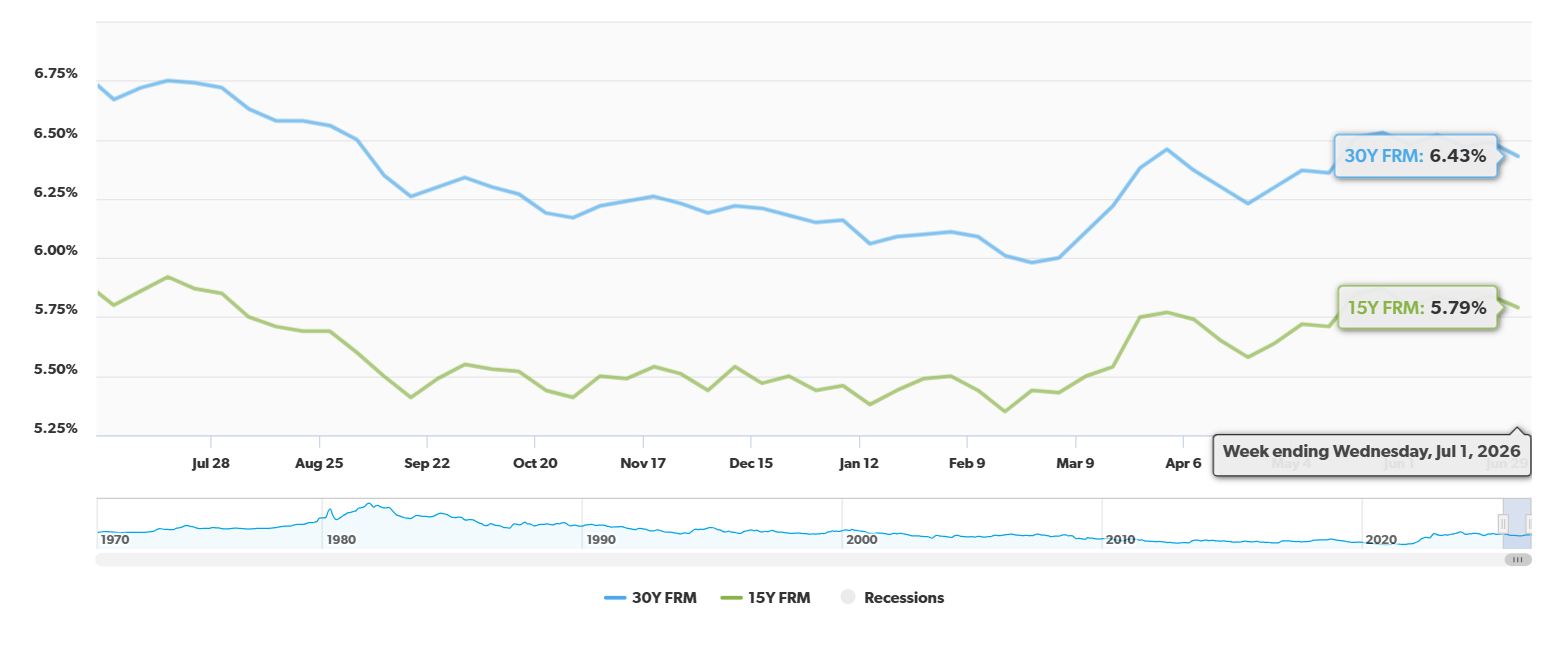
Trying to make sense of the housing market in 2026 can feel a bit like guesswork—especially when it comes to those all‑important 30‑year mortgage rates. Will they finally dip into a more comfortable range, or are we looking at another year of borrowing costs hovering stubbornly high? Based on the latest insights from major housing authorities and my own read on the economic currents, it appears that 30-year mortgage rates are likely to stay in the 5.5% to 6.5% range through the end of 2026. While some had hoped for lower figures, the economic climate suggests we'll be dealing with borrowing costs that are “higher for longer.”

30-Year Mortgage Rate Predictions for 2026

It’s easy to feel a bit lost when trying to predict mortgage rates, as so many factors are at play. From the Federal Reserve’s decisions to global events, it’s a complex dance. Here’s my breakdown of what’s really driving these numbers and why we're not seeing a sharp drop anytime soon.

The Fed's Tight Grip: Inflation and Interest Rates

The Federal Reserve's primary mission is to keep inflation in check. Lately, that inflation has been a bit more persistent than anyone would like. When the Consumer Price Index (CPI) stays elevated, the Fed tends to keep its benchmark interest rate – the federal funds rate – higher. Think of it like this: if the cost of goods and services is still climbing, the Fed is hesitant to make borrowing money cheaper, as that could further fuel spending and inflation. This “higher for longer” stance directly impacts bond yields, including those that mortgage rates are closely tied to, like the 10-year Treasury yield. I’ve seen this play out many times in my career; the Fed is usually more cautious than optimistic when inflation is stubborn.

Global Puzzles and Their Impact

We can't ignore what's happening on the world stage. Geopolitical tensions, particularly in regions like the Middle East, have a ripple effect on global oil prices. When oil prices climb, so does the cost of energy, which in turn contributes to overall inflation. This global uncertainty adds a “geopolitical premium” to things like mortgage rates and Treasury yields. It’s an extra layer of cost that lenders factor in because of the unpredictable nature of these events. It's a constant reminder that our local housing market is connected to a much larger, global economy.

The Secondary Market: A Wider Gap

Another critical piece of the puzzle is the secondary mortgage market. This is where loans are bought and sold. The spread – the difference in yield – between the 10-year Treasury and Mortgage-Backed Securities (MBS) has been wider than usual. This widening spread means lenders have to charge more for mortgages to maintain their profitability. It's an institutional factor, but it directly translates into higher rates for us as borrowers.

Expert Forecasts: What the Pros Are Saying

It’s always helpful to see what the major players in the housing industry are predicting. While early optimism for significant rate drops has softened, these revised forecasts offer a clearer picture of what to expect.

Here’s a look at some of the key predictions for late 2026:

Forecaster Predicted 2026 Range / Year-End Target Key Driver / Outlook
Fannie Mae 6.1% to 6.3% Expects rates to remain sticky, averaging 6.1% late 2026-2027.
Mortgage Bankers Association (MBA) 6.1% to 6.5% Cites elevated 10-year Treasury yields and potential Fed hikes.
Morgan Stanley 5.5% to 5.75% Predicts a mid-year low followed by a moderate rebound.
National Association of Realtors (NAR) 5.9% to 6.5% Forecasts general stabilization within a narrow range.

As you can see, there’s a consensus that rates will likely stay within a certain band, with most predicting figures above 6%. Morgan Stanley offers a slightly more optimistic outlook, suggesting a potential dip mid-year, but even they see a rebound. This consistency across different organizations gives me more confidence in the 5.5% to 6.5% range as a realistic expectation for 30-year mortgage rates in 2026.

My Take: Beyond the Numbers – Actionable Strategies

While watching economic forecasts is important, I believe the best approach for homebuyers and homeowners isn't to try and perfectly time the market – that’s a fool’s errand in my opinion. Instead, we need to focus on strategies that can help us secure the best possible rate now, regardless of minor fluctuations.

Leverage Seller-Paid Buydowns

This is a tactic I often advise clients to explore, especially in a market where sellers might be looking for an edge. A seller-paid buydown, like a 2-1 or 3-1 temporary rate buydown, can significantly lower your interest rate for the first few years of your mortgage. For example, a 2-1 buydown means your rate is 2% lower in the first year and 1% lower in the second year. This can make a substantial difference in your monthly payments during those crucial early years of homeownership. It's a win-win: the seller gets their home sold, and you get a more affordable start.

Polish Your Financial Profile

Your personal financial health plays a huge role in the rate you’ll be offered. While the Fed might move rates by a quarter-point, a significant improvement in your credit score can often yield a much larger personal benefit. If you’re planning to buy or refinance, spending time cleaning up your credit report, paying down debt, and ensuring a solid credit history can put you in a much stronger position. Moving from a “good” credit score to an “excellent” one can genuinely save you more money than waiting for a hypothetical rate drop. I’ve seen clients shave off half a percentage point or more just by improving their credit profile.

Shop Around, Especially with Credit Unions and Brokers

Don't just walk into the first big bank you see. Large financial institutions often have higher overhead and may apply stricter overlays on their rates. I highly recommend getting pre-approvals from multiple sources. Credit unions are often non-profit and can offer more competitive rates. Wholesale mortgage brokers also have access to a wider network of lenders and can often find better deals than you might find on your own. Comparing at least three to five quotes is essential. It's not about being difficult; it's about being smart with your money.

Conclusion: Preparedness is Key

The outlook for 30-year mortgage rates in 2026 suggests a period of relative stability within a higher range, likely between 5.5% and 6.5%. While economic conditions can always shift, the current trends point towards continued caution from the Federal Reserve and persistent inflationary pressures. Instead of waiting for the perfect moment, I encourage you to focus on what you can control: improving your financial standing, exploring creative financing options like seller buydowns, and diligently comparing offers from various lenders. By being prepared and proactive, you can still achieve your homeownership goals, even in this higher-rate environment.

🏡 Out‑of‑State Real Estate Investment: Alabama vs Tennessee

Helena, AL
🏠 Property: Village Pkwy
🛏️ Beds/Baths: 3 Bed • 2.5 Bath • 1500 sqft
💰 Price: $300,000 | Rent: $1,925
📊 Cap Rate: 6.4% | NOI: $1,608
📅 Year Built: 2025
📐 Price/Sq Ft: $200
🏙️ Neighborhood: B

VS

Nashville, TN
🏠 Property: Winton Dr
🛏️ Beds/Baths: 3 Bed • 2.5 Bath • 1688 sqft
💰 Price: $360,000 | Rent: $2,100
📊 Cap Rate: 5.5% | NOI: $1,662
📅 Year Built: 2001
📐 Price/Sq Ft: $214
🏙️ Neighborhood: A

Out‑of‑State real estate investors can weigh Alabama’s newer rental with solid cap rate against Tennessee’s established A‑rated property with stability. Which fits YOUR investment strategy?

We have much more inventory available than what you see on our website – Let us know about your requirement.

📈 Choose Your Winner & Contact Us Today!

Speak to a Norada Investment Counselor (No Obligation):

(800) 611-3060

View All Properties

Build Passive Income & Wealth with Turnkey Rentals

Mortgage rates remain near 6%, but rental properties continue to deliver strong cash flow and appreciation. Savvy investors know that turnkey real estate is the path to passive income and long‑term wealth.

Norada Real Estate helps you secure turnkey rental properties designed for immediate cash flow and appreciation—so you can invest smartly regardless of interest rate trends.

🔥 HOT INVESTMENT Properties JUST ADDED! 🔥
Request a Callback / Fill Out the Form Online

Contact Us

Also Read:

  • Will Mortgage Rates Drop to 5% in 2026: Expert Forecast
  • How to Get a 3% Mortgage Rate in 2026 With Assumable Mortgages?
  • How to Get a 4% Interest Rate on a Mortgage in 2026?
  • What Leading Housing Experts Predict for Mortgage Rates in 2026
  • Mortgage Rate Predictions for 2026: What Leading Forecasters Expect
  • Mortgage Rate Predictions for the Next 3 Years: 2026, 2027, 2028
  • 30-Year Fixed Mortgage Rate Forecast for the Next 5 Years
  • 15-Year Fixed Mortgage Rate Predictions for Next 5 Years: 2025-2029
  • Will Mortgage Rates Ever Be 3% Again in the Future?
  • Mortgage Rates Predictions for Next 2 Years
  • Mortgage Rate Predictions for Next 5 Years
  • Mortgage Rate Predictions: Why 2% and 3% Rates are Out of Reach
  • How Lower Mortgage Rates Can Save You Thousands?
  • How to Get a Low Mortgage Interest Rate?
  • Will Mortgage Rates Ever Be 4% Again?
Filed Under: Financing, Mortgage Tagged With: 30-Year Fixed Mortgage Rate, mortgage, Mortgage Rate Predictions, mortgage rates

Today’s Mortgage Rates, May 21: Rates Hit New Highs With 30-Year Fixed Rising to 6.55%

May 21, 2026 by Marco Santarelli

Today's Mortgage Rates, July 21: Buyers Catch a Small Break as 30‑Year Fixed Dips to 6.40%

Today, May 21st, 2026, the mortgage market is feeling the heat as rates continue their upward climb, with the benchmark 30-year fixed mortgage rate now sitting at 6.55%, the highest it's been since August of last year. This surge isn't a surprise to many of us watching the financial news closely, as a cocktail of persistent inflation and unsettling global events has been pushing borrowing costs higher.

Today's Mortgage Rates, May 21: Rates Hit New Highs With 30-Year Fixed Rising to 6.55%

The Current Rate Situation: A Snapshot

It feels like just yesterday we were talking about rates hovering in the low 5% range, and now, here we are, facing a much different reality. As a homeowner who’s navigated this market more than once, I know how unsettling it can be to see these numbers tick up. The main culprit behind this climb is a combination of things: stubbornly high inflation here at home and a whole lot of uncertainty brewing overseas, particularly with the ongoing conflict that's sending oil prices soaring and, in turn, pushing up the yield on the 10-year Treasury note.

Zillow’s latest data paints a clear picture of this trend. Every type of mortgage, from conventional to VA, and whether it’s fixed or adjustable, is seeing its rates go up. This isn't just a minor blip; it's a significant shift that impacts anyone looking to buy a home or refinance their current mortgage.

Today's Mortgage Rate Breakdown (May 21, 2026)

To give you a clear idea of where things stand, here's a breakdown of the current mortgage rates, according to Zillow:

Loan Type Interest Rate
30-year fixed 6.55%
20-year fixed 6.54%
15-year fixed 6.02%
5/1 ARM 6.80%
7/1 ARM 6.40%
30-year VA 5.96%
15-year VA 5.57%
5/1 VA 5.63%

What's Fueling These Rate Hikes?

The recent sharp downturn in the bond market is a major contributor. Reports showing that inflation isn't cooling off as much as we'd hoped, evidenced by stronger-than-expected Consumer Price Index (CPI) and Producer Price Index (PPI) figures, have directly translated into higher lending costs. On top of that, the Federal Reserve, under its new Chair, has made it clear they're not ready to lower interest rates. In fact, many in the financial world are now betting that the Fed will keep rates where they are for the rest of the year, or even consider raising them again later on. This cautious stance from the Fed signals that getting back to those super-low rates of the past is a distant dream.

Expert Predictions: Is the Era of Low Rates Over?

There’s a growing consensus among housing and financial experts that we’re not going back to the days of ultra-low mortgage rates anytime soon.

  • Fannie Mae and the Mortgage Bankers Association (MBA): These major players are predicting that the 30-year fixed rate will likely hover around 6.30% for the rest of 2026. They anticipate a slight dip to about 6.20% as we move into 2027.
  • Morgan Stanley: Their outlook is a bit more unpredictable. They're suggesting a potential drop to between 5.50% and 5.75% mid-year if Treasury yields stabilize. However, they also warn of another increase towards the end of the year and into 2027.
  • The Long-Term “Bear Case”: Some analysts are sounding a more serious alarm, pointing to persistent U.S. fiscal deficits and sticky inflation. They believe mortgage rates could remain elevated, somewhere between 6.60% and 7.00%, all the way through 2027 to 2030. The general sentiment here is that unless we see a deep global recession, a return to mortgage rates below 5% is unlikely for at least a couple of years.

What This Means for You: Critical Takeaways

If you’re thinking about buying a home or refinancing, here’s what you absolutely need to keep in mind:

  • Expect Daily Swings: Mortgage rates are incredibly sensitive. They don't just move after the Federal Reserve makes an announcement. Unexpected news from overseas, like a flare-up in international tensions, or even just a big Treasury sale, can easily bump your rate quote up by a quarter-point in a single afternoon. So, if you get a rate quote, don't assume it will be there tomorrow.
  • The Danger of Waiting: It's tempting to hold off, hoping rates will drop. But here's the catch: if rates do fall suddenly, a flood of buyers who have been waiting on the sidelines will rush into the market. This surge in demand can quickly drive home prices up, potentially negating any savings you might have gotten from a lower interest rate. I've seen this happen before, and it's a tough pill to swallow.
  • Refinancing as an Option: If you find a home that fits your needs and budget right now, my advice, based on what I'm seeing and hearing from real estate professionals, is to lock in your purchase. You always have the option to refinance later if the economic situation improves and rates eventually come down. This gives you the security of homeownership now, with the flexibility to adjust your mortgage terms in the future.

Ultimately, the mortgage market today is a dynamic environment. Staying informed and acting decisively, but thoughtfully, will be key to navigating these rising rates successfully.

🏡 Two Rental Properties Generating Consistent Cash Flow

Rincon, GA
🏠 Property: Founders Dr
🛏️ Beds/Baths: 3 Bed • 2 Bath • 1600 sqft
💰 Price: $275,000 | Rent: $2,200
📊 Cap Rate: 7.0% | NOI: $1,613
📅 Year Built: 2025
📐 Price/Sq Ft: $172
🏙️ Neighborhood: B+

VS

Port Charlotte, FL
🏠 Property: Prineville St
🛏️ Beds/Baths: 4 Bed • 2 Bath • 1914 sqft
💰 Price: $349,900 | Rent: $2,100
📊 Cap Rate: 5.0% | NOI: $1,457
📅 Year Built: 2025
📐 Price/Sq Ft: $183
🏙️ Neighborhood: A

Georgia’s affordable rental with higher cap rate vs Florida’s A‑rated property with stability. Which fits YOUR investment strategy?

We have much more inventory available than what you see on our website – Let us know about your requirement.

📈 Choose Your Winner & Contact Us Today!

Speak to a Norada Investment Counselor (No Obligation):

(800) 611-3060

View All Properties

Build Passive Income & Wealth with Turnkey Rentals in 2026

Mortgage rates remain high in 2026, but rental properties continue to deliver strong cash flow and appreciation. Savvy investors know that turnkey real estate is the path to passive income and long‑term wealth.

Norada Real Estate helps you secure turnkey rental properties designed for immediate cash flow and appreciation—so you can invest smartly regardless of interest rate trends.

🔥 HOT 2026 INVESTMENT LISTINGS JUST ADDED! 🔥
Request a Callback / Fill Out the Form Online

Contact Us

Also Read:

  • Mortgage Rates Predictions Backed by 7 Leading Experts: 2025–2026
  • Mortgage Rate Predictions for the Next 3 Years: 2026, 2027, 2028
  • 30-Year Fixed Mortgage Rate Forecast for the Next 5 Years
  • 15-Year Fixed Mortgage Rate Predictions for Next 5 Years: 2025-2029
  • Will Mortgage Rates Ever Be 3% Again in the Future?
  • Mortgage Rates Predictions for Next 2 Years
  • Mortgage Rate Predictions for Next 5 Years
  • Mortgage Rate Predictions: Why 2% and 3% Rates are Out of Reach
  • How Lower Mortgage Rates Can Save You Thousands?
  • How to Get a Low Mortgage Interest Rate?
  • Will Mortgage Rates Ever Be 4% Again?

Filed Under: Financing, Mortgage Tagged With: mortgage, mortgage rates, Today’s Mortgage Rates

Mortgage Rates Today, May 21, 2026: 30‑Year Refinance Rate Surges by 32 Basis Points

May 21, 2026 by Marco Santarelli

Mortgage Rates Today, July 21, 2026: 30-Year Refinance Rate Drops by 2 Basis Points

As of today, May 21, 2026, the mortgage refinance market is experiencing a significant shift, with the national average 30-year fixed refinance rate jumping to 7.00%. This marks a notable increase of 32 basis points from the previous week's average of 6.68%. For homeowners considering a refinance, understanding these movements and their implications is crucial for making informed financial decisions.

Mortgage Rates Today, May 21, 2026: 30-Year Refinance Rate Surges by 32 Basis Points

It’s been a wild ride in the mortgage market lately, and as of May 21, 2026, things have gotten even more interesting. We’re seeing the 30-year fixed refinance rate climb by a substantial 32 basis points from last week, reaching an average of 7.00% nationwide. This isn't just a small blip; it’s a significant move that’s making many homeowners pause and re-evaluate their refinancing plans.

Why the Sudden Jump? Unpacking the Forces at Play

It feels like just yesterday we were talking about rates dipping, and now we're facing a surge. As Zillow reported, the national average 30-year fixed refinance rate has moved up to 7.00%, a 15 basis point increase from yesterday's 6.85%. This isn't happening in a vacuum. Several big economic and global events are pushing mortgage rates higher.

One of the most significant drivers is the ongoing geopolitical tension, specifically the U.S. military conflict in Iran, dubbed “Operation Epic Fury.” This situation has sent shockwaves through global energy markets, leading to a massive spike in both oil and domestic gas prices. We’ve all felt it at the pump, and this surge in energy costs has a direct domino effect on inflation.

The latest Consumer Price Index (CPI) data shows inflation jumping by a concerning 3.8% annually, the sharpest increase since mid-2023. When prices for everyday goods and services climb this quickly, it automatically puts upward pressure on bond yields, and consequently, mortgage rates.

The Federal Reserve, while having cut rates in late 2024 and 2025, has adopted a cautious “wait and see” approach for its 2026 meetings. Given the stubborn inflation, it's highly unlikely they'll be cutting rates anytime soon. This Fed stance signals a period of sustained higher interest rates, which is a key factor influencing today's refinance rates.

Another critical element is the performance of the 10-year U.S. Treasury yield. Mortgage rates tend to follow these yields quite closely. Investor anxiety surrounding rising national debt and the increased geopolitical risks has caused these yields to climb abruptly, directly impacting the refinance rates we’re seeing today. Experts at Fannie Mae have even revised their forecasts, suggesting that 30-year rates might hover around 6.3% to 6.5% through the rest of 2026 and into 2027, indicating a potentially prolonged period of elevated rates.

Should You Refinance Now? A Closer Look at Your Options

This is the million-dollar question for many homeowners. Whether refinancing makes sense for you right now really depends on your current mortgage rate and when you secured your loan. Based on the current market conditions and expert analysis, here’s a breakdown:

Refinance Strategy Based on Your Current Loan Rate:

Current Rate is ABOVE 7.25% – 7.50% YES — Refinance Now
Current Rate is BETWEEN 6.30% – 6.80% HOLD — Wait for Volatility to Subside
Current Rate is BELOW 6.00% NO — Keep Existing Loan

When Refinancing Might Be Your Best Bet:

  • You have a high current rate: If you locked in a mortgage rate above 7.5% in late 2023 or mid-2024, refinancing to a rate in the mid-6% range, even with today's surge, could still lead to significant monthly savings.
  • You need to consolidate debt: If you're struggling with high-interest credit card debt, a cash-out refinance might be a smart move. Consolidating that debt into a single loan with a rate around 6.5%, even if it slightly increases your mortgage rate, could make sound financial sense.
  • You have an Adjustable-Rate Mortgage (ARM): If your current ARM is about to reset to a much higher rate, locking in a fixed rate now can protect you from future market spikes and provide payment stability.

When It’s Probably Best to Wait or Skip Refinancing:

  • You have a pandemic-era rate: A large portion of homeowners secured incredibly low rates (below 5% or 6%) during the pandemic. Refinancing into today's market at 6.7% or higher would dramatically increase your monthly payments, which is generally not advisable.
  • You plan to move soon: Refinancing comes with closing costs, typically ranging from 2% to 6% of your loan amount. If you don’t plan to stay in your home long enough to recoup these costs through savings, you could end up losing money.
  • You need cash for home improvements: If your primary goal is to fund renovations without touching your low primary mortgage rate, consider alternatives like a Home Equity Line of Credit (HELOC) or a traditional home equity loan. These options might be more financially prudent than refinancing.

My Take: Navigating the Volatility

From my experience, seeing rates jump this quickly can feel unsettling. I've worked with many clients who were on the fence about refinancing, and then a sudden rate hike like this forces their hand. My advice is always to look at your specific situation. Don't just react to the headlines.

If your current rate is significantly higher than today's 30-year fixed refinance rate of 7.00%, it's absolutely worth exploring. The savings on interest over the life of your loan can be substantial. However, if you have a rock-bottom rate from a few years ago, trying to time the market perfectly now is probably not the best strategy. Focus on the long game and the security of your current, low payment.

For those in the middle, sitting on rates between, say, 6.30% and 6.80%, I’d lean towards waiting. The market is showing a lot of volatility, driven by factors that could potentially ease. Watching the economic indicators and seeing if things stabilize might lead to better opportunities down the line. Remember, the 15-year fixed refinance rate has also nudged up to 6.08%, and the 5-year ARM refinance rate is currently at 7.00%. This shows a broad upward trend across different loan types.

Your Action Plan: Steps to Take if You Decide to Refinance

If, after careful consideration, you decide that refinancing is the right move for you, here’s a step-by-step approach to ensure you get the best possible outcome:

  1. Calculate Your Break-Even Point: This is crucial. Add up all your estimated closing costs for the refinance. Then, figure out how much you'll save on your monthly payment. Divide the total closing costs by your monthly savings. The result is the number of months you need to stay in your home to recoup your refinance expenses. For example, if closing costs are $6,000 and you save $150 per month, you need 40 months ($6,000 / $150) to break even.
  2. Gather Your Financial Documents: Lenders will need to see your recent tax returns, W-2s, pay stubs, and current mortgage statements. Having these ready will speed up the application and underwriting process.
  3. Shop Around Aggressively: This is non-negotiable. Mortgage rates and fees can vary significantly between lenders. Get personalized quotes from at least three different institutions – think national banks, local credit unions, and online mortgage brokers. Don't be afraid to negotiate.
  4. Compare APR, Not Just the Interest Rate: The Annual Percentage Rate (APR) gives you a more accurate picture of the loan's true cost because it includes not only the interest rate but also upfront lender fees and other charges. Always compare APRs when evaluating different loan offers.
  5. Keep an Eye on the 10-Year Treasury: If you see positive news on the geopolitical front or a drop in oil prices, the Treasury yields might dip. This could lead to a temporary decrease in mortgage rates. Be ready to act fast and lock in your rate with your chosen lender on such a day.

The mortgage market is dynamic, and today’s rate surge is a clear signal that homeowners need to stay informed and act strategically. By understanding the factors driving these changes and carefully evaluating your personal financial situation, you can make the best decision for your homeownership journey.

🏡 Out-of-state turnkey real estate investments

Helena, AL
🏠 Property: Village Pkwy
🛏️ Beds/Baths: 3 Bed • 2.5 Bath • 1500 sqft
💰 Price: $300,000 | Rent: $1,925
📊 Cap Rate: 6.4% | NOI: $1,608
📅 Year Built: 2025
📐 Price/Sq Ft: $200
🏙️ Neighborhood: B

VS

Nashville, TN
🏠 Property: Winton Dr
🛏️ Beds/Baths: 3 Bed • 2.5 Bath • 1688 sqft
💰 Price: $360,000 | Rent: $2,100
📊 Cap Rate: 5.5% | NOI: $1,662
📅 Year Built: 2001
📐 Price/Sq Ft: $214
🏙️ Neighborhood: A

Alabama’s newer rental with solid cap rate vs Tennessee’s established A‑rated property with stability. Which fits YOUR investment strategy?

We have much more inventory available than what you see on our website – Let us know about your requirement.

📈 Choose Your Winner & Contact Us Today!

Speak to a Norada Investment Counselor (No Obligation):

(800) 611-3060

View All Properties

Build Passive Income & Wealth with Turnkey Rentals in 2026

Mortgage rates remain high in 2026, but rental properties continue to deliver strong cash flow and appreciation. Savvy investors know that turnkey real estate is the path to passive income and long‑term wealth.

Norada Real Estate helps you secure turnkey rental properties designed for immediate cash flow and appreciation—so you can invest smartly regardless of interest rate trends.

🔥 HOT 2026 INVESTMENT LISTINGS JUST ADDED! 🔥
Request a Callback / Fill Out the Form Online

Contact Us

Also Read:

  • Mortgage Rates Predictions Backed by 7 Leading Experts: 2025–2026
  • Mortgage Rate Predictions for the Next 3 Years: 2026, 2027, 2028
  • 30-Year Fixed Mortgage Rate Forecast for the Next 5 Years
  • 15-Year Fixed Mortgage Rate Predictions for Next 5 Years: 2025-2029
  • Will Mortgage Rates Ever Be 3% Again in the Future?
  • Mortgage Rates Predictions for Next 2 Years
  • Mortgage Rate Predictions for Next 5 Years
  • Mortgage Rate Predictions: Why 2% and 3% Rates are Out of Reach
  • How Lower Mortgage Rates Can Save You Thousands?
  • How to Get a Low Mortgage Interest Rate?
  • Will Mortgage Rates Ever Be 4% Again?

Filed Under: Financing, Mortgage Tagged With: mortgage rates, Mortgage Rates Today, Refinance Rates

Today’s Mortgage Rates, May 20: Rates Rise Sharply Across the Board for Conventional Loans

May 20, 2026 by Marco Santarelli

Today's Mortgage Rates, July 21: Buyers Catch a Small Break as 30‑Year Fixed Dips to 6.40%

If you're looking to buy a home or refinance, you've likely noticed that mortgage rates have taken a hike today, May 20, 2026. Across the board, conventional mortgage rates are up, with the popular 30-year fixed-rate mortgage now sitting at a significant 6.50%. This isn't just a small blip; it's the highest we've seen this particular rate since August of last year. I know that news can be unsettling for anyone navigating the housing market, but understanding why these rates are climbing is key to making smart decisions.

Today's Mortgage Rates, May 20: Rates Rise Sharply Across the Board for Conventional Loans

From my perspective, this shift is a direct response to a few major forces at play in our economy and global affairs. We're seeing intensifying inflation fears, a rise in the 10-year Treasury yields, and even geopolitical instability that's shaking up global energy markets. These aren't isolated incidents; they're interconnected pieces of a larger economic puzzle that directly impact how much it costs to borrow money for a home.

Let's break down what these numbers really mean. According to the latest data from Zillow, here's a snapshot of today's mortgage rates:

Loan Type Current Rate
30-year fixed 6.50%
20-year fixed 6.42%
15-year fixed 5.99%
5/1 ARM 6.69%
7/1 ARM 6.32%
30-year VA 5.91%
15-year VA 5.63%
5/1 VA 5.65%

As you can see, the increases are across the board. The 20-year fixed loan climbed by 3 basis points to 6.42%, while the 15-year fixed saw a more substantial jump of 15 basis points to 5.99%. For those considering adjustable-rate mortgages (ARMs), the 5/1 ARM is now at 6.69%, up by 19 basis points.

The Big Picture: What's Fueling Today's Rate Hikes?

It's crucial to understand the forces driving these changes. Based on my experience, when mortgage rates move, it's rarely due to just one factor. It's usually a confluence of economic indicators and global events. Today, several key elements are contributing to this upward pressure:

  • Geopolitical Conflict & Oil Shock: A significant factor at play is the ongoing conflict involving Iran. This has sent shockwaves through global energy markets, pushing WTI crude oil prices past the $102 a barrel mark. When oil prices spike, it has a ripple effect. Higher energy and gas prices directly contribute to broader consumer price increases, effectively reversing some of the hard-won progress we've seen in cooling inflation. I've seen this happen time and time again; energy costs are a fundamental driver of overall inflation.
  • Sticky Inflation Figures: Investors are closely watching inflation reports, and the latest Consumer Price Index (CPI) didn't offer much comfort. It revealed that inflation jumped by 3.8% annually, which is the highest rate increase we've witnessed in three years. This figure is considerably higher than the Federal Reserve's target of 2%. When inflation is this persistent, it signals to the market that the central bank might need to keep interest rates higher for longer to get it under control.
  • Rising 10-Year Treasury Yields: It's a well-established relationship: mortgage rates tend to follow the direction of the 10-year U.S. Treasury yield. As the bond market starts to price in these heightened inflation risks, the 10-year yield has surged. We're now seeing it hovering around 4.48%. When this yield goes up, it directly pulls mortgage borrowing costs higher, making it more expensive for you and me to finance a home.
  • Shifted Fed Expectations: All this economic data – the strong labor market coupled with stubborn inflation – has significantly altered expectations about the Federal Reserve's next moves. Gone are the widespread hopes for upcoming rate cuts in 2026. Instead, the bond markets are now factoring in a “holding pattern” for the Fed's June meeting. Some traders are even putting the probability of an eventual rate hike by the end of the year at around 30%. This signals a more hawkish stance from the central bank, which invariably leads to higher borrowing costs.

What This Means for You: Navigating Today's Housing Market

These rising rates have tangible consequences for homebuyers and homeowners. Here's how I see things playing out:

  1. Home Buyers Retreat as Applications Fall: We're already seeing a pullback in buyer activity. According to the Mortgage Bankers Association (MBA), weekly home purchase applications have dropped by 4%. This isn't surprising when you consider that the average weekly contract rate has climbed by 10 basis points to 6.56%, hitting a nearly two-month high. Buyers are increasingly facing an affordability wall, and these rapid upward trends in rates make it harder to swing a monthly payment.
  2. Demand Surges for Riskier Adjustable-Rate Mortgages (ARMs): As fixed rates climb, many buyers are looking for ways to keep their monthly payments manageable. This has led to a surge in demand for adjustable-rate mortgages (ARMs). The share of ARMs in total applications has jumped to nearly 10%. People are willing to accept the future risk of a fluctuating rate in exchange for lower introductory payments today. It's a trade-off many are making to get into a home now.
  3. Prediction Markets Target Higher Rates: Looking at what financial traders are betting on can offer some insight. Data from Kalshi prediction markets suggests a strong sentiment against a rate drop. The probability that the 30-year fixed rate will surpass 6.8% and potentially hit 7% this year has climbed to 50%. This is a clear warning sign for buyers hoping for a quick decline; waiting it out might mean facing even higher costs down the line.
  4. Conforming Loan Limits Sit at a Historic High: On a more positive note for potential buyers, the conforming loan limits for 2026 remain at a historic high. For most of the United States, this limit is $832,750. This means a larger safety net before you need to consider a more expensive Jumbo loan. Loans below this threshold can still qualify for standard conventional rates, which are generally lower than those for Jumbo loans.
  5. Surprising “Cautious Optimism” in Spring Housing Inventory: Despite the volatility in rates, there's a bit of good news from the housing market itself. The National Association of Realtors (NAR) reported that pending home sales actually rose 1.4% month-over-month. Buyers are showing a remarkable ability to adapt to this “new normal” of rates above 6%. With an influx of spring inventory, many are moving forward with purchases, adopting a strategy of “marrying the house, and renting the rate,” with the hope of refinancing to a lower rate in the future.

How Other Loan Types Are Averaging

It's not just conventional loans seeing increases. If you're exploring other options, here's how national averages are looking for specialized products:

  • FHA Loans: Averaging around 6.29%. These are often a great option for those with lower credit scores.
  • VA Loans: Averaging about 6.16%. These are fantastic for military members and veterans, often featuring 0% down payment options.
  • Jumbo Loans: Averaging approximately 6.66%. These are for higher-value properties or those in high-cost areas.

The mortgage market is a dynamic beast, and today's rate increases are a clear signal that we need to stay informed and adaptable. Whether you're a buyer, seller, or homeowner looking to refinance, understanding these trends is your best tool for navigating the path ahead.

🏡 Two Rental Properties Generating Consistent Cash Flow

Rincon, GA
🏠 Property: Founders Dr
🛏️ Beds/Baths: 3 Bed • 2 Bath • 1600 sqft
💰 Price: $275,000 | Rent: $2,200
📊 Cap Rate: 7.0% | NOI: $1,613
📅 Year Built: 2025
📐 Price/Sq Ft: $172
🏙️ Neighborhood: B+

VS

Port Charlotte, FL
🏠 Property: Prineville St
🛏️ Beds/Baths: 4 Bed • 2 Bath • 1914 sqft
💰 Price: $349,900 | Rent: $2,100
📊 Cap Rate: 5.0% | NOI: $1,457
📅 Year Built: 2025
📐 Price/Sq Ft: $183
🏙️ Neighborhood: A

Georgia’s affordable rental with higher cap rate vs Florida’s A‑rated property with stability. Which fits YOUR investment strategy?

We have much more inventory available than what you see on our website – Let us know about your requirement.

📈 Choose Your Winner & Contact Us Today!

Speak to a Norada Investment Counselor (No Obligation):

(800) 611-3060

View All Properties

Build Passive Income & Wealth with Turnkey Rentals in 2026

Mortgage rates remain high in 2026, but rental properties continue to deliver strong cash flow and appreciation. Savvy investors know that turnkey real estate is the path to passive income and long‑term wealth.

Norada Real Estate helps you secure turnkey rental properties designed for immediate cash flow and appreciation—so you can invest smartly regardless of interest rate trends.

🔥 HOT 2026 INVESTMENT LISTINGS JUST ADDED! 🔥
Request a Callback / Fill Out the Form Online

Contact Us

Also Read:

  • Mortgage Rates Predictions Backed by 7 Leading Experts: 2025–2026
  • Mortgage Rate Predictions for the Next 3 Years: 2026, 2027, 2028
  • 30-Year Fixed Mortgage Rate Forecast for the Next 5 Years
  • 15-Year Fixed Mortgage Rate Predictions for Next 5 Years: 2025-2029
  • Will Mortgage Rates Ever Be 3% Again in the Future?
  • Mortgage Rates Predictions for Next 2 Years
  • Mortgage Rate Predictions for Next 5 Years
  • Mortgage Rate Predictions: Why 2% and 3% Rates are Out of Reach
  • How Lower Mortgage Rates Can Save You Thousands?
  • How to Get a Low Mortgage Interest Rate?
  • Will Mortgage Rates Ever Be 4% Again?

Filed Under: Financing, Mortgage Tagged With: mortgage, mortgage rates, Today’s Mortgage Rates

Mortgage Rates Today, May 20, 2026: 30‑Year Refinance Rate Rises by 37 Basis Points

May 20, 2026 by Marco Santarelli

Mortgage Rates Today, July 21, 2026: 30-Year Refinance Rate Drops by 2 Basis Points

If you have been keeping an eye on your home loan options lately, you likely felt a bit of a shock today. As of May 20, 2026, the 30-year fixed refinance rate has climbed to 7.05%, marking a significant jump of 37 basis points from last week’s levels. This move puts us firmly above the 7% threshold, making it a challenging day for homeowners looking to lower their monthly payments or pull cash out of their equity.

In my view, this isn't just a random blip on the radar. It is a direct reaction to global instability and some stubborn economic data that we simply cannot ignore. If you are trying to decide whether to lock in a rate or wait, here is the breakdown of what is happening and why it matters to your wallet.

Mortgage Rates Today, May 20, 2026: 30‑Year Refinance Rate Rises by 37 Basis Points

Current Refinance Rates

To give you a clear picture of where things stand, here are the latest numbers. Please keep in mind that these are based on data provided by Zillow.

Loan Type Current Rate Day-to-Day Change Weekly Change
30-Year Fixed Refi 7.05% +19 bps +37 bps
15-Year Fixed Refi 6.08% +7 bps +N/A
5-Year ARM Refi 7.14% Unchanged Unchanged

3 Major Reasons Rates Are Rising This Week

When I look at why rates are spiking, three specific factors stand out. It is rarely just one thing, but right now, the “perfect storm” is hitting mortgage markets hard.

  • Energy Shocks and the Iran Conflict: Geopolitics is often the hidden driver of your mortgage rate. The ongoing war in Iran has sent tremors through energy markets. When crude oil prices surge—we saw an 8% jump recently—it increases the cost of everything from shipping to manufacturing. This reignites inflation fears, and bond markets hate uncertainty.
  • Resilient Inflation Pressures: We are seeing the Consumer Price Index (CPI) hit 3.8% annually. When inflation stays that high, the Federal Reserve’s goal of 2% feels very far away. Lenders have to increase rates to protect themselves against the declining value of the dollar over the long term.
  • Surging Treasury Yields: Mortgage rates generally follow the 10-year U.S. Treasury yield. Lately, investors have been selling off bonds at a rapid pace due to global debt concerns. As bond prices fall, yields rise, and mortgage lenders pass those costs directly on to you.

Understanding “Negative Demand” in the 2026 Market

You might be wondering, “If inventory is up, why aren't prices crashing?” The answer is something economists call negative demand.

Even though we have nearly 10% more homes on the market than we did a few months ago, buyers are backing away. Total mortgage applications dropped by 2.3% this week, and purchase applications—the heartbeat of the housing market—fell by 4.1%.

From my perspective, this is a classic “wait-and-see” strike. Homebuyers are doing the math. When you combine a 6.5%+ mortgage rate with the high home prices we still have in most of the country, the monthly payment is simply too high for many families. It creates a weird environment where houses sit on the market longer, but buying remains out of reach for many.

What the Experts Are Saying

We are currently in a “reset” phase. The days of the Fed frantically raising rates are behind us, but we are stuck in a high-rate plateau. With no Fed meeting this month, benchmark rates are paused at 3.50%–3.75%.

Most analysts, including those at the MBA and Fannie Mae, expect the 30-year fixed rate to hover between 5.9% and 6.5% for the remainder of 2026. Interestingly, Danielle Hale from Realtor.com has pointed out that renting costs are expected to drop by 1% through the end of the year. If you are a first-time buyer, renting might actually be the smarter financial move while the market finds its footing.

Checklist: What Refinancers and Buyers Must Know Right Now

If you are feeling stressed, take a deep breath. Here is how I suggest you handle the current market:

  • Know the Gap: Remember that refinance rates are currently 0.20%–0.30% higher than purchase rates. Make sure your “break-even” math includes this premium.
  • Negotiate, Negotiate, Negotiate: Because homes are sitting on the market about six days longer than they used to, you have power. Don't be afraid to ask for seller concessions or help with a rate buy-down.
  • Accept the New Normal: We have to stop waiting for 3% or 4% rates—they aren't coming back soon. If you find a home you love at 6.3% and the payment works for your budget, buy it. You can always refinance later if rates drop, but you can’t buy the house if someone else snags it first.

The bottom line is that the market is difficult, but it isn't impossible. Keep your credit score high, watch the 10-year Treasury yield like a hawk, and don't rush into a deal that makes you house-poor.

🏡 Out-of-state turnkey real estate investments

Helena, AL
🏠 Property: Village Pkwy
🛏️ Beds/Baths: 3 Bed • 2.5 Bath • 1500 sqft
💰 Price: $300,000 | Rent: $1,925
📊 Cap Rate: 6.4% | NOI: $1,608
📅 Year Built: 2025
📐 Price/Sq Ft: $200
🏙️ Neighborhood: B

VS

Nashville, TN
🏠 Property: Winton Dr
🛏️ Beds/Baths: 3 Bed • 2.5 Bath • 1688 sqft
💰 Price: $360,000 | Rent: $2,100
📊 Cap Rate: 5.5% | NOI: $1,662
📅 Year Built: 2001
📐 Price/Sq Ft: $214
🏙️ Neighborhood: A

Alabama’s newer rental with solid cap rate vs Tennessee’s established A‑rated property with stability. Which fits YOUR investment strategy?

We have much more inventory available than what you see on our website – Let us know about your requirement.

📈 Choose Your Winner & Contact Us Today!

Speak to a Norada Investment Counselor (No Obligation):

(800) 611-3060

View All Properties

Build Passive Income & Wealth with Turnkey Rentals in 2026

Mortgage rates remain high in 2026, but rental properties continue to deliver strong cash flow and appreciation. Savvy investors know that turnkey real estate is the path to passive income and long‑term wealth.

Norada Real Estate helps you secure turnkey rental properties designed for immediate cash flow and appreciation—so you can invest smartly regardless of interest rate trends.

🔥 HOT 2026 INVESTMENT LISTINGS JUST ADDED! 🔥
Request a Callback / Fill Out the Form Online

Contact Us

Also Read:

  • Mortgage Rates Predictions Backed by 7 Leading Experts: 2025–2026
  • Mortgage Rate Predictions for the Next 3 Years: 2026, 2027, 2028
  • 30-Year Fixed Mortgage Rate Forecast for the Next 5 Years
  • 15-Year Fixed Mortgage Rate Predictions for Next 5 Years: 2025-2029
  • Will Mortgage Rates Ever Be 3% Again in the Future?
  • Mortgage Rates Predictions for Next 2 Years
  • Mortgage Rate Predictions for Next 5 Years
  • Mortgage Rate Predictions: Why 2% and 3% Rates are Out of Reach
  • How Lower Mortgage Rates Can Save You Thousands?
  • How to Get a Low Mortgage Interest Rate?
  • Will Mortgage Rates Ever Be 4% Again?

Filed Under: Financing, Mortgage Tagged With: mortgage rates, Mortgage Rates Today, Refinance Rates

  • « Previous Page
  • 1
  • …
  • 17
  • 18
  • 19
  • 20
  • 21
  • …
  • 377
  • Next Page »

Real Estate

  • Birmingham
  • Cape Coral
  • Charlotte
  • Chicago

Quick Links

  • Markets
  • Membership
  • Notes
  • Contact Us

Blog Posts

  • Best Real Estate Markets for First-Time Investors in 2026
    July 21, 2026Marco Santarelli
  • Today’s Mortgage Rates, July 21: Buyers Catch a Small Break as 30‑Year Fixed Dips to 6.40%
    July 21, 2026Marco Santarelli
  • Best Places to Invest in Real Estate for the Next 5 Years (2026-2030)
    July 21, 2026Marco Santarelli

Contact

Norada Real Estate Investments 30251 Golden Lantern, Suite E-261 Laguna Niguel, CA 92677

(949) 218-6668
(800) 611-3060
BBB
  • Terms of Use
  • |
  • Privacy Policy
  • |
  • Testimonials
  • |
  • Suggestions?
  • |
  • Home

Copyright 2018 Norada Real Estate Investments

Loading...